

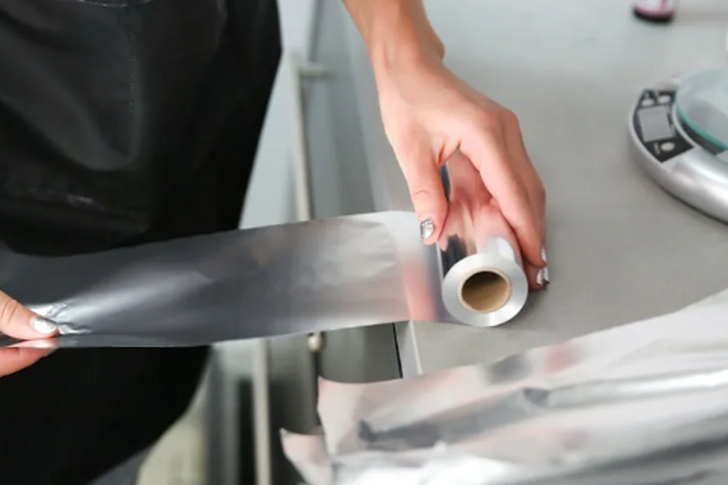
Ngjitni fletë alumini në mur/ Pse ekspertët e rekomandojnë dhe çfarë mund të zbuloni
Mund të duket si një "mashtrim" i thjeshtë shtëpiak me ngj...


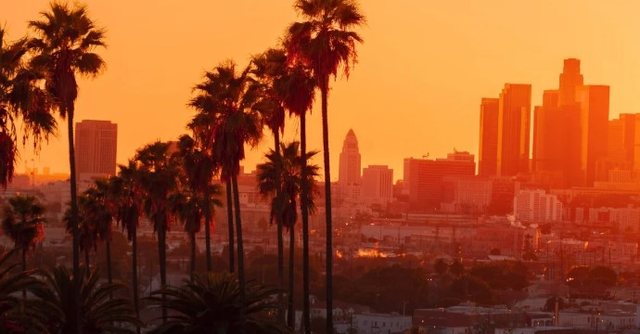
A new international study has found that trees can almost halve the effect known as the "urban heat island," a phenomenon that makes cities hotter than surrounding rural areas.
According to researchers, cities and towns are typically 1 to 3 degrees Celsius hotter than the surrounding areas, while in some cases the difference can be as much as 7 degrees Celsius. This is because surfaces such as asphalt, concrete and brick absorb heat during the day and release it gradually.
To understand the role of trees in mitigating this phenomenon, researchers analyzed data from nearly 9,000 cities around the world, home to about 3.6 billion people. The results show that trees reduce the urban heat island effect by almost 50 percent on average, lowering air temperatures by about 0.5 to 1.5 degrees Celsius in many cities.
Trees act as “natural air conditioners,” creating shade and cooling the air through the process of transpiration, during which they release water vapor from their leaves. This helps lower temperatures, especially during hot summer days.
However, the study also highlights an important problem: trees are not evenly distributed. Wealthier neighborhoods and suburban areas tend to have more greenery, while low-income areas and rapidly developing regions have fewer trees and face higher temperatures.
In the United States, for example, low-income neighborhoods have an average of 15 percent fewer trees and are about 1.5 degrees Celsius hotter than wealthier neighborhoods.
Experts warn that, although planting trees is an effective measure with numerous benefits for the environment and public health, it cannot solve the problem of global warming alone. According to estimates, current urban trees would offset only about 10 percent of the additional warming predicted by the middle of this century, while with ambitious planting programs this figure could reach 20 percent.
Researchers recommend that cities combine tree planting with other measures, such as using reflective materials, expanding green spaces, creating green roofs, and improving air circulation between buildings.
According to them, trees remain one of the most important weapons to combat urban heat, but confronting climate change also requires reducing greenhouse gas emissions and broader environmental policies./ CNA

Mund të duket si një "mashtrim" i thjeshtë shtëpiak me ngj...
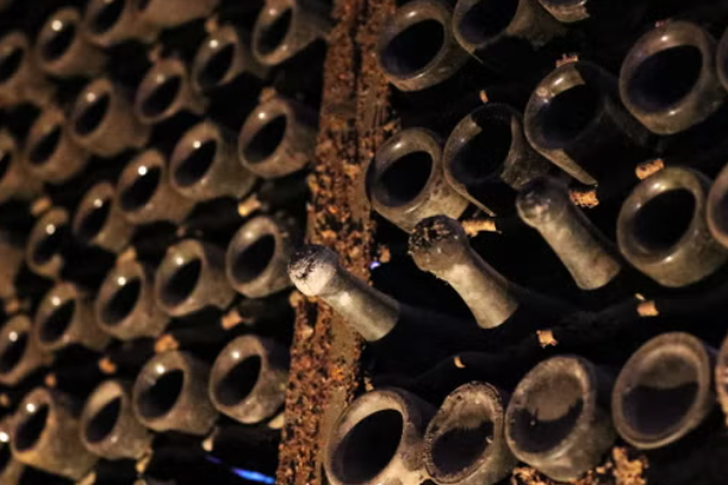
An extraordinary collection of wines once owned by the Geo...
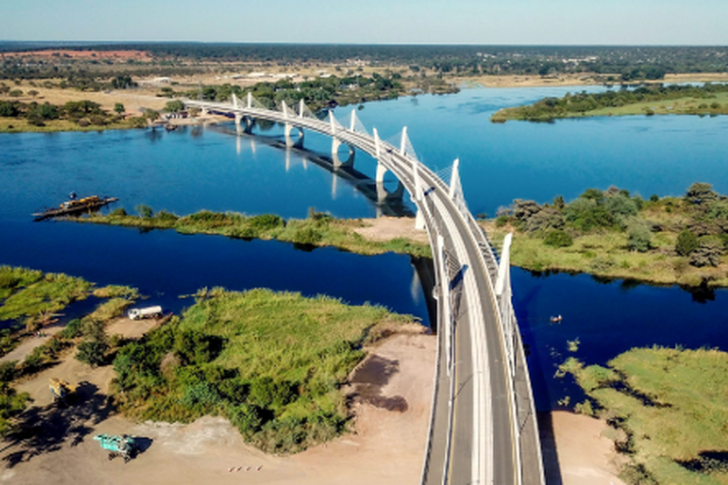
It's called Kazungula and it's certainly not the most visu...

Astronomers using NASA's James Webb Space Telescope along ...
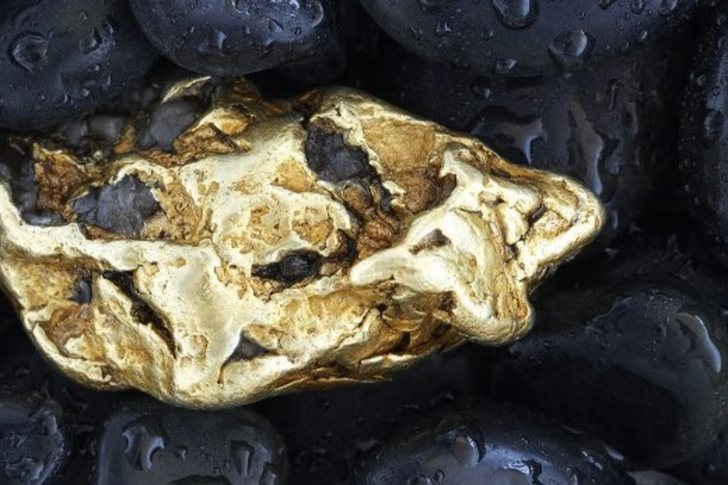
Gold has been one of the world's most precious metals for ...
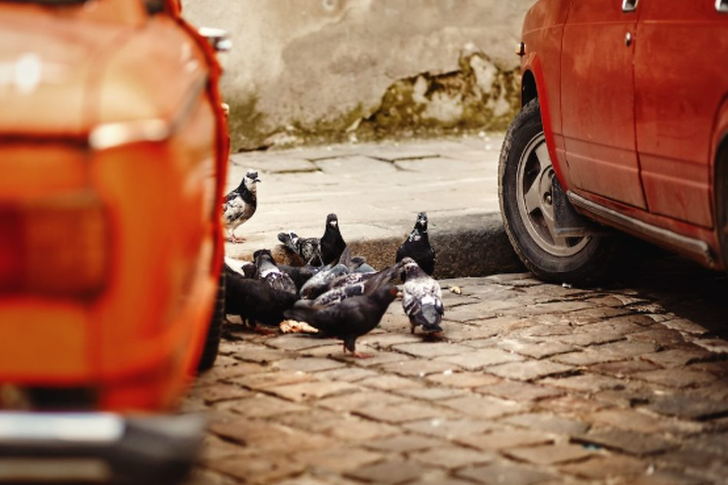
It's a strange situation in which the bird targets the car...

For the third year in a row, no female athlete has been ra...
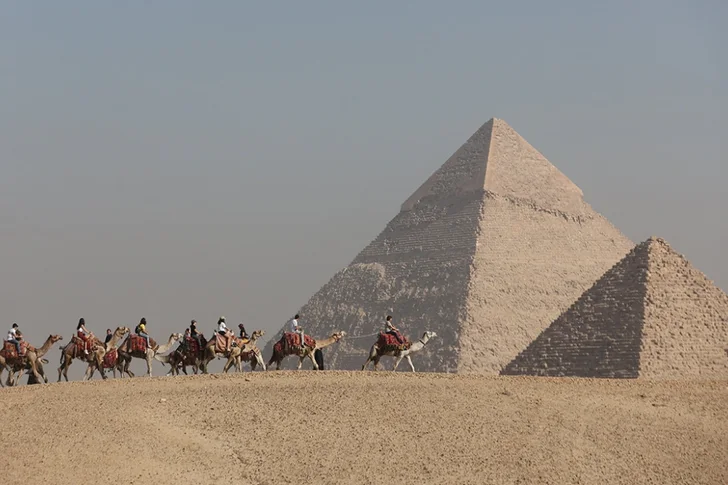
Nëse ka një strukturë të krijuar nga njeriu që është ndërt...
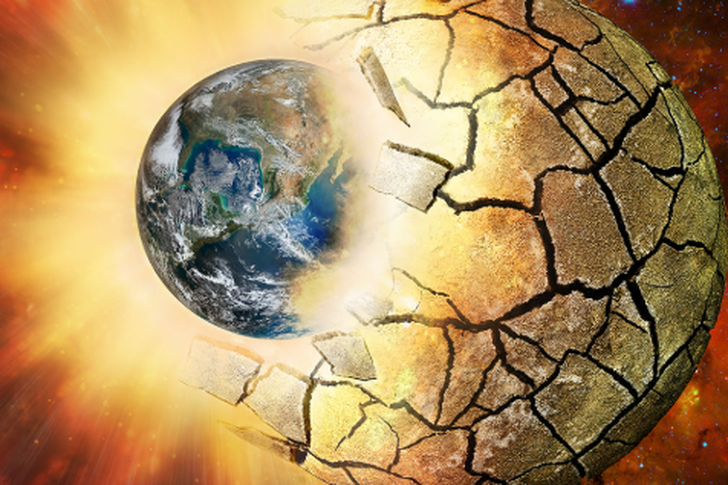
Every few years, humanity is given a 'new deadline' for th...
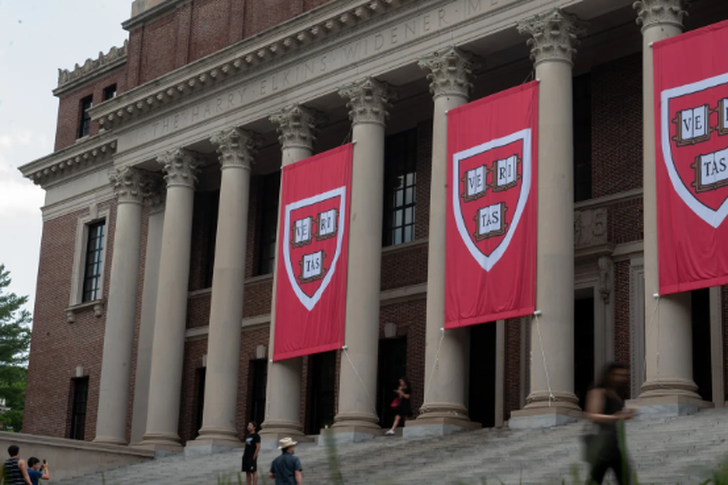
Harvard University faculty voted to approve a limit on the...

A smiling emoji on a screen hardly compares to a real huma...
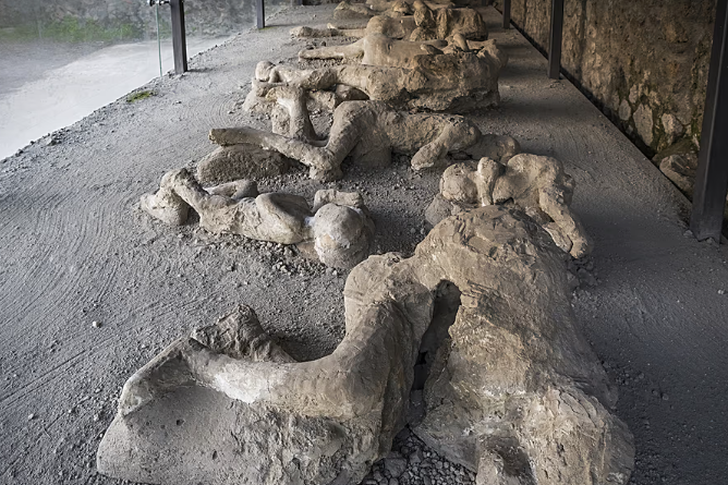
Interdisciplinary archaeological work made it possible to ...

A new species of giant, long-necked dinosaur, twice the si...

US President Donald Trump and Chinese President Xi Jinping...

While coffee usually makes people feel more alert, some pe...
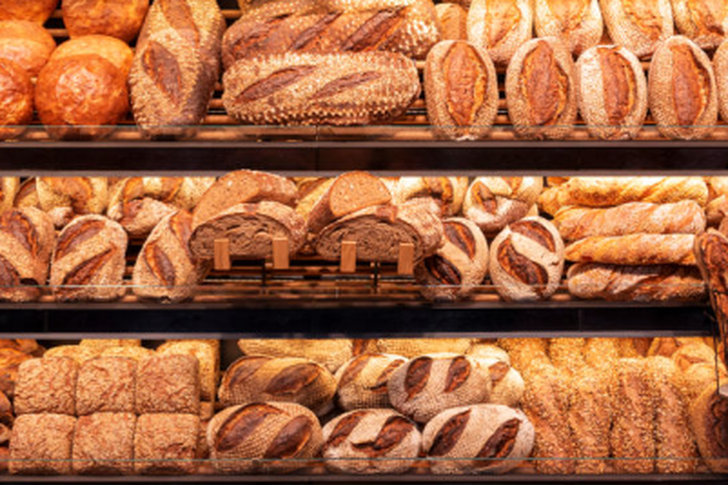
Bread is an important part of everyday life in Germany. Wi...
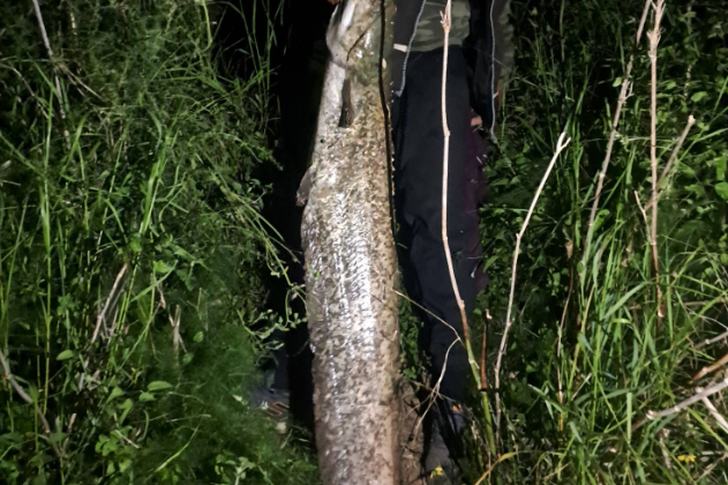
A catfish fish, caught in the mouth of the Kalama River in...

A self-proclaimed King of Switzerland has sparked outrage ...

A new study suggests that participating in elections may h...
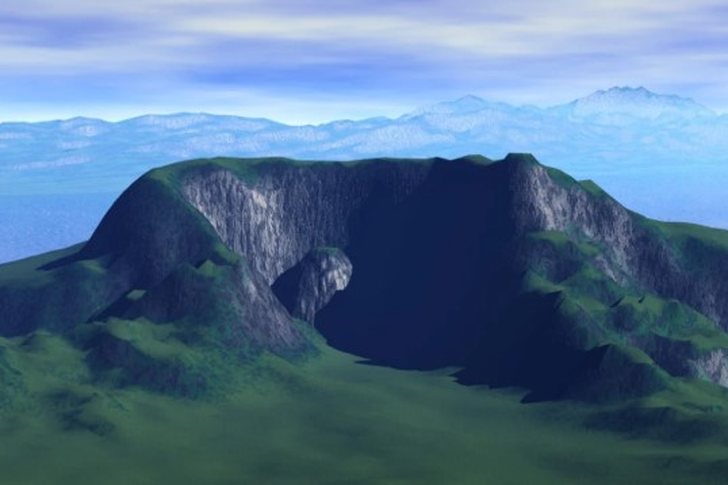
A new study from ETH Zurich suggests that volcanoes long c...

The company "Gjikuria" has been caught in several serious ...
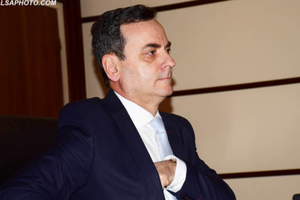
Sokol Sadushi's tentacles have touched the diplomatic syst...

Another name listed in the group of 99 of Erion Veliaj...

The mayor of Tirana, Erion Veliaj, arrested on 13 charges ...

The Special Board of Appeal (KPA) decided this Monday ...

The KPA vetting decided this Thursday to dismiss the p...

Suela Salavaçi, a prosecutor in the Prosecutor's Offic...

The Special Board of Appeal reinstated the prosecutor ...

Two German tourists were rescued through a search operatio...

A motorcycle found today in Saranda has raised suspicions ...
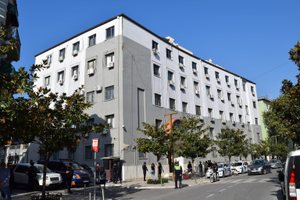
The Durrës Court has jailed the director of the Albanian P...

The Trafficking Investigation Section has finalized the po...
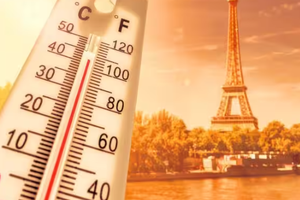
The World Health Organization described extreme heat in Eu...

Systematically in the last 15 years, circulatory system di...
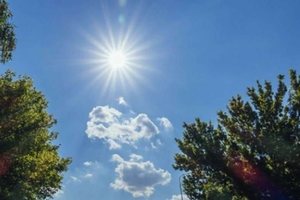
Today, our country will remain under the influence of stab...

On Friday, our country will remain under the influence of ...
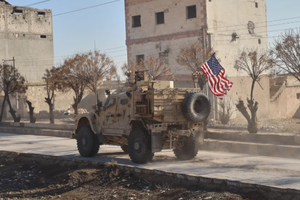
Two American soldiers were killed in Jordan during Iranian...
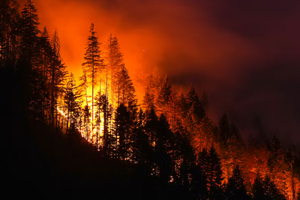
Smoke from massive wildfires in Canada has blanketed much ...

New York Mayor Zohran Mamdani said he is in talks about wh...

A fragile ceasefire between Iran and the United States is ...

Master of humor Todi Llupi has passed away at the age of 7...

The ninth edition of "MIK Festival" kicked off with one of...

A historic evening for Albanian culture was marked in the ...

When I turned 10, another building was built in front of o...
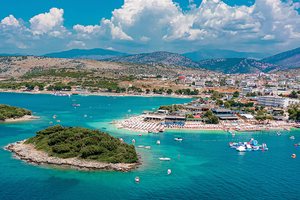
INSTAT statistics for May show an increase in tourism, wit...

Albania needs higher wages, but more than that. It needs a...

This Saturday, one US dollar is bought for 81.2 lek and so...
The Albanian economy continued to expand in early 2026, bu...