


Inspired by Chinese cuisine/ Special menu at the Trump-Xi Jinping banquet
US President Donald Trump and Chinese President Xi Jinping...


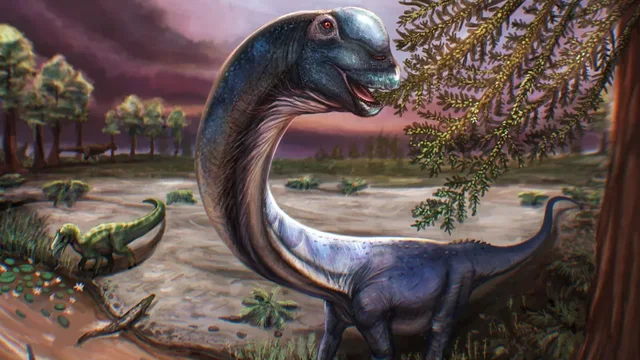
A new species of giant, long-necked dinosaur, twice the size of a Tyrannosaurus rex, has been identified by scientists from remains excavated in Thailand.
Nagatitan, the largest dinosaur ever found in Southeast Asia, weighed 27 tons—as much as nine full-grown Asian elephants—and was 27 meters long, taller than a diplodocus. Like that dinosaur, it belonged to the sauropod family of long-necked herbivores.
A team of researchers from the United Kingdom and Thailand identified the species from fossils found near a pond in northeastern Thailand a decade ago.
They say the discovery sheds light on how changes in ancient climatic conditions allowed the development of giant dinosaurs.
The dinosaur's full name is Nagatitan chaiyaphumensis, where "naga" refers to a serpent in Southeast Asian folklore, "titan" refers to gods in Greek mythology, and chaiyaphumensis means "from Chaiyaphum," the province where the fossils were discovered.
It lived between 100 and 120 million years ago - about 40 million years earlier than Tyrannosaurus rex - and is about twice the size of that creature.
Thitiwoot Sethapanichsakul, a Thai doctoral student at University College London (UCL), was the lead author of the study which was published in the journal Scientific Reports.
He said researchers referred to Nagatitan as Thailand's "last titan" because the fossils were found in the youngest dinosaur-bearing rock formation in the country.
"Younger rocks laid down towards the end of the dinosaur era are unlikely to contain dinosaur remains because the region had become a shallow sea by then. So this could be the last or most recent large sauropod we will find in Southeast Asia," he said.
Sethapanichsakul, a self-proclaimed "dinosaur kid," said in a UCL press release that the study also "fulfills a childhood promise of naming a dinosaur."
Nagatitan is the 14th dinosaur to be named in Thailand. Paleontologist Dr. Sita Manitkoon, from Mahasarakham University, said the country has a high diversity of dinosaur fossils and is "probably the third most abundant in Asia in terms of dinosaur remains."
Nagatitan roamed Earth when carbon dioxide levels in the planet's atmosphere were rising in line with rising global temperatures.
Study co-author Prof. Paul Upchurch of UCL said the sauropod dinosaur family had become quite large by this time, telling National Geographic: "It seems a bit strange that sauropods were able to cope with higher temperature conditions," as large bodies retain heat and are harder to cool.
He told Reuters news agency that it was "possible that high temperatures had an impact on plant nutrition that was important for sauropods, which were very large herbivores."/ CNA, translated by BBC

US President Donald Trump and Chinese President Xi Jinping...

While coffee usually makes people feel more alert, some pe...

Bread is an important part of everyday life in Germany. Wi...
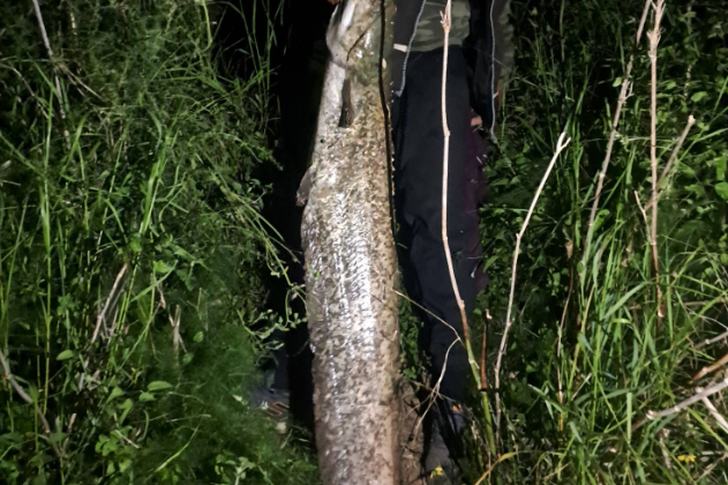
A catfish fish, caught in the mouth of the Kalama River in...

A self-proclaimed King of Switzerland has sparked outrage ...

A new study suggests that participating in elections may h...
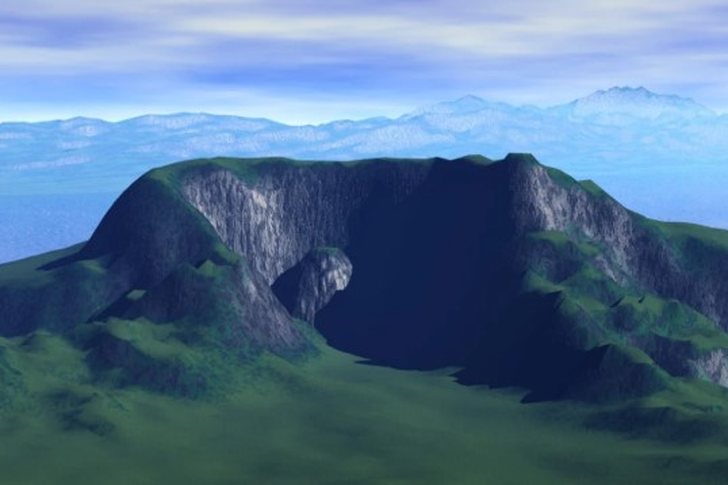
A new study from ETH Zurich suggests that volcanoes long c...
A team of scientists in South Korea has discovered an inno...
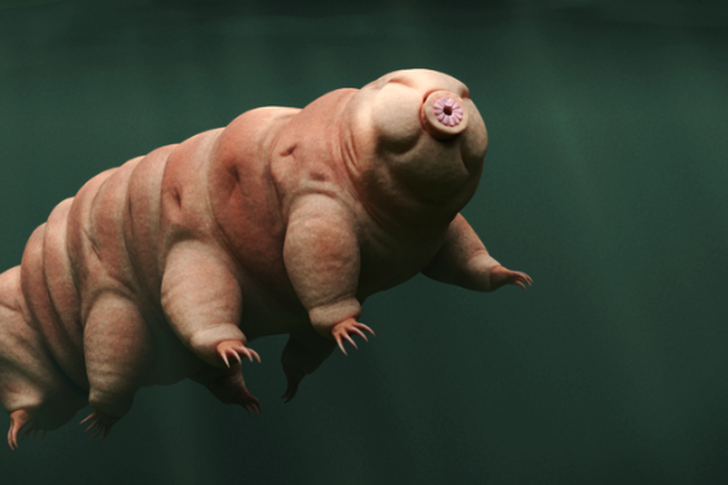
The tardigrade is easy to overlook. It's a microscopic cre...
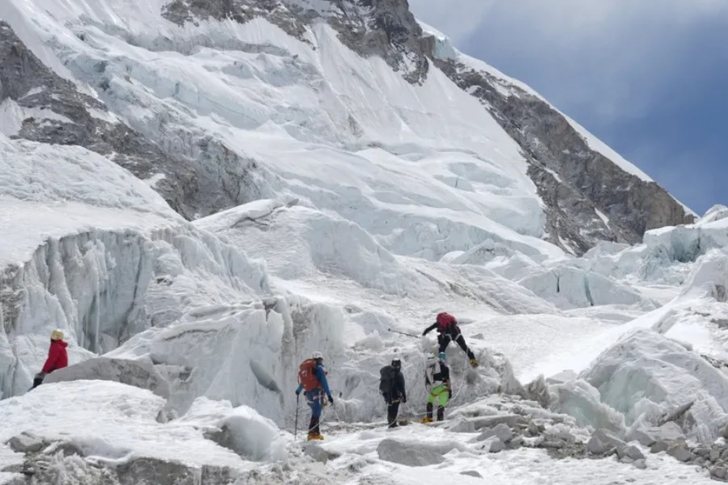
A large and unstable mass of ice has blocked the main rout...

According to a Unesco study published this Thursday, the n...

The end of humanity appears to be very close and with a cl...

A large, long-term study conducted in the United States, i...
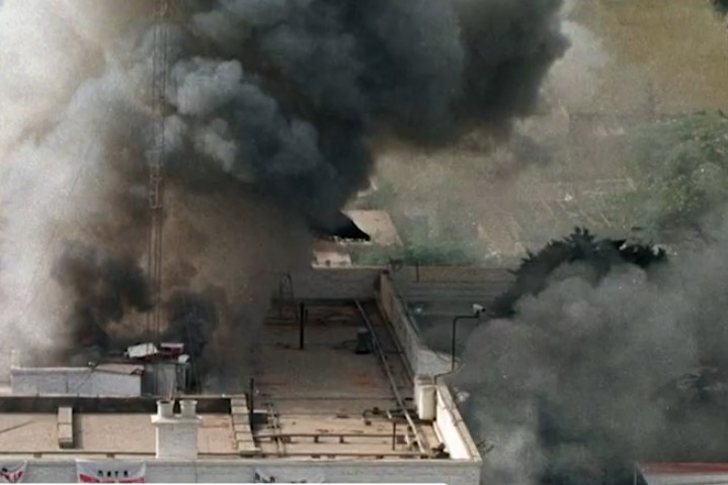
April 22 marks a series of events that have left an indeli...

Scientists have discovered that microbes living in a perso...
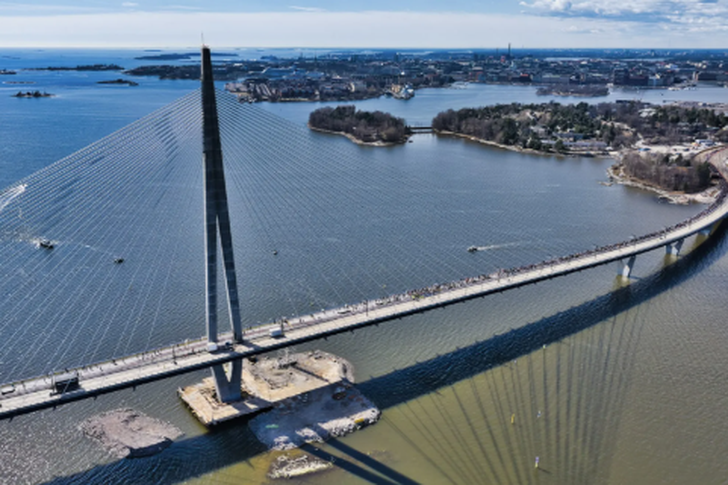
Ura Kruunuvuorensilta, më e gjata dhe më e larta në botë u...
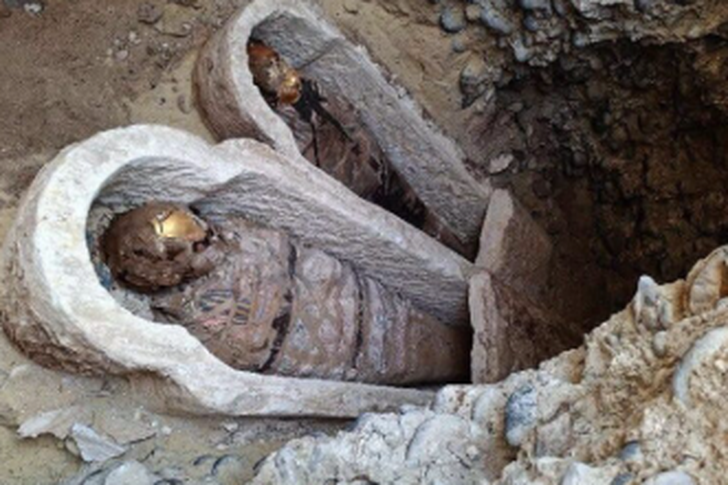
Arkeologët egjiptianë kanë zbuluar një fragment papirusi m...

Have you ever experienced a song appearing to have color, ...

A recent study has cast doubt on a long-held belief: that ...

Air pollution is linked to an increased overall risk of de...
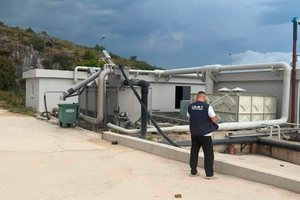
The company "Gjikuria" has been caught in several serious ...
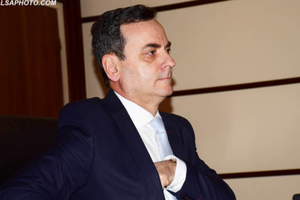
Sokol Sadushi's tentacles have touched the diplomatic syst...

Another name listed in the group of 99 of Erion Veliaj...

The mayor of Tirana, Erion Veliaj, arrested on 13 charges ...

The Special Board of Appeal (KPA) decided this Monday ...

The KPA vetting decided this Thursday to dismiss the p...

Suela Salavaçi, a prosecutor in the Prosecutor's Offic...

The Special Board of Appeal reinstated the prosecutor ...

Two German tourists were rescued through a search operatio...

A motorcycle found today in Saranda has raised suspicions ...

The Durrës Court has jailed the director of the Albanian P...

The Trafficking Investigation Section has finalized the po...
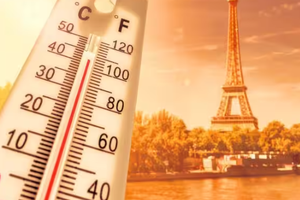
The World Health Organization described extreme heat in Eu...

Systematically in the last 15 years, circulatory system di...
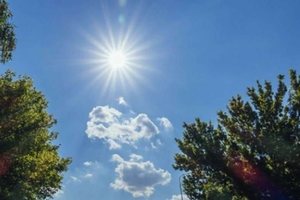
Today, our country will remain under the influence of stab...

On Friday, our country will remain under the influence of ...

Two American soldiers were killed in Jordan during Iranian...
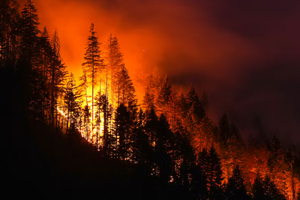
Smoke from massive wildfires in Canada has blanketed much ...

New York Mayor Zohran Mamdani said he is in talks about wh...

A fragile ceasefire between Iran and the United States is ...

Master of humor Todi Llupi has passed away at the age of 7...

The ninth edition of "MIK Festival" kicked off with one of...

A historic evening for Albanian culture was marked in the ...

When I turned 10, another building was built in front of o...
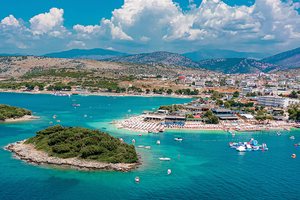
INSTAT statistics for May show an increase in tourism, wit...

Albania needs higher wages, but more than that. It needs a...

This Saturday, one US dollar is bought for 81.2 lek and so...

The Albanian economy continued to expand in early 2026, bu...