


Does closing your eyes help you hear? / Researchers give the answer
A recent study has cast doubt on a long-held belief: that ...


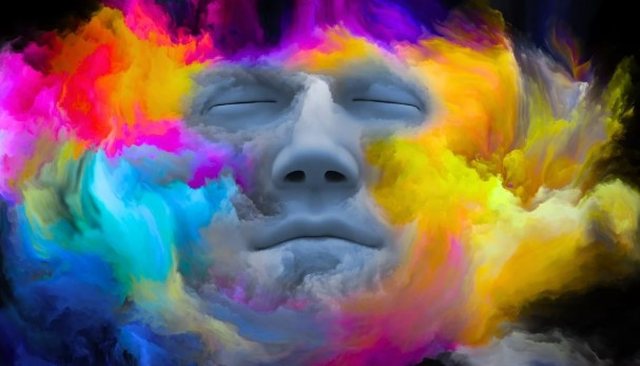
Have you ever experienced a song appearing to have color, or a word having flavor? For a small percentage of people, this is not imagination, but a neurological reality known as synesthesia.
According to researchers, about 1% to 4% of the population experiences this phenomenon, where activating one sense – such as hearing – triggers a second sensory experience, such as sight or taste. This means that some people can see colors when listening to music, or associate letters and numbers with specific colors.
There are different forms of synesthesia. One of the most common is auditory-visual synesthesia, where sounds are associated with colors. Another is grapheme-color synesthesia, where letters and numbers are perceived as specific colors. There are also rarer cases, such as “mirror touch” synesthesia, where a person physically feels what they see in others.
Scientists emphasize that synesthesia is not a disease and does not pose a health risk. For most people who have it, it is simply a natural way of perceiving the world. Many of them do not even realize that their experience is unusual.
As for the causes, researchers still don't have a clear answer, but there are two main theories. The first suggests that people with synesthesia have more neural connections in their brains, causing different areas to communicate more directly. The second theory says that their brains function similarly to others, but some neural pathways are more active than usual.
Interestingly, synesthesia seems to be more prevalent among creative people. Studies show that a significant percentage of synesthetes work in fields such as art, music, and design. This may be related to their ability to make unusual connections between ideas and sensations.
However, experts emphasize that this does not necessarily mean that synesthesia makes someone more creative, but it can affect the way information is experienced and processed.
Ultimately, synesthesia remains a fascinating window into how the human brain works. It shows that the perception of reality is not the same for everyone, but a complex and variable process that can take much richer forms than is commonly thought./ CNA

A recent study has cast doubt on a long-held belief: that ...

Air pollution is linked to an increased overall risk of de...
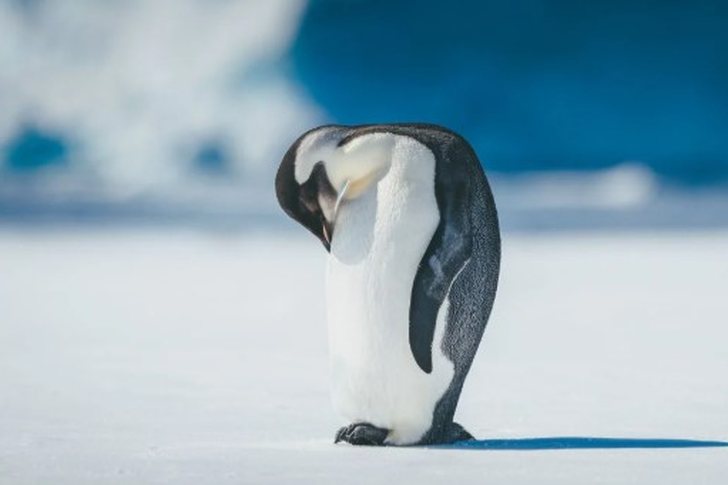
Emperor penguins, one of Antarctica's most iconic species,...

On the streets of Cologne, Germany, a robot dog has attracte...
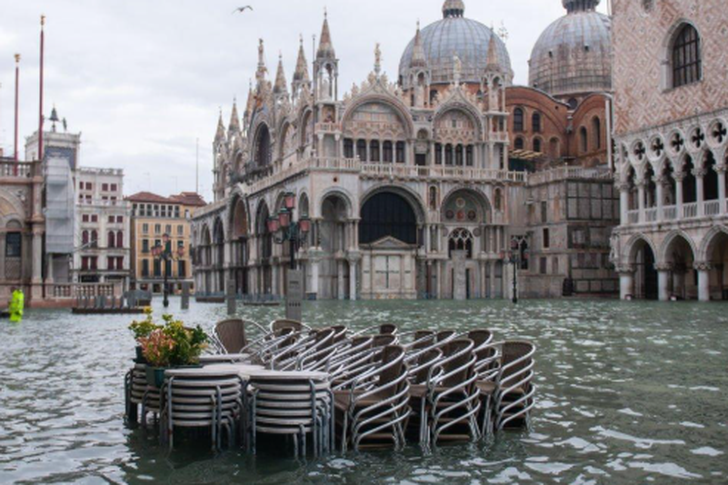
A new study, published in the journal Scientific Reports, ...
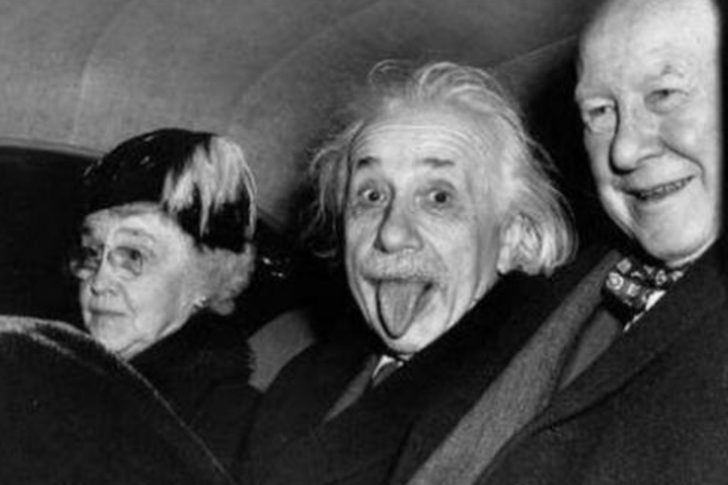
The most famous photograph of the genius physicist Albert ...
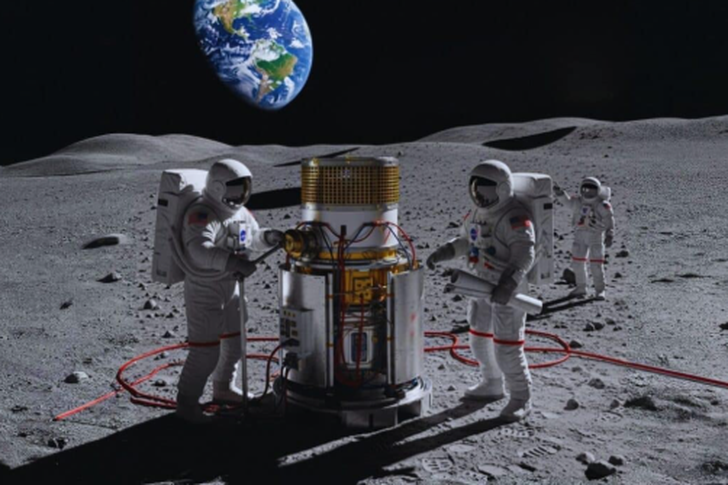
The US space agency, NASA, is aiming for an even more ambi...

Scientists in Panama have launched a series of experiments...

Scientists have found that wild animals around the world a...

A coin considered the "most beautiful" ever produced in Br...
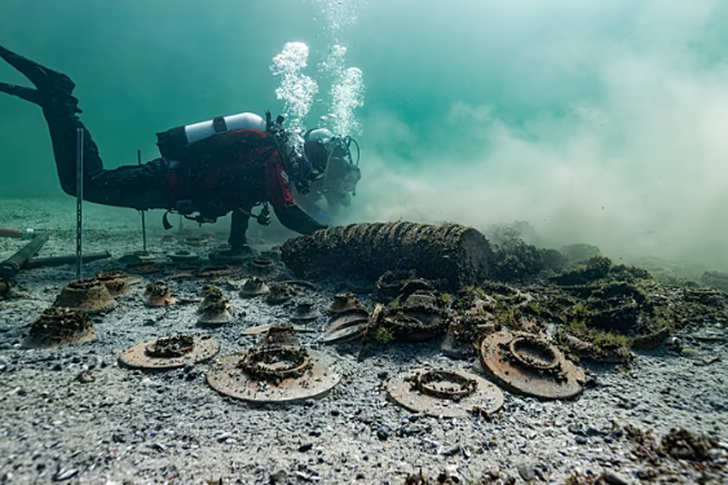
On Lake Neuchâtel in Switzerland, archaeologists have disc...

The Balkan lynx (Lynx lynx balcanicus), a unique species o...
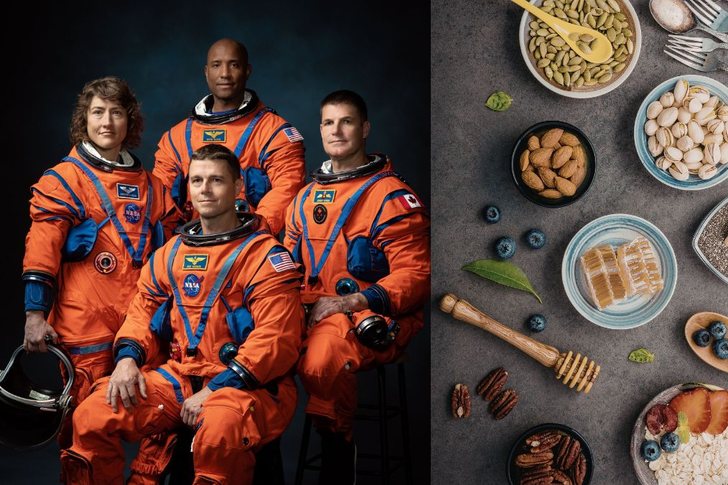
If you think astronauts only eat dehydrated foods and smal...

Rare personal items that once belonged to Marilyn Monroe w...
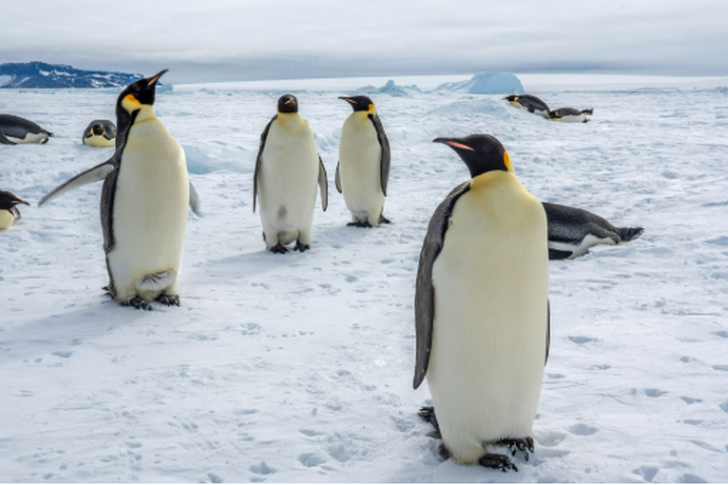
Emperor penguins in Antarctica are facing a growing threat...
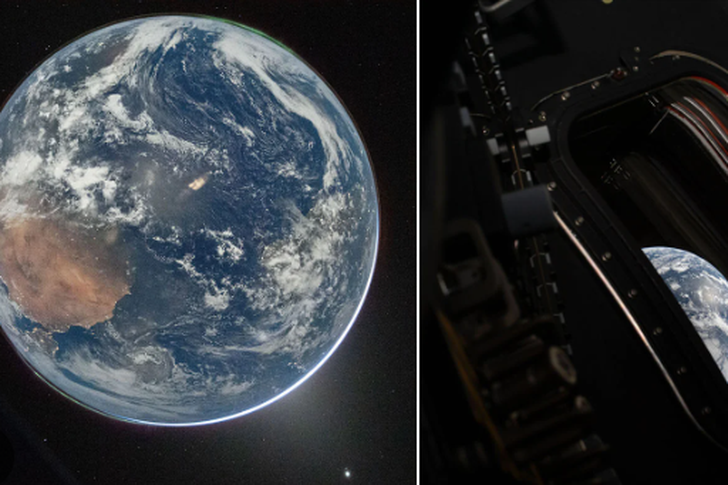
NASA today released the first images taken by astronauts a...

In northern Tanzania, near the border with Kenya, lies Lak...

The tomato is one of the most widespread and important foo...

A new study suggests that people who are more left-handed ...

One of the rarest natural phenomena is located in Japan, w...

The company "Gjikuria" has been caught in several serious ...

Sokol Sadushi's tentacles have touched the diplomatic syst...

Another name listed in the group of 99 of Erion Veliaj...

The mayor of Tirana, Erion Veliaj, arrested on 13 charges ...

The Special Board of Appeal (KPA) decided this Monday ...

The KPA vetting decided this Thursday to dismiss the p...

Suela Salavaçi, a prosecutor in the Prosecutor's Offic...

The Special Board of Appeal reinstated the prosecutor ...

Two German tourists were rescued through a search operatio...

A motorcycle found today in Saranda has raised suspicions ...

The Durrës Court has jailed the director of the Albanian P...

The Trafficking Investigation Section has finalized the po...
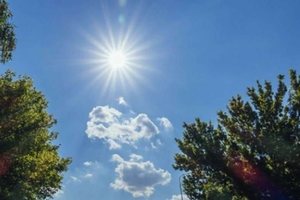
On Sunday, our country will remain under the influence of ...

The World Health Organization described extreme heat in Eu...

Systematically in the last 15 years, circulatory system di...
Today, our country will remain under the influence of stab...

Two American soldiers were killed in Jordan during Iranian...

Smoke from massive wildfires in Canada has blanketed much ...

New York Mayor Zohran Mamdani said he is in talks about wh...

A fragile ceasefire between Iran and the United States is ...

Trust among people is not just a three-syllable word. It c...

Master of humor Todi Llupi has passed away at the age of 7...

The ninth edition of "MIK Festival" kicked off with one of...

A historic evening for Albanian culture was marked in the ...

This Sunday, one US dollar is bought for 81 lek and sold f...
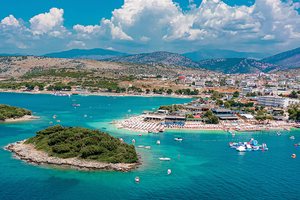
INSTAT statistics for May show an increase in tourism, wit...

Albania needs higher wages, but more than that. It needs a...

This Saturday, one US dollar is bought for 81.2 lek and so...