


Final of “Tirana Art Festival”/ Promotion of new talents and art among young people
Hundreds of young people gathered to watch the finale of t...


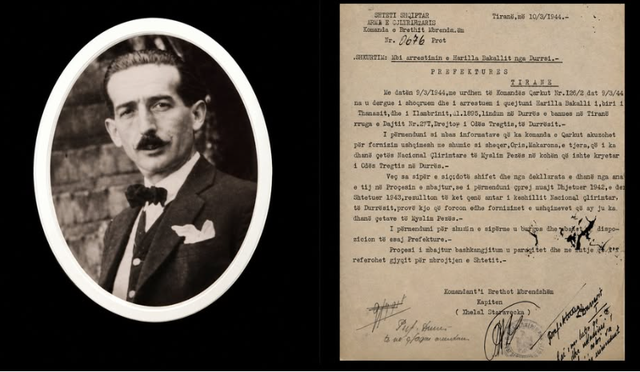
The story of Harilla Bakalli is one of the most chilling testimonies of how the post-war regime in Albania rewarded with torture and death people who sacrificed everything for freedom and the reconstruction of the homeland. To fully understand the scale of this tragedy, it is enough to see the official documents of the time that show his journey from the cells of the fascist occupier to the highest offices of the new Albanian state, before ending up lifeless in the cells of the communist investigation.
Everything begins during the dark years of World War II. Harilla, one of the well-known suckers of the Bakalli family in Durrës, who had invested in public life and as a publicist with his newspaper, could not remain indifferent to the fate of the country. Also driven by the ideals of his nephew, Spiro Bakalli, who left his studies in France to engage in the liberation of the homeland, Harilla put his position as Director of the Chamber of Commerce in Durrës at risk.
The first official document, issued by the Gendarmerie Arma on March 10, 1944 with protocol number 2676, clearly reveals his courage. This document communicates his arrest on the charge that "according to the information that the District Command has, he is accused of supplying bulk food such as sugar, Oris, Macaroni, etc., which he gave to the National Liberation Brigade of Myslim Peza". This fascist document not only proves that he was part of the National Liberation Council since December 1942, but also shows that he was imprisoned and sent to the Court for the Protection of the State precisely because he fed and supported those who fought in the mountains.
With the arrival of liberation, Harilla Bakalli was released from prison and, as a man of integrity and great experience, was immediately put at the service of the recovery of the destroyed country. His technocratic skills were immediately recognized by the new military and civilian leadership. This is confirmed fourfold by the second document, where just a few days before the official liberation, on November 25, 1944, the Commander of the 1st Army Corps, Major General Dali Ndreu, addresses the Council of the Prefecture of Durrës with the final order: "Comrade Harila Bakalli, has been given instructions by the Ministry of National Economy and Reconstruction that in cooperation with that Council, he should take an interest in the resettlement of the population of Durrës, in the reconstruction and putting into operation as soon as possible of every industry or entity of public interest."
Harilla threw himself into the work and became the first and successful organizer of the Port of Durrës. In this vital role for the survival of the people, he managed with surgical precision thousands of tons of goods, medicines, clothing and means of transport that the Allied Military Mission brought in as an emergency and the great aid that UNRRA donated. Moreover, beyond the economic aspect, he showed a high level of humanity and great logistical skills by carefully and conveniently managing the repatriation of Albanians and Italians, as well as the delicate operation of repatriating 170 Jews to Palestine with UNRRA ships. He became vice-president of the Front in Durrës, consolidating himself as a key figure of the new state.
But, this is where the great break and tragic paradox occur. The one who was once imprisoned by the fascists for helping the national liberation movement, and who later raised the economy of Durrës from the ruins, received as his only reward physical elimination. In early 1947, under the wave of wild ideological paranoia and class struggle that hit the merchants and intellectuals of Durrës, Harilla Bakalli was called to the Internal Affairs Branch.
His official cooperation with Western structures in the management of aid was used as a pretext to arrest him under the absurd accusation of being an Anglo-American agent. After inhuman torture in the investigation cells, Harilla died without ever being tried and without a guilty verdict from any court.
Its history remains a painful monument to an era that killed capable and patriotic people, but also an indelible testament to the citizenship and sacrifice of the people of Durrës.

Hundreds of young people gathered to watch the finale of t...
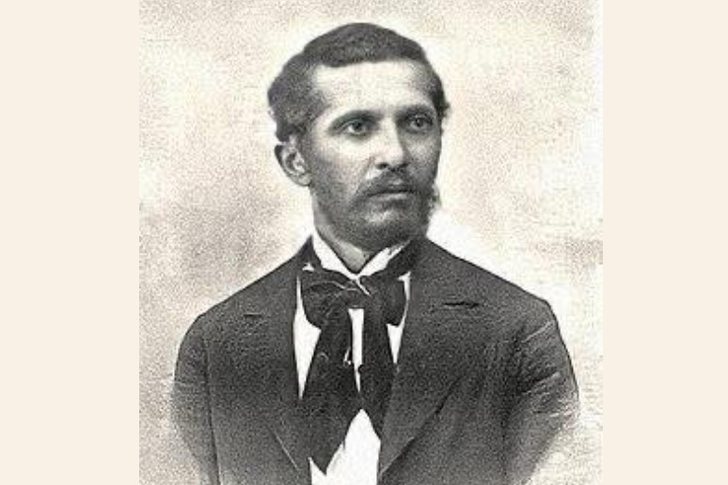
Today is the 180th anniversary of the birth of Naim Frashë...
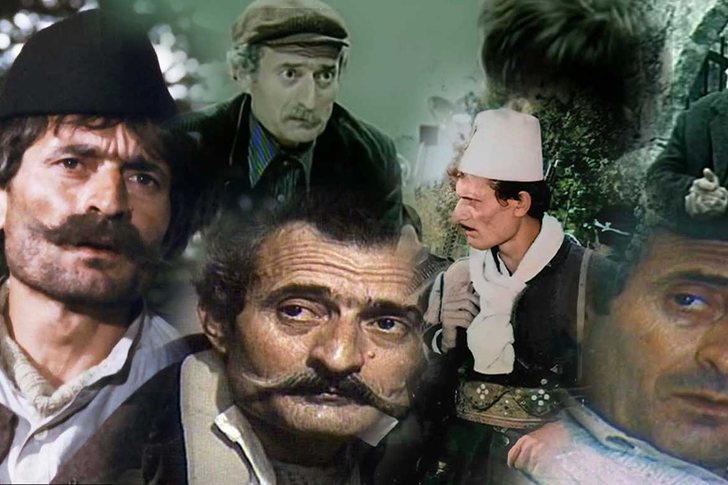
This Saturday, May 23, the well-known actor Birçe Hasko pa...
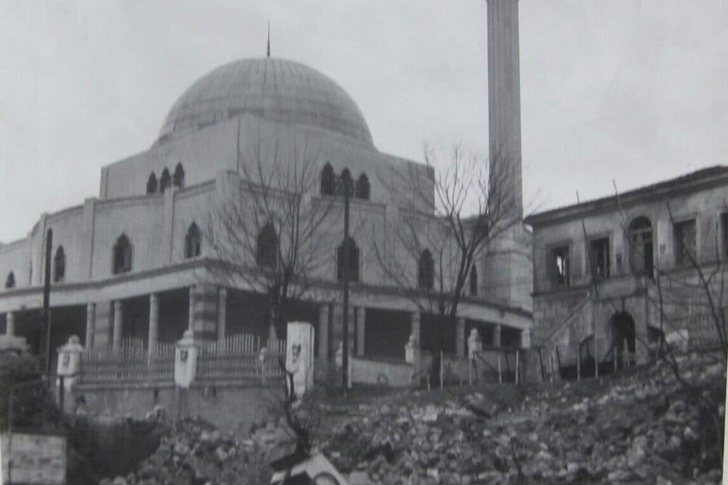
November 1943 found Albania in complete political and mili...
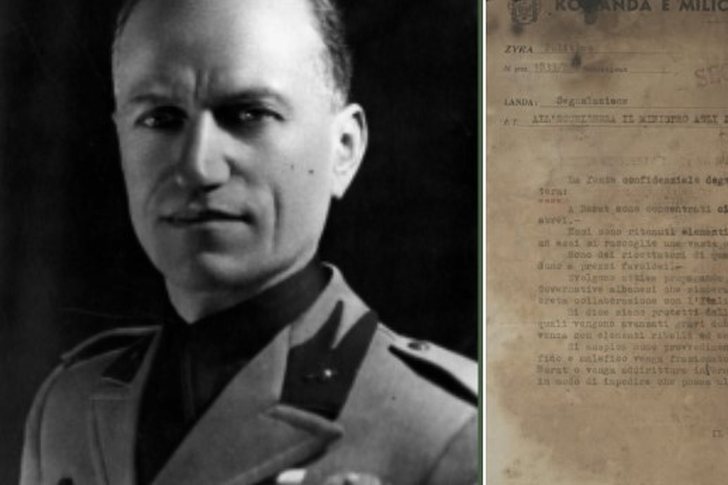
It is about an archival document marked "SECRET", dated Ju...
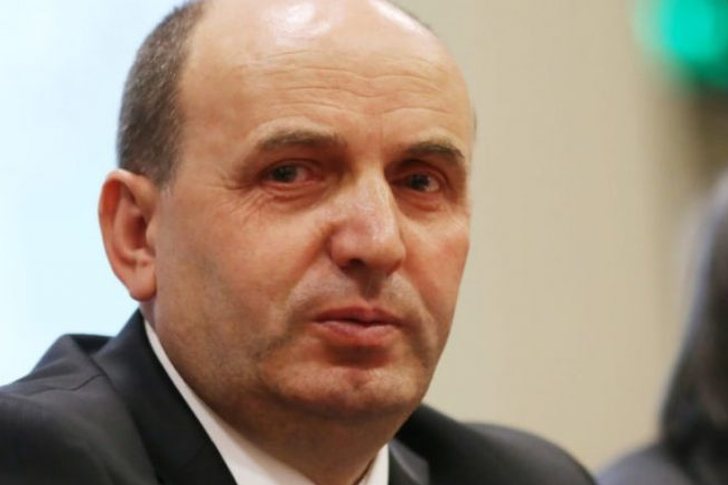
Yesterday, the VII Assembly of the Reorganization of the L...

As part of "Europe Week 2026", the multimedia exhibition "...
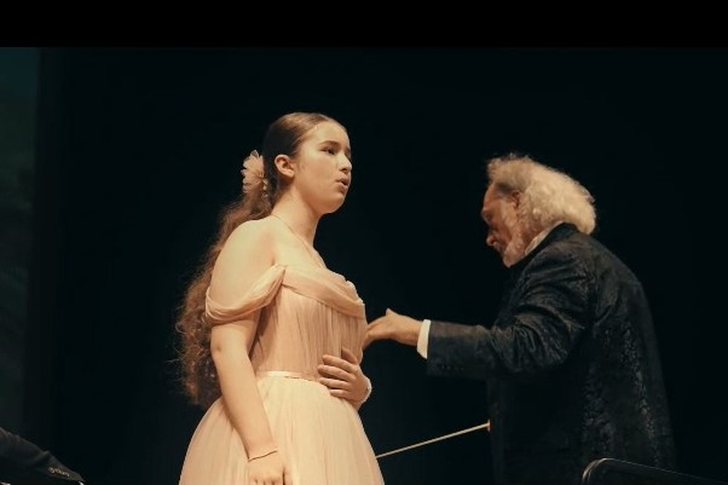
An extraordinary moment for Albanian art and talent was re...
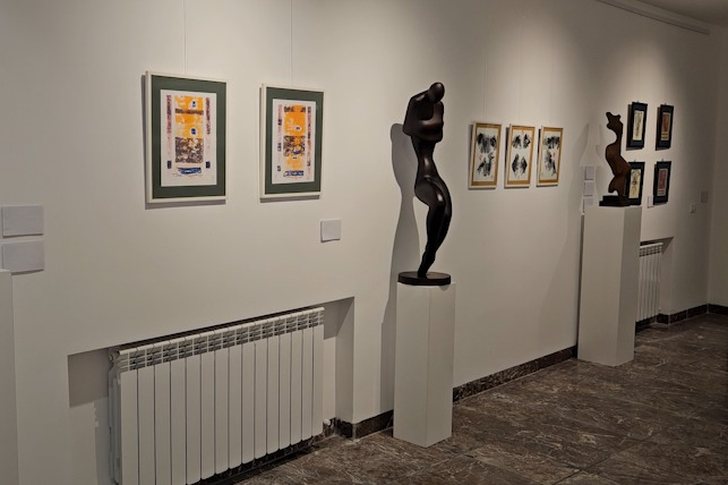
The “Guri Madhi” Art Gallery in Korça has recently become ...
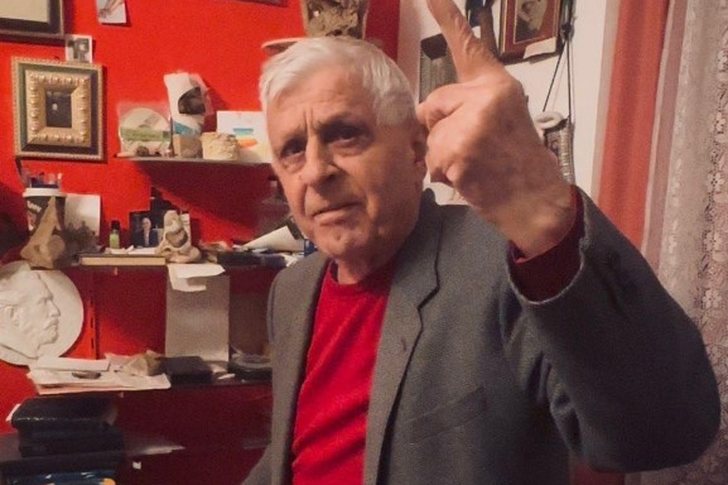
Thinking that the 85th anniversary of the birth of the wri...
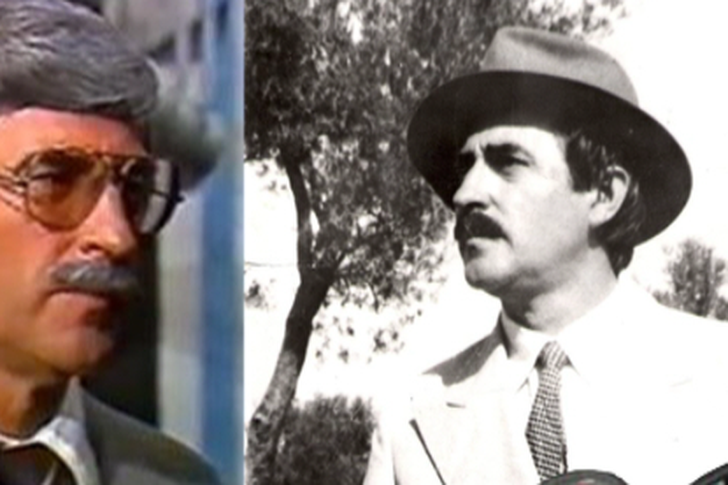
....You too, dear Shpëtim Shëmili, were born on May 15, 19...
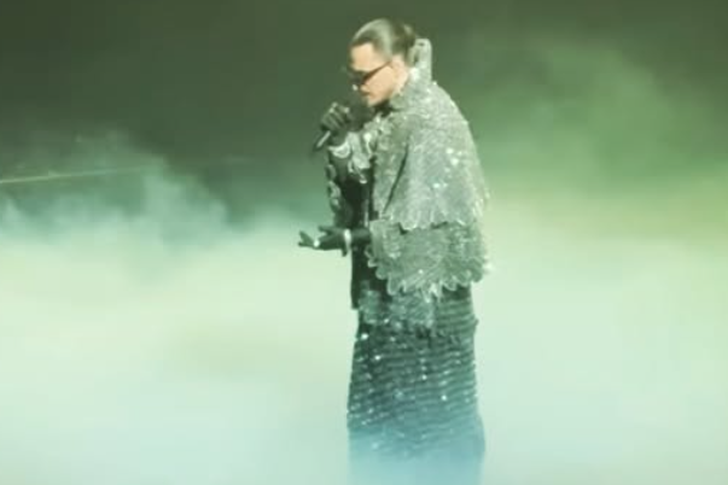
There's something strange about the fact that a competitio...
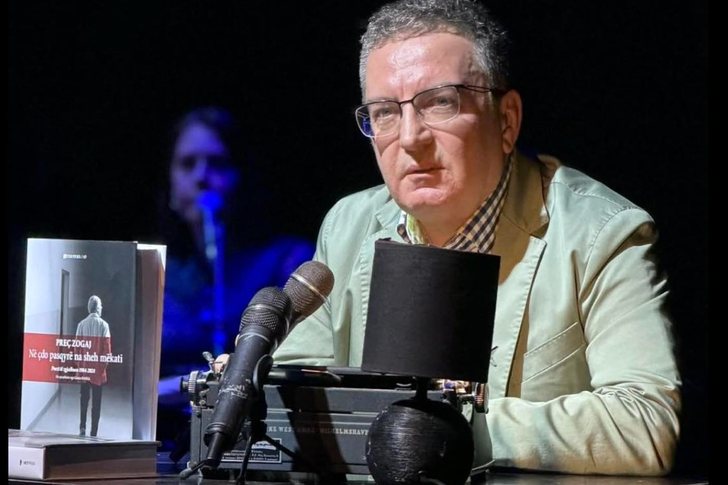
- Notes on the volume of poetry "Sin Sees Us in Every Mirr...
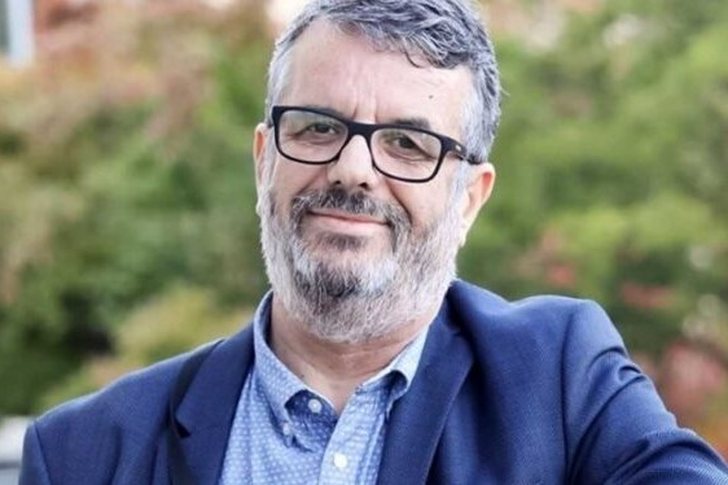
Bujar Hudhri is not just a publisher. He is one of those r...
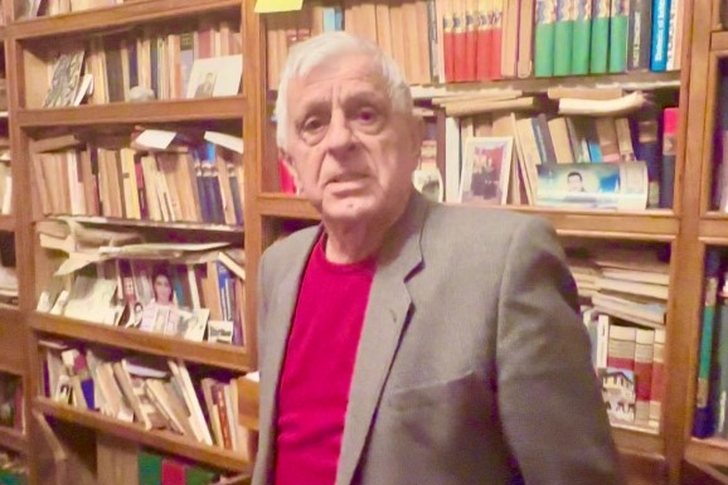
Koço Kosta, since he appeared in Albanian literature with ...
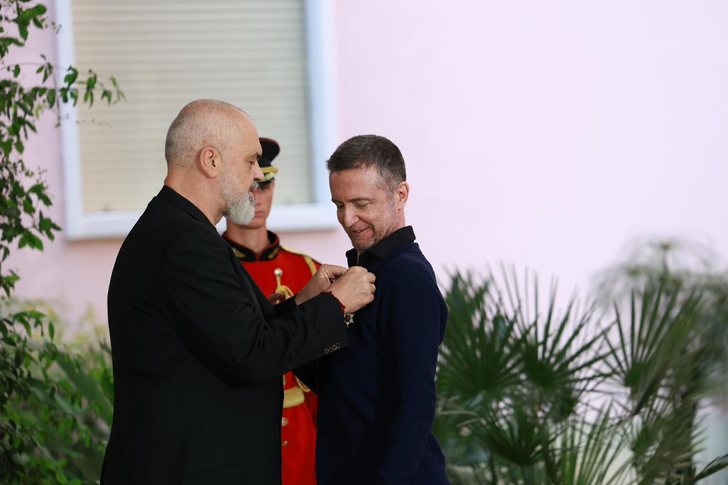
Violinist Tedi Papavrami has been decorated with the "Star...
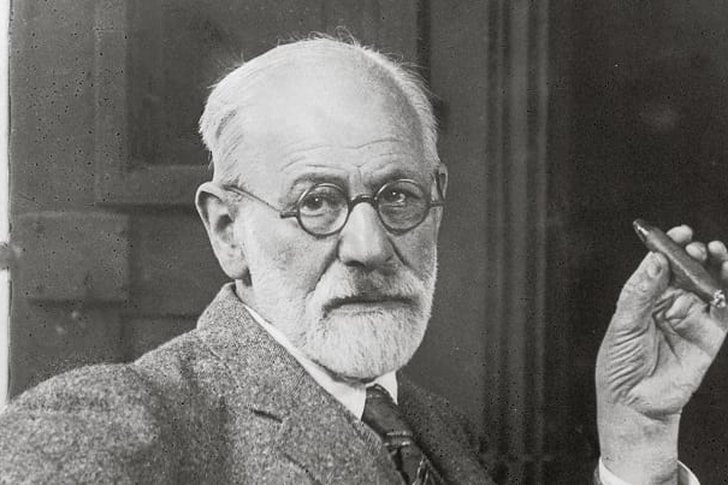
Today, May 6, marks the birth of Sigmund Schlomo Freud, on...
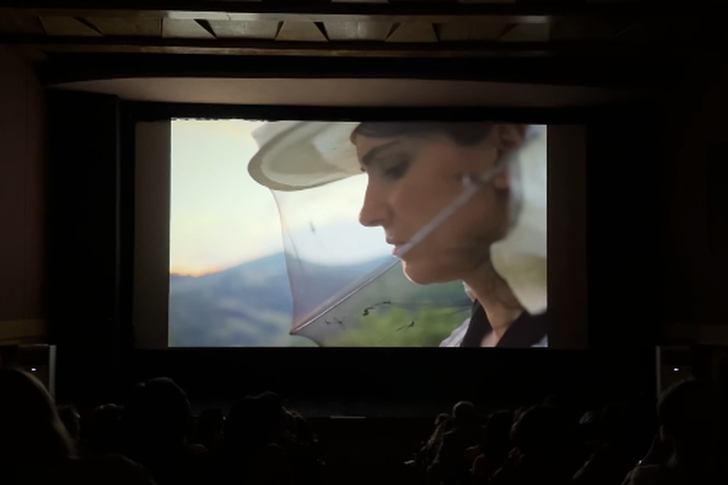
The film "Zgjoi" was screened at the "Lasgush Poradeci" Cu...
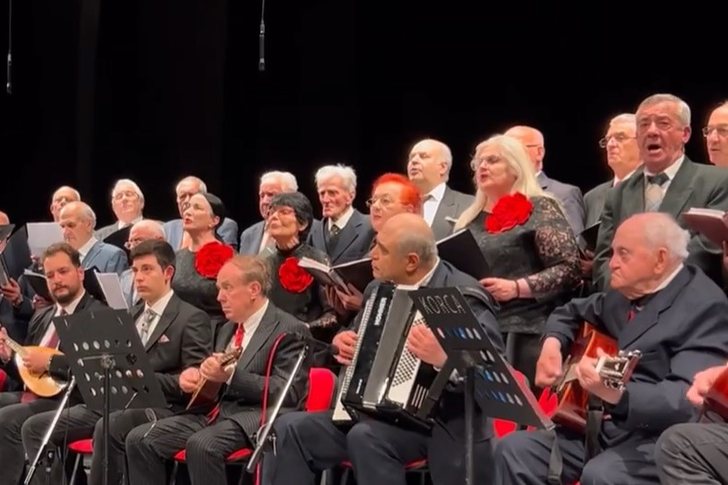
Korça welcomed the third edition of the Greek-Albanian Fri...
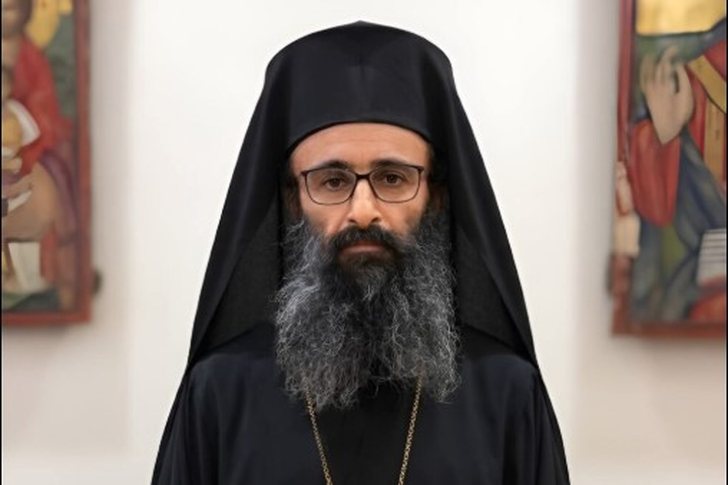
The Holy Synod of the Autocephalous Orthodox Church of Alb...

The arrested mayor of Tirana, Erion Veliaj, with 13 charge...
CNA has uncovered the tentacles of the head of the Supreme...
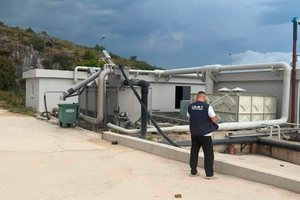
The company "Gjikuria" has been caught in several serious ...
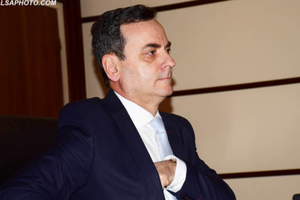
Sokol Sadushi's tentacles have touched the diplomatic syst...

The Special Board of Appeal (KPA) decided this Monday ...

The KPA vetting decided this Thursday to dismiss the p...

Suela Salavaçi, a prosecutor in the Prosecutor's Offic...

The Special Board of Appeal reinstated the prosecutor ...

A serious road accident was recorded this afternoon on the...
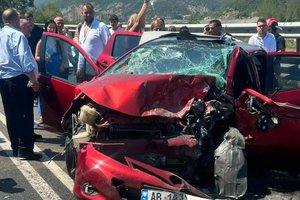
A serious accident occurred this Sunday on the Milot-Rrësh...
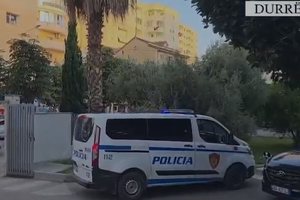
A base with an arsenal of weapons and combat ammunition is...
Today, tributes will be held in Vlora in honor of journali...
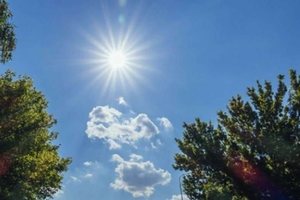
On Sunday, our country will remain under the influence of ...

The World Health Organization described extreme heat in Eu...

Systematically in the last 15 years, circulatory system di...
Today, our country will remain under the influence of stab...
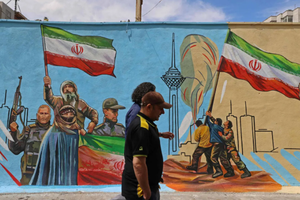
The ceasefire between the United States and Iran has essen...

US President Donald Trump has officially arrived at the Ne...
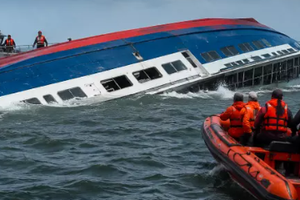
Dozens of people are missing in Guyana, South America, aft...
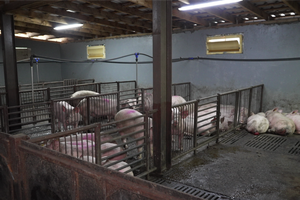
The African swine fever virus has broken out in seven coun...

Trust among people is not just a three-syllable word. It c...

Master of humor Todi Llupi has passed away at the age of 7...

The ninth edition of "MIK Festival" kicked off with one of...
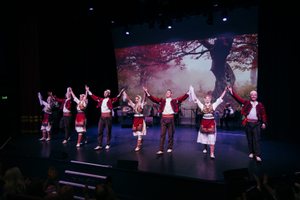
A historic evening for Albanian culture was marked in the ...
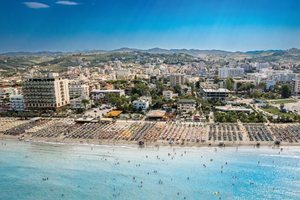
In Golem and Durrës, the season seems dynamic: buses with ...

This Sunday, one US dollar is bought for 81 lek and sold f...
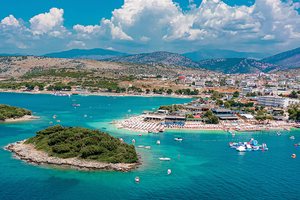
INSTAT statistics for May show an increase in tourism, wit...

Albania needs higher wages, but more than that. It needs a...