

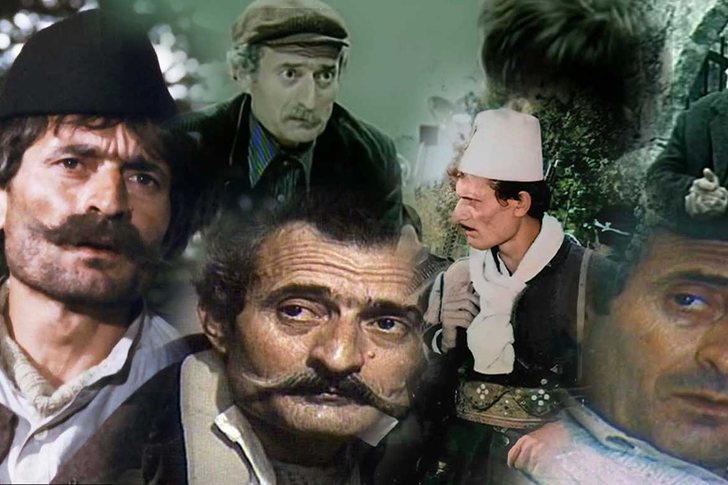
A life in theater and cinema/ The life and many roles of actor Birçe Hasko
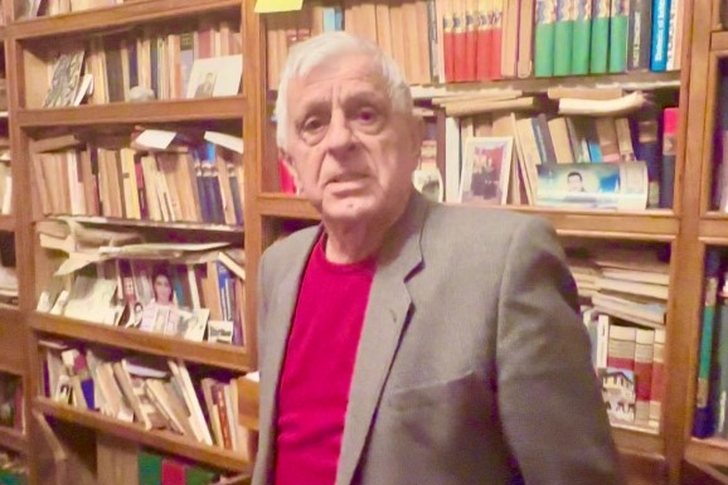
This Saturday, May 23, the well-known actor Birçe Hasko pa...


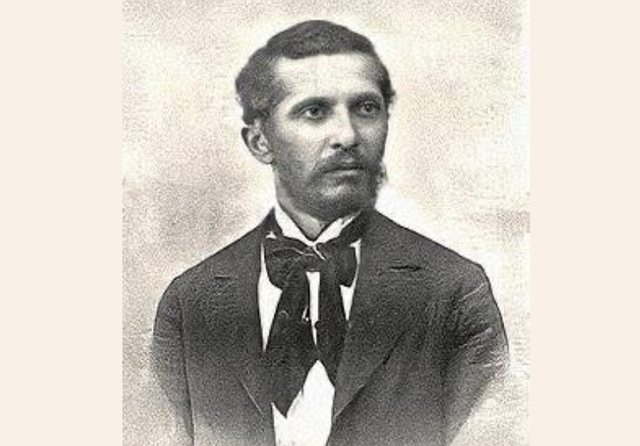
Today is the 180th anniversary of the birth of Naim Frashëri
NAIM–ALBANIA:
THE NAME THAT BECAME AWAKENING
Ever since I first heard the song "The Nightingale of My Places", sung with that almost ritualistic thrill by the Piluri polyphonic group, I have been stuck on a line that seems to escape the very logic of poetic discourse: "More Naim Albania".
It's not just an emotional apostrophe.
It's not just an identity metaphor either.
Within that formulation there is something deeper: an ontological shift of Naim Frashëri's very name from biography to metaphysics, from history to consciousness, from man to symbol.
The more you think about this verse, the more you become convinced that Lefter Çipa did not write a poem about Naim; he intuitively pronounced a fundamental truth of Albanian culture: Naim Frashëri is not only our national poet, but one of the highest ways through which Albanians have managed to think and pronounce themselves.
In the history of civilizations, there are writers who reflect the soul of a nation and others who shape that soul.
Naim Frashëri is one of the latter.
Albania, before becoming a political reality, existed in him as a poetic reality; while Albanians, before being shaped as a nation, existed as a sensitivity and as an idea in his language.
In this sense, Naimi's language is not only a means of expression, but a formative structure of consciousness.
Just as Dante Alighieri is not just a poet of the Italian language, but the founder of a symbolic universe where a civilization thinks of itself through eternity; and just as Goethe is not simply a national author, but the name where a culture achieves its highest self-reflection, so too, Naim Frashëri is no longer simply an author within a literary tradition, but a node in the creation of Albanian cultural consciousness.
Even when he does not write directly about Albania, it remains there as an invisible horizon of thought; even when he does not write in Albanian, it remains as the internal rhythm of the language; even when he does not write literature in the narrow sense, it remains as a spiritual gravity that organizes every word.
Naimi's name does not function as an individual identifier, but as a form of collective memory. His name does not just give us an author; it activates an entire symbolic universe: language, goods, moral ethos, nature, and the imagination of the homeland.
It can even be said that it represents the clearest case in Albanian culture where symbolic legitimacy does not stem from the institution, but from collective consciousness.
No state decree declared Naim Frashëri a national poet; no formal act or government decision granted him this status.
He naturally became the NATIONAL POET of the Albanians, because Albanian consciousness found in him its highest spiritual form.
In this approach lies its modern significance: a culture establishes its symbolic hierarchies from within, and not through decisions or decrees, nor through political campaigns.
This process is rare in the history of nations and is related to what could be called a society's "unconscious aesthetic consensus": a moment when a figure is not imposed as an authority, but is accepted as a spiritual need.
Naim Frashëri did not settle on Albanian culture; he was absorbed by it as a form of self-identification.
But his greatness is not limited to the national dimension.
What makes it incomparable is that it articulates an Albanian model of universality.
His humanism is not built on conflict, but on harmony; his patriotism does not stem from the denial of the other, but from the nobility of consciousness; his religiosity is not dogmatic, but cosmic in its imagery.
In him, Albania does not appear as a closed historical idea, but as an aesthetic form of goodness.
In this perspective, his work transcends the function of literature and enters the realm of founding forms of the collective imagination.
He doesn't just sing to Albania; he constructs the way Albania can be experienced.
Every culture has its modern mythical figures, those who turn history into symbolic experience. In Albanian culture, Naim Frashëri occupies precisely this place.
He is simultaneously a poet, a thinker, a builder of language and an architect of national sensitivity. But, above all, he is a form of organizing Albanian historical consciousness.
On the aesthetic level, he also remains a founder.
His poetic language creates a new tonality of written Albanian, where simplicity does not conflict with the sublime, but rather contains it. Naimian text does not function as a rhetorical construction, but as an internal flow of thought.
In this sense, he does not use language as a means of expression, but transforms it into a form of collective sensitivity.
In this context, the structure of his verse, including the 16-syllable Naimian, must also be seen.
This rhythm is not simply a metrical technique, but a way of organizing poetic thought in a steady flow, where idea and musicality are not separated. The 16-syllable creates an expanded rhythmic space where thought gains calm, while feeling gains depth. It is a form where Albanian begins to think in a more complete, more balanced, more meditative way.
Naim Frashëri is not just a figure from a historical period.
He is a continuous structure of Albanian cultural thought. He reads each era that he returns to not only as an author, but as an open question about himself: what is Albania as a feeling, as a language, as a memory?
Therefore, his influence is not confined to the past. He is a presence that continues to produce new meanings.
Naim Frashëri is not just the poet who sang of Albania. He is the way Albanians learned to pronounce themselves./ CNA

This Saturday, May 23, the well-known actor Birçe Hasko pa...
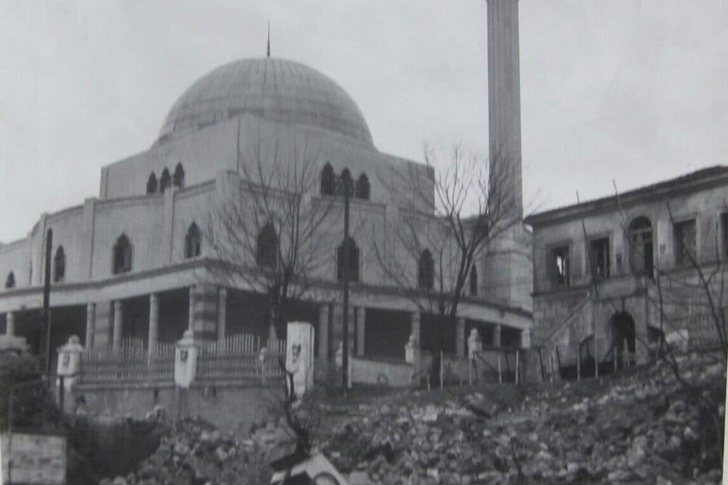
November 1943 found Albania in complete political and mili...
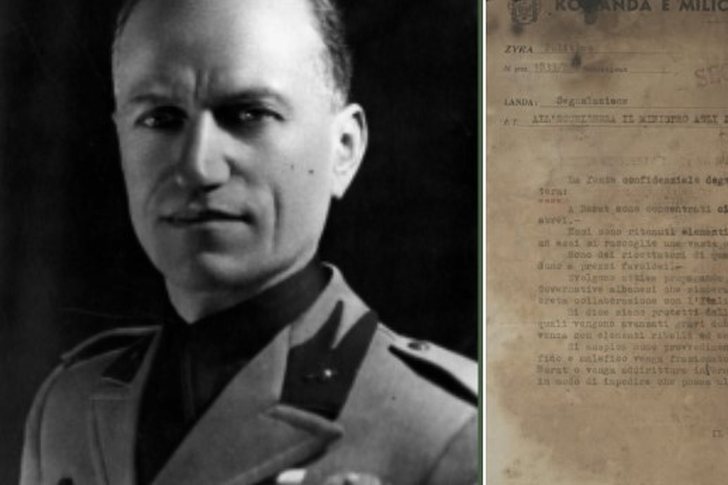
It is about an archival document marked "SECRET", dated Ju...
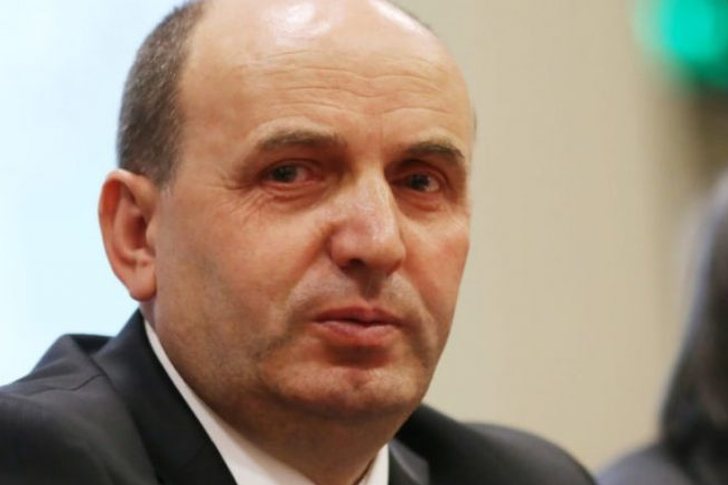
Yesterday, the VII Assembly of the Reorganization of the L...

As part of "Europe Week 2026", the multimedia exhibition "...
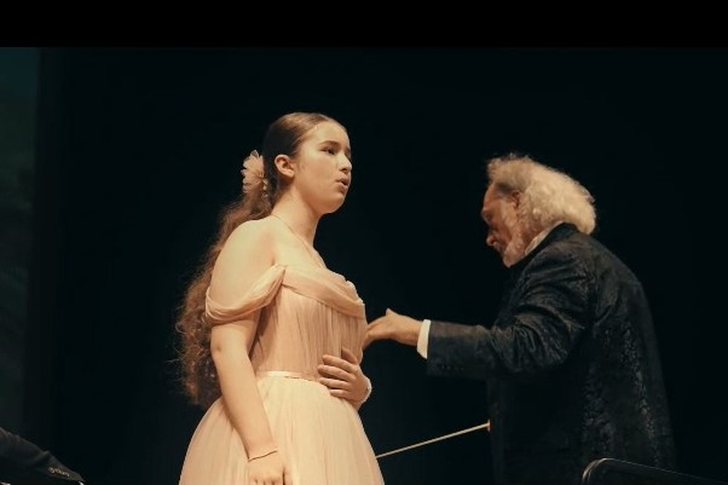
An extraordinary moment for Albanian art and talent was re...
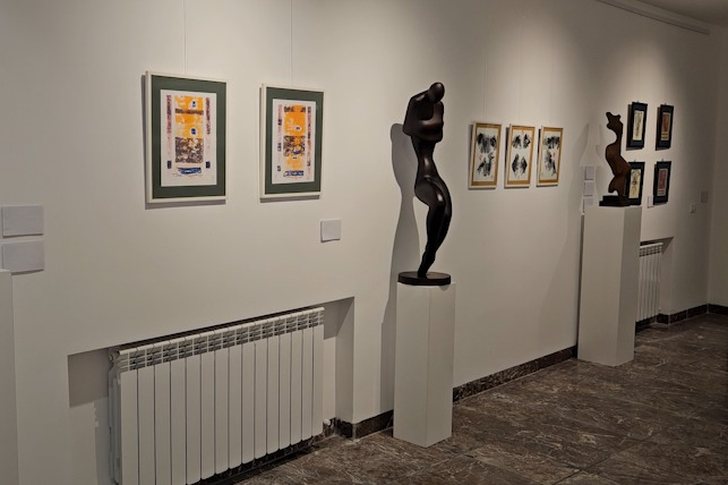
The “Guri Madhi” Art Gallery in Korça has recently become ...
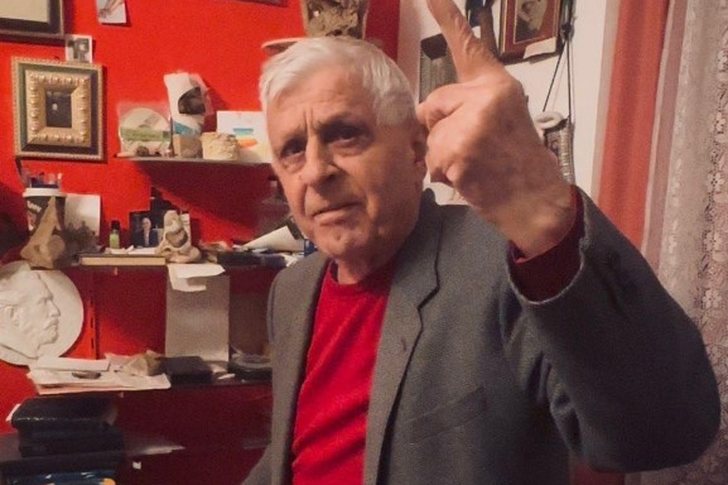
Thinking that the 85th anniversary of the birth of the wri...
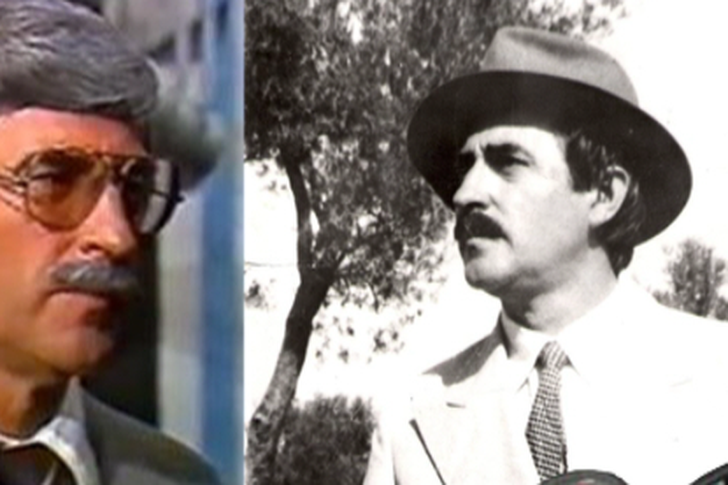
....You too, dear Shpëtim Shëmili, were born on May 15, 19...
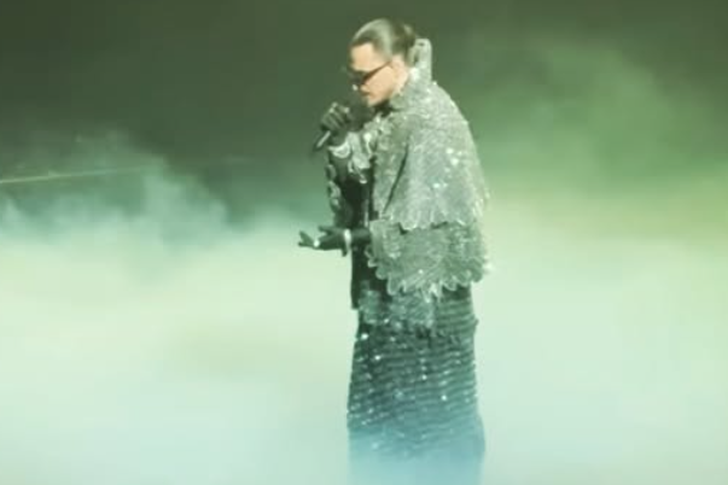
There's something strange about the fact that a competitio...
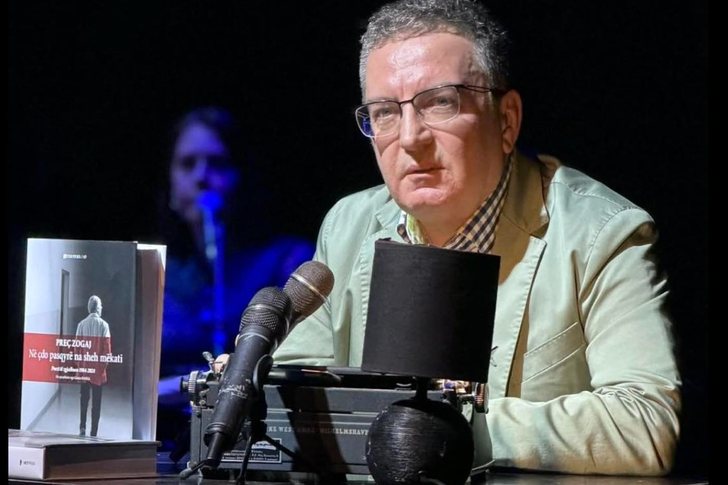
- Notes on the volume of poetry "Sin Sees Us in Every Mirr...
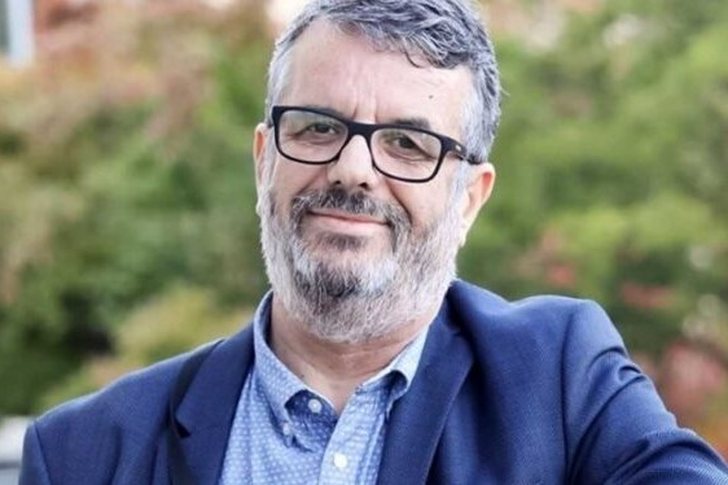
Bujar Hudhri is not just a publisher. He is one of those r...
Koço Kosta, since he appeared in Albanian literature with ...
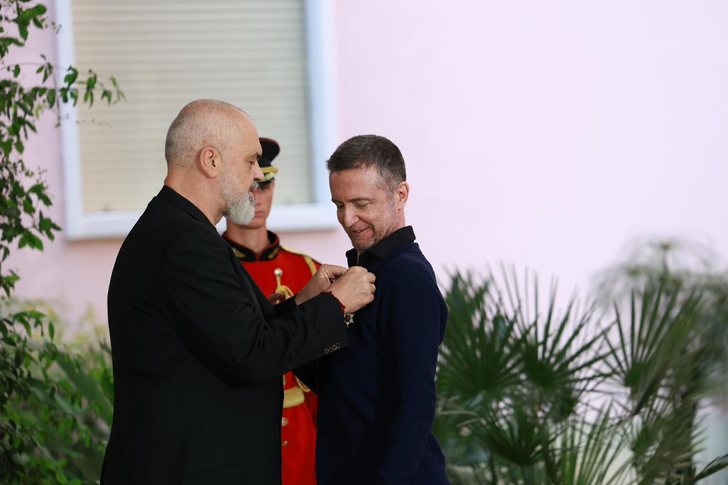
Violinist Tedi Papavrami has been decorated with the "Star...
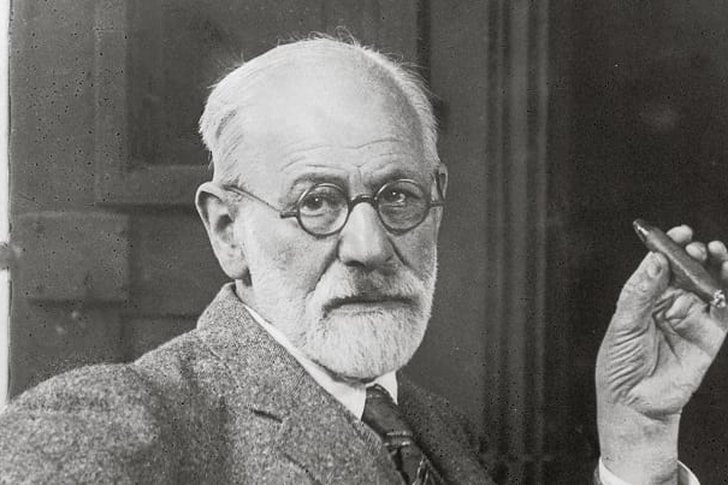
Today, May 6, marks the birth of Sigmund Schlomo Freud, on...
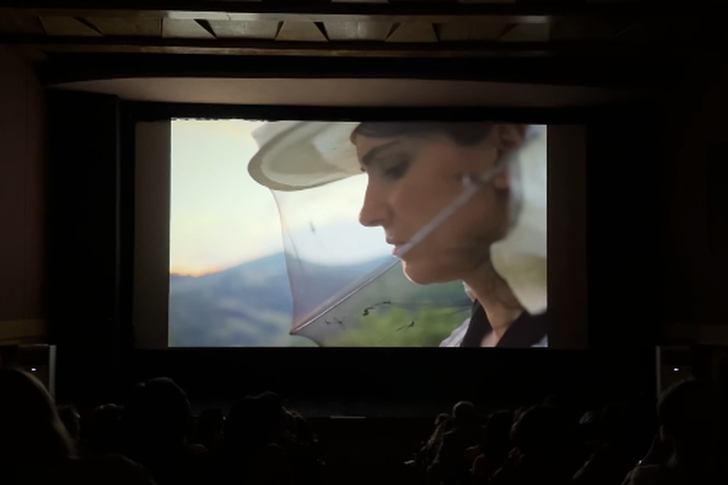
The film "Zgjoi" was screened at the "Lasgush Poradeci" Cu...
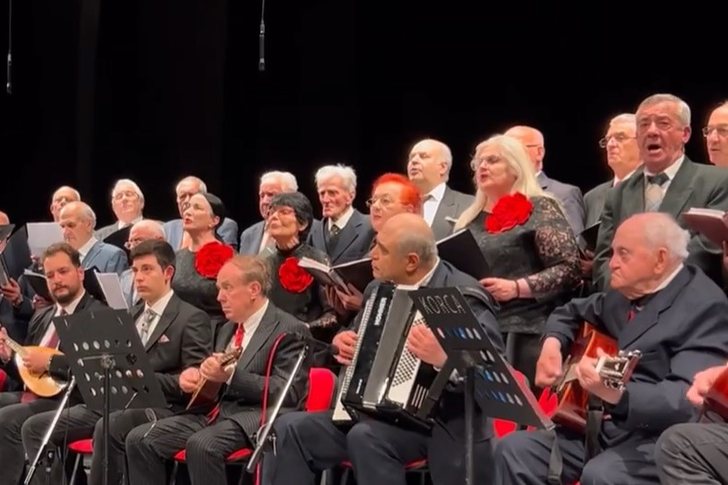
Korça welcomed the third edition of the Greek-Albanian Fri...
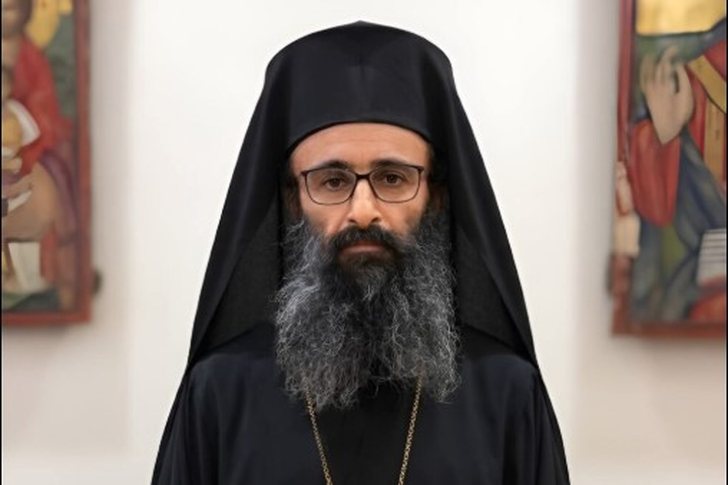
The Holy Synod of the Autocephalous Orthodox Church of Alb...
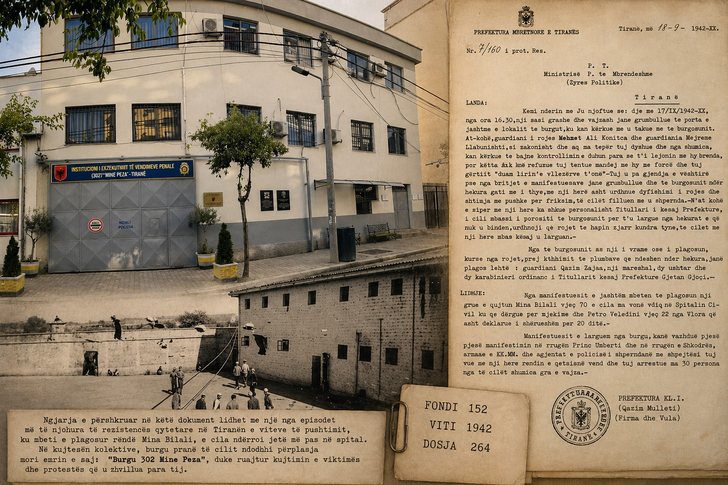
The event reflected in the archival document (Fund 152, ye...
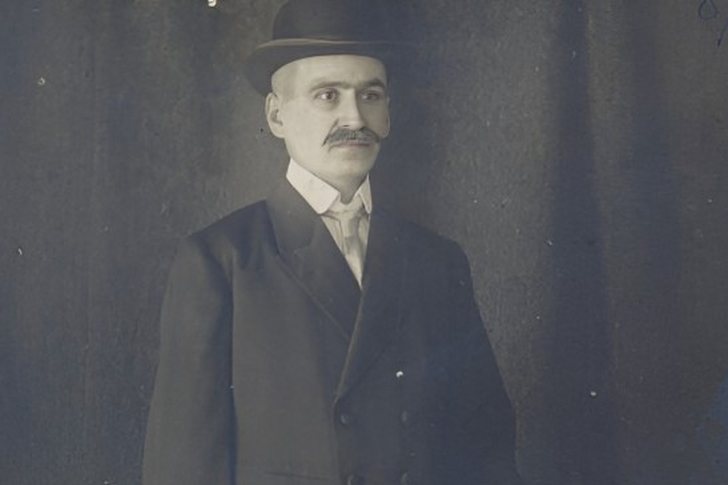
From the research conducted in the funds of the Central St...

Irfan Hysenbelliu is a businessman that we call "Irfan the...

In March 2026, CNA launched another investigation centered...
The arrested mayor of Tirana, Erion Veliaj, with 13 charge...
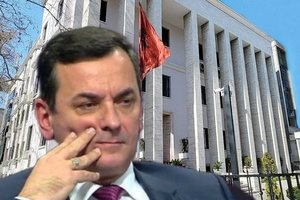
CNA has uncovered the tentacles of the head of the Supreme...

The Special Board of Appeal (KPA) decided this Monday ...

The KPA vetting decided this Thursday to dismiss the p...

Suela Salavaçi, a prosecutor in the Prosecutor's Offic...

The Special Board of Appeal reinstated the prosecutor ...
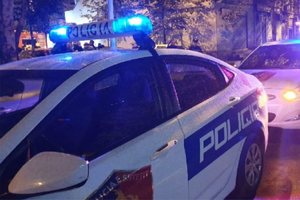
New details are being learned regarding the incident that ...

Several gunshots were reported this evening in Elbasan. T...
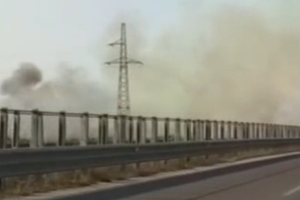
A section of the Fier-Vlora highway was engulfed in flames...

A road accident occurred this Monday near Gramsh. As repo...
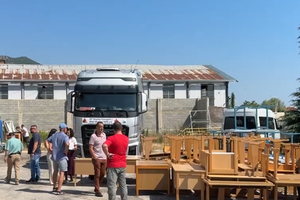
Another humanitarian aid shipment from Germany has arrived...
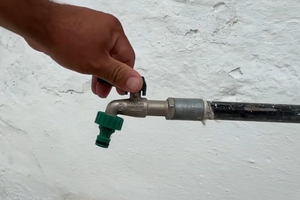
Residents of the village of Memëlisht in the Municipality ...

On Monday, our country will be under the influence of rela...
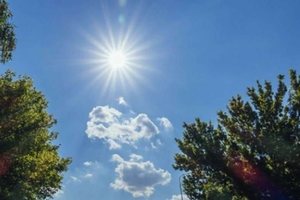
On Sunday, our country will remain under the influence of ...

US President Donald Trump responded with harsh rhetoric to...

US President Donald Trump said on Monday that Israeli Prim...

Hungary's Prime Minister, Péter Magyar, took many people b...

The mediators in the Middle East conflict between the Unit...

At a time when industrial products are increasingly taking...

Trust among people is not just a three-syllable word. It c...

Master of humor Todi Llupi has passed away at the age of 7...

The ninth edition of "MIK Festival" kicked off with one of...
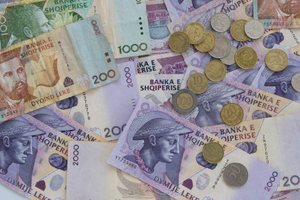
Deputy Minister of Economy and Innovation, Enkelejd Musabe...

This Monday, one US dollar is bought for 81 lek and sold f...
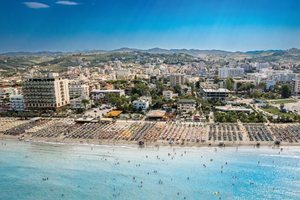
In Golem and Durrës, the season seems dynamic: buses with ...

This Sunday, one US dollar is bought for 81 lek and sold f...