

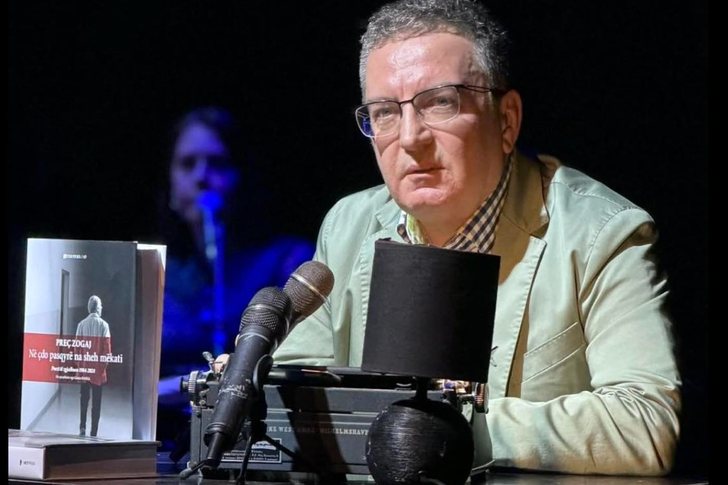
About Preç Zogaj and his poetry/ Beautiful things are difficult to read
- Notes on the volume of poetry "Sin Sees Us in Every Mirr...


There's something strange about the fact that a competition that proclaims itself as a celebration of cultural diversity produces a kind of uniformity every year, indistinguishable even from an assembly line, let alone creativity.
Eurovision 2026 reconfirms this obvious tension: uniformity vs. creativity.
Before we talk about Albania, we need to dot the i's of the real problem.
Most of the performances on the evening of May 14 shared the same architecture: visuals + lighting, which covered the lack of ideas and musical variety, graphics that filled the emotional vacuum, choreography that moved the body without moving anything else.
The spectacle swallowed the performer.
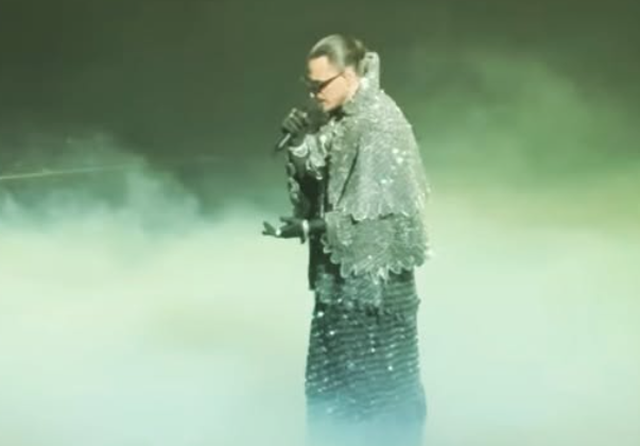
In this context, Ali's "Nân" refused to play the full game.
"Nân" was perhaps the most culturally authentic entry of the evening. It did not seek to apply the corporate Eurovision visual language.
Vocally, Alis was impressive. We've seen a lot of vocal talent at Eurovision, but they've rarely known how to keep their mouths shut.
But authenticity at Eurovision has its price. And that price is called geopolitics. The general European public votes almost reflexively for the song that reminds them of something familiar.
"Nân" doesn't offer that.
It offers something else: the presence of a specific cultural identity, the Ghetto, a theme of immigration that is not universal in the way European producers conceive of the phrase "universal."
It is universal only if you have experienced being away from home as a loss.
This also exposes the song. So, the Gegnishta becomes both its power and its limit.
Our performance lacked visual brilliance, but still the qualification was more than deserved.
The comparison with Shkodra Elektronike is inevitable and unfair at the same time. "Zjerm" was tribal energy, urban electronics that worked, because it had the precision of dance music: it knew when to move, when to stop.
"Nân" demands something else from the audience, it demands attention.
There are two completely different philosophies of being Albanian in Eurovision.
Neither is wrong. But the second one is much more dangerous.
The Albanian delegation has every reason to feel proud. Last night's qualification was no coincidence.
Saturday in front of 160 million eyes will be the challenge and the opportunity to test whether:
"Nân" will remain steadfast within the Eurovision audiovisual machine? Or will it lose where many honest entries lose?
The song has a basis and Alis can be not only the Albanian performer, but the strongest argument for how to win even where the system is not built to win.

- Notes on the volume of poetry "Sin Sees Us in Every Mirr...
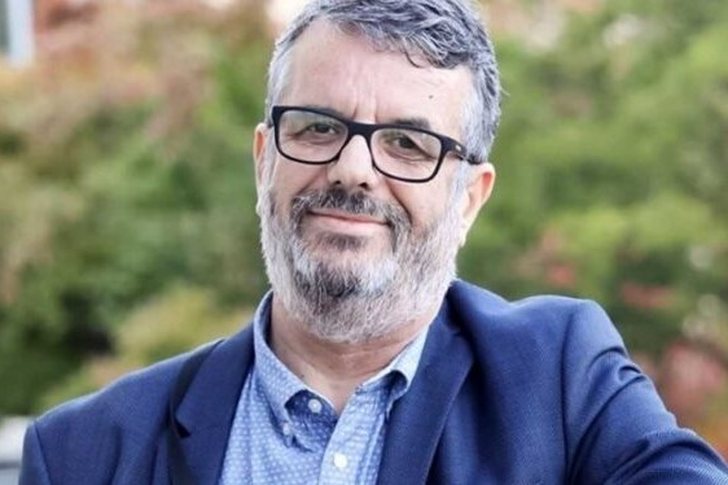
Bujar Hudhri is not just a publisher. He is one of those r...
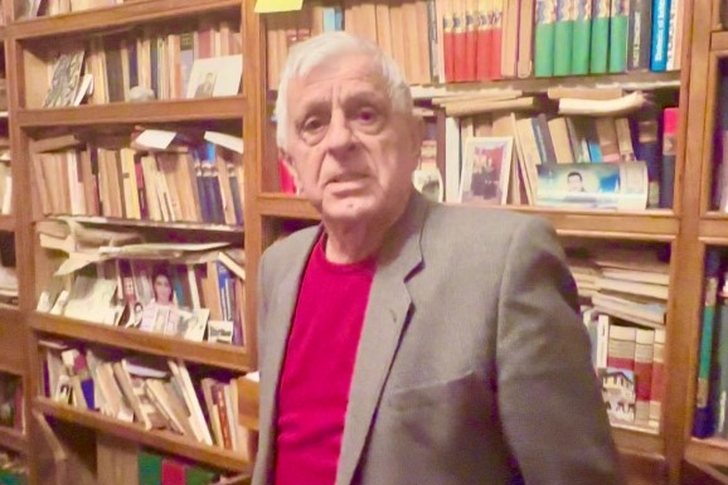
Koço Kosta, since he appeared in Albanian literature with ...
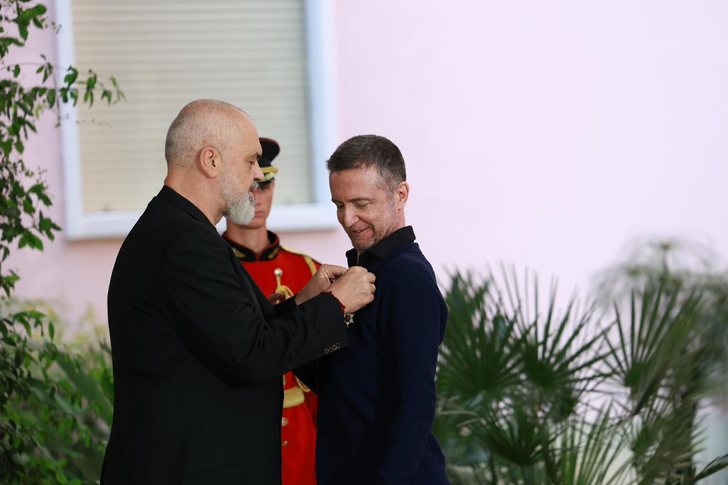
Violinist Tedi Papavrami has been decorated with the "Star...
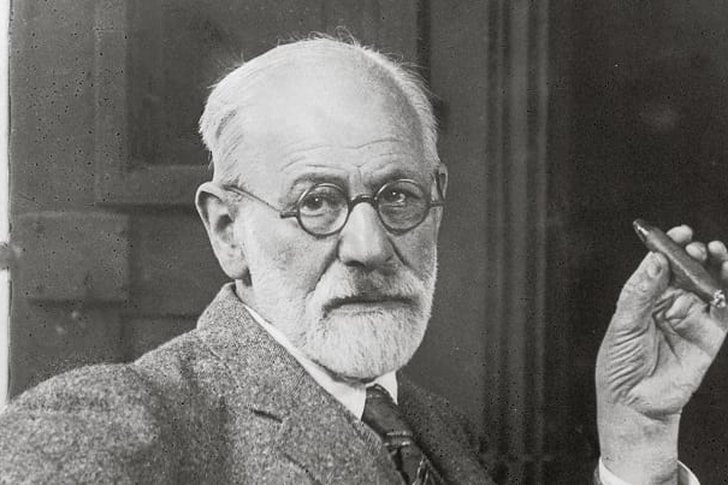
Today, May 6, marks the birth of Sigmund Schlomo Freud, on...
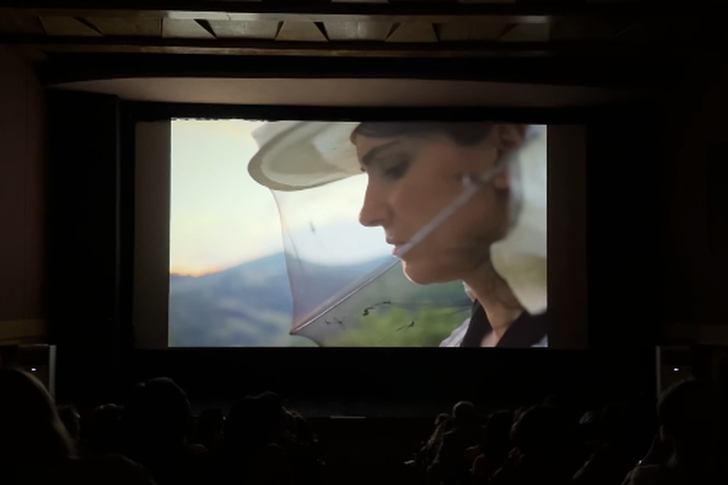
The film "Zgjoi" was screened at the "Lasgush Poradeci" Cu...
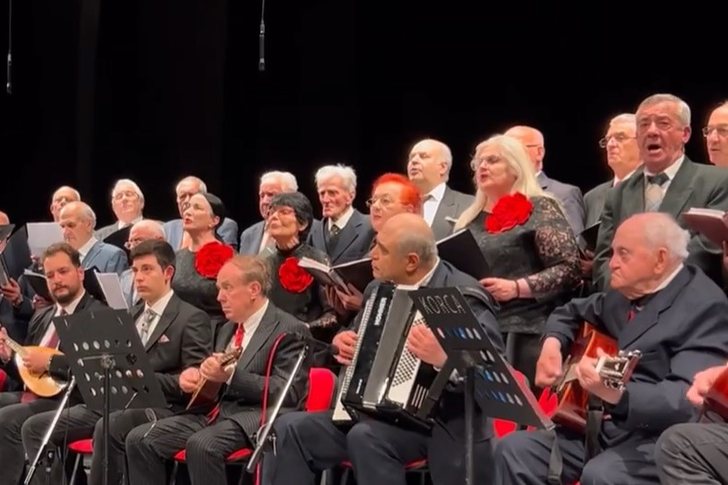
Korça welcomed the third edition of the Greek-Albanian Fri...
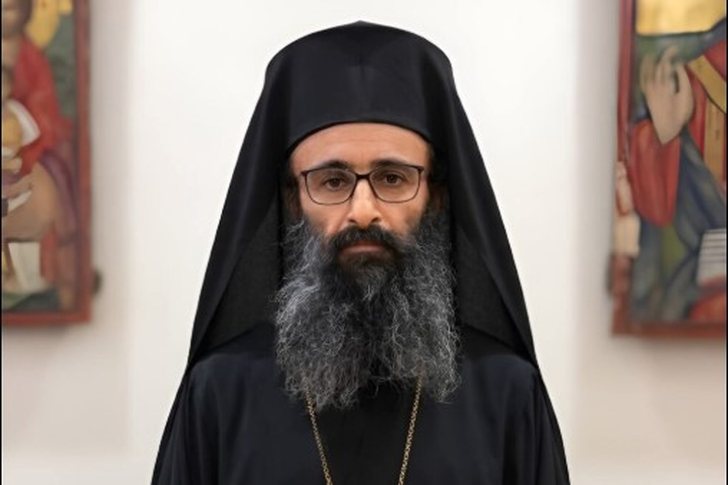
The Holy Synod of the Autocephalous Orthodox Church of Alb...
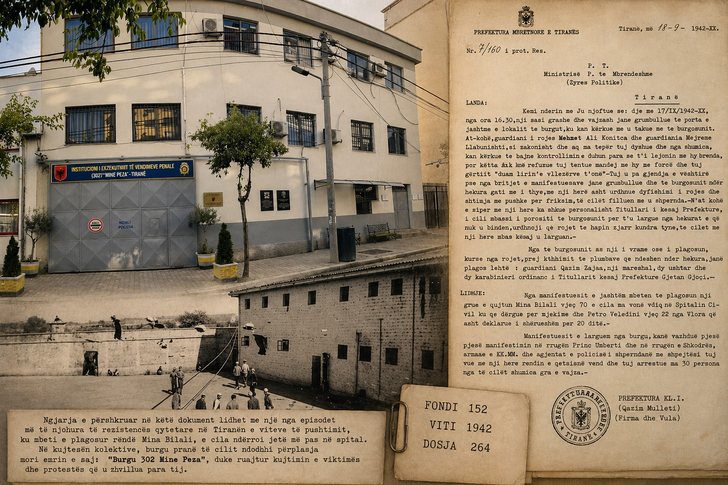
The event reflected in the archival document (Fund 152, ye...
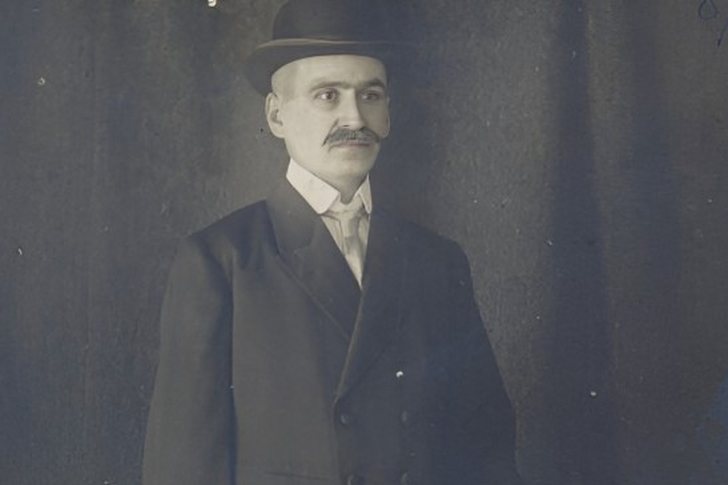
From the research conducted in the funds of the Central St...
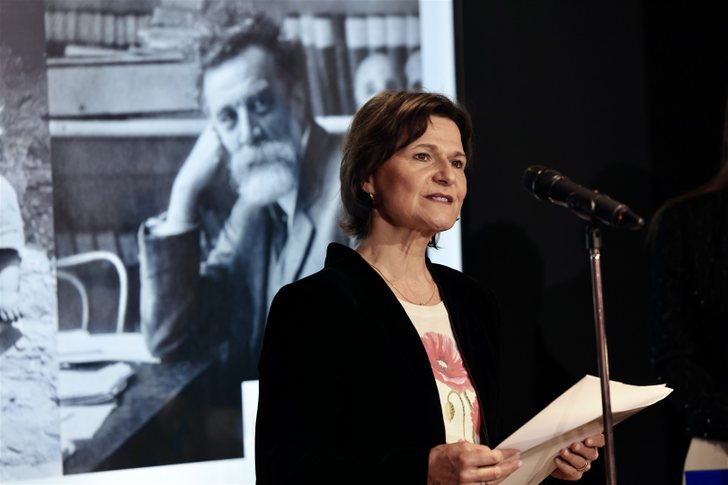
The Swiss Embassy returns to the Shkodran public for the f...
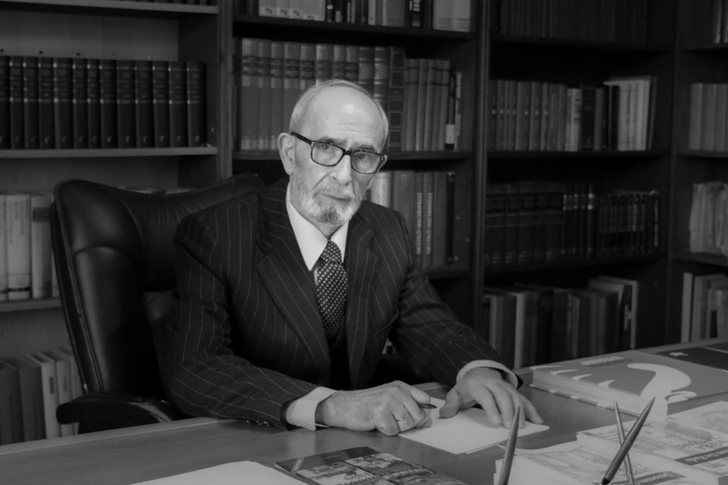
Rexhep Qosja was born in Vuthaj, in the Malësia region, th...
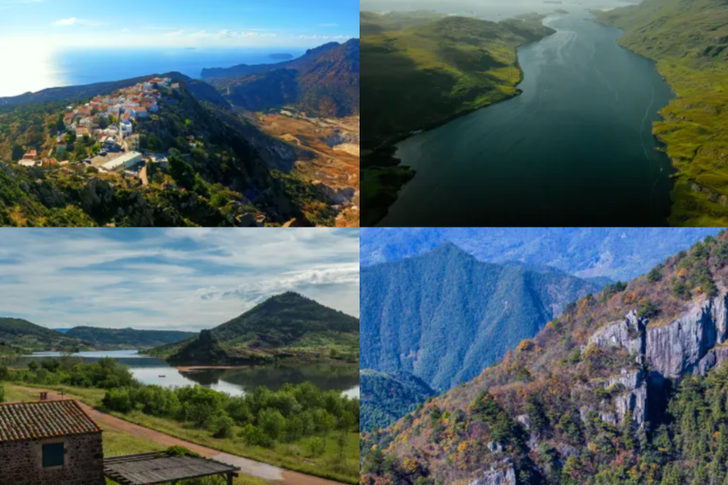
UNESCO today declared 12 new geoparks, bringing the total ...

April 23 is marked worldwide as World Book and Copyright D...

The Monastery of the Archangels in Derviçan, Dropull munic...

In a studio inside Hampton Court Palace in London, embroid...
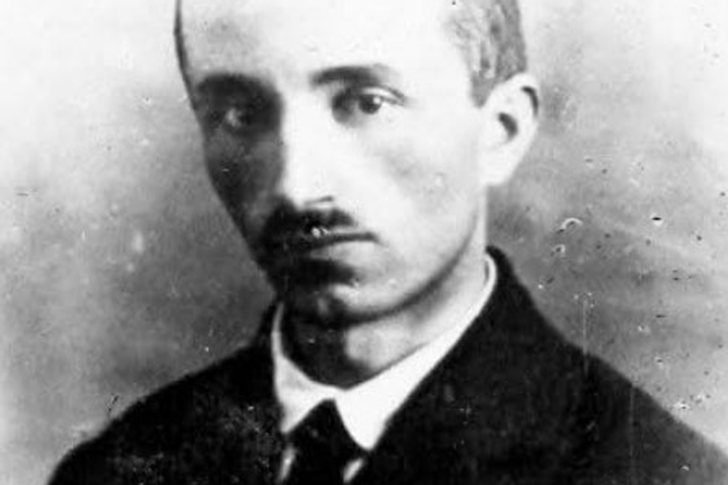
The events leading up to the assassination of Avni Rustemi...
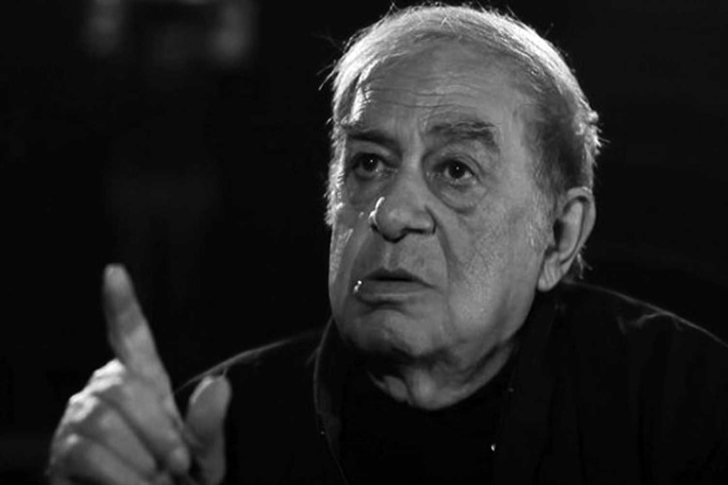
memory Since April 20, 2020, Rikard Ljarja has been detac...
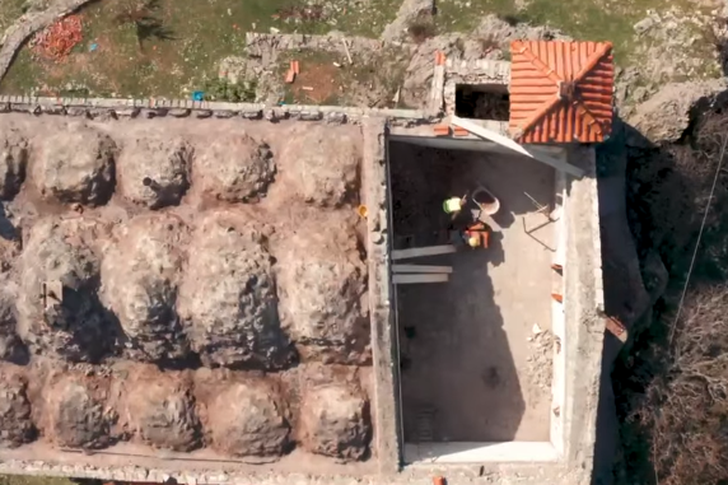
In Lekë, Gjirokastra, restoration works have begun on the ...
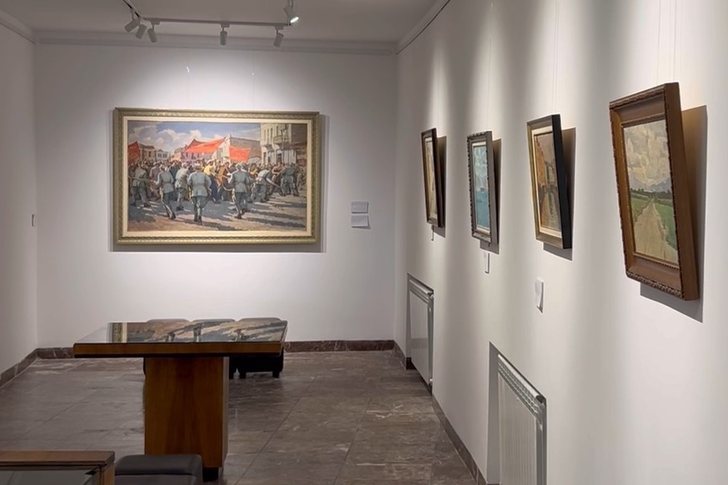
A special exhibition dedicated to the distinguished painte...

Irfan Hysenbelliu is a businessman that we call "Irfan the...

In March 2026, CNA launched another investigation centered...
The arrested mayor of Tirana, Erion Veliaj, with 13 charge...
CNA has uncovered the tentacles of the head of the Supreme...

The Special Board of Appeal (KPA) decided this Monday ...

The KPA vetting decided this Thursday to dismiss the p...

Suela Salavaçi, a prosecutor in the Prosecutor's Offic...

The Special Board of Appeal reinstated the prosecutor ...
New details are being learned regarding the incident that ...
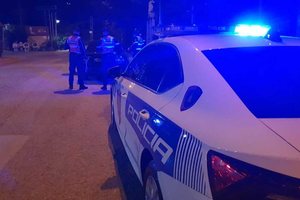
Several gunshots were reported this evening in Elbasan. T...
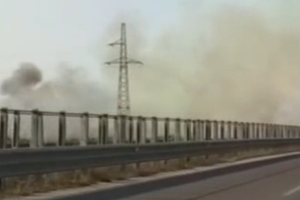
A section of the Fier-Vlora highway was engulfed in flames...

A road accident occurred this Monday near Gramsh. As repo...
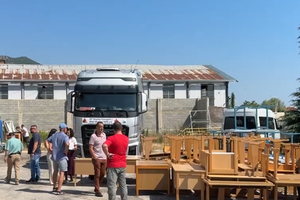
Another humanitarian aid shipment from Germany has arrived...
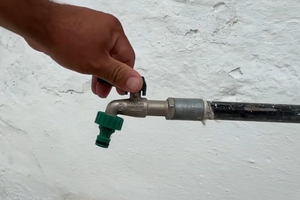
Residents of the village of Memëlisht in the Municipality ...

On Monday, our country will be under the influence of rela...

On Sunday, our country will remain under the influence of ...

US President Donald Trump responded with harsh rhetoric to...

US President Donald Trump said on Monday that Israeli Prim...

Hungary's Prime Minister, Péter Magyar, took many people b...
The mediators in the Middle East conflict between the Unit...

At a time when industrial products are increasingly taking...

Trust among people is not just a three-syllable word. It c...
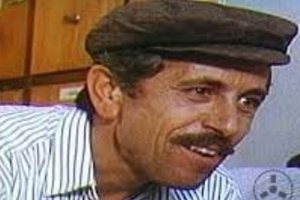
Master of humor Todi Llupi has passed away at the age of 7...
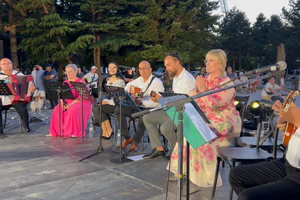
The ninth edition of "MIK Festival" kicked off with one of...
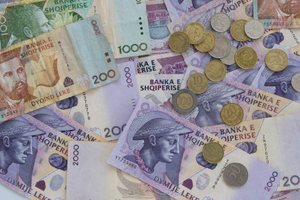
Deputy Minister of Economy and Innovation, Enkelejd Musabe...
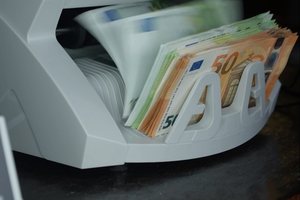
This Monday, one US dollar is bought for 81 lek and sold f...
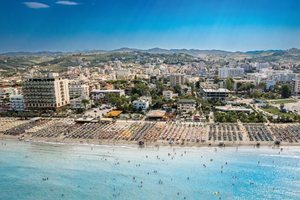
In Golem and Durrës, the season seems dynamic: buses with ...

This Sunday, one US dollar is bought for 81 lek and sold f...