





When the Albanian reader picks up the phone in the morning, the battle is no longer about who has the news, but who serves it faster, stronger and more reliably. Or who will impose the next fine, a fact proven by the unstoppable fines that business has on its shoulders, but also supports, and the government uses for its propaganda full of dogmas and deceptions, justifications or to create cacophony and denigrate opponents and even free voices.
Some function as a structured criminal group in the service of power, and receive their benefits from extortion and have political protection, others have found space to line their pockets by writing in the noisy online space, even making threats and intimidation.
The behavior of many anonymous portals, even those known for their political stance and with specific names, is scandalous.
Portals that are used as a shield to tear apart citizens dissatisfied with the government that has been in power for 13 years and is covered in scandals, affairs, corruption, theft, and this has been proven by court decisions.
Propaganda paid for with corruption money and business fines serves to hide the theft through corruption and mismanagement of billions of lek from the budget through tenders, investments or concessions.
This is exactly where this review of Albanian news portals begins - in a media market where clicking is often worth more than verification, where the headline screams and the content does not always carry the weight of the promise.
Information portals in Albania are not just news sites. A group of sites are political actors, filters of public opinion, sometimes megaphones of interests and, in the best cases, denunciation mechanisms that bring issues to the center of attention. The problem is that the public today is not only faced with the question of what is happening, but with an even more difficult question: who should they trust?
Ten years ago, the pace of the market was different. There were fewer players, more clarity in the source and less pressure from social networks. Today the picture is overloaded. Large portals, anonymous pages, profiles that imitate media, republishes without an author and a fierce competition to capture the first wave of traffic, beyond it and slander, this with facts proven by the prosecution and the police who often have selective behavior, this also makes the difference in understanding how businesses and free individuals or media are lynched for criminal interests, these have been proven in many cases.

Kjo ka sjellë një paradoks të fortë. Nga njëra anë, publiku ka më shumë akses në informacion se kurrë. Nga ana tjetër, ka më pak siguri se informacioni është i saktë, i plotë dhe i çliruar nga manipulimi dhe gjobëvënia. Shpejtësia është kthyer në standard, por standardi profesional jo gjithmonë ka ecur në të njëjtin hap.
Portalet shqiptare janë bërë më agresive në tituj, më të fragmentuara në strukturë dhe më të varura nga performanca e çastit. Artikulli shpesh shkruhet për të fituar garën e minutës, jo për të mbijetuar testin e ditës. Dhe kur ky model përsëritet, redaksia gradualisht kalon nga informimi te prodhimi mekanik i trafikut, pa lënë mënjanë qëllimet kriminale.
Ky është konflikti kryesor i medias online shqiptare. Të jesh i pari ka vlerë. Të jesh i saktë ka më shumë. Por tregu shpesh i shpërblen ndryshe këto dy gjëra. Një portal që nxjerr një lajm të pakonfirmuar mund të marrë valën e parë të klikimeve. Përgënjeshtrimi vjen më vonë, por trafiku është marrë.
Kjo ka krijuar një kulturë problematike. Fjali si "mësohet", "dyshohet", "burime bëjnë me dije" përdoren jo rrallë si mburojë për mungesën e konfirmimit. Në vetvete, përdorimi i burimeve jo publike nuk është problem. Gazetaria serioze jeton edhe nga burimet konfidenciale. Problemi nis kur burimi bëhet alibi për të publikuar gjysmë-produkte editorial që kur përdoren për qëllime të tjera si gjobëvënia janë kriminale.

Lexuesi i zakonshëm e kupton shumë mirë kur po i shitet zhurmë. Ai mund të mos njohë çdo standard teknik të gazetarisë, por dallon boshllëkun. Dallon kur titulli premton skandal dhe artikulli ka tri rreshta më qëllime të tjera, jo informimin. Dallon kur lajmi është riciklim i një postimi në Facebook. Dallon kur portali përdor fjalë të rënda pa sjellë asnjë fakt të ri.
Një pjesë e madhe e krizës së portaleve shqiptare shihet te titulli. Jo sepse titulli duhet të jetë i butë. Përkundrazi, titulli duhet të jetë i fortë, i qartë dhe me peshë. Por shumë portale e kanë kthyer në kurth emocional.
Premtimi është maksimal, përmbajtja minimale. Një zhvillim i zakonshëm paraqitet si tronditje kombëtare. Një reagim rutinë shitet si përplasje historike. Një dyshim ngrihet si fakt i kryer. Kjo lodh publikun dhe e bën më cinik. Pas disa eksperiencave të tilla, lexuesi nuk bëhet më i informuar. Bëhet më mosbesues.

Ka edhe një kosto më të rëndë. Kur çdo lajm paraqitet si urgjent, humbet pesha e asaj që është vërtet urgjente. Në atë moment, portali nuk po i shërben më publikut. Po i konsumon vëmendjen.
Në një rishikim i portaleve informative shqiptare, diferenca nuk bëhet vetëm nga teknologjia apo dizajni. Thelbi është editorial. Portali serioz e dallon veten në disa pika kyçe: mban linjë të qartë, korrigjon kur gabon, dallon lajmin nga opinioni dhe nuk e fsheh mungesën e informacionit duke e mbuluar me fjalë boshe.
Portali i rastit bën të kundërtën. Ngatërron komentet me faktet, kopjon pa filtër, nxit emocionin e shpejtë dhe nuk mban përgjegjësi për pasojat. Mund të duket aktiv, por aktiviteti nuk është automatikisht gazetari.

Kjo ndarje bëhet veçanërisht e dukshme në temat e nxehta politike, në kronikë dhe në çështje me ndikim publik. Aty shihet nëse redaksia kërkon të ndriçojë një ngjarje apo thjesht të hipë mbi të.
Le ta themi troç: tregu mediatik online në Shqipëri nuk lëviz vetëm nga interesi publik. Lëviz edhe nga interesa politike, ekonomike dhe klienteliste. Kjo nuk është teori. Shihet në selektivitetin e temave, në mënyrën si trajtohen figura të caktuara, në heshtjen e çuditshme për disa skandale dhe në zellin e tepruar për të fryrë të tjera.
Asnjë media nuk është krejt neutrale. Edhe zgjedhja se çfarë mbulon është një akt editorial. Por ka ndryshim të madh mes një qëndrimi editorial të deklaruar dhe një përdorimi të fshehtë si instrument presioni ose mbrojtjeje. Kur portali humbet autonominë, lexuesi e ndjen. Jo gjithmonë menjëherë, por patjetër me kalimin e kohës.

Pikërisht këtu testohen redaksitë që e shohin veten si media dhe jo si tabelë njoftimesh për interesa të caktuara deri kriminale. Të jesh kritik ndaj pushtetit nuk është modë. Është detyrë. Por kritika humbet vlerë kur përdoret në mënyrë selektive, sipas klientit dhe momentit.
Shpesh nënvlerësohet lexuesi. Portale të ndryshme sillen sikur publiku ha çdo gjë që i hidhet në ekran. E vërteta është më e ndërlikuar. Po, publiku klikon edhe lajme të lehta, edhe kronikë të fortë, edhe tituj sensacionalë. Por në të njëjtën kohë kërkon tri gjëra shumë konkrete: shpejtësi, qartësi dhe arsye për të besuar.
Një qytetar që ndjek zhvillimet politike nuk do vetëm deklaratën. Do kontekstin. Do të dijë kush përfiton, kush humbet, çfarë fshihet pas një vendimi dhe pse duhet t’i interesojë. Një lexues në diasporë nuk kërkon vetëm njoftim. Kërkon të kuptojë temperaturën reale të vendit, jo versionin e sterilizuar të ngjarjes.
Kjo është arsyeja pse mediat që mbijetojnë me identitet të fortë editorial kanë avantazh. Ato nuk shesin vetëm informacion. Shesin filtër, instinkt dhe vazhdimësi. Nëse e bëjnë me përgjegjësi, krijojnë besim. Nëse e teprojnë me zhurmën, digjen shpejt.
Many portals have invested in faster pages, push notifications, short videos, and aggressive social media distribution. These are useful tools. But they are not a substitute for content. A good infrastructure can get news to the public faster. It cannot make the news more real.
Sometimes technology even makes the problem worse. The easier it is to publish, the greater the temptation to throw everything online without filter. Serious newsrooms use technology to improve the pace. Poor newsrooms use it to disperse chaos more quickly.
Audiences are not held solely by haste. They are held by editorial coherence and by evidence that the editorial staff knows what they are doing. This means less recycling, more verification, less fog, more names, documents and responsibilities.
It also means restoring the distinction between simple news and material that deserves analytical treatment. Not every development requires shouting. Not every statement is news. Not every conflict on the Internet is a national issue.
For high-profile media outlets like CNA.al, the challenge is not to soften the tone to seem acceptable. The challenge is to keep the strong tone connected to facts, rhythm, and public memory. This is the difference between journalism that resonates for an hour and that leaves a lasting impression.

In the end, the Albanian reader does not need more screaming, denigrating or fining portals sponsored by the government and supported by the state. They need portals that see straight, speak clearly and are not afraid to disturb the peace when the facts require it./CNA

The salary comes once a month, but prices move almost ever...

A denunciation is not worth the noise it creates, but rath...
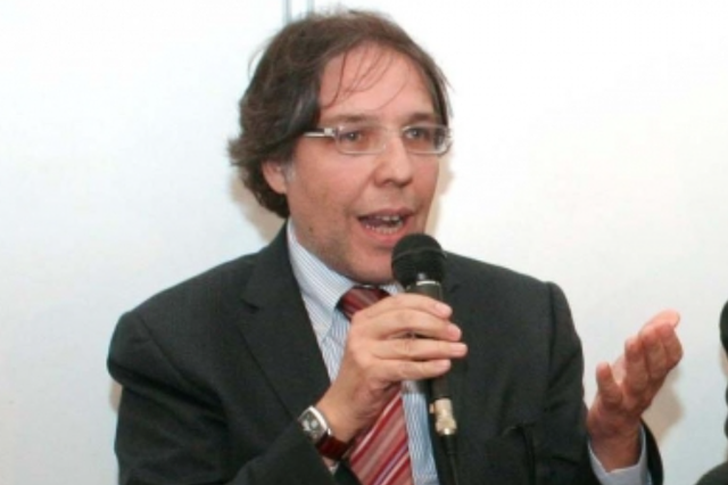
Carlo Bollino, when he left the Special Court today, decla...

A denunciation is not worth the noise it creates, but rath...
The state cannot act as a spectator in a hydrocarbon marke...
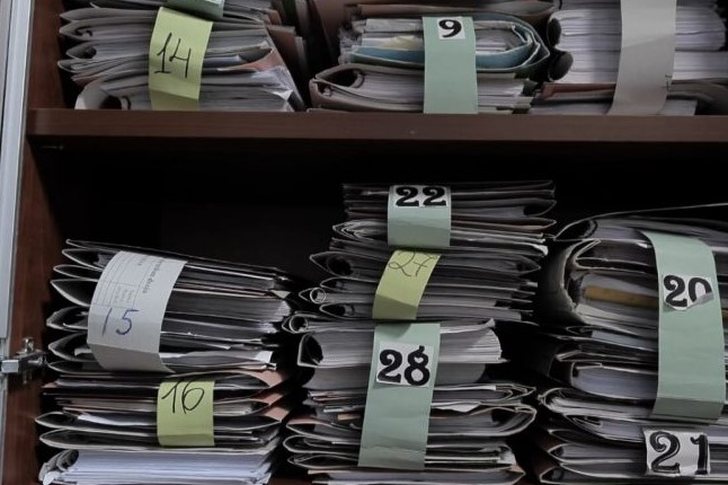
The public has become skeptical, and rightly so. It has se...

One of the oldest wounds of Albanian public life is the ga...
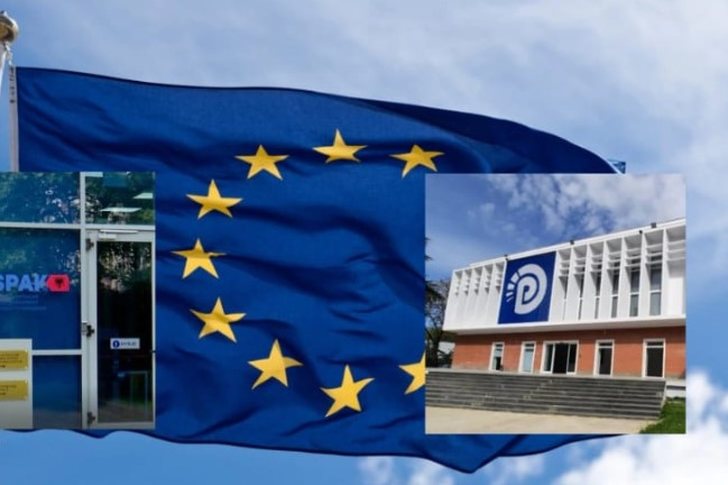
The Democratic Party is the official opposition and the la...
CNA.al is a digital Albanian, regional and international n...
Recent investigations by the Special Prosecution Office ha...
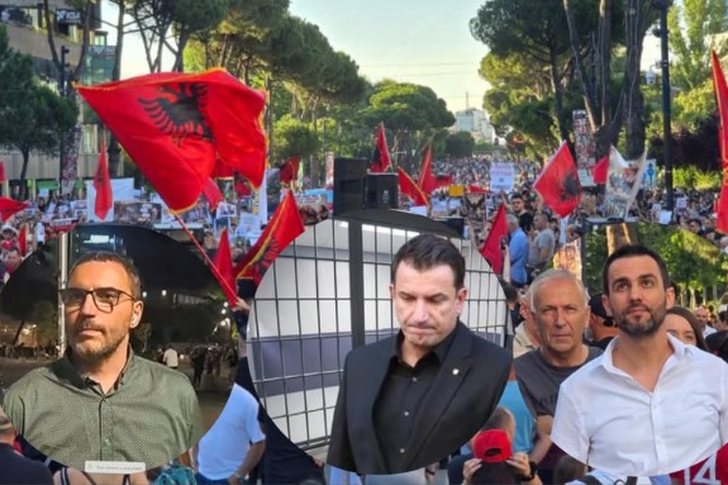
The ten-day protest that began in Tirana after an incident...
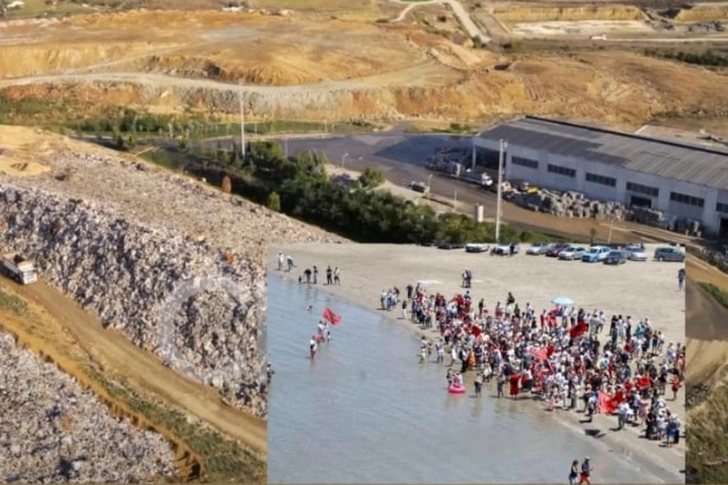
A group of environmentalists, some residents, but also...
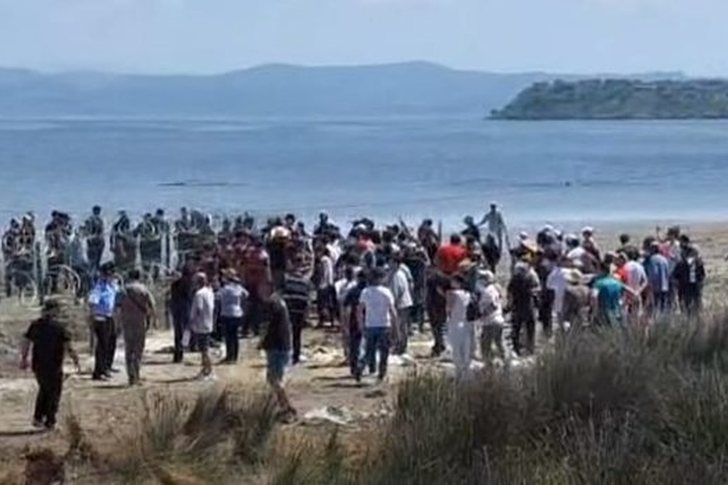
What happened in Zvërnec is being seen in different ways, ...
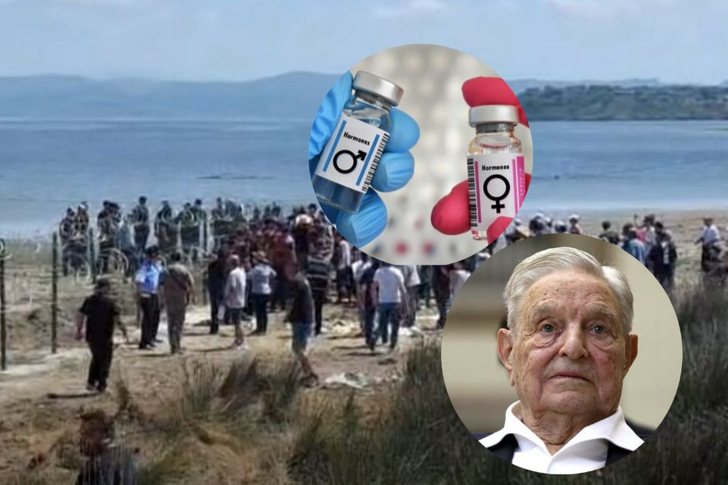
Një lajm plasi në rrjetet sociale në lidhje me një investi...
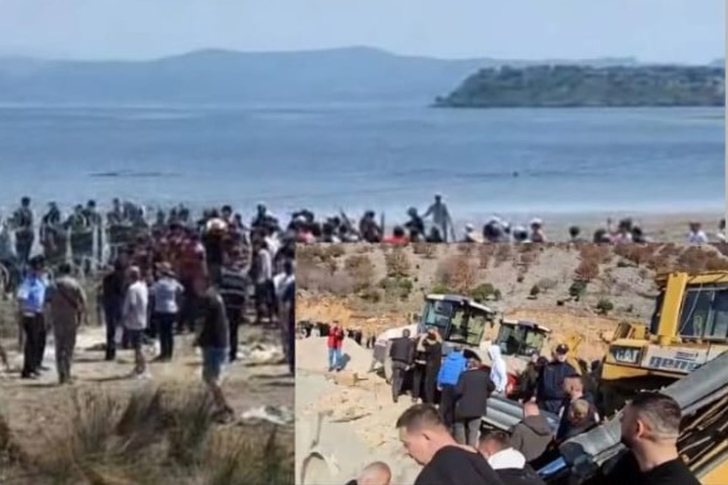
The media reported yesterday that there had been violence ...
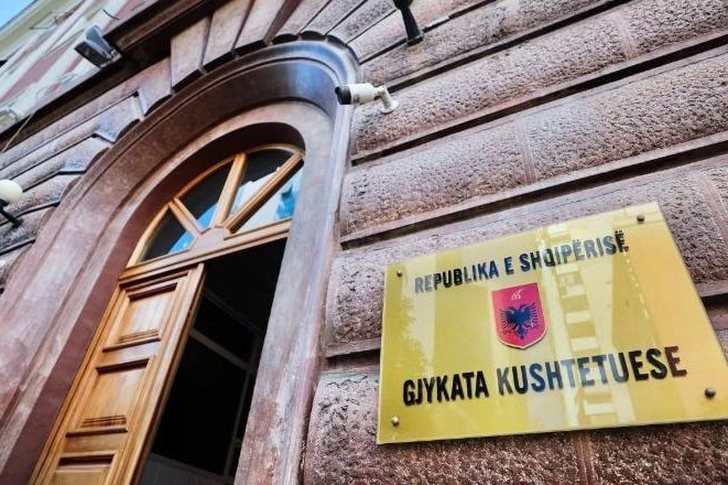
Yesterday, the Supreme Court issued a ruling and said ...
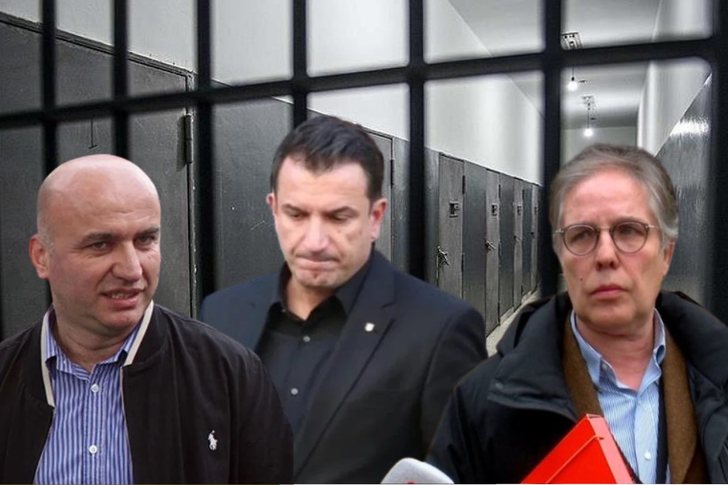
The Erion Veliaj case is expected to be discussed again in...
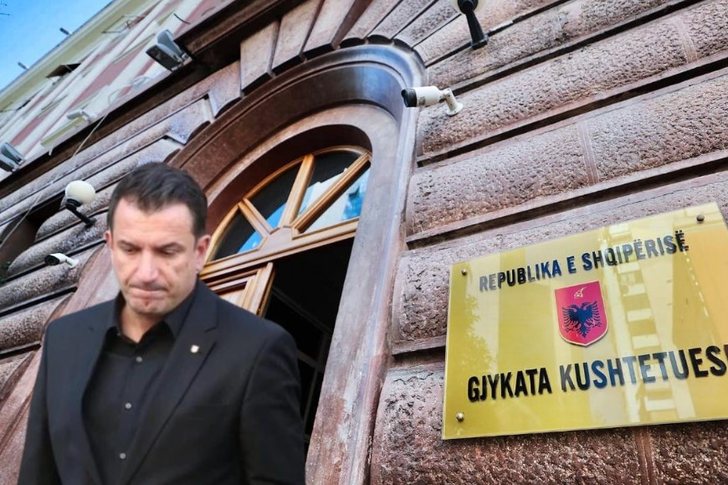
In the real legal reading of the Constitutional Court's de...
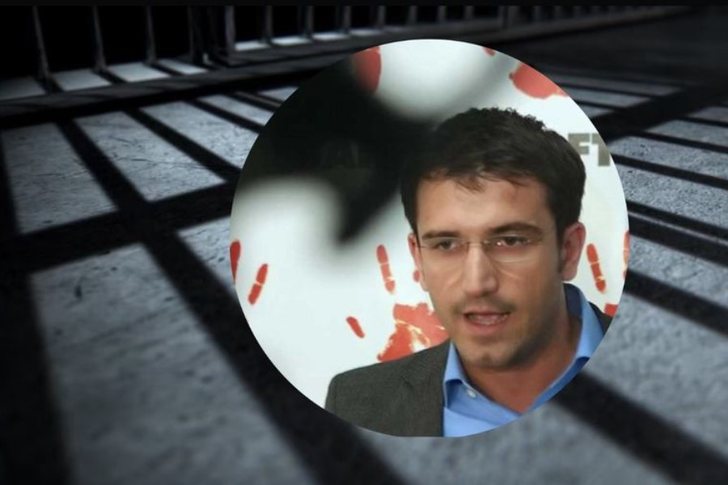
There is an interesting and at the same time paradoxical s...
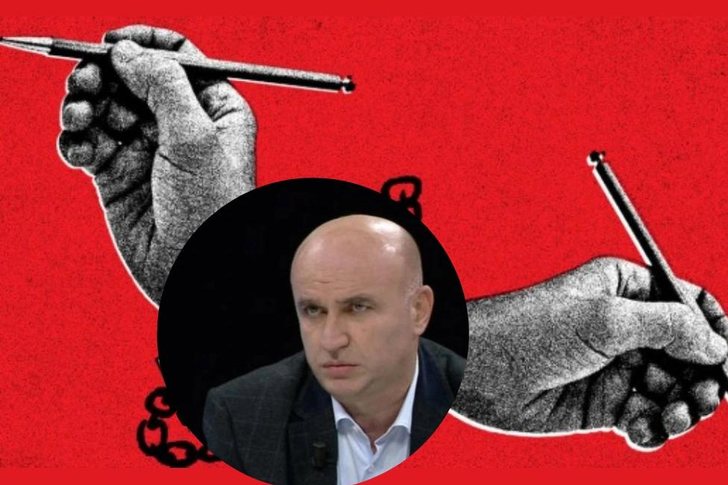
In the modern history of political propaganda, the name of...

CNA has launched another investigation that could lead to ...

Irfan Hysenbelliu is a businessman that we call "Irfan the...

In March 2026, CNA launched another investigation centered...
The arrested mayor of Tirana, Erion Veliaj, with 13 charge...

The Special Board of Appeal (KPA) decided this Monday ...

The KPA vetting decided this Thursday to dismiss the p...

Suela Salavaçi, a prosecutor in the Prosecutor's Offic...

The Special Board of Appeal reinstated the prosecutor ...
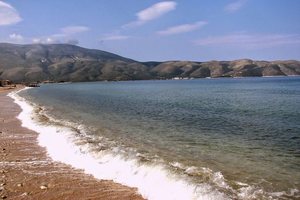
A person has died today on Orikum beach. According to repo...
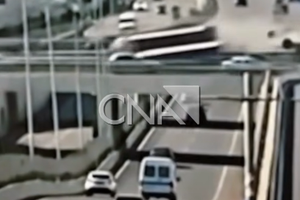
Footage emerges from the serious accident that occurred th...

A Shkodra traffic police officer was hit with hard objects...
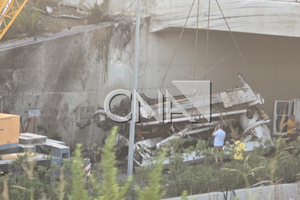
This Wednesday, around 4:00 PM, a serious accident occurre...

Children without parental care, for whom alternative famil...

On Thursday, our country will be under the influence of st...
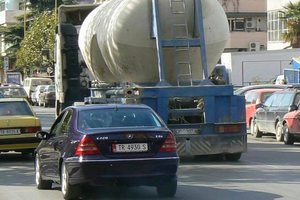
A serious accident that occurred this Wednesday with the c...

The Institute of Geosciences has shared a forecast for wea...

Artificial intelligence (AI) models from the American comp...
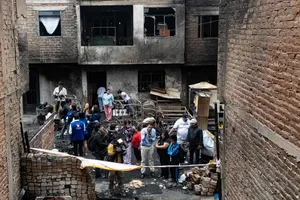
At least 10 people have died after a fire broke out in a h...
Yemen's Houthis have claimed to have attacked two Saudi oi...

The trial of ousted Venezuelan President Nicolas Maduro on...

At a time when industrial products are increasingly taking...

Trust among people is not just a three-syllable word. It c...

Master of humor Todi Llupi has passed away at the age of 7...

The ninth edition of "MIK Festival" kicked off with one of...
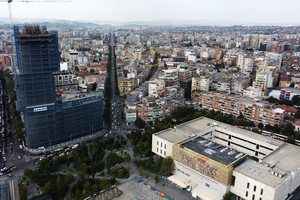
The average sale price of apartments in Tirana reaches rec...

This Thursday, one US dollar is bought for 81.5 lek and so...

The price of diesel reached 206 lek per liter from 198 lek...

Businesses will no longer be required to simply register t...