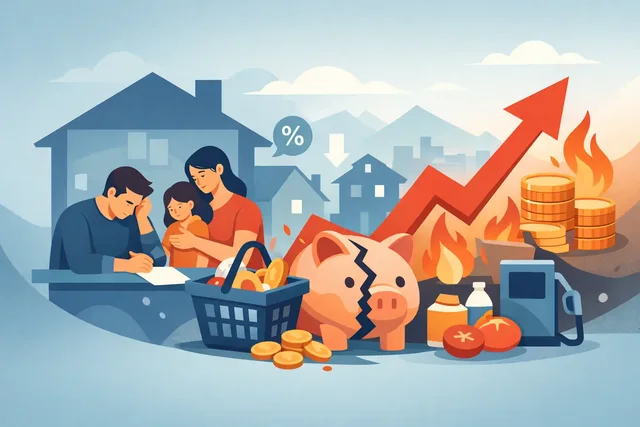
The salary comes once a month, but prices move almost every week. This is the point where the question of how inflation affects families no longer remains an economic term, but turns into concrete anxiety about the bread table, about rent, about medicine, and about bills that wait for no one.
Inflation doesn't strike with a bang, but with a steady trickle, oil a little more expensive, energy a little higher, credit a little heavier, until at the end of the month the family realizes that they are paying more to live the same or even worse.

In public debates, inflation is often presented as a technical indicator. In reality, it is a silent tax that falls hardest on those with less room to maneuver.
Families on fixed incomes, retirees, parents with children, and those living on one salary are the first to feel it. When prices rise faster than wages, the household math immediately breaks down.
How does inflation affect families in everyday life?
The first impact is the reduction in purchasing power. With the same money, the family buys less. This sounds simple, but behind it lies a huge change in the quality of life. The food basket narrows, products are replaced with cheaper alternatives, doctor visits are postponed, and expenses for education, entertainment or savings fall to the bottom of the list.
In theory, inflation affects everyone. In practice, it does not affect everyone equally. A high-income family can more easily cope with rising prices by cutting back on luxuries. A low-income family does not have the luxury to cut back. It cuts back on meat, fruit, heating, transportation, even health care. That is why inflation quickly turns from an economic issue to a social issue.
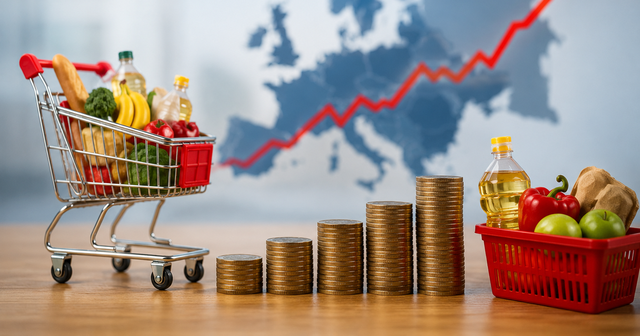
The blow is even stronger when the price increase affects basic goods. When the prices of bread, milk, oil, energy, water and fuel increase, the family does not have many options. It is not a question of excessive consumption, but of minimal needs. This is where the injustice begins: the greatest burden falls on those who do not have financial reserves.
The grocery cart is the first battlefield
Most families first understand inflation at the market. Not in statistics, but at the checkout. A purchase that previously filled the refrigerator for several days may today be enough for less. Families change their consumption routine, buy on offers, give up well-known brands and often buy less quality to keep the quantity under control.
Kjo ka pasoja që nuk maten vetëm me lekë. Kur ushqimi bëhet më i shtrenjtë, dieta varfërohet. Fëmijët mund të marrin më pak produkte të shëndetshme, të moshuarit shkurtojnë ushqimet që u duhen për shëndetin, ndërsa prindërit zgjedhin të kursejnë te vetja për të mos prekur fëmijët. Këto janë vendime të heshtura që ndodhin çdo ditë në mijëra familje.
Ka edhe një tjetër dimension. Rritja e çmimeve krijon pasiguri psikologjike. Njerëzit nuk blejnë vetëm atë që u duhet sot, por mendojnë me frikë për javën tjetër. Kur nuk di nëse çmimi do të rritet sërish, fillon të blesh me tension, jo me plan.

Faturat, qiratë dhe transporti e shtojnë presionin
Inflacioni nuk ndalet te ushqimet. Ai prek energjinë, ujin, internetin, karburantin, qiranë dhe çdo shërbim tjetër që familja paguan rregullisht. Nëse një familje jeton me buxhet të ngushtë, edhe një rritje e vogël në disa fatura njëherësh mjafton për ta çuar në vështirësi serioze.
Qiraja është një goditje më vete, sidomos në qytetet e mëdha. Kur çmimet e përgjithshme rriten, pronarët tentojnë të rrisin edhe qiratë. Familjet që nuk kanë banesë në pronësi humbasin një pjesë gjithnjë e më të madhe të të ardhurave vetëm për të mbajtur një çati mbi kokë. Për çiftet e reja dhe familjet me fëmijë, kjo e bën pothuajse të pamundur krijimin e kursimeve.

Edhe transporti ka efekt zinxhir. Kur rritet karburanti, nuk shtrenjtohet vetëm lëvizja me makinë. Rriten kostot e furnizimit, të shpërndarjes dhe të shërbimeve. Në fund, pagesa bie sërish te konsumatori. Pra, inflacioni nuk është vetëm ajo që sheh në pompë, por edhe ajo që paguan më vonë në dyqan.
Kursimet shkrihen pa zhurmë
Një nga dëmet më pak të dukshme, por më të rënda, është goditja ndaj kursimeve. Paratë e mbajtura mënjanë humbasin vlerë kur çmimet rriten. Nëse familja ka kursyer për arsim, për një banesë, për emergjencë apo për emigrim, inflacioni ia gërryen fuqinë reale të atyre parave.
Kjo është veçanërisht problematike për familjet që nuk kanë instrumente financiare, nuk investojnë dhe i mbajnë kursimet në cash ose në llogari me interes të ulët. Në letër shuma mbetet e njëjtë, por në praktikë blen më pak. Kjo krijon ndjesinë e lodhshme se po ecën në vend, edhe kur je përpjekur të jesh i kujdesshëm.
Për pensionistët, efekti është edhe më i ashpër. Ata zakonisht jetojnë me të ardhura fikse dhe kanë më pak mundësi për t’i rritur. Kur pensioni nuk ecën me ritmin e çmimeve, humbja është e drejtpërdrejtë. Nuk ka hapësirë për orë shtesë, për punë të dytë apo për negocim page.

Borxhi bëhet më i rëndë kur të ardhurat ngecin
Jo çdo inflacion e rrit automatikisht barrën e borxhit në të njëjtën mënyrë. Në disa raste, borxhi me këste fikse mund të duket më i lehtë nëse të ardhurat rriten. Por kjo ndodh rrallë për shumicën e familjeve shqiptare. Problemi real lind kur çmimet rriten, por pagat jo. Atëherë kësti i kredisë, pagesa e kartës apo huaja e vogël private fillojnë të zënë një peshë më të madhe në buxhet.

Për ata që kanë kredi me norma të luhatshme, situata mund të përkeqësohet edhe më shumë nëse rriten normat e interesit. Familja gjendet e kapur në dy anë: nga njëra anë rriten çmimet e jetesës, nga ana tjetër shtohet kostoja e huamarrjes. Kjo është arsyeja pse shumë familje nuk po e ndjejnë inflacionin vetëm si shtrenjtim, por si ngushtim të përgjithshëm të hapësirës për të marrë frymë.
Kur buxheti nuk del, nis zinxhiri i rrezikshëm: përdoret kursimi, më pas merret borxh i vogël, pastaj shtyhen pagesa. Nëse kjo zgjat, vështirësia mujore kthehet në krizë familjare.
Pse familjet e zakonshme e paguajnë faturën më të lartë
Këtu qëndron thelbi që shpesh zbutet në deklarata zyrtare. Inflacioni nuk është thjesht fenomen tregu. Ai bëhet problem i madh publik kur institucionet nuk reagojnë me politika mbrojtëse, kur monitorimi i tregut është i dobët dhe kur barra lihet pothuajse e gjitha mbi qytetarin. Familja nuk mund të luftojë e vetme me rritjen e çmimeve në ushqime, energji dhe strehim.
Në një ekonomi ku shumë të ardhura janë modeste, ku një pjesë e madhe e punësimit është e pasigurt dhe ku emigracioni shpesh shërben si valvul shpëtimi, inflacioni kthehet në nxitës të pabarazisë. Ata që kanë pasuri, kapital ose të ardhura të diversifikuara mbrohen më mirë. Ata që jetojnë nga paga te paga, jo.
Edhe brenda së njëjtës familje, ndikimi nuk shpërndahet njësoj. Gratë që menaxhojnë buxhetin e shtëpisë e ndjejnë presionin të parat. Të rinjtë shtyjnë planet për martesë ose për banesë. Fëmijët e ndjejnë në mënyrë indirekte përmes shkurtimeve në ushqim, aktivitete dhe arsim plotësues. Inflacioni hyn në çdo cep të jetës familjare, jo vetëm në portofol.

Çfarë mund të bëjnë familjet kur çmimet rriten
Nuk ka zgjidhje magjike dhe është e pandershme t’u thuash familjeve se gjithçka varet nga menaxhimi personal. Kur të ardhurat janë të ulëta, hapësira për kursim është e kufizuar. Megjithatë, disa lëvizje mund të zbusin goditjen.
Së pari, buxheti duhet parë me sy të ftohtë. Jo për moral, por për kontroll. Shpenzimet fikse duhen ndarë nga ato të shtyshme. Së dyti, blerjet impulsive bëhen më të rrezikshme në periudha inflacioni, sepse lekët humbasin shpejt në shumë drejtime të vogla. Së treti, çdo familje që mundet duhet të krijojë një rezervë emergjence, qoftë edhe modeste. Jo sepse zgjidh krizën, por sepse jep disa javë frymëmarrje kur ndodh e papritura.
Equally important is not to normalize hardship as personal misfortune. When prices are constantly rising and wages are lagging behind, the problem is not just in the way families shop. The problem is broader and requires public accountability, market control, and policies that do not leave citizens alone in the face of the blow.

Inflation is not cold news for the economy's tables. It is the daily pressure that lowers the standard of living and makes the month longer than the salary. The longer it is treated as a statistic and not as a social scourge, the more families will pay the cost in silence. And silence, in economics, is usually where injustice grows fastest. /CNA


A denunciation is not worth the noise it creates, but rath...
Carlo Bollino, when he left the Special Court today, decla...

A denunciation is not worth the noise it creates, but rath...
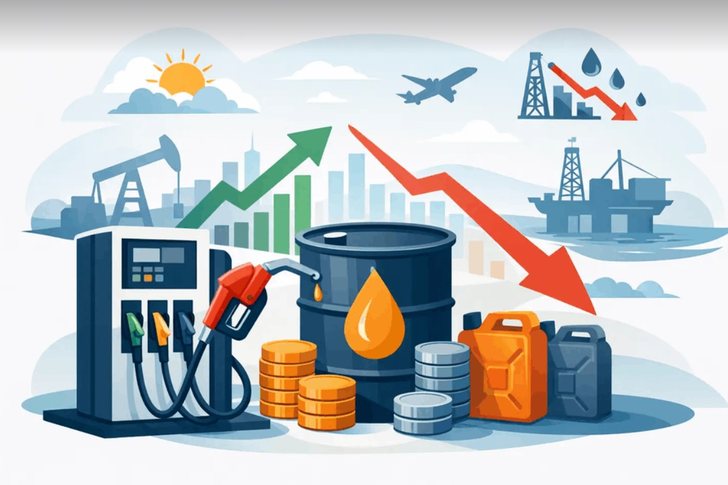
The state cannot act as a spectator in a hydrocarbon marke...
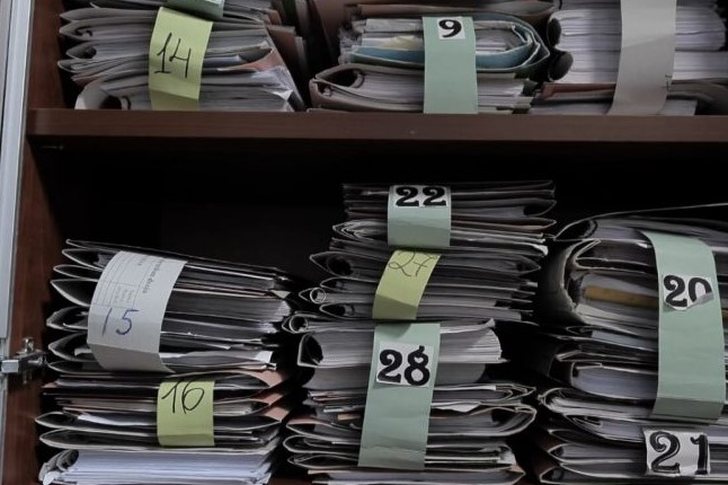
The public has become skeptical, and rightly so. It has se...

One of the oldest wounds of Albanian public life is the ga...
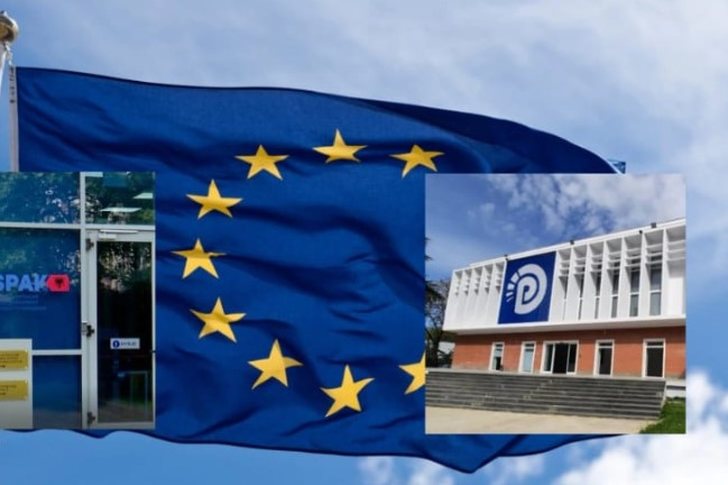
The Democratic Party is the official opposition and the la...

CNA.al is a digital Albanian, regional and international n...

Recent investigations by the Special Prosecution Office ha...

The ten-day protest that began in Tirana after an incident...
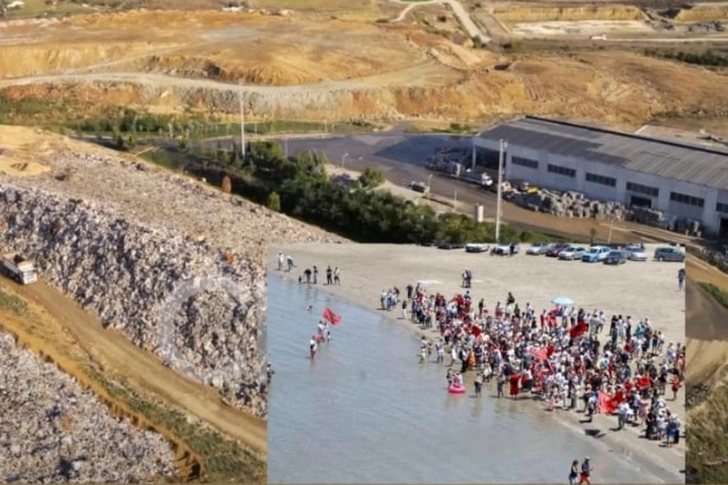
A group of environmentalists, some residents, but also...
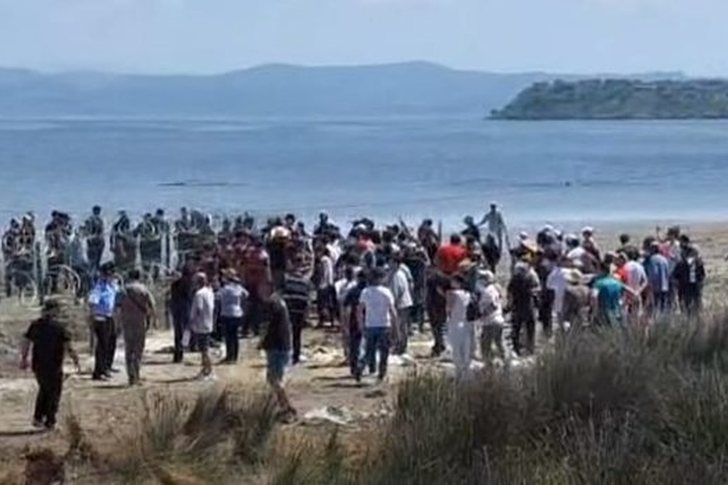
What happened in Zvërnec is being seen in different ways, ...

Një lajm plasi në rrjetet sociale në lidhje me një investi...

The media reported yesterday that there had been violence ...
Yesterday, the Supreme Court issued a ruling and said ...
The Erion Veliaj case is expected to be discussed again in...
In the real legal reading of the Constitutional Court's de...
There is an interesting and at the same time paradoxical s...
In the modern history of political propaganda, the name of...
One of the most disturbing elements of the way Erion Velia...

CNA has launched another investigation that could lead to ...

Irfan Hysenbelliu is a businessman that we call "Irfan the...

In March 2026, CNA launched another investigation centered...
The arrested mayor of Tirana, Erion Veliaj, with 13 charge...

The Special Board of Appeal (KPA) decided this Monday ...

The KPA vetting decided this Thursday to dismiss the p...

Suela Salavaçi, a prosecutor in the Prosecutor's Offic...

The Special Board of Appeal reinstated the prosecutor ...
A person has died today on Orikum beach. According to repo...
Footage emerges from the serious accident that occurred th...

A Shkodra traffic police officer was hit with hard objects...
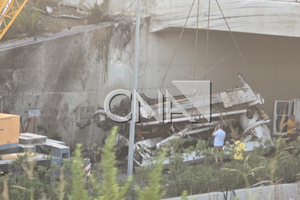
This Wednesday, around 4:00 PM, a serious accident occurre...

Children without parental care, for whom alternative famil...

On Thursday, our country will be under the influence of st...
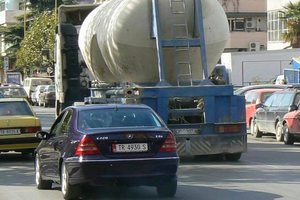
A serious accident that occurred this Wednesday with the c...

The Institute of Geosciences has shared a forecast for wea...
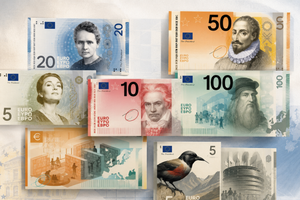
For the first time since the launch of the euro, European ...

Artificial intelligence (AI) models from the American comp...
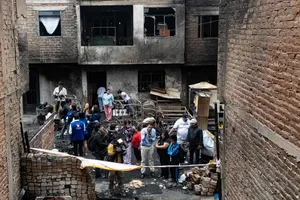
At least 10 people have died after a fire broke out in a h...

Yemen's Houthis have claimed to have attacked two Saudi oi...

At a time when industrial products are increasingly taking...

Trust among people is not just a three-syllable word. It c...

Master of humor Todi Llupi has passed away at the age of 7...

The ninth edition of "MIK Festival" kicked off with one of...
The average sale price of apartments in Tirana reaches rec...
This Thursday, one US dollar is bought for 81.5 lek and so...
The price of diesel reached 206 lek per liter from 198 lek...

Businesses will no longer be required to simply register t...