




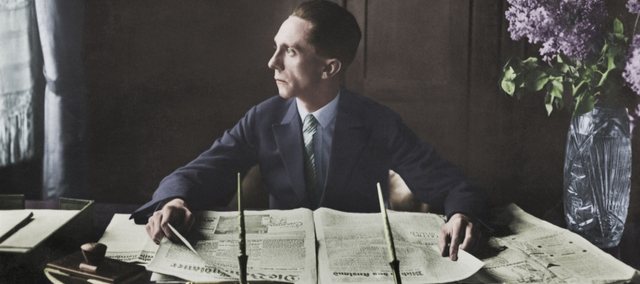
One of the most disturbing elements of the way Erion Veliaj has constructed his public communication is not simply the propaganda itself, but the way in which propaganda is used to replace real debate. It is here that the memory of the classic propaganda methods associated with Joseph Goebbels arises.
This is not because Albania is a totalitarian regime, but because the technique of manipulating public perception is similar in some aspects.
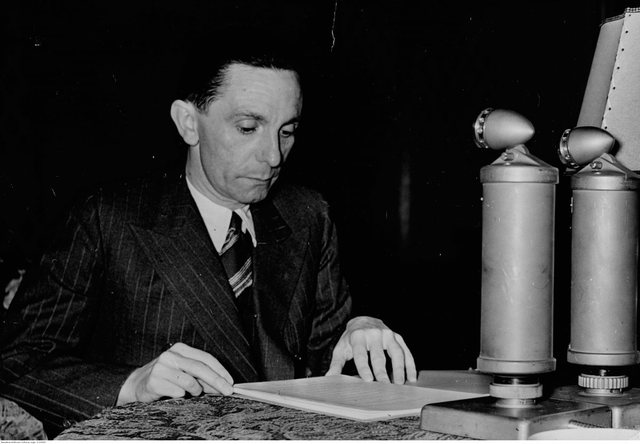
Goebbels did not rely solely on censorship. He relied on the creation of an alternative reality, where image mattered more than fact, and where the repetition of a narrative served to tire the public into accepting it. In a modern form, this logic is also visible in Veliaj's communication model. He, now and before, made a continuous bombardment with videos, chronicles, slogans, activities, selfies, artists, facades and "positive news", which create the idea of ??permanent success even when serious accusations weigh on his figure.
But the most problematic element is another one. It is related to the systematic avoidance of the essence of the accusations.
Whenever Erion Veliaj is confronted with concrete questions about corruption, tenders, clientelistic connections or the way he exercises power, the reaction rarely focuses on the facts. Instead of confronting the accusation, there is an attack on the person who raises it. The critic is labeled as an enemy, a failure, politically motivated, paid or part of a conspiracy. This is a classic propaganda technique, which operates by shifting the debate from “is the accusation true?” to “who made the accusation?”.
In this way, the public is forced to deal with the figure of the opponent and not with the substance of the issue. And this is essential in any modern propaganda, the control of emotion to avoid analysis.

Another similarity is the constant use of public spectacle. Goebbels understood that propaganda does not work only with words, but with aesthetics, emotions and symbolism. Even in the case of Erion Veliaj, politics often appears as a marketing event: camera, montage, music, artists, optimistic images and a permanent atmosphere of urban celebration. In this scenography, criticism is presented almost as an obstacle to “progress”.
This becomes even stronger when public figures, artists or well-known people are included in the support of the government, who are used as an emotional legitimizing element. The message is no longer rational, but psychological: "if these people support it, then the government must be right."
The real problem is not propaganda as a communication skill. Every politician communicates. The problem begins when propaganda replaces accountability. When image becomes more important than transparency. When a person is attacked and no arguments are provided against the accusation. When perception aims to drown out the fact.
And that's where the comparison with Goebbelsian logic comes in. So, not to the historical scale or brutality of the regime, but to the idea that control of the public narrative can be used to avoid the truth and delegitimize any criticism of the government./CNA

In one of his writings, of course, paid for, commissioned,...
Former head of SPAK, currently a prosecutor in hot cas...
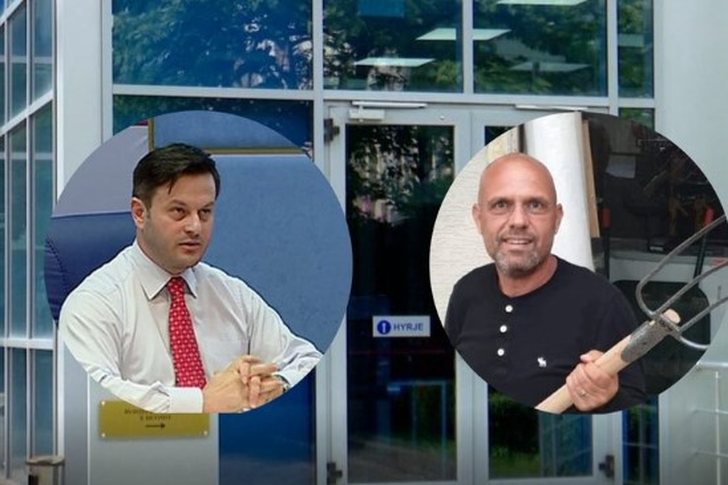
Repeatedly, some characters, who are already public, who c...
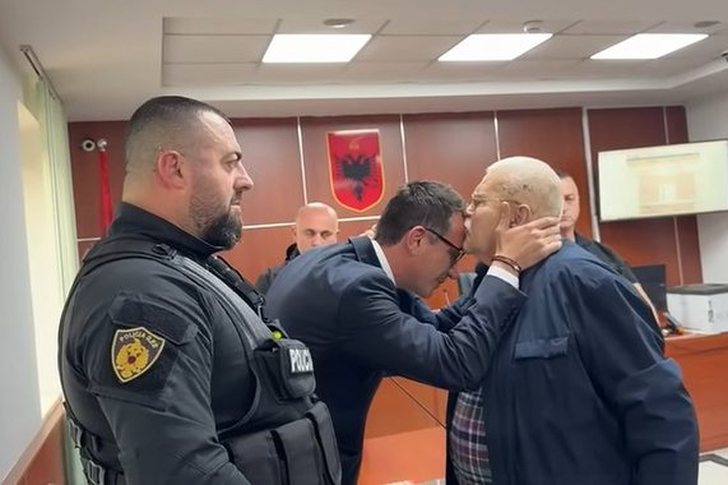
It is an unbelievable comparison because the legend of our...
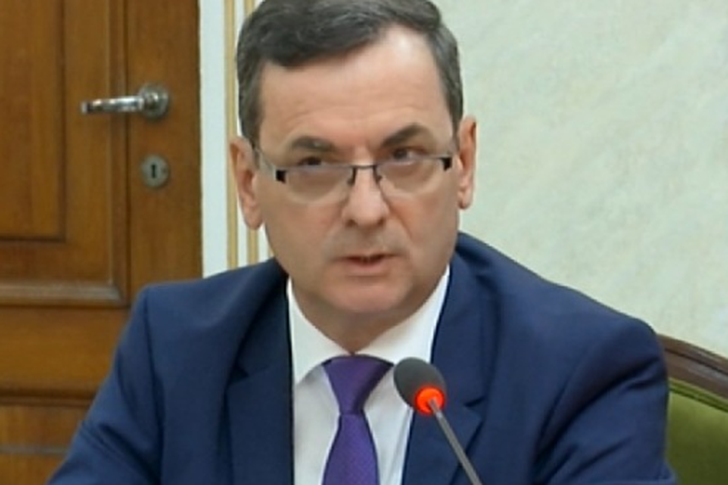
The Supreme Court, for yesterday's "unifying" decision, to...

Shortly after the murders in Durrës, a crime reporter coll...
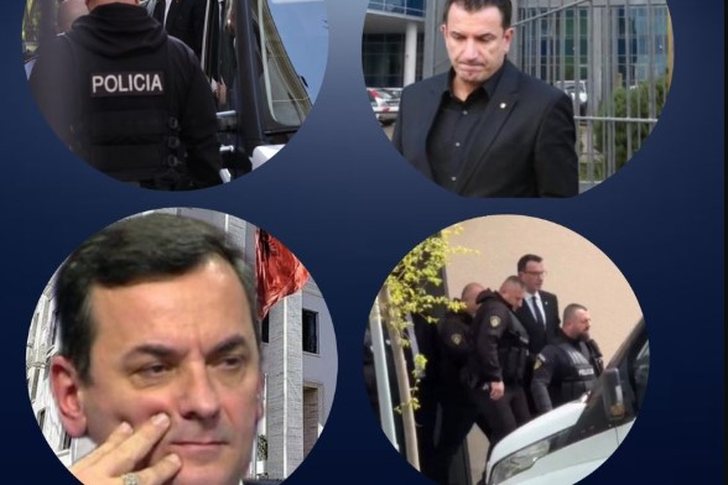
For the past 10 months, 13 serious criminal charges have b...
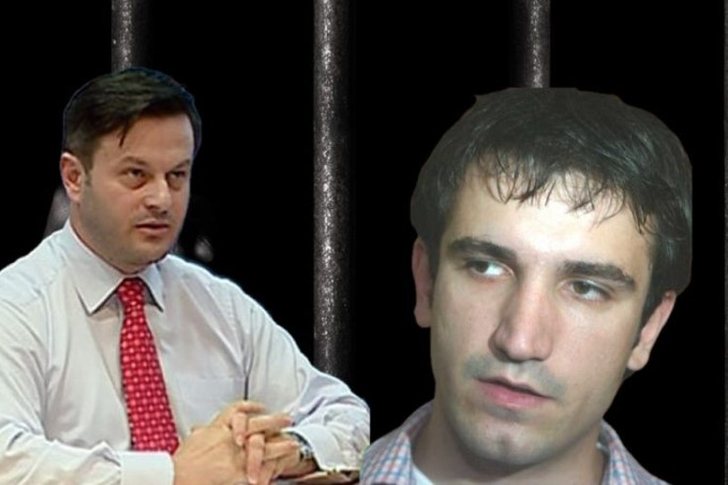
Two days ago, a piece of news took over the media. Plarent...
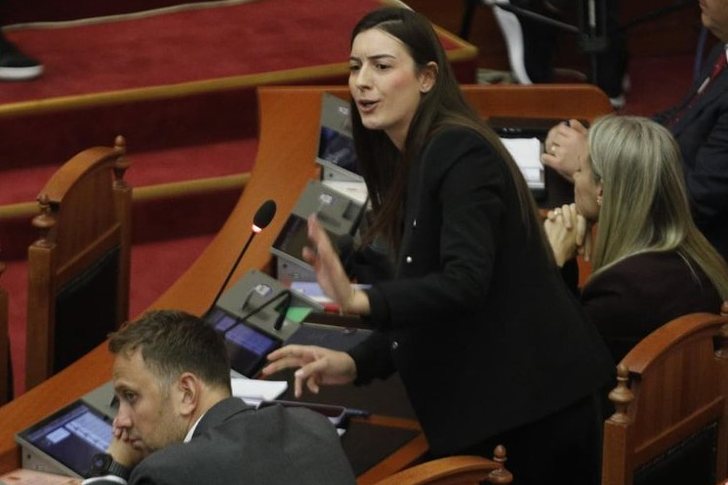
Zegjine Çaushi, from the 2021 elections, became a soci...
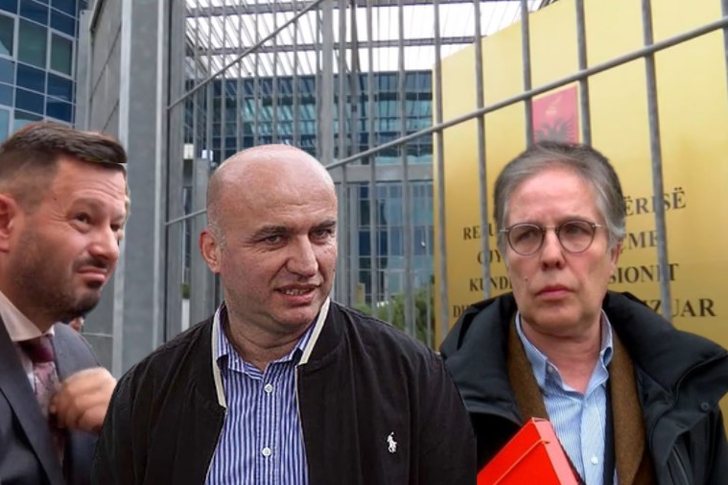
When you hear Plarent Ndreca speaking so confidently about...
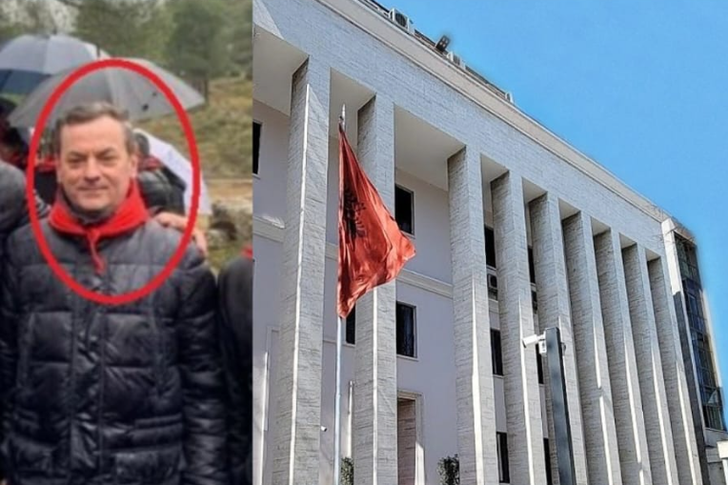
At a joint meeting of the High Prosecutorial Council and t...
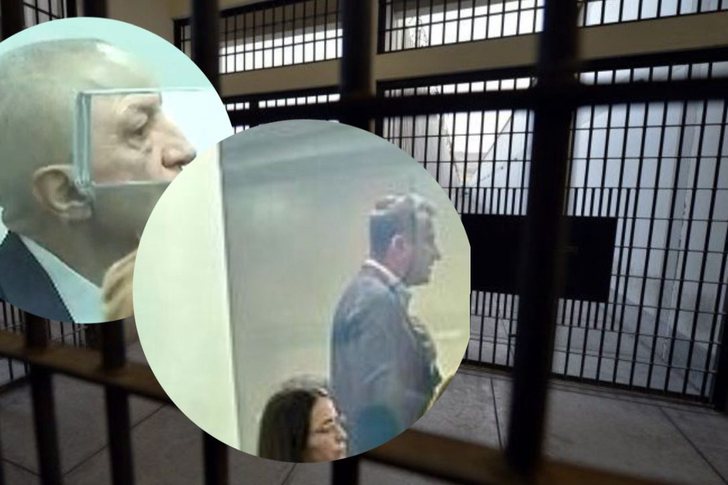
Pamjet e ish-presidentit dhe ish-kryeministrit Ilir Meta d...
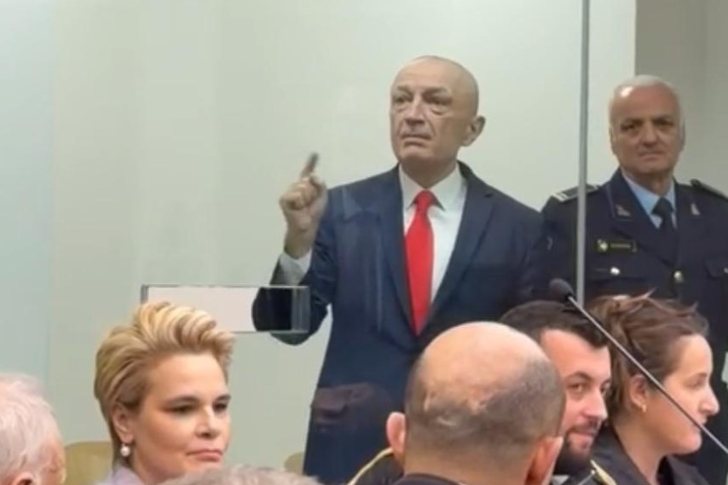
Former President Ilir Meta has been using his political rh...
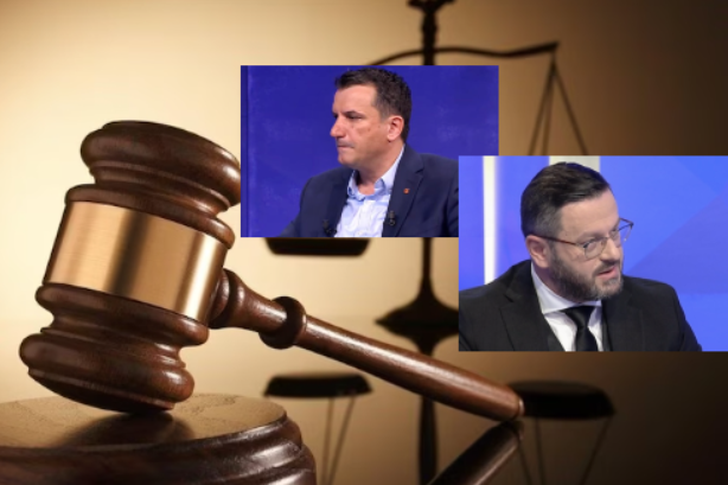
For several weeks, since March 24, Plarent Ndreca, SPAK's ...
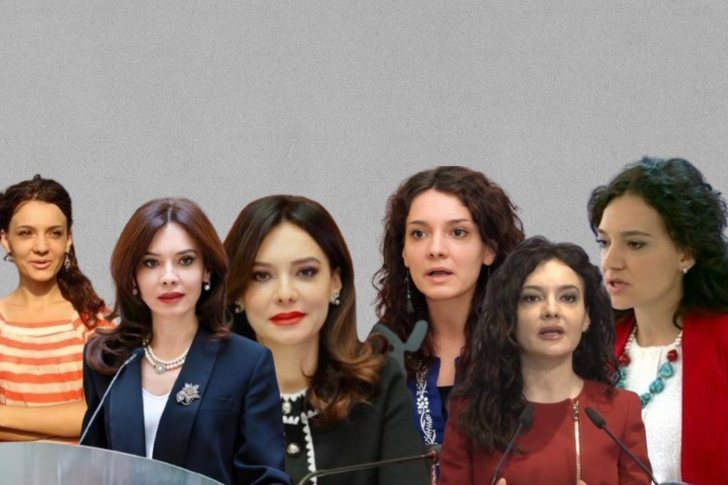
A girl introduced to politics by "Mjaft", an organization ...
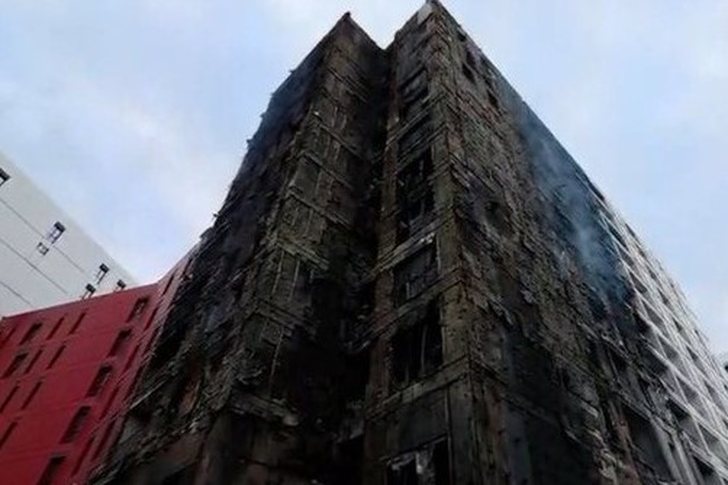
A building at "Farmacia 10", built by the "Arlis" company,...
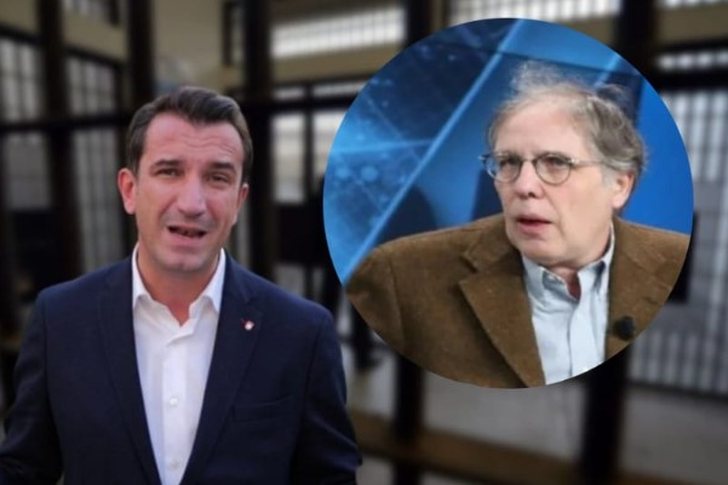
At the Tirana Criminal Court, the day before, at around 1:...
Today, MP Belind Këlliçi and member of the DP National Cou...
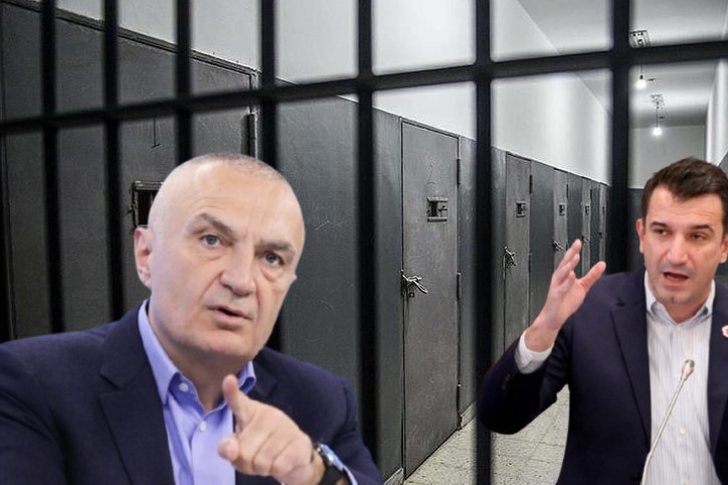
On April 8, a court hearing was held at the Special Court ...
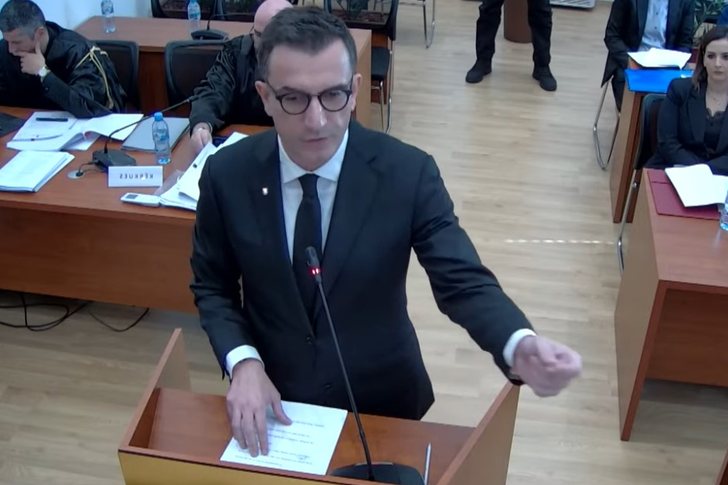
In the Albanian legal theater, where seriousness is often ...
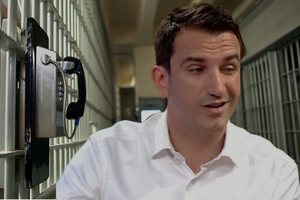
The mayor of Tirana, Erion Veliaj, arrested on 13 charges ...

Qytetarët që kalojnë pasditen pranë Liqenit Artificial në ...
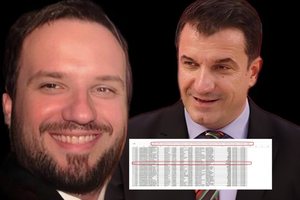
On the morning of July 7, 2026, the Ministry of Culture ur...
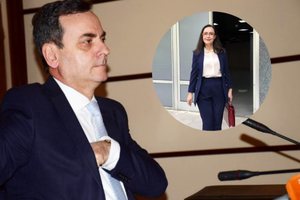
After the disclosure of the portfolio of properties an...

The Special Board of Appeal (KPA) decided this Monday ...

The KPA vetting decided this Thursday to dismiss the p...

Suela Salavaçi, a prosecutor in the Prosecutor's Offic...

The Special Board of Appeal reinstated the prosecutor ...
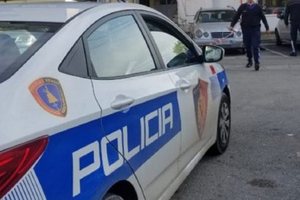
The 18-year-old who stabbed a citizen in the premises of t...
A road accident occurred this Thursday on the Tirana-Elbas...
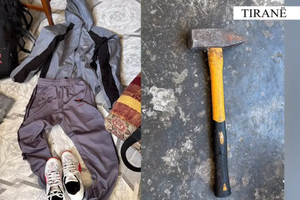
A minor was arrested and taken to police headquarters afte...
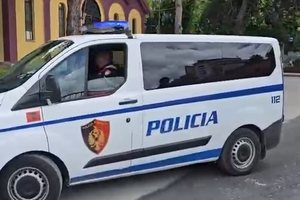
At around 07:10, the services of the Farka Police Station ...

Today, our country will remain under the influence of stab...
Today, our country will remain under the influence of stab...

The latest report compiled by the European Transport Safet...

The Albanian woman is on average 2 years older than the Al...
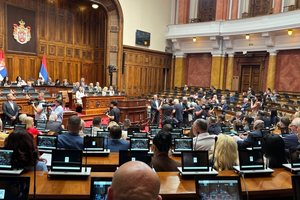
The only Albanian MP in the Serbian Parliament, Shaip Kamb...
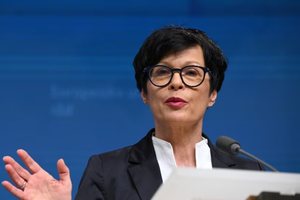
European Union Enlargement Commissioner Marta Kos has reac...

In the Chamber of Deputies (Camera dei Deputati) in Rome, ...
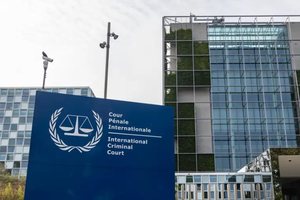
US Secretary of State Marco Rubio has significantly escala...

Master of humor Todi Llupi has passed away at the age of 7...

The ninth edition of "MIK Festival" kicked off with one of...
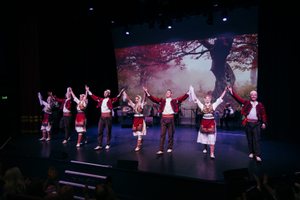
A historic evening for Albanian culture was marked in the ...

When I turned 10, another building was built in front of o...

Around 97,100 people are employed in regulated professions...
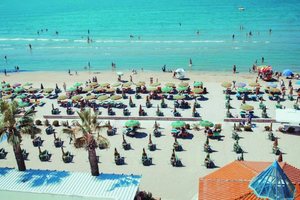
Albania continues to be the main destination for vacatione...
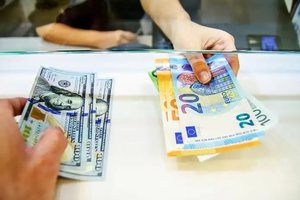
This Thursday, one US dollar is bought for 81.1 lek an...

Beekeeping has expanded significantly in recent years, bec...