


Millions of pensions and social benefits were stolen/ 3 Albanian Post officials in handcuffs
A scandalous and criminal case has been registered in Durr...

A scandalous and criminal case has been registered in Durr...

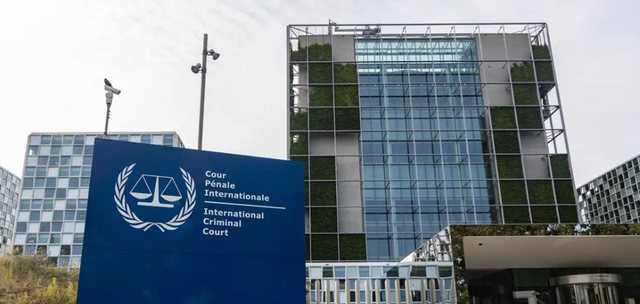
US Secretary of State Marco Rubio has significantly escalated his rhetoric against the International Criminal Court (ICC) in The Hague. This could have serious consequences for the court itself.
The Hague is home to two major international courts that are often confused with each other. On one side is the United Nations International Court of Justice (ICJ), which deals with disputes between states and is housed in the historic Peace Palace. On the other side is the International Criminal Court (ICC), which has existed since 2002 and deals with the prosecution of individuals responsible for war crimes. It is housed in a modern building made of glass and concrete.
Unlike the UN, which has 193 member states, the ICC has only 125 members. Non-member states include the US, Russia and China, as well as several countries in Asia and North Africa.
When Marco Rubio recently threatened to destroy the court “brick by brick,” it was clear he was referring to the ICC. His department listed the measures the U.S. is considering against the court. These include: banning ICC staff from entering the U.S.; expanding sanctions against the court and organizations affiliated with it; and more stringently reviewing relations with countries that do not reject the ICC’s authority while receiving U.S. aid. The U.S. has pressured the court before, but the new tone has caught the attention of international law experts around the world.
Andreas Schüller, co-director of the program on international crimes and legal accountability at the European Center for Constitutional and Human Rights (ECCHR) in Berlin, says: "The US and Marco Rubio are making public something that has been happening for more than a year: exerting diplomatic pressure on other states to change their positions and in some cases their voting behavior in relation to the ICC."
According to him, the fact that there is now open talk of a "campaign" indicates that it is a broader strategy, which aims to include other states that are not members of the ICC.
A court from which no one should escape justice
The US is not a member of the International Criminal Court. This means that crimes committed on US territory cannot be tried in The Hague. However, the ICC has jurisdiction even when serious crimes are suspected of having been committed on the territory of a member state. On this basis, arrest warrants have been issued against, among others, Russian President Vladimir Putin and Israeli Prime Minister Benjamin Netanyahu.
The existence of the ICC is linked to the lessons learned from history. The Nuremberg trials after World War II are considered the genesis of international criminal law. Later, the war crimes tribunals in the former Yugoslavia and the Rwandan genocide tribunals in the 1990s strengthened the demand for a permanent international institution.
International law lawyer Kai Ambos from the University of Göttingen emphasizes: "It is about the fundamental issue of responsibility, whether in Ukraine, Iran or Gaza. It cannot be that such serious crimes are committed and the main perpetrators, especially political leaders, go unpunished."
Should American citizens end up in the dock?
In a video statement, Marco Rubio claimed that the ICC threatens the American legal system: "The border control officers who remove violent criminals from our country. The American soldiers who risk their lives to protect our country. If we remain passive, all of them would be at the mercy of foreign judges thousands of miles away."
There are currently no criminal proceedings before the ICC against US citizens. The actions of immigration and border agents take place primarily within the US, where the court has no jurisdiction.
However, the situation is different for targeted killings of suspected drug traffickers in the Caribbean. Former ICC prosecutor Luis Moreno Ocampo described them in November as possible crimes against humanity.
How can the court protect itself from this pressure?
Kai Ambos fears that the so-called "chilling effect" could increase, meaning that ICC prosecutors could be more cautious or lenient towards American suspects.
He also mentions the phenomenon of "over-compliance" with sanctions: "Companies outside the US may decide to no longer cooperate with the court because they fear it could harm their business in America."
Since last year, the US State Department has imposed a series of sanctions on the ICC and several of its judges. In response, the court has tried to become less dependent on the US and, for example, replaced some Microsoft applications with a German open-source product.
Support from Europe
Andreas Schüller thinks that member states can help the court through many small actions: "When middle powers and smaller states come together to support international institutions and resist American pressure, that is the most important thing."
Following Rubio's threats, the European Union immediately lined up in support of the ICC. German Foreign Minister Johann Wadephul also came to its defense, stating that the court makes the world "safer and more just."
Interestingly, in 2022, after the Russian invasion of Ukraine, the US Senate also took a similar stance. In a resolution, the ICC was praised as "an international tribunal that aims to protect the rule of law", while investigations against Russia were welcomed. One of the co-sponsors of that resolution was Marco Rubio, now US Secretary of State./ DW


The United States has launched a new wave of attacks on Ir...
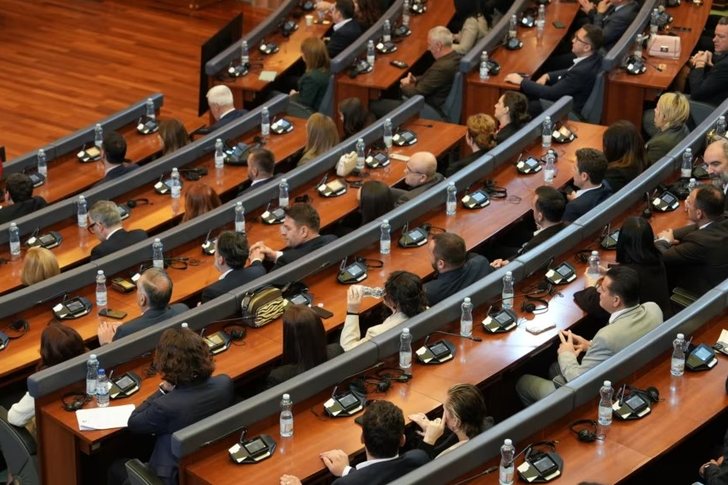
The leader of the Democratic League of Kosovo, Lumir Abdix...

President Donald Trump has opposed the immigration agency'...
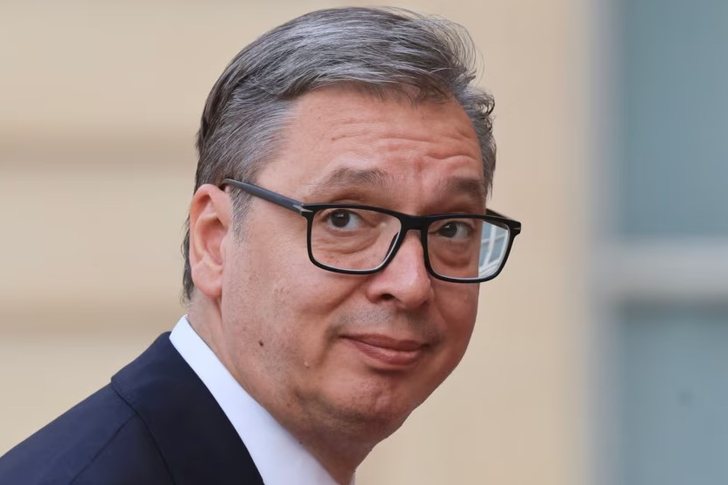
Serbian President Aleksandar Vučić said on July 15 that th...
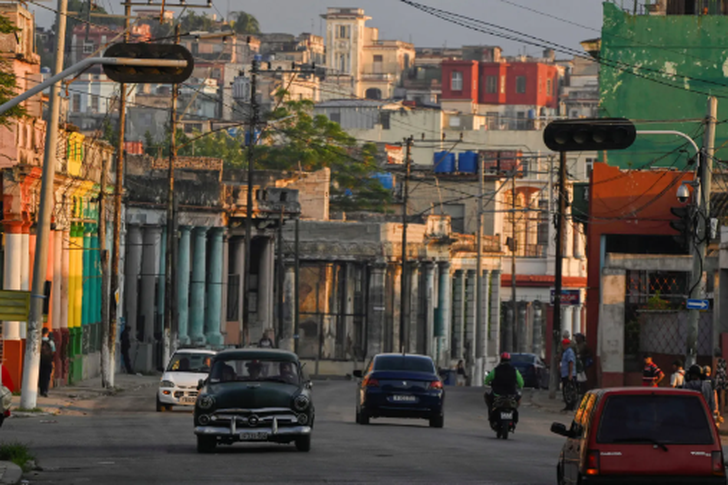
Electricity was restored in Cuba today, after a third outa...
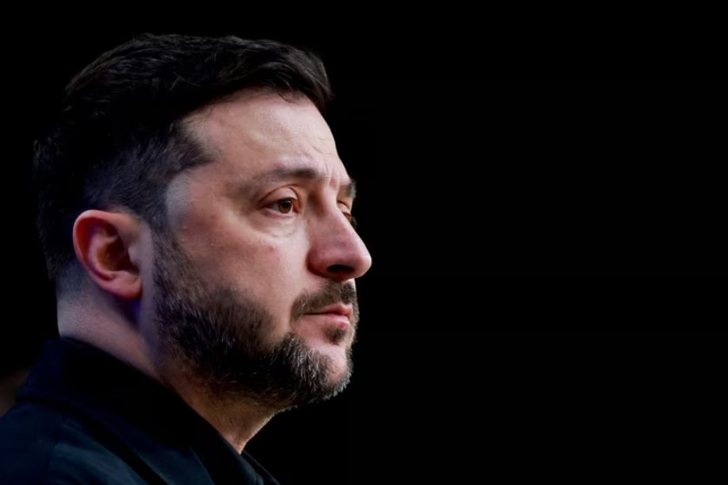
Ukraine expects to have the technical capability to produc...
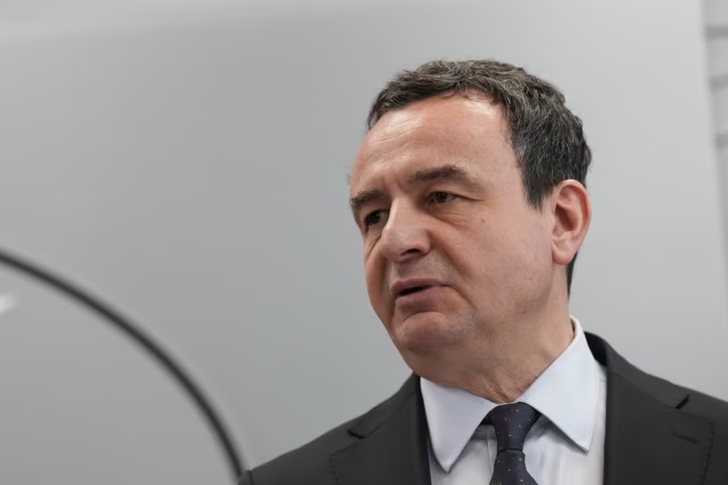
Kryeministri në detyrë i Kosovës, Albin Kurti, ka thënë të...

US President Donald Trump said he still believes Russian c...
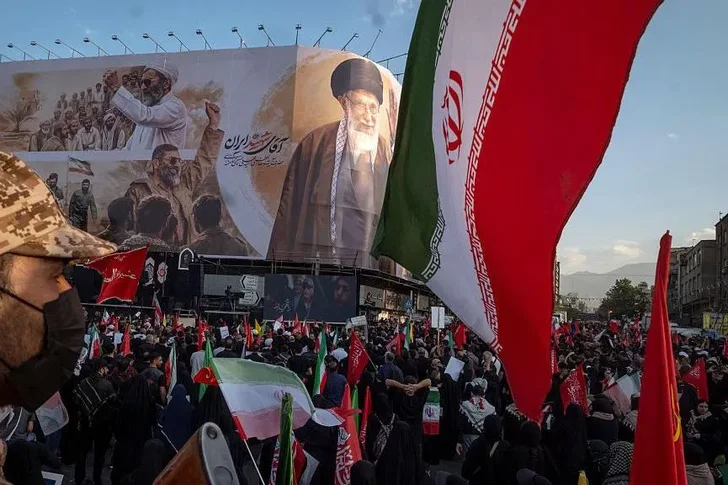
Tensions between the United States and Iran have escalated...
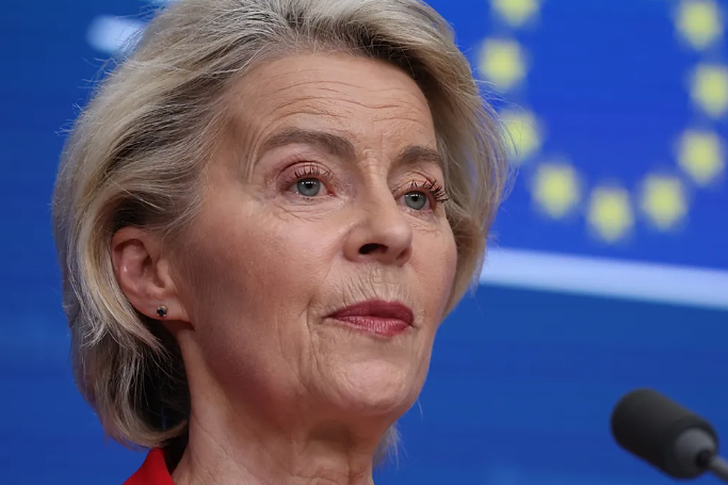
The President of the European Commission, Ursula von der L...
The elected MP of the Democratic League of Kosovo (LDK), A...

Former US President Joe Biden will publish a book of memoi...

Israeli Prime Minister Benjamin Netanyahu is expected to t...
A bipartisan group of senators in the United States introd...
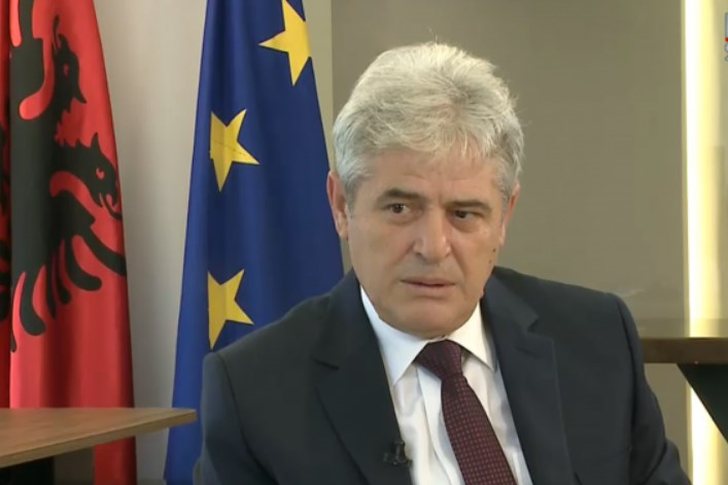
The leader of the DUI, Ali Ahmeti, reacted today regarding...

The US House of Representatives has approved a bill that a...

The British government has announced plans to impose night...

US President Donald Trump has warned Iran of new attacks o...
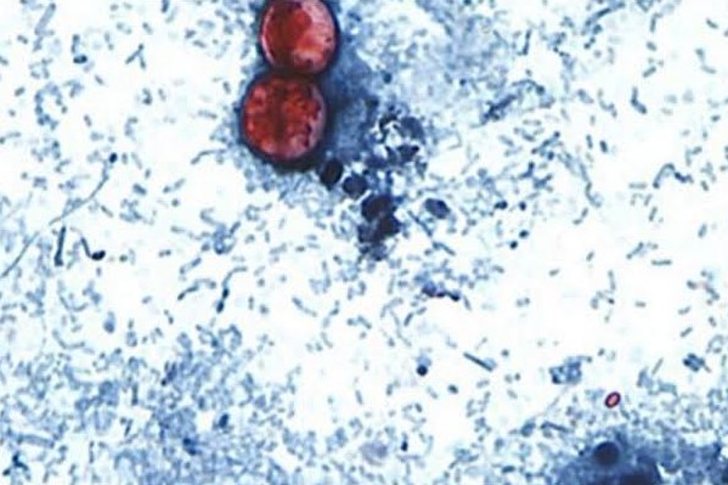
An outbreak of the parasitic infection Cyclosporiasis has ...
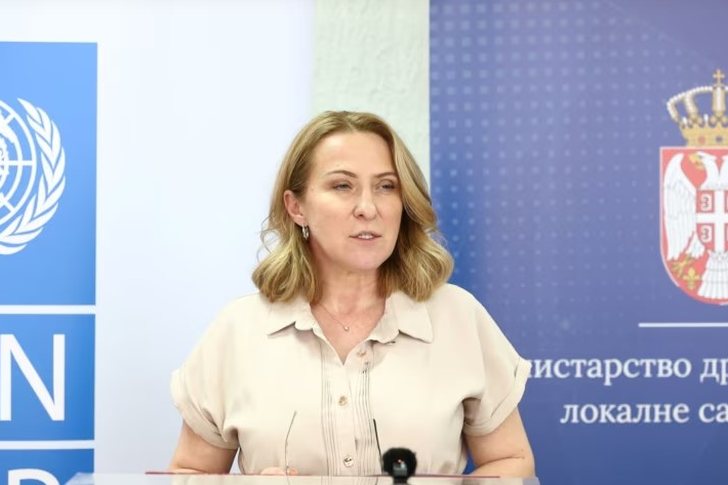
Kosovo has declared Serbian Minister Snezhana Paunovic an ...

Qytetarët që kalojnë pasditen pranë Liqenit Artificial në ...
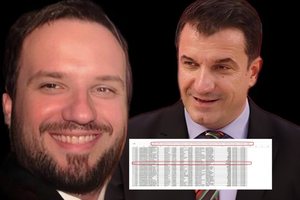
On the morning of July 7, 2026, the Ministry of Culture ur...
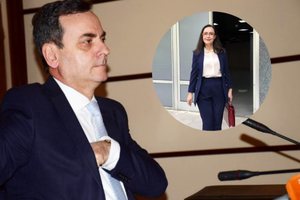
After the disclosure of the portfolio of properties an...

For 6 months now, CNA has been sending several letters to ...

The Special Board of Appeal (KPA) decided this Monday ...

The KPA vetting decided this Thursday to dismiss the p...

Suela Salavaçi, a prosecutor in the Prosecutor's Offic...

The Special Board of Appeal reinstated the prosecutor ...

A scandalous and criminal case has been registered in Durr...

A 21-year-old man has been arrested by Shkodra Police afte...

An accident occurred this evening in the village of Vranis...

An operation carried out by the National Police and the P...

Today, our country will remain under the influence of stab...
Today, our country will remain under the influence of stab...

The latest report compiled by the European Transport Safet...

The Albanian woman is on average 2 years older than the Al...
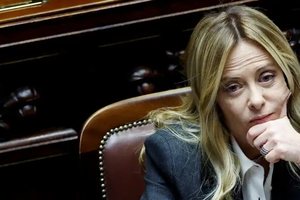
In the Chamber of Deputies (Camera dei Deputati) in Rome, ...
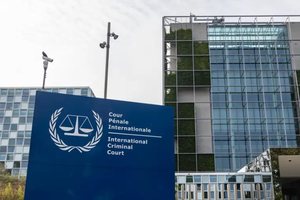
US Secretary of State Marco Rubio has significantly escala...

The United States has launched a new wave of attacks on Ir...
The leader of the Democratic League of Kosovo, Lumir Abdix...

Master of humor Todi Llupi has passed away at the age of 7...

The ninth edition of "MIK Festival" kicked off with one of...

A historic evening for Albanian culture was marked in the ...

When I turned 10, another building was built in front of o...

Around 97,100 people are employed in regulated professions...
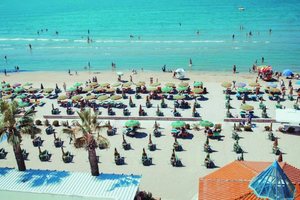
Albania continues to be the main destination for vacatione...
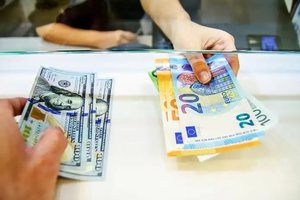
This Thursday, one US dollar is bought for 81.1 lek an...

Beekeeping has expanded significantly in recent years, bec...