


46 days of protest/The next rally against the government is being held today
This afternoon in Tirana, the 46th consecutive protest is ...

This afternoon in Tirana, the 46th consecutive protest is ...

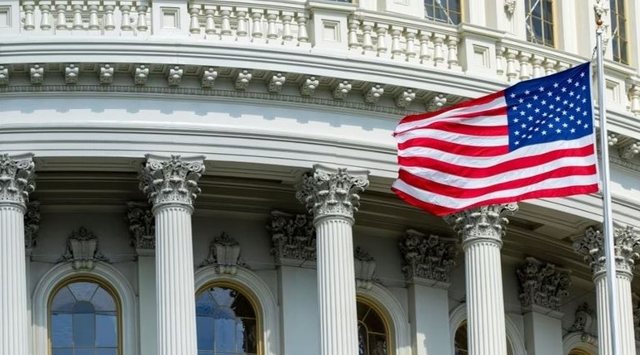
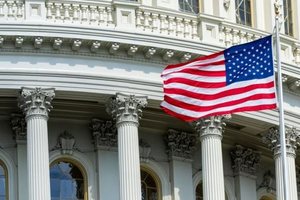
A bipartisan group of senators in the United States introduced the Russia Sanctions Act of 2026 on July 14, bringing forward a revised package of sanctions and tariffs aimed at hitting Moscow's war finances.
With the new bill, senators aim to overcome concerns that had blocked previous versions of the legislation.
The bill, which has secured the support of more than 26 co-sponsors from both parties, has gained added political importance following the sudden death last week of Senator Lindsey Graham, who was one of its lead authors.
Senate Democratic leader Chuck Schumer of New York called for an immediate vote on the floor, saying the legislation should be passed "in honor of Lindsey," while Senate Majority Leader John Thune of South Dakota said he was "very hopeful we can get this done."
This legislation represents the culmination of over a year of bipartisan negotiations, and comes after Graham announced just a day before his death that lawmakers had reached an agreement with the White House on key provisions.
According to his colleagues, Graham had returned from Ukraine shortly before his death and had spoken with US President Donald Trump about the sanctions package, expressing optimism that the administration had finally agreed with him.
"He was absolutely thrilled," said Democratic Sen. Richard Blumenthal of Connecticut, Graham's lead Democratic partner in drafting the bill, of their recent conversation. "I've never seen him so happy."
Blumenthal said he supports the idea of ??the legislation taking Graham's name, calling it "part of his legacy."
The bill shifts focus to major buyers of Russian energy.
The revised legislation significantly changes an earlier proposal that had drawn criticism from U.S. lawmakers and allies because of the broad scope of the tariff provisions.
Instead of imposing a blanket 500 percent tariff on countries that buy Russian energy, the new version authorizes tariffs of up to 100 percent targeting the five largest buyers of Russian oil and natural gas, a group that sponsors said includes China and India.
The legislation also creates exemptions for countries that import less than 15 percent of Russia's annual natural gas exports, provided they take "significant steps" to reduce their dependence on Russian energy.
Mbështetësit thanë se këto ndryshime janë hartuar për t’i kufizuar pasojat e padëshiruara ekonomike për aleatët e SHBA-së, duke ruajtur njëkohësisht trysninë mbi burimin më të rëndësishëm të të ardhurave të Kremlinit.
"Pjesa dërrmuese e të ardhurave të Rusisë, veçanërisht ato që përdoren për luftën e saj agresore në Ukrainë, vjen nga eksportet e naftës dhe gazit rus", tha një zyrtar i Senatit, duke e përshkruar legjislacionin si të hartuar në mënyrë të kujdesshme për të goditur pikërisht këtë sektor.
Përtej tarifave, projektligji detyron vendosjen e sanksioneve brenda 30 ditëve nga hyrja në fuqi kundër presidentit rus, Vladimir Putin, udhëheqësve të lartë politikë dhe ushtarakë, ndërmarrjeve shtetërore, institucioneve financiare, projekteve energjetike, oligarkëve dhe kompanive të huaja që mbështesin bazën industriale të mbrojtjes së Rusisë.
Ai gjithashtu zgjeron sanksionet ndaj të ashtuquajturës "flotë në hije" të Rusisë, e përbërë nga cisterna të vjetra nafte me flamuj të ndryshuar, të përdorura për të shmangur kufizimet ekzistuese mbi eksportet ruse të energjisë.
Krahasuar me versionet e mëparshme, legjislacioni i ri heq formulimin që i bënte sanksionet të kushtëzuara me pjesëmarrjen e Rusisë në negociatat e paqes, duke i bërë shumë prej ndëshkimeve të detyrueshme.
Fleksibiliteti i Shtëpisë së Bardhë mbetet kompromisi kryesor
Një element kyç i negociatave me administratën Trump u përqendrua në ruajtjen e fleksibilitetit presidencial.
Projektligji i rishikuar i jep presidentit autoritetin për t’i pezulluar sanksionet në rrethana të caktuara, duke pasqyruar shqetësimet e Shtëpisë së Bardhë që pushteti ekzekutiv të ruajë hapësirë veprimi kur kjo i shërben interesave kombëtare të SHBA-së.
Në të njëjtën kohë, negociatorët demokratë siguruan dispozita më të forta mbikëqyrjeje, të cilat kërkojnë që administrata ta njoftojë Kongresin dhe ta justifikojë çdo pezullim të sanksioneve.
Kompromisi erdhi pas muajsh negociatash ku morën pjesë Graham, Blumenthal, senatorja demokrate Jeanne Shaheen nga Nju Hempshire dhe zyrtarë të lartë të administratës, përfshirë sekretarin e Thesarit, Scott Bessent.
Më 14 korrik, Trump tha se legjislacioni ka "shans të mirë" për t'u miratuar, megjithëse sugjeroi shtimin e sanksioneve që synojnë Iranin dhe Hezbollahun. Blumenthal kundërshtoi rihapjen e negociatave, duke thënë se projektligji tashmë kishte miratimin e Shtëpisë së Bardhë dhe duhet të çohet përpara pa ndryshime të tjera.
Mbështetësit shohin trysni mbi makinerinë luftarake të Kremlinit
Përkrahësit argumentojnë se legjislacioni synon drejtpërdrejt bazën financiare të pushtimit rus të Ukrainës duke goditur të ardhurat nga eksportet e naftës dhe gazit.
"Nëse Kremlini është në gjendje ta financojë makinerinë e tij të luftës përmes shitjes së naftës dhe gazit, ai do të jetë në gjendje ta vazhdojë luftën", tha Shaheen. "Kjo do t'i ndalojë ato blerje. Do ta bëjë të qartë se këto blerje kanë kosto reale".
Blumenthal described the proposal as imposing "devastating sanctions" on Russia and its supporters, while Republican Senator Katie Britt of Alabama said Graham believed the measure would become "the most significant thing" he had accomplished during his Senate career.
Senators who traveled with Graham to Ukraine last week said he saw the legislation as a turning point that could strengthen Kiev's position on the battlefield and in future peace talks.
Daniel Fried, former US assistant secretary of state for Europe and Eurasia who served under seven administrations, said the greatest strength of the revised legislation lies in its sharper focus on Russian energy exports.
"The strongest provision is Section 113, directed against Russian oil and gas exports," Fried told Radio Free Europe.
"This section is more practical than the initial version, but may be challenging to implement. However, its adoption could bring positive results at the right moment, putting pressure on Russia to end the war," he said.
Opposition in the House of Representatives highlights the first legislative obstacle
Despite great momentum in the Senate, the proposal faces criticism in the House of Representatives.
Representative Gregory Meeks of New York, the top Democrat in the House for foreign policy, argued that the legislation gives Trump excessive authority over tariffs rather than imposing automatic sanctions on Moscow.
"This is not so much a sanctions bill as it is a big, secret authority given to President Trump to impose other tariffs, including on our European allies," Meeks said.
He warned that sanctions ultimately remain at the president's discretion and called on lawmakers to instead pass bipartisan legislation building on the Ukraine Support Act, passed by the House of Representatives earlier this year.
Critics point out that, although supporters in the Senate believe they are close to securing the necessary votes, the legislation could still face significant debate before reaching President Trump's desk.
However, Blumenthal expressed confidence that the bill is close to approval.
"This bill has been negotiated for almost two years, very carefully, and sometimes with great difficulty," he said. "I think we have the votes." /REL

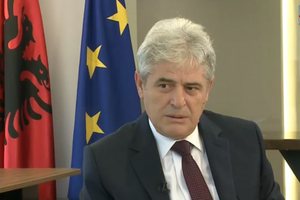
The leader of the DUI, Ali Ahmeti, reacted today regarding...

The US House of Representatives has approved a bill that a...

The British government has announced plans to impose night...
US President Donald Trump has warned Iran of new attacks o...
An outbreak of the parasitic infection Cyclosporiasis has ...
Kosovo has declared Serbian Minister Snezhana Paunovic an ...
European Commissioner for Enlargement, Marta Kos, has resp...

The disappearance of 20 tons of Emmental cheese on the ro...
The United Kingdom and the European Union today signed a h...
European Commissioner for Enlargement, Marta Kos, has anno...
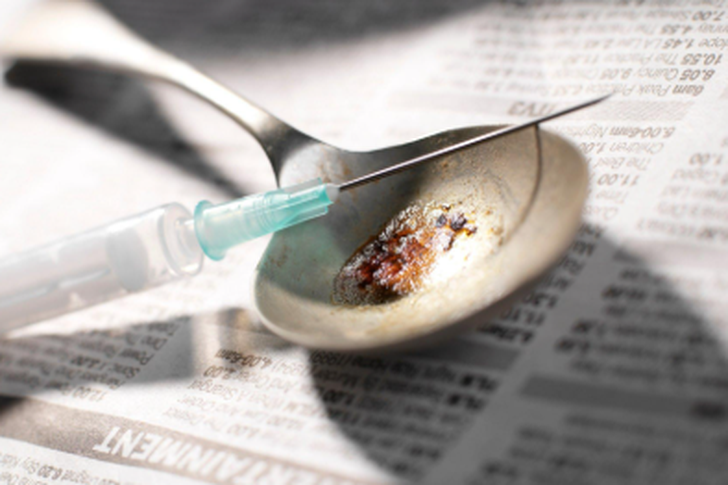
In France, drug use in restaurants, be they fast food chai...
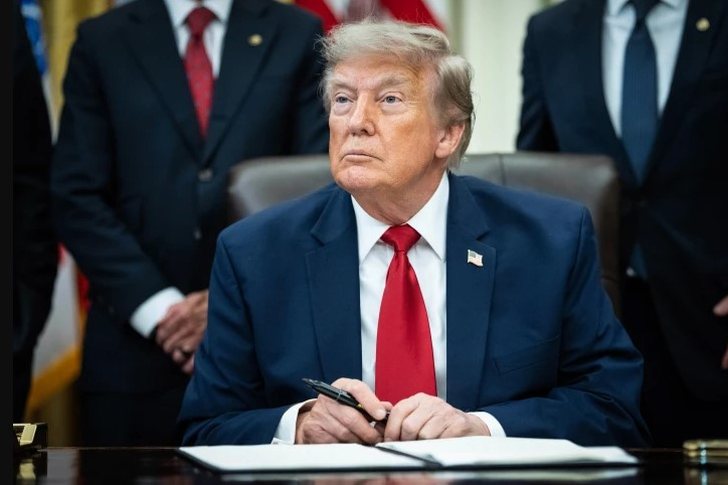
US President Donald Trump has backed away from imposing a ...
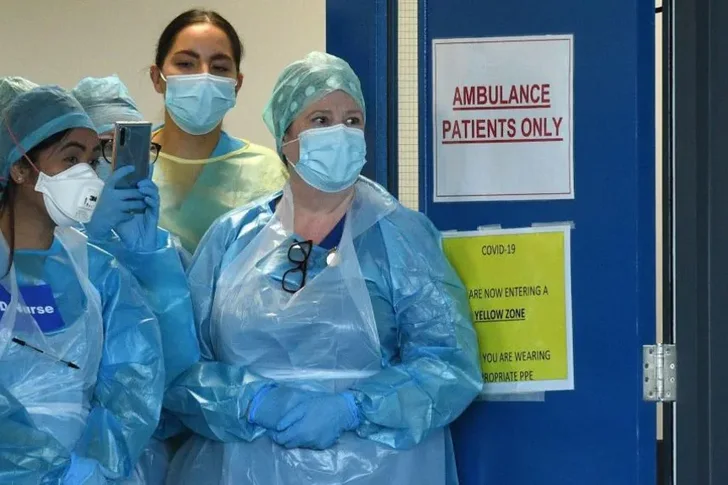
Një hetim për menaxhimin e pandemisë Covid-19 në Mbretërin...
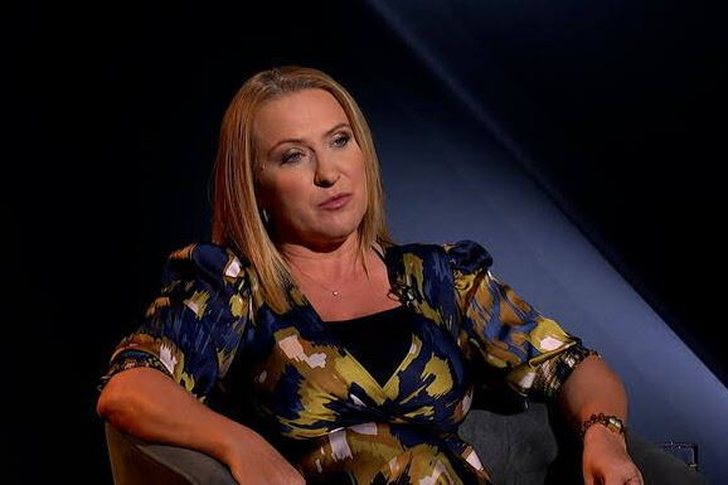
Albanian MP in the Serbian Parliament, Shaip Kamberi, has ...
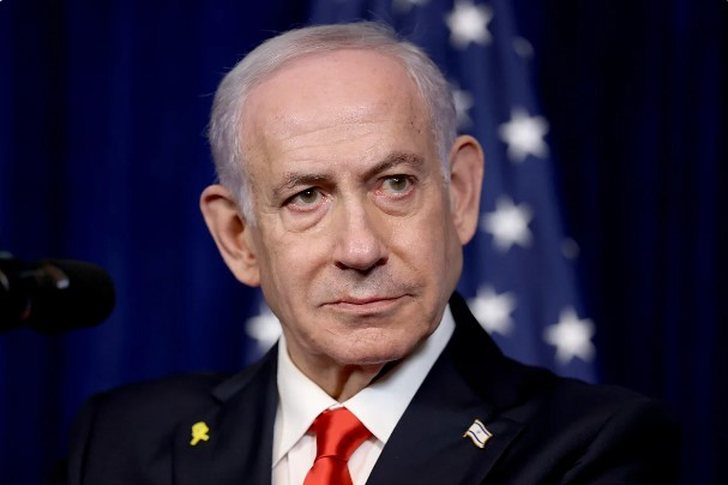
Israeli Prime Minister Benjamin Netanyahu has warned Iran ...
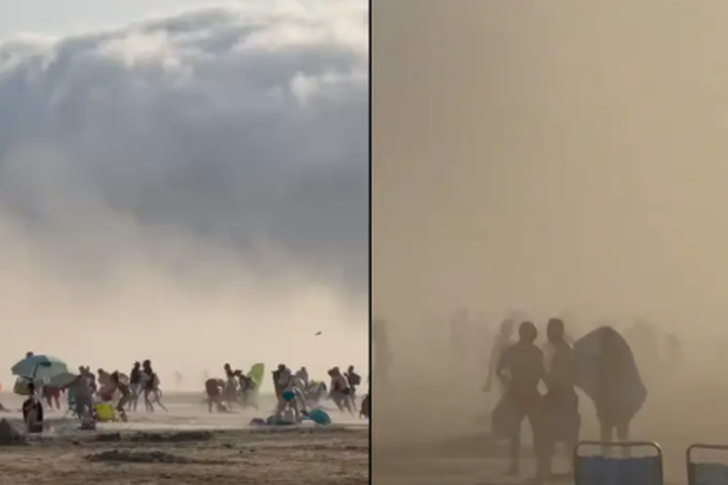
An unusual moment was recorded on the Hendaye coast in Fra...

David Sanchez, the brother of Spanish Prime Minister Pedro...
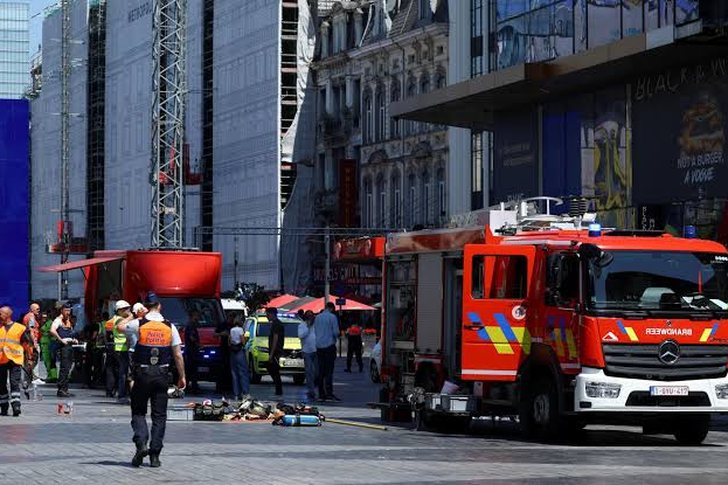
Several people have reportedly died in a fire that broke o...
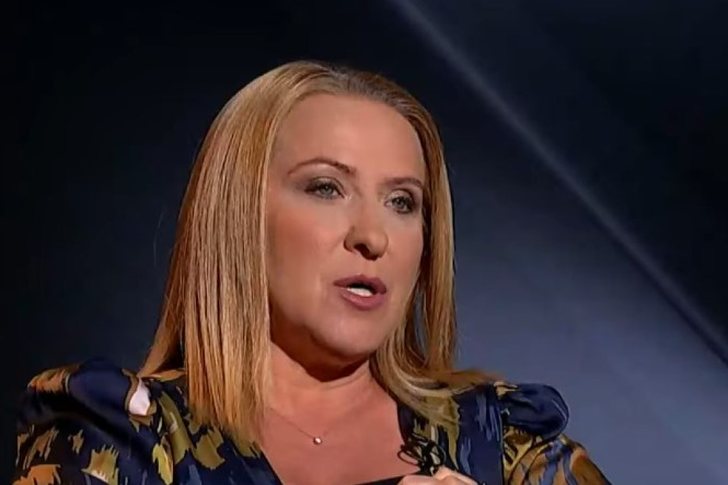
The Minister of Public Administration and Local Self-Gover...
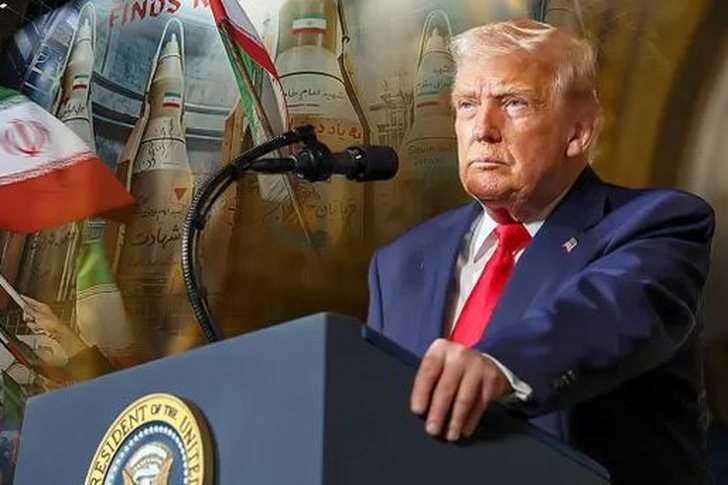
Amid renewed tensions, US President Donald Trump said on M...

Qytetarët që kalojnë pasditen pranë Liqenit Artificial në ...
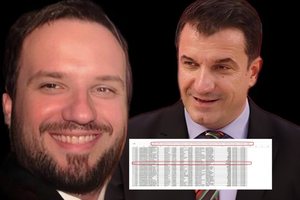
On the morning of July 7, 2026, the Ministry of Culture ur...
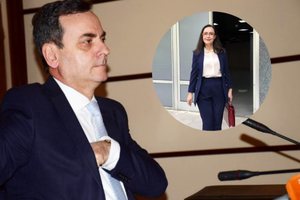
After the disclosure of the portfolio of properties an...

For 6 months now, CNA has been sending several letters to ...

The Special Board of Appeal (KPA) decided this Monday ...

The KPA vetting decided this Thursday to dismiss the p...

Suela Salavaçi, a prosecutor in the Prosecutor's Offic...

The Special Board of Appeal reinstated the prosecutor ...

An accident occurred this evening in the village of Vranis...
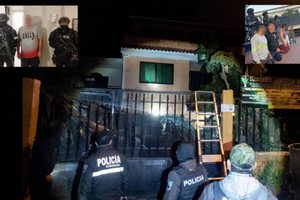
An operation carried out by the National Police and the P...
The police have issued an official response regarding the ...

A serious accident has reportedly occurred on the Cërrik-M...

Today, our country will remain under the influence of stab...

The latest report compiled by the European Transport Safet...

The Albanian woman is on average 2 years older than the Al...
The number of theft-related crimes has increased following...
Israeli Prime Minister Benjamin Netanyahu is expected to t...
A bipartisan group of senators in the United States introd...
The leader of the DUI, Ali Ahmeti, reacted today regarding...

The US House of Representatives has approved a bill that a...

Master of humor Todi Llupi has passed away at the age of 7...

The ninth edition of "MIK Festival" kicked off with one of...

A historic evening for Albanian culture was marked in the ...

When I turned 10, another building was built in front of o...

Beekeeping has expanded significantly in recent years, bec...

Employment in 2025 was characterized by a slight decline a...
A few weeks after the dissolution of the Transparency Boar...
Albania, along with other Western Balkan countries, risks ...