


They took a bribe from the driver/ AMP arrests 2 police officers in flagrante delicto
The Police Supervision Agency has arrested two police offi...

The Police Supervision Agency has arrested two police offi...

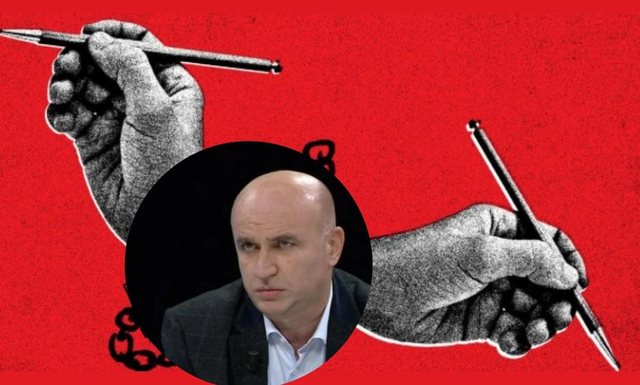
In the modern history of political propaganda, the name of Josef Goebbels remains the most extreme symbol of the use of the media to manipulate public opinion. He was not simply a propaganda minister, but the architect of a system where journalists, intellectuals, artists, and the media were transformed into instruments of power.
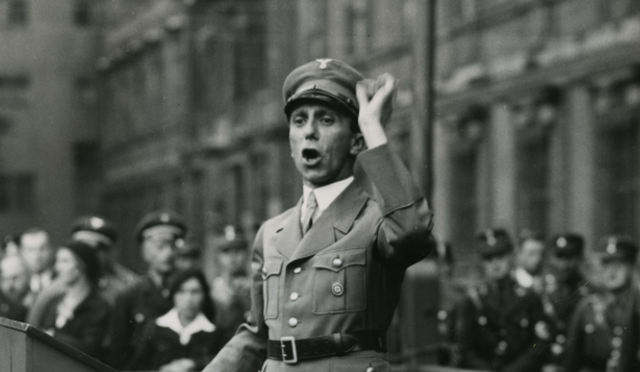
Through figures like Hans Schwarz van Berk, Julius Lippert, or the editorial staff of 'Das Reich', Goebbels created a mechanism where the journalist's task was not to control power, but to defend it, justify it, and attack anyone who questioned it.
Of course, we have said that today's Albania is not Nazi Germany and the comparison does not lie in the nature of the regime. We do not have total censorship, political police or banning of the opposition. But the similarities that many people see are related to the propaganda methodology, that is, to the way in which the government uses the media and close journalists to build a parallel reality.
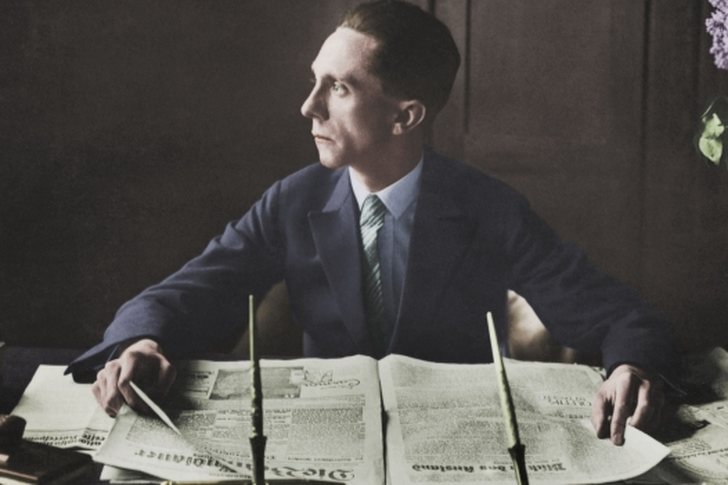
Goebbels had understood something essential. Propaganda works best when it doesn’t look like propaganda. That’s why he used not only brutal militants, but also figures who created the perception of a kind of intellectual seriousness. Das Reich was a newspaper, or rather a media product, built for the middle class and cultural elite of the time. The message was the same: defending the regime and demonizing the opponent, but the form had to appear “professional” and “objective.”
In the Albanian debate, it is clear that a similar mechanism is used today through journalists and media outlets vassal to Erion Veliaj.
Names like Mero Baze, Carlo Bollino, or certain worthless portals are often mentioned as part of a narrative that aims not to confront the accusations leveled against Veliaj, but to delegitimize anyone who investigates or publishes them.
Instead of the public discussion focusing on the essence of the files, the corruption allegations, or the evidence, attention shifts to the prosecutor, the judge, the "political conspiracy," the personal attack on critics, or the idea that everything is part of a scheme against Erion Veliaj.
This is precisely one of the classic propaganda techniques: not to debate the fact, but to discredit the one who brings the fact.
Just as Goebbels used his newspapers to build the image of the "enemy of the Reich", today these journalists and the media they represent are used by Erion Veliaj to create the "public enemy" in television studios or portals. The prosecutor is presented as politically motivated, the critical journalist as paid, the opponent as primitive or vindictive. The discussion moves away from corruption and shifts to the psychology, character or biography of the opponent.
Another methodological similarity is the coordination of the message. In the Nazi regime, Goebbels made sure that the same narrative was repeated in newspapers, radio and cinemas until it became “public truth”. In Albania, Erion Veliaj repeats the same messages, the same attacks and the same narratives which he distributes almost simultaneously in the media financed by his brother.
The wiretaps made public last year in the media proved that Erion Veliaj himself was interested in the way his case was handled on television or portals, discussing interviews, television time and the selection of “normal” journalists, i.e. not critical of him. This proved the existence of a relationship not between the politician and the free media, but between the politician and a communication apparatus informally controlled due to financial interests.
Essentially, the similarity lies not in the strength of the regime, but in the philosophy of communication. Erion Veliaj does not see the media as a means of self-control and accountability, but as an instrument of defense and attack.
And this is precisely where the greatest concern for a democracy arises. Because the moment a journalist stops demanding accountability and starts justifying a politician because of his financial power, he leaves the role of a journalist and becomes equated with the role of a propagandist.
Goebbels had summed up his philosophy in practice: repeat a narrative long enough and it begins to seem like the truth. At any time and in any political system, the danger begins when the media is no longer concerned with the facts, but with protecting the image of the leader or the mediocre politician who finances it./ CNA

One of the most disturbing elements of the way Erion Velia...
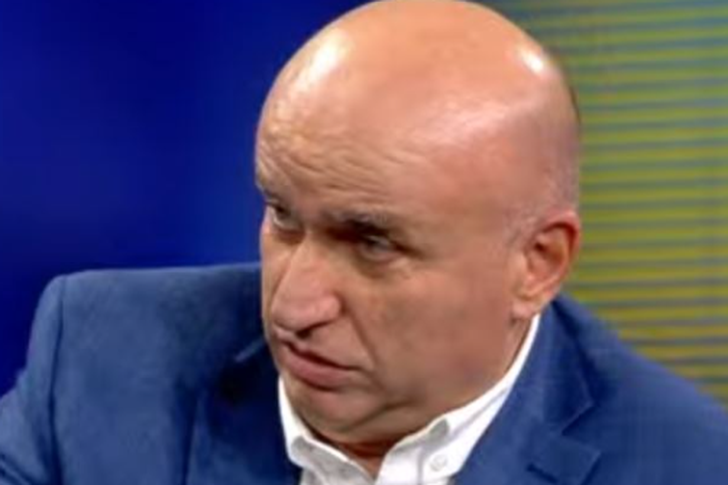
In one of his writings, of course, paid for, commissioned,...
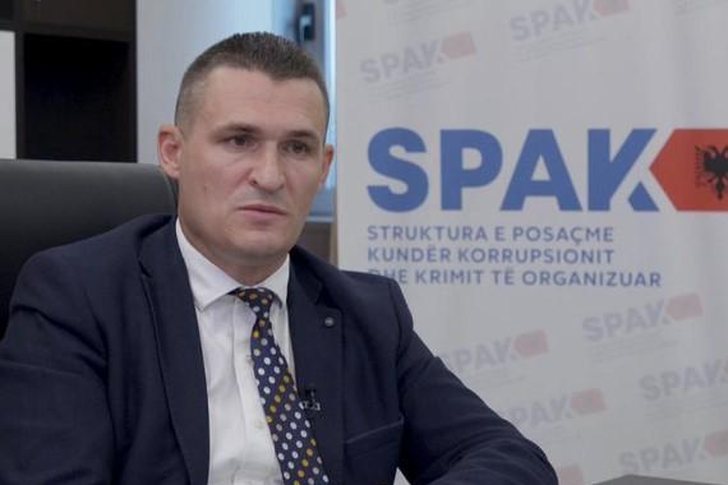
Former head of SPAK, currently a prosecutor in hot cas...
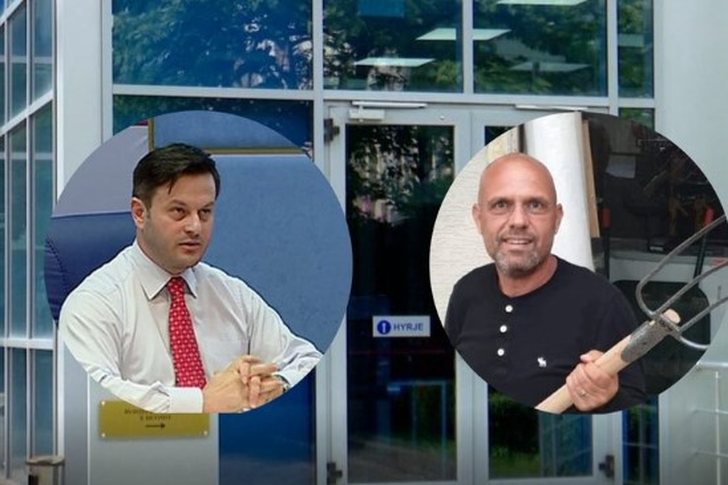
Repeatedly, some characters, who are already public, who c...
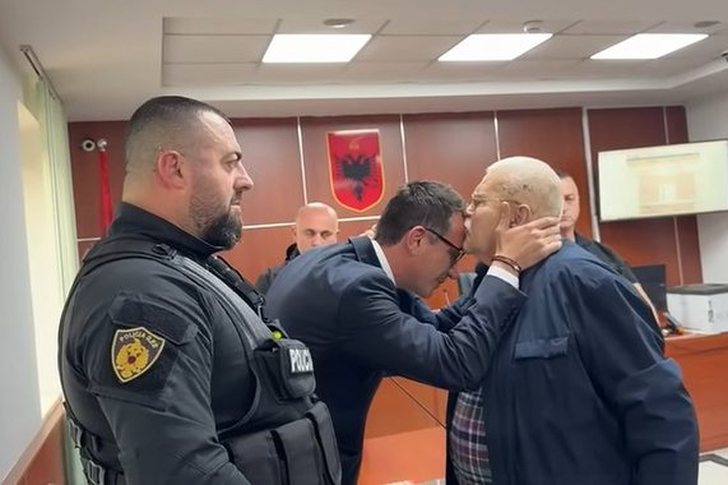
It is an unbelievable comparison because the legend of our...
The Supreme Court, for yesterday's "unifying" decision, to...
Shortly after the murders in Durrës, a crime reporter coll...
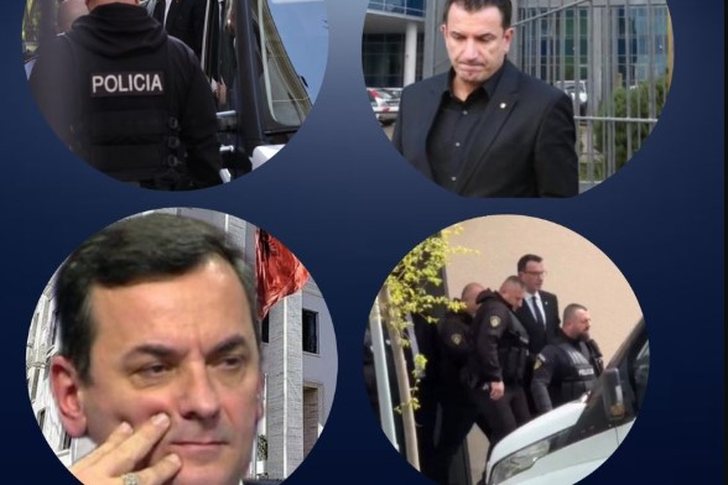
For the past 10 months, 13 serious criminal charges have b...
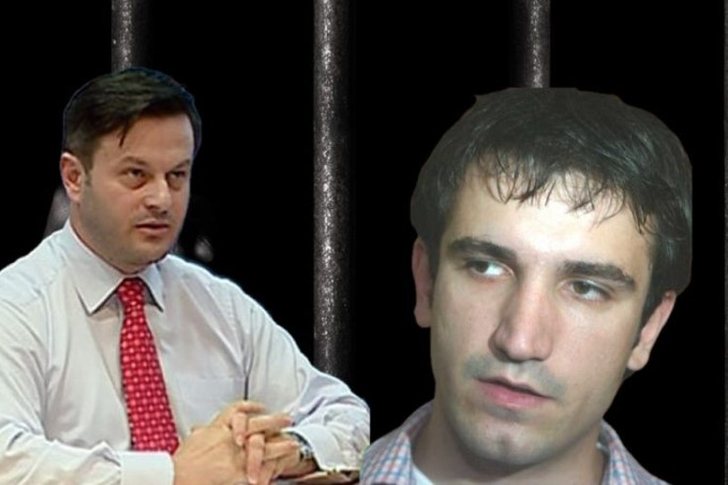
Two days ago, a piece of news took over the media. Plarent...
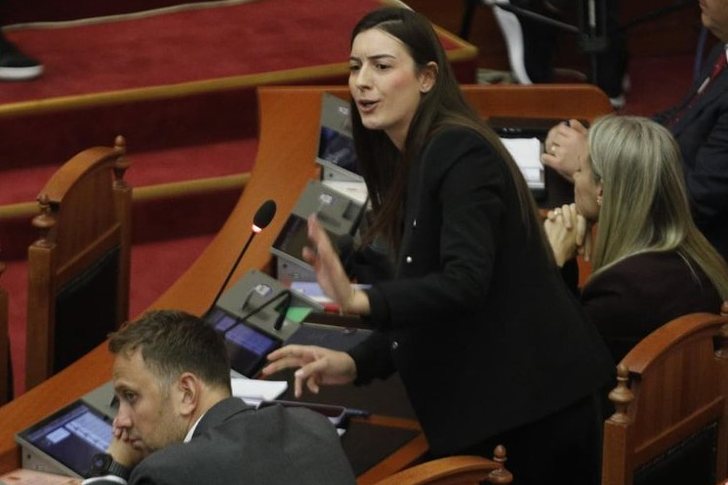
Zegjine Çaushi, from the 2021 elections, became a soci...
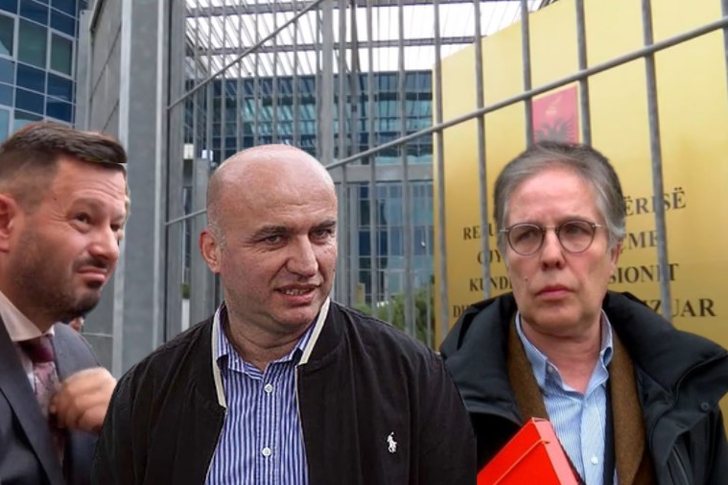
When you hear Plarent Ndreca speaking so confidently about...
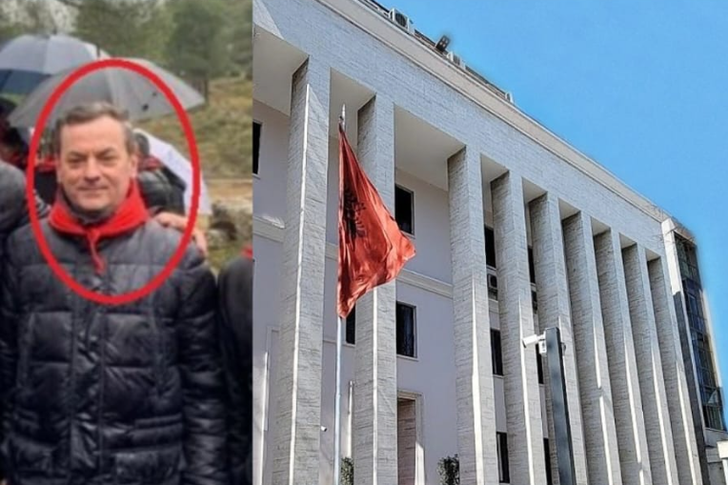
At a joint meeting of the High Prosecutorial Council and t...
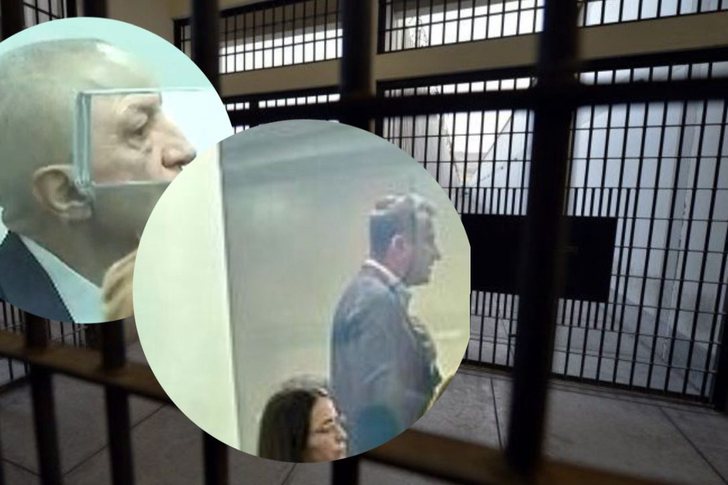
Pamjet e ish-presidentit dhe ish-kryeministrit Ilir Meta d...
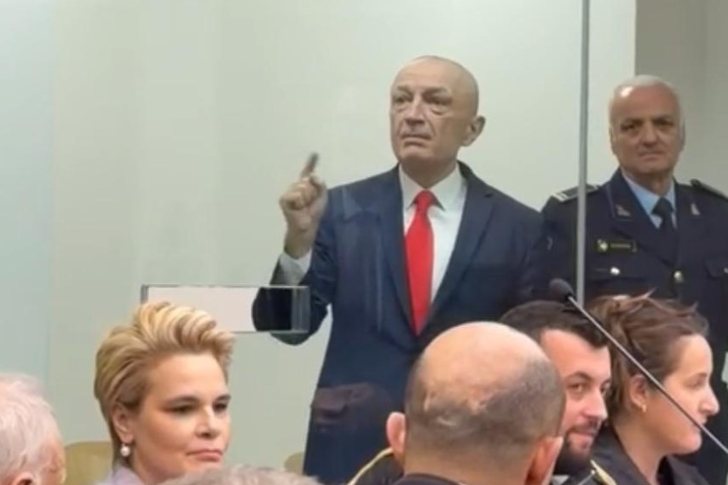
Former President Ilir Meta has been using his political rh...
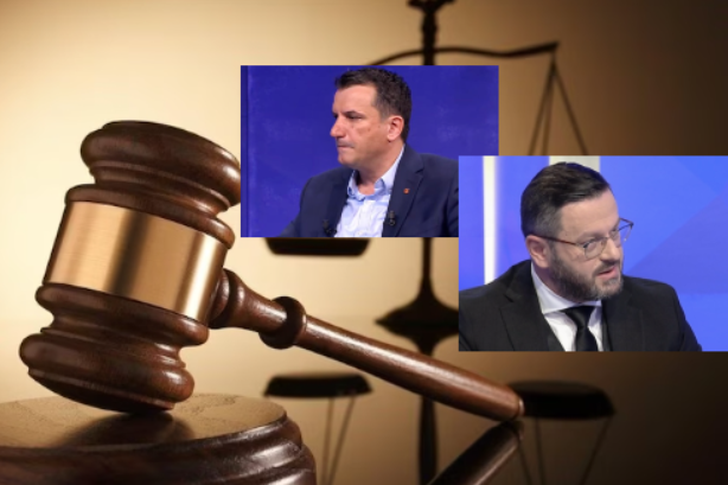
For several weeks, since March 24, Plarent Ndreca, SPAK's ...
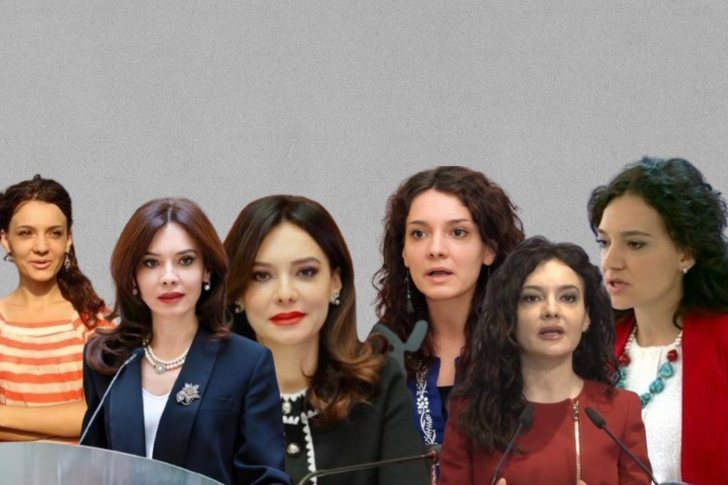
A girl introduced to politics by "Mjaft", an organization ...
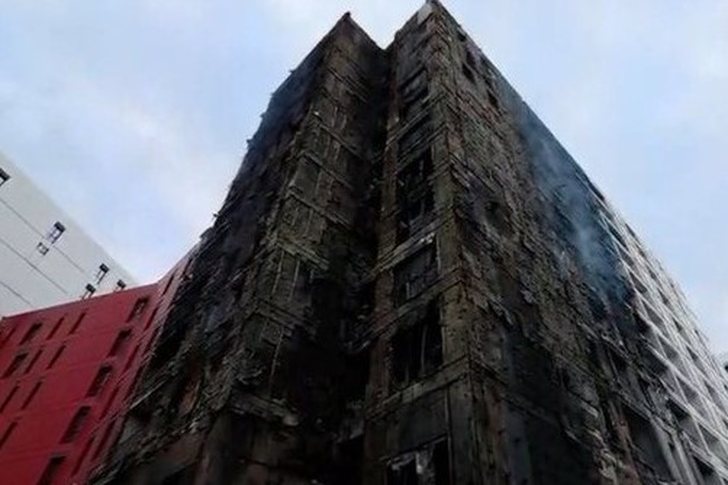
A building at "Farmacia 10", built by the "Arlis" company,...
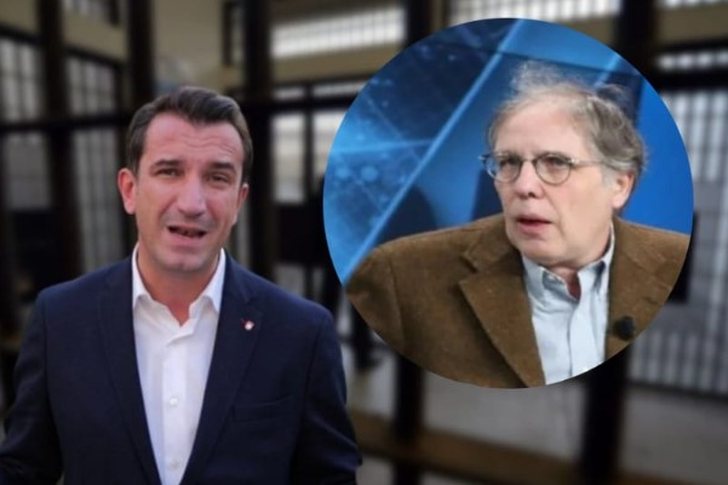
At the Tirana Criminal Court, the day before, at around 1:...
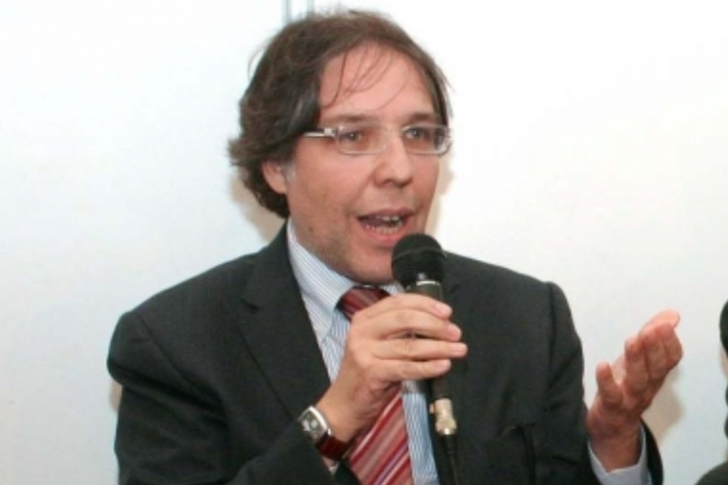
Today, MP Belind Këlliçi and member of the DP National Cou...
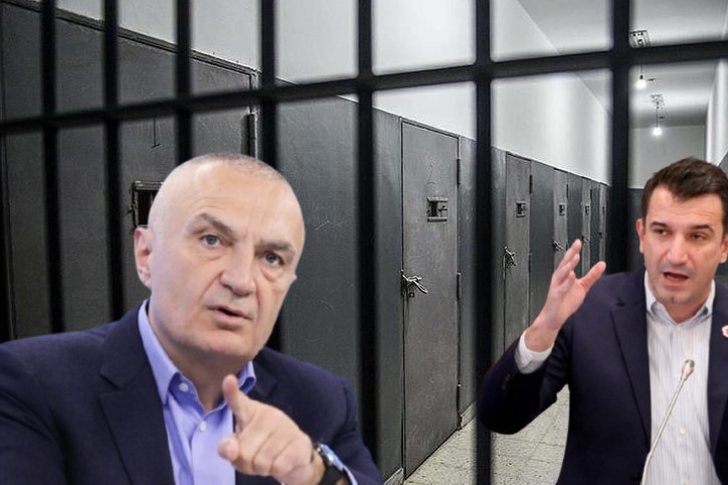
On April 8, a court hearing was held at the Special Court ...
The mayor of Tirana, Erion Veliaj, arrested on 13 charges ...

Qytetarët që kalojnë pasditen pranë Liqenit Artificial në ...
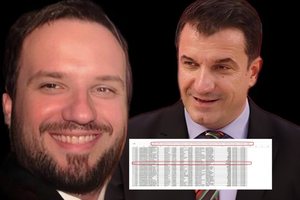
On the morning of July 7, 2026, the Ministry of Culture ur...
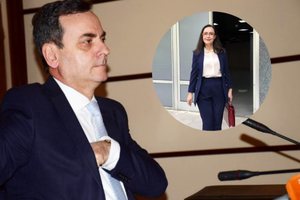
After the disclosure of the portfolio of properties an...

The Special Board of Appeal (KPA) decided this Monday ...

The KPA vetting decided this Thursday to dismiss the p...

Suela Salavaçi, a prosecutor in the Prosecutor's Offic...

The Special Board of Appeal reinstated the prosecutor ...
The Police Supervision Agency has arrested two police offi...
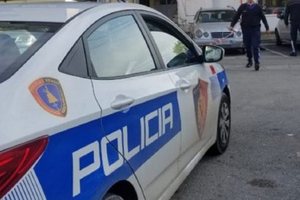
The 18-year-old who stabbed a citizen in the premises of t...
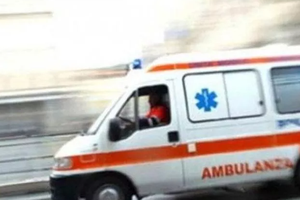
A road accident occurred this Thursday on the Tirana-Elbas...
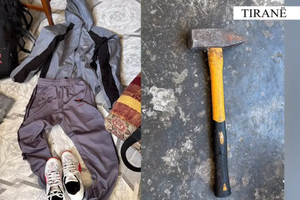
A minor was arrested and taken to police headquarters afte...

Today, our country will remain under the influence of stab...
Today, our country will remain under the influence of stab...

The latest report compiled by the European Transport Safet...

The Albanian woman is on average 2 years older than the Al...
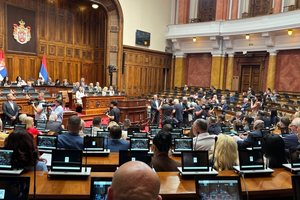
The only Albanian MP in the Serbian Parliament, Shaip Kamb...
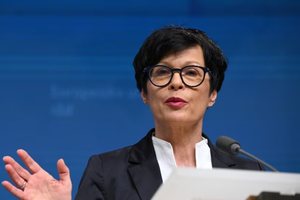
European Union Enlargement Commissioner Marta Kos has reac...
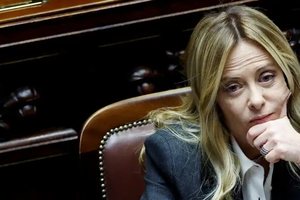
In the Chamber of Deputies (Camera dei Deputati) in Rome, ...
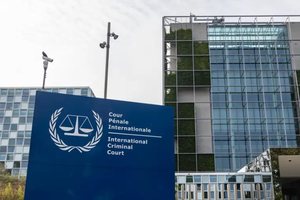
US Secretary of State Marco Rubio has significantly escala...

Master of humor Todi Llupi has passed away at the age of 7...

The ninth edition of "MIK Festival" kicked off with one of...

A historic evening for Albanian culture was marked in the ...

When I turned 10, another building was built in front of o...

Around 97,100 people are employed in regulated professions...
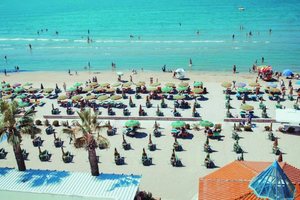
Albania continues to be the main destination for vacatione...
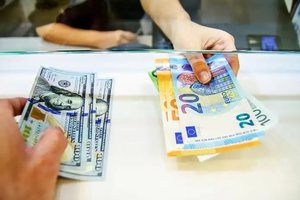
This Thursday, one US dollar is bought for 81.1 lek an...

Beekeeping has expanded significantly in recent years, bec...