



One of the oldest wounds of Albanian public life is the gap between what is denounced and what is punished. Media files, wiretaps, reports, public accusations and preliminary investigations create the feeling that the truth is on the table. But the final punishment often moves at a different pace, when it does not stop at all.
This is not just about justice. It is also about how the political protection chain is built. A major scandal is usually not sustained by a single individual. There is an administration that signs off, officials who remain silent, parties that align, spokespeople who relativize, and economic allies who wait for the storm to pass. The wider the network, the more difficult it becomes to hold accountable.
That's why public anger often hits a wall. Not because the facts are always lacking, but because the system has learned to buy time. And in politics, time is often worth more than the truth. The longer an issue drags on, the more its effect on the public fades.
There is a reason why the same types of scandals are repeated in Albania. They are related to the points where the government controls money, appointments and influence. Public tenders, permits, concessions, employment in the administration, management of funds, relations with business and the use of state assets are the terrain where scandals most easily germinate.
This is because economic interest and political protection come together. When a public decision-making has a large financial value, the risk of abuse increases. When there is little real transparency and a lot of propaganda about that decision-making, the risk becomes even greater. And when institutional control comes late, the field is wide open.
Not every accusation is automatically proven, and this is a distinction that must be maintained. But it is equally true that many issues in Albania would never have received attention without media pressure, public denunciations, and the persistence of journalists. This is why a media with a critical instinct is not a luxury, but a necessity.
The media has a dual role in this story. On the one hand, it uncovers, documents, questions, and keeps issues alive that the government would rather keep quiet about. On the other hand, when the scandal is treated only as a spectacle, without follow-up and without editorial memory, its effect diminishes.
The problem is not just the noise. The problem is the pace of consumption. A strong story can dominate for two days, then be drowned out by the next news cycle. This serves politics, not the public.
Because the government knows that some crises are managed by waiting. Therefore, strong reporting must be accompanied by continuous follow-up: where the investigation went, who was questioned, who benefited, who is responsible, and what really changed.
This is where an unfiltered approach, like the one the CNA.al audience demands, has real value. Not to shout louder than others, but to not let the scandal die as soon as the studio's interest wanes./ CNA

The Democratic Party is the official opposition and the la...
CNA.al is a digital Albanian, regional and international n...
Recent investigations by the Special Prosecution Office ha...
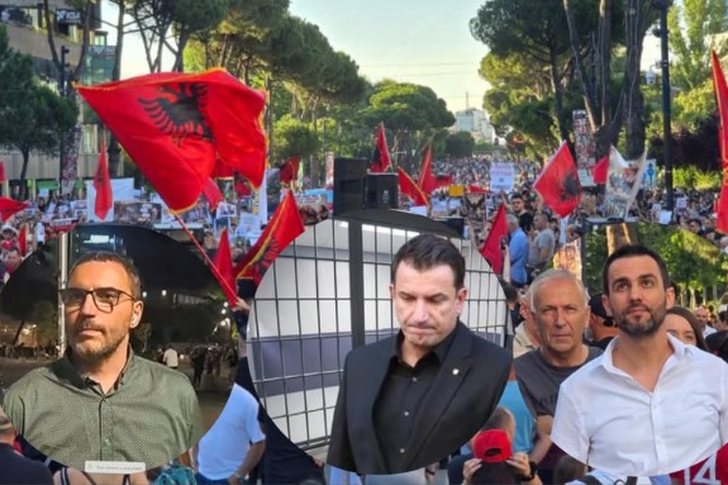
The ten-day protest that began in Tirana after an incident...
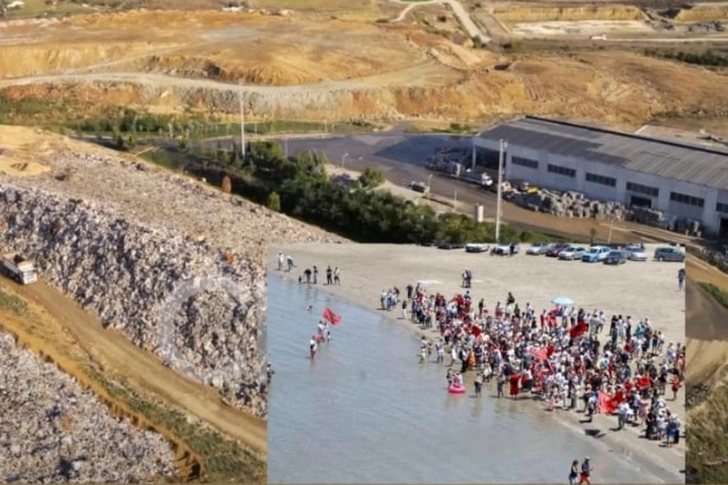
A group of environmentalists, some residents, but also...
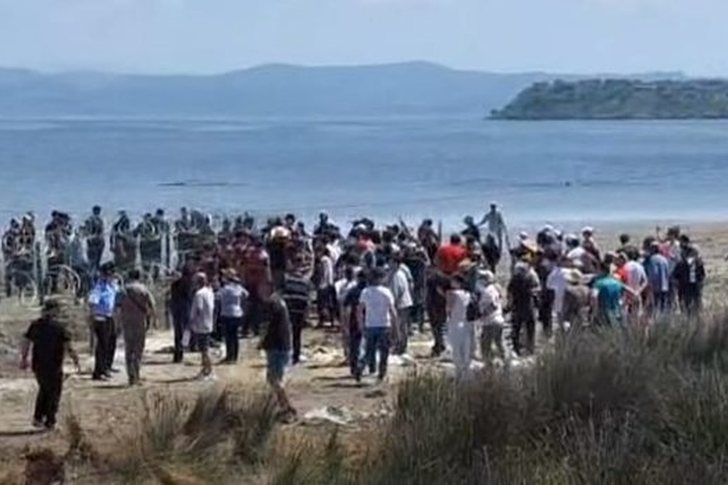
What happened in Zvërnec is being seen in different ways, ...
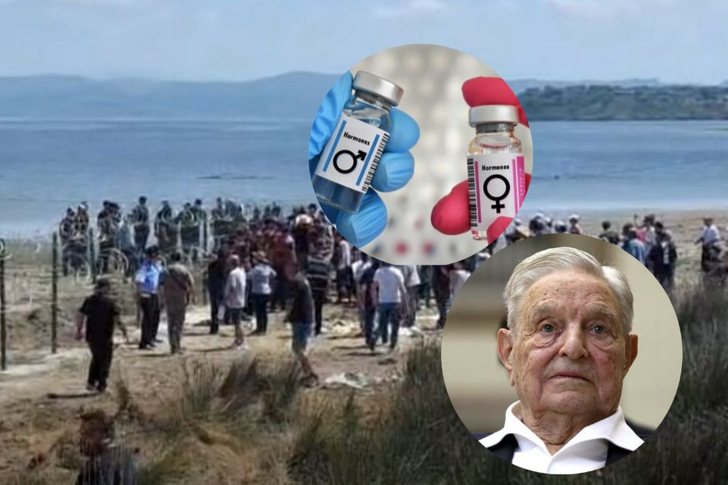
Një lajm plasi në rrjetet sociale në lidhje me një investi...
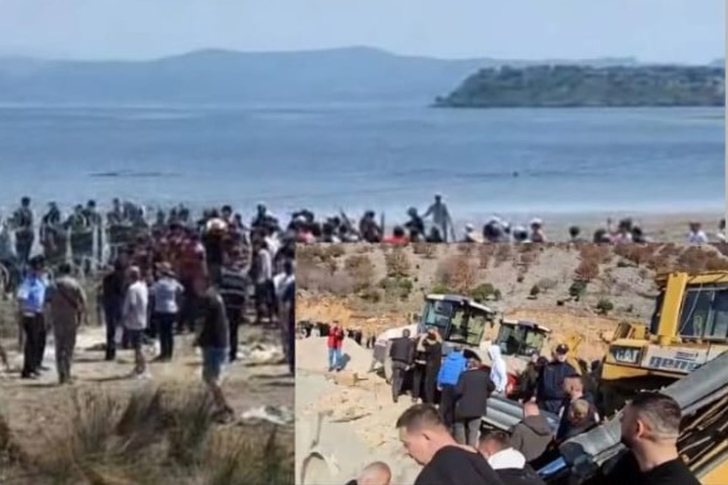
The media reported yesterday that there had been violence ...
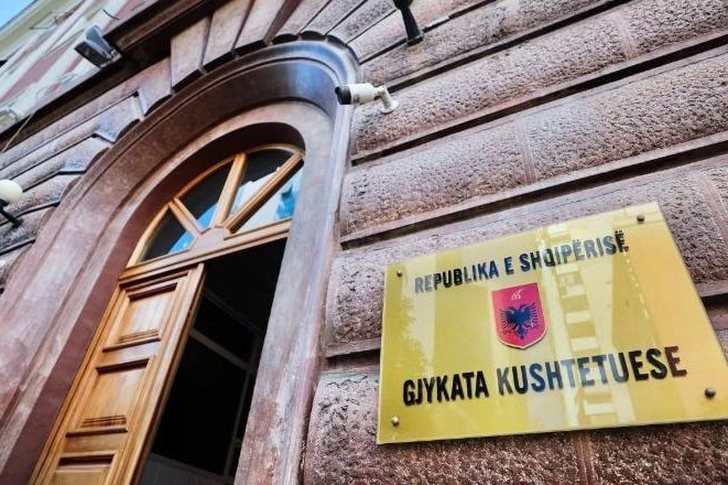
Yesterday, the Supreme Court issued a ruling and said ...
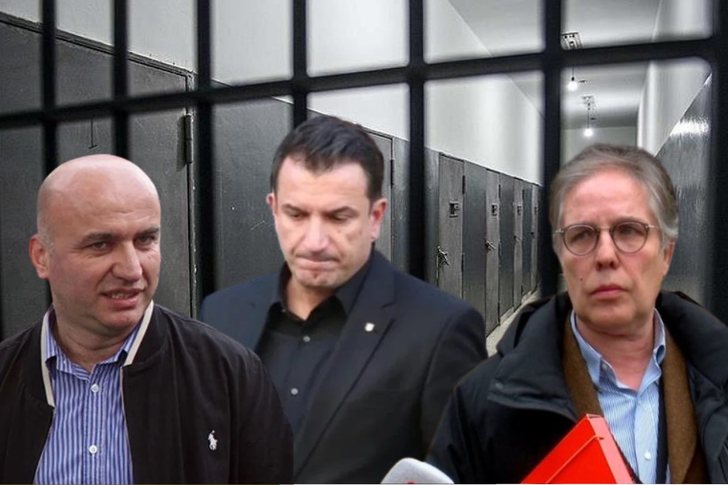
The Erion Veliaj case is expected to be discussed again in...
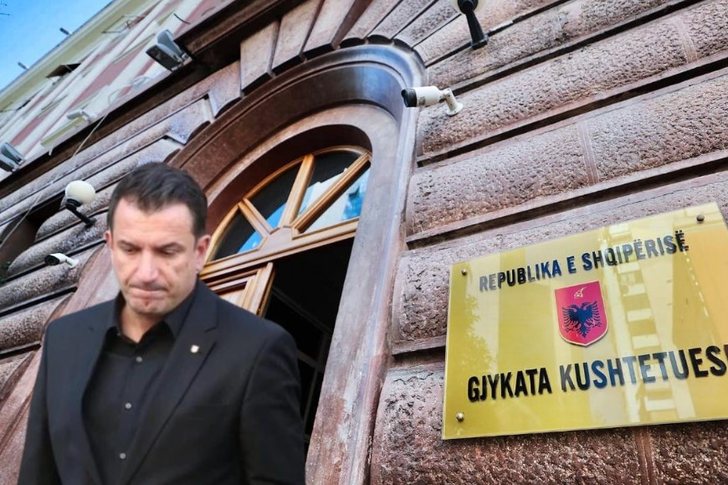
In the real legal reading of the Constitutional Court's de...
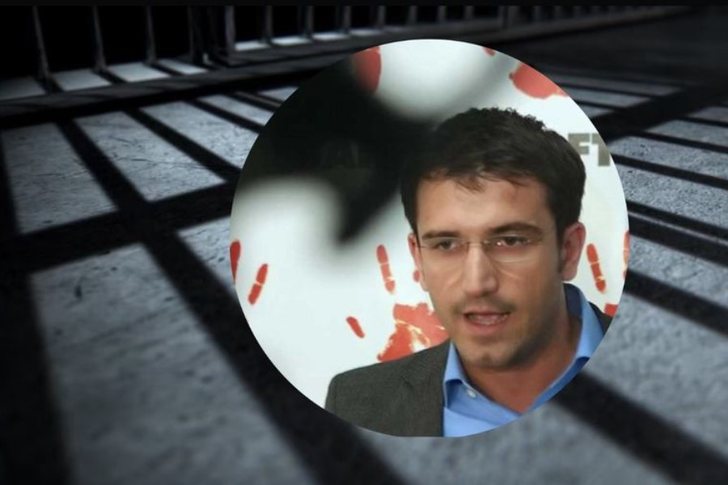
There is an interesting and at the same time paradoxical s...
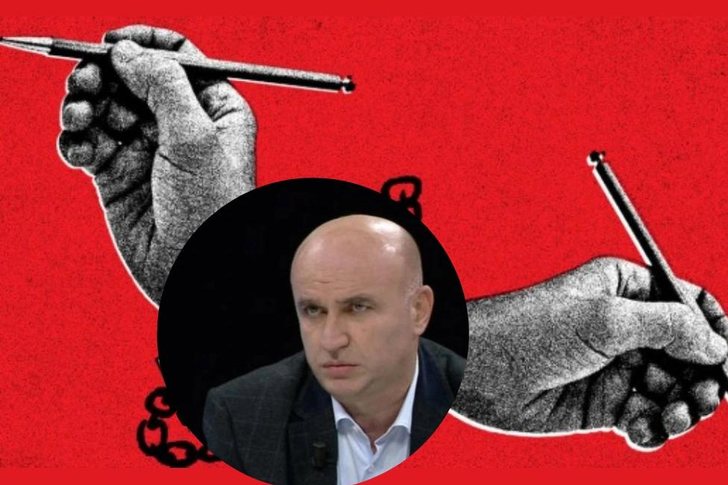
In the modern history of political propaganda, the name of...
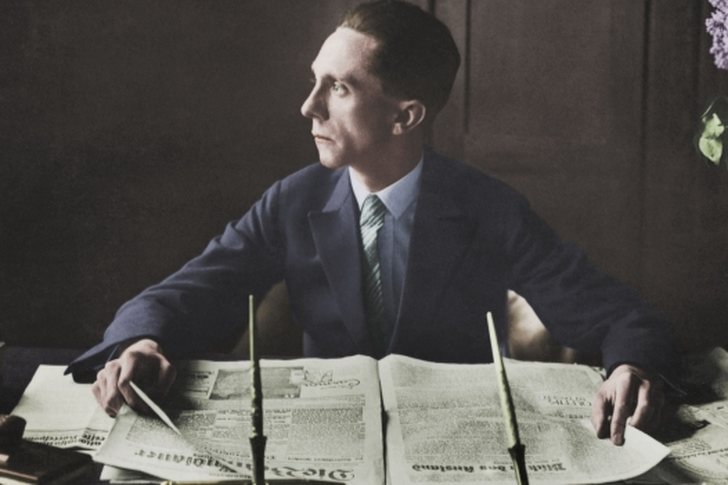
One of the most disturbing elements of the way Erion Velia...
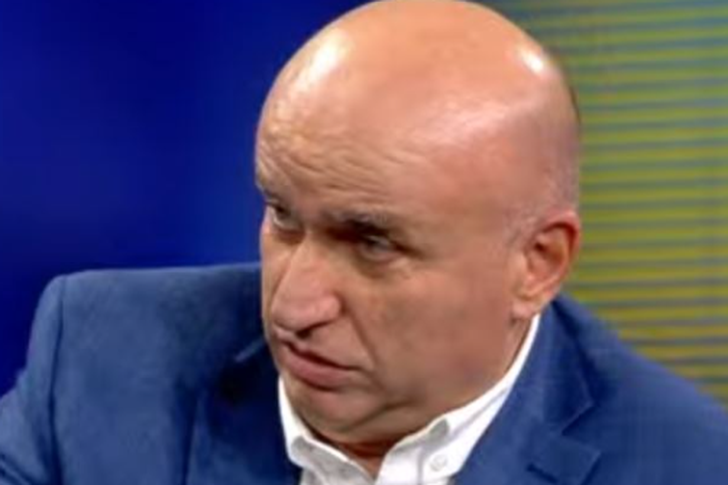
In one of his writings, of course, paid for, commissioned,...
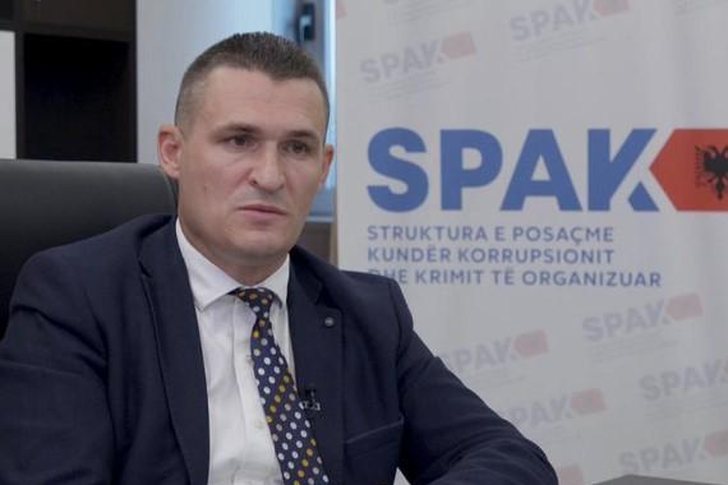
Former head of SPAK, currently a prosecutor in hot cas...
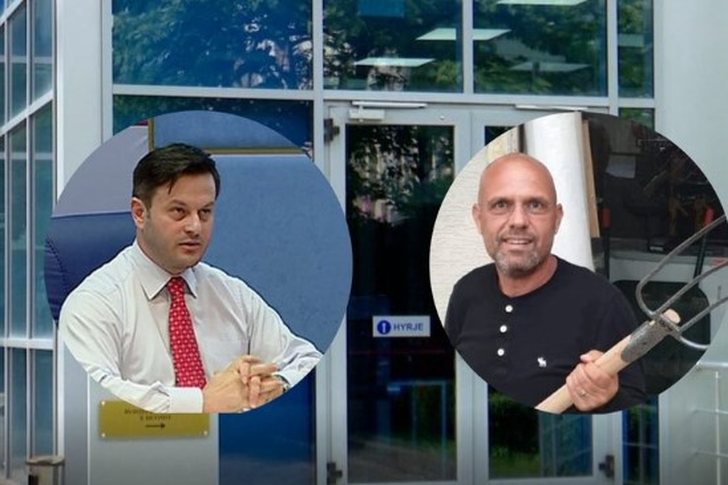
Repeatedly, some characters, who are already public, who c...
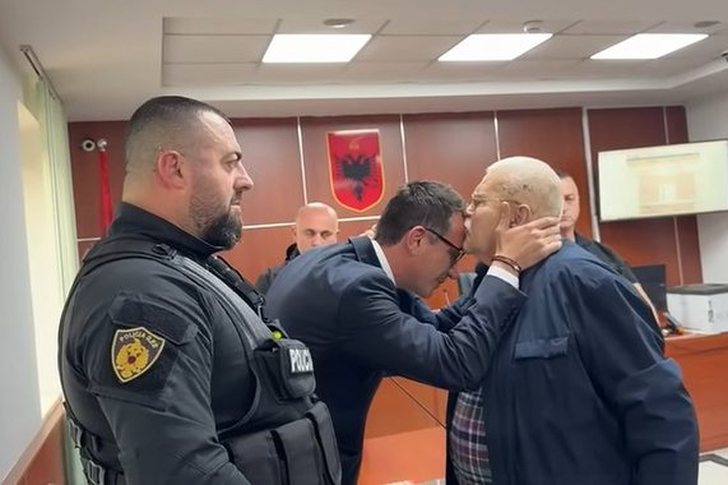
It is an unbelievable comparison because the legend of our...
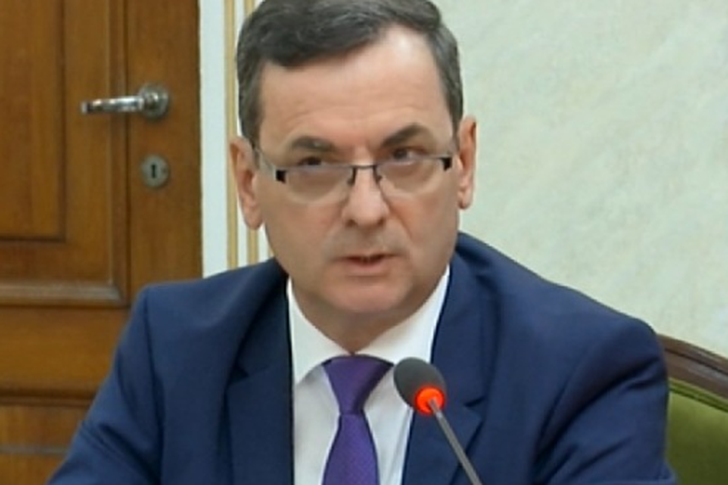
The Supreme Court, for yesterday's "unifying" decision, to...
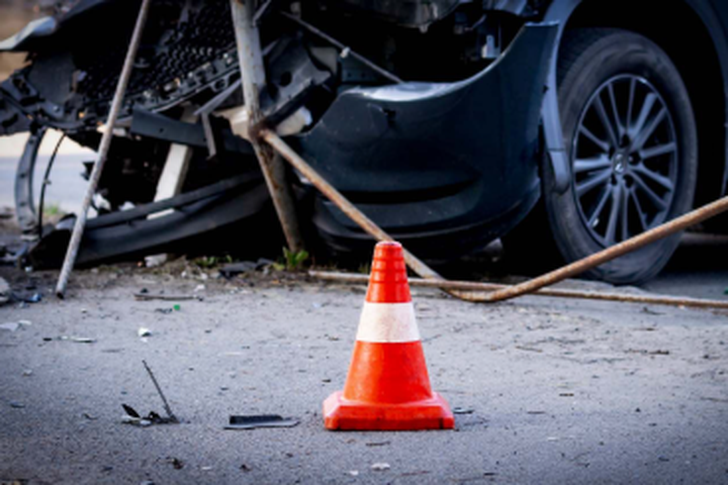
Shortly after the murders in Durrës, a crime reporter coll...

For 6 months now, CNA has been sending several letters to ...
The word "fatherland" with properties is not enough. The m...
The justice reform claimed that it would bring faster, fai...
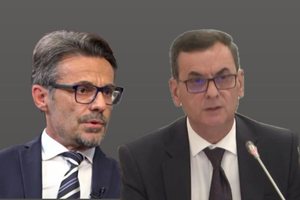
The Justice Reform and the vetting process were trumpeted ...

The Special Board of Appeal (KPA) decided this Monday ...

The KPA vetting decided this Thursday to dismiss the p...

Suela Salavaçi, a prosecutor in the Prosecutor's Offic...

The Special Board of Appeal reinstated the prosecutor ...
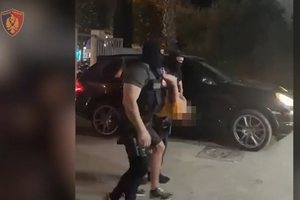
Two citizens with high social risk, wanted by the authorit...
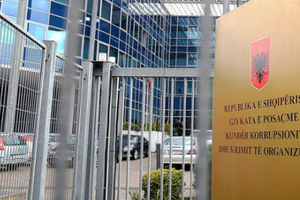
The Special Court against Corruption and Organized Crime h...
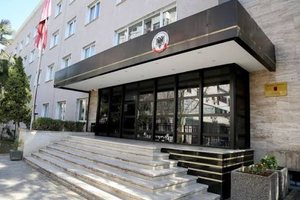
The Berat Prosecution Office has finalized a 6-month proac...
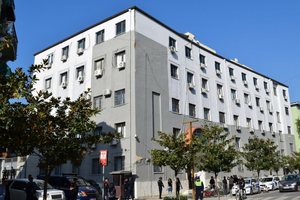
The Durrës Prosecutor's Office has uncovered a sophisticat...
Today our country will be affected by stable weather condi...

Emigration, an aging population, and low participation in ...
Today, our country will be affected by relatively stable w...
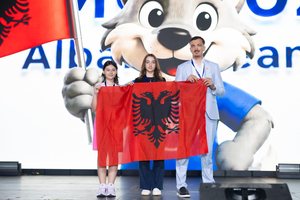
Albania has been awarded two medals of honor at the awards...
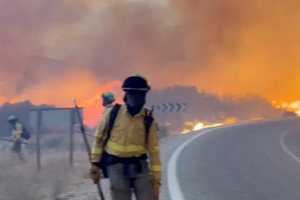
At least 11 people have died and six others have been inju...

Patriot, Tomahawk, Starlink, F-35: Europe's security still...
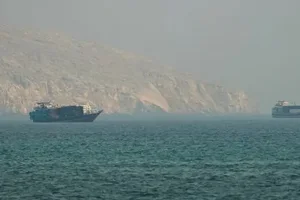
The threat level to maritime security in the Strait of Hor...
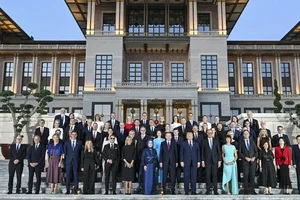
After the end of the NATO summit, Turkish President Recep ...
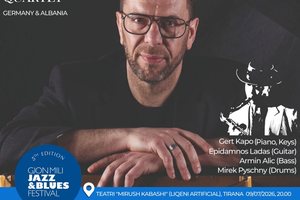
The German Embassy in Tirana has invited the Albanian publ...

Professor and literature scholar Ali Xhiku has passed away...

During my research into the life and artistic photographic...

This year's edition of the Gjon Mili International Video A...

In addition to food, household appliances, oil, and more, ...
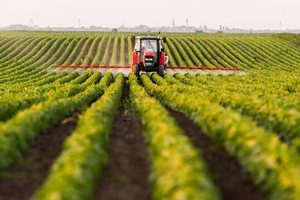
The government has reduced the funds foreseen for rural de...

This Friday, one US dollar is bought for 81.4 lek and sold...
The Tax Directorate has announced that the process of auto...