

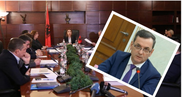


The Justice Reform and the vetting process were trumpeted with great fanfare as a broom that would cleanse the system of corrupt or unsuitable judges and prosecutors. The architects who drafted the reform laws, the so-called “High-Level Experts,” took care first of all to build a legal shield for themselves.
While hundreds of magistrates were dismissed and thrown out of the system for a garage, a building addition, or formal deficiencies in documents, some of the main names of this reform, such as Sokol Sadushi or Gent Ibrahimi, managed to reach the top of the system without ever passing through the vetting process.
This "service" to the reform was not without reward. From the data disclosed in the ILDKPI and the evidence reflected by CNA, it turns out that these experts have benefited from huge financial sums that go beyond their official salaries. Sokol Sadushi over the years turns out to have been systematically paid by the SOROS Foundation - "Open Society for Albania".
The payments date back to 2004, but peak during the years of drafting the reform, where in 2015 Sadushi reports 1,890,250 lek net from the Open Society Foundation for engagement as an expert in the Justice Reform Commission, in 2017 he declares 337,280 lek net for work as a high-level expert, while in 2018 the declarations include 5,100 dollars net for the preparation of the Commentary on the Constitution and 124,950 lek net for other expertise.
Beyond these honoraria, as "High-Level Experts", Sadushi and the rest of the group have benefited from significant monthly sums from the state budget through service contracts in the Albanian Parliament, amounts ranging from several thousand euros per month for the entire duration of the 2014-2016 process.
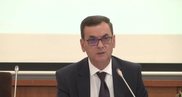
Sokol Sadushi, today the President of the Supreme Court, is an example of how the law can be used for private interests. During the time the vetting provisions were being drafted, Sadushi served as a “High Level Expert” under the direction of Fatmir Xhafaj.
The mechanism they wrote was diabolical, as the law stipulated that only those magistrates who were in office at the time the law came into force would be subject to vetting. Sadushi exited the system just when he needed to, avoiding vetting, and re-entered it after the rules were clarified in his favor.
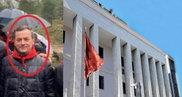
As a result, the man who wrote the vetting law was never vetted like everyone else. This legal change allowed him to catapult himself to the position of director of the Magistrates' School and then to the head of the Supreme Court, protecting a real estate portfolio that resembles more a private real estate agency than the wealth of a man of justice.

Another key figure, Gent Ibrahimi, used the same legal loopholes. Ibrahimi entered the system as chairman of the High Prosecutorial Council, avoiding the vetting filter. From the head of the KLP, with the same procedural maneuvers, he managed to sit in the chair of a judge of the Constitutional Court.
As a selected expert for the reform, Ibrahimi has benefited from considerable financial sums through service contracts financed from the state budget.

Like Sadushi, Ibrahimi had early and ongoing engagements with organizations and foundations that technically supported the reform, participating in their projects before taking on high-ranking positions as chairman of the KLP or judge in the Constitutional Court.
Today, as they hold the new generation of magistrates accountable and moralize, Sokol Sadushi and Gent Ibrahimi remain evidence of a truncated reform, where those who wrote the rules of the game made sure that they themselves never played by them, but remained forever above the law. /CNA


After revealing the property portfolio in Tirana, Kavaja, ...
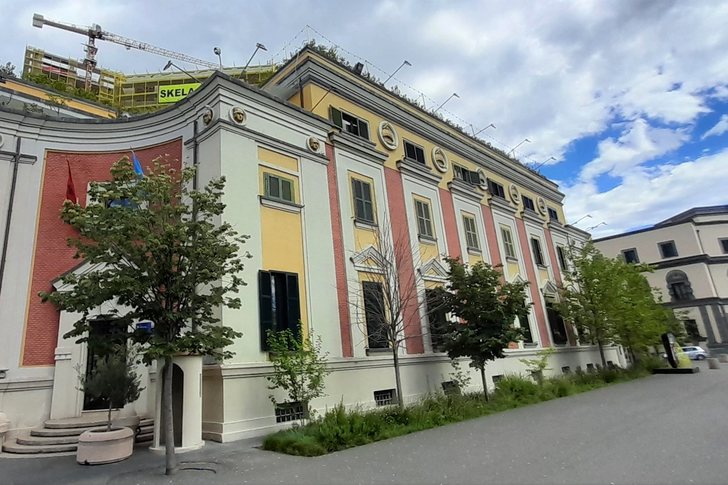
Four months ago, on March 11, CNA sent an official letter ...
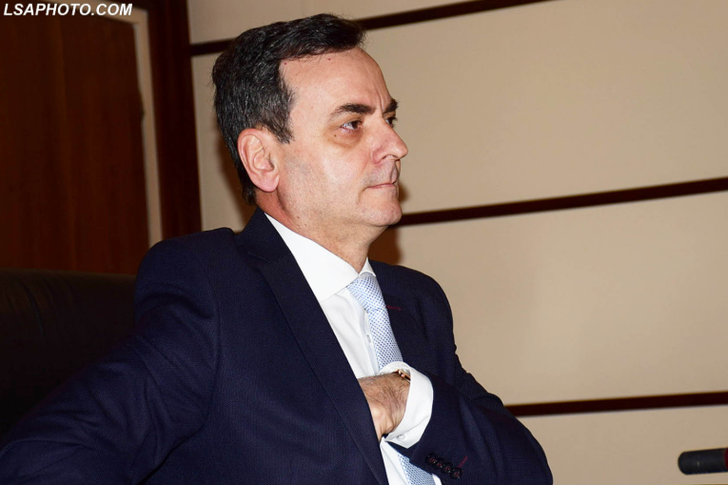
Sokol Sadushi, the president of the Supreme Court, is the ...
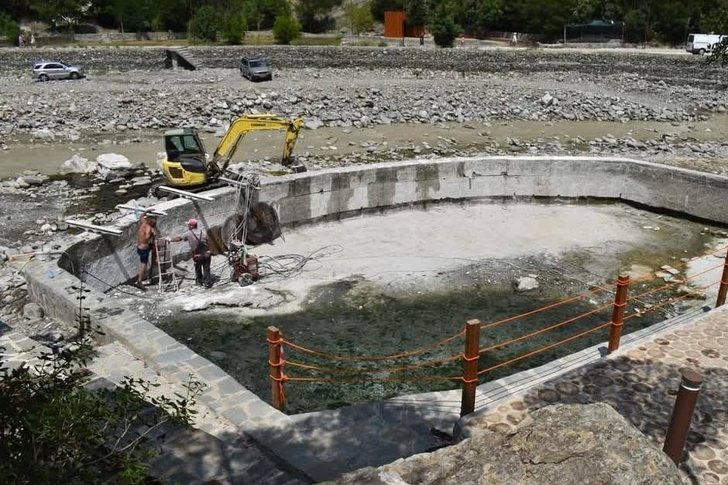
Journalist Elton Qyno has made a complaint regarding the w...

After the first denunciation, the Plug show has continued ...
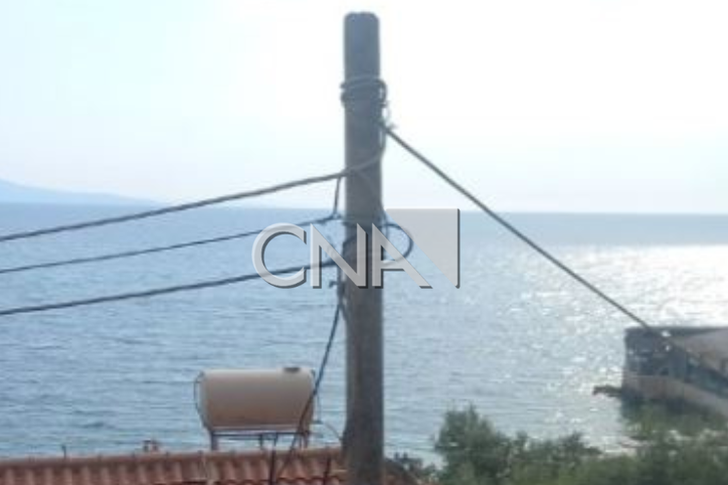
Today, CNA has published a complaint from residents of the...
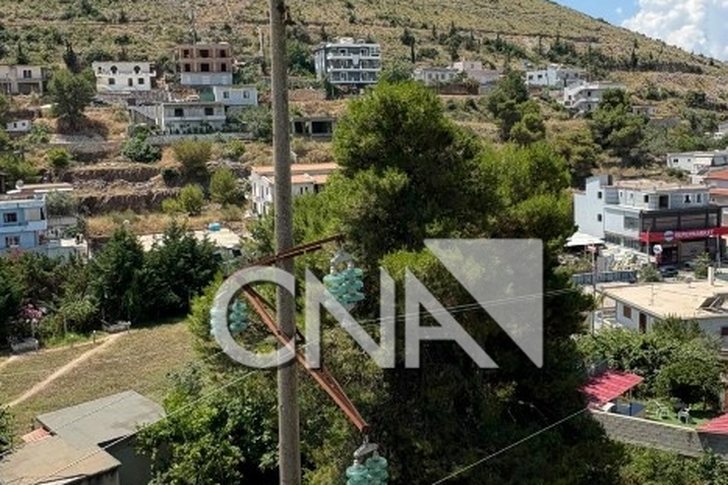
A complaint from residents of the village of Gjashtë in Sa...
A complaint to CNA also led to the publication of several ...
A mountain of documents for a flagrant case, in the na...
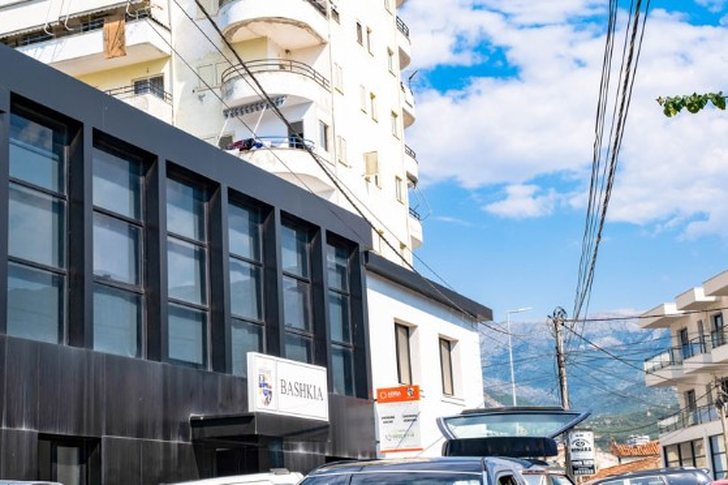
The Democratic Party has denounced a tender held by the Hi...
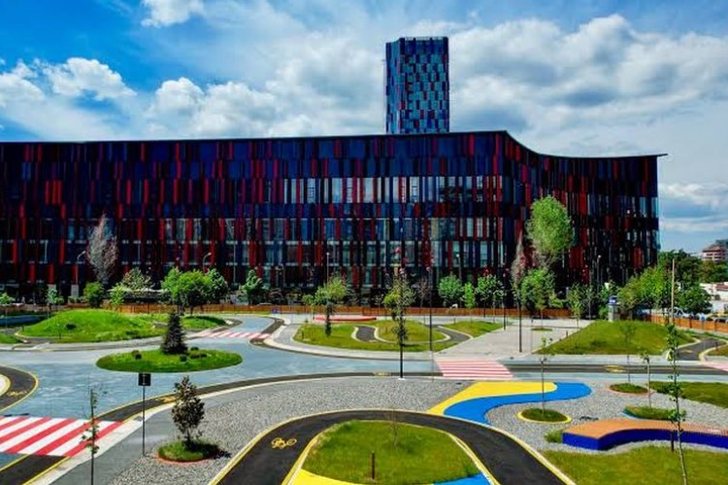
Since the summer of 2020, the Mayor of Tirana, Erion Velia...

The leader of the Democratic Party, Sali Berisha, denounce...
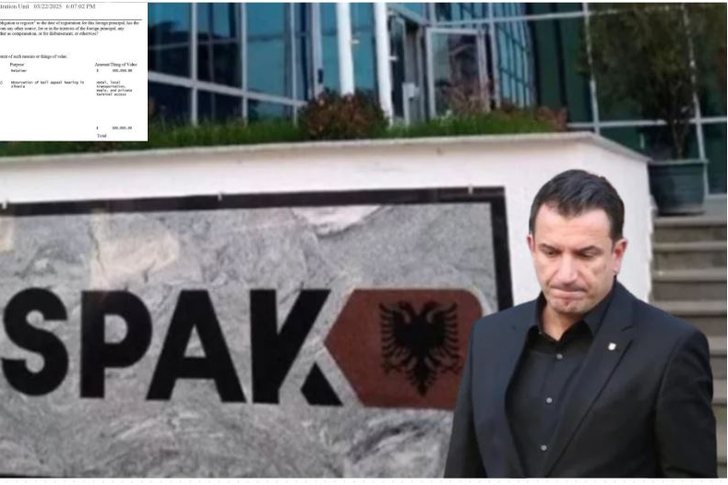
In January 2026, CNA published a series of documents and f...

Erion Isufi is the man known in the media as Lulzim Basha'...
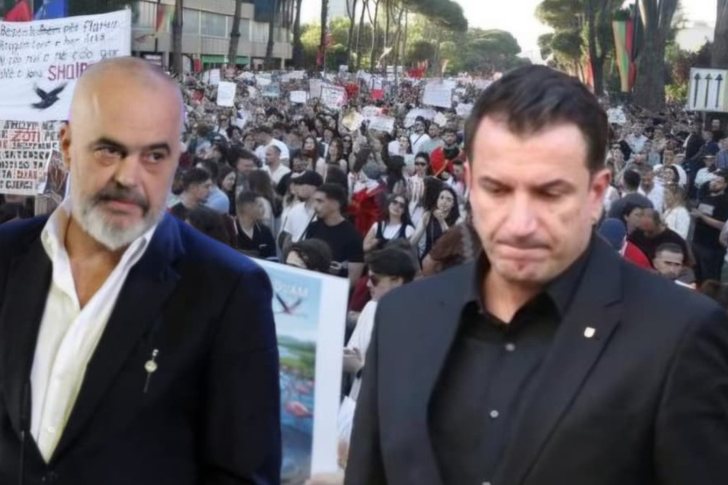
There have been 12 days of protests in the capital, which ...
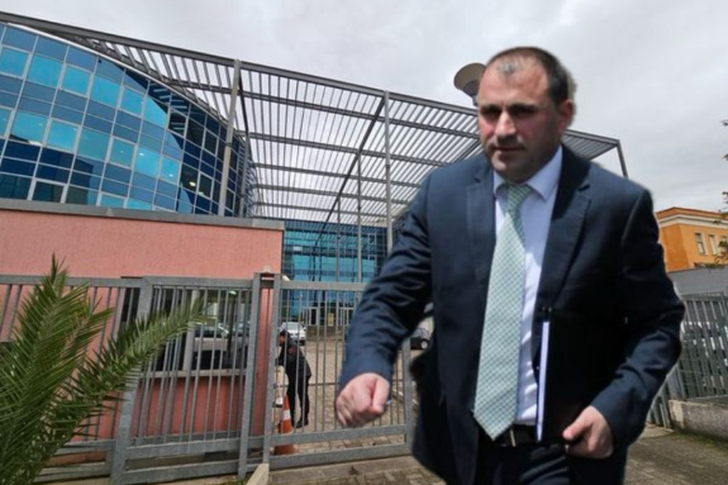
Dritan Prençi is the SPAK prosecutor who is sleeping on th...
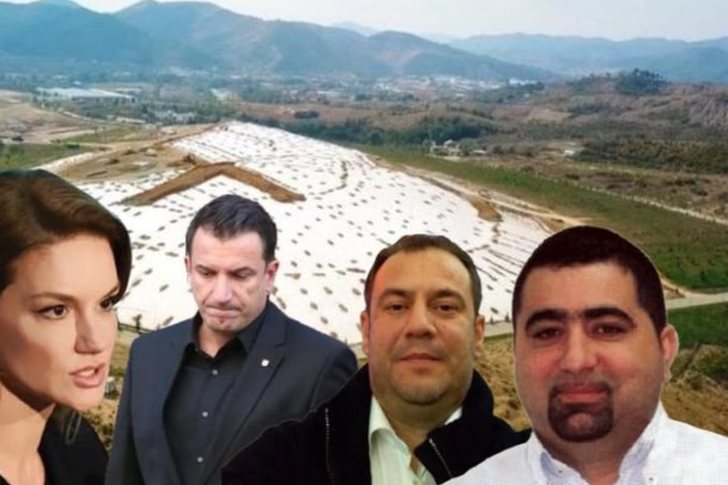
The in-depth investigations that SPAK conducted into Ajola...
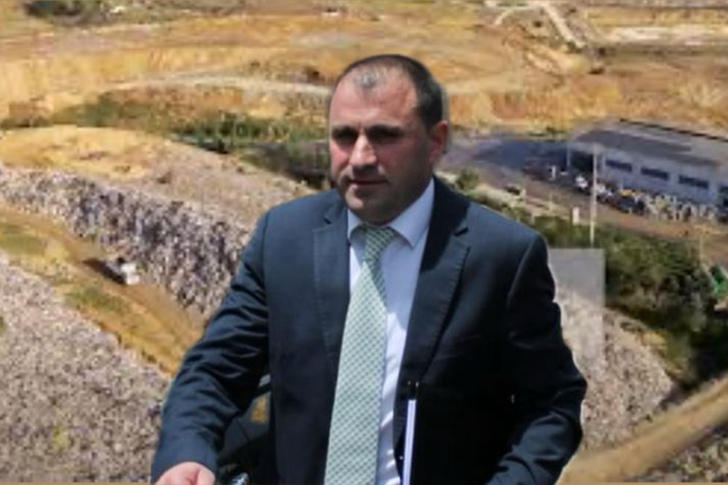
SPAK's standards, the way it investigates, how it secures ...

Irfan Hysenbelliu claims to be a big businessman, an hones...
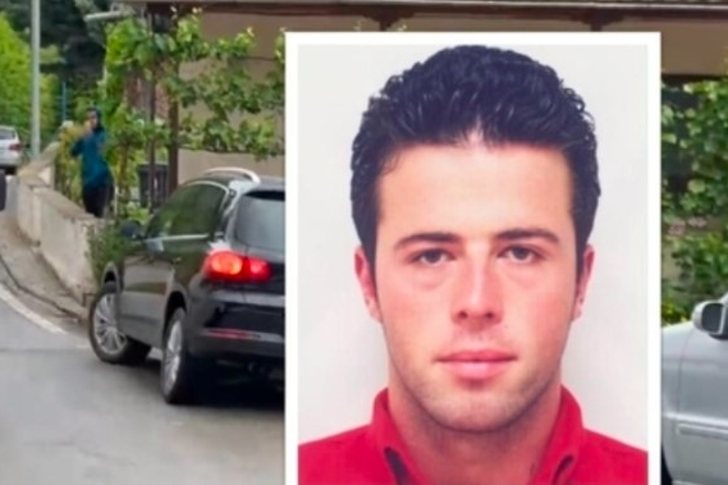
The murder of officer Enea Mekolli in the line of duty has...

Irfan Hysenbelliu is a businessman that we call "Irfan the...

In March 2026, CNA launched another investigation centered...
The arrested mayor of Tirana, Erion Veliaj, with 13 charge...
CNA has uncovered the tentacles of the head of the Supreme...

The Special Board of Appeal (KPA) decided this Monday ...

The KPA vetting decided this Thursday to dismiss the p...

Suela Salavaçi, a prosecutor in the Prosecutor's Offic...

The Special Board of Appeal reinstated the prosecutor ...

A road accident occurred this Monday near Gramsh. As repo...
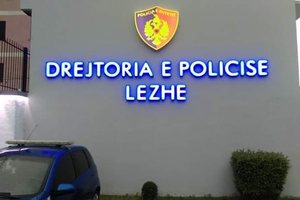
Three people have been arrested in Lezha after they forcib...
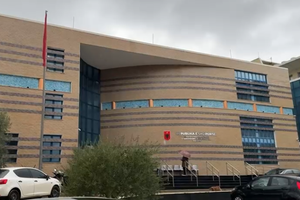
The Shkodra Court has imposed the security measure "House ...

Një ngjarje e rëndë raportohet se ka ndodhur në orët e par...
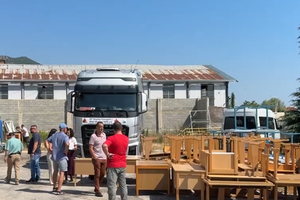
Another humanitarian aid shipment from Germany has arrived...
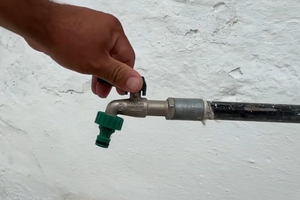
Residents of the village of Memëlisht in the Municipality ...

On Monday, our country will be under the influence of rela...

On Sunday, our country will remain under the influence of ...

Hungary's Prime Minister, Péter Magyar, took many people b...

The mediators in the Middle East conflict between the Unit...

More than 400 Ukrainian drones were launched overnight tow...

The next British Prime Minister, Andy Burnham, aims to str...

At a time when industrial products are increasingly taking...

Trust among people is not just a three-syllable word. It c...

Master of humor Todi Llupi has passed away at the age of 7...

The ninth edition of "MIK Festival" kicked off with one of...

This Monday, one US dollar is bought for 81 lek and sold f...
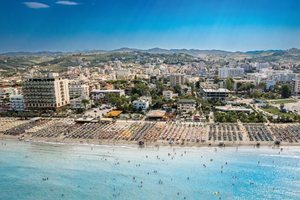
In Golem and Durrës, the season seems dynamic: buses with ...

This Sunday, one US dollar is bought for 81 lek and sold f...
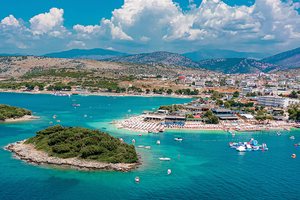
INSTAT statistics for May show an increase in tourism, wit...