Accident on the Elbasan-Librazhd axis / Vehicle goes off the road, young man loses his life
A serious accident occurred this afternoon on the Elbasan-...

A serious accident occurred this afternoon on the Elbasan-...

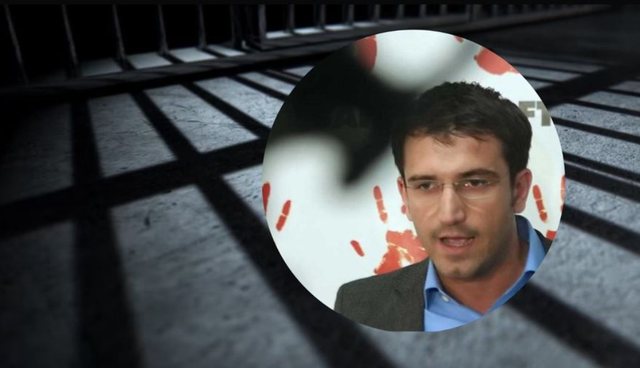
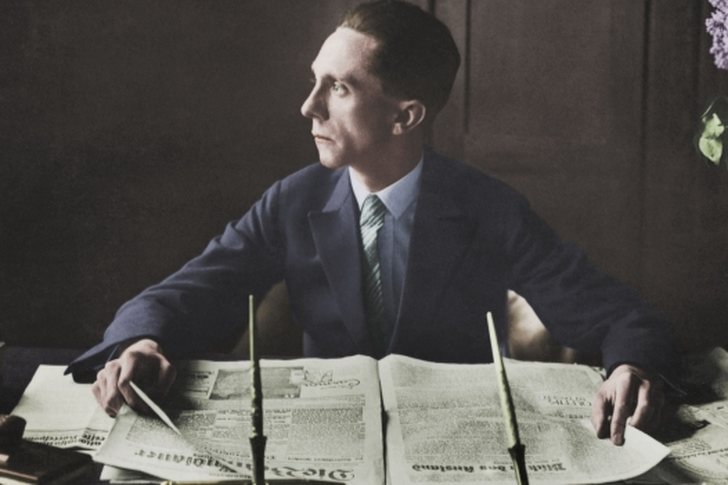
There is an interesting and at the same time paradoxical similarity between the political beginnings of Joseph Goebbels and Erion Veliaj.
Both began their political journeys as figures who appeared critical of the establishment of their time, but ended up as central instruments of propaganda and protection for the political leader.
However, if Goebbels became an absolute loyalist of Hitler, for Erion Veliaj, political servility seemed more strategic. He was part of a personal project for the inheritance of power.
In the mid-1920s, Goebbels was not initially a pure Hitlerite. He became close to Gregor Strasser and the more “social” wing of the Nazi party, viewing with skepticism Hitler's rapprochement with the conservative and financial German elite.
His early diaries clearly show his frustrations with the way Hitler was centralizing the party and avoiding radical social rhetoric.
So Goebbels was not born as a blind servant of the leader, but he came from a peripheral position and partly critical of the official party line.
But Hitler quickly realized something crucial. Goebbels had an extraordinary talent for propaganda, for emotional manipulation of the crowd and for controlling the public narrative. He brought him closer, elevated him in the hierarchy and gave him power. And it was here that Goebbels' transformation began.
The man who had once had reservations about Hitler gradually became the most fanatical propagandist of the Nazi regime. He built up the cult of the Führer, glorified the leader in every speech and treated every opponent as an absolute enemy. His servility was not merely political, it became almost religious and total.
A different trajectory, but with similar political mechanisms, is also seen in Erion Veliaj. In the 2000s, with the “Mjaft” movement, he was projected as anti-establishment, as a critic of the traditional Albanian political class, including the Socialist Party.
"Mjaft" attacked corruption, political propaganda and the old culture of power. Erion Veliaj appeared as a new figure who came from civic activism and not from the party apparatus. But then what often happens in politics happened. The system you once criticized absorbs you as soon as you realize you can serve it.

Edi Rama seems to have understood very early on what Hitler understood in Goebbels: the unique ability that Erion Veliaj had; that of managing public image, political marketing, and dominating the media space.
From an activist attacking the establishment, Erion Veliaj became one of the most important figures of the socialist establishment — MP, minister, and then mayor of Tirana.
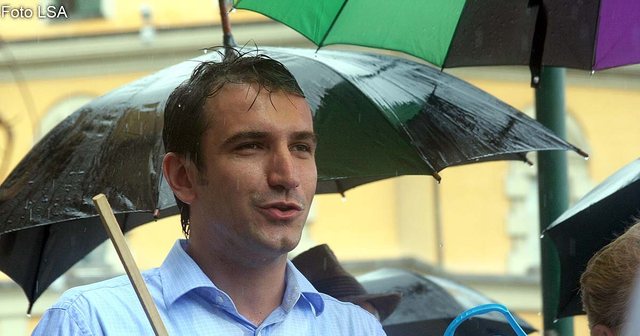
At this point, the strong element of political servility emerges. Just as Goebbels built his entire political existence around defending Hitler, Erion Veliaj built his public profile as an aggressive defender of Edi Rama's political model.
Criticism of the government was often met not with substantive debate, but with propaganda, image management, attacks on critics, and control of the public narrative. In both cases, the figure who once claimed to be a “rebel” against the establishment ended up as its most powerful instrument in defense.
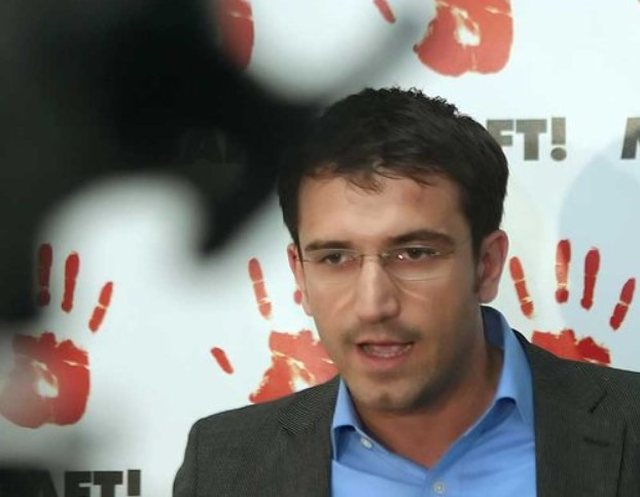
But here also emerges the great difference between them. Goebbels was an absolute loyalist. He never projected himself as Hitler's successor nor built a parallel power to him. His power stemmed solely from his proximity to the Führer. He did not imagine a political existence outside Hitler's shadow. His servility was total, emotional and ideological.
In Erion Veliaj's case, on the contrary, servility has been strategic. Public loyalty to Rama was accompanied in parallel by the construction of an autonomous power profile, which consisted of absolute control over the Municipality of Tirana, distribution of public funds, media networks financed by his brother, influence over artists, activists and youth structures, as well as the creation of a careful image as the "modern face" of the Socialist Party.
So, if Goebbels sought to remain the voice of the leader forever, Erion Veliaj seemed to be using the role of loyalist as an investment for the day when he could inherit the party himself.
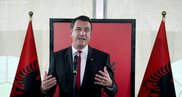
This makes the figure of Erion Veliaj more treacherous but at the same time more typical of modern court politics. So his servility is not categorized as total surrender to the leader, but as the most efficient means of approaching the center of power until the moment comes to take it.
In this comparison, there is another element that makes the figure of Erion Veliaj more cynical than the classic model of the totalitarian propagandist.
Joseph Goebbels was a Hitler fanatic because of his ideological conviction. He worshipped Hitler in an almost mystical way, and his loyalty stemmed from absolute faith in the Führer and the Nazi project. Goebbels lived and died as a man of the regime, without creating a profile as an oligarch or personal beneficiary in the classical financial sense.
While in Erion Veliaj, political servility is not presented as a product of ideological conviction, but as an instrument of power and profit. Loyalty to Edi Rama has appeared more as a mechanism for survival and political advancement, accompanied by a life of luxury for himself and his family, enrichment and use of the Municipality of Tirana as a center of financial and propaganda influence.
Goebbels was a fanatical propagandist who merged his life into the cult of the leader, while the model displayed by Erion Veliaj was that of propaganda as a personal investment, a servility with political and economic calculation and ambitions for the inheritance of power.
The differences between Nazi Germany and today's Albania are vast and incomparable in historical, moral, and institutional terms. But the parallels in political mechanism remain interesting.
The individual who starts out as a critic of the establishment is absorbed by the leader as soon as he demonstrates strong propaganda skills and then, enriched, turns into the most aggressive defender of the system he once claimed to fight.
In the end, the paradox accompanies this situation. Goebbels, who once had reservations about Hitler, ended up unable to imagine political life (not only) without him, while Erion Veliaj, who once built his identity on the fight against the Albanian political establishment, ended up as one of its strongest and most disgusting faces, but leaving it understood by everyone (due to impatience and immaturity) that servility to the leader was just a stepping stone towards the ambition to become the future leader himself./ CNA

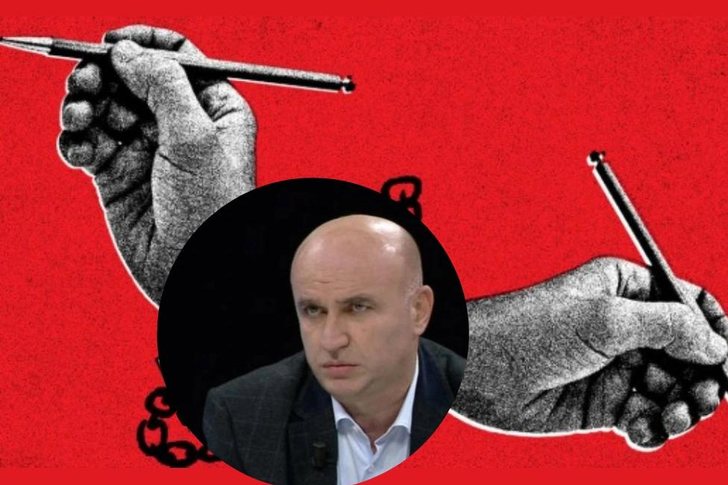
In the modern history of political propaganda, the name of...
One of the most disturbing elements of the way Erion Velia...
In one of his writings, of course, paid for, commissioned,...
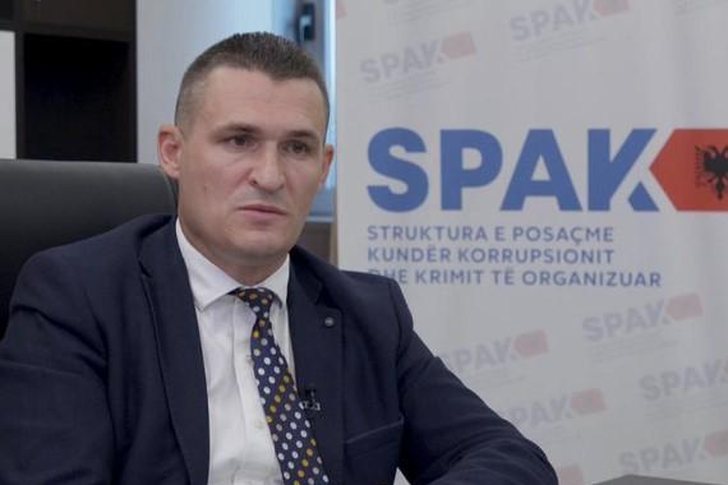
Former head of SPAK, currently a prosecutor in hot cas...
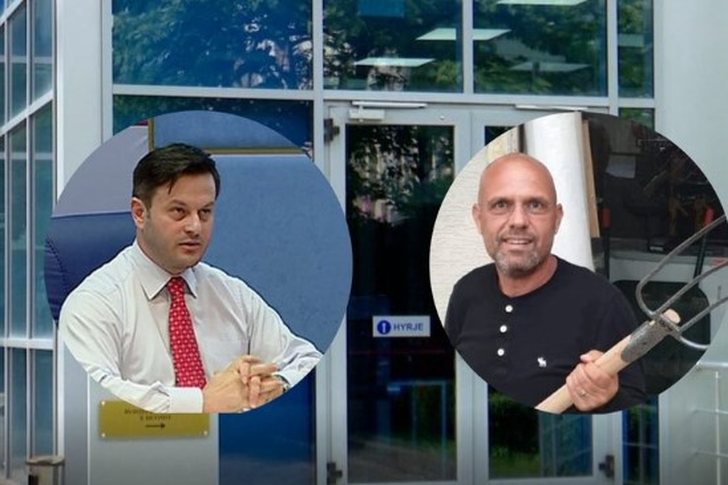
Repeatedly, some characters, who are already public, who c...
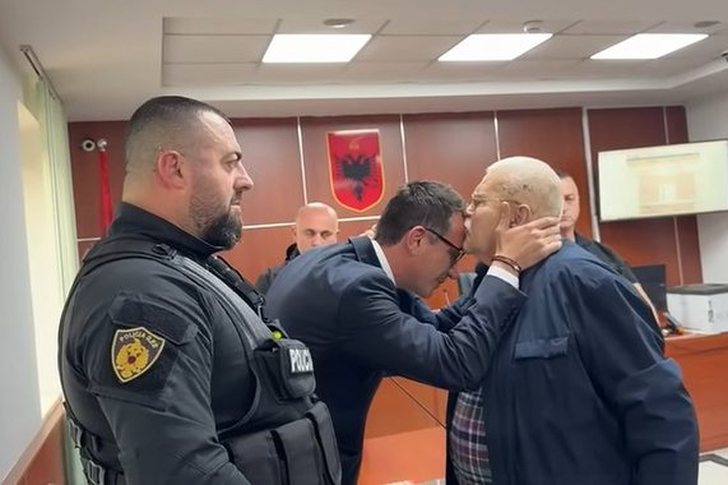
It is an unbelievable comparison because the legend of our...

The Supreme Court, for yesterday's "unifying" decision, to...
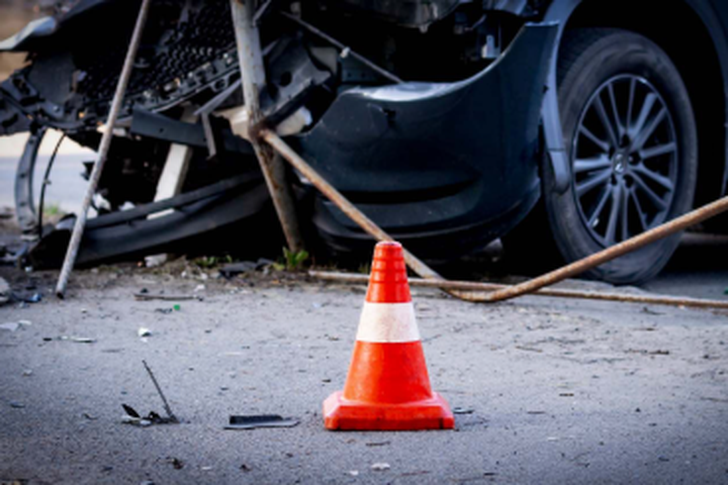
Shortly after the murders in Durrës, a crime reporter coll...

For the past 10 months, 13 serious criminal charges have b...
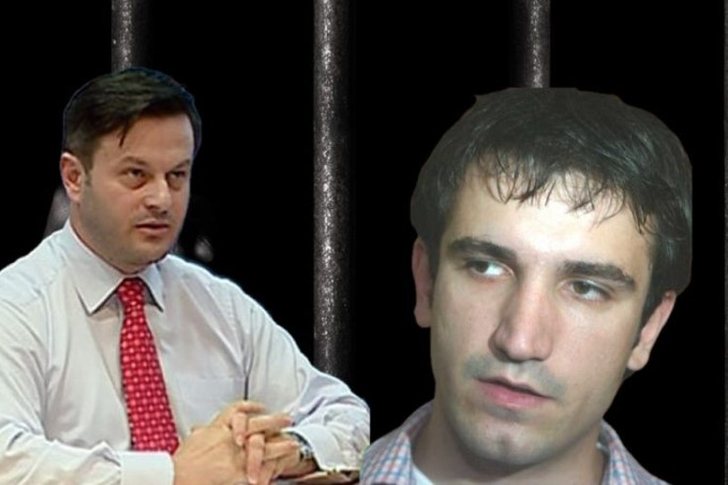
Two days ago, a piece of news took over the media. Plarent...
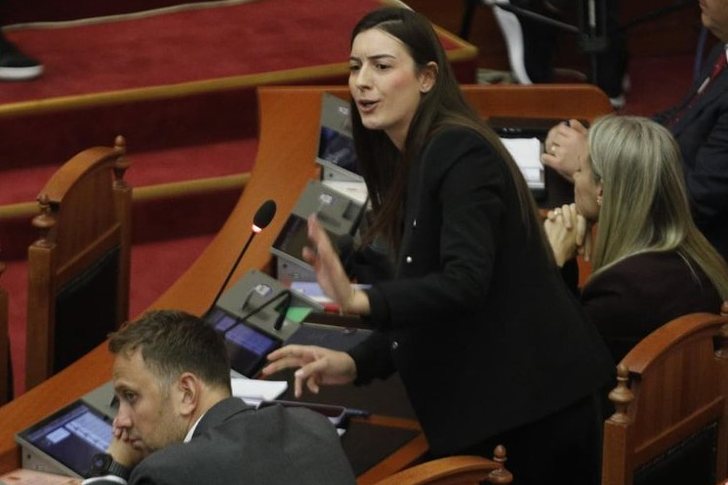
Zegjine Çaushi, from the 2021 elections, became a soci...
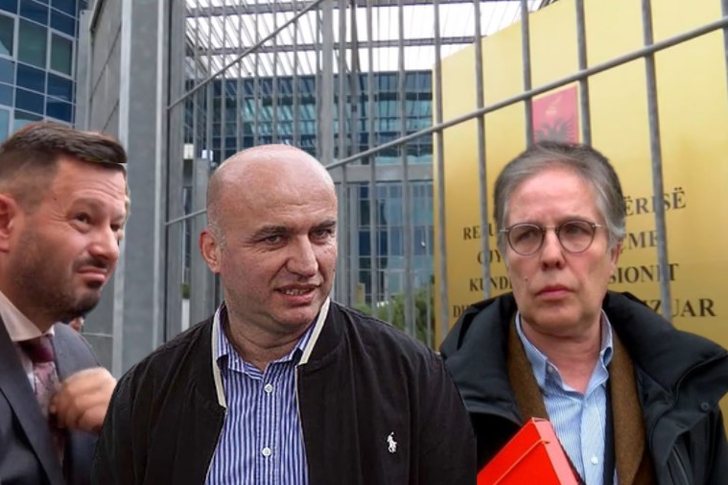
When you hear Plarent Ndreca speaking so confidently about...
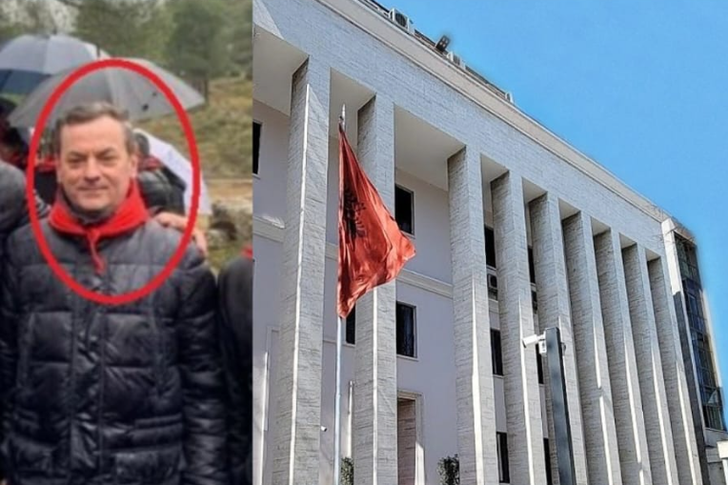
At a joint meeting of the High Prosecutorial Council and t...
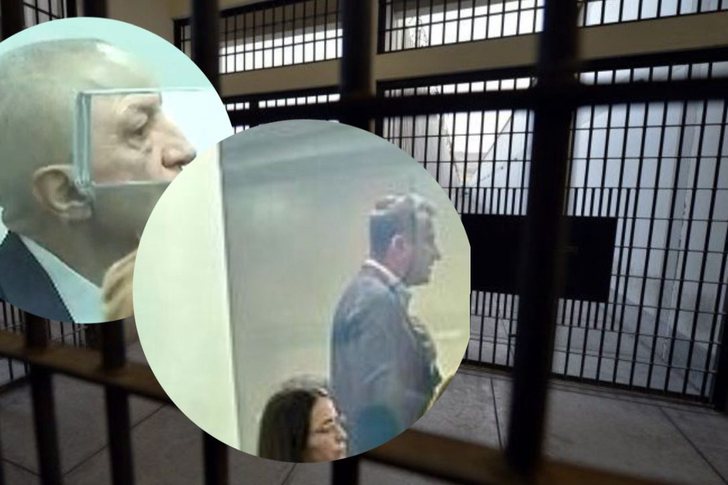
Pamjet e ish-presidentit dhe ish-kryeministrit Ilir Meta d...
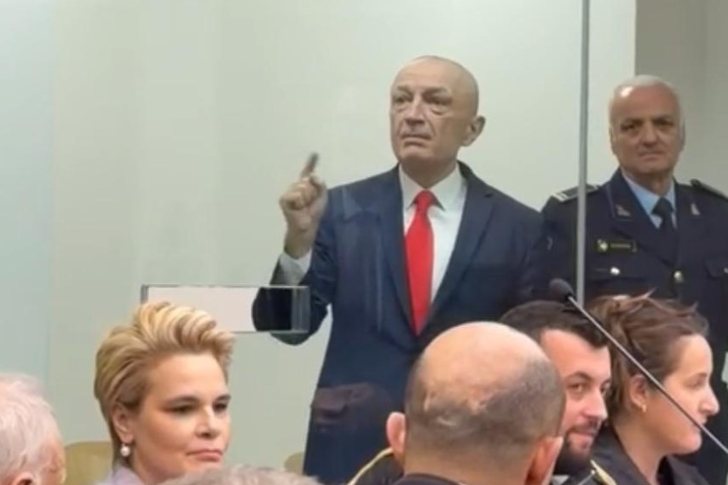
Former President Ilir Meta has been using his political rh...
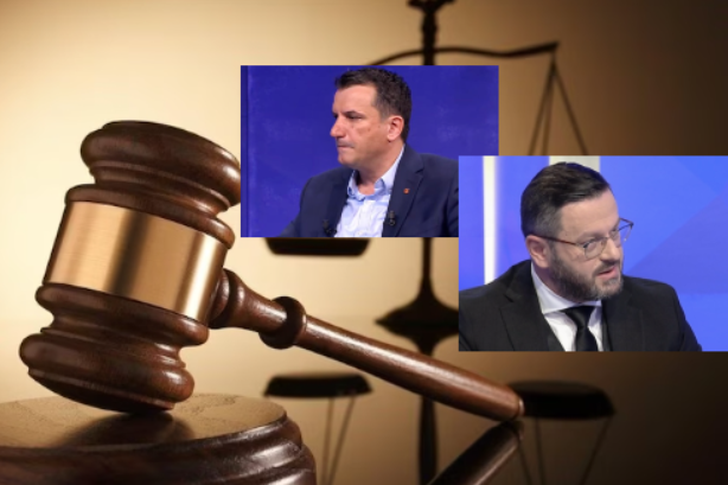
For several weeks, since March 24, Plarent Ndreca, SPAK's ...
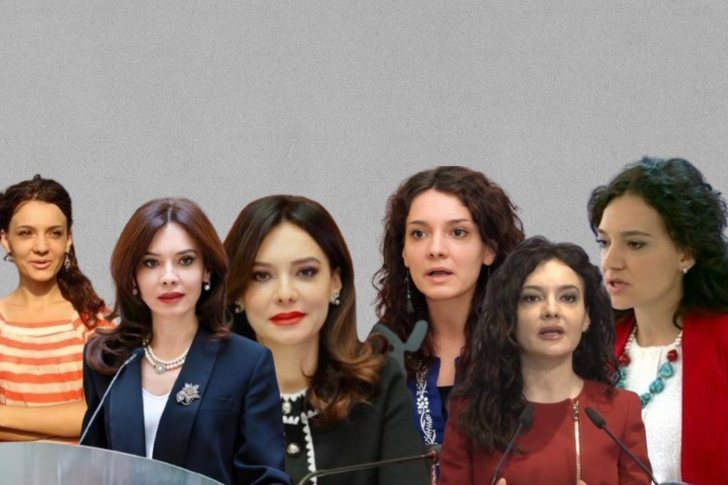
A girl introduced to politics by "Mjaft", an organization ...

A building at "Farmacia 10", built by the "Arlis" company,...
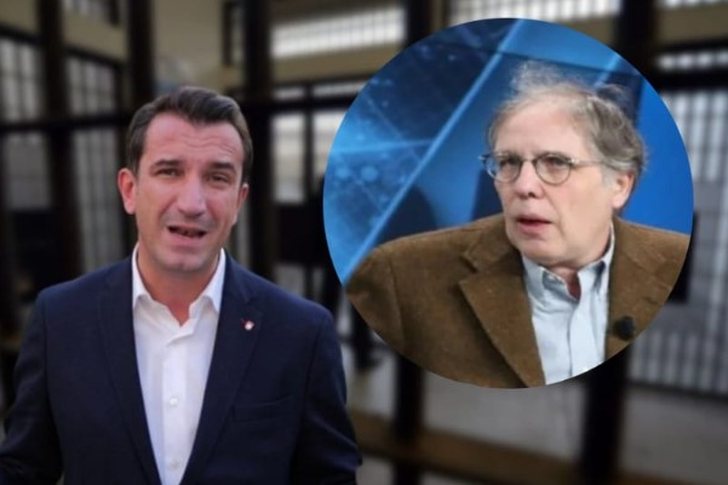
At the Tirana Criminal Court, the day before, at around 1:...
Today, MP Belind Këlliçi and member of the DP National Cou...

The mayor of Tirana, Erion Veliaj, arrested on 13 charges ...

Qytetarët që kalojnë pasditen pranë Liqenit Artificial në ...
On the morning of July 7, 2026, the Ministry of Culture ur...
After the disclosure of the portfolio of properties an...

The Special Board of Appeal (KPA) decided this Monday ...

The KPA vetting decided this Thursday to dismiss the p...

Suela Salavaçi, a prosecutor in the Prosecutor's Offic...

The Special Board of Appeal reinstated the prosecutor ...

A serious accident occurred this afternoon on the Elbasan-...

The Police Supervision Agency has arrested two police offi...

The 18-year-old who stabbed a citizen in the premises of t...

A road accident occurred this Thursday on the Tirana-Elbas...

Today, our country will remain under the influence of stab...
Today, our country will remain under the influence of stab...

The latest report compiled by the European Transport Safet...

The Albanian woman is on average 2 years older than the Al...

A magnitude 5.9 earthquake struck New Zealand's South Isla...
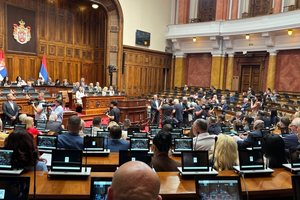
The only Albanian MP in the Serbian Parliament, Shaip Kamb...
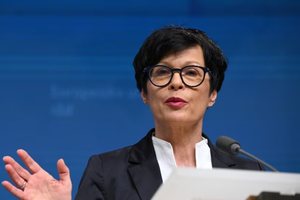
European Union Enlargement Commissioner Marta Kos has reac...

In the Chamber of Deputies (Camera dei Deputati) in Rome, ...

Master of humor Todi Llupi has passed away at the age of 7...

The ninth edition of "MIK Festival" kicked off with one of...

A historic evening for Albanian culture was marked in the ...

When I turned 10, another building was built in front of o...

Around 97,100 people are employed in regulated professions...
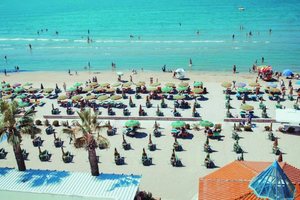
Albania continues to be the main destination for vacatione...

This Thursday, one US dollar is bought for 81.1 lek an...

Beekeeping has expanded significantly in recent years, bec...