


Fire at the waste field in Kruja/ Toxic smoke covers the area
The waste field in Kruja has been engulfed in flames since...

The waste field in Kruja has been engulfed in flames since...


Businesses will no longer be required to simply register the name of the person appearing as the beneficial owner.
The new draft law "On the Register of Beneficial Owners", already in consultation, requires entities to document how they have identified the real owner, the links in the ownership structure, and the mechanism through which ultimate control is exercised.
According to the draft, reporting entities must "maintain appropriate, accurate and up-to-date data and accompanying documents", on the basis of which the beneficial owners and the type of control exercised by them are determined.
The obligation is not limited to documents proving direct ownership of shares. The draft law defines beneficial owner as the individual who owns or “ultimately controls” a legal entity, through shares, quotas, voting rights, participation in capital or “control through other means”.
For structures with several intermediary companies, the draft foresees tracking indirect ownership at all levels. The participations in each link of the chain should be multiplied, while the results of the different chains should be added together.
The text requires that this assessment take into account “all shares at every level of ownership.” When the shareholder of an Albanian company is another legal entity, the entity must trace the structure back to the individual at the end of the chain and retain the documents on which the calculation was based.
The draft law also addresses cases where control does not stem solely from a percentage of capital. The new definitions include management and supervisory functions and agreements that may give a person influence over decision-making.
The draft defines a “formal appointment agreement” as a contract where one person instructs another to act on his behalf, for example as a director, shareholder or founder. Agreements between partners, powers of attorney, management contracts and acts indicating who appoints or instructs the directors may be relevant to identifying effective control. For non-profit organizations, ultimate effective control relates to the person who determines the decisions or controls the selection, appointment and removal of the majority of the decision-making or executive bodies.
More detailed rules are also established for trusts and similar legal arrangements. For these structures, the creator, the trustee or trustee, the protector, the beneficiaries, and any other individual who exercises ultimate control must be identified.
The register must also contain data on the act of establishment, purpose, assets managed and the place from which the organization is managed. The information declared will not remain isolated in the register. According to the draft law, the Register of Beneficial Owners must collect data from other state registers in real time, while the National Business Center will be responsible for their administration, processing and storage.
Documentary control takes on weight when banks, financial institutions or other obliged entities find that the information in the register does not match the data collected during customer verification. In these cases, the company must update the information, if the discrepancy is correct, or confirm the existing data.
The registry was created following international demands for more transparency.
The Law on the Registry of Beneficial Owners was adopted in the context of strengthening ownership transparency and implementing international recommendations against money laundering.
In December 2018, MONEYVAL, the Council of Europe body that evaluates national systems against money laundering and terrorist financing, urged Albania to improve the effectiveness of the system. In June 2019, the Parliament adopted five laws aimed at addressing the institution’s recommendations and strengthening the preventive framework.
The FATF, the intergovernmental body that sets global standards against money laundering and terrorist financing, included Albania in February 2020 on the list of jurisdictions under enhanced monitoring, known as the “grey list.” Albania exited this monitoring on October 27, 2023, after the FATF assessed that the country had completed its action plan.
The legal framework for beneficial ownership was also established in the same period. The European Commission reported that the law establishing the registry was adopted in July 2020, while the registry became operational at the end of June 2021, with data from businesses and non-profit organizations.
In June 2023, MONEYVAL assessed that Albania had improved technical compliance with FATF Recommendation 25, which relates to transparency and beneficial ownership of trusts and other legal arrangements.
The European Commission's report on Albania 2025 also highlighted that "the Beneficial Ownership Register is functional," but another official Commission document, related to the programming of funding for the Western Balkans, highlighted that despite this, challenges continue in implementing anti-money laundering laws and in fully implementing the register./ Monitor


Despite economic growth and income in recent years, Albani...

This Wednesday, one US dollar is bought for 81.4 lek and s...

Construction company licenses will have a validity period ...

The Centralized Purchasing Operator recently opened a tend...
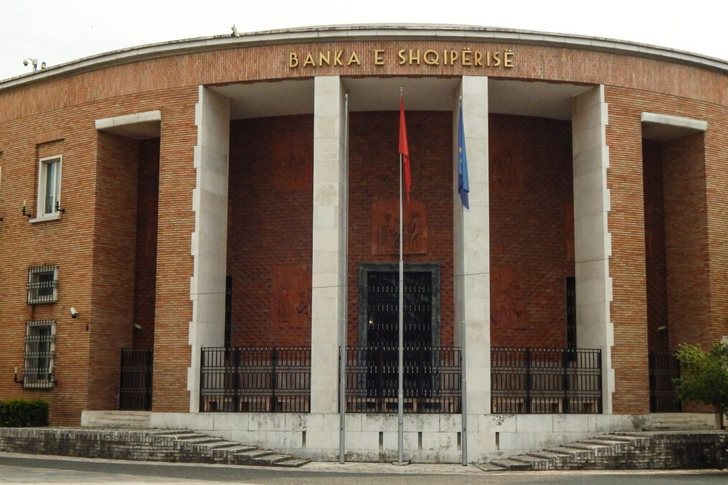
The new draft law "On the Bank of Albania" provides that t...

This Tuesday, one US dollar is bought for 81.2 lek and sol...
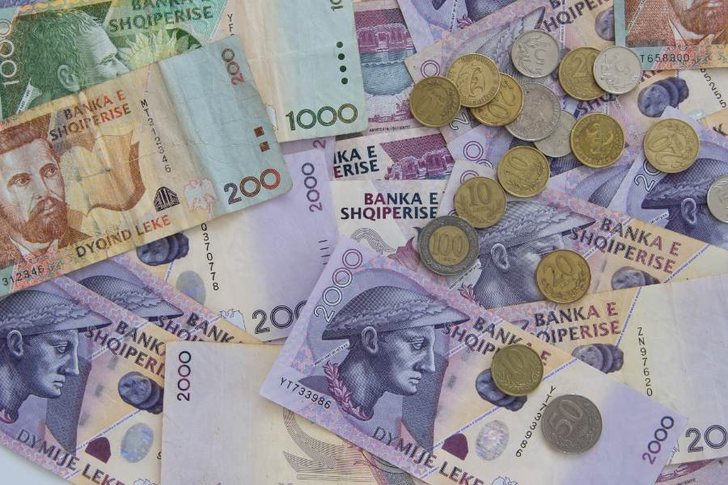
Deputy Minister of Economy and Innovation, Enkelejd Musabe...
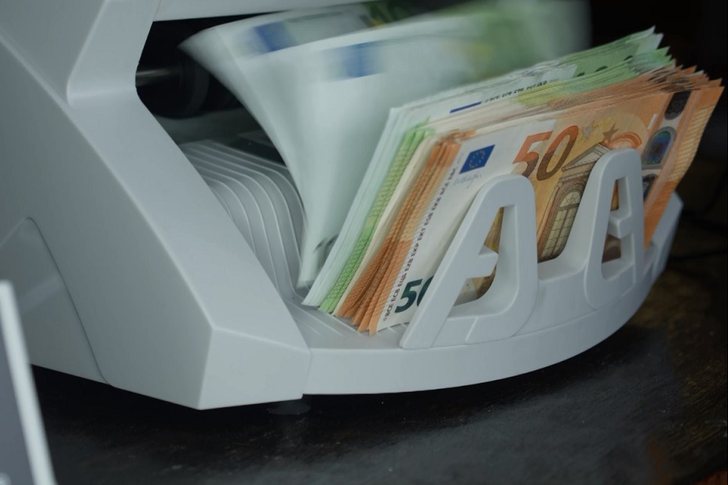
This Monday, one US dollar is bought for 81 lek and sold f...

In Golem and Durrës, the season seems dynamic: buses with ...

This Sunday, one US dollar is bought for 81 lek and sold f...
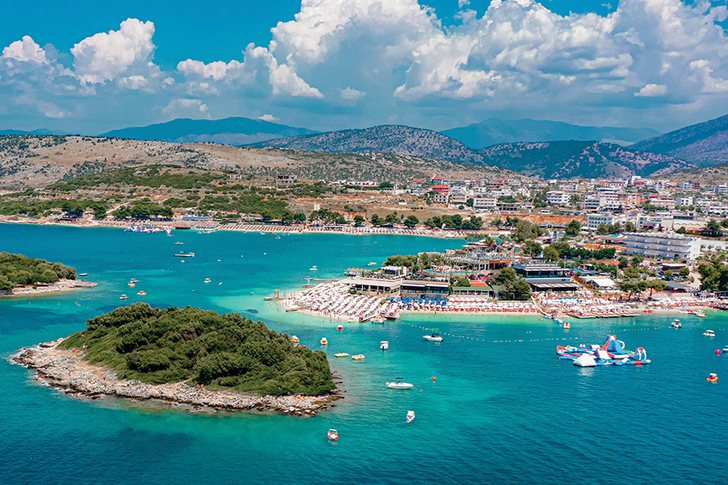
INSTAT statistics for May show an increase in tourism, wit...

Albania needs higher wages, but more than that. It needs a...

This Saturday, one US dollar is bought for 81.2 lek and so...

The Albanian economy continued to expand in early 2026, bu...
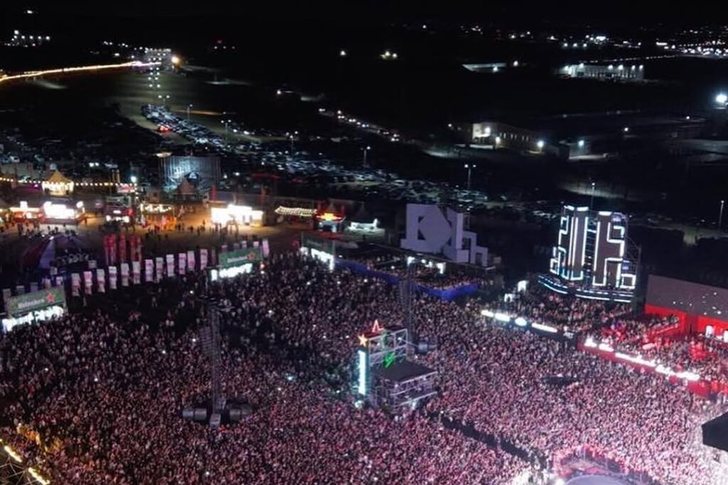
For three days of festival, up to 120 euros just for parki...
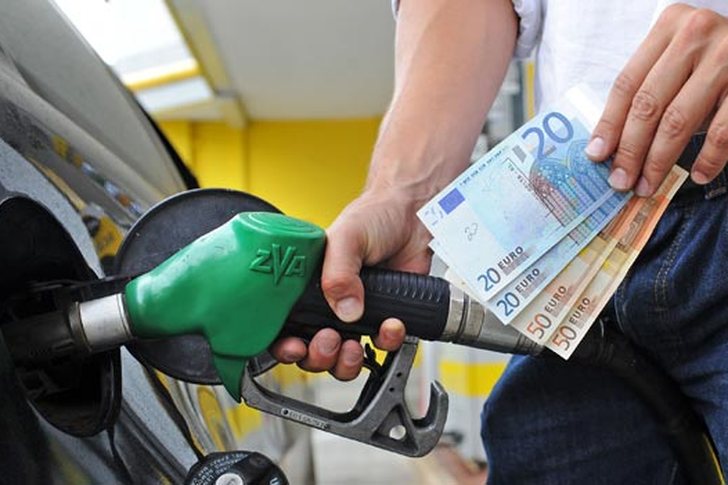
Oil prices have risen again in recent days on internationa...
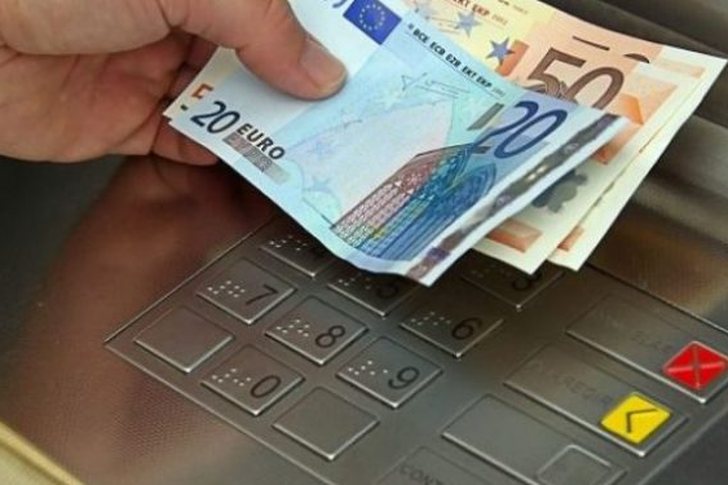
This Friday, one US dollar is bought for 81.2 lek and sold...

Around 97,100 people are employed in regulated professions...

Albania continues to be the main destination for vacatione...

This Thursday, one US dollar is bought for 81.1 lek an...

CNA has launched another investigation that could lead to ...

Irfan Hysenbelliu is a businessman that we call "Irfan the...

In March 2026, CNA launched another investigation centered...
The arrested mayor of Tirana, Erion Veliaj, with 13 charge...

The Special Board of Appeal (KPA) decided this Monday ...

The KPA vetting decided this Thursday to dismiss the p...

Suela Salavaçi, a prosecutor in the Prosecutor's Offic...

The Special Board of Appeal reinstated the prosecutor ...

A road accident occurred this evening on Nikolla Zoraqi St...

Three people were shot and wounded in Elbasan last night b...

A serious incident occurred this Tuesday in the Yrshek are...

An accident occurred this Tuesday on "Dituria" street in K...

This Wednesday, our country will be under the influence of...

All of Southern Europe will face changing weather conditio...

Albania was hit by temperatures significantly higher than ...

For the first time, Pogradec welcomed the Inter-Lake Chess...

Prime Minister Andy Burnham has announced that most bus fa...

France's parliament has passed a law to ban social media f...

US Secretary of State Marco Rubio arrived in Manila on Jul...

In the space of a few days, Ukrainian President Volodymyr ...

At a time when industrial products are increasingly taking...

Trust among people is not just a three-syllable word. It c...

Master of humor Todi Llupi has passed away at the age of 7...

The ninth edition of "MIK Festival" kicked off with one of...

Businesses will no longer be required to simply register t...

Despite economic growth and income in recent years, Albani...

This Wednesday, one US dollar is bought for 81.4 lek and s...

Construction company licenses will have a validity period ...