

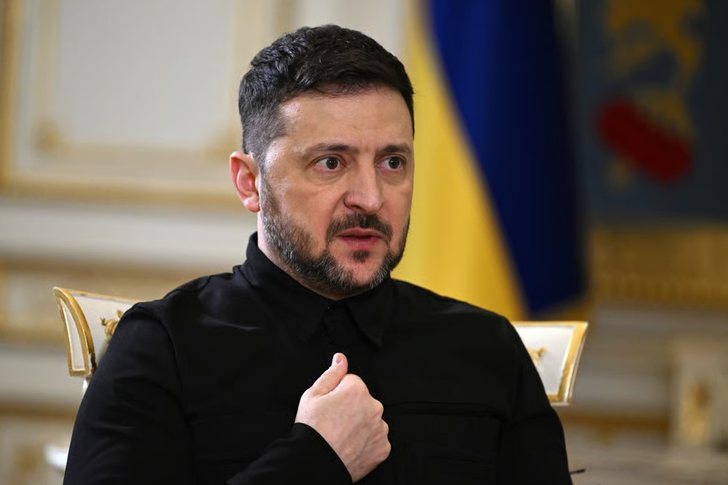
After the Defense Minister/ Another dismissal by Zelensky shocks the Ukrainian military
In the space of a few days, Ukrainian President Volodymyr ...


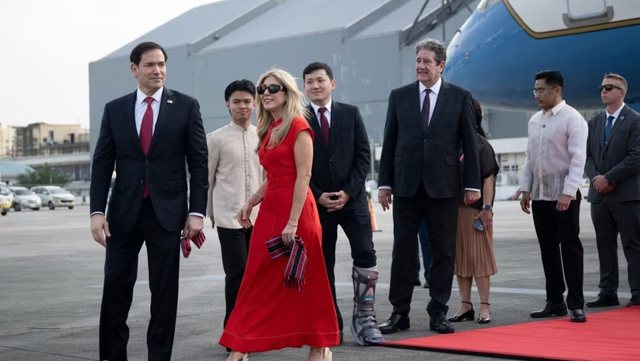
US Secretary of State Marco Rubio arrived in Manila on July 21 for his first visit to the Philippines as the US's top diplomat. He will attend the Association of Southeast Asian Nations (ASEAN) ministerial meeting.
The meeting takes place at a time when international attention is focused on the new conflict with Iran and rising tensions in the South China Sea.
Rubio's visit also comes at a time when Washington aims to strengthen its strategy in the Indo-Pacific region and provide reassurance to its allies in the face of crises ranging from the Middle East to Russia's war in Ukraine.
Rubio said he is open to meeting on the sidelines of the ASEAN meetings with Chinese Foreign Minister Wang Yi and Russian Foreign Minister Sergei Lavrov, although no official meeting had been confirmed prior to his arrival.
"I wouldn't tell you in a press conference what we would discuss in such meetings. These are delicate issues," Rubio said before departing for Manila.
Shortly after his arrival, the US State Department issued a harsh statement regarding the situation in the South China Sea, calling on Beijing to "immediately cease its destabilizing actions."
The statement condemned China's "dangerous and aggressive actions" against Philippine Navy personnel in the area of ??"Second Thomas Shoal" - a disputed underwater reef where, on July 20, a confrontation between the Chinese coast guard and Filipino sailors left a Filipino soldier injured.
Energy security
Although Washington's main focus is expected to be China and the escalating conflict with Iran, the meetings also take place against the backdrop of other global crises, including Russia's war against Ukraine.
Analysts interviewed by Radio Free Europe assess that Southeast Asian governments are increasingly viewing these geopolitical challenges through the prism of energy security, not just military competition.
"The region is not choosing sides, but diversifying its exposure," Peter Cockcroft, director of the Asia-Pacific Institute for Climate Neutrality and former strategic advisor to Philippine presidents, told Radio Free Europe.
"A crisis at a key shipping point, thousands of kilometers away, has made ASEAN focus more on energy security than on rhetoric about US-China rivalry," he added.
Sipas Cockcroftit, ndonëse Tajvani, Deti i Kinës Jugore dhe aleancat ushtarake mbeten tema të rëndësishme, qeveritë e rajonit janë gjithnjë e më të shqetësuara për çmimet e karburanteve, koston e energjisë elektrike, rrugët detare të transportit, inflacionin, presionin mbi monedhat kombëtare dhe stabilitetin politik të brendshëm.
“Siguria energjetike po bëhet një element vendimtar i sigurisë strategjike në Azinë Juglindore”, tha ai.
Ky ndryshim, sipas analistëve, mund ta vështirësojë mesazhin e Rubios në Manila.
Ndërsa SHBA-ja pritet t’u ofrojë aleatëve garanci në fushën e sigurisë, shumë vende të ASEAN-it janë duke i vlerësuar partnerët strategjikë edhe sipas aftësisë së tyre për të siguruar energji me çmime të përballueshme, zinxhirë furnizimi të qëndrueshëm dhe stabilitet ekonomik.
Konflikti me Iranin ndryshon llogaritjet strategjike
Sipas analistëve, konflikti me Iranin është bërë një faktor përcaktues në mënyrën se si vendet e Azisë Juglindore e shohin sigurinë e tyre, pasi ka nxjerrë në pah varësinë e rajonit nga energjia e Lindjes së Mesme dhe cenueshmërinë e rrugëve detare përmes Ngushticës së Hormuzit.
“Kriza në Hormuz nuk e krijoi cenueshmërinë energjetike të ASEAN-it, por vetëm e zbuloi atë”, tha Cockcroft.
Sipas tij, kriza po i shtyn vendet e rajonit t’i diversifikojnë burimet e energjisë.
Ato përfshijnë blerjen e energjisë ruse dhe iraniane me çmime të ulëta, zgjerimin e bashkëpunimit energjetik me Kinën dhe përshpejtimin e zhvillimit të burimeve vendore.
“ASEAN-i mund ta diskutojë krizën si grup, por secili shtet do t’i menaxhojë pasojat në mënyrë individuale”, tha ai.
Para nisjes për në Manila, Rubio deklaroi se SHBA-ja mbetet e hapur për diplomaci me Teheranin, pavarësisht operacioneve ushtarake që po zhvillohen.
“Sjellja e tyre duhet të ndryshojë që të ndryshojë edhe e jona”, tha ai, duke theksuar se Uashingtoni mbetet i gatshëm për negociata.
Rubio shtoi, gjithashtu, se mbrojtja e transportit detar ndërkombëtar nuk duhet të jetë përgjegjësi vetëm e SHBA-së.
“Nuk është detyra e Shteteve të Bashkuara që përgjithmonë të mbrojnë transportin detar të të gjithë planetit”, tha ai, duke u bërë thirrje vendeve të tjera që të kontribuojnë më shumë për sigurinë detare.
Balancimi mes Uashingtonit dhe Pekinit
Për disa analistë, konflikti me Iranin po përshpejton një prirje që kishte nisur prej kohësh në politikën e jashtme të vendeve të Azisë Juglindore.
Chester Cabalza, themelues dhe president i Institutit Bashkëpunimi Ndërkombëtar për Zhvillim dhe Siguri në Manila, tha se kriza me Iranin “ka përshpejtuar strategjinë e balancimit” të vendeve të ASEAN-it mes SHBA-së dhe Kinës.
“Rajoni i mbijetoi luftës tregtare SHBA-Kinë, vetëm për t’u përballur tani me një luftë globale për burimet”, tha ai.
Sipas Cabalzas, investimet afatgjata të Kinës përmes nismës “Brezi dhe Rruga” kanë forcuar pozitën ekonomike të Pekinit, ndërsa SHBA-ja ka mbetur prapa.
"Washington's belated economic entry gave Beijing the ideal opportunity to integrate regional markets, forcing the US to try to recover lost ground," he said.
He added that energy security "may outweigh the West's geopolitical priorities" in the region.
"Southeast Asian countries may be forced to approach non-Western energy suppliers, including cheaper energy from Russia and Iran, as a political necessity," Cabalza said.
Cockcroft also said he expects ASEAN countries not to support expanding sanctions on Russian or Iranian energy, but to pursue pragmatic policies to protect their economies, including alternative payment mechanisms and diversified energy sources.
Possibility of meeting with Lavrov
Russia's war in Ukraine is also expected to be part of discussions at the ASEAN meetings, as Rubio said he is willing to meet with Russian Foreign Minister Sergei Lavrov if their agendas align.
The Kremlin publicly welcomed the possibility of contact between the two diplomats during the meeting in Manila.
As ASEAN foreign ministers gather in the Philippine capital, analysts say the success of Rubio's visit will depend not only on American security guarantees, but also on Washington's ability to provide convincing answers to the region's concerns about energy prices, inflation, supply chain sustainability and economic stability. /REL

In the space of a few days, Ukrainian President Volodymyr ...
The spokesman for the Iranian Foreign Ministry warned Bulg...

Autoritetet italiane sekuestruan pako me afër 800 kilogram...
Greece has taken several emergency measures to protect wor...
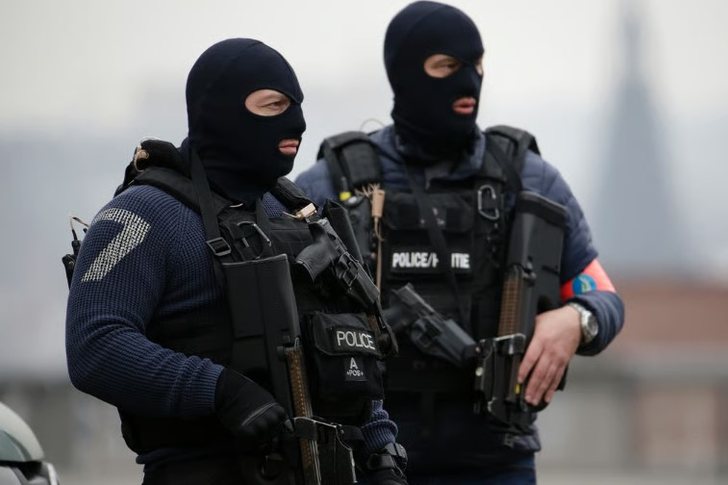
An operation led by Europol, through authorities in severa...
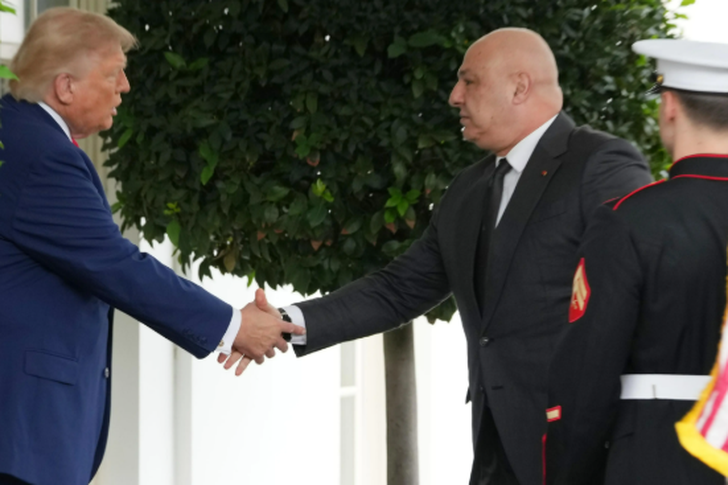
US President Donald Trump hosted the Lebanese president at...
The European Union has criticized the decision of the acti...

An earthquake measuring 5.0 on the Richter scale struck so...
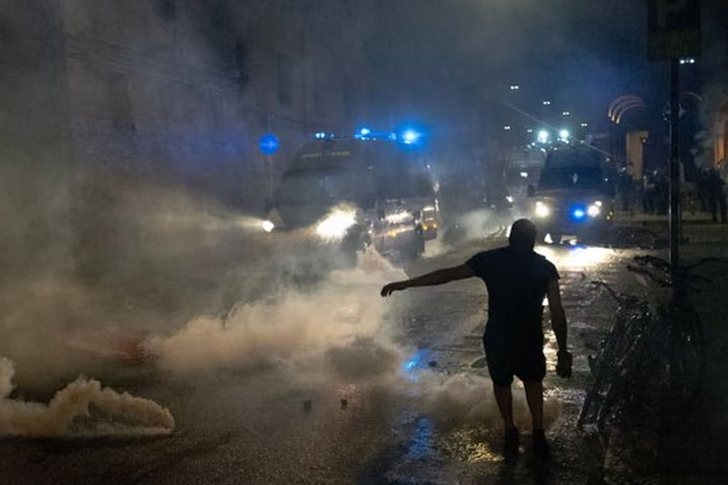
Clashes between police and protesters have erupted in the ...
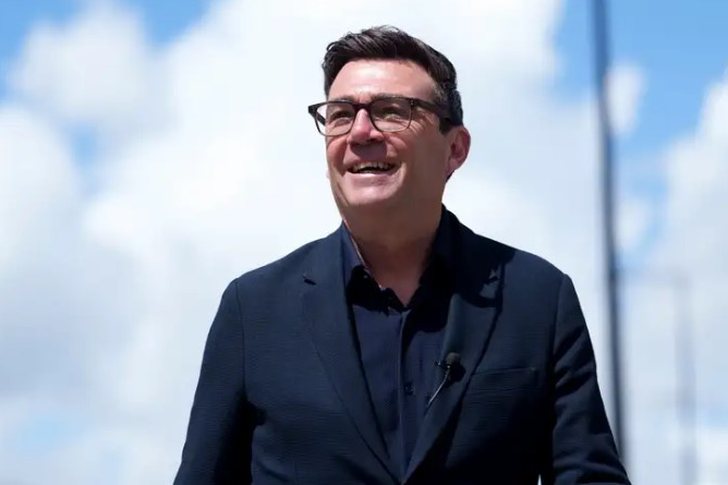
The United Kingdom's new Prime Minister, Andy Burnham, has...
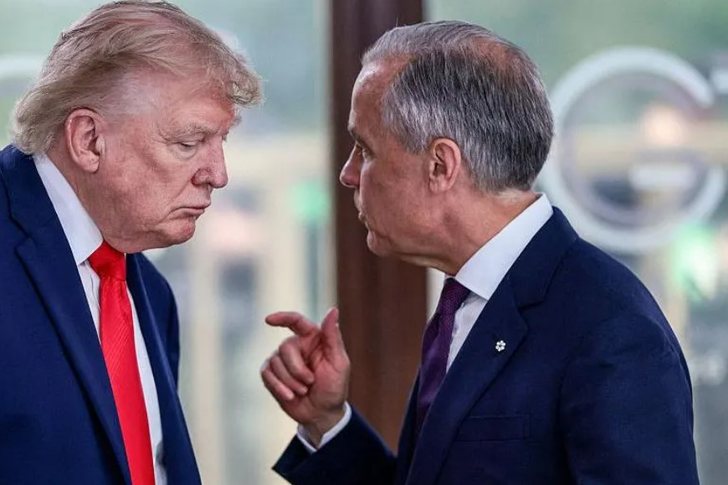
United States President Donald Trump has imposed 50% tarif...

US President Donald Trump responded with harsh rhetoric to...
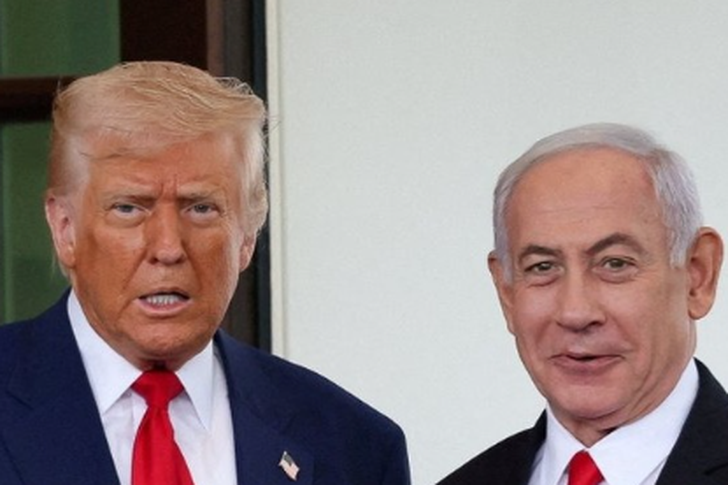
US President Donald Trump said on Monday that Israeli Prim...

Hungary's Prime Minister, Péter Magyar, took many people b...
The mediators in the Middle East conflict between the Unit...
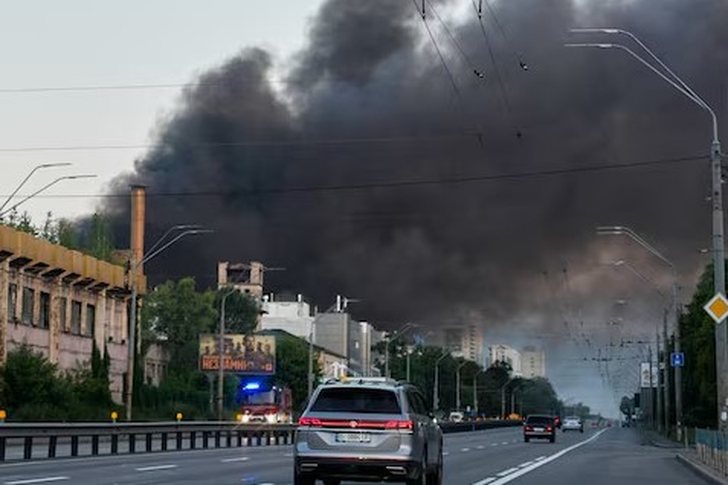
More than 400 Ukrainian drones were launched overnight tow...
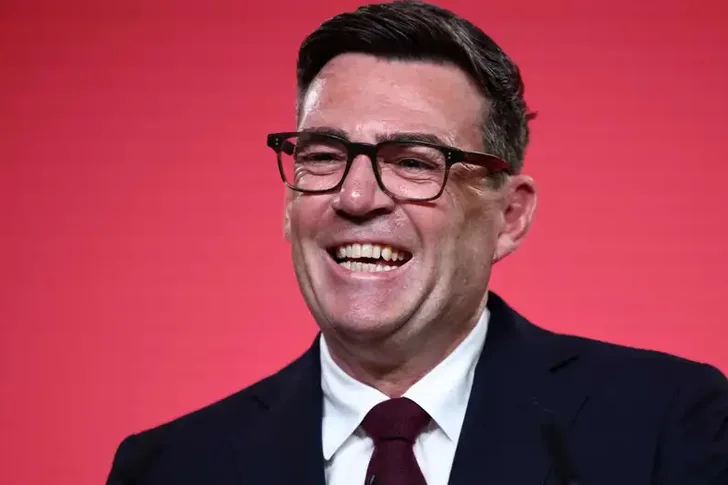
The next British Prime Minister, Andy Burnham, aims to str...
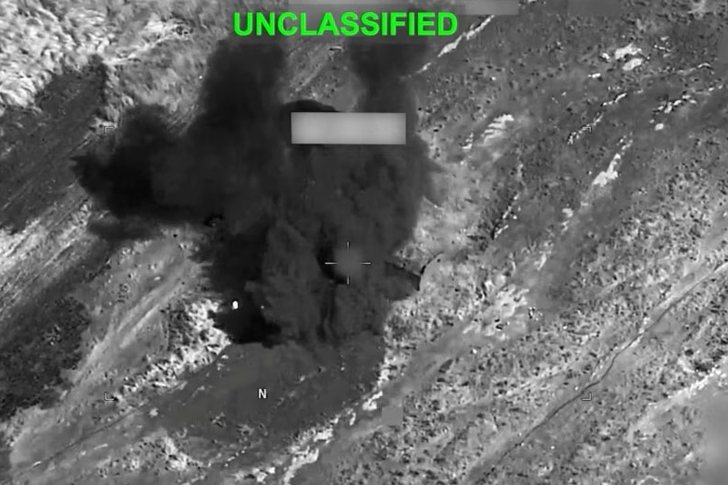
The United States Central Command (CENTCOM) said it has at...
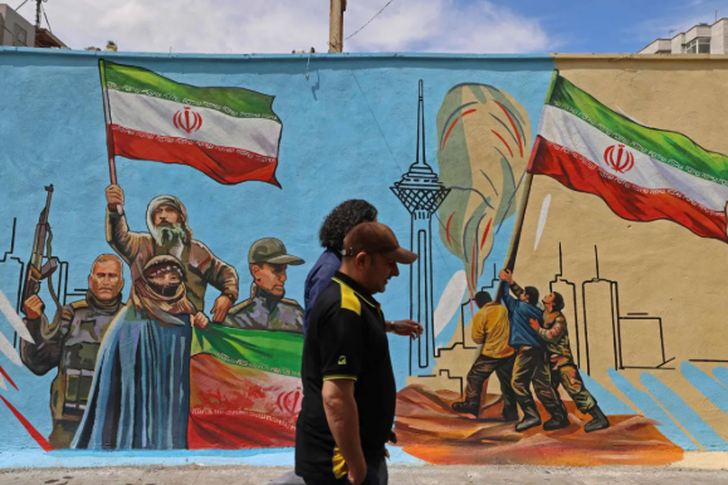
The ceasefire between the United States and Iran has essen...
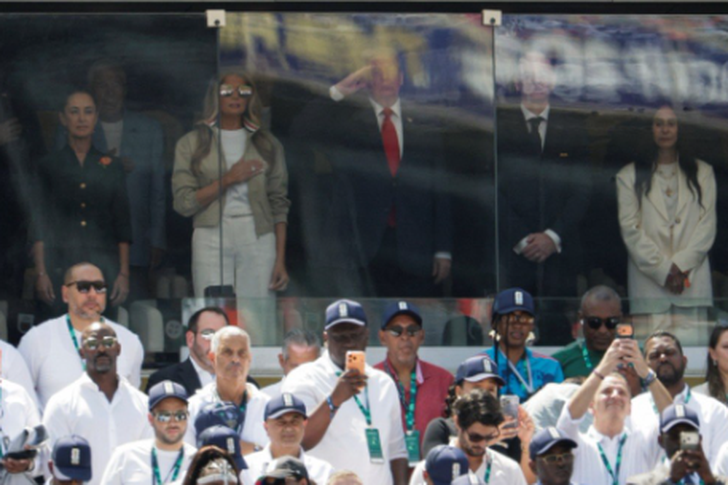
US President Donald Trump has officially arrived at the Ne...

CNA has launched another investigation that could lead to ...

Irfan Hysenbelliu is a businessman that we call "Irfan the...

In March 2026, CNA launched another investigation centered...
The arrested mayor of Tirana, Erion Veliaj, with 13 charge...

The Special Board of Appeal (KPA) decided this Monday ...

The KPA vetting decided this Thursday to dismiss the p...

Suela Salavaçi, a prosecutor in the Prosecutor's Offic...

The Special Board of Appeal reinstated the prosecutor ...

A road accident occurred this evening on Nikolla Zoraqi St...

Three people were shot and wounded in Elbasan last night b...

A serious incident occurred this Tuesday in the Yrshek are...

An accident occurred this Tuesday on "Dituria" street in K...
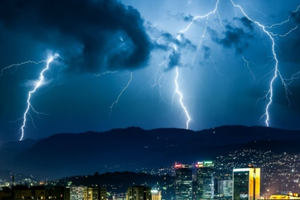
All of Southern Europe will face changing weather conditio...
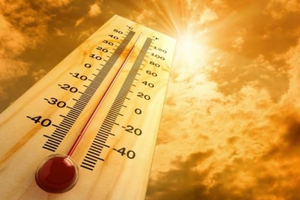
Albania was hit by temperatures significantly higher than ...

For the first time, Pogradec welcomed the Inter-Lake Chess...

Albania has achieved a record for the employment of foreig...
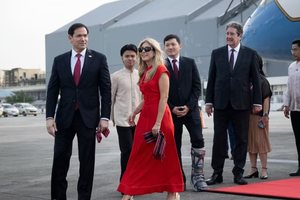
US Secretary of State Marco Rubio arrived in Manila on Jul...
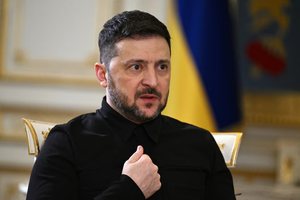
In the space of a few days, Ukrainian President Volodymyr ...
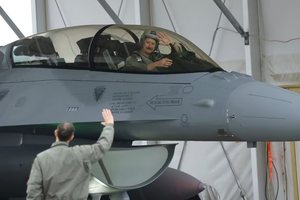
The spokesman for the Iranian Foreign Ministry warned Bulg...

Autoritetet italiane sekuestruan pako me afër 800 kilogram...

At a time when industrial products are increasingly taking...

Trust among people is not just a three-syllable word. It c...

Master of humor Todi Llupi has passed away at the age of 7...

The ninth edition of "MIK Festival" kicked off with one of...

Construction company licenses will have a validity period ...
The Centralized Purchasing Operator recently opened a tend...
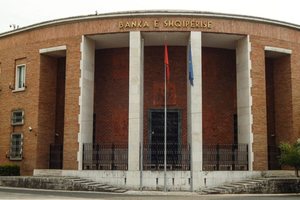
The new draft law "On the Bank of Albania" provides that t...

This Tuesday, one US dollar is bought for 81.2 lek and sol...