


Fire at the waste field in Kruja/ Toxic smoke covers the area
The waste field in Kruja has been engulfed in flames since...

The waste field in Kruja has been engulfed in flames since...

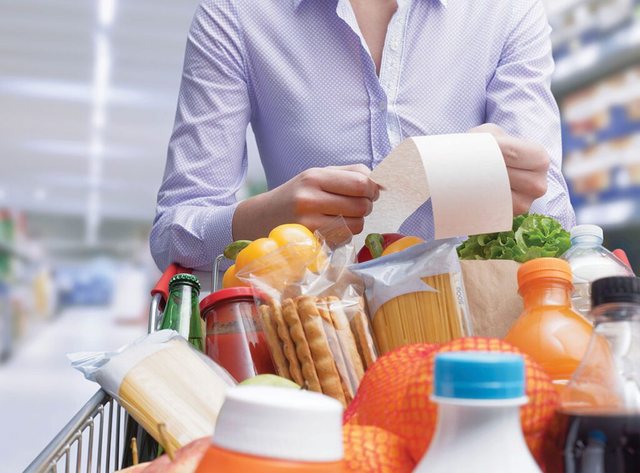
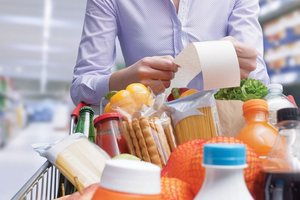
Despite economic growth and income in recent years, Albania remains an economy where a very large portion of financial resources is still used for food security.
According to Eurostat data, processed by Monitor, Albania continues to have the highest share of food expenditures in relation to the size of the economy, leaving behind not only European Union countries, but also all other economies in the region.
Statistics show that nominal food spending in Albania reached 20.4% of Gross Domestic Product (GDP) in 2025, up from 20.5% the year before. This means that a value equivalent to about one-fifth of the entire annual output of the Albanian economy is used to purchase food.
The high share of food indicates that Albanian households continue to spend a large portion of their income on basic needs. In higher-income economies, food accounts for a much smaller share of spending, as households have more money left over for housing, transportation, education, health, culture, and entertainment.
What does the indicator measure?
The data are part of Eurostat's database on purchasing power parity, price levels and expenditures by consumption categories.
The indicator used in this case is "nominal expenditure as a percentage of GDP" and measures the total value of food expenditure in a country, relative to the size of its economy.
Albania over the entire region
Albania ranked first in the region in 2025, with food spending at 20.4% of GDP.
Close behind was Montenegro, where food represented 19.9% ??of GDP, up from 19.3% in 2024. In Bosnia and Herzegovina, the weight increased slightly from 19% to 19.1%.
In North Macedonia, food spending accounted for 17.9% of GDP in 2025, down from 18.2% a year earlier.
The average of candidate and potential candidate countries, excluding Turkey and Kosovo, was 15.9% of GDP, about 4.5 percentage points lower than in Albania.
Serbia had a significantly lower level than the rest of the Western Balkans. Food spending accounted for 12.8% of GDP in 2025, up from 12.7% in 2024.
For Kosovo, the published table does not contain separate data.
Europe spends much less on food
The gap with the European Union is even greater. In the 27 EU countries, food spending represented an average of 6.2% of GDP in 2025.
In Albania, the share of 20.4% was over three times higher than the European average. The difference amounted to 14.2 percentage points.
Even compared to the poorest EU countries, Albania had a much higher share. In Romania, food accounted for 12.9% of GDP, in Bulgaria 11%, while in Greece 11.2%.
In Croatia, the share was 10.2%, in Portugal 11.4%, while in Poland 9%.
In Italy, food spending represented 7.9% of GDP, while in Spain it was 6.6%.
In higher-income countries, the weight of food in the economy was much lower.
In Germany, food spending accounted for 5% of GDP, in France 5.8%, in Austria 4.6% and in Switzerland 4%. In Denmark and the Netherlands, the ratio was only 4.4%, while in Norway 3.3%. The lowest levels were recorded in Luxembourg, with 2.8% of GDP, and in Ireland, with just 2.1%.
Food prices are more expensive than the EU average, according to purchasing power parity.
One of the factors that increases the family budget for food is their expensive prices, in relation to income. Other Eurostat data revealed that in 2025, food prices for the first time became about 3% more expensive than the European Union average. Prices have increased rapidly, from 85% of the EU average in 2022, to 99.6% in 2024, to 102.9% in 2025.
Simply put, a food basket that costs an average of 100 euros in the European Union costs around 103 euros in Albania, measured according to purchasing power, while the per capita income of Albanians is less than half the European average (48%, according to individual consumption per capita).
Albania is also the most expensive in the region. Serbia ranks second with an index of 96.6, although prices there have also gradually increased from 91.5 in 2022. Montenegro and Bosnia and Herzegovina have almost the same price level, 84.6 respectively, while North Macedonia remains the cheapest country in the region at 74.3% of the EU average. Data for Kosovo is missing.
5 billion euros, one fifth of the economy, for food
In nominal terms, food spending in Albania amounts to around 5 billion euros per year. Per capita, each Albanian, according to Eurostat, spent 2,349 euros in 2025, a figure that is comparable to the European Union average of 2,576 euros. Albania is surpassed in the region only by Montenegro (2,613 euros), but which has salaries that are almost 40% higher than in Albania. Macedonians (1,666), Bosnia and Herzegovina (1,620), and Serbia (1,735) spend less on food./ Monitor

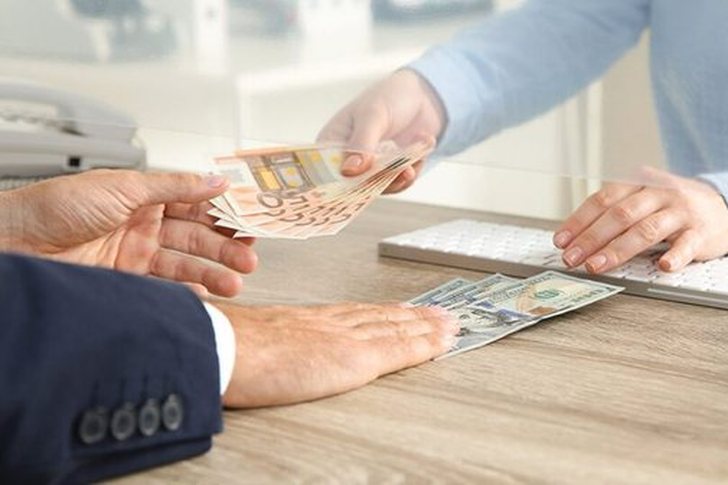
This Wednesday, one US dollar is bought for 81.4 lek and s...
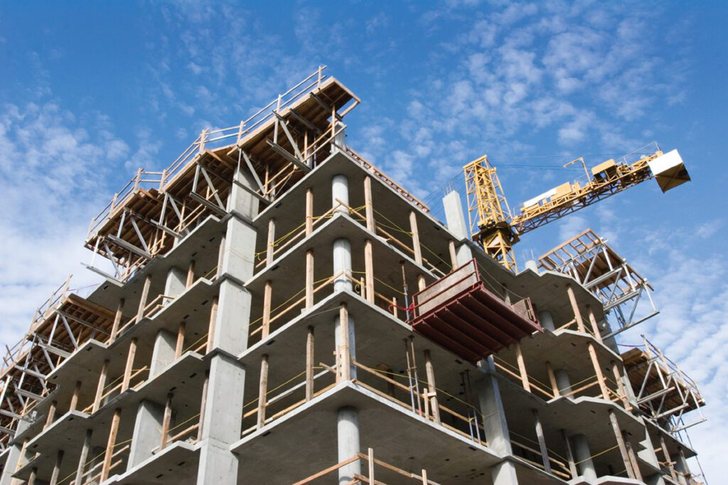
Construction company licenses will have a validity period ...
The Centralized Purchasing Operator recently opened a tend...
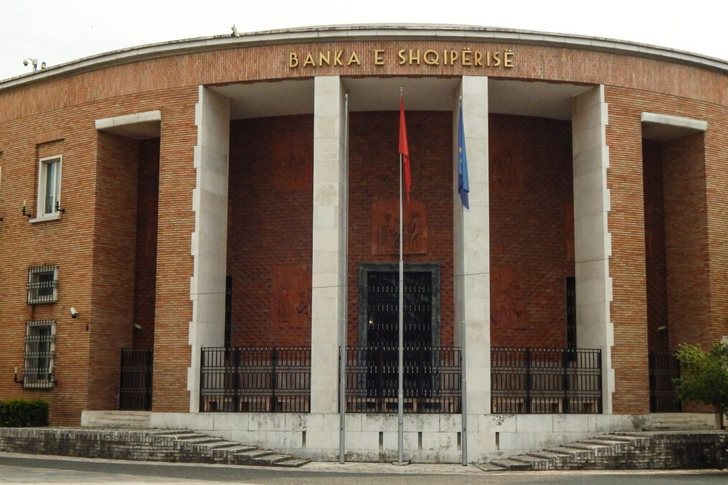
The new draft law "On the Bank of Albania" provides that t...
This Tuesday, one US dollar is bought for 81.2 lek and sol...
Deputy Minister of Economy and Innovation, Enkelejd Musabe...
This Monday, one US dollar is bought for 81 lek and sold f...
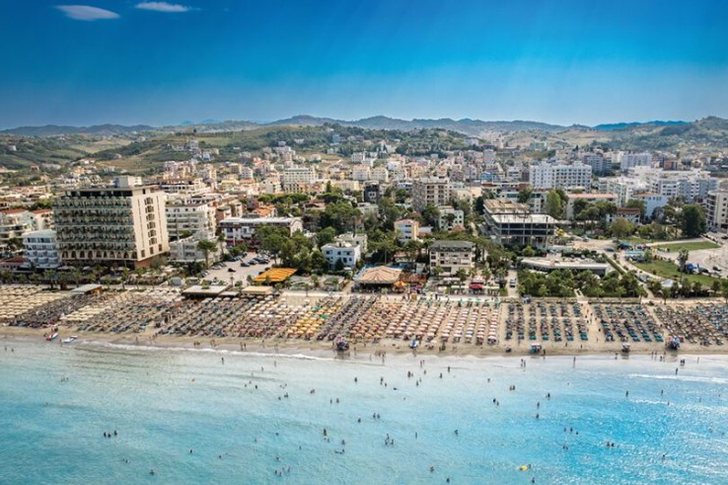
In Golem and Durrës, the season seems dynamic: buses with ...
This Sunday, one US dollar is bought for 81 lek and sold f...
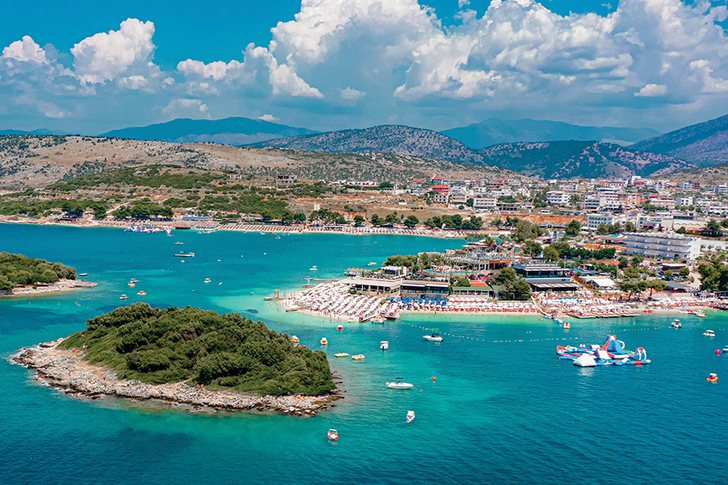
INSTAT statistics for May show an increase in tourism, wit...
Albania needs higher wages, but more than that. It needs a...
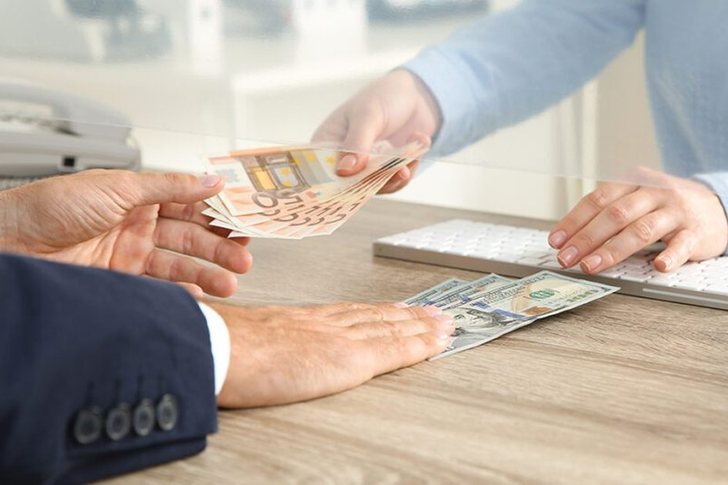
This Saturday, one US dollar is bought for 81.2 lek and so...
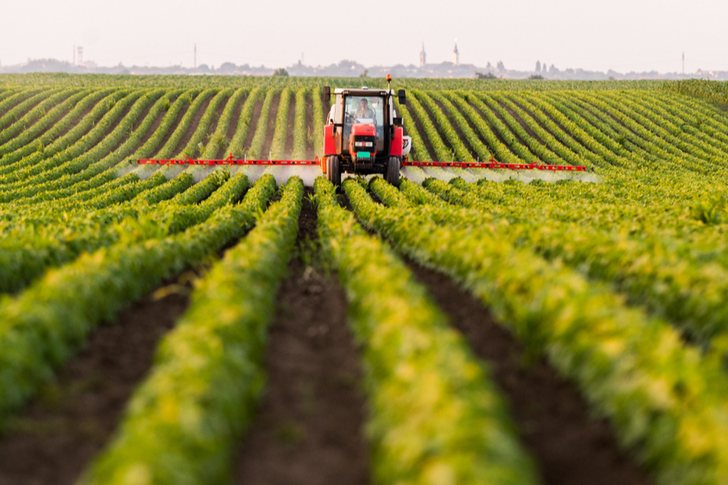
The Albanian economy continued to expand in early 2026, bu...
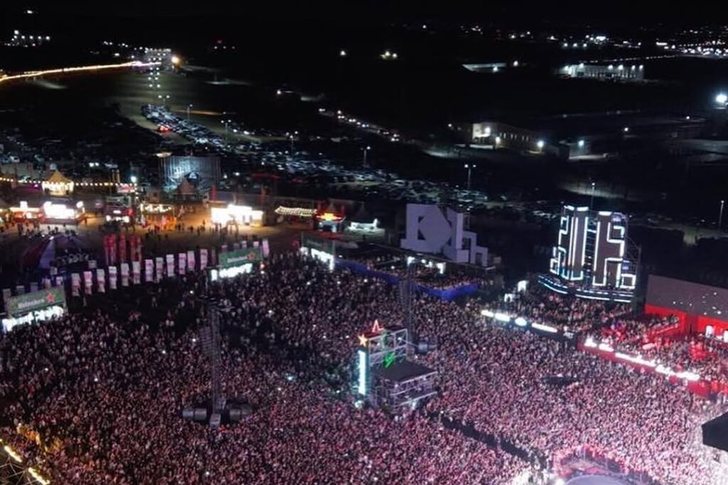
For three days of festival, up to 120 euros just for parki...
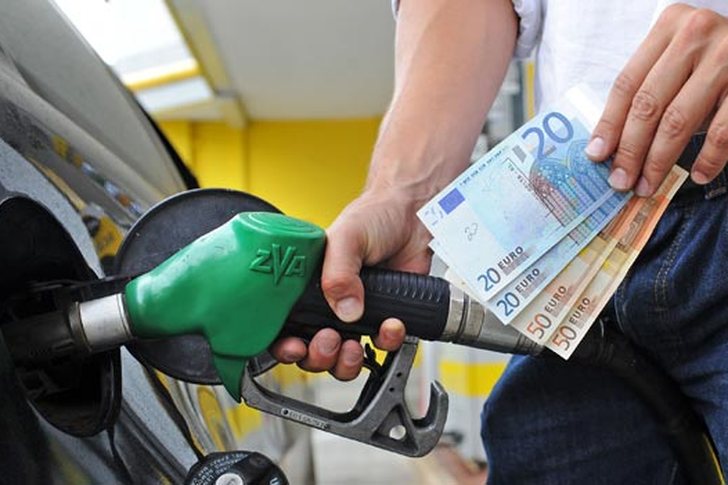
Oil prices have risen again in recent days on internationa...
This Friday, one US dollar is bought for 81.2 lek and sold...

Around 97,100 people are employed in regulated professions...
Albania continues to be the main destination for vacatione...
This Thursday, one US dollar is bought for 81.1 lek an...
Beekeeping has expanded significantly in recent years, bec...

CNA has launched another investigation that could lead to ...

Irfan Hysenbelliu is a businessman that we call "Irfan the...

In March 2026, CNA launched another investigation centered...
The arrested mayor of Tirana, Erion Veliaj, with 13 charge...

The Special Board of Appeal (KPA) decided this Monday ...

The KPA vetting decided this Thursday to dismiss the p...

Suela Salavaçi, a prosecutor in the Prosecutor's Offic...

The Special Board of Appeal reinstated the prosecutor ...

A road accident occurred this evening on Nikolla Zoraqi St...
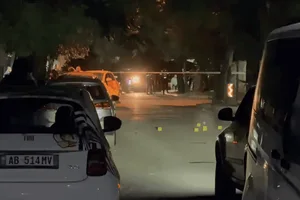
Three people were shot and wounded in Elbasan last night b...
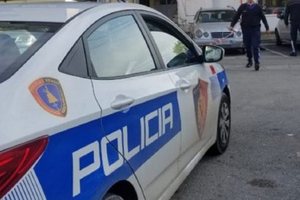
A serious incident occurred this Tuesday in the Yrshek are...
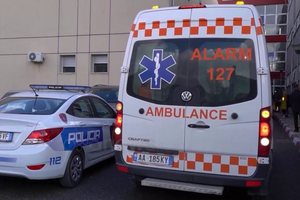
An accident occurred this Tuesday on "Dituria" street in K...
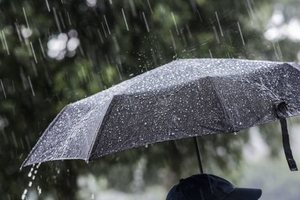
This Wednesday, our country will be under the influence of...
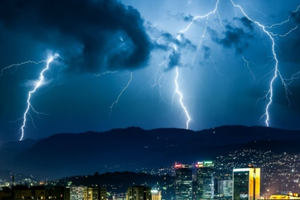
All of Southern Europe will face changing weather conditio...
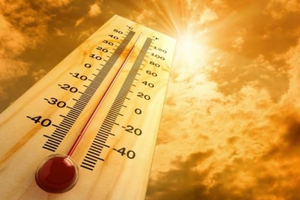
Albania was hit by temperatures significantly higher than ...
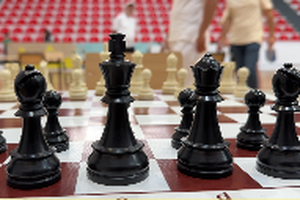
For the first time, Pogradec welcomed the Inter-Lake Chess...
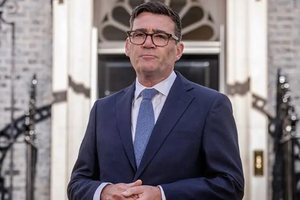
Prime Minister Andy Burnham has announced that most bus fa...
France's parliament has passed a law to ban social media f...

US Secretary of State Marco Rubio arrived in Manila on Jul...
In the space of a few days, Ukrainian President Volodymyr ...

At a time when industrial products are increasingly taking...

Trust among people is not just a three-syllable word. It c...
Master of humor Todi Llupi has passed away at the age of 7...
The ninth edition of "MIK Festival" kicked off with one of...

Businesses will no longer be required to simply register t...
Despite economic growth and income in recent years, Albani...
This Wednesday, one US dollar is bought for 81.4 lek and s...
Construction company licenses will have a validity period ...