


Fire at the waste field in Kruja/ Toxic smoke covers the area
The waste field in Kruja has been engulfed in flames since...

The waste field in Kruja has been engulfed in flames since...

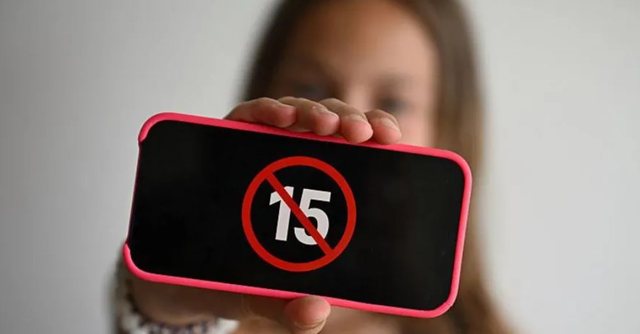
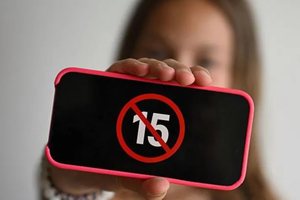
France's parliament has passed a law to ban social media for people under 15 from January 2027, making it the first European country to block young people from platforms.
The law means everyone in France must verify their age to access social media and comes at a time when the UK and EU are developing their borders in response to concerns about children's mental health.
French President Emmanuel Macron welcomed the move, which he had pledged to introduce to mark the end of his decade in office.
While skeptics have questioned the law's viability, the government has insisted that online tools to put age checks in place are effective and secure.
Both the French Senate and the National Assembly approved the ban on Tuesday, despite criticism from some leftists.
It will be implemented in two phases:
From September, people under 15 will not be able to open accounts and age verification will be required for all new accounts.
In January 2027, this rule will apply to all existing accounts - meaning everyone in France will have to prove they are over 15 years old to use social media.
Once the ban comes into effect, social media platforms will have to use age verification tools approved by the French privacy regulator, according to the Reuters news agency.
But concerns have been raised about privacy, the effectiveness of age verification tools, the risks of them being bypassed by young people and the speed with which the ban was drafted and implemented, Agence France Presse reports.
French Digital Affairs Minister Anne Le Hénanff defended the speed of implementing the law ahead of the vote, "because age verification tools already exist," the agency added.
France is the second country to introduce a ban, after Australia.
Despite Australia banning under-16s from social media in December, it is widely acknowledged that many continue to use these platforms.
In March, the Australian Electronic Safety Commission reported that seven out of 10 children under 16 who had a social media account before the ban still had "some access".
Given this, Professor of Internet Studies at Curtin University in Western Australia, Tama Leaver, told the BBC that the ban has "failed" in its technical goals.
But, he says, this has successfully shown that a ban "can be done", although he classifies it as "a small experiment".
One lesson other countries can learn from its example is that "young people need to be part of this conversation" so that a ban is "done with them" and not "at them."
Leaver said France's ban may have a higher chance of succeeding because of the requirement that each person verify their age, but it would also increase privacy risks.
Other risks of the ban include pushing young people towards less regulated online spaces, reducing their news consumption and their political empowerment, he added.
Legislation restricting young people's access to social media has spread rapidly across Europe in recent months.
In June, former British Prime Minister Sir Keir Starmer announced that under-16s in the UK would be banned from using social media from January 2027. An optional midnight curfew for UK teenagers aged 16 and 17 was also announced.
In May, Commission President Ursula von der Leyen proposed a "social media delay" for children in Europe and said new legislation could be presented within months./ CNA


US Secretary of State Marco Rubio arrived in Manila on Jul...
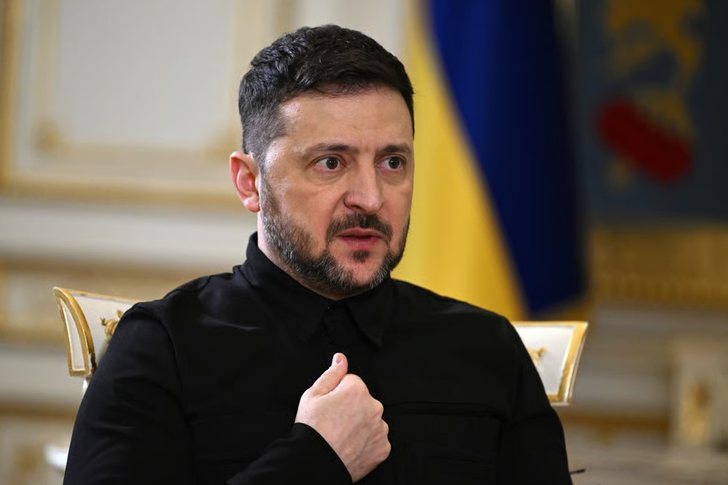
In the space of a few days, Ukrainian President Volodymyr ...

The spokesman for the Iranian Foreign Ministry warned Bulg...

Autoritetet italiane sekuestruan pako me afër 800 kilogram...

Greece has taken several emergency measures to protect wor...
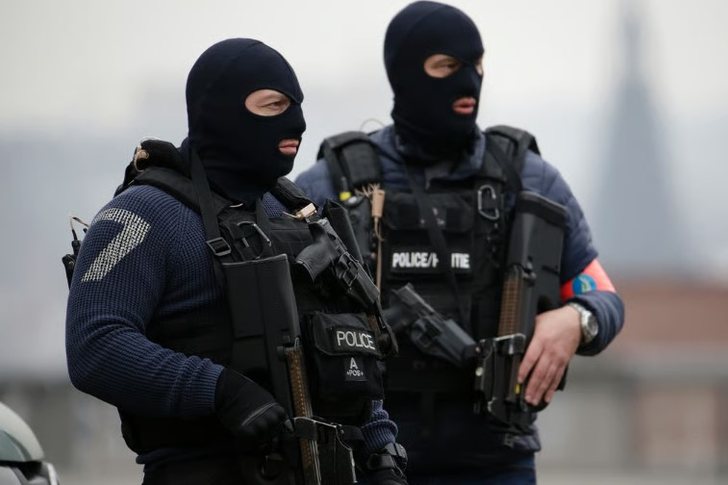
An operation led by Europol, through authorities in severa...
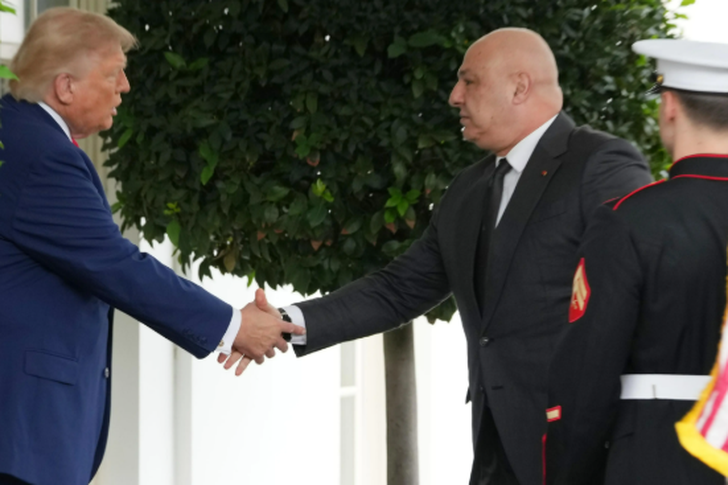
US President Donald Trump hosted the Lebanese president at...
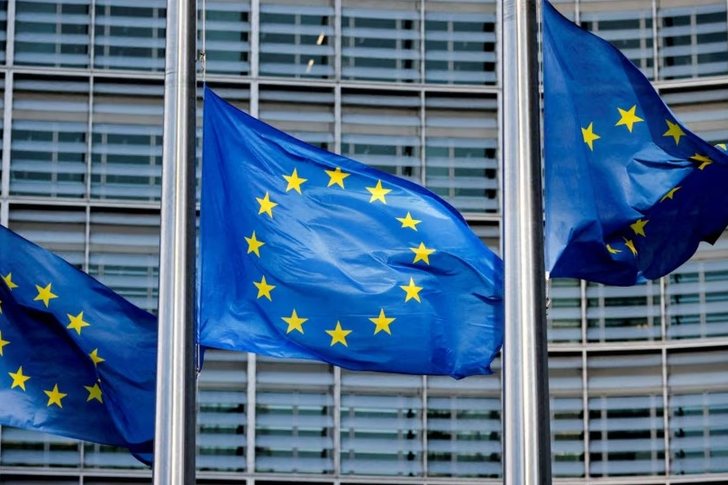
The European Union has criticized the decision of the acti...

An earthquake measuring 5.0 on the Richter scale struck so...
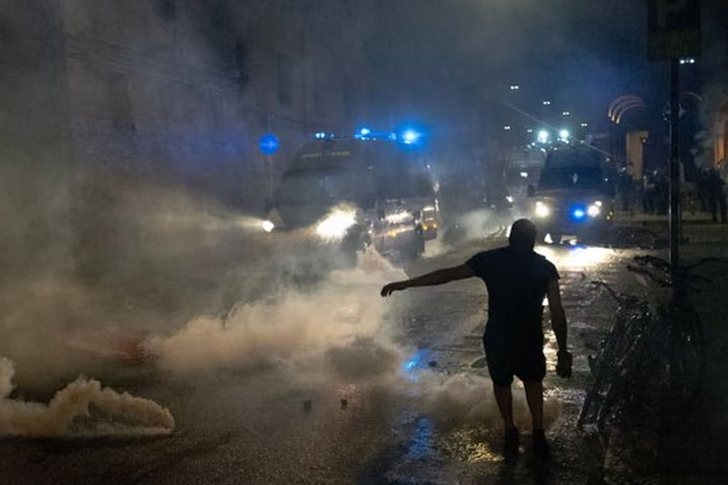
Clashes between police and protesters have erupted in the ...
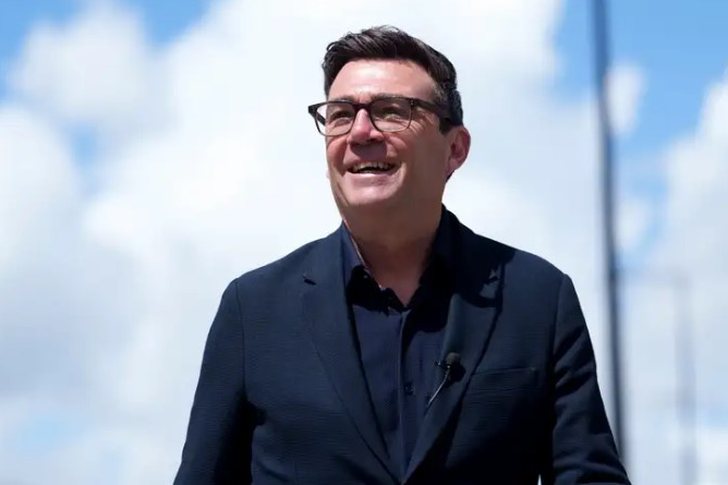
The United Kingdom's new Prime Minister, Andy Burnham, has...
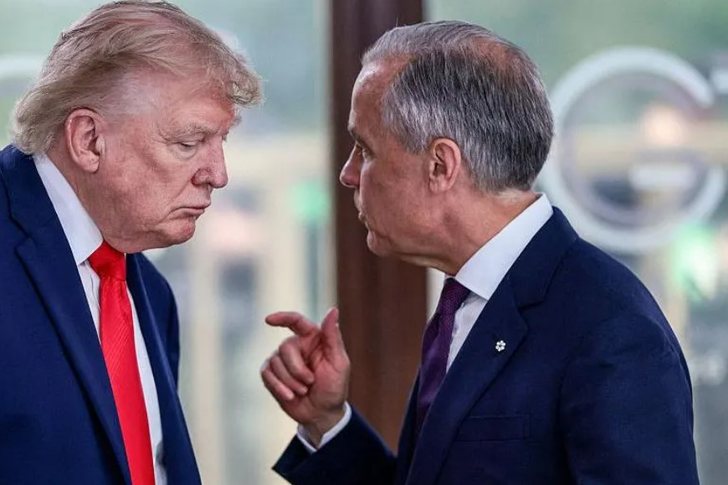
United States President Donald Trump has imposed 50% tarif...

US President Donald Trump responded with harsh rhetoric to...
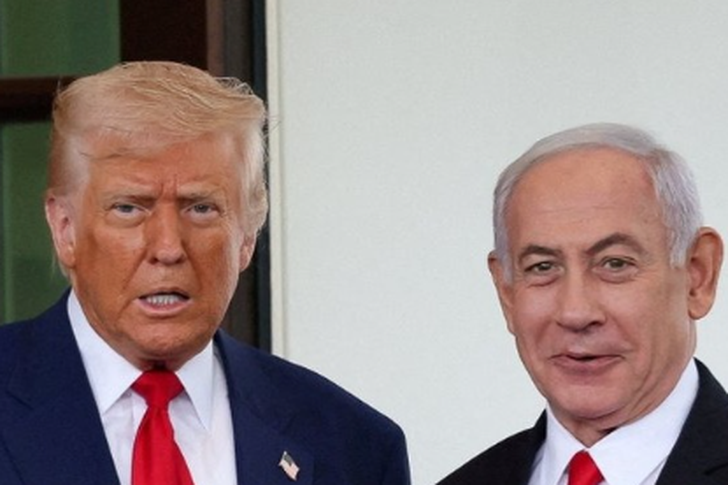
US President Donald Trump said on Monday that Israeli Prim...
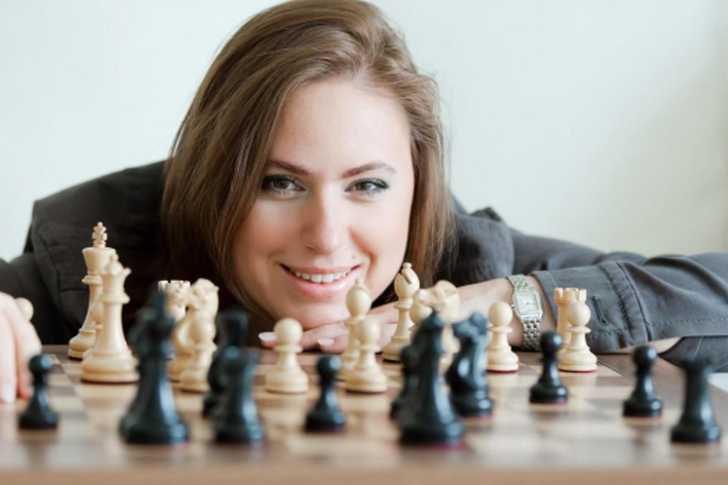
Hungary's Prime Minister, Péter Magyar, took many people b...

The mediators in the Middle East conflict between the Unit...
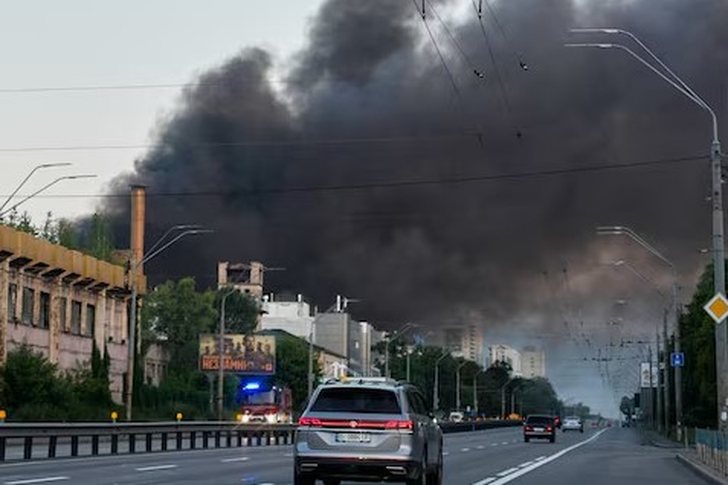
More than 400 Ukrainian drones were launched overnight tow...
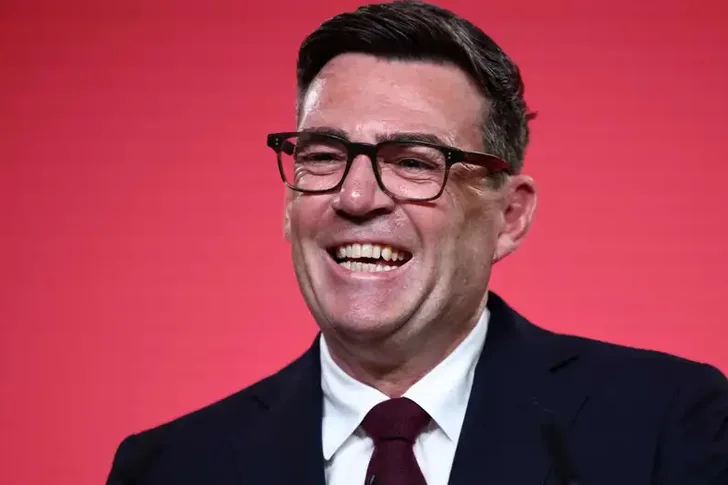
The next British Prime Minister, Andy Burnham, aims to str...

The United States Central Command (CENTCOM) said it has at...
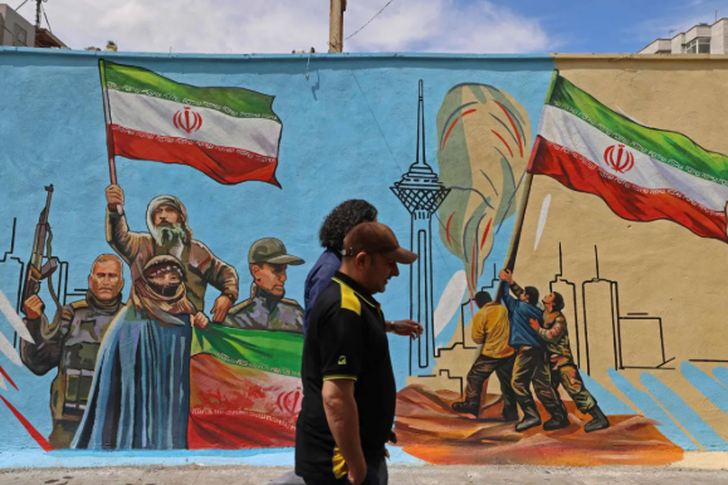
The ceasefire between the United States and Iran has essen...

CNA has launched another investigation that could lead to ...

Irfan Hysenbelliu is a businessman that we call "Irfan the...
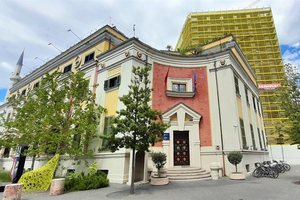
In March 2026, CNA launched another investigation centered...
The arrested mayor of Tirana, Erion Veliaj, with 13 charge...

The Special Board of Appeal (KPA) decided this Monday ...

The KPA vetting decided this Thursday to dismiss the p...

Suela Salavaçi, a prosecutor in the Prosecutor's Offic...

The Special Board of Appeal reinstated the prosecutor ...

A road accident occurred this evening on Nikolla Zoraqi St...
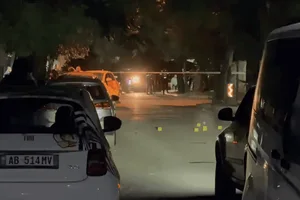
Three people were shot and wounded in Elbasan last night b...

A serious incident occurred this Tuesday in the Yrshek are...

An accident occurred this Tuesday on "Dituria" street in K...

This Wednesday, our country will be under the influence of...

All of Southern Europe will face changing weather conditio...
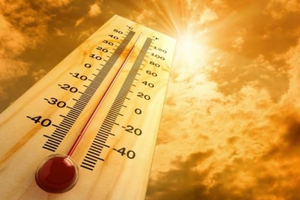
Albania was hit by temperatures significantly higher than ...

For the first time, Pogradec welcomed the Inter-Lake Chess...

Prime Minister Andy Burnham has announced that most bus fa...
France's parliament has passed a law to ban social media f...

US Secretary of State Marco Rubio arrived in Manila on Jul...
In the space of a few days, Ukrainian President Volodymyr ...
At a time when industrial products are increasingly taking...

Trust among people is not just a three-syllable word. It c...

Master of humor Todi Llupi has passed away at the age of 7...

The ninth edition of "MIK Festival" kicked off with one of...

Businesses will no longer be required to simply register t...

Despite economic growth and income in recent years, Albani...

This Wednesday, one US dollar is bought for 81.4 lek and s...

Construction company licenses will have a validity period ...