

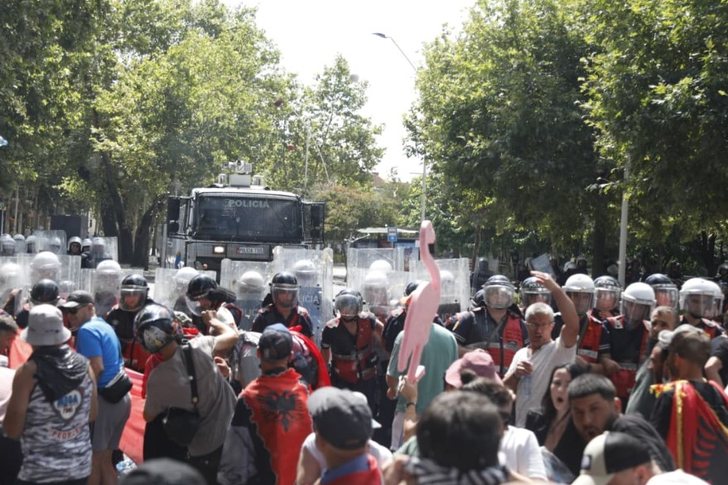
On the debate about protest violence
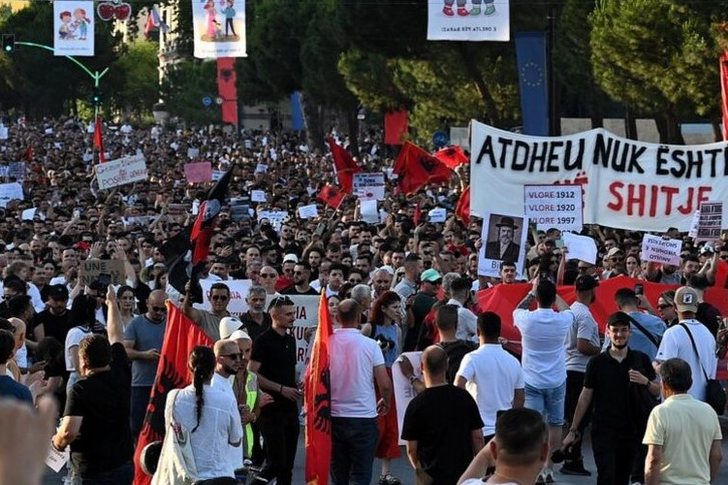
After the protest, the "violence" and debate have shifted ...



According to recent comparisons with the European Union average, in 2013 prices in Albania were around 68% of the European average. Today they are around 103.8%. Officially, we are no longer a free country.
For years, they have been showing us graphs of GDP growth, minimum wage, average wage, and pensions. All with arrows pointing upwards. The comparison is always made with 2013. And the numbers don't lie. But remember that Shkodra expression: "Blessed is what I hear, woe is what I see!"
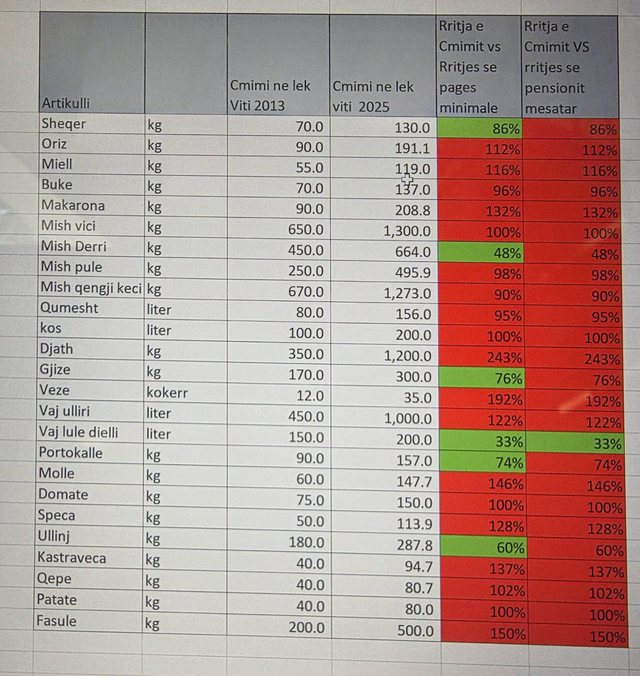
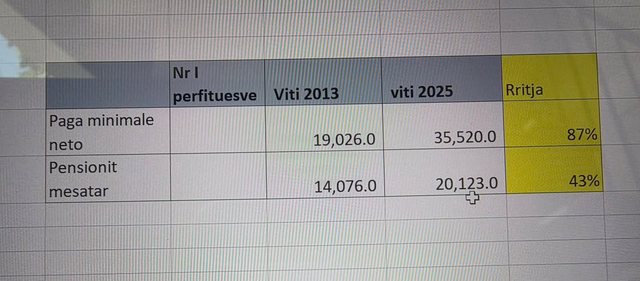
The net minimum wage increased from about 19 thousand lek in 2013 to 35.5 thousand lek in 2025, or 87%. On paper, it looks like a respectable increase. In the shop, it's a different story.
Yes, there are products that have become less expensive than the minimum wage: sunflower oil (+33%), pork (+48%) and oranges (+74%). For them, the wage won the race.
But most staples moved much faster. Cheese increased 243%, eggs 192%, beans 150%, apples 146%, cucumbers 137%, pasta 132%, olive oil 122%, rice 112%, while beef doubled.
For a family that buys bread, milk, eggs, cheese and meat every week, the cost of living has increased faster than wages.
This picture is even stronger among pensioners. The average pension increased from 14 thousand to about 20 thousand lekë, only 43%. Compared to this pace, almost every basic product in the basket has become much more expensive. Cheese about six times faster, eggs and beans three to four times faster, while bread, milk, rice and pasta about two to three times faster.
There is also a figure that does not need a supermarket.
From 2020 to 2025, the average net salary of an MP increased by 126%. In the same period, the minimum net salary increased by 54%, the average pension by 28% and the minimum pension by only 18%.
So, while citizens anxiously watched the rising prices of bread, cheese, and eggs, those who vote on the state budget saw their salaries increase faster than any other group.
The economy may have grown on paper. Wages may have grown statistically. But for most people it's like filling a bucket with water when the bottom is cracked.
GDP is not eaten, graphs are not cooked, and the comparison with 2013 does not convince anyone who goes shopping every day./ CNA

After the protest, the "violence" and debate have shifted ...

"A perfect dictatorship has the appearance of a democracy,...
I am in favor of euthanasia and the adoption of a euthanasia...
It has been mentioned so many times in writings and quotes...
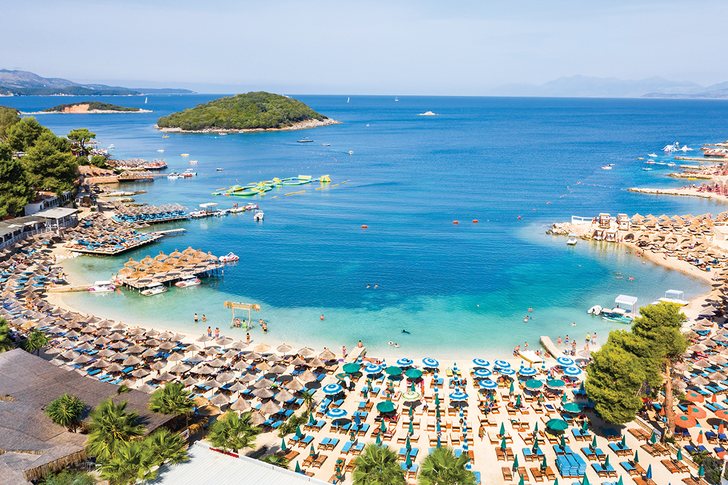
Are Albanians from Kosovo the beauty of Albanian tourism? ...
The statement by Snezhana Paunovic, Minister in the Govern...

A case reported by two animal protection associations has ...

The emergence of new faces in politics is always good news...
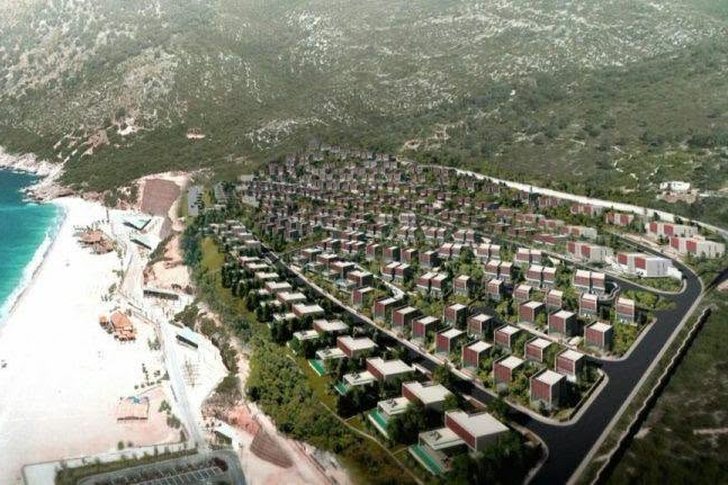
The Prime Minister of Albania promised the European Commis...

The government is not listening because it does not unders...

In these hot summer days, along with the foul-smelling flo...
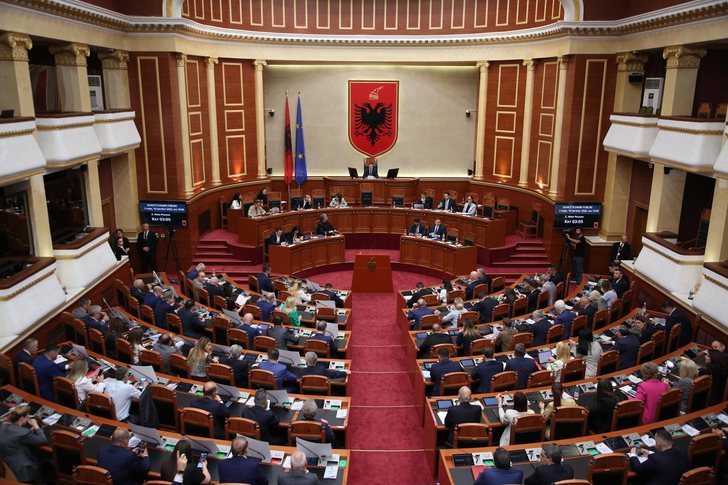
Yesterday's boycott by the Democratic Party of the plenary...
I have been carefully reading the comments under the posts...
The influence of public figures on political debate is a w...

When a piece of news is not published, when a fact is soft...

The public does not always have direct evidence, but there...

Censorship is often presented as a media problem. In reali...
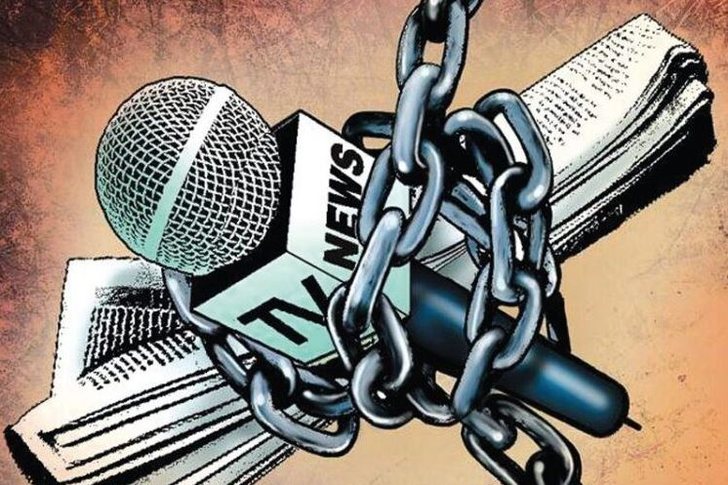
When a piece of news is not published, when a fact is soft...
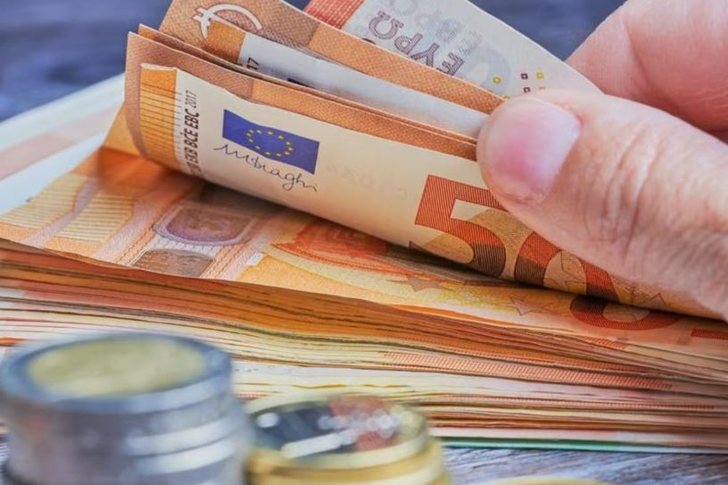
How is it possible that the currency of one of the most po...
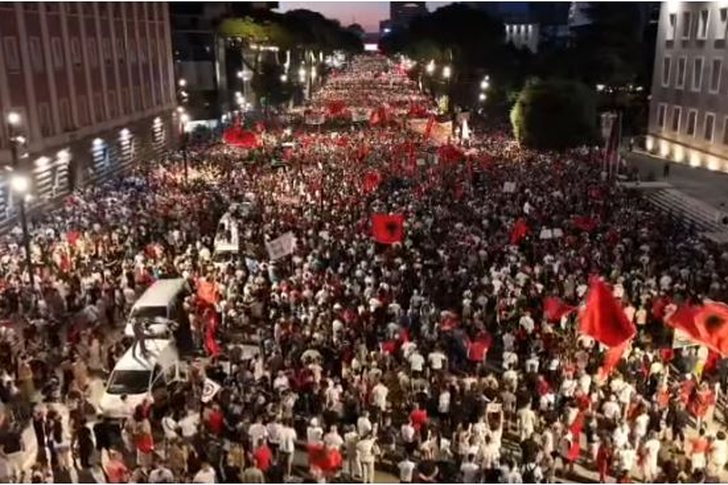
In Albania, a biblical story is being rewritten, that of t...

CNA has launched another investigation that could lead to ...

Irfan Hysenbelliu is a businessman that we call "Irfan the...

In March 2026, CNA launched another investigation centered...
The arrested mayor of Tirana, Erion Veliaj, with 13 charge...

The Special Board of Appeal (KPA) decided this Monday ...

The KPA vetting decided this Thursday to dismiss the p...

Suela Salavaçi, a prosecutor in the Prosecutor's Offic...

The Special Board of Appeal reinstated the prosecutor ...
A person has died today on Orikum beach. According to repo...

Footage emerges from the serious accident that occurred th...

A Shkodra traffic police officer was hit with hard objects...
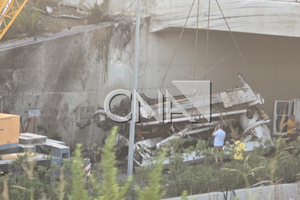
This Wednesday, around 4:00 PM, a serious accident occurre...

Children without parental care, for whom alternative famil...
On Thursday, our country will be under the influence of st...
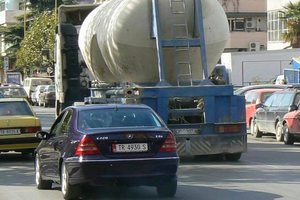
A serious accident that occurred this Wednesday with the c...

The Institute of Geosciences has shared a forecast for wea...

Artificial intelligence (AI) models from the American comp...
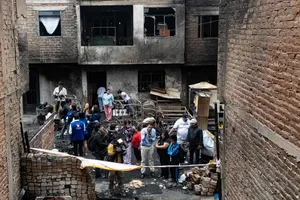
At least 10 people have died after a fire broke out in a h...

Yemen's Houthis have claimed to have attacked two Saudi oi...

The trial of ousted Venezuelan President Nicolas Maduro on...

At a time when industrial products are increasingly taking...

Trust among people is not just a three-syllable word. It c...

Master of humor Todi Llupi has passed away at the age of 7...

The ninth edition of "MIK Festival" kicked off with one of...
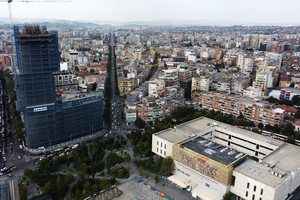
The average sale price of apartments in Tirana reaches rec...
This Thursday, one US dollar is bought for 81.5 lek and so...
The price of diesel reached 206 lek per liter from 198 lek...

Businesses will no longer be required to simply register t...