Assassination of 40-year-old man in Laç/ Details revealed, what was seized at the scene
New details have emerged regarding the assassination attem...

New details have emerged regarding the assassination attem...

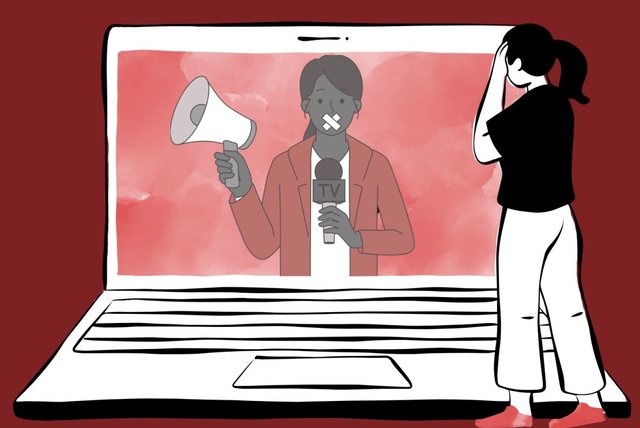
Censorship is often presented as a media problem. In reality, it is a societal problem. When information is filtered, citizens vote less, public debate is impoverished, and abuse of power becomes easier. An uninformed public is not simply confused. It is manipulable.
If the news is minimized, the public does not understand the extent of the uncertainty. If the economy is treated with propaganda language, the citizen cannot read the real crisis.
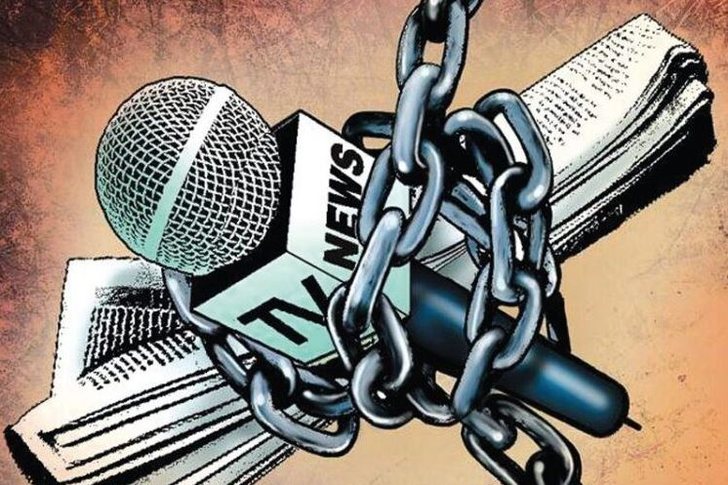
If corruption is relativized, the scandal loses weight and responsibility dissolves. Censorship does not just remove the news. It distorts reality. This is where the damage becomes political. Not necessarily partisan, but deeply political. Because control of information is control over perception. And whoever controls perception influences collective behavior.
Not every decision not to publish something is censorship. This should be made clear. A media outlet has an obligation to verify facts, protect minors, not publish defamation, and not serve as a megaphone for fake news. Removing unverified material is not censorship. It is a minimum professional standard.
But the line is crossed when “responsibility” is used as an alibi to hide interests. When a piece of news is blocked not because it is untrue, but because it affects someone powerful, then we have no ethics. We have submission. Likewise, when the media becomes overly selective with scandals - harsh on opponents and blind to allies - the public has the right to suspect that the selection is not professional.

So the difference is in reason, transparency, and the same standard for everyone. If the standard changes according to the name mentioned, censorship has entered through the back door.
Many people think that the internet has killed censorship. It's not that simple. The digital platform has made it more difficult to completely shut down information, but it has created new forms of control. A piece of news may not be hidden at all, but be drowned out by the algorithm, attacked with smear campaigns, drowned by propaganda, or relativized by a river of disinformation.

On social media, censorship sometimes masquerades as moderation, sometimes as organized mass reporting, sometimes as digital lynching of the journalist. Instead of the classic order “don’t publish it,” today this can happen: publish it if you want, but then face attack, isolation, threats, and discredit.
This creates a paradox. Technically, there is more room to speak. Practically, there are even more tools to silence you. /CNA

When a piece of news is not published, when a fact is soft...
How is it possible that the currency of one of the most po...
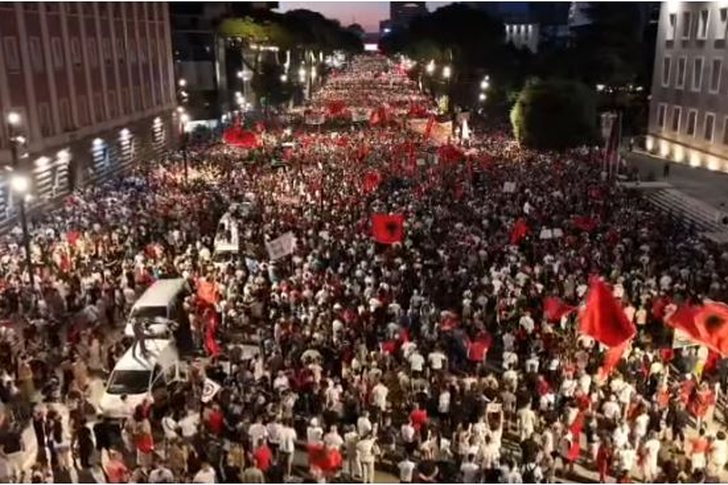
In Albania, a biblical story is being rewritten, that of t...

When a corruption file is closed in a drawer, when a tende...
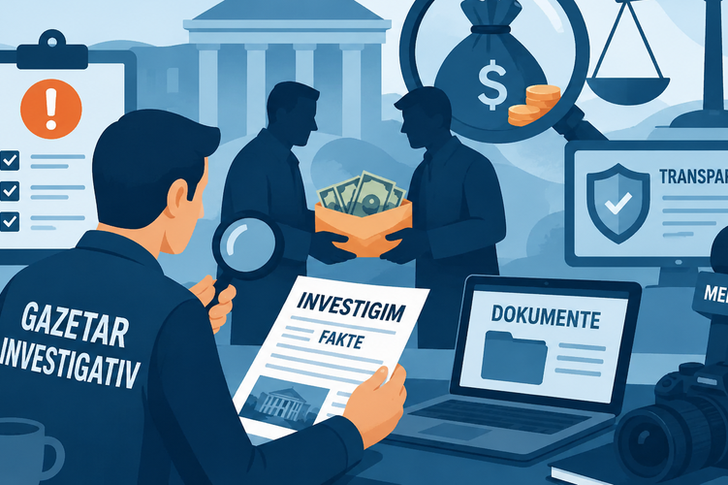
One of the biggest mistakes the media makes is treating an...

The classic model of a journalist who asks, records and wr...

When a corruption file is closed in a drawer, when a tende...
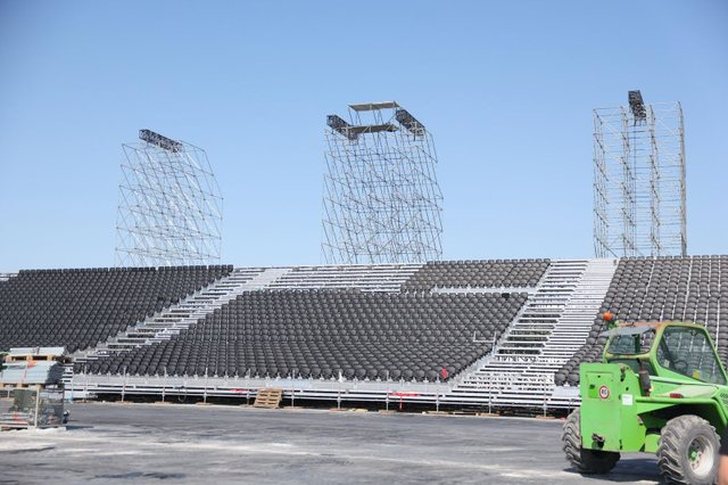
In fact, he didn't want to. He really didn't want to. But ...
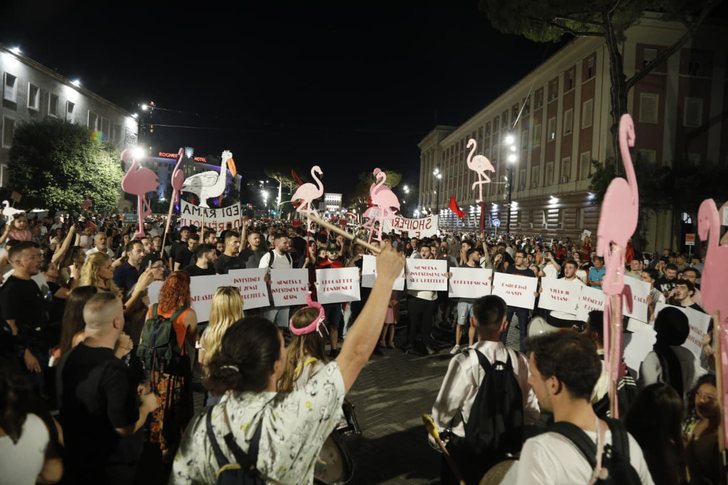
The right to protest is one of the fundamental pillars of ...
On the 40th day of the grand protest for a "new Albania", ...
You don't have to be a journalist to protect yourself from...
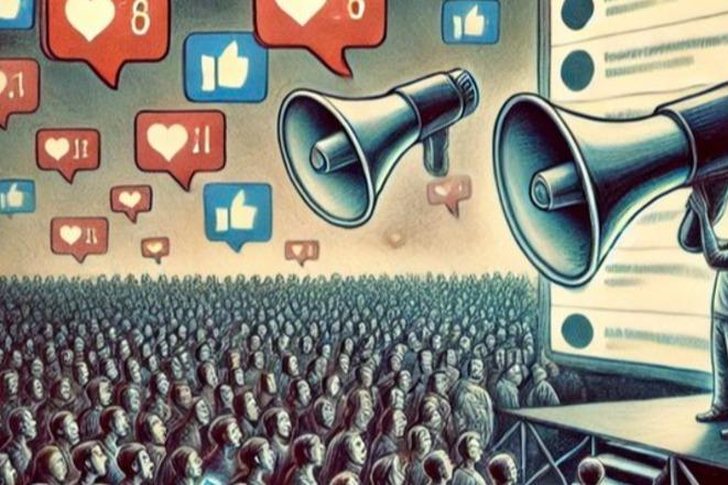
Media manipulation doesn't always come with an ugly face. ...

A bloated headline, a video cut at the right second, a sta...
French magazines, German television, Italian reports, Belg...
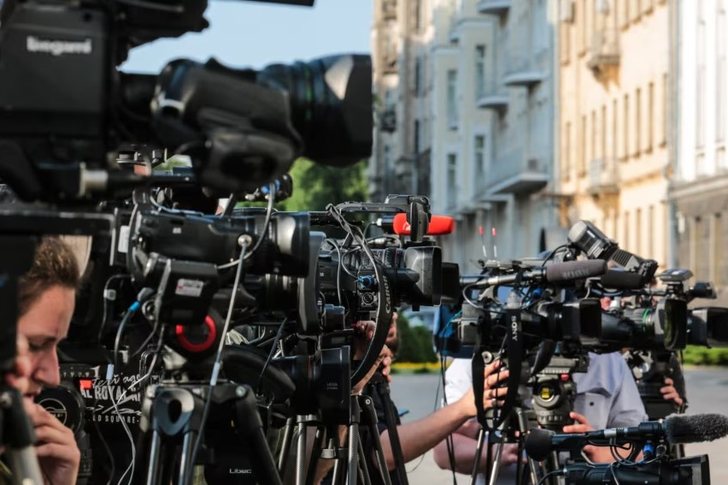
For a media outlet that claims to understand the pulse of ...
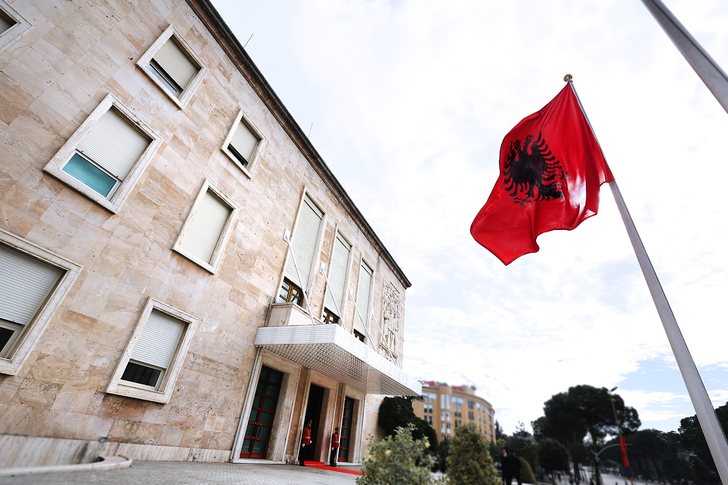
Part of the public anger is not just related to the conten...

When a new decision is announced by the government, the fi...
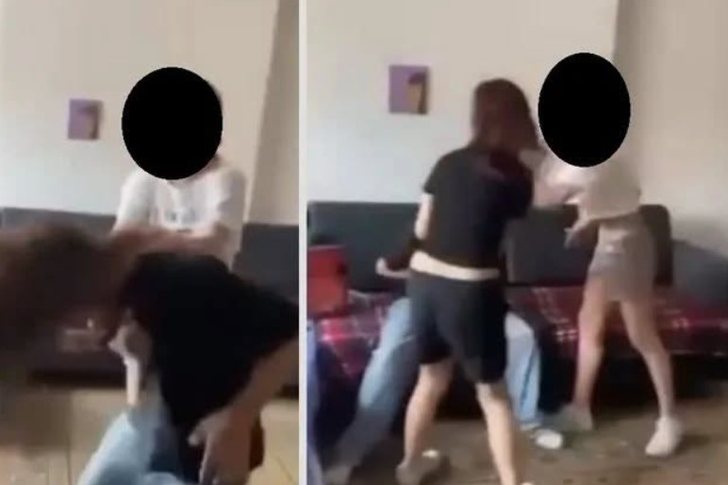
I wrote about a case of violence, where two girls beat up ...
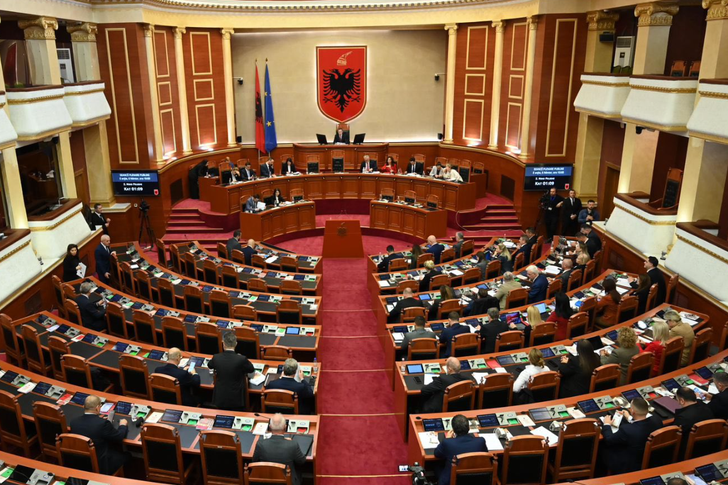
There is a limit to poverty. There is also a limit to patien...
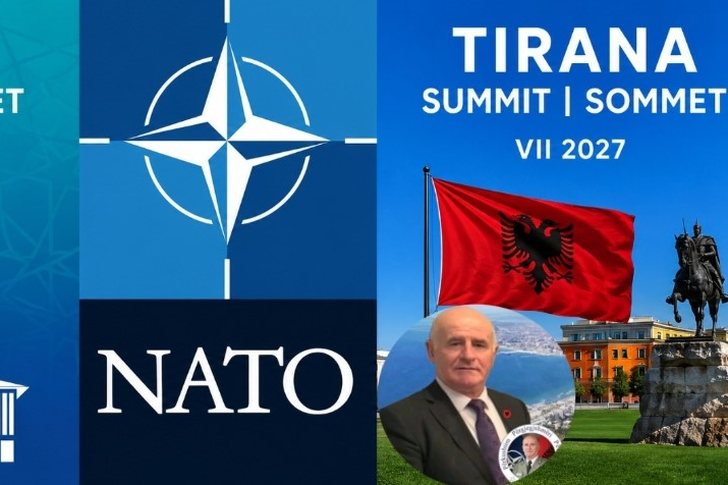
The eyes/attention of chancelleries, institutions, and the...

For 6 months now, CNA has been sending several letters to ...
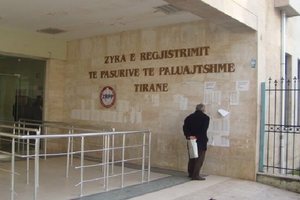
The word "fatherland" with properties is not enough. The m...
The justice reform claimed that it would bring faster, fai...
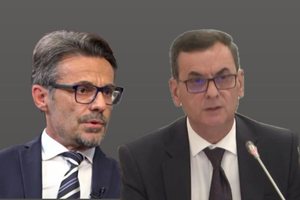
The Justice Reform and the vetting process were trumpeted ...

The Special Board of Appeal (KPA) decided this Monday ...

The KPA vetting decided this Thursday to dismiss the p...

Suela Salavaçi, a prosecutor in the Prosecutor's Offic...

The Special Board of Appeal reinstated the prosecutor ...
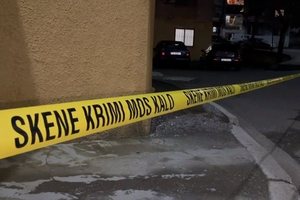
New details have emerged regarding the assassination attem...
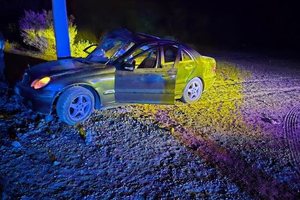
A serious incident shook the Fani area of Mirdita on Fri...
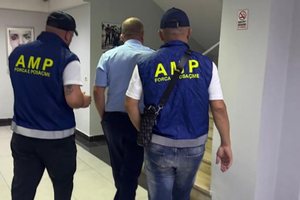
The Police Supervision Agency, Kukës-Dibar Regional Direct...
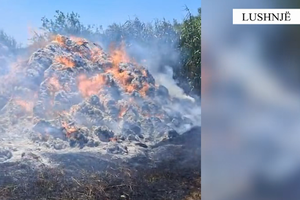
A 57-year-old citizen has been arrested in the village of ...
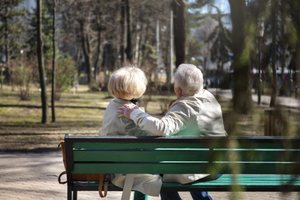
27% of the retirement age population is being pushed inevi...

On Saturday, our country will be affected by stable weathe...

An important investment in the service of patients with tu...
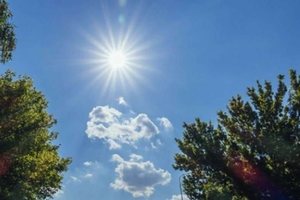
Today our country will be affected by stable weather condi...

Russia launched a new massive missile and drone attack on ...
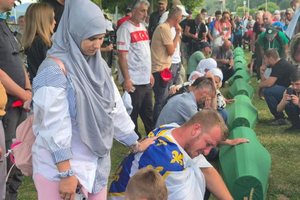
At the Potocari Memorial Center in Srebrenica, on the 31st...
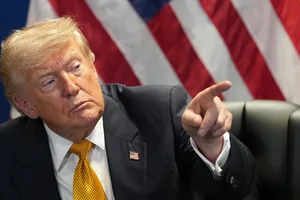
The President of the United States of America, Donald Trum...
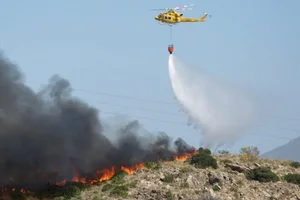
Shërbimet e emergjencës në juglindje të Spanjës vijojnë pë...
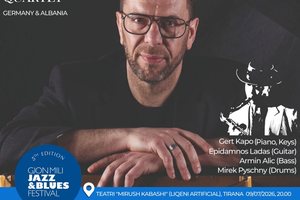
The German Embassy in Tirana has invited the Albanian publ...

Professor and literature scholar Ali Xhiku has passed away...
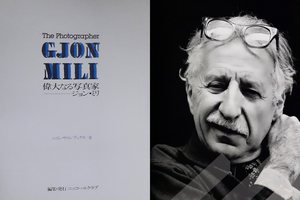
During my research into the life and artistic photographic...

This year's edition of the Gjon Mili International Video A...

The new old-age pensions in 2025 were on average 16,500 le...

This Saturday, one US dollar is bought for 81.4 lek and so...

The escalation of the conflict in the Middle East has once...

In addition to food, household appliances, oil, and more, ...