Citizens demand Rama's resignation / 39th protest against the government is held today
The 39th protest against the government is being held toda...

The 39th protest against the government is being held toda...


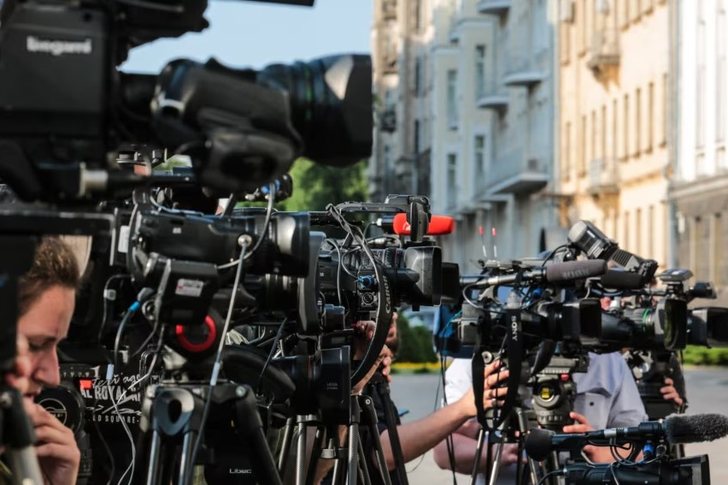
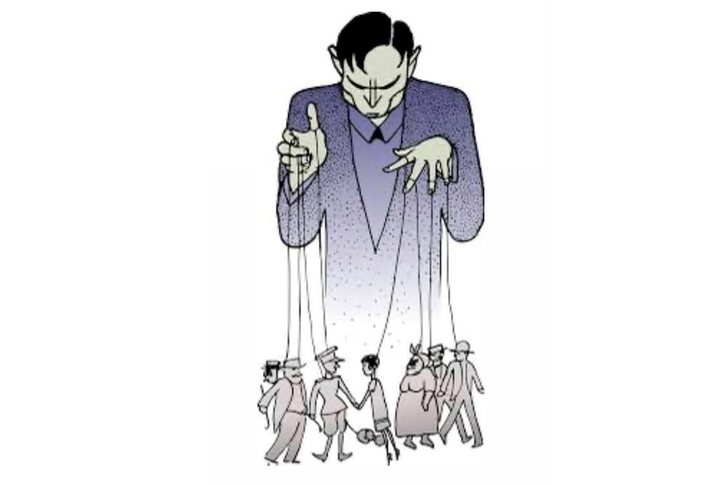
A bloated headline, a video cut at the right second, a statement taken out of context - that's enough to push public opinion in the wrong direction.
This is precisely where the clash between facts versus media manipulation begins: not as a theoretical debate in the auditorium, but as a daily battle to understand what is really happening in politics, the economy, justice, and public life.
The problem is not just with fake news. Often manipulation comes dressed up, with clean graphics, serious language, and the pretense of reporting “objectively.” In practice, it chooses what to emphasize, what to hide, and who to attack. That is why the average citizen should not only ask “is it true?” but also “what is missing here?” and “who benefits from this way of reporting?”

Fact is verifiable. It has a source, a document, evidence, time, place, and context. It can be checked, challenged, and, if reported accurately, it can stand up to scrutiny. An invoice either exists or it doesn’t. A court order has been issued or it doesn’t. A tender has a winner and a tangible value. These are not matters of belief, but of evidence.
Media manipulation works differently. It may not lie outright. Sometimes it is enough to choose only half the truth.

To give a statistic without the comparative period. To publish a reaction without the initial accusation. To take a sentence from a 40-minute interview and sell it as a final position.
On paper, the material may appear correct. In substance, it is distortion. This is the essence of the clash of facts versus media manipulation: fact illuminates the whole, manipulation exploits the fragment.
Let's put it bluntly: media manipulation is rarely an accident. It is produced because it brings influence. Influence brings clicks, political pressure, coverage of power crises, attacks on opponents or public inaction. When citizens get confused, they get tired. When they get tired, they give up on the search for the truth. That's where propaganda wins.
In the wild market for attention, an aggressive headline travels faster than an accurate explanation. An accusation without evidence circulates further than a documented refutation.

This doesn't mean that every media outlet manipulates. It just means that the temptation to do so is great, especially when political or economic interests enter the editorial office without knocking.
There is another, more dangerous reason. Manipulation is not always intended to convince you of something. Sometimes it is intended to make you stop believing anything. When the public reaches the point of “everyone lies the same,” control over the truth becomes even easier for those in power. /CNA

French magazines, German television, Italian reports, Belg...
For a media outlet that claims to understand the pulse of ...
Part of the public anger is not just related to the conten...

When a new decision is announced by the government, the fi...

I wrote about a case of violence, where two girls beat up ...
There is a limit to poverty. There is also a limit to patien...
The eyes/attention of chancelleries, institutions, and the...

A dubious tender, an unexplained fortune, a construction p...

The question arises: Do journalistic investigations ha...

Talking about investigative journalism in Albania without ta...

A dubious tender, an unexplained fortune, a construction p...

After they voted to destroy Albania's ports by charging Al...

One of the biggest deceptions sold to the public is the id...

It was a coincidence. I had just arrived in Korça and pass...

The coffin is one of the most powerful political symbols. ...

There are times when neutrality is not professionalism, bu...
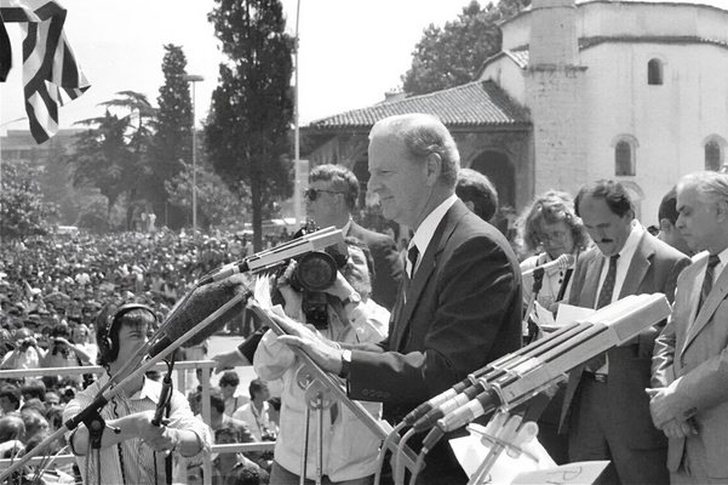
For millions of people, VOA was a beacon of hope and a win...
Machiavelli wrote in “The Prince” that it is safer to be f...
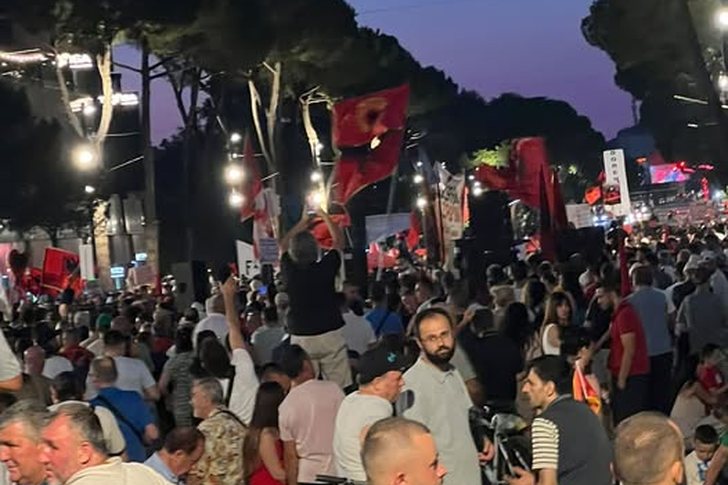
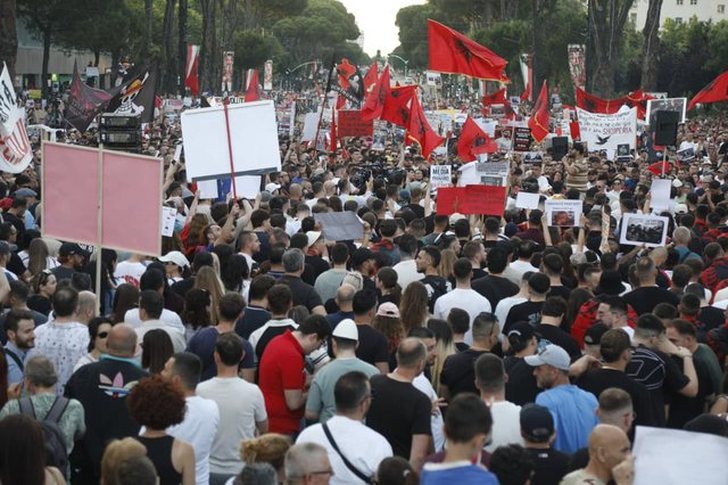
A protest is not simply a list of accusations against the ...
Marjana – the neo-Malaysian – (as the MP who left the floc...
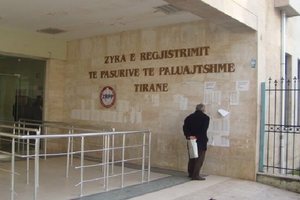
The word "fatherland" with properties is not enough. The m...

The justice reform claimed that it would bring faster, fai...

The Justice Reform and the vetting process were trumpeted ...

After revealing the property portfolio in Tirana, Kavaja, ...

The Special Board of Appeal (KPA) decided this Monday ...

The KPA vetting decided this Thursday to dismiss the p...

Suela Salavaçi, a prosecutor in the Prosecutor's Offic...

The Special Board of Appeal reinstated the prosecutor ...

Around four kilograms of cocaine were seized during a rout...

The mother of the 17-year-old raped in Fier has been l...
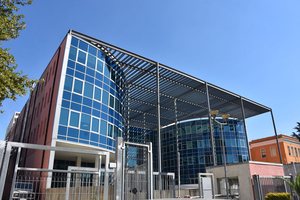
The Special Prosecution Office completed the investigation...

Today, on 07.07.2026, the Police Supervision Agency (AMP),...

Today our country will be affected by relatively unstable ...

While the total number of deaths fell in 2025, those from ...

As Albania faces ongoing demographic challenges, the l...

Today our country will be affected by relatively unstable ...
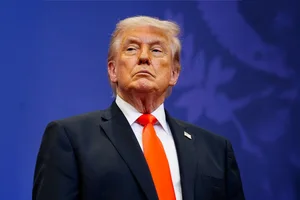
US President Donald Trump has officially declared that the...
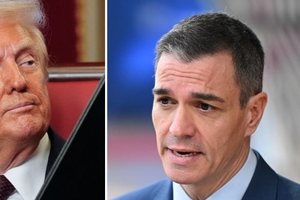
US President Donald Trump has shocked the NATO Summit ...

Turkish President Recep Tayyip Erdogan declared at the NAT...
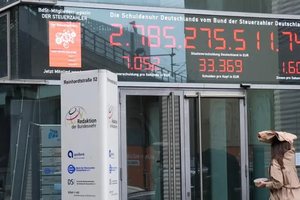
More money for the military, less for everything else and ...

The German Embassy in Tirana has invited the Albanian publ...

Professor and literature scholar Ali Xhiku has passed away...

During my research into the life and artistic photographic...

This year's edition of the Gjon Mili International Video A...
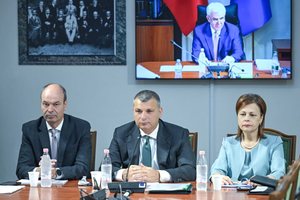
The Governor of the Bank of Albania, Gent Sejko, stated th...

The latest data published by the Institute of Statistics f...
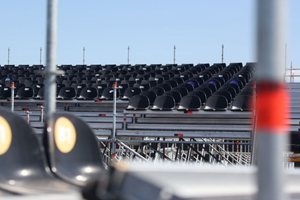
The government is providing 4 million euros for an event t...
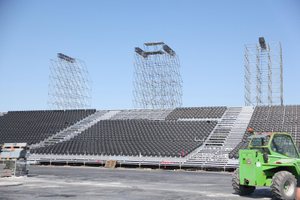
A few days before Kanye West's concert in Tirana, the publ...