


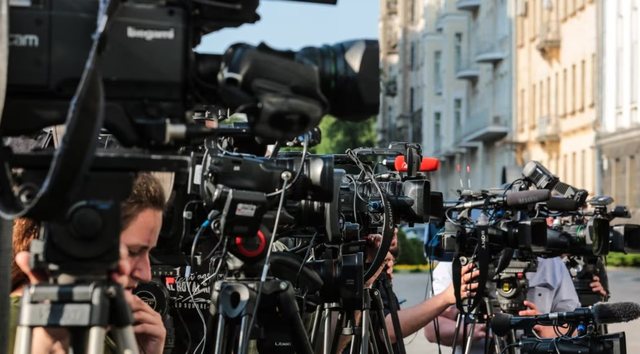
For a media outlet that claims to understand the pulse of the public, comments are a working ground, not a residue beneath the news.
They can serve as a signal to investigate a decision more deeply, to see where the problem lies, and to distinguish between propaganda and real consequences.
When hundreds of citizens raise the same concern, the media should not be satisfied with the minister's statement.
This is where routine journalism differs from journalism with nerve. The former reproduces the official announcement. The latter asks who is harmed, who benefits, who is silent, and why the public is reacting so strongly. In this sense, the online reaction is not the end of the story. It is the beginning of it.
Even an editorial office like CNA.al, openly positioned with a critical tone towards the government, has reason to see this space not as social decor, but as a source for understanding what is really going on beneath the official surface.

There is a reason why many institutions tend to limit comments, ignore them, or stifle them with controlled communication. Free comment disrupts the script. It brings opposition where power seeks order of messages. It brings questions where obedience is sought. And above all, it brings public memory.
The citizen in the comment does not react in a vacuum. He remembers old promises, missed deadlines, failed projects, and double standards. This makes the comment space uncomfortable for any government that wants to manage opinion with aesthetic packaging.
A beautiful video can get thousands of views, but all it takes is a wave of negative comments for the narrative to immediately break. This does not mean that comments bring down governments. But they often warn of erosion that later shows up in polls, protests, or at the ballot box.
More than approval or disapproval of a single decision, the comments reveal three things. First, the level of trust in institutions.
If the public does not believe the motive behind the decision, even the most reasonable measure is viewed with suspicion. Second, they show how tired the citizenry is of propaganda. The higher this fatigue, the more ironic and brutal the reaction becomes. Third, the comments show whether the government is losing touch with economic and social reality.
This is the real test. Not how nice the decision sounds in the presentation, but how it translates into people's lives. A measure that appears to be reform on paper may be seen by the public as injustice, clientelistic favoritism, or shifting the bill onto the average citizen. When this perception becomes widespread, the problem is not solved by a more zealous spokesperson.

In the end, comments on government decisions should not be read as useless noise nor as absolute truth. They are a signal. Sometimes messy, often harsh, but necessary to understand what is boiling in the public. Whoever ignores them chooses blindness. Whoever reads them carefully understands more quickly where the next discontent is erupting. /CNA

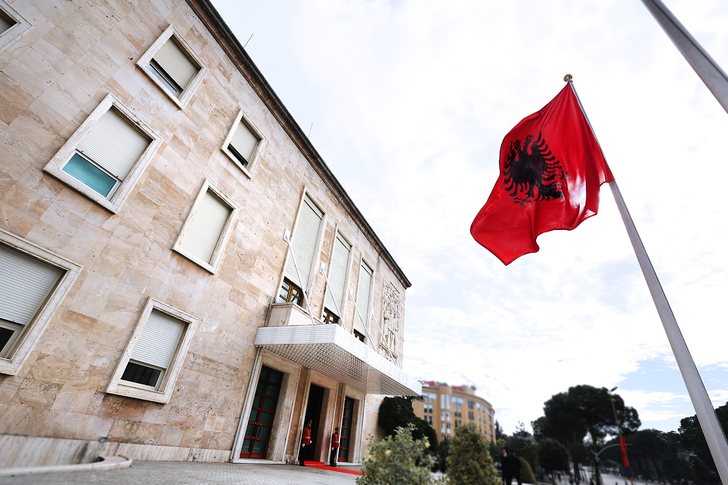
Part of the public anger is not just related to the conten...

When a new decision is announced by the government, the fi...

I wrote about a case of violence, where two girls beat up ...
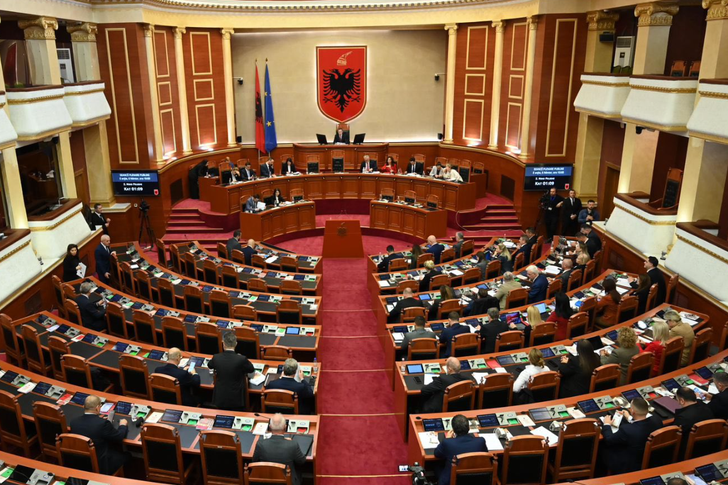
There is a limit to poverty. There is also a limit to patien...

The eyes/attention of chancelleries, institutions, and the...

A dubious tender, an unexplained fortune, a construction p...

The question arises: Do journalistic investigations ha...

Talking about investigative journalism in Albania without ta...

A dubious tender, an unexplained fortune, a construction p...
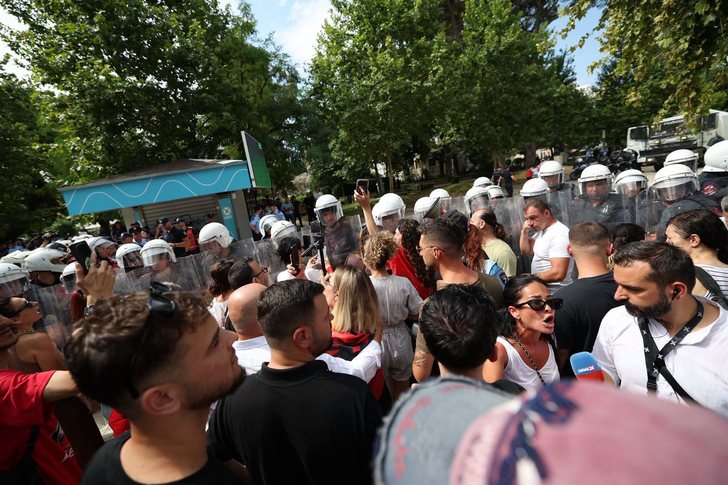
After they voted to destroy Albania's ports by charging Al...

One of the biggest deceptions sold to the public is the id...

It was a coincidence. I had just arrived in Korça and pass...

The coffin is one of the most powerful political symbols. ...

There are times when neutrality is not professionalism, bu...
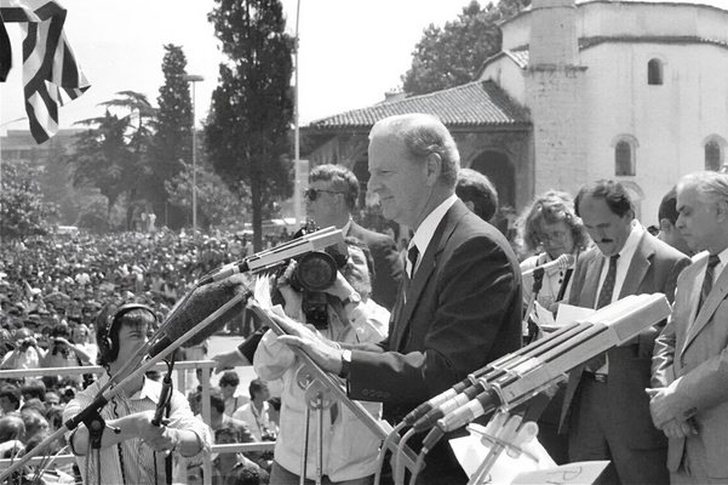
For millions of people, VOA was a beacon of hope and a win...

Machiavelli wrote in “The Prince” that it is safer to be f...

A protest is not simply a list of accusations against the ...
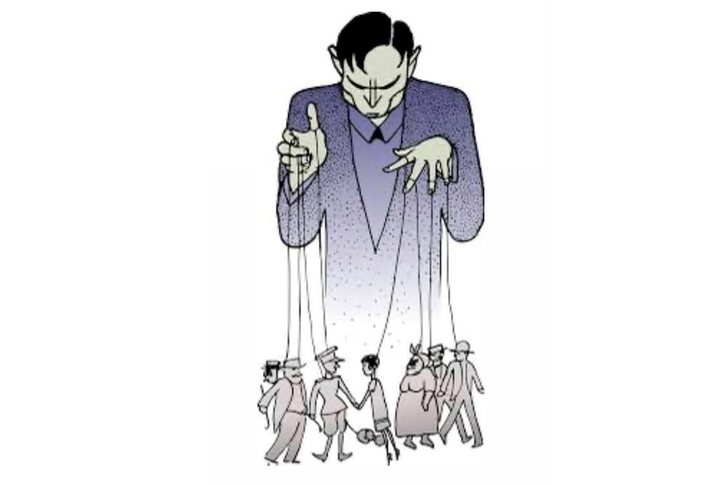
Marjana – the neo-Malaysian – (as the MP who left the floc...

On July 1, the Constitutional Court released its decision,...

If you sit on the banks of the Nile for an afternoon and l...

The justice reform claimed that it would bring faster, fai...

The Justice Reform and the vetting process were trumpeted ...

After revealing the property portfolio in Tirana, Kavaja, ...
Four months ago, on March 11, CNA sent an official letter ...

The Special Board of Appeal (KPA) decided this Monday ...

The KPA vetting decided this Thursday to dismiss the p...

Suela Salavaçi, a prosecutor in the Prosecutor's Offic...

The Special Board of Appeal reinstated the prosecutor ...
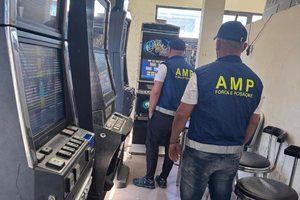
Today, on 07.07.2026, the Police Supervision Agency (AMP),...
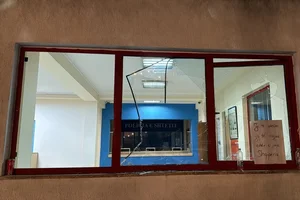
One person has been arrested, 7 have been prosecuted, and ...

Fier Police have issued an official response regarding the...

The Serious Crimes Investigation Section, in cooperation w...

While the total number of deaths fell in 2025, those from ...

As Albania faces ongoing demographic challenges, the l...

Today our country will be affected by relatively unstable ...

In an interview with CNA TV, psychologist Bona Miekley sai...

US President Donald Trump has criticized NATO allies ahead...
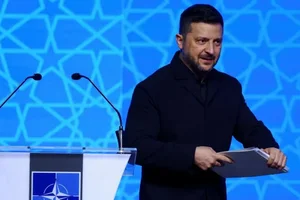
Presidenti i Ukrainës ka përdorur një fjalim në samitin e ...
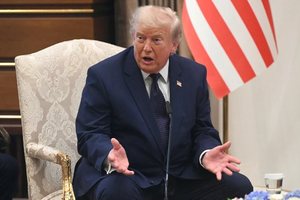
United States President Donald Trump reiterated on Tuesday...

Prosecutors in Kosovo on Tuesday filed an indictment again...

The German Embassy in Tirana has invited the Albanian publ...

Professor and literature scholar Ali Xhiku has passed away...

During my research into the life and artistic photographic...

This year's edition of the Gjon Mili International Video A...
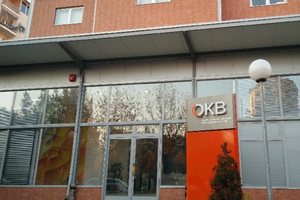
While the total number of deaths fell in 2025, those from ...
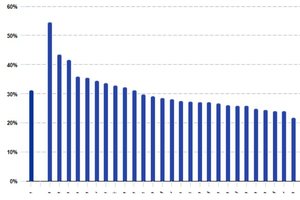
Turizmi në Shqipëri vijon të jetë i përqendruar kryesisht ...

The debate continues between the National Business Center ...

Since the launch of the real estate revaluation process in...