


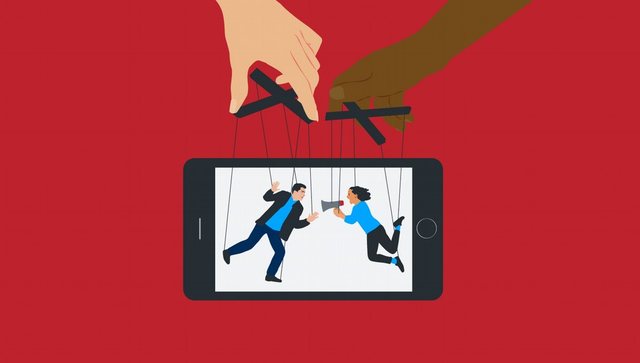
There are times when neutrality is not professionalism, but avoidance. When an institution fails, when public funds are treated as private property, when the citizen is confronted with the arrogance of the administration, staying in the middle just to maintain the appearance of balance is a form of convenience. Opinion on public issues should be fair, but not insensitive.
There is a difference between prejudice and a reasoned position. If the facts speak of abuse, there is no reason for the public to relativize it just to avoid annoying the authorities. This is precisely where the value of a media that does not see criticism as an excess, but as a duty, arises.

Of course, the critical voice also has its dangers. It can fall into blind activism, excessive language, or personal attacks. Therefore, its weight is measured not by volume, but by accuracy. A strong opinion based on facts is a public service. A strong opinion without evidence is just another noise.
The media does not have the luxury of acting as a stenographer of statements. Its role does not end with publishing an announcement or broadcasting a conference. When entering the field of public affairs, the media must do three things: verify, contextualize, and take an editorial stance when the facts require it.
This is also why opinion has a place in a serious newsroom. Not to replace the news, but to push it further. The news tells you what happened. Honest opinion asks why it happened, who allowed it, and what the consequences will be tomorrow. If the media stops only at the announcement, it leaves the citizen in the middle of the road.
In a media market filled with copycats, recycled statements, and headlines that demand quick clicks, editorial courage makes the difference. Not every portal takes on this burden. Because denunciation brings pressure, conflict, attack, and cost. But without this burden, the media risks becoming part of the landscape it was supposed to challenge.
The reader should not be fooled by the confident tone. Often, manipulation comes dressed in overconfidence. There are some simple signs that separate weighty analysis from deliberate commentary.

First, see if the author is dealing with facts or labels. When a text has a lot of swearing, a lot of moralizing, and little data, there is a problem.
Second, ask whether the argument is the same for everyone or varies according to the name at the center of the news. Double standards are alarming. Third, notice whether the opinion acknowledges complexity. Not every public issue is black and white. When a piece presents everything as a simple scenario, it may be more militant than analytical.
A serious opinion is not afraid of nuance. It can be harsh on the government and at the same time critical of the opposition. It can denounce an affair and just as openly admit when the evidence is still insufficient for a final conclusion. This is not weakness. This is intellectual honesty. /CNA


When an affair breaks out, when a tender raises doubts, wh...
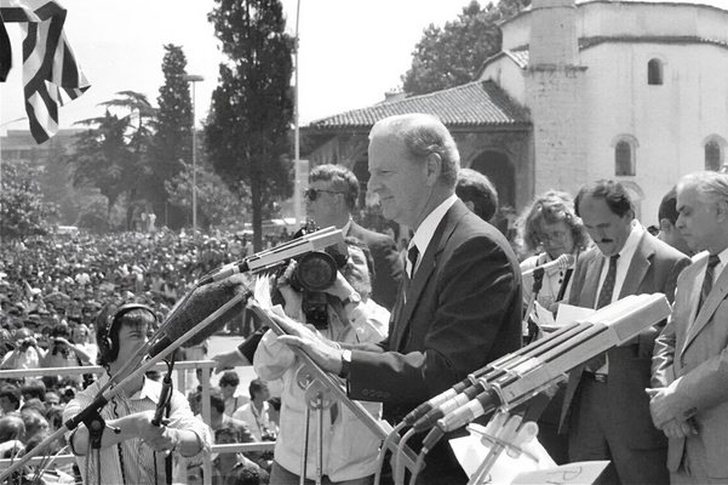
For millions of people, VOA was a beacon of hope and a win...
Machiavelli wrote in “The Prince” that it is safer to be f...
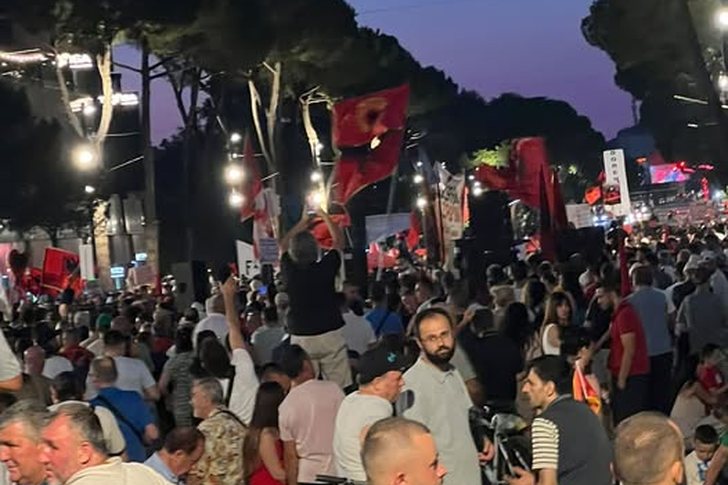
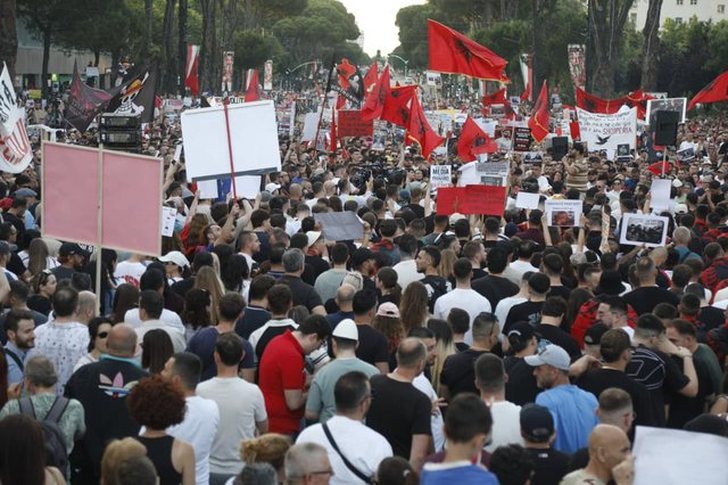
A protest is not simply a list of accusations against the ...
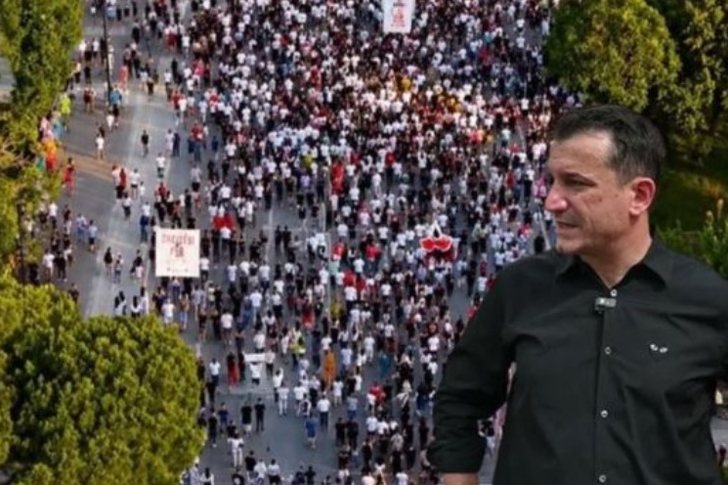
Marjana – the neo-Malaysian – (as the MP who left the floc...
On July 1, the Constitutional Court released its decision,...
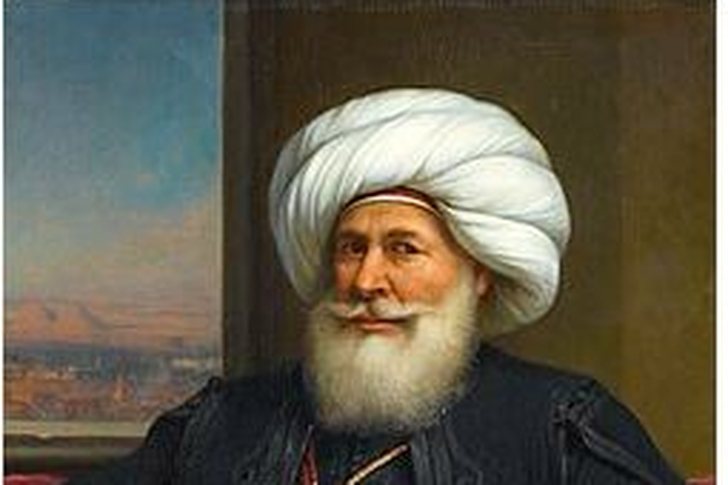
If you sit on the banks of the Nile for an afternoon and l...
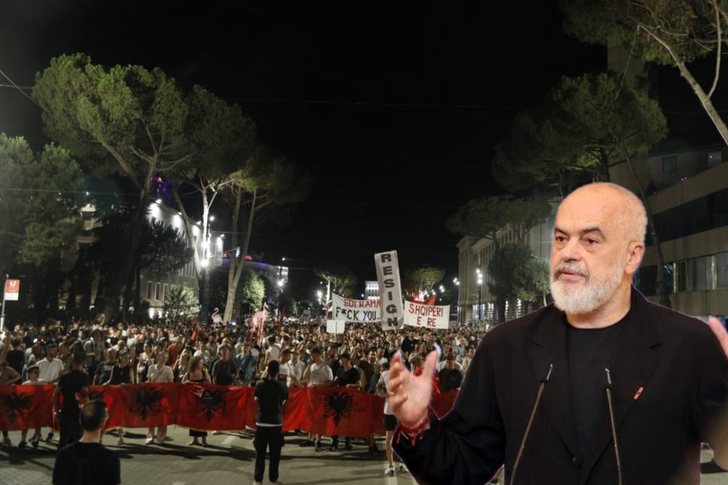
While Prime Minister Edi Rama intensified his media campai...
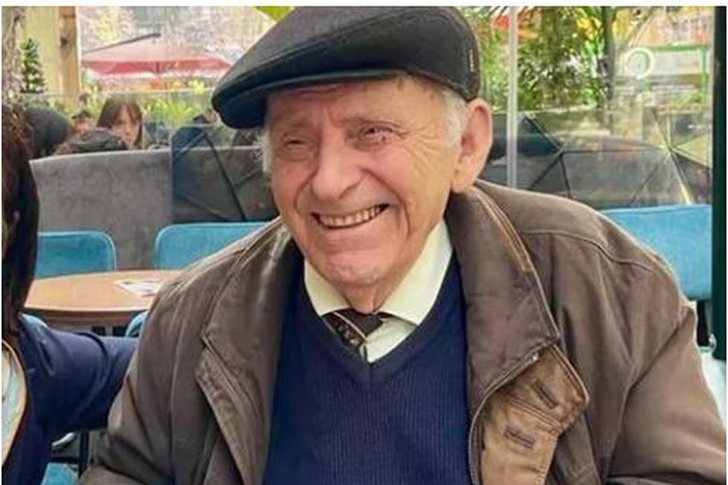
Ali Xhiku passed away quietly, just as he lived: quietly, ...
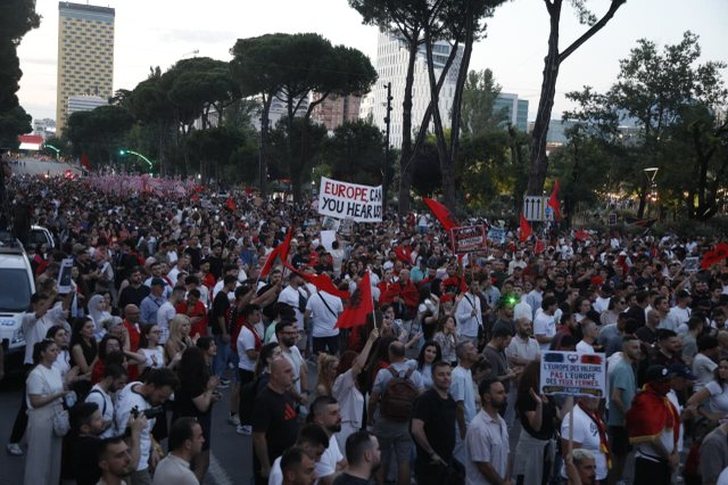
As the country moves towards Euro-Atlantic integration, pu...
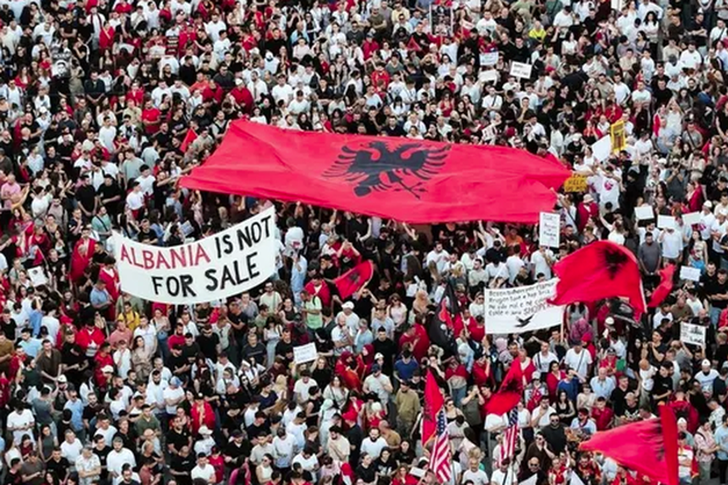
Një muaj sot dhe protesta nuk e rrëzoi pushtetin. Nuk e rr...
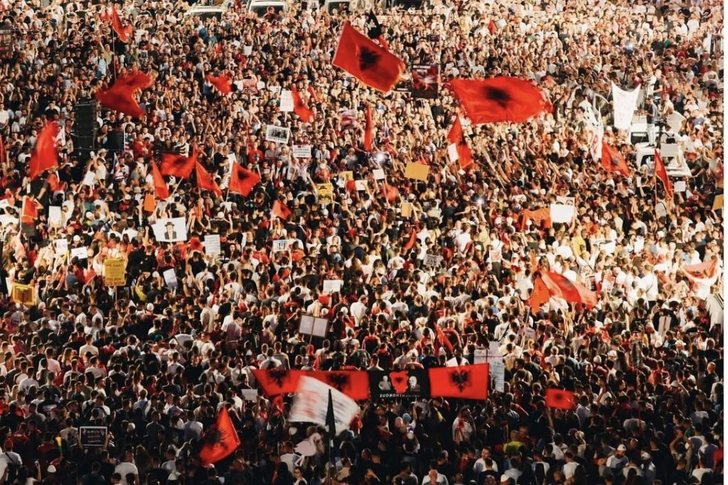
It's been almost a month and the civic protest continues t...
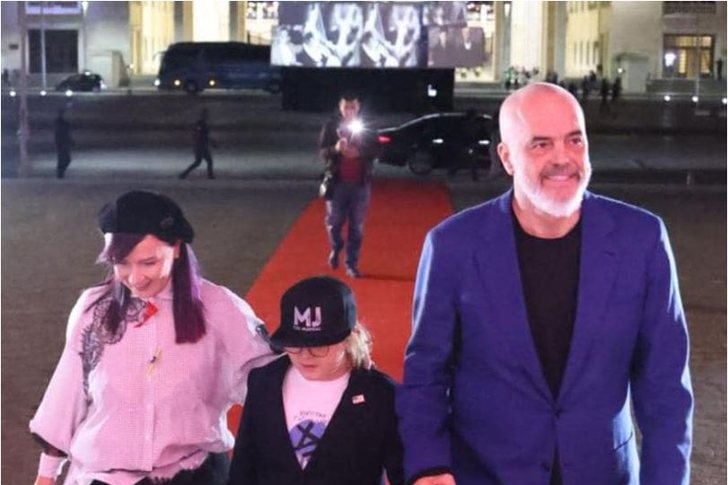
Politics is a ruthless arena. Whoever chooses to enter it mu...
The Freedom Eagles protest in the Capital has given oxygen t...
This is my third time watching “House of Cards” on Netflix, ...

"Albanian Files" is a book that predicts that Albania will...

How to understand what is happening at Vlora Airport/ 7 CO...
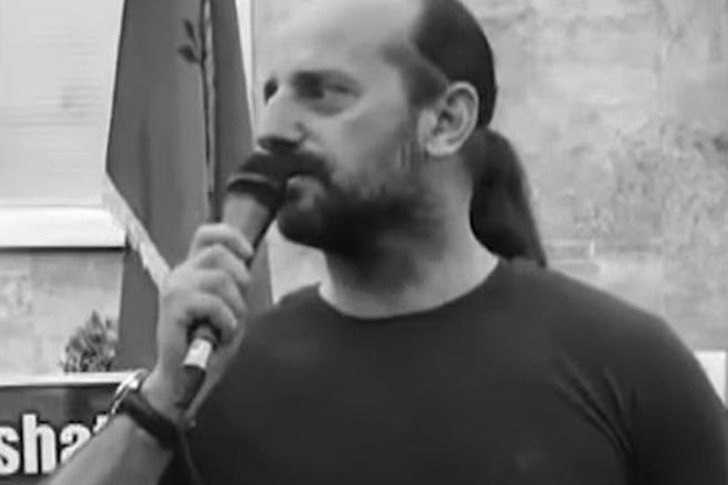
The discovery or fabrication, and subsequent public use of...
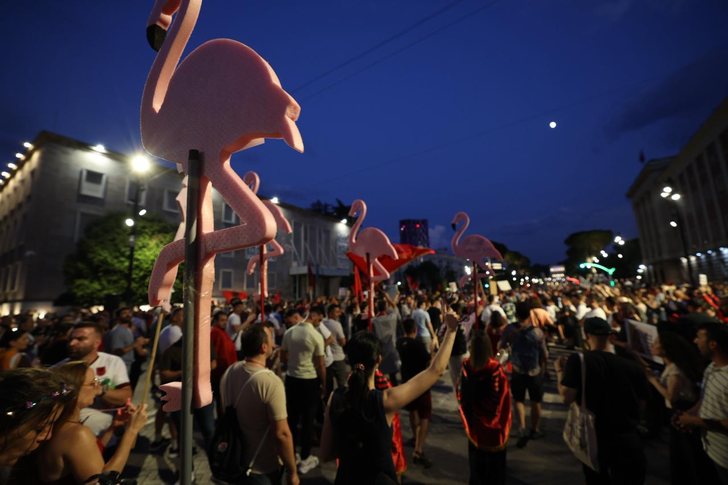
There is no official answer to the simple question: why ar...
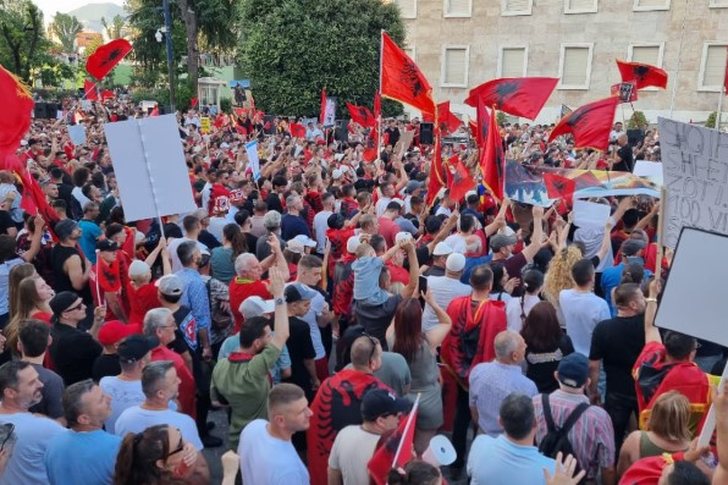
The July 4th protest, declared "nationwide," if not proper...
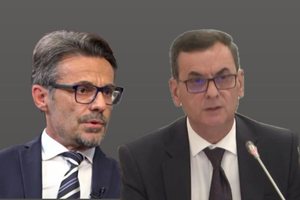
The Justice Reform and the vetting process were trumpeted ...
After revealing the property portfolio in Tirana, Kavaja, ...
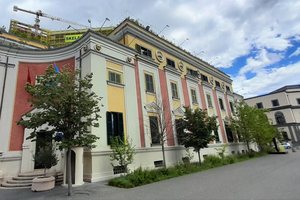
Four months ago, on March 11, CNA sent an official letter ...
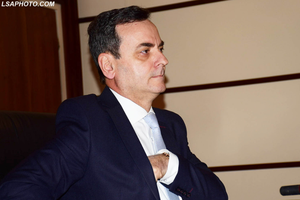
Sokol Sadushi, the president of the Supreme Court, is the ...

The Special Board of Appeal (KPA) decided this Monday ...

The KPA vetting decided this Thursday to dismiss the p...

Suela Salavaçi, a prosecutor in the Prosecutor's Offic...

The Special Board of Appeal reinstated the prosecutor ...

An accident was recorded around 01:00 on Sunday, near the ...
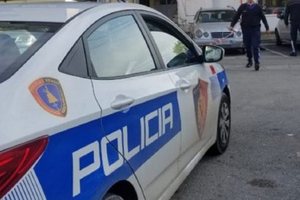
During routine checks in the village of Vlahen in Has, 3 p...

A 32-year-old man was arrested in Vlora for being armed. T...
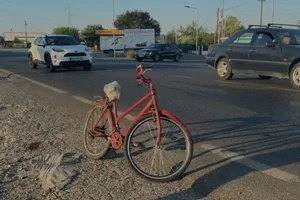
A road accident occurred this morning on the Lezhë-Milot a...

On Sunday, our country will be affected by stable weather ...
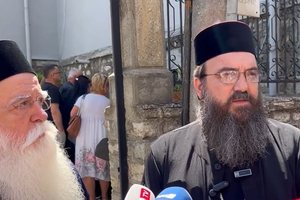
A day dedicated to health, solidarity and cooperation betw...
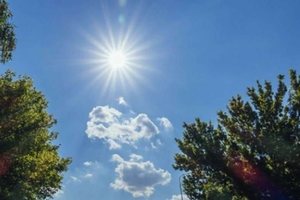
On Saturday, our country will be affected by relatively un...

Heavy traffic is turning movement in Tirana into an exhaus...
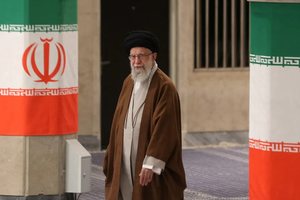
After months of tumultuous conflict with the United States...
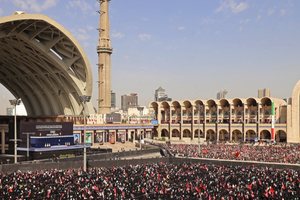
The multi-day funeral ceremonies for Iran's late supreme l...

The General Staff of the Ukrainian Army has denied Russian...
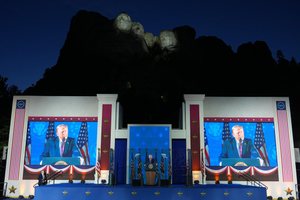
US President Donald Trump delivered a speech on the eve of...
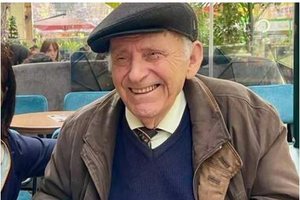
Professor and literature scholar Ali Xhiku has passed away...
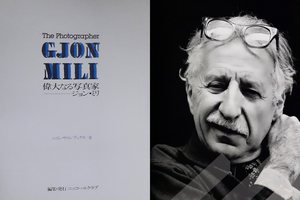
During my research into the life and artistic photographic...

This year's edition of the Gjon Mili International Video A...
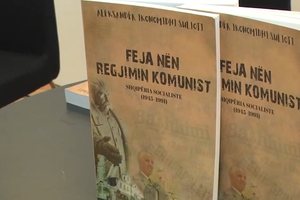
The promotion of the book by author Aleksandër Ikonomidhi ...
This Sunday, one US dollar is bought for 81.3 lek and sold...

When it comes to 10 key economic issues, the debate in Alban...
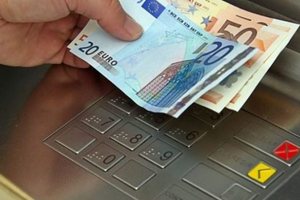
This Saturday, one US dollar is bought for 81.3 lek and so...
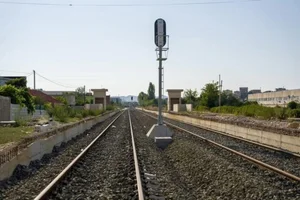
The loan agreement for the electrification of the Tirana-D...