

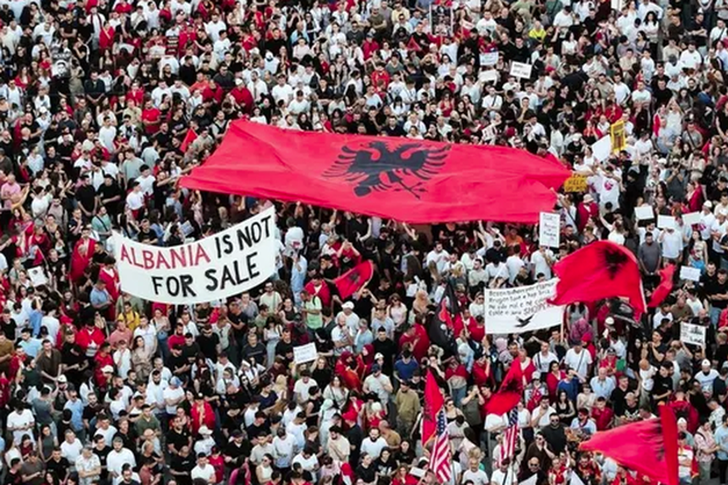
Realiteti i ri politik shqiptar pas një muaji protestash
Një muaj sot dhe protesta nuk e rrëzoi pushtetin. Nuk e rr...


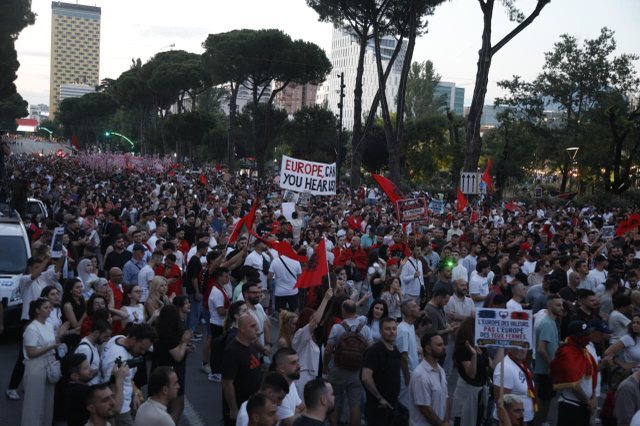
As the country moves towards Euro-Atlantic integration, public debate is often lost in theories about foreign influences. But behind the youth revolt lie genuine social demands that demand attention, solutions, and accountability.
Today’s Albania is navigating a profound paradox. As the country awaits major events, such as the NATO Summit, and aims for membership in the European Union, our public space is being filled with imported conspiracy theories. From the dark rooms of the internet to television debates, a mix of American-style alt-right narrative (QAnon), geopolitical paranoia, and fabricated religious panic is circulating. This phenomenon is taking hostage precisely the natural desire for civic accountability.
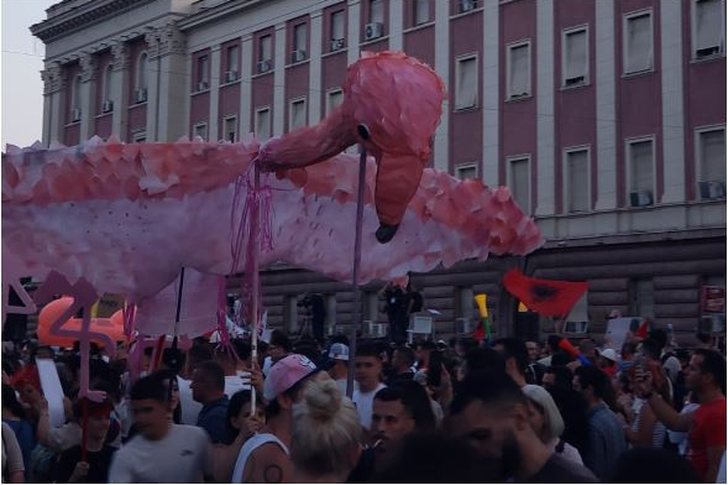
This climate does not remain only at the level of public debate, but is also reflected in the way protests and symbols are interpreted in public space. The symptoms of this poisoning are becoming increasingly clear. Most recently, in the protests called the "Flamingo Revolution", the removal of an Israeli flag in Tirana constitutes an unacceptable act. This action, surprisingly, remained unexplained and without any institutional reaction. It violates the Albanian tradition of hospitality and tolerance. Such events are also reminiscent of the clashes of a few years ago over a Turkish flag at a hydroelectric power plant in Mirdita. These episodes testify to a wounded society, which, overwhelmed by the fear of domination, reacts emotionally to any foreign symbol. In this way, attention is diverted from real problems – corruption, lack of meritocracy and inequality – to focus on imaginary geopolitical enemies.
It is precisely on this terrain filled with uncertainty and emotions that political narratives are built. To explain once again the real geopolitics to the uninformed: yes, Iran can violate the interests of a NATO member state and candidate for the European Union. But it can do this through hybrid warfare, disinformation campaigns and asymmetric cyber attacks. Claims that Tehran has the capacity to physically destabilize Albania or incite thousands of Albanians to mass protests are far-fetched scenarios with no convincing basis. This approach tends to dilute the pure civic spirit by looking for causes outside the country's borders. Moreover, it creates an unnecessary image of a fragile Albania in the face of its Euro-Atlantic partners.
But conspiracy narratives do not stop at geopolitics. They also extend to the religious realm. Some security analysts, who know very little about religious issues and their connection to security, continue to build the bogeyman of "political Islam." They claim that young believers are being incited by mosques towards radical revolutions. This claim constitutes an insult to the Albanian Muslim Community and contradicts historical facts. Albania has been among the countries least affected by religious radicalism in Europe and has not known a single religiously motivated terrorist act during the period of pluralism. Any such insinuation feeds an unnecessary climate of Islamophobia and prejudice.
If we set aside these ideological interpretations, it becomes much clearer what the real source of discontent is. What is driving young people and the middle class to protest is not some religious dogma or some foreign agenda. These movements stem from unmet social demands: the lack of meritocracy, economic inequalities, property issues, and the need for more transparency. These protests bring together believers and non-believers, Catholics and Muslims, atheists and agnostics. They are not united by any ideology, but by the same concerns about the future.
Precisely for this reason, this civic energy should not be seen as a threat, but as an opportunity. The new urban horizon and intensive developments have often created a sense of disconnect between grand investment plans and the interests of local communities. However, through this movement, Albania is showing Europe that it has a vibrant, critical and active youth. This energy, if properly channeled, can serve as a catalyst for deeper reforms and a new political culture.
However, any civic energy also needs political prudence. For this movement to become a serious alternative, it must distance itself from radical rhetoric and slogans for imaginary revolutions. We do not live in 18th-century France. The system does not change overnight; it is reformed through dialogue, institutions, and the establishment of equal rules for all.
Ultimately, this is the test that Albania must pass at this historic moment. The Quran says: "Are there not wise men among you?" This question sounds today like a call to reject conspiracy theories and focus on the real problems of society. Democracy is not built on fears and assumptions, but on transparency, the rule of law and accountability. This truth, fortunately, is being understood by the healthy and reasonable majority of Albanians.

Një muaj sot dhe protesta nuk e rrëzoi pushtetin. Nuk e rr...
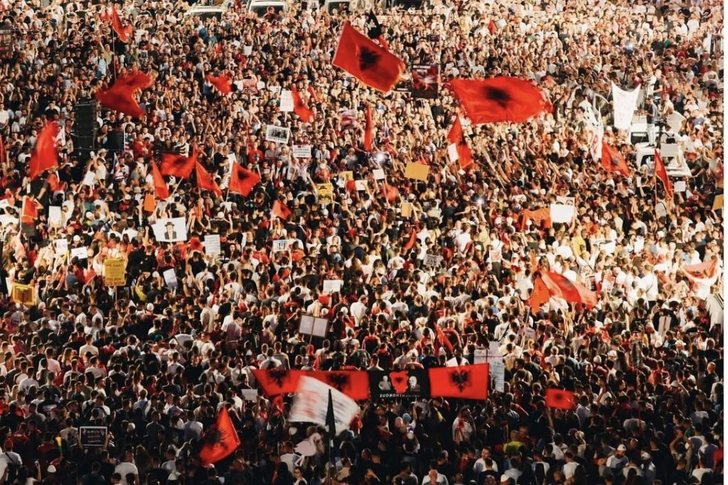
It's been almost a month and the civic protest continues t...
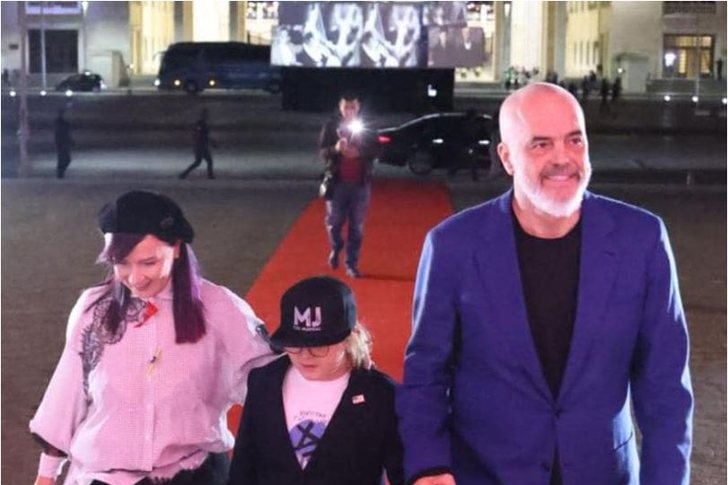
Politics is a ruthless arena. Whoever chooses to enter it mu...
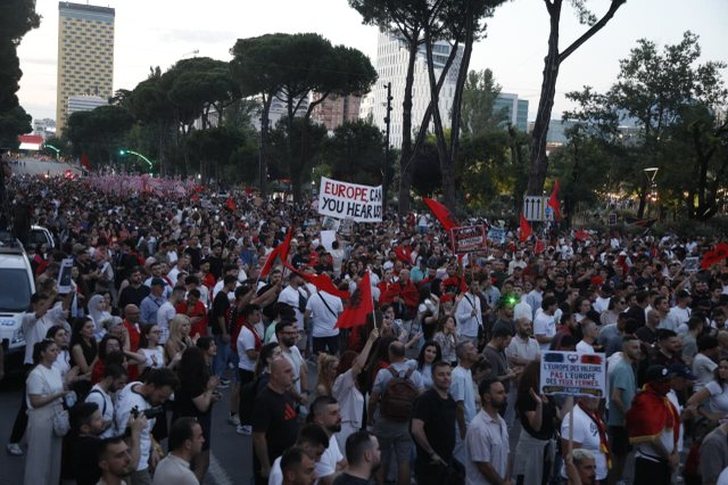
The Freedom Eagles protest in the Capital has given oxygen t...
This is my third time watching “House of Cards” on Netflix, ...
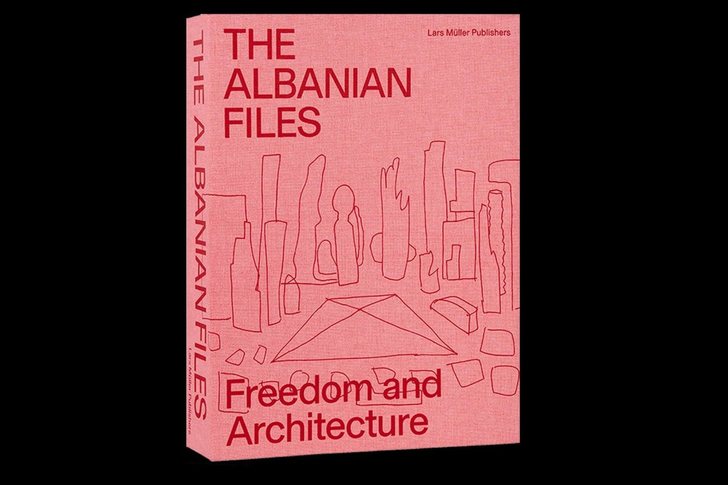
"Albanian Files" is a book that predicts that Albania will...
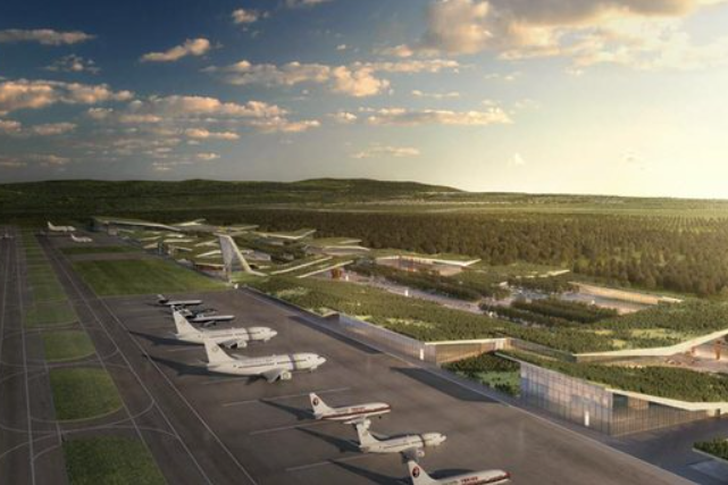
How to understand what is happening at Vlora Airport/ 7 CO...
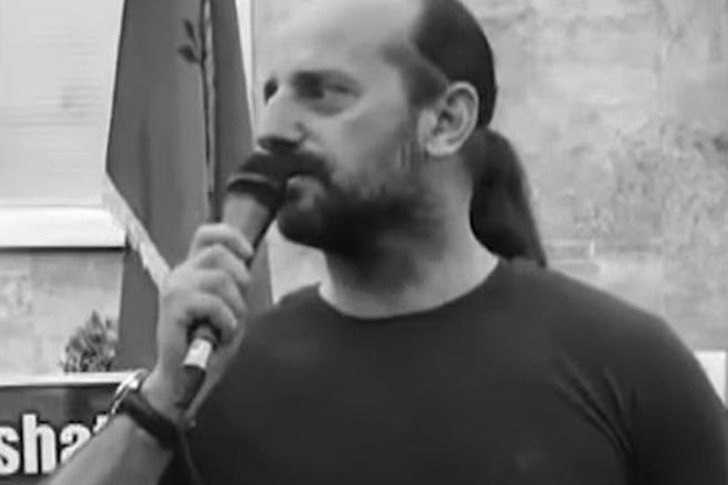
The discovery or fabrication, and subsequent public use of...
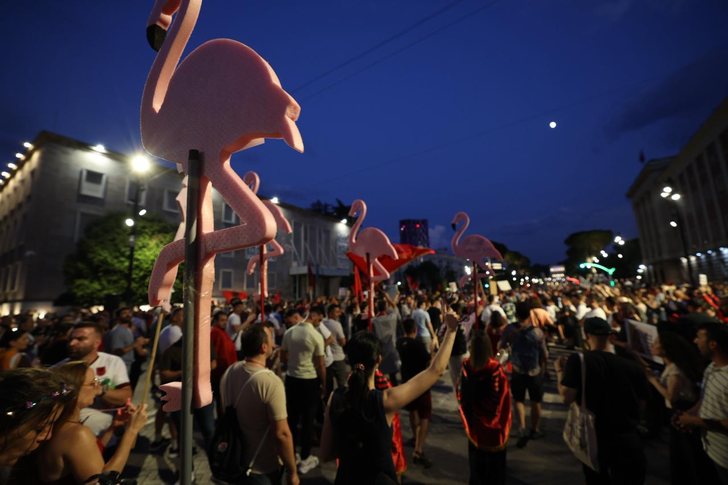
There is no official answer to the simple question: why ar...
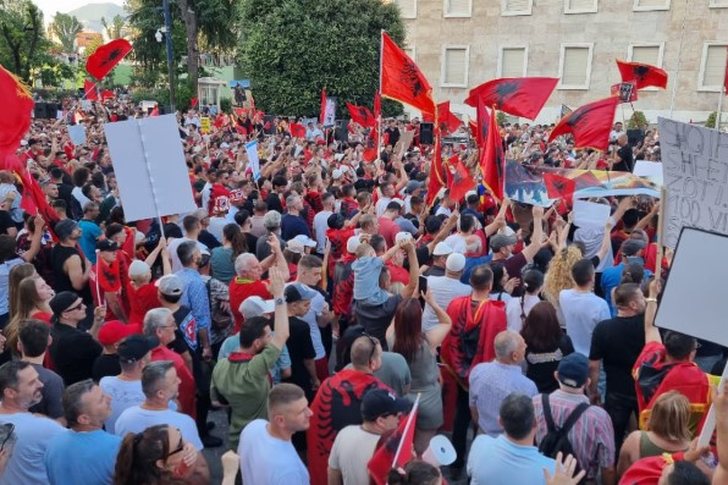
The July 4th protest, declared "nationwide," if not proper...
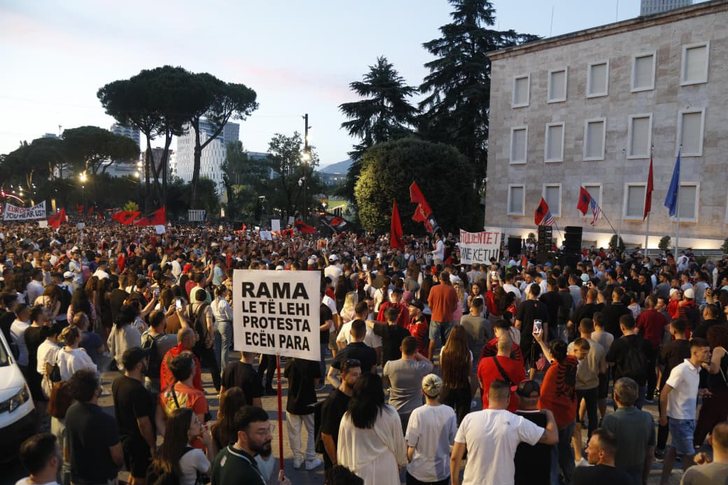
In a country where the Prime Minister has set up drug cart...
IRANIAN AGENT AND ALBANIAN PRIME MINISTER So, finally, th...
In politics, but not only, it has become a habit to sell a...
Today my sister received her monthly pension, a disability...
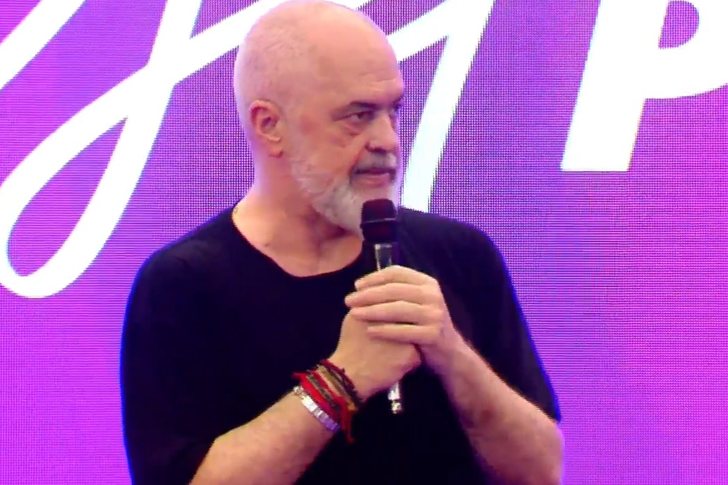
Edi Rama is not trying to win against the protest, but aga...
Let's put it bluntly, because Albanians are tired of the l...
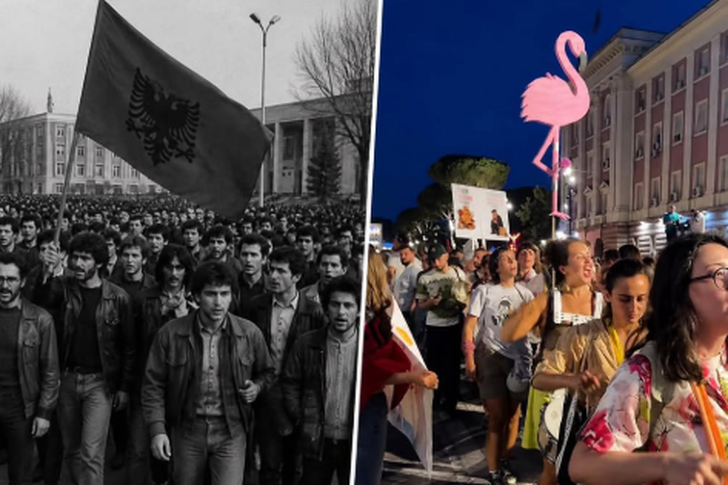
I do not deny that as a participant in the '90 Student Mov...
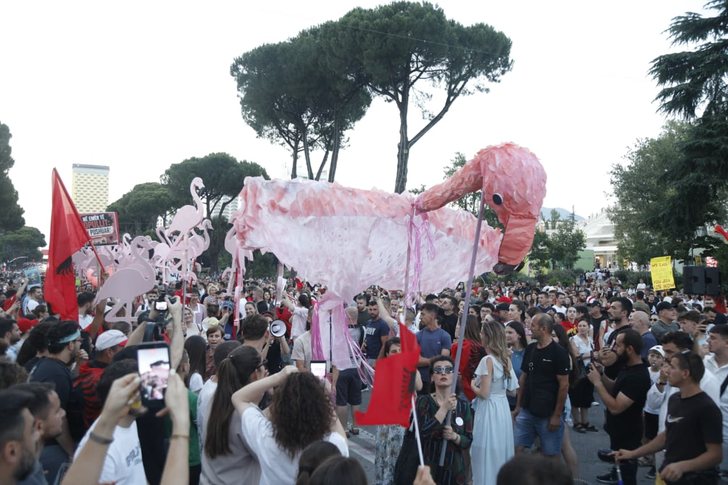
Every major civic movement waged two parallel battles. The...
When he wanted to stand out as a passionate patriot and pa...
In political philosophy, but also in Islamic thought, we o...
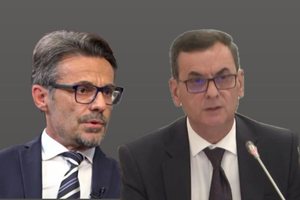
The Justice Reform and the vetting process were trumpeted ...
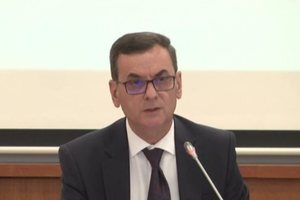
After revealing the property portfolio in Tirana, Kavaja, ...
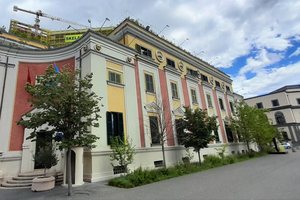
Four months ago, on March 11, CNA sent an official letter ...
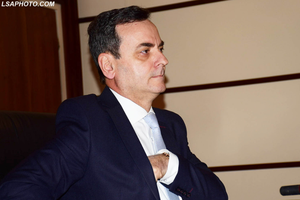
Sokol Sadushi, the president of the Supreme Court, is the ...

The Special Board of Appeal (KPA) decided this Monday ...

The KPA vetting decided this Thursday to dismiss the p...

Suela Salavaçi, a prosecutor in the Prosecutor's Offic...

The Special Board of Appeal reinstated the prosecutor ...
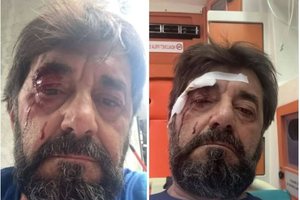
Journalist Ilir Demaliaj has made a statement to the media...
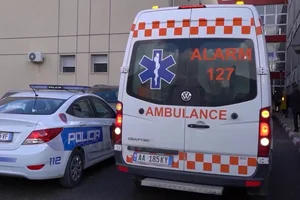
Analyst Ilir Demaliaj was raped today by two people. The n...
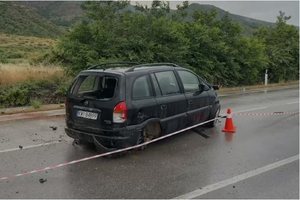
The accident resulting in the death of a 32-year-old man n...
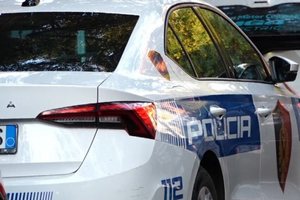
Durrës Police have cracked down on a case of drug sales. ...

On Wednesday, our country will be affected by relatively s...
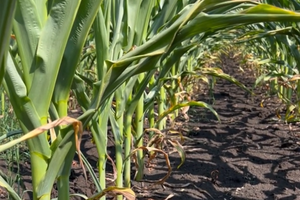
A field inspection has begun in the Maliq area, after the ...
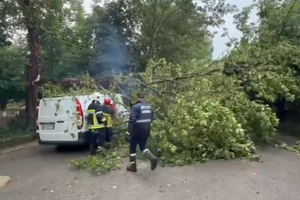
Heavy rainfall accompanied by strong winds has caused prob...

Albania will be affected this Tuesday by relatively stable w...
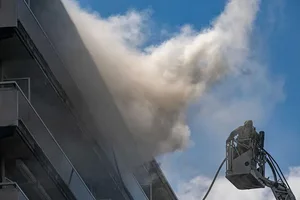
At least five people have died and several others have bee...
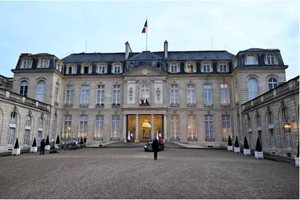
France will go to the polls to elect its next president on...
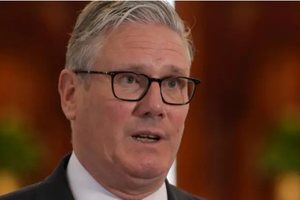
British Prime Minister Keir Starmer has hinted at an incre...
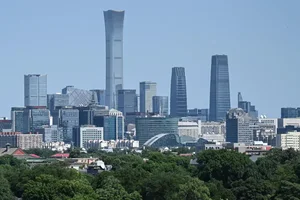
It's been four days since a small plane crashed into Beiji...
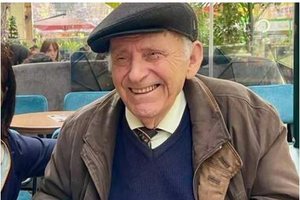
Professor and literature scholar Ali Xhiku has passed away...
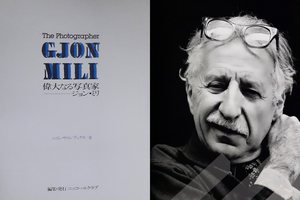
During my research into the life and artistic photographic...
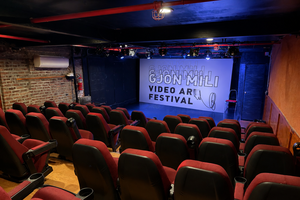
This year's edition of the Gjon Mili International Video A...
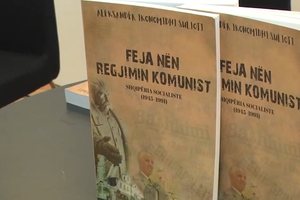
The promotion of the book by author Aleksandër Ikonomidhi ...
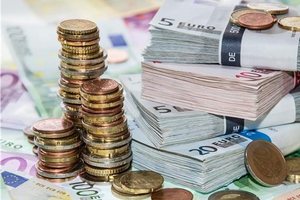
This Wednesday, one US dollar is bought for 81.8 lek and s...

The structure of Albania's Gross Domestic Product (GDP) fo...
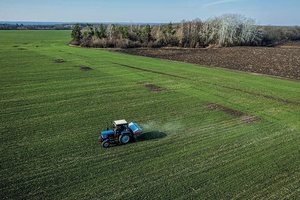
Applications for VAT compensation for farmers begin today,...

Dairy prices in our country have become so expensive in th...