


Approval of the normative act for the 2026 budget / Rama: A headline that did not take up much space, it is known for what reason
Prime Minister Edi Rama has spoken about the partnership b...

Prime Minister Edi Rama has spoken about the partnership b...

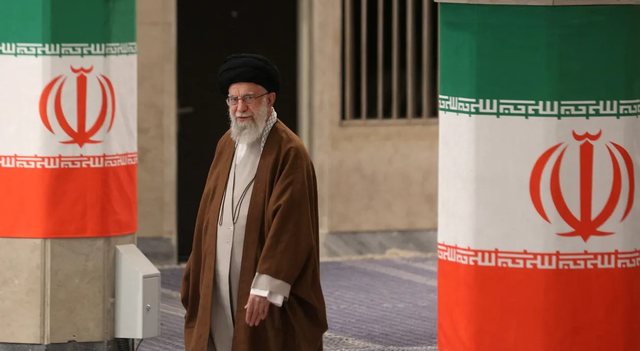
After months of tumultuous conflict with the United States and Israel, Iran is at a historic turning point. With the death of Supreme Leader Ayatollah Ali Khamenei in airstrikes early in the war, the political scene in Tehran has undergone a complete transformation, ending the era of the "old guard" of the 1979 revolution.
The new leadership, headed by Supreme Leader Mojtaba Khamenei, 56, and other figures closely linked to the Revolutionary Guards IRGC, is emerging as a much more pragmatic and determined force than its predecessors.
Unlike Ali Khamenei's old "neither war nor peace" strategy, the current leadership has shown a willingness to engage in a more aggressive conflict, directly challenging US military bases and destabilizing important sea lanes like the Strait of Hormuz.
According to experts, this generational change in power has changed the "chessboard" in the Middle East. While the country's economy remains in dire straits, the regime has focused on its survival through a new pragmatism.
Efforts to soften some internal taboos, such as easing restrictions on the hijab or introducing Western elements into urban life, are interpreted as attempts to regain the trust of an educated and disaffected population that has so far felt it has no role in determining the country's future.
Despite the deep hostility, the diplomatic process launched after the ceasefire has opened a window of opportunity. The memorandum of understanding agreement with the US, which includes the temporary lifting of sanctions on oil exports, is being used by Tehran as a mechanism to repair the economy and perhaps build a "new social contract" with its citizens.
However, the situation remains extremely fragile. Mutual distrust, disagreements over the nuclear program and unresolved tensions in the region mean that this moment, described by diplomats as a "plastic moment" because of the great potential for change, could easily turn into failure.
For the new Iran, the challenge is not simply military survival, but the ability to translate this fragile stability into a transformed relationship with the world and its own people. /CNA

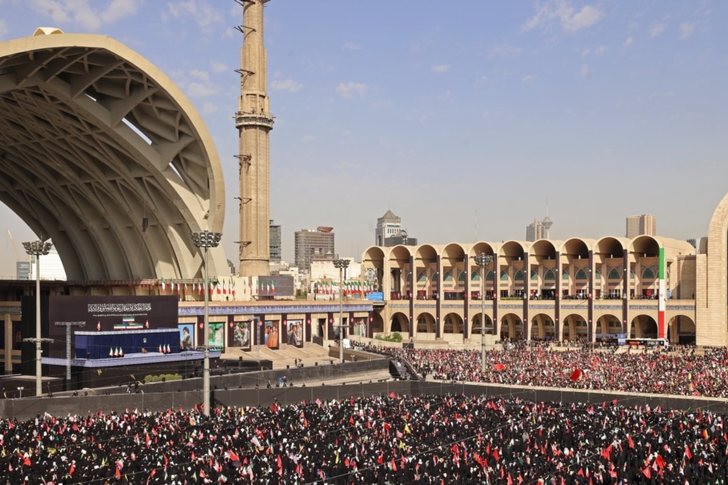
The multi-day funeral ceremonies for Iran's late supreme l...
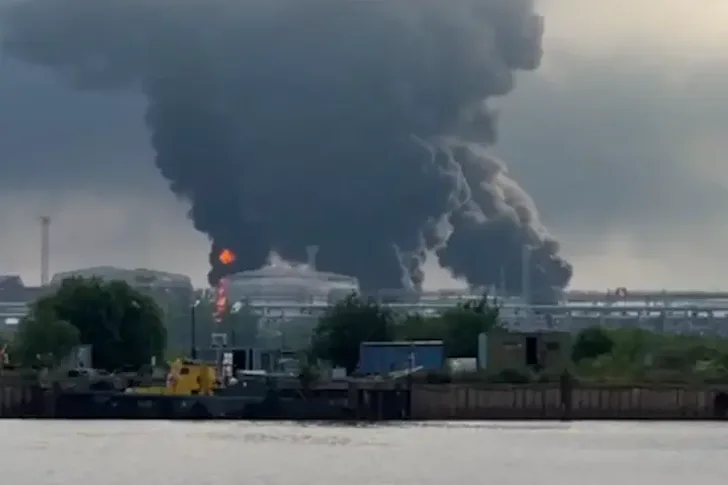
The General Staff of the Ukrainian Army has denied Russian...
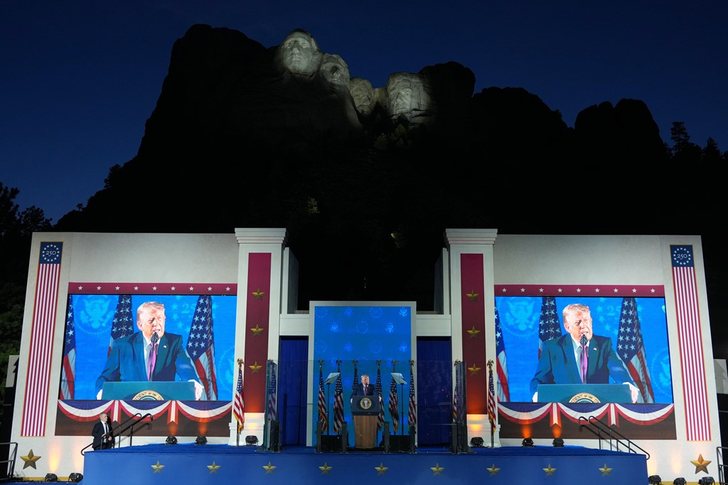
US President Donald Trump delivered a speech on the eve of...
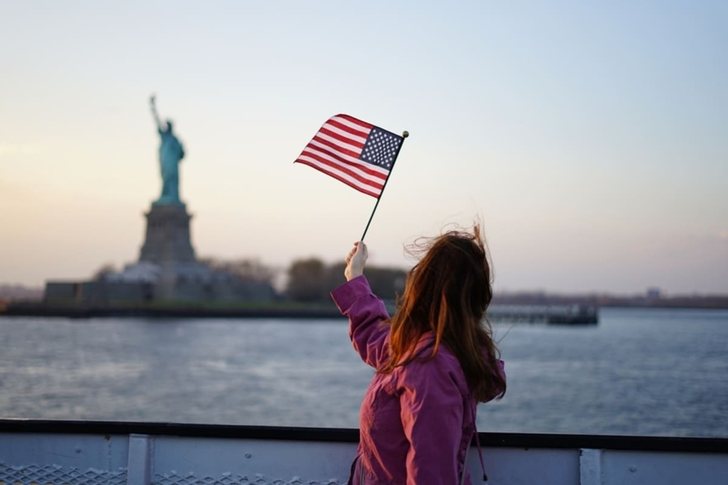
The United States of America marks the 250th anniversary o...
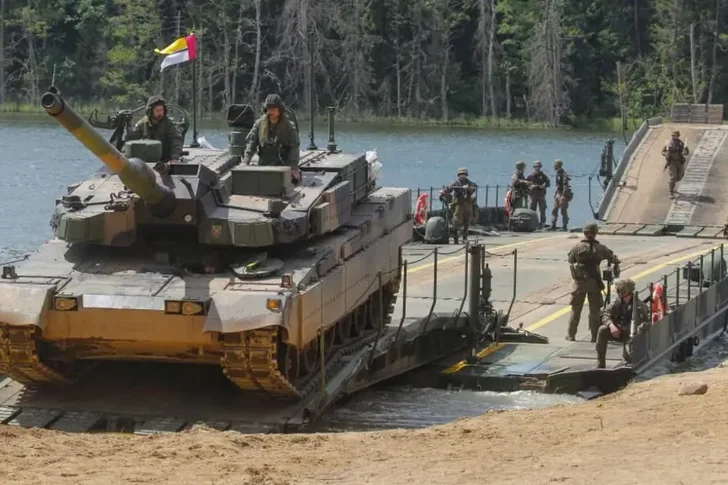
Prime Minister Donald Tusk has stated that Poland is prepa...
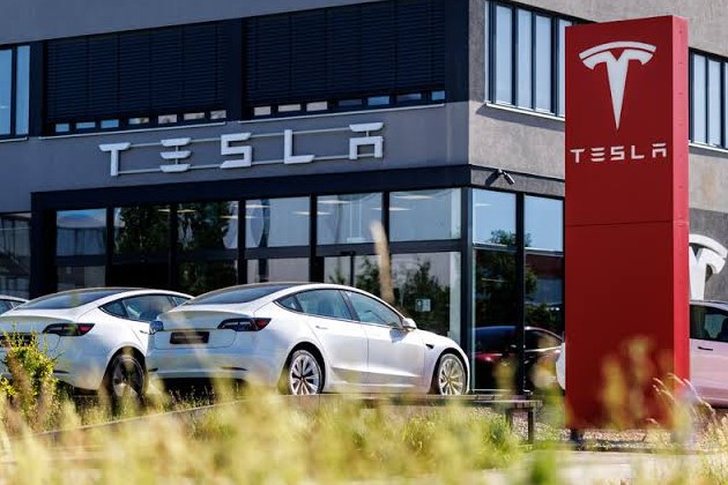
Electric car company Tesla has posted an impressive perfor...
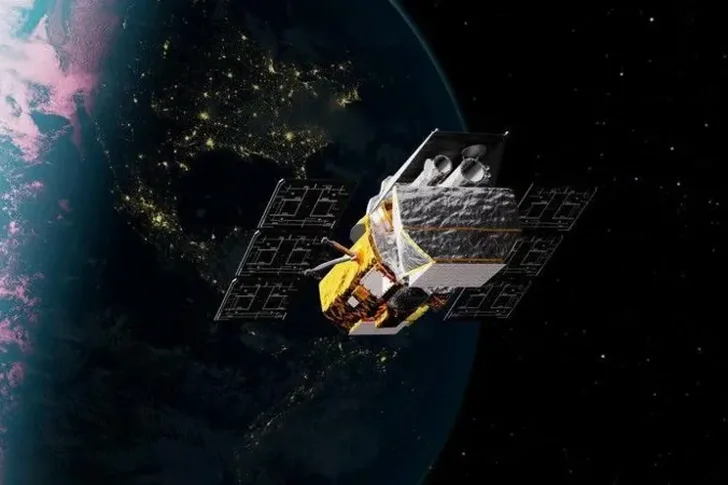
In an unprecedented effort in the history of space explora...
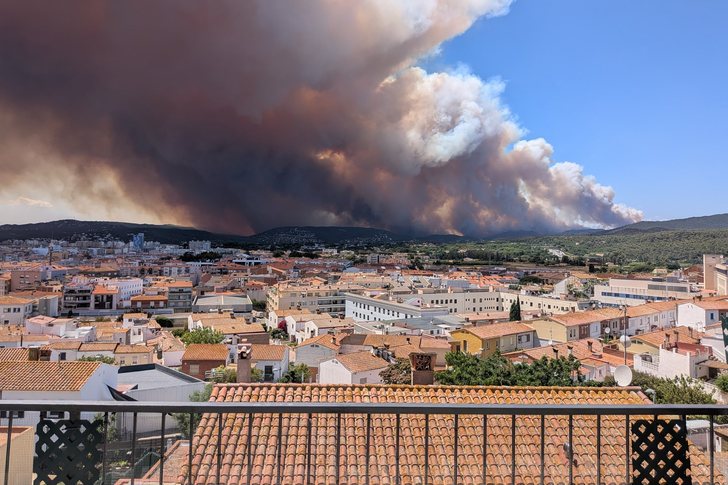
A huge fire broke out today near the tourist destination C...
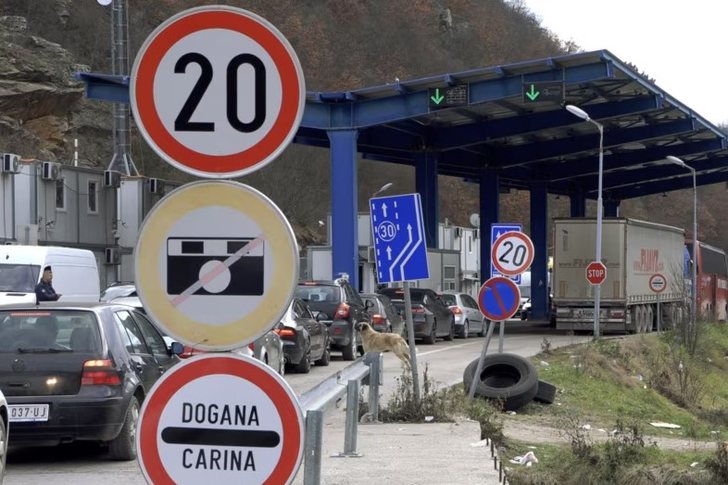
Serbia's Ministry of Internal Affairs said it has arrested...
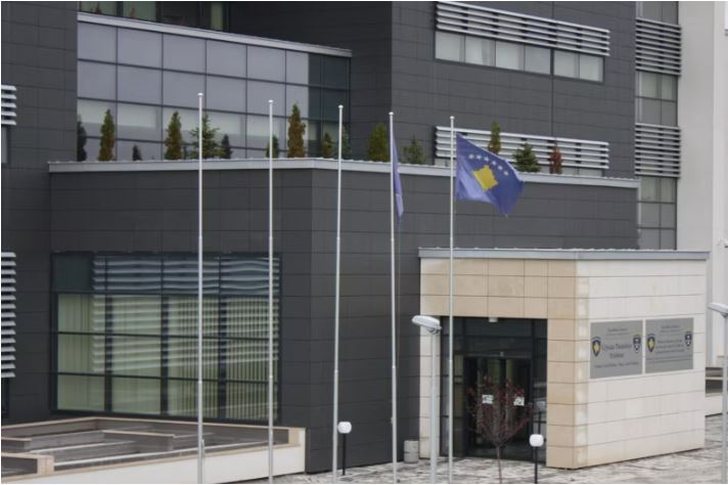
The court in Pristina sentenced Ekrem Bajrović on Friday t...
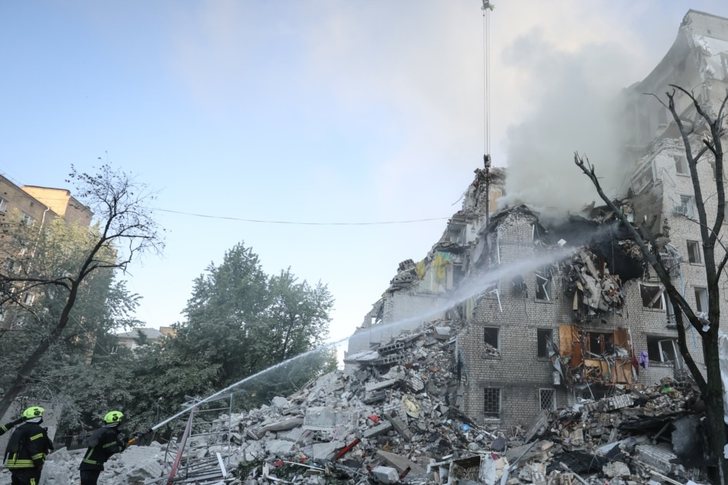
Russia carried out one of the largest attacks on the Ukrai...
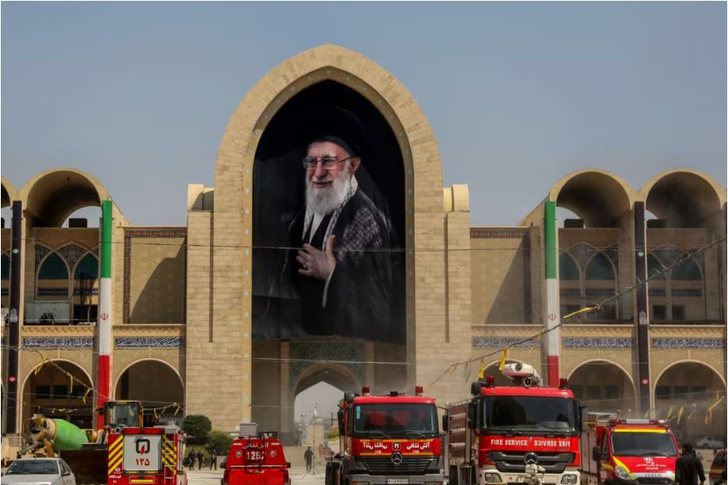
Four months after he was assassinated at the start of the ...
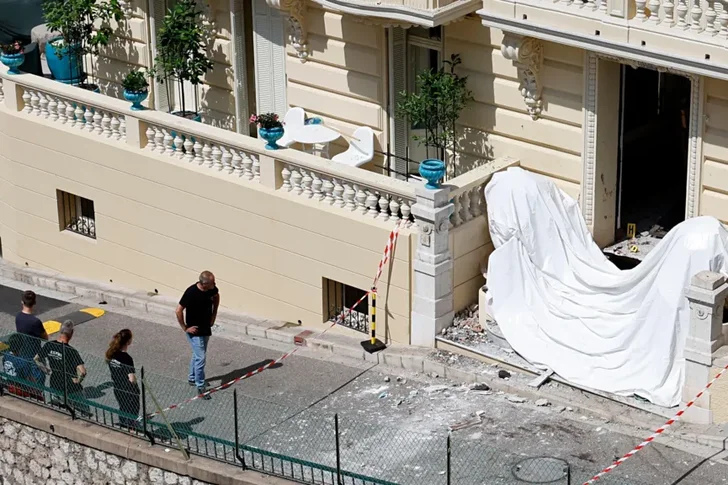
A suspect has been identified in the investigation into a ...
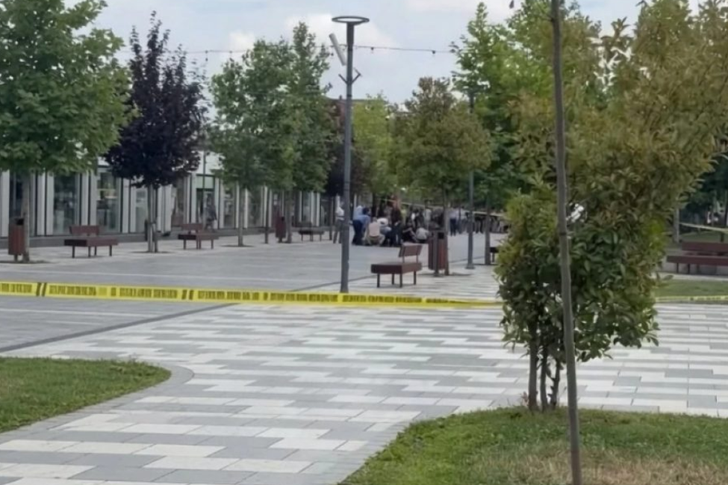
A serious shooting incident rocked the city center of Podu...
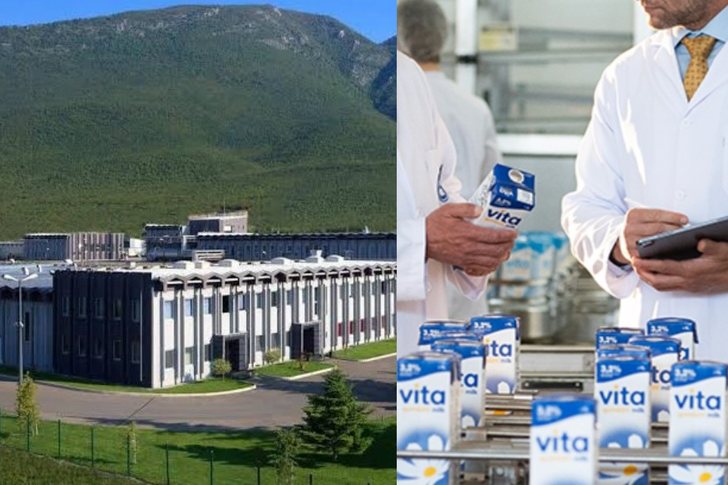
The Vita milk factory in Kosovo has been closed. According...
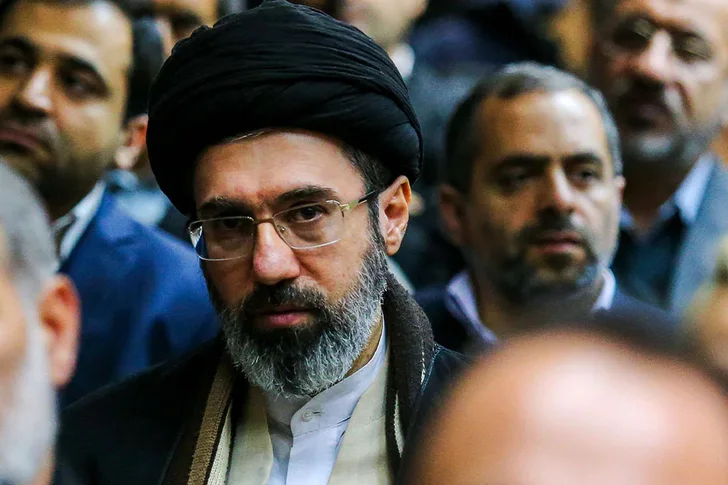
Iran's Supreme Leader Mojtaba Khamenei will not attend the...
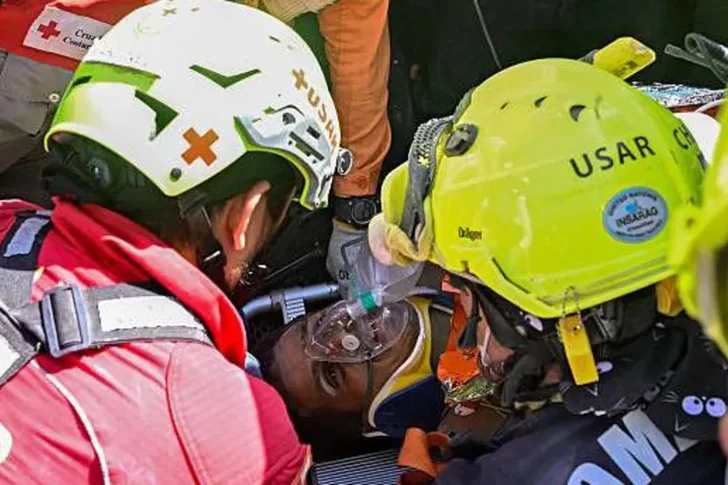
After eight days under the rubble of a building collapsed ...
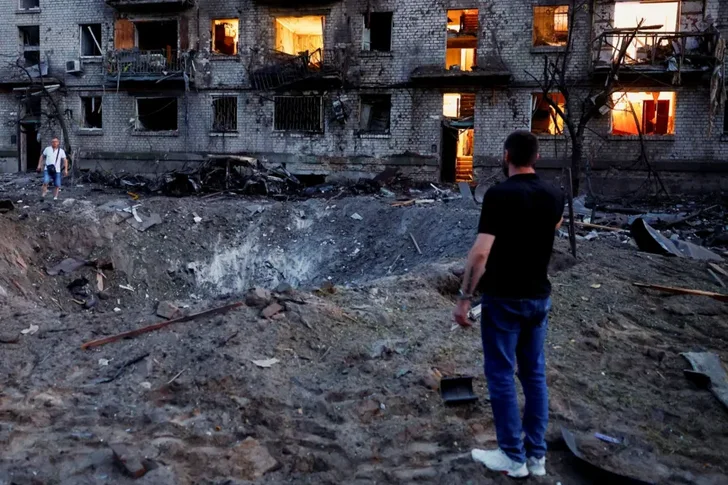
Russian forces have launched a major drone and missile att...
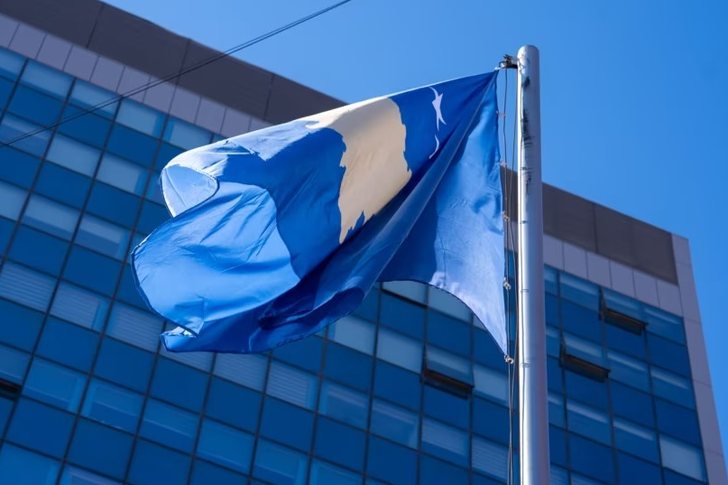
The acting government of Kosovo considers that Serbian Pre...
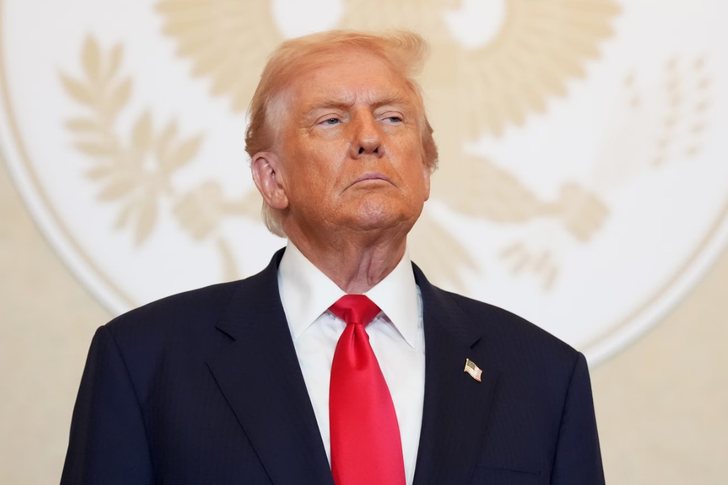
US President Donald Trump has praised the progress of the ...
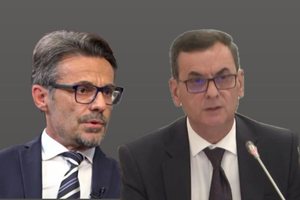
The Justice Reform and the vetting process were trumpeted ...
After revealing the property portfolio in Tirana, Kavaja, ...
Four months ago, on March 11, CNA sent an official letter ...
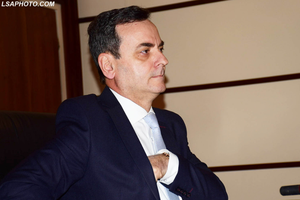
Sokol Sadushi, the president of the Supreme Court, is the ...

The Special Board of Appeal (KPA) decided this Monday ...

The KPA vetting decided this Thursday to dismiss the p...

Suela Salavaçi, a prosecutor in the Prosecutor's Offic...

The Special Board of Appeal reinstated the prosecutor ...
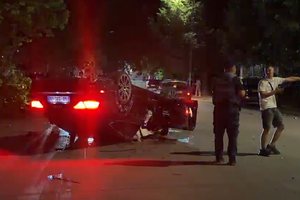
An accident was recorded around 01:00 on Sunday, near the ...
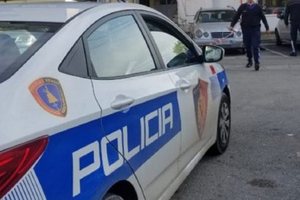
During routine checks in the village of Vlahen in Has, 3 p...

A 32-year-old man was arrested in Vlora for being armed. T...
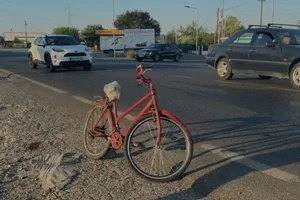
A road accident occurred this morning on the Lezhë-Milot a...
On Sunday, our country will be affected by stable weather ...
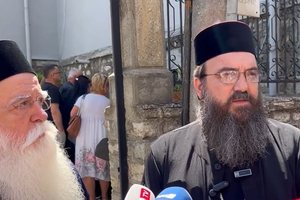
A day dedicated to health, solidarity and cooperation betw...
On Saturday, our country will be affected by relatively un...
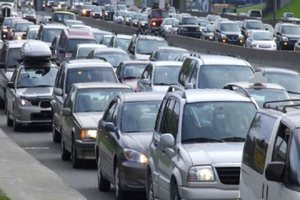
Heavy traffic is turning movement in Tirana into an exhaus...
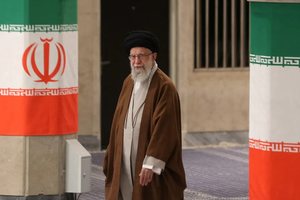
After months of tumultuous conflict with the United States...
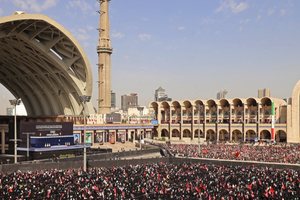
The multi-day funeral ceremonies for Iran's late supreme l...
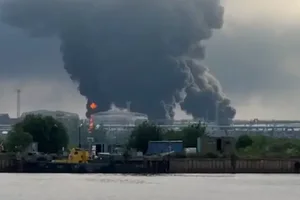
The General Staff of the Ukrainian Army has denied Russian...
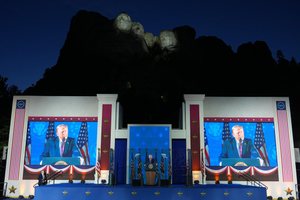
US President Donald Trump delivered a speech on the eve of...
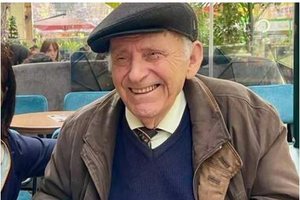
Professor and literature scholar Ali Xhiku has passed away...
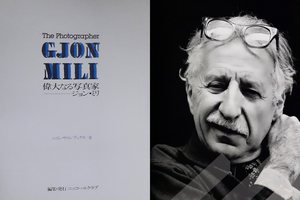
During my research into the life and artistic photographic...
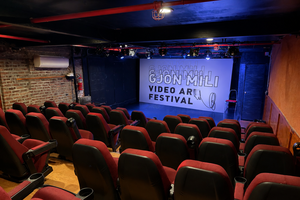
This year's edition of the Gjon Mili International Video A...
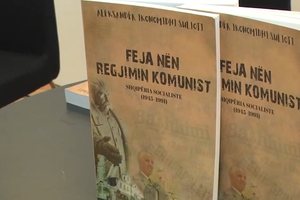
The promotion of the book by author Aleksandër Ikonomidhi ...
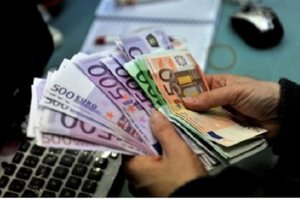
This Sunday, one US dollar is bought for 81.3 lek and sold...

When it comes to 10 key economic issues, the debate in Alban...
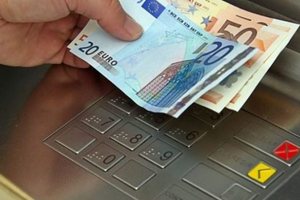
This Saturday, one US dollar is bought for 81.3 lek and so...
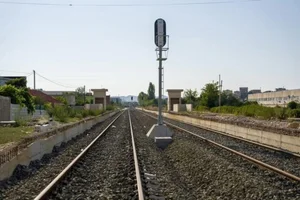
The loan agreement for the electrification of the Tirana-D...