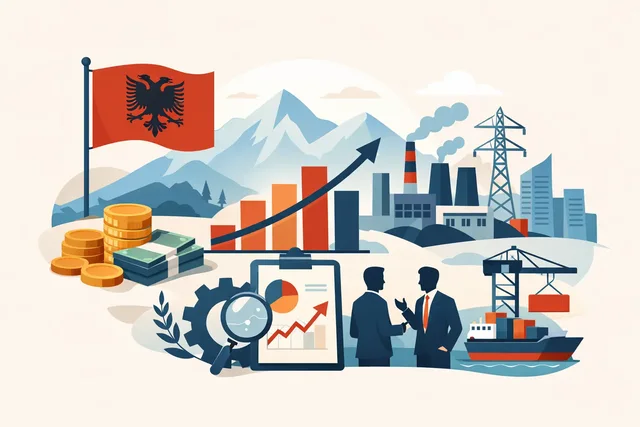
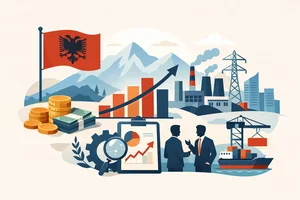
When it comes to 10 key economic issues, the debate in Albania is often distorted by propaganda, curated statistics and conferences where everything seems fine. But the real economy is not measured by speeches. It is measured by the energy bill, the price of bread, the salary that is not paid until the end of the month and the small business that is closed in silence.
If the facade is removed, the picture is harsher. Albania does not only need economic growth on paper, but for an economy that distributes welfare, produces quality jobs and does not push citizens to seek salvation abroad. It is here that the problems that politics touches on only in title and leaves without solutions come to the fore.
- Economic growth without real effect on citizens
Gross Domestic Product figures are often used as political trophies. The problem is that economic growth is not worth much when citizens do not feel it in their pockets. If the economy grows, but wages remain low and the cost of living increases, then we have a gap between statistics and reality.
In Albania, this happens constantly. There are sectors that provide volume, such as construction or tourism, but their impact does not always translate into distributed well-being. An economy can also grow by creating profits concentrated in a few hands. This is not sustainable development. It is simply a balance sheet inflating.
- Prices that rise, wages that drag
Inflation is not a technical term for specialists. It is the daily blow to the family that goes to the market. When food, rent, fuel and services increase faster than income, the citizen becomes poorer even when he is employed.
This is one of the 10 key issues of the Albanian economy because it directly affects the consumer and the consumer keeps the market afloat. A formal increase in the minimum wage can give a political signal, but it is not enough when productivity remains low and the private sector faces high costs. In some cases, raising wages helps. In other cases, when not accompanied by serious production policies, it simply increases the pressure on honest business.
- Emigration that empties the labor market
Albania is losing its most important capital - people. Young people leave, professionals leave, qualified workers leave. Then we hear complaints that businesses cannot find staff. This is not a coincidence. It is the consequence of an economic model that does not convince.

Kur një i ri sheh se jashtë vendit mund të marrë disa herë më shumë për të njëjtën punë, zgjedhja bëhet brutalisht e qartë. Kjo krijon dy pasoja. Së pari, mungesë fuqie punëtore. Së dyti, plakje të popullsisë dhe ngushtim të bazës që prodhon, konsumon dhe paguan taksa. Asnjë ekonomi nuk mund të mbështetet pafundësisht te remitancat dhe nostalgjia e diasporës.
- Borxhi publik dhe barra që shtyhet për nesër
Qeveritë e kanë të lehtë të flasin për investime. Më e vështirë është të tregojnë sa kushtojnë realisht dhe kush do t’i paguajë. Borxhi publik mbetet një nyje e fortë, sepse çdo huamarrje e sotme është barrë për buxhetin e nesërm.
Borxhi nuk është i keq në vetvete. Nëse përdoret për infrastrukturë produktive, arsim cilësor apo projekte që rrisin konkurrueshmërinë, ai mund të justifikohet. Por kur shpenzimet bëhen pa transparencë të plotë, me kosto të fryra ose me efekt elektoral afatshkurtër, atëherë borxhi kthehet në faturë politike që e paguan publiku. Dhe publiku e paguan me taksa më të larta, me më pak investime sociale ose me shërbime më të dobëta.
- Ekonomia informale që gërryen shtetin
Një pjesë e madhe e aktivitetit ekonomik në Shqipëri vazhdon të funksionojë në gri. Puna pa kontratë, pagat në zarf, mosdeklarimi i xhirove dhe evazioni fiskal krijojnë një treg të padrejtë. Ai që respekton rregullat penalizohet. Ai që i shmang, fiton terren.
Ky është një problem me pasoja zinxhir. Shteti mbledh më pak të ardhura, bizneset serioze humbin konkurrencë dhe punonjësit mbeten pa siguri. Formalizimi kërkon më shumë se aksione të bujshme me kamera. Kërkon administratë tatimore profesionale, kontrolle të drejta dhe një klimë ku ligji nuk negociohet sipas lidhjeve.
- Modeli ekonomik i mbështetur te ndërtimi dhe konsumi
Shqipëria ka vite që mbështetet fort te ndërtimi, shërbimet dhe konsumi. Këta sektorë japin lëvizje të shpejtë, por nuk mjaftojnë për të ndërtuar një ekonomi të shëndetshme afatgjatë. Kur prodhimi vendas është i dobët dhe importet dominojnë, vendi mbetet i ekspozuar.
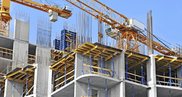
Ndërtimi mund të krijojë punë dhe xhiro, por ai nuk është ilaç për gjithçka. Nëse kthehet në motor pothuajse unik, rrezikon të prodhojë flluska çmimesh, përqendrim kapitali dhe zhvillim të pabalancuar. Po kështu, konsumi i nxitur nga para informale ose nga remitancat nuk është bazë e sigurt për strategji kombëtare. Ekonomia ka nevojë për industri, bujqësi me vlerë të shtuar, teknologji dhe eksporte reale.
- Bujqësia e lënë në mëshirë të fatit
Një vend me potencial të madh bujqësor nuk mund të sillet sikur fshati është thjesht rezervuar votash. Fermeri shqiptar përballet me kosto të larta, mungesë subvencionesh të qëndrueshme, zinxhir të dobët grumbullimi dhe konkurrencë jo gjithmonë të ndershme nga importi.
Sa herë ka krizë çmimesh, vëmendja kthehet për disa ditë te prodhuesi vendas. Më pas gjithçka harrohet. Pa magazinim, pa përpunim, pa orientim të qartë për tregun dhe pa akses real në financim, bujqësia mbetet sektor i lodhur që mban peshë sociale, por nuk arrin potencialin ekonomik. Këtu nuk mjaftojnë deklaratat. Duhet zinxhir i plotë politikash.
- Monopolet, oligopolet dhe tregu i shtrembëruar
Kur tregu kontrollohet nga pak aktorë të fuqishëm, çmimet nuk formohen gjithmonë nga konkurrenca e ndershme. Formohen nga pushteti ekonomik. Shqipëria e njeh mirë këtë problem në sektorë të ndryshëm, nga importet te shërbimet, nga furnizimi bazë te kontratat publike.
Në letër kemi ekonomi tregu. Në praktikë, shpesh kemi tregje të mbyllura, ku hyrja e lojtarëve të rinj është e vështirë dhe ku lidhja me politikën bën diferencën. Kjo godet konsumatorin, frenon sipërmarrjen dhe mban çmimet lart. Pa institucione të forta të konkurrencës dhe pa ndarje të qartë mes biznesit dhe pushtetit, loja mbetet e paracaktuar.
Pse 10 çështje kyçe të ekonomisë lidhen me politikën
- Investimet e huaja dhe pyetja që shmanget
Çdo qeveri krenohet kur sjell investime të huaja. Por pyetja që duhet bërë është më e thjeshtë - çfarë lloj investimesh po vijnë dhe çfarë lënë pas? Nëse investimi krijon pak vende pune, ka lidhje të dyshimta me koncesione apo fokusohet vetëm te përfitimi i shpejtë, efekti i tij mund të jetë më i kufizuar se reklama që i bëhet.
Albania needs foreign capital, but not at any cost. The country must attract investments that bring technology, training, local supply chains and exports. Otherwise, we remain in the model where the territory is sold, the market is exploited and the profit is taken abroad. This does not build a strong national economy.
- Education, skills and the gap with the market
An economy does not run with diplomas hanging on the wall. It runs with skills that the market needs. Here Albania has a serious gap. Businesses complain that they cannot find specialists. Young people complain that they cannot find dignified jobs. This means that the system is not connecting education with the economy.
Vocational education remains undervalued, universities often produce profiles without real demand and on-the-job training is insufficient. This gap costs. It costs the individual who remains insecure and the economy that does not increase productivity. In a country where politics talks a lot about employment, this topic is still treated as an addition and not as a foundation.

These 10 key economic issues are not cabinet theories. They are everyday wounds that affect families, entrepreneurship, and the very belief that this country can offer a future. And the more they are covered up with rhetoric, the more expensive the price of inaction becomes.
The economy does not need official applause, but an open account before the public. When citizens start demanding not just promises, but clear numbers, accountability, and measurable results, then the debate becomes serious. That's where the real pressure for change begins./CNA

This Saturday, one US dollar is bought for 81.3 lek and so...
The loan agreement for the electrification of the Tirana-D...
This Friday, one US dollar is bought for 81.2 lek and sold...
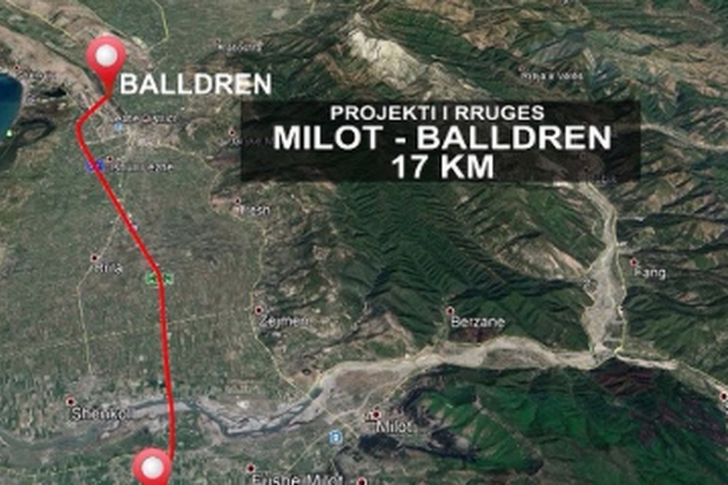
Whenever a new infrastructure project is announced, the fi...
Minister of Finance, Petrit Malaj, spoke in today's plenar...
This Thursday, one US dollar is bought for 82 lek and sold...
Guvernatori i Bankës së Shqipërisë, Gent Sejko, në një kon...
This Wednesday, one US dollar is bought for 81.8 lek and s...
The structure of Albania's Gross Domestic Product (GDP) fo...
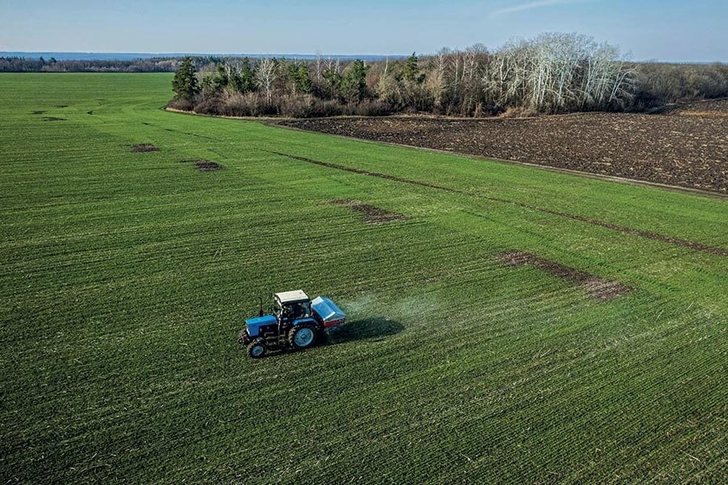
Applications for VAT compensation for farmers begin today,...
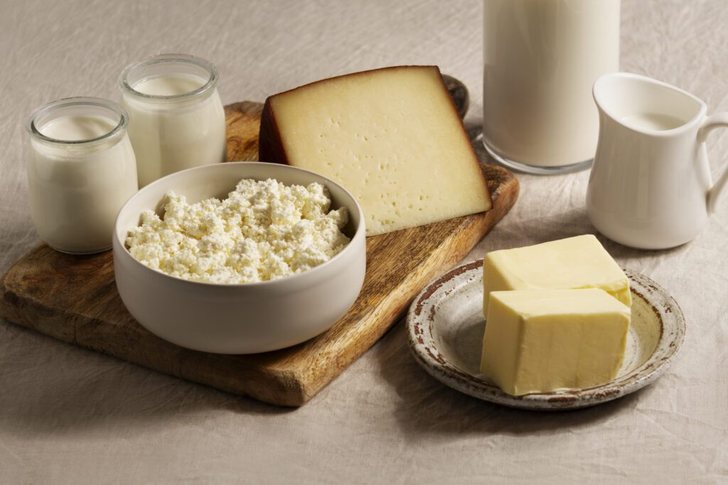
Dairy prices in our country have become so expensive in th...
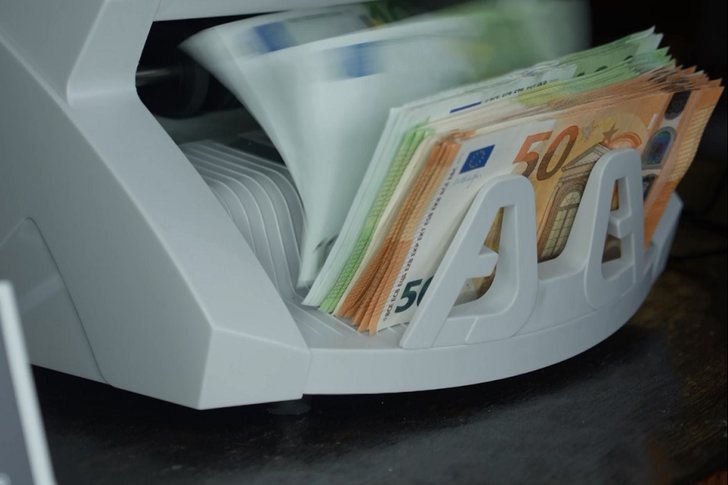
This Tuesday, one US dollar is bought for 81.8 lek and sol...
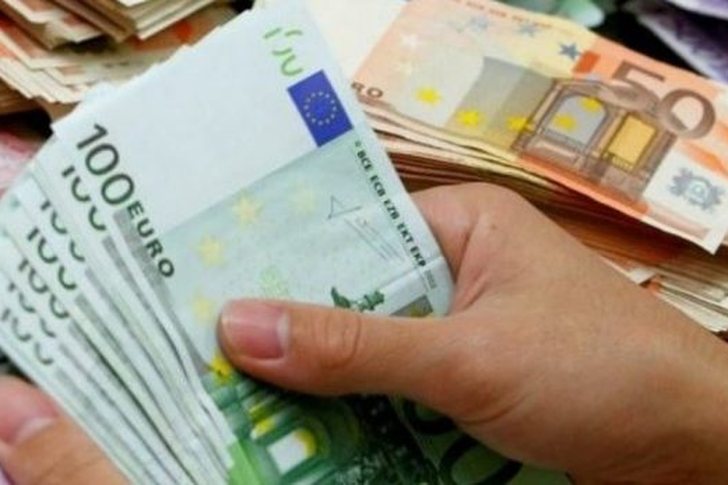
When citizens see that the euro drops a few points in a fe...
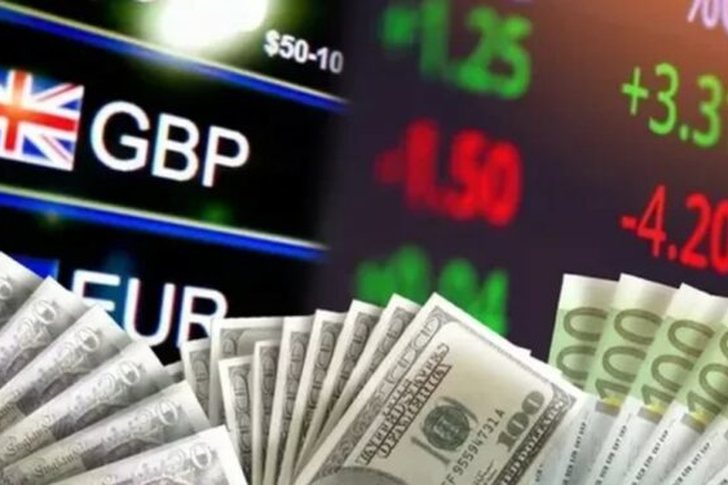
When talking about the euro exchange rate in Albania, it i...
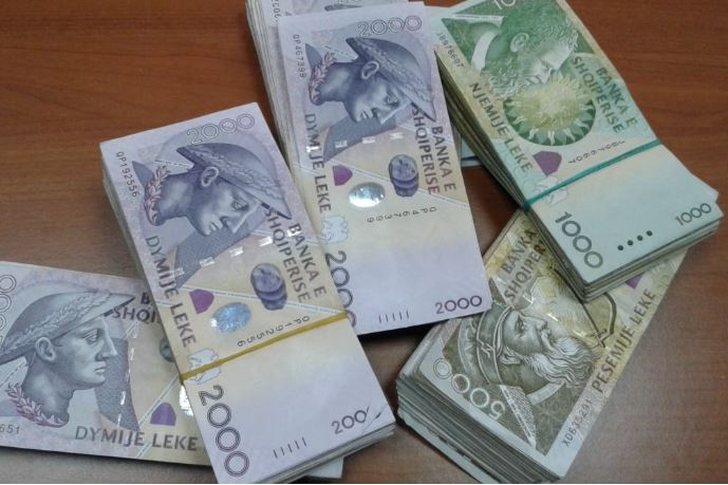
This is the question that is often avoided. A strong lek s...
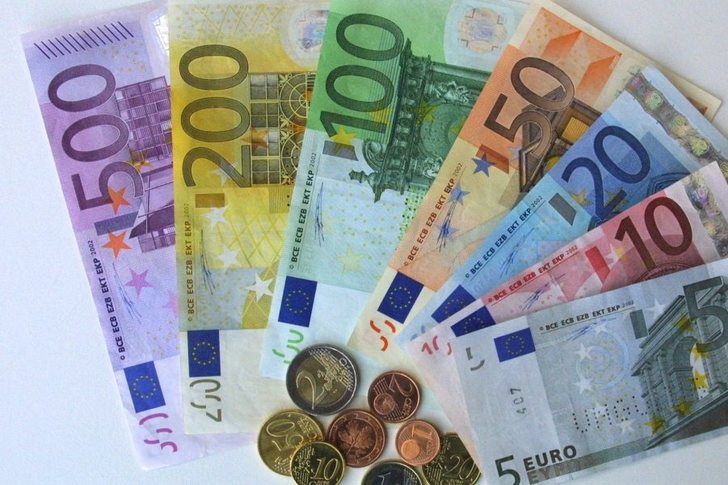
There is a political temptation to sell the strengthening ...

When citizens see that the euro drops a few points in a fe...
This Monday, one US dollar is bought for 81.8 lek and sold...

The Tax Administration is continuing payments to compensat...
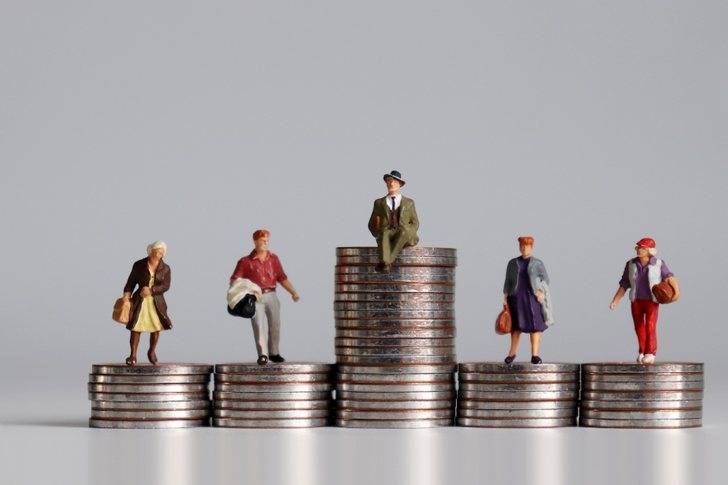
The average gross monthly salary in the country was 84 tho...
The Justice Reform and the vetting process were trumpeted ...
After revealing the property portfolio in Tirana, Kavaja, ...
Four months ago, on March 11, CNA sent an official letter ...
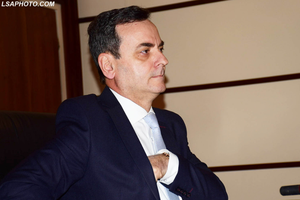
Sokol Sadushi, the president of the Supreme Court, is the ...

The Special Board of Appeal (KPA) decided this Monday ...

The KPA vetting decided this Thursday to dismiss the p...

Suela Salavaçi, a prosecutor in the Prosecutor's Offic...

The Special Board of Appeal reinstated the prosecutor ...
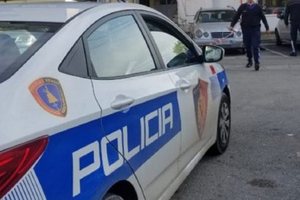
During routine checks in the village of Vlahen in Has, 3 p...

A 32-year-old man was arrested in Vlora for being armed. T...
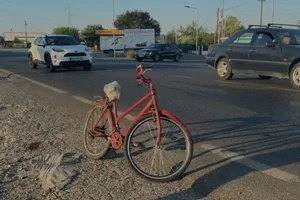
A road accident occurred this morning on the Lezhë-Milot a...
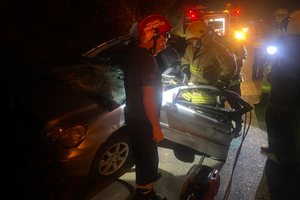
A serious road accident occurred yesterday evening on the ...
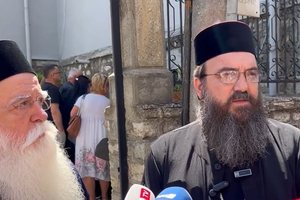
A day dedicated to health, solidarity and cooperation betw...

On Saturday, our country will be affected by relatively un...
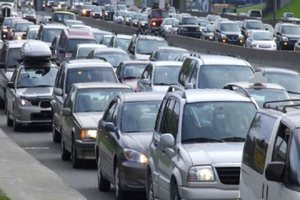
Heavy traffic is turning movement in Tirana into an exhaus...
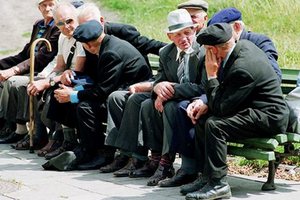
While Albania has one of the lowest retirement rates in Eu...
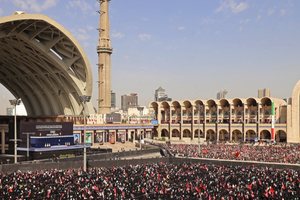
The multi-day funeral ceremonies for Iran's late supreme l...
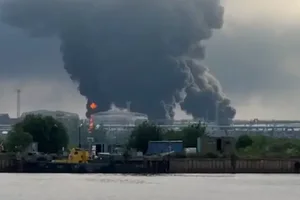
The General Staff of the Ukrainian Army has denied Russian...
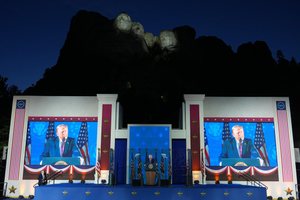
US President Donald Trump delivered a speech on the eve of...

The United States of America marks the 250th anniversary o...

Professor and literature scholar Ali Xhiku has passed away...
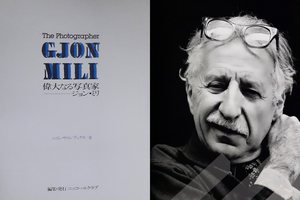
During my research into the life and artistic photographic...
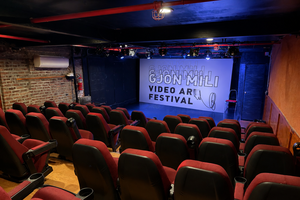
This year's edition of the Gjon Mili International Video A...
The promotion of the book by author Aleksandër Ikonomidhi ...
When it comes to 10 key economic issues, the debate in Alban...
This Saturday, one US dollar is bought for 81.3 lek and so...
The loan agreement for the electrification of the Tirana-D...
This Friday, one US dollar is bought for 81.2 lek and sold...