


Gunshot wound in Pogradec
A gunshot wound occurred today in Pogradec. According to p...

A gunshot wound occurred today in Pogradec. According to p...

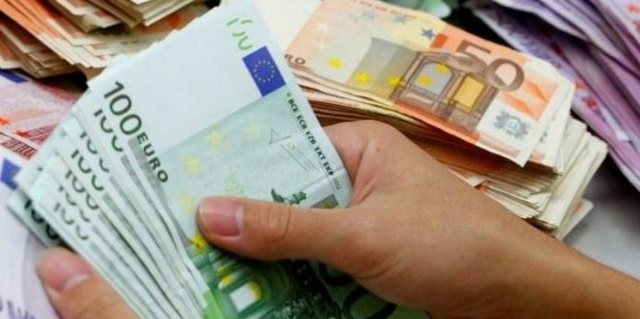
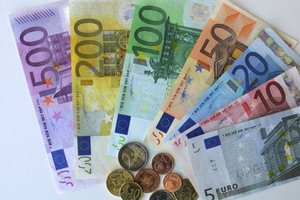
When citizens see that the euro drops a few points in a few days, the first reaction is practical: how much do I lose in exchange, how much less do I pay for the loan, or how much does my income from abroad depreciate? But behind this daily question lies a larger economic debate. The euro exchange rate in Albania is not simply a number on the exchange tables. It is an indicator that affects families, businesses, exporters, importers and the country's economic climate itself.
This is where the problem begins. Whenever the euro moves sharply, two narratives immediately emerge: one portrays it as an economic success, the other as a signal of market distortion. The truth is usually less comfortable and more complicated. There are real factors pushing the exchange rate, but there are also legitimate questions about how the foreign exchange market works in Albania, how transparent it is, and who benefits most from these movements.
In theory, the exchange rate is determined by supply and demand. When more euros are supplied to the market than are demanded, the euro weakens against the lek. When demand for the euro increases, the European currency strengthens. This is the basic scheme. But in practice, in Albania this equation is strongly influenced by several specific sources of foreign exchange inflows.
First comes tourism. In the summer months, the inflow of foreign currency increases significantly. Hotels, bars, restaurants, rental apartments and a good part of the informal economy are fed by euro cash. This flow increases the supply in the market and creates pressure for the euro to fall. This is why the lek often strengthens during the tourist season.
Second are remittances. The money that comes from emigrants remains a strong pillar for many Albanian families. When these inflows are high, especially during holidays or seasons, the market is flooded with euros again. For the family that receives them, this is a help. For the exchange rate, it is additional downward pressure.
Third, there are foreign investments and the real estate market. This is where the debate becomes most heated. When large amounts of euros circulate in the market from property purchases, construction projects or investments with origins that are not always clear to the public, the question is not only economic. It is also institutional. How clean is this currency? How much is it controlled? And how much does it affect the deformation of the real exchange rate?
There is a political temptation to sell the strengthening of the lek as a medal. It sounds nice in statements: the local currency is strengthening, the economy is resisting, inflation is being curbed. But a low euro exchange rate in Albania has winners and losers.
Fituesit e parë janë importuesit dhe ata që kanë kredi në euro, por të ardhura në lekë. Kur euro bie, kostoja e mallrave të importuara mund të lehtësohet dhe këstet e kredive në euro bëhen relativisht më të përballueshme. Edhe presioni mbi çmimet e disa produkteve të importit mund të zbutet.
Por humbësit janë të shumtë. Eksportuesit marrin të ardhura në euro dhe paguajnë shumë shpenzime në lekë. Kur euro bie fort, marzhi i tyre ngushtohet. Kjo godet prodhimin, fasonerinë, bujqësinë eksportuese dhe shumë sipërmarrje që tashmë veprojnë me fitime të ulëta. E njëjta gjë vlen për familjet që jetojnë me dërgesa nga emigracioni. Nëse dikush dërgon 500 euro nga Greqia, Italia apo Gjermania, familja në Shqipëri merr më pak lekë se më parë. Pra, fuqia reale e ndihmës bie.
Kjo është arsyeja pse një euro e dobët nuk mund të festohet si fitore universale. Varet se në cilën anë të ekonomisë ndodhesh. Për një qytetar që blen mallra importi, efekti mund të jetë pozitiv. Për një biznes që eksporton ose për një familje që mbahet nga emigracioni, mund të jetë goditje e drejtpërdrejtë.
Në plan afatshkurtër, lëvizjet e kursit ndikohen nga sezonaliteti. Vera sjell turistë, dhjetori sjell emigrantë, ndërsa periudha të caktuara sjellin pagesa biznesi, importe energjie apo lëvizje të kapitalit. Këto janë fenomene normale.
Por në plan afatmesëm dhe afatgjatë, çështja është më serioze. Kur euro qëndron e dobët për një periudhë të gjatë, nuk mjafton më shpjegimi me turizmin. Duhet parë produktiviteti i ekonomisë, struktura e eksporteve, niveli i informalitetit, hyrjet e kapitalit dhe besimi te leku. Shqipëria nuk është një ekonomi që eksporton në nivele të tilla sa të justifikojë automatikisht një monedhë aq të fortë nga performanca industriale. Kjo e bën debatin krejt legjitim.
Banka e Shqipërisë ka rolin e saj në monitorim dhe, kur e sheh të nevojshme, mund të ndërhyjë për të zbutur luhatje të forta. Por banka qendrore nuk mund të zgjidhë me deklarata një problem që buron nga struktura e ekonomisë. Nëse hyrjet valutore fryhen nga sektorë të paqëndrueshëm, nga informaliteti ose nga para që kalojnë në kanale jo të pastra, atëherë kursi mund të japë një pamje më të bukur sesa realiteti.
Kjo është pyetja që shmanget shpesh. Një lek i fortë tingëllon mirë në letër, por mund të krijojë iluzion stabiliteti. Nëse pas këtij forcimi nuk qëndron rritje e prodhimit, konkurrueshmëri më e lartë dhe bazë e shëndetshme eksporti, atëherë kemi më shumë një efekt fluksi sesa një sukses themelor.
Ekonomia shqiptare mbetet e varur nga importi, nga shërbimet, nga ndërtimi dhe nga dërgesat e emigrantëve. Kjo nuk është domosdoshmërisht katastrofë, por është realitet. Dhe kur realiteti fshihet pas një kursi këmbimi që lexohet politikisht si triumf, krijohet një hendek mes propagandës dhe xhepit të qytetarit.
For example, if the euro falls, but the prices of food, rent and services do not reflect the same logic, then the citizen does not see any miracle in his daily life. This is why the exchange rate should not be seen in isolation from the cost of living. A stronger domestic currency only makes sense if it translates into real relief for the consumer and a more balanced economy.
For exporting businesses, the weakening euro is a wake-up call. They are losing competitiveness, especially when faced with rising wages, expensive energy, taxes and logistics costs. Many of them do not have the luxury of raising prices in foreign markets, because competition is fierce. This means less profit, less investment and in some cases pressure on jobs.
For migrants, the blow is both emotional and financial. They send the same amount in euros, but their family in Albania benefits less. On paper, it seems like a technical difference. In practice, it means less money for medicine, for school, for rent or for food.
For families with savings in euros, the effect is mixed. If their expenses are in lek, the euro's depreciation makes savings less valuable in translation. On the other hand, those who pay their bills in euros may feel more relieved. So here too, the answer is not black and white.
When talking about the euro exchange rate in Albania, it is not enough to look at just the number of the day. You need to look at the source of the currency, its stability and the effect on the main sectors. An economy does not strengthen simply because its currency rises against the euro. It strengthens when it produces, exports, attracts clean investment and reduces dependence on seasonal movements.
More transparency and less complacency are needed here. The foreign exchange market is not a theater where every fall in the euro is applauded as a government success. It is a sensitive mechanism that highlights the weaknesses and distortions of the economy as much as its strengths.
The public has the right to know not only what the exchange rate is today, but why it is there and who is paying the real bill for this movement. This question is worth more than any pretty graph. Because in the end, the exchange rate is not a game of experts. It is a mirror of the economic life of the country, and the mirror should not be painted with optimism.
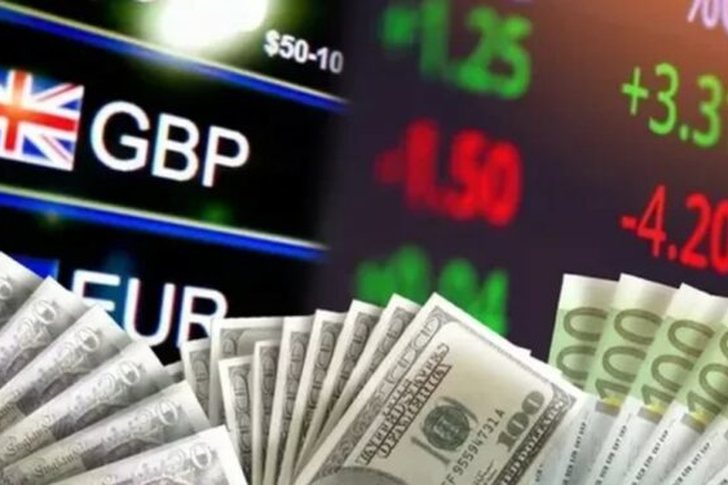
If the euro continues to move strongly, the citizen does not need slogans. He needs honest explanation, a more transparent market and institutions that speak clearly. Only then will the figure on the exchange rate table take on real meaning for everyday life./CNA

When talking about the euro exchange rate in Albania, it i...
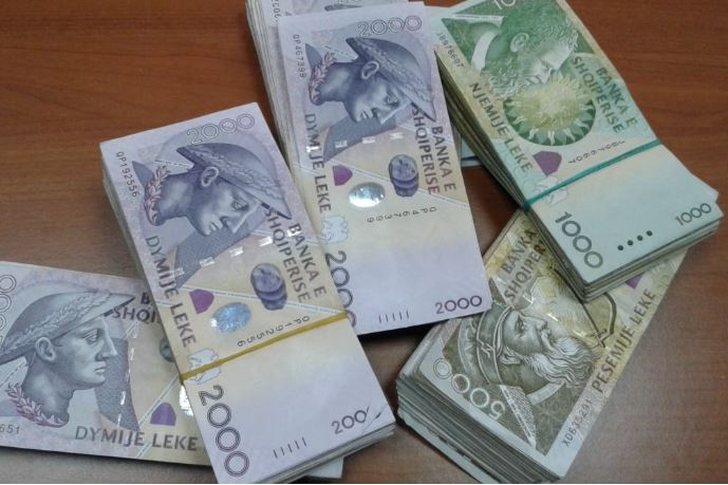
This is the question that is often avoided. A strong lek s...
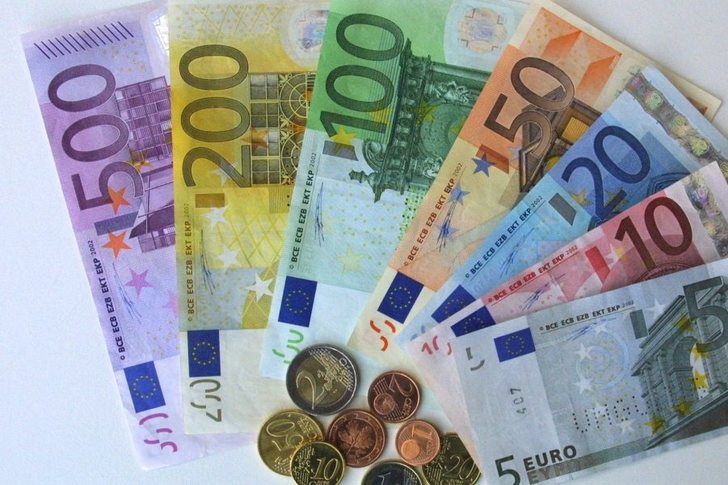
There is a political temptation to sell the strengthening ...

When citizens see that the euro drops a few points in a fe...
This Monday, one US dollar is bought for 81.8 lek and sold...

The Tax Administration is continuing payments to compensat...
The average gross monthly salary in the country was 84 tho...
This Sunday, one US dollar is bought for 82 lek and sold f...
The fishing sector has recorded a worrying performance dur...
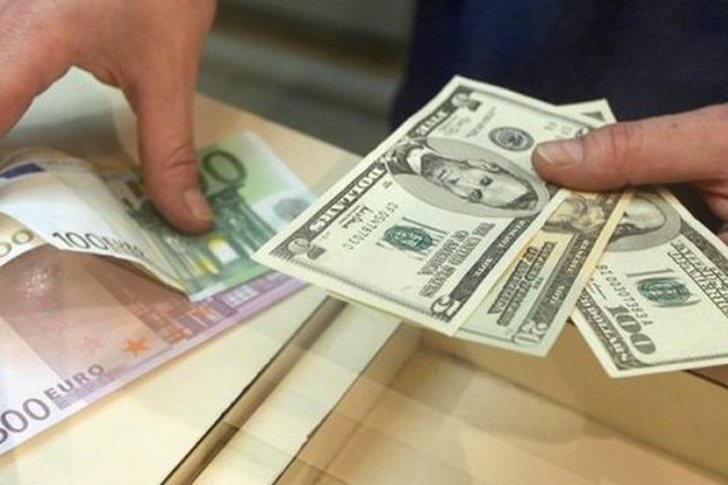
This Saturday, one US dollar is bought for 81.8 lek and so...

The insurance market is growing at a slower pace this year...
Financing health systems and managing the costs of hospita...
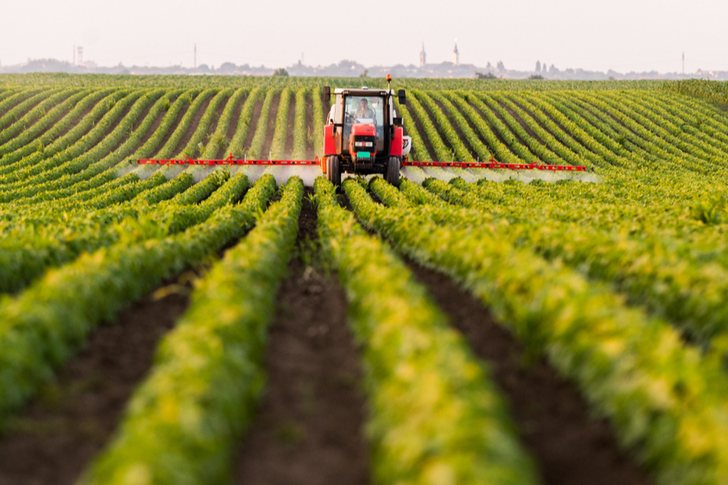
The agricultural sector faced a very challenging year in 2...
This Friday, one US dollar is bought for 82.2 lek and sold...
Austria was the leading foreign investor in Albania in the...
Between 2015 and 2025, residential construction prices inc...
Oil prices have fallen to levels not seen since before the...
The seasonally adjusted unemployment rate in the euro area...
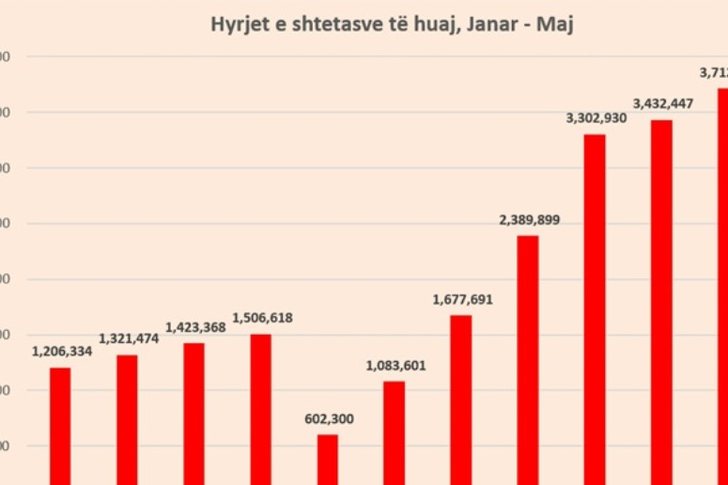
Tourism marked an acceleration in growth during May, refle...
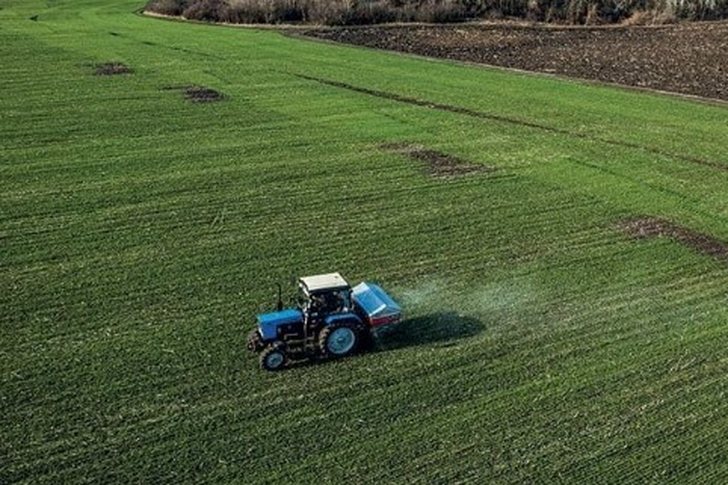
The latest data from the Statistical Institute for 2025 sh...
After revealing the property portfolio in Tirana, Kavaja, ...
Four months ago, on March 11, CNA sent an official letter ...
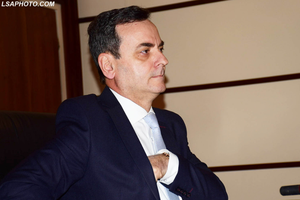
Sokol Sadushi, the president of the Supreme Court, is the ...
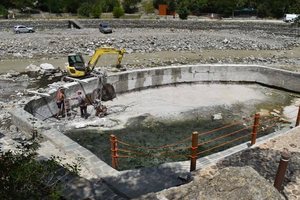
Journalist Elton Qyno has made a complaint regarding the w...

The Special Board of Appeal (KPA) decided this Monday ...

The KPA vetting decided this Thursday to dismiss the p...

Suela Salavaçi, a prosecutor in the Prosecutor's Offic...

The Special Board of Appeal reinstated the prosecutor ...

A gunshot wound occurred today in Pogradec. According to p...

The Saranda police have cracked down on a criminal group t...

A 31-year-old man fell from a cliff on Mount Gopes in the ...

A vehicle has caught fire in the Pazar area of Korça. A...
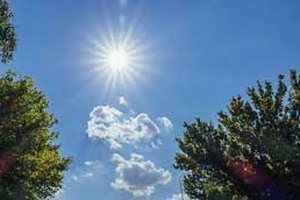
On Monday, our country will be affected by stable weather ...
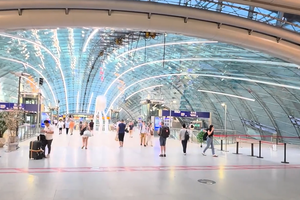
The heat wave that has swept across Europe is also causing...
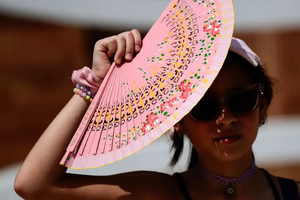
The Director-General of the World Health Organization, Ted...
The Institute of Geosciences has today shared a forecast r...
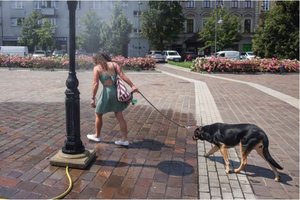
Germany, the Czech Republic, Poland and Hungary hit record...
The US and Iran have agreed to "stand down" after an excha...
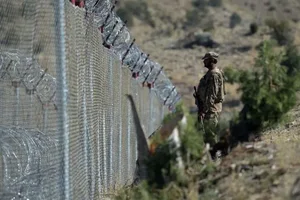
Pakistan launched air strikes and sent ground troops into ...
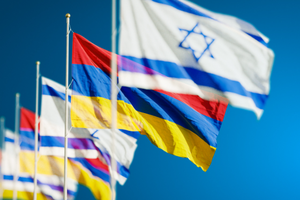
The Israeli government officially recognized the massacres...
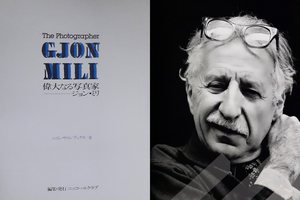
During my research into the life and artistic photographic...

This year's edition of the Gjon Mili International Video A...
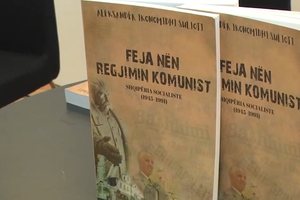
The promotion of the book by author Aleksandër Ikonomidhi ...
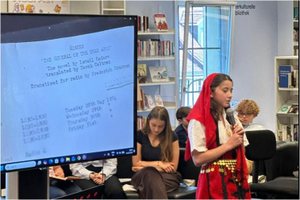
The Albanian Embassy in Switzerland has organized an eveni...
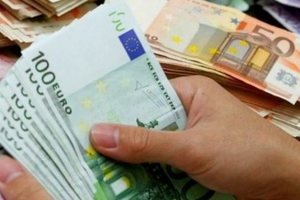
When citizens see that the euro drops a few points in a fe...
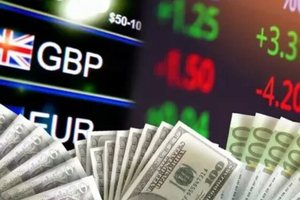
When talking about the euro exchange rate in Albania, it i...
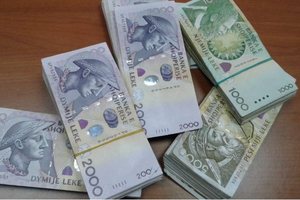
This is the question that is often avoided. A strong lek s...
There is a political temptation to sell the strengthening ...