


"He doesn't know how to respect those who elected him, to hand over his mandate"/ Balla "challenges" the MP
The Chairman of the Socialist Party Parliamentary Group, T...

The Chairman of the Socialist Party Parliamentary Group, T...

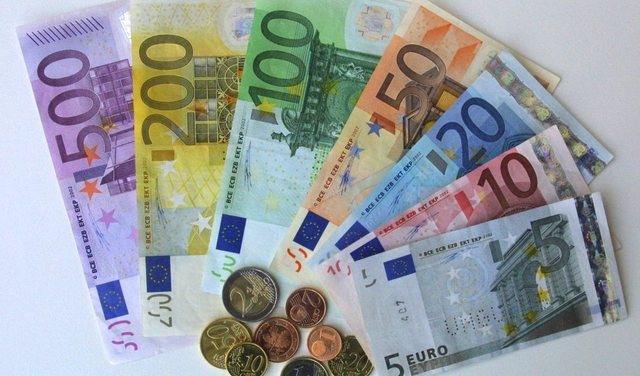
There is a political temptation to sell the strengthening of the lek as a medal. It sounds nice in statements: the local currency is strengthening, the economy is resisting, inflation is being curbed. But a low euro exchange rate in Albania has winners and losers.
The first winners are importers and those with loans in euros but income in lek. When the euro falls, the cost of imported goods can be eased and the installments of loans in euros become relatively more affordable. The pressure on the prices of some imported products can also be eased.
But the losers are many. Exporters receive income in euros and pay many expenses in lek. When the euro falls sharply, their margins shrink. This hits manufacturing, tailoring, export agriculture and many enterprises that already operate with low profits. The same applies to families living on remittances from emigration. If someone sends 500 euros from Greece, Italy or Germany, the family in Albania receives less lek than before. So, the real power of aid falls.
This is why a weak euro cannot be celebrated as a universal victory. It depends on which side of the economy you are on. For a citizen who buys imported goods, the effect can be positive. For a business that exports or a family supported by emigration, it can be a direct blow.
In the short term, exchange rate movements are influenced by seasonality. Summer brings tourists, December brings immigrants, while certain periods bring business payments, energy imports or capital movements. These are normal phenomena. But in the medium and long term, the issue is more serious. When the euro remains weak for a long period, the explanation with tourism is no longer enough.
One must look at the productivity of the economy, the structure of exports, the level of informality, capital inflows and confidence in the lek. Albania is not an economy that exports at such levels that it automatically justifies such a strong currency from industrial performance. This makes the debate quite legitimate.
The Bank of Albania has its role in monitoring and, when it deems it necessary, can intervene to smooth out strong fluctuations. But the central bank cannot solve with statements a problem that stems from the structure of the economy. If foreign exchange inflows are inflated by unstable sectors, informality or money flowing through unclean channels, then the exchange rate may give a more beautiful picture than reality./CNA


When citizens see that the euro drops a few points in a fe...
This Monday, one US dollar is bought for 81.8 lek and sold...
The Tax Administration is continuing payments to compensat...
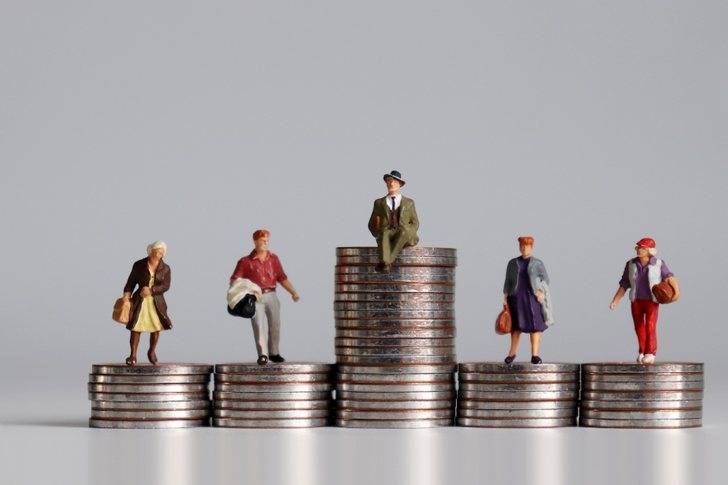
The average gross monthly salary in the country was 84 tho...
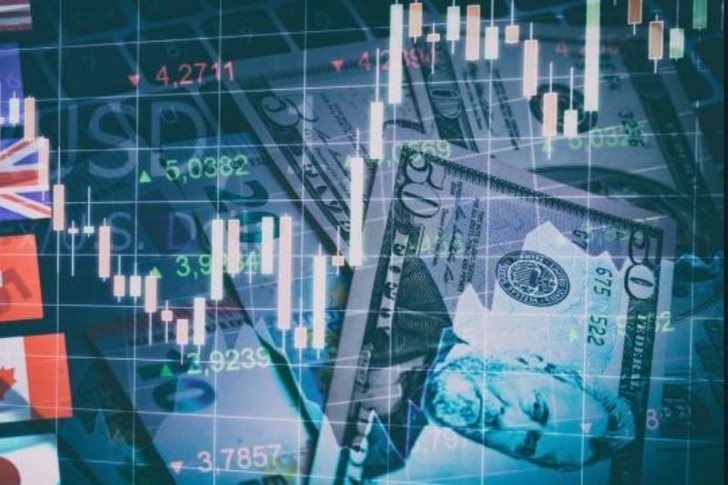
This Sunday, one US dollar is bought for 82 lek and sold f...
The fishing sector has recorded a worrying performance dur...
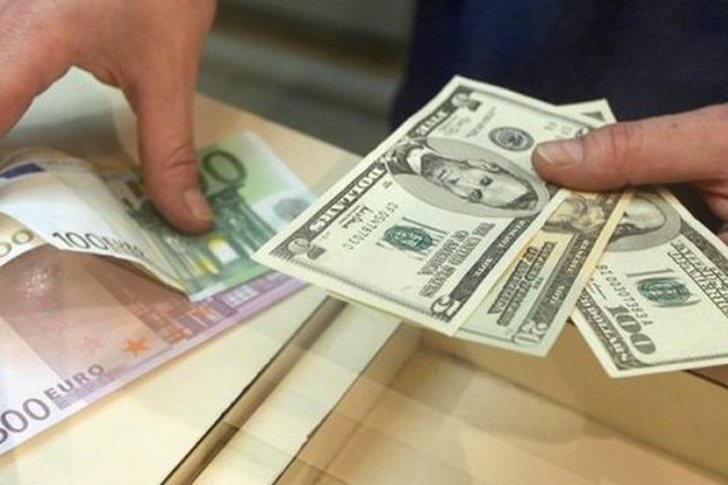
This Saturday, one US dollar is bought for 81.8 lek and so...

The insurance market is growing at a slower pace this year...

Financing health systems and managing the costs of hospita...
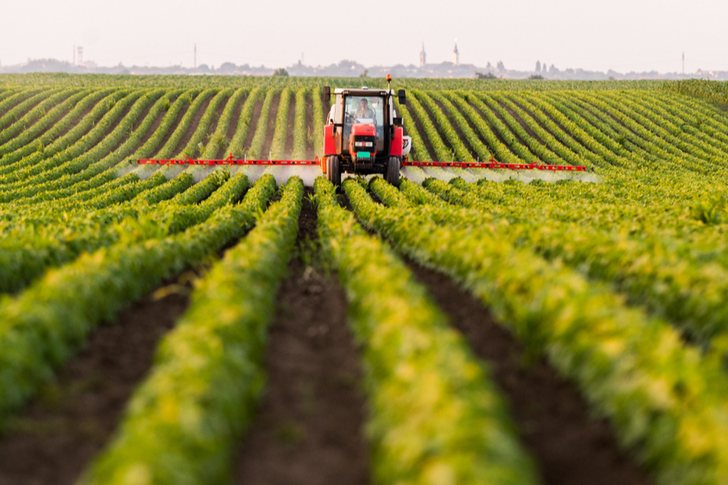
The agricultural sector faced a very challenging year in 2...

This Friday, one US dollar is bought for 82.2 lek and sold...
Austria was the leading foreign investor in Albania in the...

Between 2015 and 2025, residential construction prices inc...
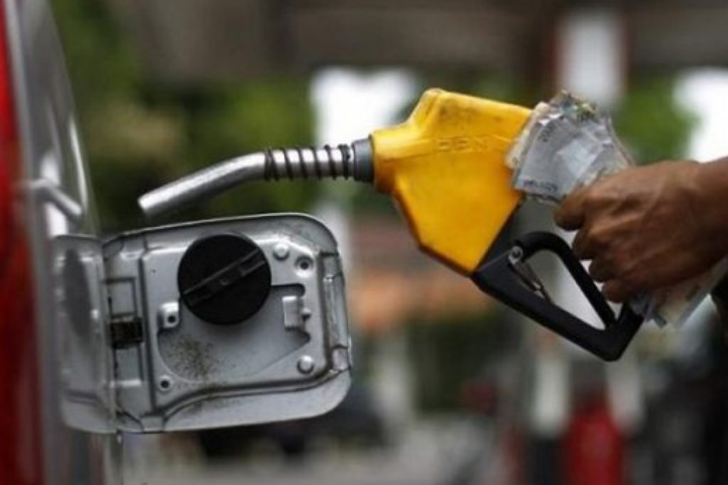
Oil prices have fallen to levels not seen since before the...
The seasonally adjusted unemployment rate in the euro area...
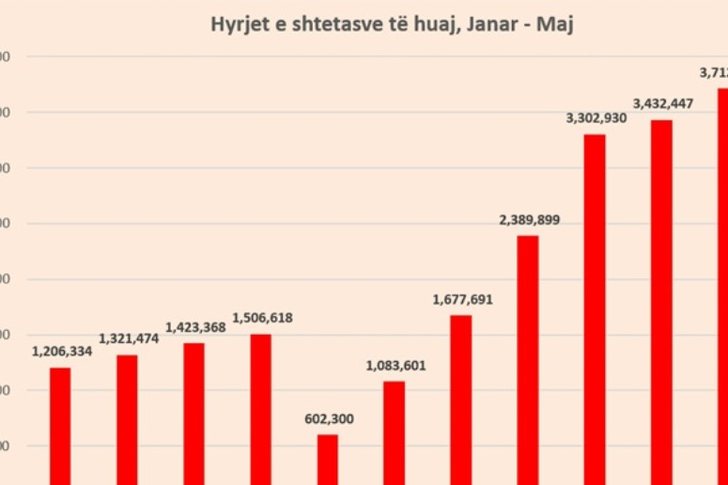
Tourism marked an acceleration in growth during May, refle...
The latest data from the Statistical Institute for 2025 sh...
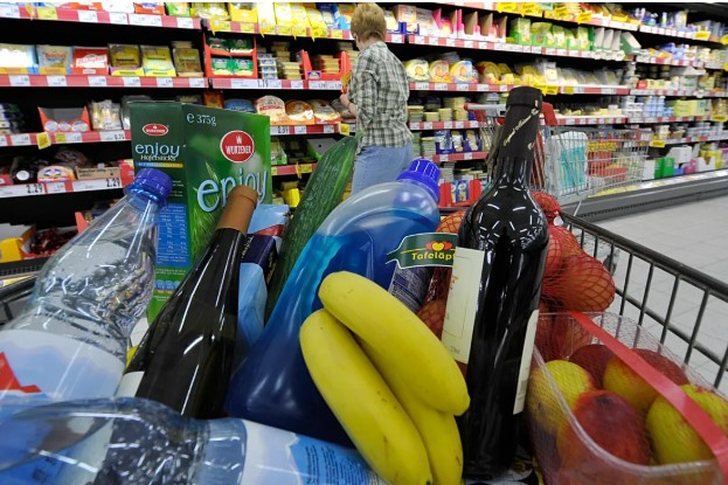
From Iceland to North Macedonia, consumer prices vary dram...
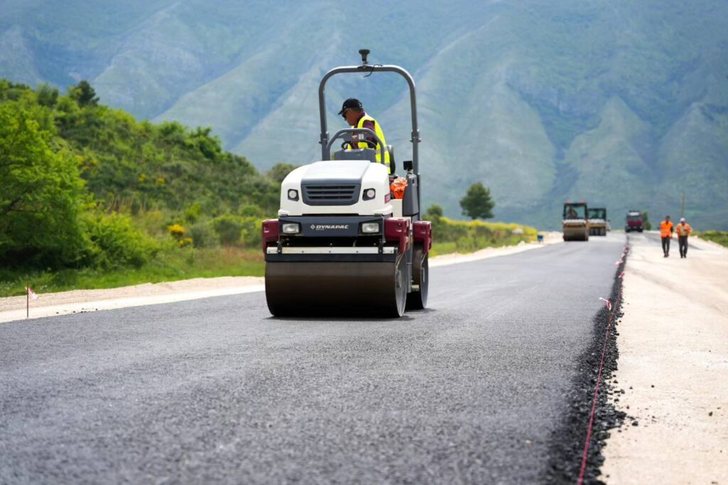
The Albanian government's forecasts for public investments...
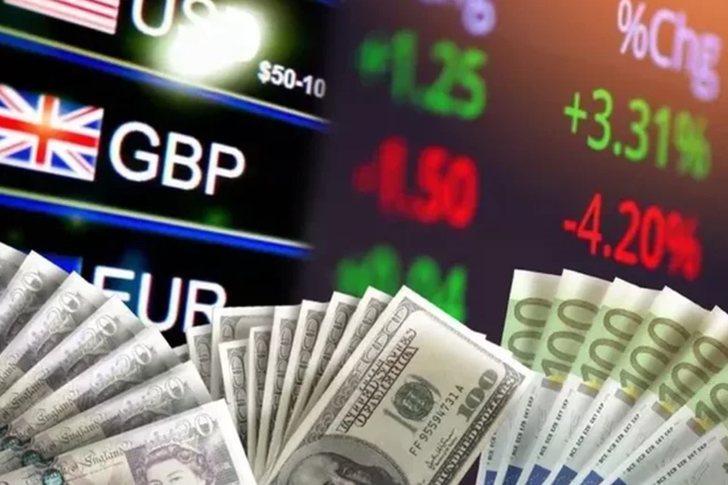
This Thursday, one US dollar is bought for 82.3 lek and so...
After revealing the property portfolio in Tirana, Kavaja, ...
Four months ago, on March 11, CNA sent an official letter ...
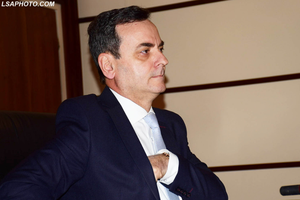
Sokol Sadushi, the president of the Supreme Court, is the ...
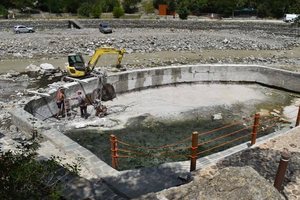
Journalist Elton Qyno has made a complaint regarding the w...

The Special Board of Appeal (KPA) decided this Monday ...

The KPA vetting decided this Thursday to dismiss the p...

Suela Salavaçi, a prosecutor in the Prosecutor's Offic...

The Special Board of Appeal reinstated the prosecutor ...

A 31-year-old man fell from a cliff on Mount Gopes in the ...

A vehicle has caught fire in the Pazar area of Korça. A...

A serious incident occurred this Sunday in Jalë. It is le...
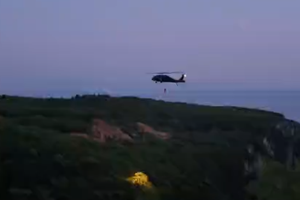
This Sunday, an interventional operation is underway for t...
On Monday, our country will be affected by stable weather ...
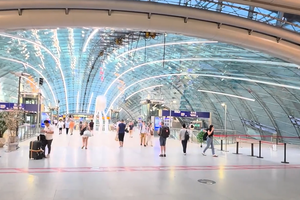
The heat wave that has swept across Europe is also causing...

The Director-General of the World Health Organization, Ted...
The Institute of Geosciences has today shared a forecast r...
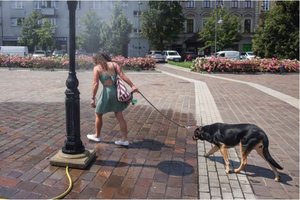
Germany, the Czech Republic, Poland and Hungary hit record...
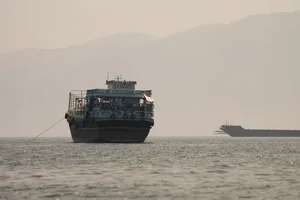
The US and Iran have agreed to "stand down" after an excha...
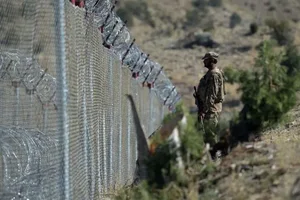
Pakistan launched air strikes and sent ground troops into ...

The Israeli government officially recognized the massacres...
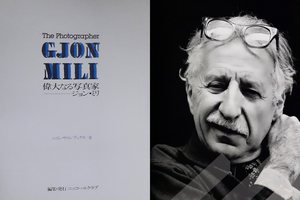
During my research into the life and artistic photographic...

This year's edition of the Gjon Mili International Video A...
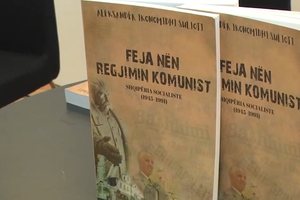
The promotion of the book by author Aleksandër Ikonomidhi ...
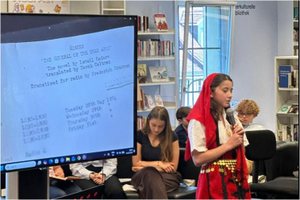
The Albanian Embassy in Switzerland has organized an eveni...
When talking about the euro exchange rate in Albania, it i...
This is the question that is often avoided. A strong lek s...
There is a political temptation to sell the strengthening ...
When citizens see that the euro drops a few points in a fe...