


Heat swelters across Western Europe/ France, Britain and Spain experience record temperatures
A severe heat wave sweeping across Western Europe has brou...

A severe heat wave sweeping across Western Europe has brou...

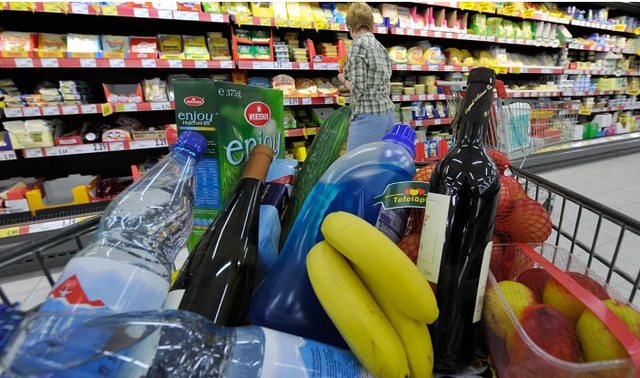
From Iceland to North Macedonia, consumer prices vary dramatically across Europe. New Eurostat data shows where everyday goods and services cost the most and why prices alone don't tell the whole story.
The same shopping basket can cost almost four times as much, depending on where you are in Europe.
But which countries are the most expensive and how can they be compared fairly?
Eurostat's price level indices provide the answer. They compare the cost of consumer goods and services in each country with the EU average.
Simply put, if the same basket of goods and services costs an average of 100 euros across the EU, how much would that basket cost in each country?
To make the comparison representative, Eurostat bases the indices on the annual average national prices for more than 2,000 goods and services.
There are two ways to measure prices. One looks only at what households spend directly, while the other also includes publicly funded services, such as healthcare and education.
This article uses the broader measure, known as Actual Individual Consumption (AIC), which Eurostat considers more appropriate for international comparisons. The chart also includes the measure of household expenditure (HEC).
A price level of 100 matches the EU average. A score above 100 means a country is more expensive, while one below 100 means it is cheaper.
These figures only compare prices. They do not take into account income levels, meaning that a more expensive country is not necessarily less affordable for its residents.
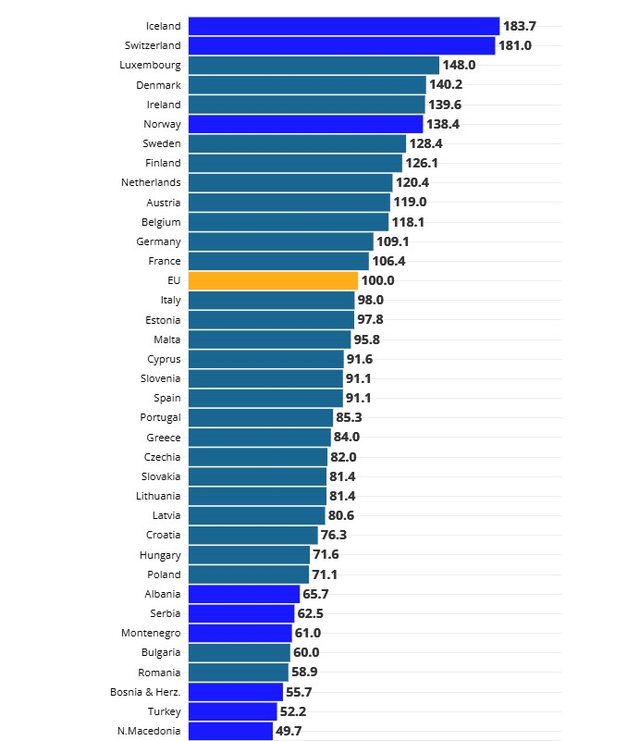
Within the EU, the gap is clear. Luxembourg tops the list, while Romania has the lowest prices. Consumer prices in Luxembourg are 2.5 times higher than in Romania.
When EU candidate countries and EFTA members are included, Iceland becomes the most expensive country and North Macedonia the cheapest, widening the gap to 3.7 times.
In general, Western and Northern Europe tend to have higher price levels, while Central and Eastern Europe remain cheaper.
Iceland is 83.7% more expensive than the EU average, and Switzerland 81%.
"The figures should always be read in conjunction with income. What matters for living standards is not whether prices are high, but what a local salary buys locally — purchasing power, not just price," Professor Robert Inklaar of the University of Groningen told Euronews Business.
For example, he noted that Switzerland seems expensive, but Swiss wages are so high that purchasing power there is among the strongest in Europe; the same price level with a much lower wage would feel very different.
Denmark (40.2%), Ireland (39.6%) and Norway (38.4%) are also among the most expensive countries in Europe, around 40% above the EU average.
Sweden and Finland follow them, but their indices are relatively lower. Prices are 28.4% higher in Sweden and 26.1% higher in Finland than the EU average.
In the Netherlands, a consumer pays €120.4, in Austria €119 and in Belgium €118.1 for the same basket of goods and services, which costs an average of €100 in the EU.
Among the four largest EU economies, Germany is the most expensive, with prices 9.1% higher than the EU average, while Spain is 8.9% cheaper. This means that a person would pay 18 euros more in Germany than in Spain for the same basket.
France (106.4) is slightly above the EU average, and Italy (98) is slightly below.
On the other side of the ranking, prices are significantly lower in most of Southeast Europe.
In North Macedonia, a 100-euro basket according to the EU average would cost only 49.7 euros, less than half of it.
It would also cost 52.2 euros in Turkey, followed by Bosnia (55.7 euros), Romania (58.9 euros) and Bulgaria (60 euros). These countries are at least 40% cheaper than the EU.
Montenegro (61), Serbia (62.5), Albania (65.7), Poland (71.1) and Hungary (71.6) are also among the cheapest countries, with prices at least 25% below the EU average.
Countries that are also cheaper than the EU average include Croatia (76.3), Slovakia (81.4), Lithuania (81.4), Czech Republic (82), Greece (84) and Portugal (85.3).
"The biggest reason why prices vary across Europe is that wages vary and they are linked to productivity," Robert Inklaar told Euronews Business.
"When workers are more productive, they earn more, and these higher wages directly affect the price of everything that must be produced and consumed domestically—a restaurant meal, a haircut, a visit to the dentist, rent, child care. None of these can be imported, so their price simply follows local labor costs."
Inklaar points out that it would be a mistake to think that this only applies to services. He notes that even goods that seem completely tradable - such as food on a supermarket shelf or a piece of clothing - carry a large local component: the store, the staff, the transport and the rent on the premises. So local wages are also included in the prices of goods, just less than for services.
He also said that distance, distribution, regulation and the border itself add to the cost, so identical products do not end up with identical prices everywhere. Differences in VAT and other consumption taxes add another obstacle.
"A more complete comparison, therefore, pairs the price level with wages or (disposable) income, ideally in purchasing power terms, taking into account changes in exchange rates and taxes," he said.
Professor Rainer Maurer, retired professor at the University of Pforzheim, emphasized that the price levels of the European Monetary Union member states show a clear positive correlation with GDP per capita.
In other words, Europe's most expensive countries tend to be its wealthiest. High prices often go hand in hand with higher incomes, which is why economists say price levels should always be considered along with purchasing power./ CNA

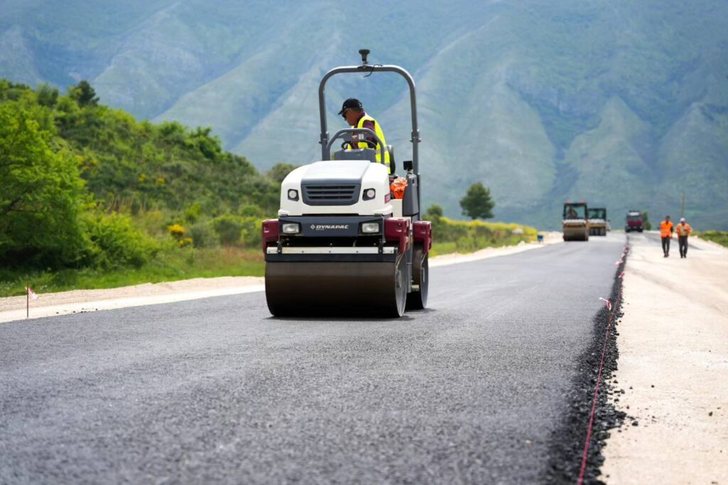
The Albanian government's forecasts for public investments...
This Thursday, one US dollar is bought for 82.3 lek and so...
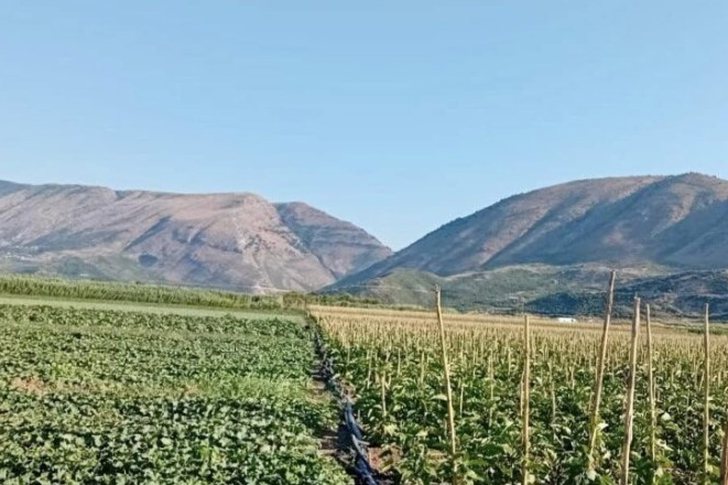
In 2025, agriculture made a negative contribution to econo...
Fuel doesn't just affect drivers. This is the part that's ...
The pump changes a few lek and the effect is felt immediat...
Albania has a low weight of gold in its foreign exchange r...
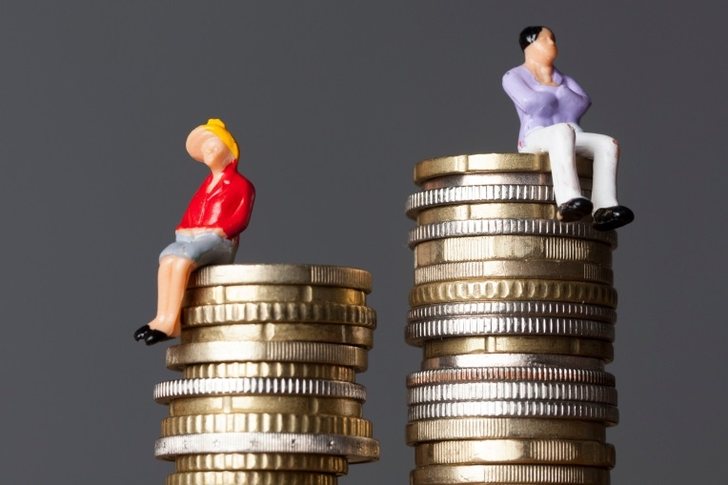
The average salary in the country in 2025 reached 84 thous...

Although the economy grew by 3.89% in 2025, according to p...

With the implementation of the new reform for real estate ...
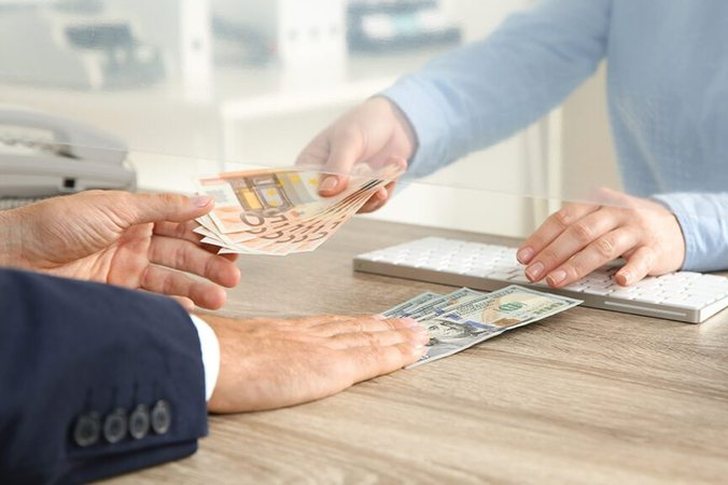
This Wednesday, one US dollar is bought for 82 lek and sol...
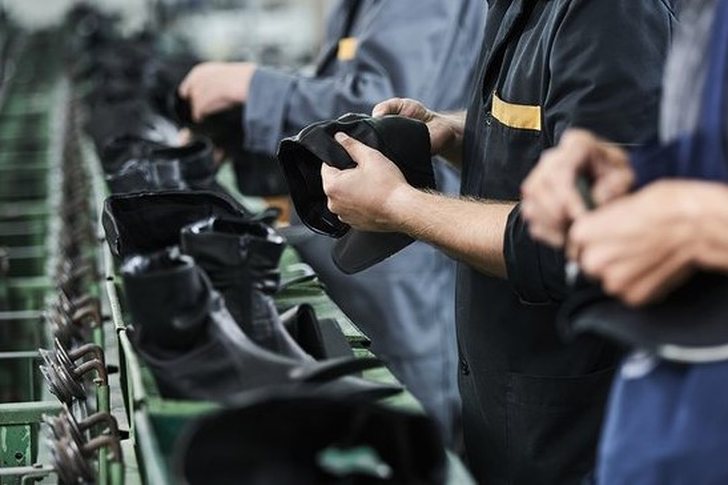
The labor market in Albania continues to be characterized ...
The two most frequently mentioned economic engines are con...

If you want to take the pulse of the economy, it's not eno...
One of the topics that has most shaken the economy is the ...

When it comes to economic news in Albania, the real questi...

The business climate appears to have deteriorated signific...
This Tuesday, one US dollar is bought for 81.7 lek and sol...
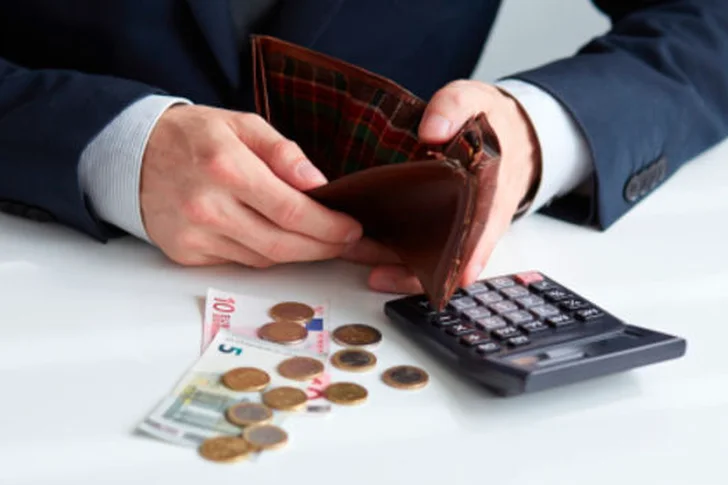
An Albanian individual, living in the capital and receivin...
Çmimi i karburanteve për transportin e mjeteve personale n...
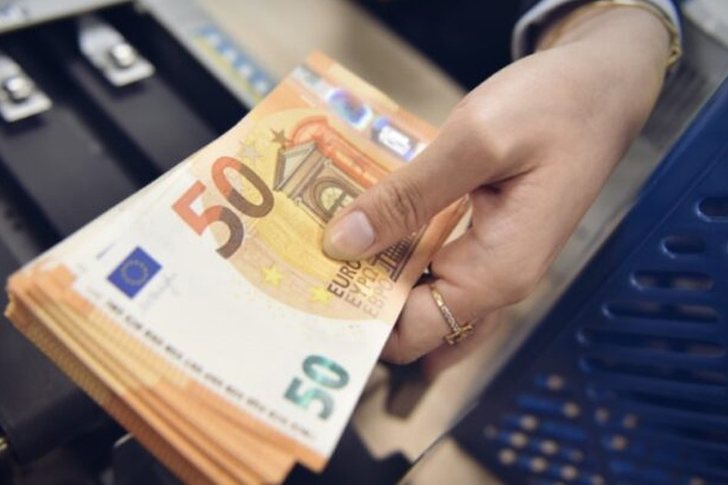
This Monday, one US dollar is bought for 81.4 lek and sold...
Today, CNA has published a complaint from residents of the...
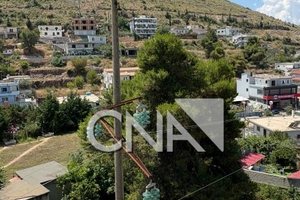
A complaint from residents of the village of Gjashtë in Sa...

A complaint to CNA also led to the publication of several ...

A mountain of documents for a flagrant case, in the na...

The Special Board of Appeal (KPA) decided this Monday ...

The KPA vetting decided this Thursday to dismiss the p...

Suela Salavaçi, a prosecutor in the Prosecutor's Offic...

The Special Board of Appeal reinstated the prosecutor ...

A person was killed yesterday evening by his brother in th...
A serious accident occurred near the Milot bridge on the L...

A tragic event occurred this evening in the village of Ago...

A truck overturned today on the Librazhd-Prrenjas axis, in...

Today, our country will be affected by almost the same met...

As climate change warms coastal waters in northern Europe,...

Today, our country will be affected by almost the same met...

Turkish police said on Tuesday they had arrested more than...

A severe heat wave sweeping across Western Europe has brou...
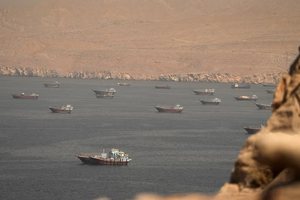
Iran's Revolutionary Guard has warned all ships in the Str...
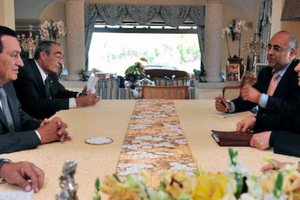
Trashëgimtarët e ish-kryeministrit italian, Silvio Berlusc...
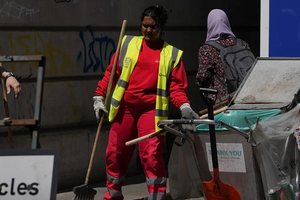
Parts of Europe are experiencing up to 40 extra days of se...

The promotion of the book by author Aleksandër Ikonomidhi ...

The Albanian Embassy in Switzerland has organized an eveni...

This Wednesday, the prominent actor of Albanian cinema, Gj...

Several archaeological excavations conducted during this s...
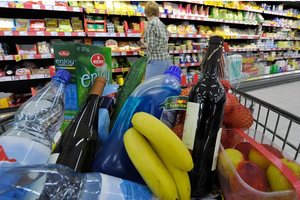
From Iceland to North Macedonia, consumer prices vary dram...
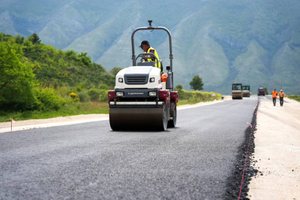
The Albanian government's forecasts for public investments...
This Thursday, one US dollar is bought for 82.3 lek and so...
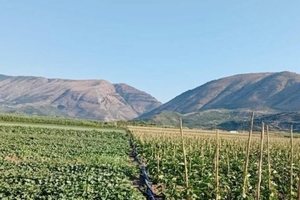
In 2025, agriculture made a negative contribution to econo...