


Financing of Ervin Mata/Plug's tower: Over 28 million euros in auto-invoices for companies linked to Vilma Nushi
After the first denunciation, the Plug show has continued ...

After the first denunciation, the Plug show has continued ...


Parts of Europe are experiencing up to 40 extra days of severe heat stress compared to the 1970s, according to a major new study.
The world is facing a significant increase in dangerous heat stress, as our dependence on fossil fuels continues to damage the planet.
According to the EU's Copernicus Climate Change Service (C3S), temperatures in Europe have risen by around 2.5°C compared to pre-industrial levels, despite efforts to halt global warming, making it the fastest-warming continent on Earth.
But researchers have gone beyond analyzing just outdoor air temperature and have begun studying sensible temperatures to better understand the impact on people.
Wind chill temperatures measure how hot or cold the weather feels on human skin. Instead of using just the standard air temperature, which you often see in weather forecasts, wind chill temperatures adjust for environmental factors like wind speed, humidity, and experts' understanding of how heat is lost from the human body.
A new study, published in the scientific journal Nature, warns that extreme temperatures that make you feel unwell, days of heat stress and tropical nights where the temperature does not drop below 20°C over a 24-hour period have all become extremely more frequent.
Even regions previously unaffected by heat stress are now feeling it too.
What is heat stress?
Heat stress refers to the accumulation of body heat generated either internally by muscle use or externally from the environment. It occurs when the heat the body absorbs from the environment exceeds the body's ability to dissipate it.
"Heat stress generally results from a combination of factors, such as high ambient temperatures, humidity, physical activity and insufficient fluid intake," says C3S.
"Various factors affect the human body's ability to maintain its core temperature within certain limits."
The heat produced by the human body can be balanced by the heat exchanged with the surrounding environment through our thermoregulatory system (which is why we sweat when we are hot).
Behavioral factors can also play a role, such as staying hydrated, wearing loose clothing, and not exercising during the hottest part of the day.
When our bodies are unable to balance this heat, we can experience a host of symptoms such as high body temperature, increased heart rate, rapid breathing, excessive sweating, nausea, and dizziness.
In severe cases, heat-related illnesses, such as heat exhaustion or heat stroke, can be fatal.
Where is heat stress hitting Europe the hardest?
The researchers considered heat stress at three levels: severe (index temperatures greater than or equal to 32°C); very severe (index temperatures greater than or equal to 38°C); and extreme (index temperatures greater than or equal to 46°C).
They found that in southern Spain, Italy, Greece and Turkey, some areas will see up to 40 additional days of severe heat stress compared to the 1970s. Much of southern Europe is experiencing almost a full month of additional severe heat days from decades ago.
The study's lead author, Rebecca Emerton, says it is striking "to see heat stress not only intensifying in places that we already consider hot or that are used to experiencing heat waves... but also to see this, we call it, an expanding footprint of heat stress extending into regions where historically it has been rare or non-existent."
Countries that could experience about 50 more days per year with at least severe heat stress compared to the 1970s include parts of Southern Africa, such as Namibia and Angola; East Africa, including parts of Tanzania, Kenya and Uganda; and parts of Mexico and Central America.
Sensitive temperatures are rising
According to the study, sensible temperatures on the ten warmest nights of each year have also increased faster, 0.32°C per decade, than the ten warmest days, 0.27°C per decade.
High temperatures at night can have a significant impact on human health, as the body relies on cooler temperatures at night to regulate its core temperature and recover from the heat of the day. This can lead to increased cardiovascular stress and sleep disturbances.
"Nighttime heat is often underestimated, but it can be particularly dangerous because people are usually indoors and may not have access to cool, air-conditioned spaces," Ruth Engel, a data scientist on environmental health and extreme heat at the World Resources Institute (WRI), tells Euronews Earth.
"In Europe, where air conditioning (AC) remains relatively uncommon and temperatures are rising faster than in any other region, tropical nights are becoming a major public health concern."
Studies have shown that high nighttime temperatures are linked to increased mortality, especially in the elderly and those with pre-existing health problems./ CNA


Only four EU countries have implemented the EU's Pay Trans...

The White House has asked Congress to approve an $87.6 bil...

United States President Donald Trump said his country is r...

Two powerful earthquakes measuring 7.2 and 7.5 on the Rich...
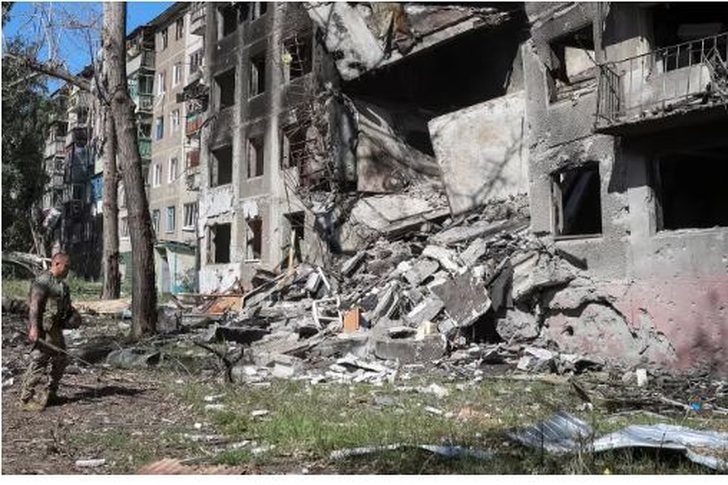
Russia is still advancing slowly in the Donetsk region of ...

Iran's Foreign Ministry has criticized the US government f...
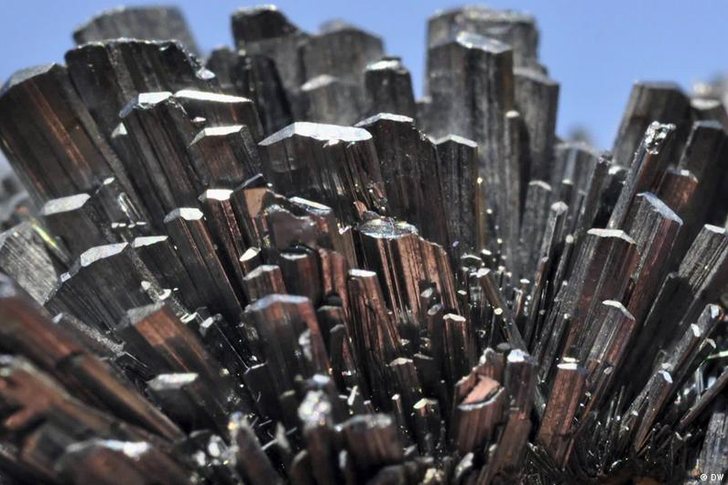
Until recently, the entrance to the Troyarova mine was ope...

The International Monetary Fund and the official Bureau of...

The head of the global nuclear watchdog agency has said it...
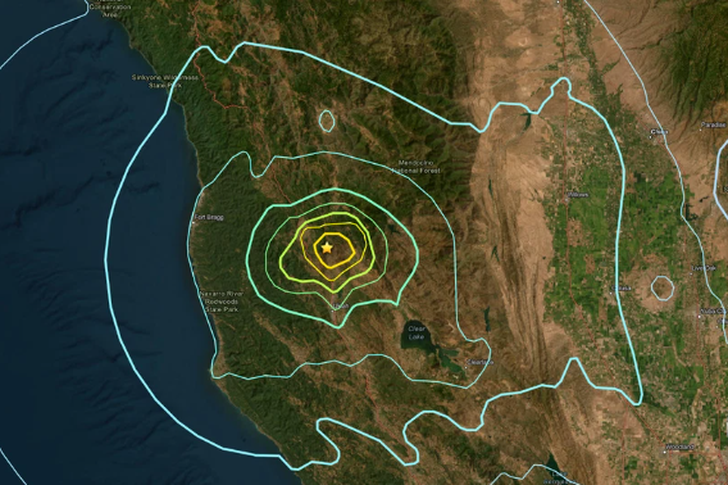
A magnitude 5.6 earthquake struck Mendocino County and was...

NATO Secretary General Mark Rutte praised President Donald...

Andy Burnham is planning to move parts of the No. 10 opera...
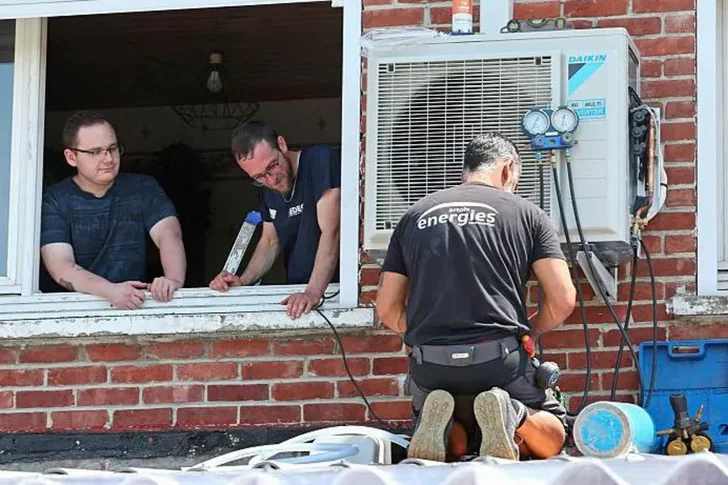
With temperatures rising sharply, France is being forced t...

Representatives from the various bodies of the Peace Board...

France has confirmed its first case of Ebola - a doctor wh...

The Democratic League of Kosovo (LDK) could unify and offe...

Tens of thousands of homes are without power in western Fr...
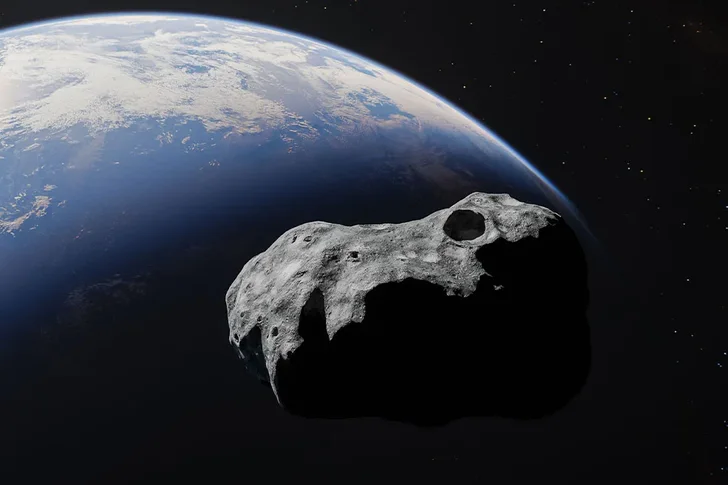
A large asteroid will pass close to Earth this Saturday, p...

Elon Musk ka humbur statusin e trilionerit. Sipas analizav...

German railway company Deutsche Bahn has resumed rail serv...

After the first denunciation, the Plug show has continued ...

Today, CNA has published a complaint from residents of the...

A complaint from residents of the village of Gjashtë in Sa...

A complaint to CNA also led to the publication of several ...

The Special Board of Appeal (KPA) decided this Monday ...

The KPA vetting decided this Thursday to dismiss the p...

Suela Salavaçi, a prosecutor in the Prosecutor's Offic...

The Special Board of Appeal reinstated the prosecutor ...

A person was killed yesterday evening by his brother in th...

A serious accident occurred near the Milot bridge on the L...

A tragic event occurred this evening in the village of Ago...

A truck overturned today on the Librazhd-Prrenjas axis, in...

Today, our country will be affected by almost the same met...

As climate change warms coastal waters in northern Europe,...

Today, our country will be affected by almost the same met...

Turkish police said on Tuesday they had arrested more than...

A severe heat wave sweeping across Western Europe has brou...

Iran's Revolutionary Guard has warned all ships in the Str...

Trashëgimtarët e ish-kryeministrit italian, Silvio Berlusc...

Parts of Europe are experiencing up to 40 extra days of se...

The promotion of the book by author Aleksandër Ikonomidhi ...

The Albanian Embassy in Switzerland has organized an eveni...

This Wednesday, the prominent actor of Albanian cinema, Gj...

Several archaeological excavations conducted during this s...

From Iceland to North Macedonia, consumer prices vary dram...

The Albanian government's forecasts for public investments...

This Thursday, one US dollar is bought for 82.3 lek and so...

In 2025, agriculture made a negative contribution to econo...