


Residents of Gjashtë village in Saranda on "alarm"/ Electric pole, constant danger
A complaint from residents of the village of Gjashtë in Sa...

A complaint from residents of the village of Gjashtë in Sa...

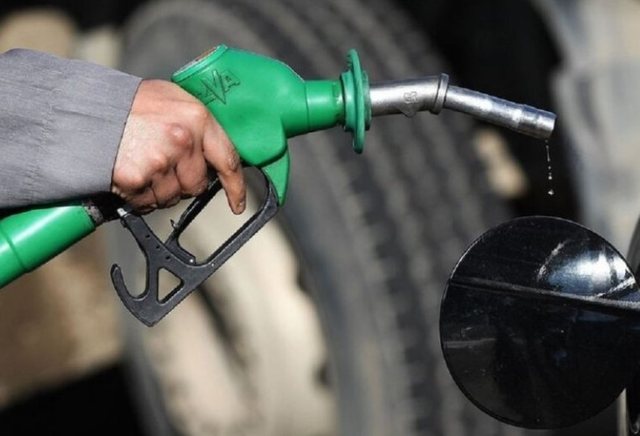
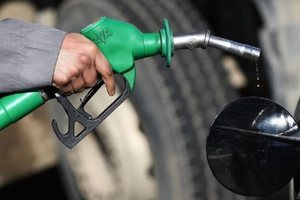
The pump changes a few lek and the effect is felt immediately, in the family's pocket, in the transportation bill, in the price of food and in the nervousness of the market. That is precisely why, when we talk about fuel prices today, we are not simply dealing with a sign at the entrance to the point of sale.
We are dealing with an indicator that affects the entire cost chain in Albania and exposes how vulnerable the consumer remains in the face of market fluctuations and lack of trust in control mechanisms.
In Albania, fuel has long been seen as more than just a commodity. It has become a political and economic hotbed. Every time it goes up, the justifications come quickly—international stock markets, geopolitical tensions, the exchange rate, import costs. Every time it goes down, the drop at the pump usually seems slower. This is where public suspicion begins, and not without reason.
The reader sees a figure for oil or gasoline and the question is straightforward - why so expensive? The real answer is more complicated than presented in official communications. The final price includes the value of the product in international markets, transportation, insurance, the dollar exchange rate, taxes, excise duty, VAT and operator margins.
But here there is a problem that should not be mitigated with technical words. In the Albanian market, the burden of taxes is high and the sensitivity of the final price is immediate. This means that even when there are moderate movements in the stock market, the consumer feels them strongly. Whereas when strong tensions occur in the market, the blow multiplies.
Another element is the market structure. Albania is an importing country. This automatically makes it more exposed to developments that occur outside its borders. If there is a supply crisis, conflict in the producing regions, problems in the refinery or an increase in the cost of maritime transport, the chain reacts. But imports do not explain everything. The point where the debate becomes serious is the transparency of costs and the speed with which reductions are reflected.
This is the concern most frequently repeated by citizens and businesses. When international markets give a signal of growth, the domestic market moves almost immediately. When the signal is for a decrease, the pace changes. Operators usually argue that they have stock, have previous contracts and have accumulated costs. The theory is logical. The practice often raises questions.
This is where the need for real, not just declarative, oversight comes in. If the consumer is constantly faced with a scenario where price increases are transferred urgently, while price reductions are delayed, then the market is not giving the citizen what he or she deserves. At this point, the issue is not just economic. It is a matter of public trust.
In Albania, the institutional response to this issue has often been fragmented. There have been promises, interim measures, declarations of monitoring, but the debate remains open: is competition functioning properly and are margins being seriously controlled? When the question remains unresolved for months and years, the doubt is not extinguished by press conferences./ CNA

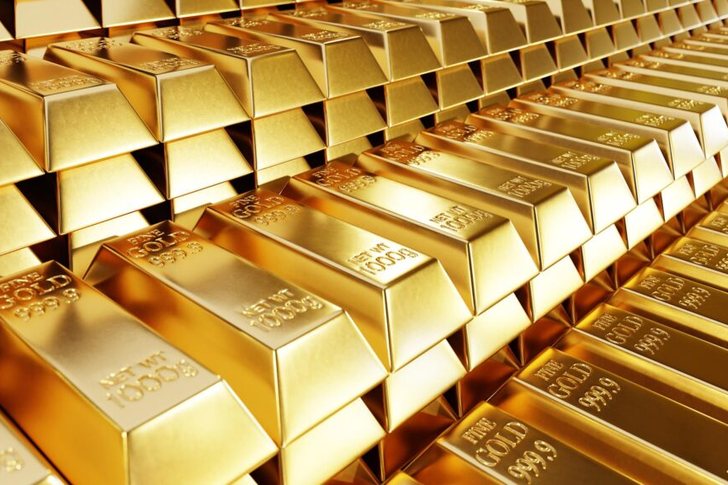
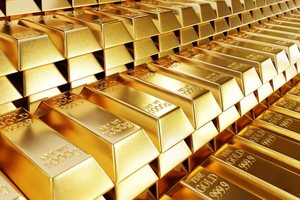
Albania has a low weight of gold in its foreign exchange r...

The average salary in the country in 2025 reached 84 thous...

Although the economy grew by 3.89% in 2025, according to p...

With the implementation of the new reform for real estate ...
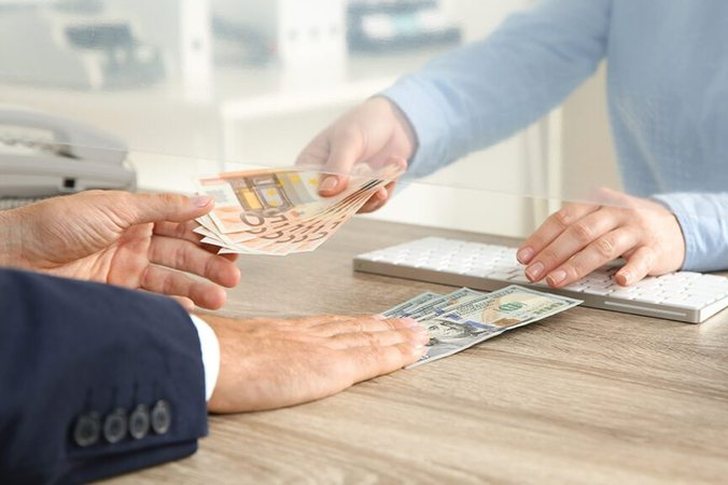
This Wednesday, one US dollar is bought for 82 lek and sol...
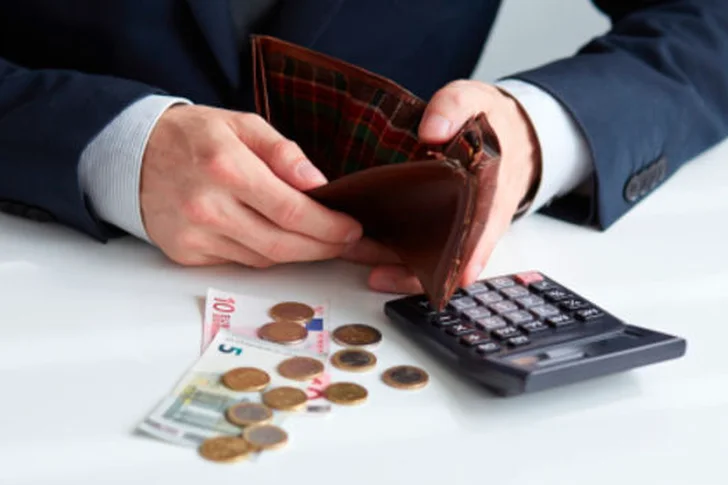
The labor market in Albania continues to be characterized ...
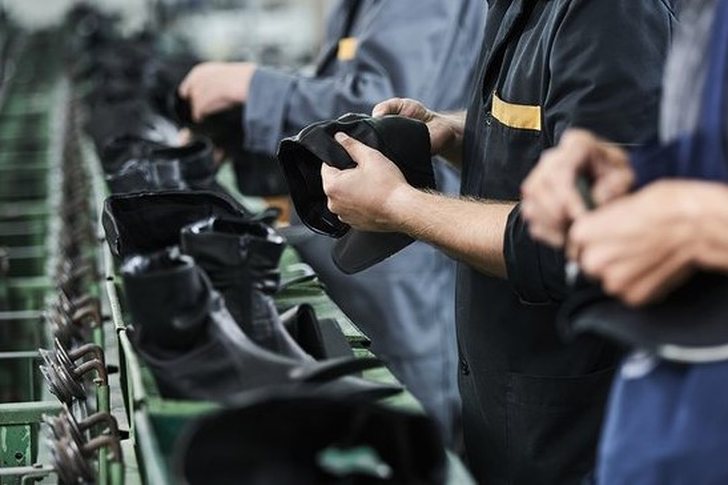
The two most frequently mentioned economic engines are con...
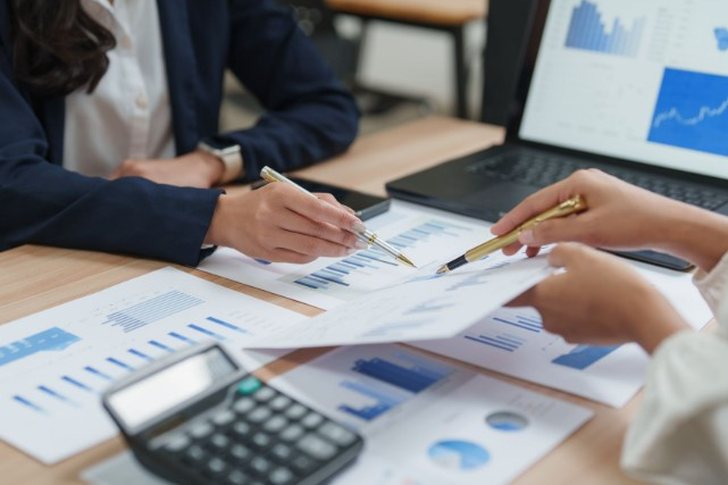
If you want to take the pulse of the economy, it's not eno...
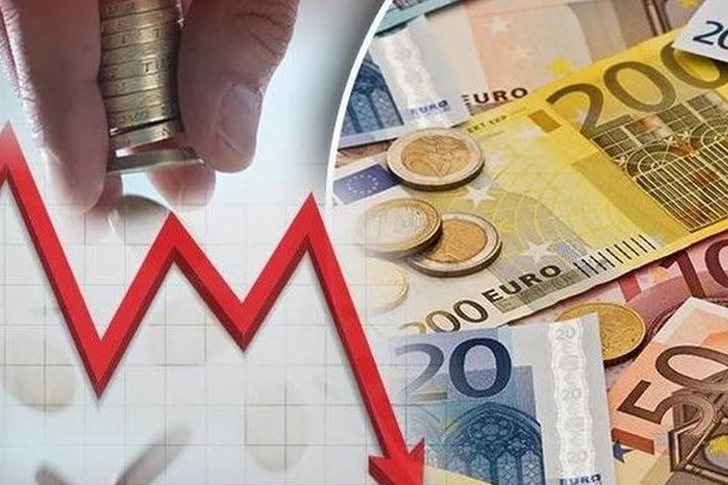
One of the topics that has most shaken the economy is the ...

When it comes to economic news in Albania, the real questi...

The business climate appears to have deteriorated signific...
This Tuesday, one US dollar is bought for 81.7 lek and sol...

An Albanian individual, living in the capital and receivin...
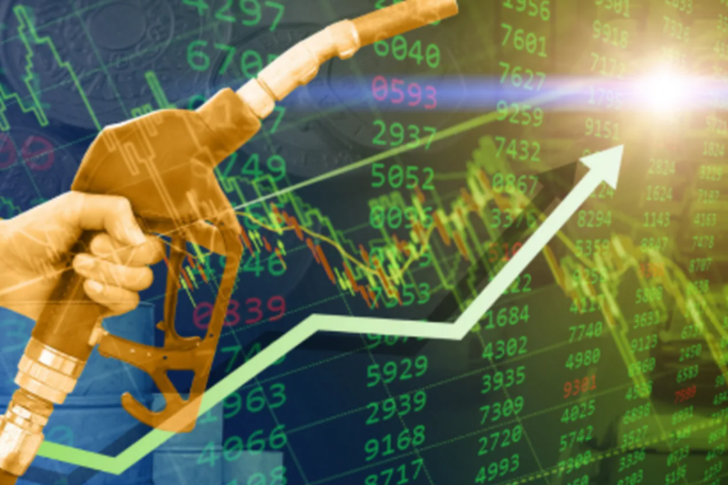
Çmimi i karburanteve për transportin e mjeteve personale n...
This Monday, one US dollar is bought for 81.4 lek and sold...

For almost a decade, the construction sector in our countr...
This Sunday, one US dollar is bought for 81.4 lek and sold...

In the Balkans, few tourism markets are expanding at the p...

Demographic experts Ilir Gëdeshi and Russell King conclude...
This Saturday, one US dollar is bought for 81.8 lek and so...
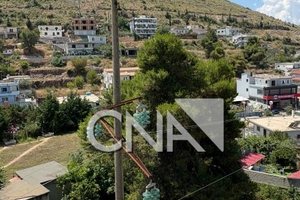
A complaint from residents of the village of Gjashtë in Sa...

A complaint to CNA also led to the publication of several ...

A mountain of documents for a flagrant case, in the na...
The Democratic Party has denounced a tender held by the Hi...

The Special Board of Appeal (KPA) decided this Monday ...

The KPA vetting decided this Thursday to dismiss the p...

Suela Salavaçi, a prosecutor in the Prosecutor's Offic...

The Special Board of Appeal reinstated the prosecutor ...
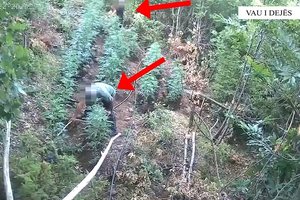
Two people have been arrested in Vau i Dejës for cultivati...
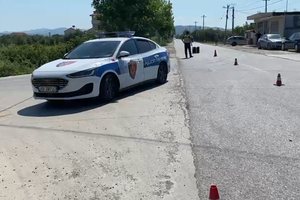
A serious road accident occurred in the early hours of the...

It is reported that an accident occurred this evening in V...
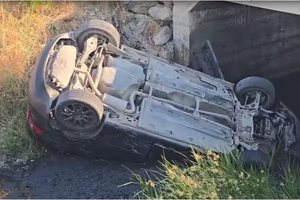
A road accident occurred this afternoon in the former Këne...
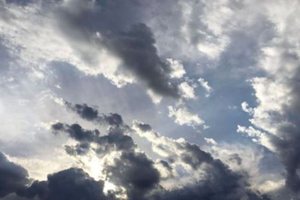
Today, our country will be affected by almost the same met...
Turkish police said on Tuesday they had arrested more than...
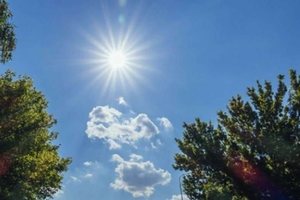
Today, our country will be affected by relatively stable w...

Albania is facing significant challenges in human capital ...
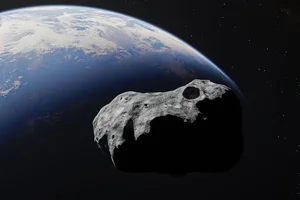
A large asteroid will pass close to Earth this Saturday, p...

Elon Musk ka humbur statusin e trilionerit. Sipas analizav...
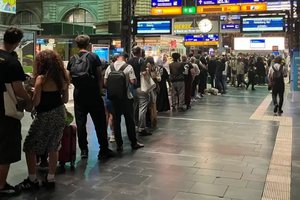
German railway company Deutsche Bahn has resumed rail serv...
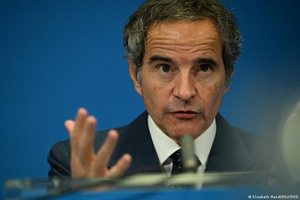
The head of the International Atomic Energy Agency, Rafael...

The promotion of the book by author Aleksandër Ikonomidhi ...
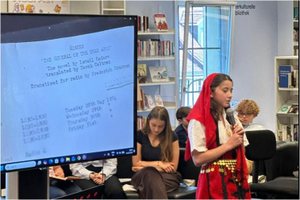
The Albanian Embassy in Switzerland has organized an eveni...

This Wednesday, the prominent actor of Albanian cinema, Gj...
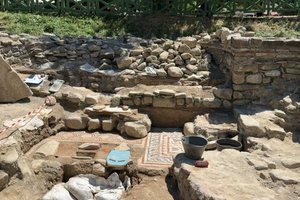
Several archaeological excavations conducted during this s...
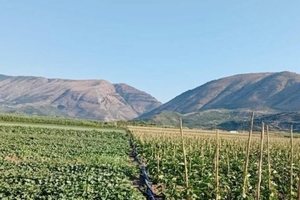
In 2025, agriculture made a negative contribution to econo...
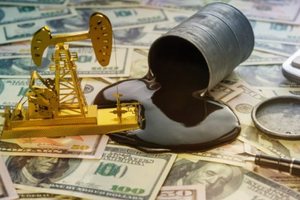
Fuel doesn't just affect drivers. This is the part that's ...
The pump changes a few lek and the effect is felt immediat...
Albania has a low weight of gold in its foreign exchange r...