


Critical voice and the media/ How can the reader distinguish serious opinion from manipulated one?
There are times when neutrality is not professionalism, bu...


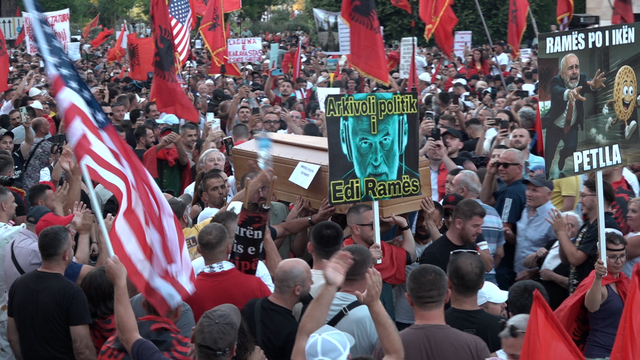
The coffin is one of the most powerful political symbols. It can be used as the ultimate metaphor for the "death" of a system, an idea, or a political career. But precisely because it carries such a heavy symbolic weight, its use in a civic protest is always debatable. Although it has been used in protests around the world to symbolically declare that a power is "dead" even though it continues to govern.
But precisely because it is the most serious metaphor, the question arises: "Does a coffin have a place in a peaceful civic protest? Is this symbol a sign of democratic maturity, or evidence that Albanian politics continues to confuse theater with democracy, spectacle with cause, and funeral with victory?"
A democratic protest aims to persuade, not intimidate; to mobilize citizens, not create a deathly atmosphere. When a coffin appears in the square, (especially after chants of “Death to traitors!”) attention often shifts away from the cause and focuses on the symbol. The debate is no longer about injustice, corruption, or misgovernment, but about the limits of protest ethics.
Symbols have extraordinary power. A flag can unite a nation; a toppled statue can mark the end of a regime; a coffin can announce the symbolic end of a power. But dark symbols can also fuel hate speech and escalate polarization.
Democracy thrives on opposition, not demonization. Political opponents must be defeated with votes, arguments, and civic pressure, not with metaphors that border on political symbolism and physical death. Even when the goal is only "political death," the symbol can be interpreted differently by the public.
The ancient Romans knew well the power of public ceremonies. Triumphs and funerals were instruments of power. Whoever controlled the symbol controlled the emotion of the crowd. Since then, politics has understood that people are often persuaded not by argument, but by image.
The coffin is precisely an attempt to replace argument with image. It does not invite debate; it announces a verdict and asks the citizen only to applaud the symbolic "burial" of the opponent.
But democracy does not recognize a political funeral without elections. In a democracy, powers are not buried in the square; they are overthrown at the ballot box. Any other path is closer to the logic of the crowd than to the culture of the republic.
The fact is that authoritarian powers have always nurtured this kind of symbolism. The totalitarianisms of the 20th century were not satisfied with conquering the opponent; they also wanted to "bury" him in the collective memory. Political defeat was not enough for them; symbolic elimination was also required. But where the symbolic burial of the opponent begins, the burial of pluralism often also begins.
Even philosophers and political scientists have warned about this. When we insist on emotions, the crowd no longer seeks the truth; it seeks the spectacle.
A civic protest should be a demonstration of moral superiority over power, not a competition for the most macabre metaphor. Its strength lies in citizens, in argument, in dignity, and in the ability to convince even those who think differently. Not in providing food and a pretext for power to attack.
So the debate is not about whether or not to allow the use of a coffin. Democracy also allows provocative symbols. The debate is about whether that object serves the cause. A protest wins when it awakens the conscience of citizens, not when it shocks them with images that can obscure the message. When the symbol becomes stronger than the argument, the protest risks losing the moral force that makes it legitimate.
In a democracy, ideas can "die", governments and powers can fall. But political language should not be buried with them.
So, be careful with metaphors. Every era that has begun by symbolically burying opponents has ended by burying freedom.

There are times when neutrality is not professionalism, bu...
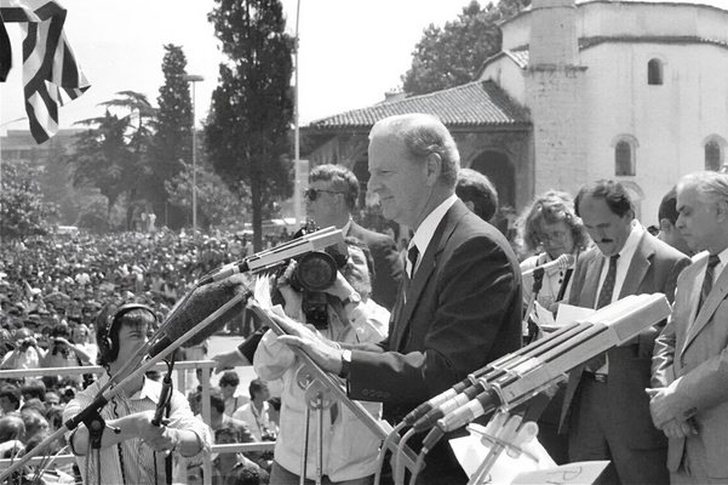
For millions of people, VOA was a beacon of hope and a win...
Machiavelli wrote in “The Prince” that it is safer to be f...
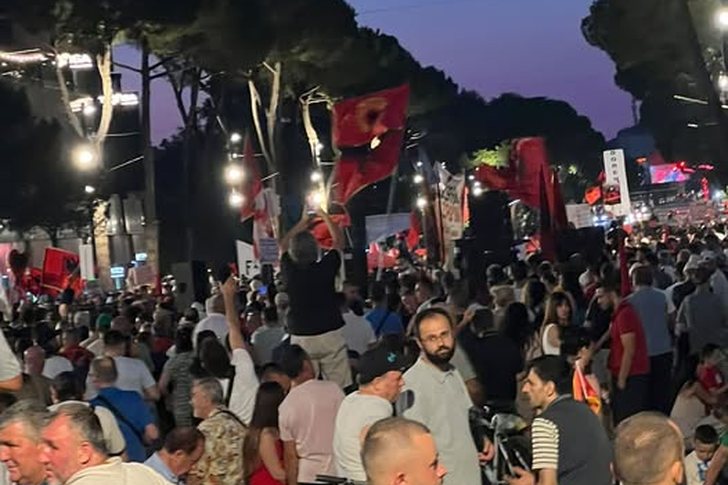
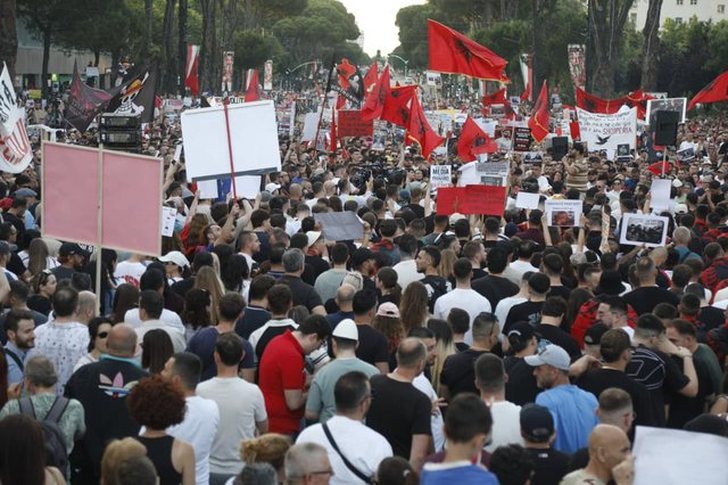
A protest is not simply a list of accusations against the ...
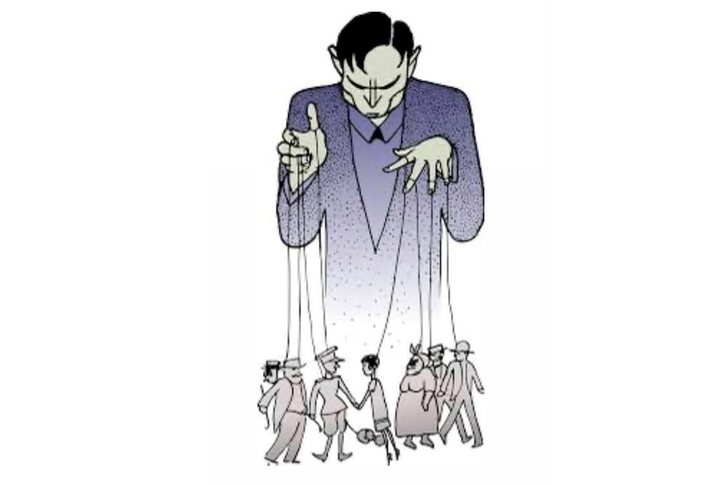
Marjana – the neo-Malaysian – (as the MP who left the floc...
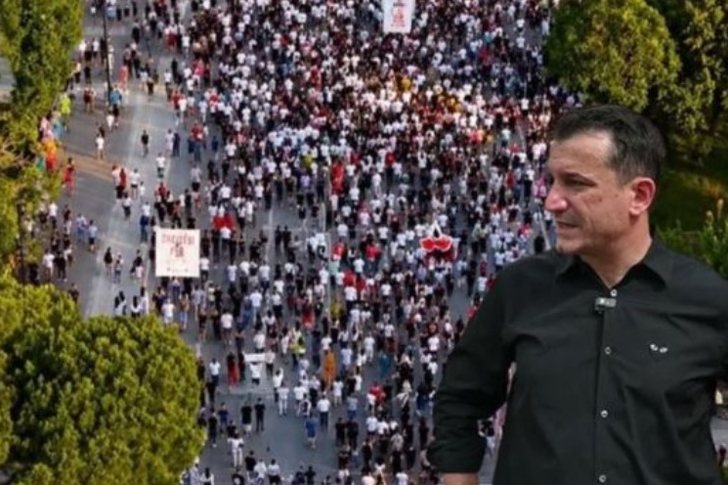
On July 1, the Constitutional Court released its decision,...
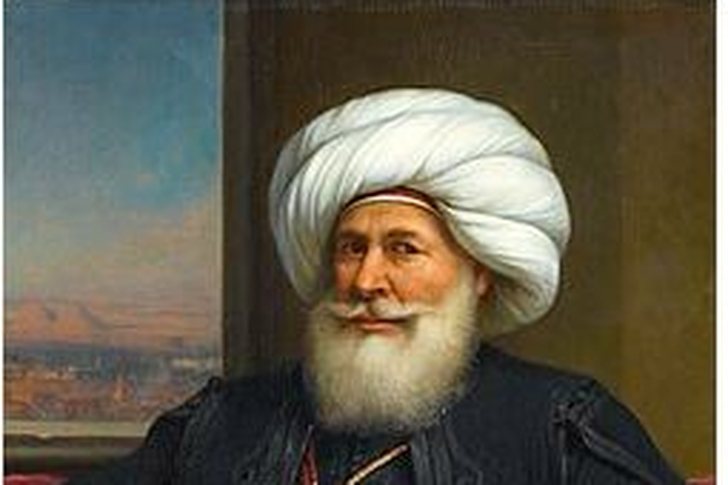
If you sit on the banks of the Nile for an afternoon and l...
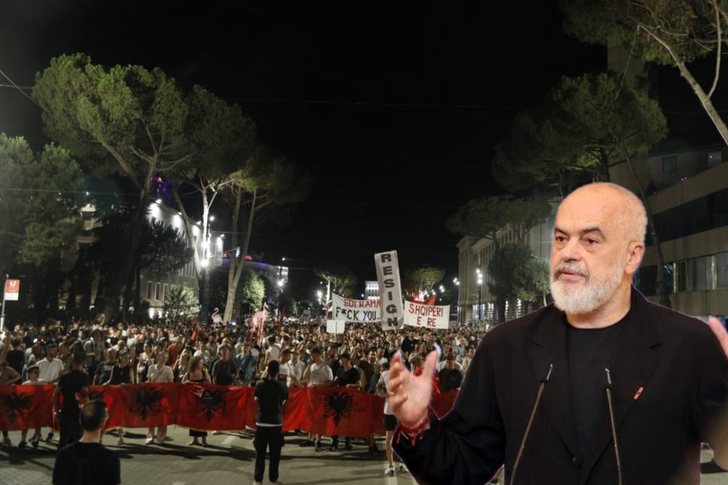
While Prime Minister Edi Rama intensified his media campai...
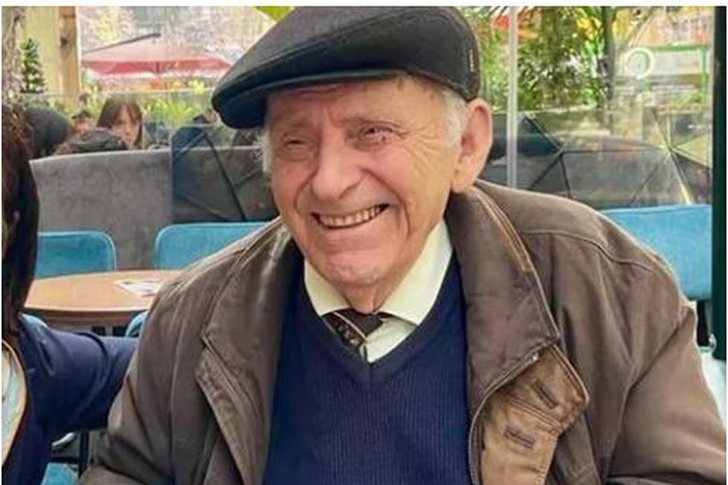
Ali Xhiku passed away quietly, just as he lived: quietly, ...
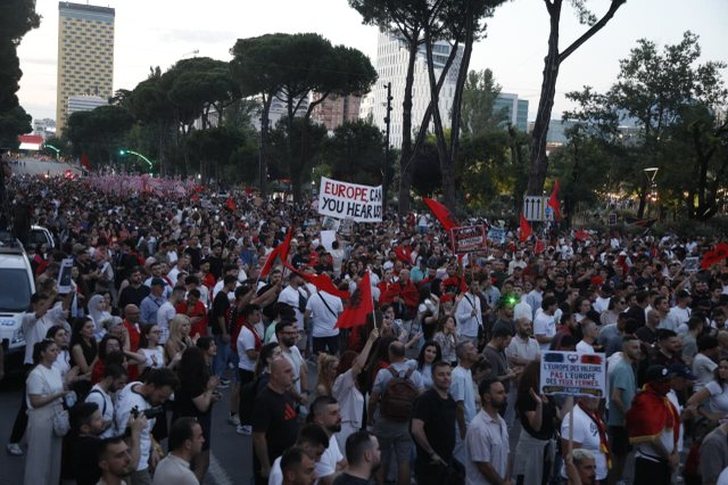
As the country moves towards Euro-Atlantic integration, pu...
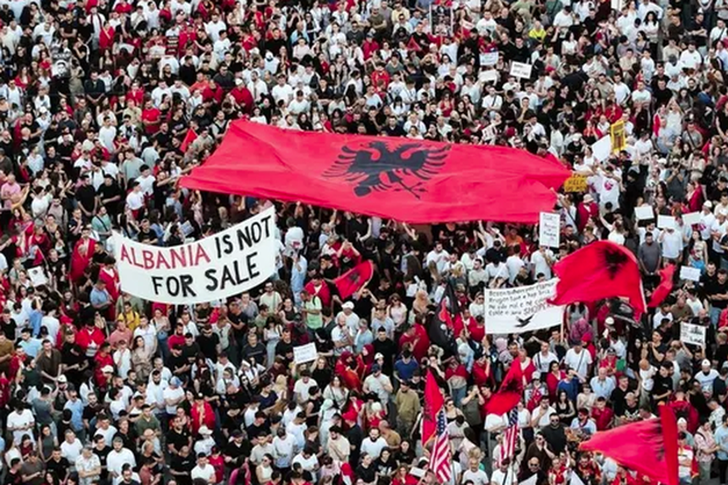
Një muaj sot dhe protesta nuk e rrëzoi pushtetin. Nuk e rr...
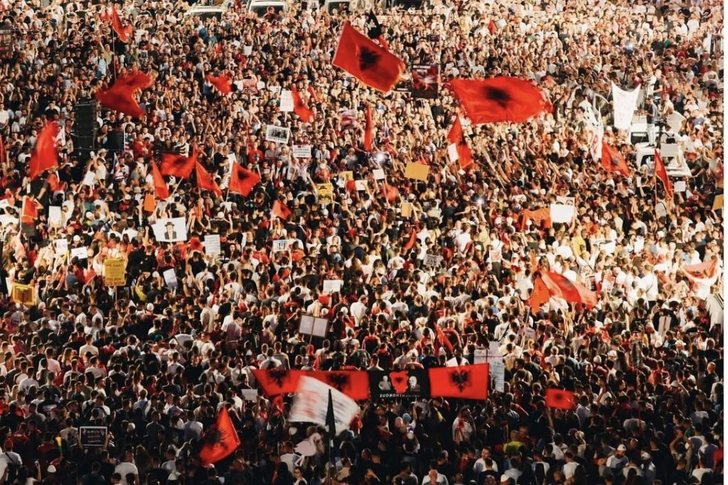
It's been almost a month and the civic protest continues t...
Politics is a ruthless arena. Whoever chooses to enter it mu...
The Freedom Eagles protest in the Capital has given oxygen t...

This is my third time watching “House of Cards” on Netflix, ...
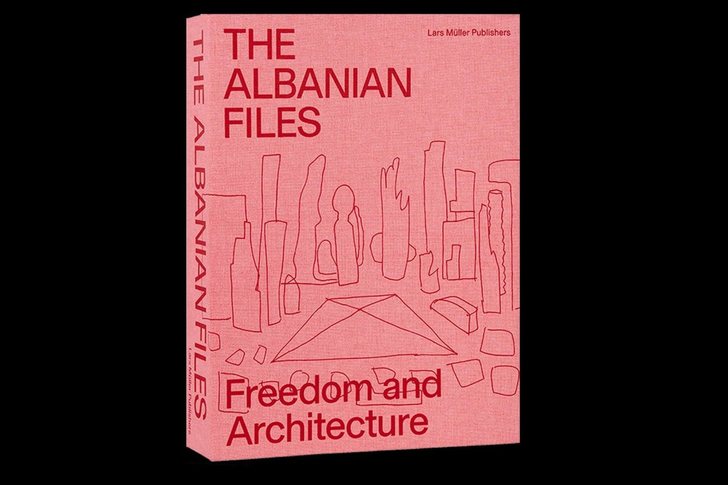
"Albanian Files" is a book that predicts that Albania will...

How to understand what is happening at Vlora Airport/ 7 CO...
The discovery or fabrication, and subsequent public use of...
There is no official answer to the simple question: why ar...
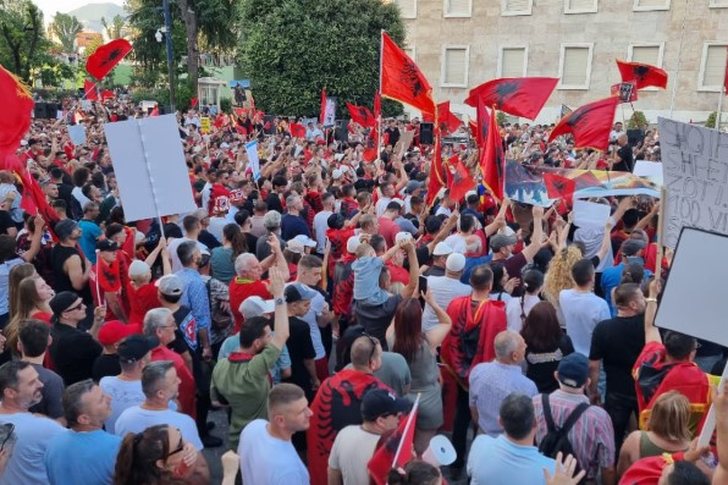
The July 4th protest, declared "nationwide," if not proper...

The justice reform claimed that it would bring faster, fai...
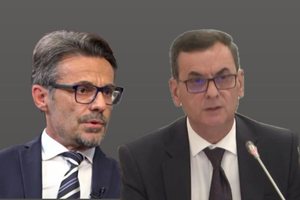
The Justice Reform and the vetting process were trumpeted ...
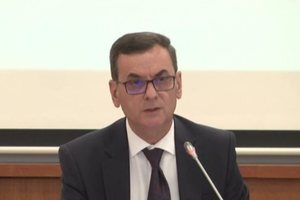
After revealing the property portfolio in Tirana, Kavaja, ...
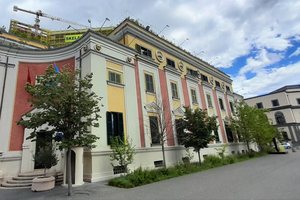
Four months ago, on March 11, CNA sent an official letter ...

The Special Board of Appeal (KPA) decided this Monday ...

The KPA vetting decided this Thursday to dismiss the p...

Suela Salavaçi, a prosecutor in the Prosecutor's Offic...

The Special Board of Appeal reinstated the prosecutor ...
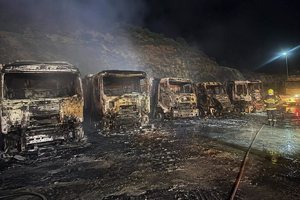
Five heavy-duty vehicles were engulfed in fire in the morn...
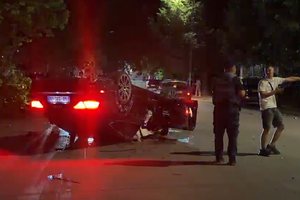
An accident was recorded around 01:00 on Sunday, near the ...
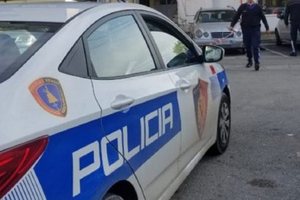
During routine checks in the village of Vlahen in Has, 3 p...

A 32-year-old man was arrested in Vlora for being armed. T...

On Sunday, our country will be affected by stable weather ...
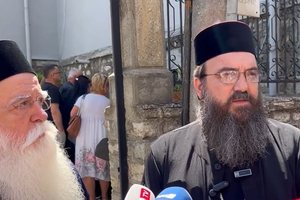
A day dedicated to health, solidarity and cooperation betw...
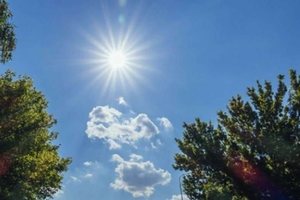
On Saturday, our country will be affected by relatively un...

Heavy traffic is turning movement in Tirana into an exhaus...
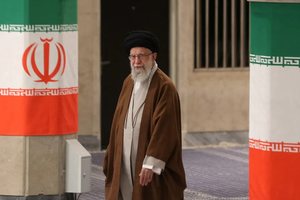
After months of tumultuous conflict with the United States...
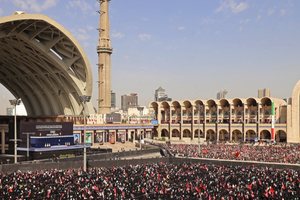
The multi-day funeral ceremonies for Iran's late supreme l...
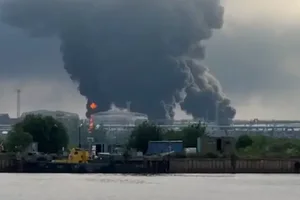
The General Staff of the Ukrainian Army has denied Russian...
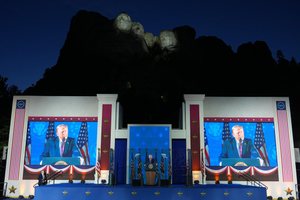
US President Donald Trump delivered a speech on the eve of...
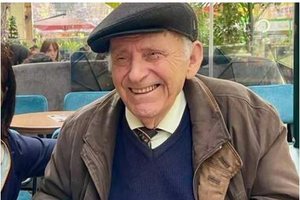
Professor and literature scholar Ali Xhiku has passed away...
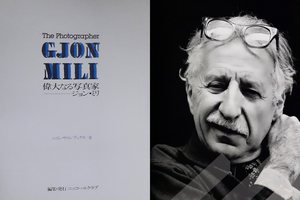
During my research into the life and artistic photographic...

This year's edition of the Gjon Mili International Video A...
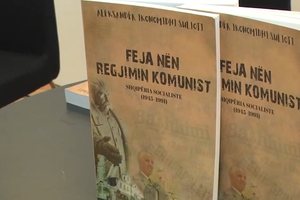
The promotion of the book by author Aleksandër Ikonomidhi ...
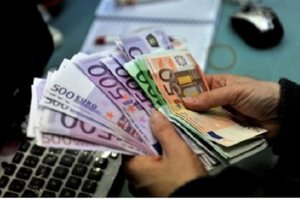
This Sunday, one US dollar is bought for 81.3 lek and sold...

When it comes to 10 key economic issues, the debate in Alban...

This Saturday, one US dollar is bought for 81.3 lek and so...
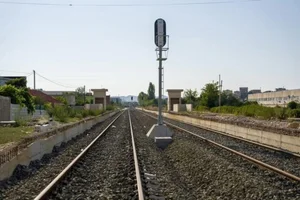
The loan agreement for the electrification of the Tirana-D...