

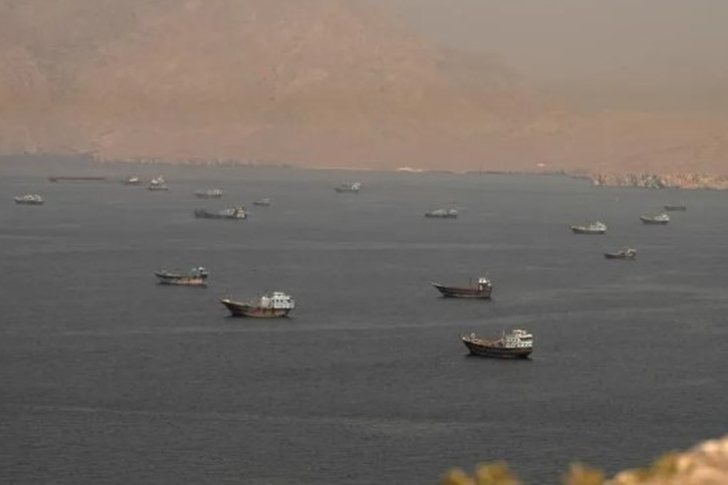
US strikes over 80 Iranian targets after attacks on tankers in Hormuz/ Tehran retaliates
The United States has launched a wave of air strikes on Ir...


More money for the military, less for everything else and staggering debts: this is what the draft budget for 2027 looks like. The government has approved it and now it's the Bundestag's turn.
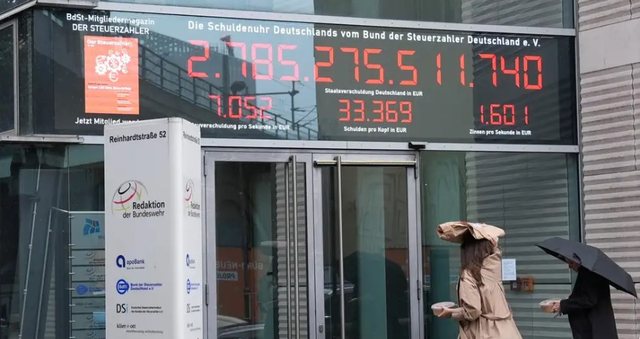
In the government district of Berlin, in an office building, there is a so-called debt clock. It is a black digital screen with red numbers, owned by the Bund der Steuerzahler (Taxpayers' Association), which shows Germany's current debt. The figure is constantly changing and increasing rapidly.
On July 6, around noon, the debt clock showed 2.78 trillion euros. At the same time, a few hundred meters away, in the Federal Chancellery, the draft budget for 2027 was approved. The draft German federal budget will further accelerate the increase in the numbers on the debt clock.
Finance Minister Lars Klingbeil (SPD) is planning spending of 555.4 billion euros for 2027. Of this, 109.7 billion euros are planned for defense spending - a third more than in 2026. Spending significantly exceeds tax revenues. As a result, Klingbeil is being forced to resort to borrowing again. He is planning new borrowing of almost 119 billion euros. But that's not all.
Loans for the Bundeswehr and infrastructure
In addition, there are – as a kind of parallel budget – expenditures from special funds financed by borrowing. These are multi-year expenditures and are therefore not included in the current budget. 500 billion euros are planned for the renovation and modernization of infrastructure and the achievement of climate neutrality. These funds, distributed over twelve years, will repair, among other things, dilapidated bridges, roads and the railway network.
A special additional fund has also been created for the Bundeswehr. Germany wants to gradually increase its defense spending to 3.5 percent of gross domestic product (GDP) by 2029. By 2035, they should reach NATO's new target of five percent.
"Peace in Europe is threatened by Putin's imperialist madness," Minister Klingbeil said after a government meeting, referring to threats coming from Russia and its President Vladimir Putin.
"With a black zero we cannot defend ourselves against Putin." Germany must make up for three decades of savings in the Bundeswehr in a very short time, the department head added: "And this is not possible without new debts, it's like trying to fly to the moon without a rocket."
What about debt curbing?
If we add up the debts from the regular budget and special funds, the new debt in 2027 will amount to around 203 billion euros. It is already clear that loans of a similar volume will be needed in the coming years.
The German Chamber of Industry and Commerce has calculated, based on federal financial plans, that spending will increase by an average of five percent per year until 2030. Tax revenues will grow half as slowly, or by around three percent per year.
The more debt the state accumulates, the more interest it has to pay. According to current estimates, this will reach 80 billion euros by 2030. The Taxpayers' Association warns that this would "swallow" all the additional tax revenue of the federal administration.
The constitution stipulates that the state can only spend as much as it earns. This is called the "debt brake." Additional borrowing cannot exceed 0.35 percent of gross domestic product. However, defense and security spending is generally exempt from this rule.
In addition, higher borrowing limits are allowed in times of economic weakness. As the largest economy in Europe and the third largest in the world, Germany can afford such borrowing, Klingbeil points out. "Our debt level is well below the eurozone average."
Economic growth
In the Eurozone, a debt level of up to 60 percent of the country's economic power is allowed. In 2027, Germany will be at the level of 69.5 percent. At the same time, the country is deep in an economic crisis and the pace of economic activity is weakening year after year. The government made up of the conservative parties CDU/CSU and SPD, when it took office in May 2025, announced the resumption of economic growth. Instead, the crisis continues.
"Donald Trump's irresponsible war on Iran has halved the economic recovery we expected this year," Klingbeil criticized in Berlin. "This war is costing Germany money."
Additional revenue should come from a new plastic tax, the introduction of a sugar tax, and an increase in taxes on tobacco and alcohol. Higher taxes on the wealthiest citizens are also planned, or a "tax on the super-rich," as Klingbeil calls it. But that's just a drop in the ocean.
The cuts are inevitable. They will hit both federal ministries and their budgets, as well as the financial support with which the federal government stabilizes the social security systems. Pension and health funds are chronically short of money and need billions of euros in federal subsidies every year. These must now be reduced - because there is no longer enough money.
The German Confederation of Trade Unions speaks of a "major imbalance", because the social sector must bear the burden of repairing public finances, while military spending, as they point out, is growing rapidly at the same time.
Environmental groups protest forcefully
Klingbeil also plans to use funds from the Climate and Transformation Fund (KTF), which is financed by revenues from the European emissions trading system. This has been sharply criticized by environmental organizations, as well as the opposition Greens. This money should not be used to fill budget gaps, party chairman Felix Banaszak told the table.media portal.
"Revenues from the price of CO? emissions are not self-serving for the Minister of Finance. They serve to finance the transformation of the economy while respecting climate rules, to support companies in the transformation process and to relieve citizens from the costs of climate protection."
Almost everyone needs to save
Klingbeil is demanding flat cuts from all ministries. The only exception is the Ministry of Defense. For 2027, it was specifically about a one percent reduction in each individual budget. The negotiations were difficult, said the Finance Minister: "Because of this, some departments reached the limit of sustainability, but it is right and necessary."
In 2028, ministries must reduce spending by three percent. "Everyone is responsible for solving it within their own ministry. But we have to consolidate public finances, we cannot run away from this."
Moreover, the financial plans up to 2030 already show how many holes will be opened in the budgets. When the expected revenues are subtracted from the projected expenses, large amounts remain unaccounted for. According to the government's proposal, the financial hole in 2028 will reach 22 billion euros, in 2029 to 38 billion and in 2030 even 47 billion euros.
It is already clear that ministries will have fewer and fewer funds available. Development aid has been particularly affected in recent years. In 2027, it should have another 500 million euros less, so its budget is reduced to 9.5 billion euros.
The development policy umbrella organization Venro warned in Berlin of the "dramatic consequences" of such cuts. Citing a study, Venro states that due to global funding cuts by 2030, more than 9.4 million more people could die from poverty, hunger, disease and climate change.
The role of the Bundestag
"The federal government probably has no idea what it's doing," commented Venra board member Michael Herbst. The entire humanitarian aid system is already "massively underfunded." Cutbacks in Germany play a significant role in this, he adds.
Finance Minister Klingbeil speaks of the "difficult decisions" that have been made. However, this does not change the fact that Germany remains a "really reliable partner" on the international level. He recalls: "After the United States withdrew from international development financing, today we are the largest donor."
Meanwhile, the children's aid organization "Save the Children" has called on the Bundestag to "significantly improve the draft budget in the parliamentary process and increase funds for humanitarian aid and development cooperation in line with needs."
Parliament will deal with the draft budget after the summer recess, from September onwards. Final approval of the 2027 budget is planned for the end of November./ DW

The United States has launched a wave of air strikes on Ir...
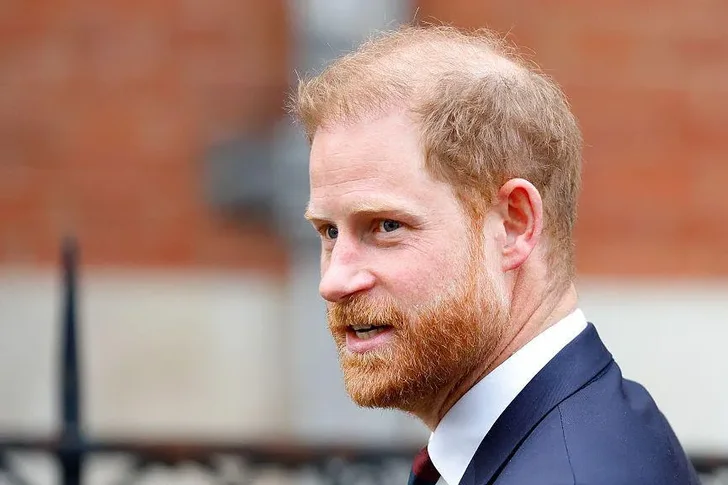
The Duke of Sussex and six others have lost their privacy ...
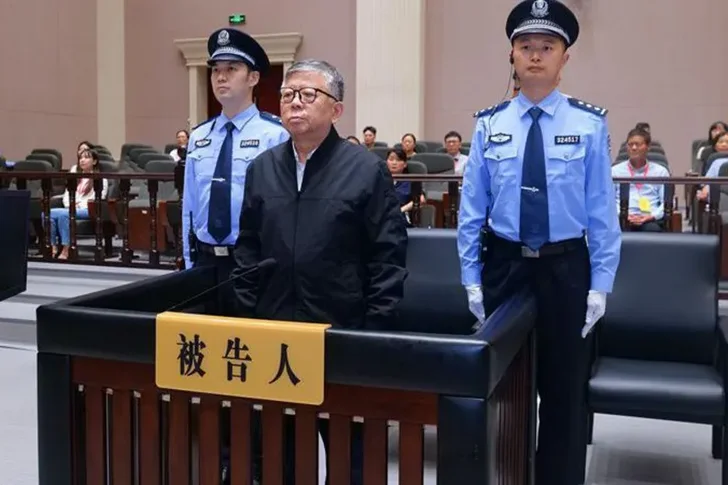
A court in eastern China has sentenced a former city offic...
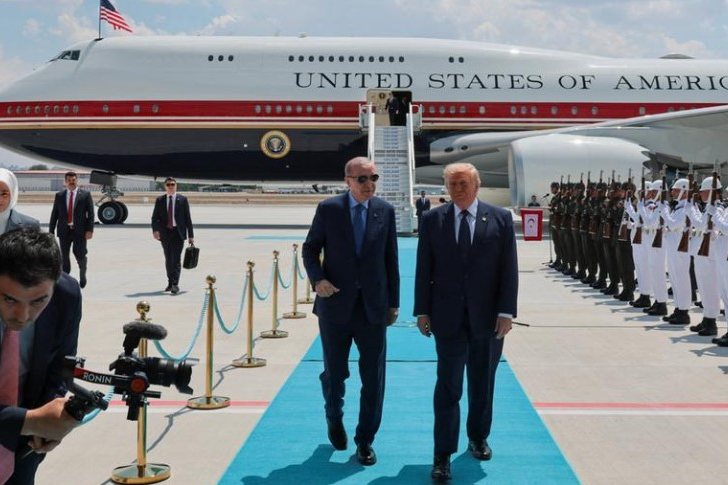
US President Donald Trump has criticized NATO allies ahead...
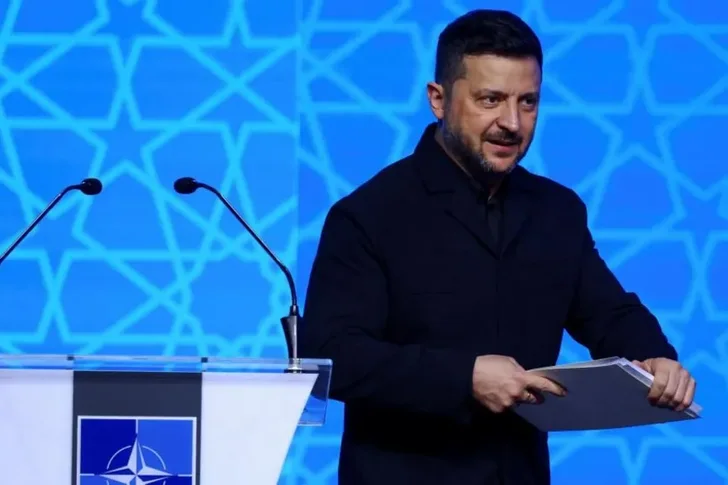
Presidenti i Ukrainës ka përdorur një fjalim në samitin e ...
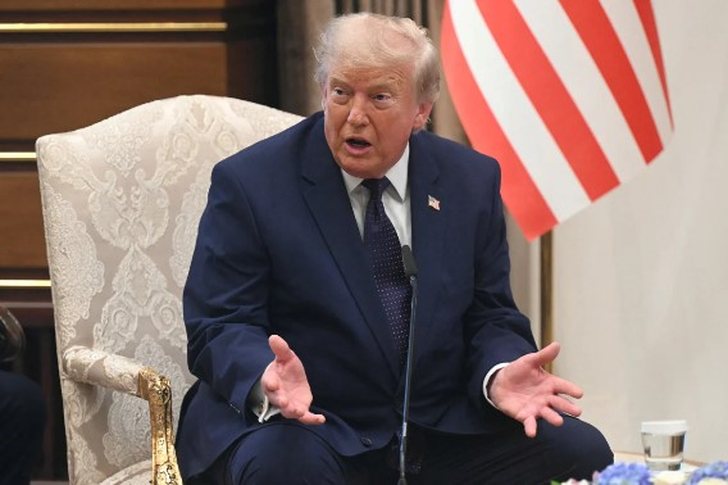
United States President Donald Trump reiterated on Tuesday...
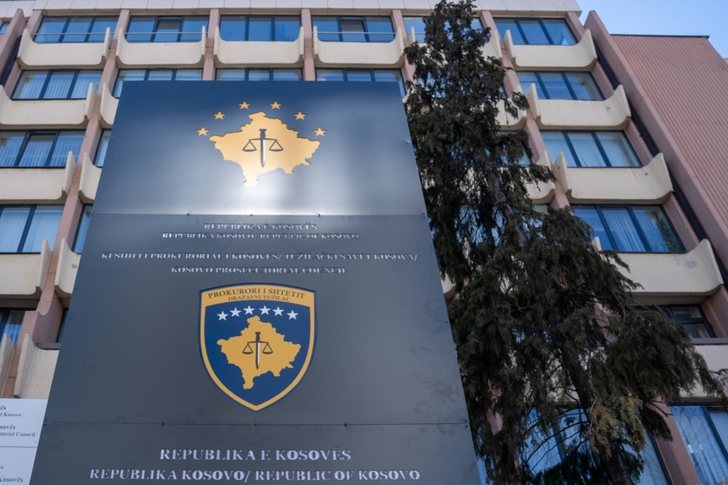
Prosecutors in Kosovo on Tuesday filed an indictment again...
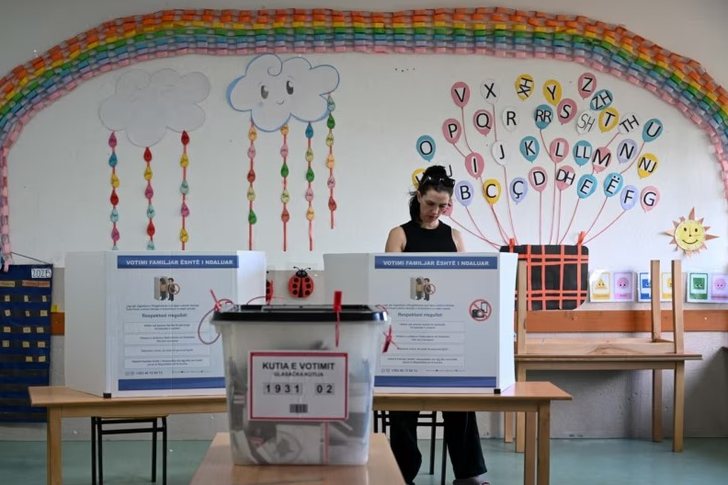
The Supreme Court has dismissed all appeals regarding the ...
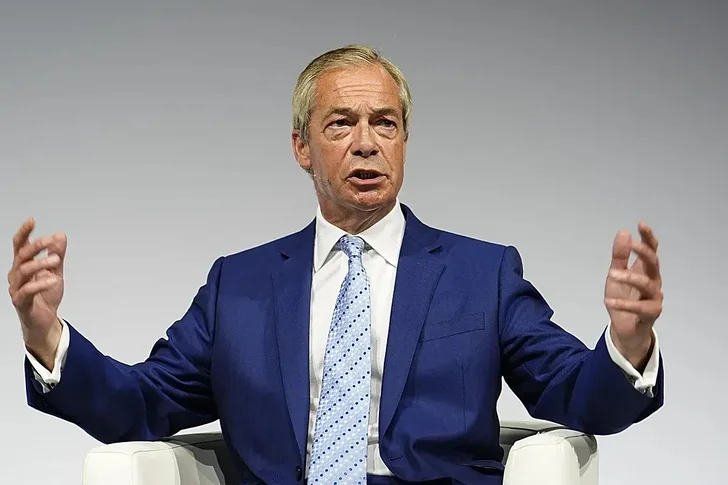
Reform UK leader Nigel Farage announced that he was resign...
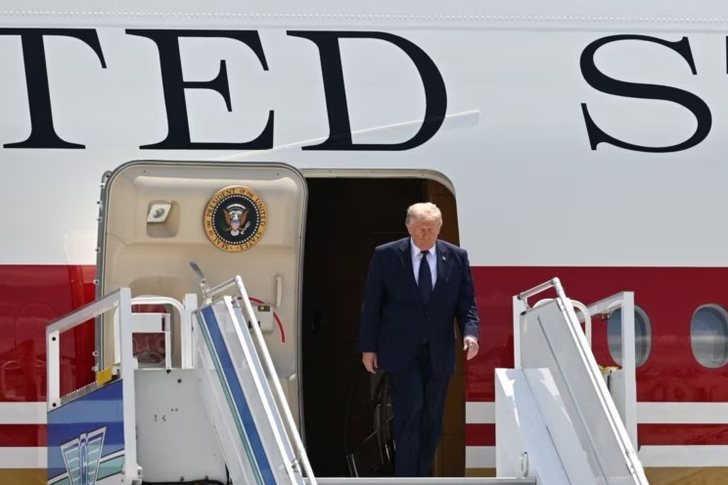
NATO leaders are meeting in the Turkish capital, Ankara, f...
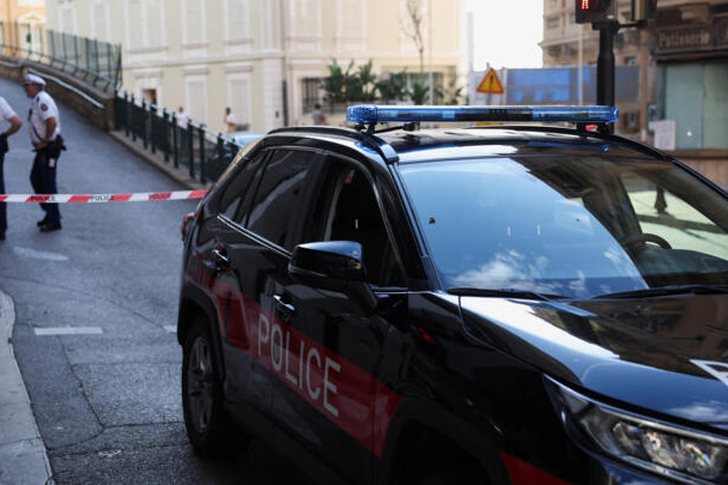
A woman suspected of carrying out last week's bomb attack ...
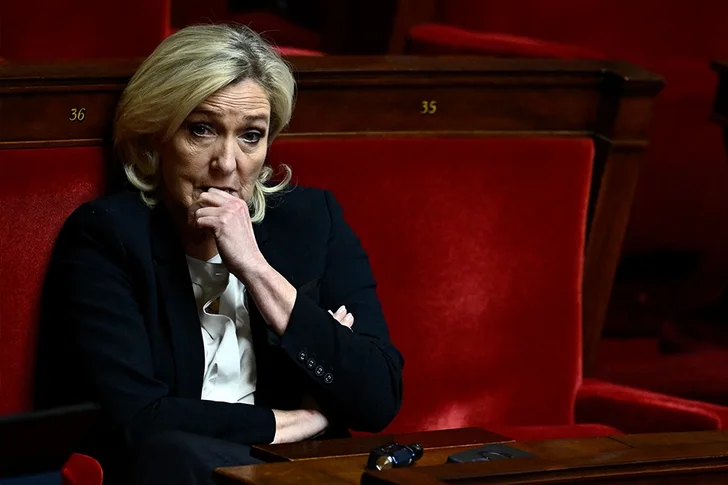
The Paris Court of Appeal has confirmed the verdict convic...
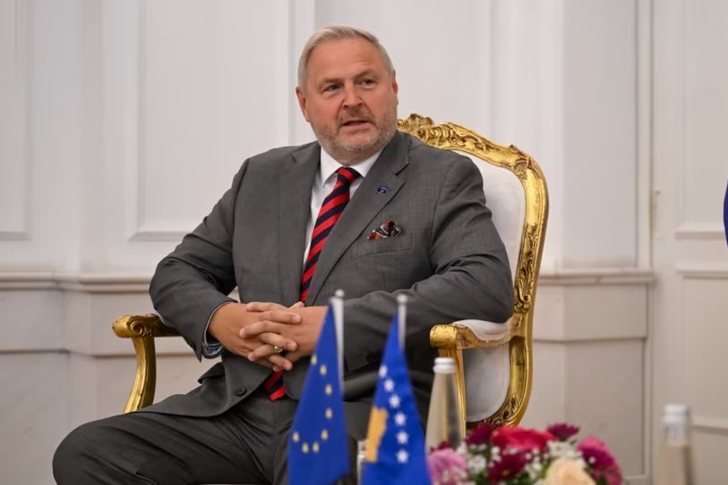
The rapporteur for Kosovo in the European Parliament, Riho...
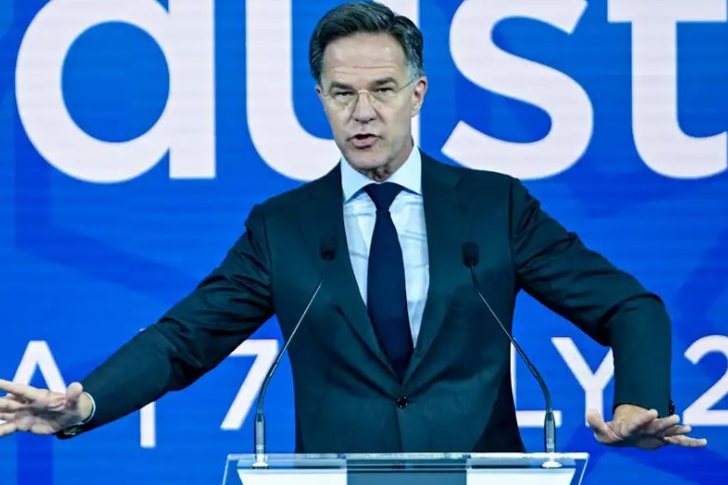
NATO Secretary General Mark Rutte has called for a radical...

An investigation by the British media outlet "The Sun" cla...

Two explosions rocked central Damascus on Tuesday, at the ...
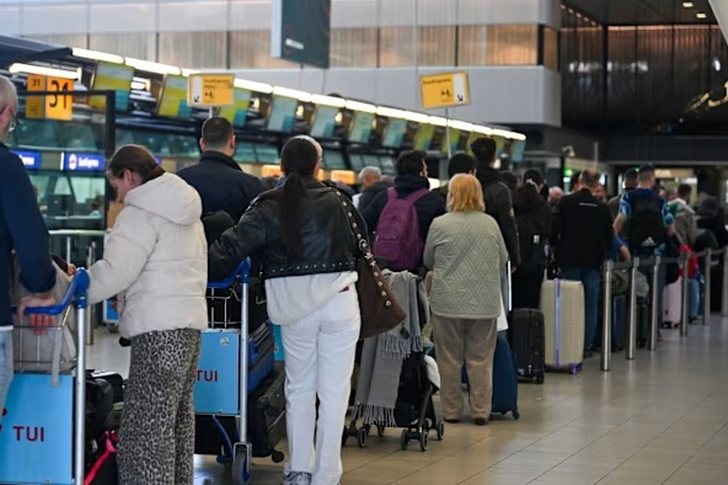
A new online system for prior authorisation of entry into ...
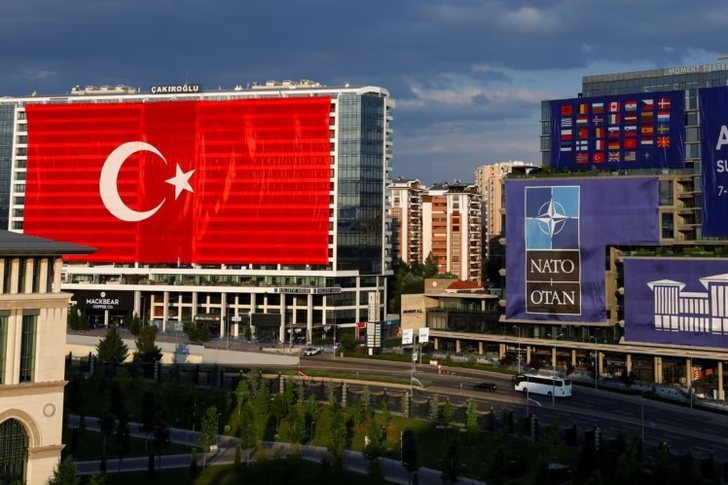
US President Donald Trump is headed to Ankara, where NATO ...
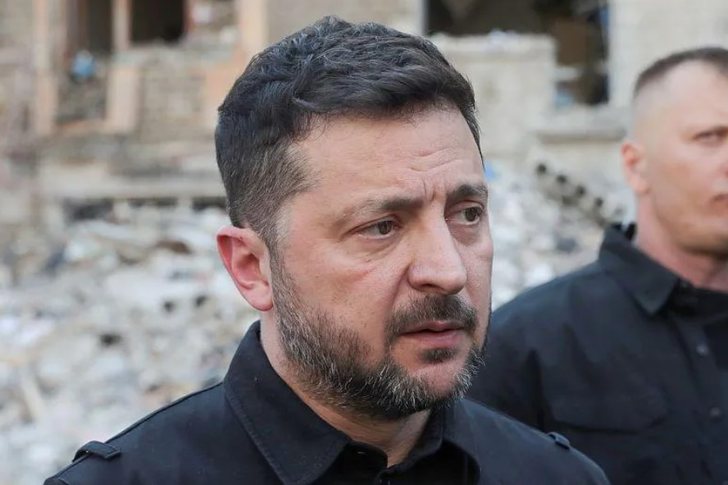
Ukrainian President Volodymyr Zelensky is using the NATO s...
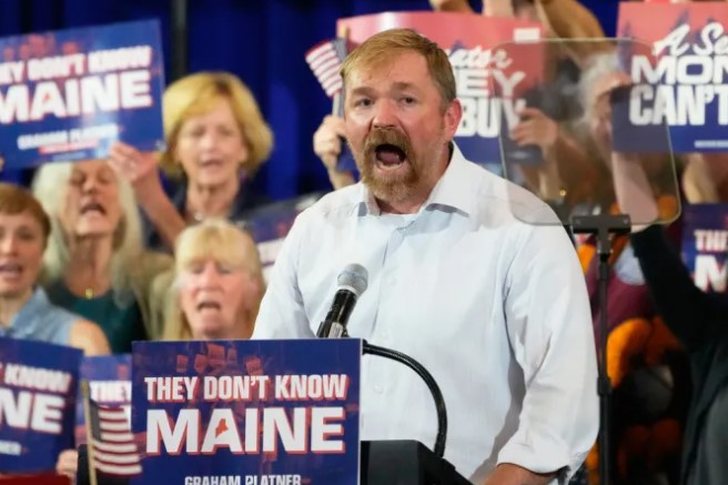
The Maine Senate race is engulfed in a deep political cris...

The word "fatherland" with properties is not enough. The m...

The justice reform claimed that it would bring faster, fai...
The Justice Reform and the vetting process were trumpeted ...
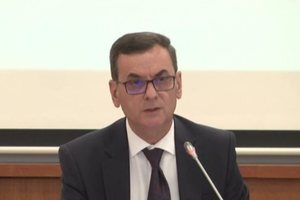
After revealing the property portfolio in Tirana, Kavaja, ...

The Special Board of Appeal (KPA) decided this Monday ...

The KPA vetting decided this Thursday to dismiss the p...

Suela Salavaçi, a prosecutor in the Prosecutor's Offic...

The Special Board of Appeal reinstated the prosecutor ...
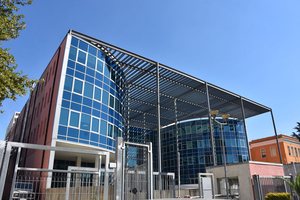
The Special Prosecution Office completed the investigation...
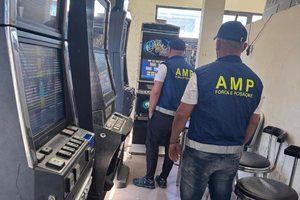
Today, on 07.07.2026, the Police Supervision Agency (AMP),...
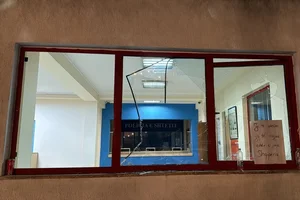
One person has been arrested, 7 have been prosecuted, and ...

Fier Police have issued an official response regarding the...

Today our country will be affected by relatively unstable ...
While the total number of deaths fell in 2025, those from ...

As Albania faces ongoing demographic challenges, the l...

Today our country will be affected by relatively unstable ...
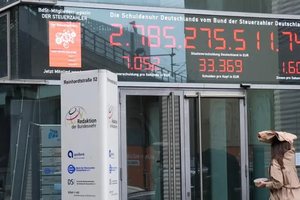
More money for the military, less for everything else and ...
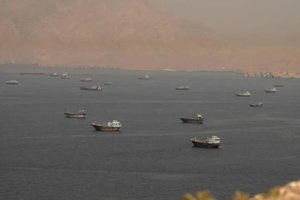
The United States has launched a wave of air strikes on Ir...
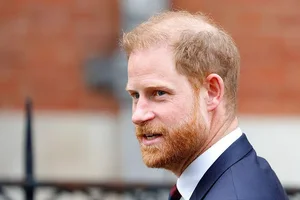
The Duke of Sussex and six others have lost their privacy ...

A court in eastern China has sentenced a former city offic...

The German Embassy in Tirana has invited the Albanian publ...

Professor and literature scholar Ali Xhiku has passed away...

During my research into the life and artistic photographic...

This year's edition of the Gjon Mili International Video A...

The lack of local labor is increasingly pushing Albanian b...

This Wednesday, one US dollar is bought for 81.2 lek and s...

The country recently closed a nearly decade-long program f...

While the total number of deaths fell in 2025, those from ...