Media censorship/ How information is controlled and why it endangers democracy
When a piece of news is not published, when a fact is soft...

When a piece of news is not published, when a fact is soft...

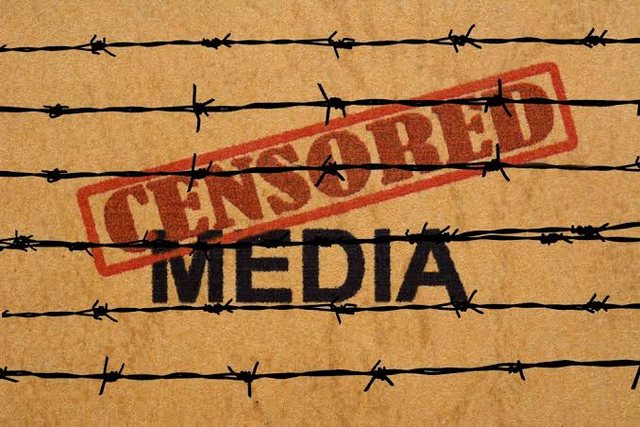
The public does not always have direct evidence, but there are signals. When certain topics are repeated with only one perspective, when certain names are never mentioned, when scandals are dealt with one day and then disappear without explanation, suspicion is reasonable. Language also tells a lot.
When reporting is filled with euphemisms for power and harshness only for the weak, the balance is broken. Another sign is uniformity. When many media say the same thing, at the same pace and with the same care not to cross an invisible line, we have reason to ask whether we have real pluralism or choreography.
The lack of investigation is also indicative. A media outlet can have a lot of noise, a lot of headlines, and a lot of traffic, but little real journalism. If there is only the reproduction of statements and little follow-up of affairs, censorship may not be spectacular, but it is effective.
The public loses first, because its right to form an informed judgment is taken away. Journalism loses, because it is degraded to a service or decoration. Democracy itself loses, because without free media there is no real control over power.
But the media market also loses out. When censorship becomes the norm, competition is not based on the quality of information, but on proximity to centers of influence. This produces more obedient media, not better ones. And ultimately it creates public cynicism - that feeling that "everyone is the same", which is a gift to anyone who will pass by without accounting.
For this very reason, a media outlet that takes the stance of "No censorship!" is not playing with the slogan. It is placing the line of conflict where it should be: on the public's right not to be fed a sterilized version of reality.
There is no magic solution. But there is vigilance. The reader must compare sources, distinguish propaganda language, ask what is missing from the news and not just what is written in it. Even silence is information.
On the other hand, media that want to remain serious must invest in verification, transparency about interests, and a clear separation between news, opinion, and advertising. Independence is not just declared with a title. It is tested every day, especially when costs increase.
Journalism is meaningless if it fears the truth more than it fears power. And the public has no reason to accept information that is filtered, embellished, or neutered by vested interests. When you ask “what is media censorship,” you are actually asking something even bigger: who is deciding what you have the right to know. That is where you need to keep your eyes open, every day. /CNA

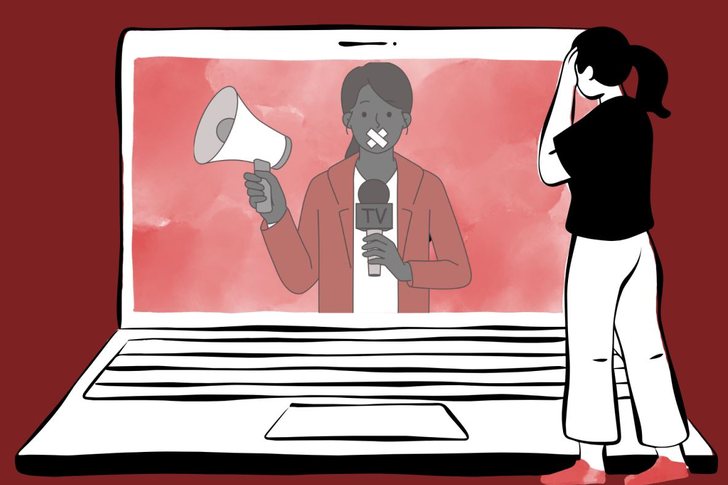
Censorship is often presented as a media problem. In reali...
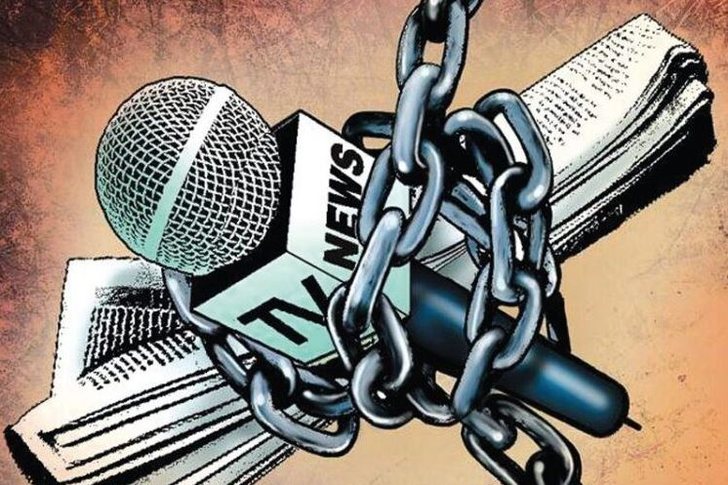
When a piece of news is not published, when a fact is soft...
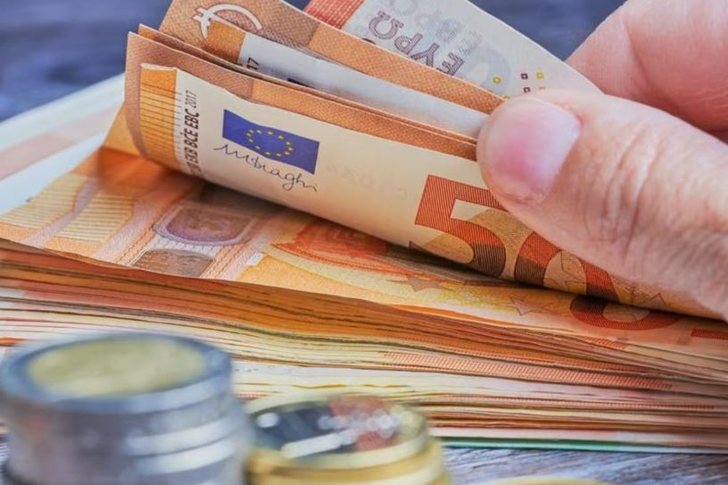
How is it possible that the currency of one of the most po...
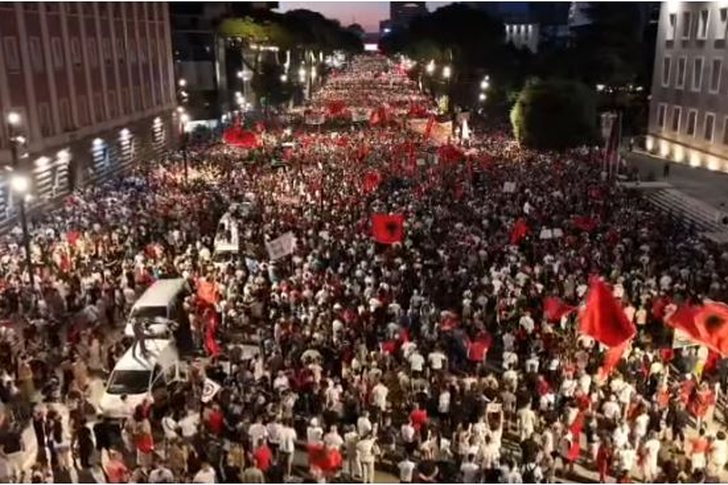
In Albania, a biblical story is being rewritten, that of t...

When a corruption file is closed in a drawer, when a tende...
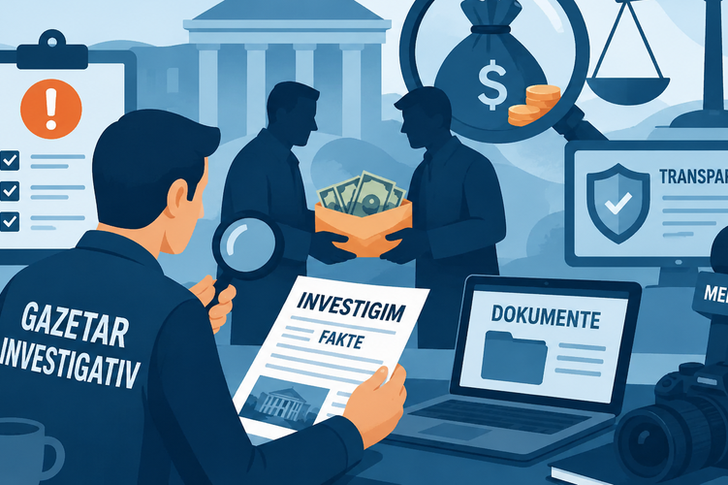
One of the biggest mistakes the media makes is treating an...
The classic model of a journalist who asks, records and wr...

When a corruption file is closed in a drawer, when a tende...
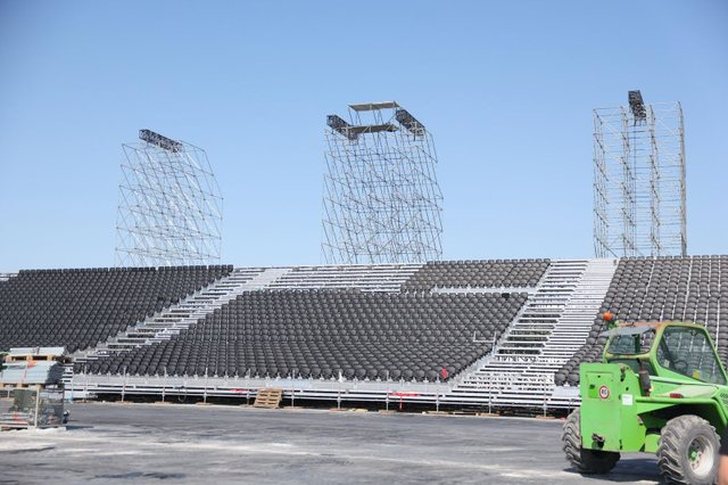
In fact, he didn't want to. He really didn't want to. But ...
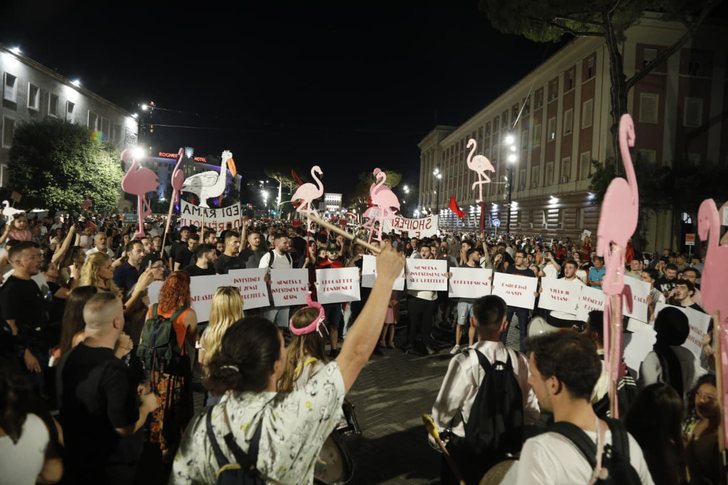
The right to protest is one of the fundamental pillars of ...
On the 40th day of the grand protest for a "new Albania", ...
You don't have to be a journalist to protect yourself from...
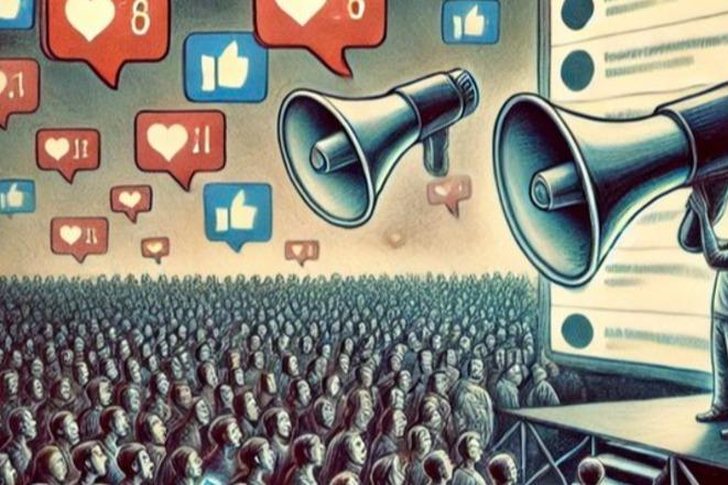
Media manipulation doesn't always come with an ugly face. ...

A bloated headline, a video cut at the right second, a sta...
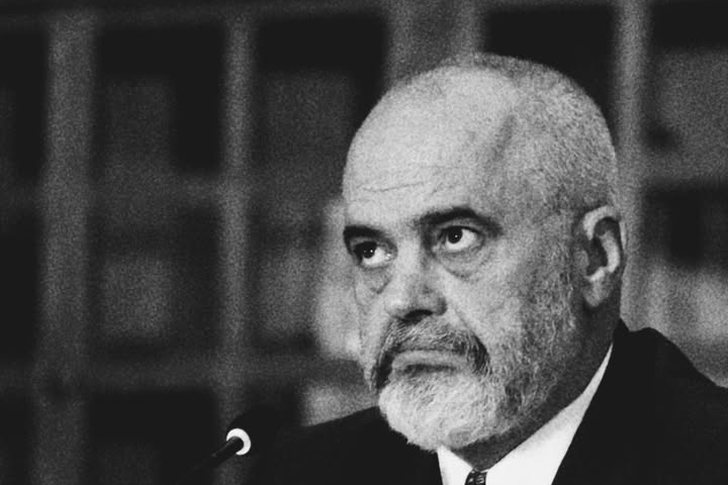
French magazines, German television, Italian reports, Belg...
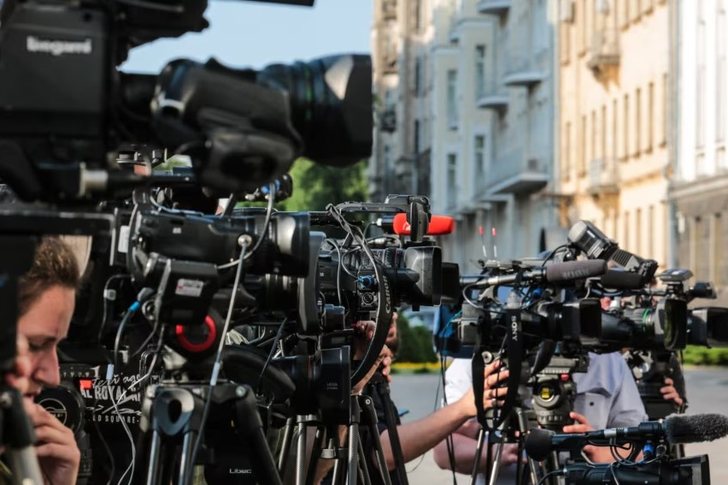
For a media outlet that claims to understand the pulse of ...
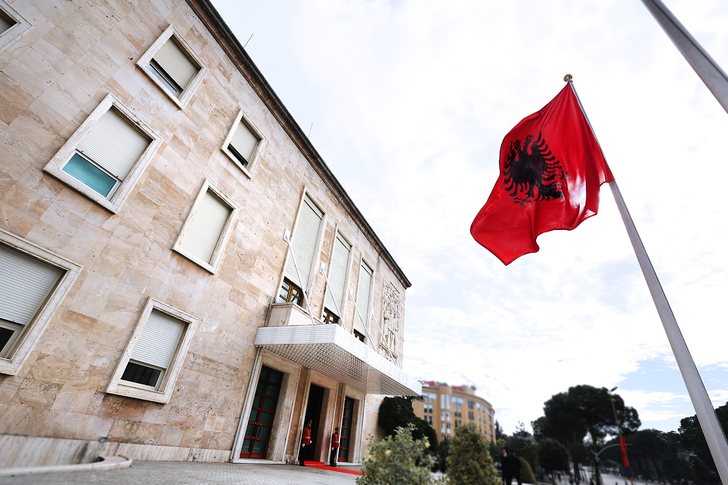
Part of the public anger is not just related to the conten...

When a new decision is announced by the government, the fi...
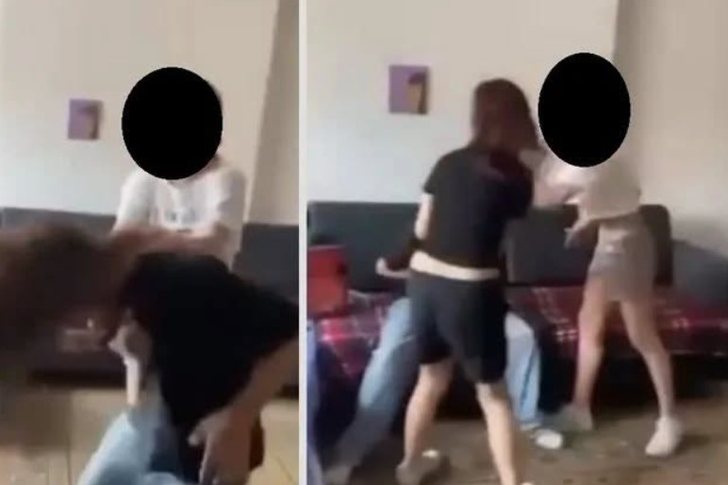
I wrote about a case of violence, where two girls beat up ...
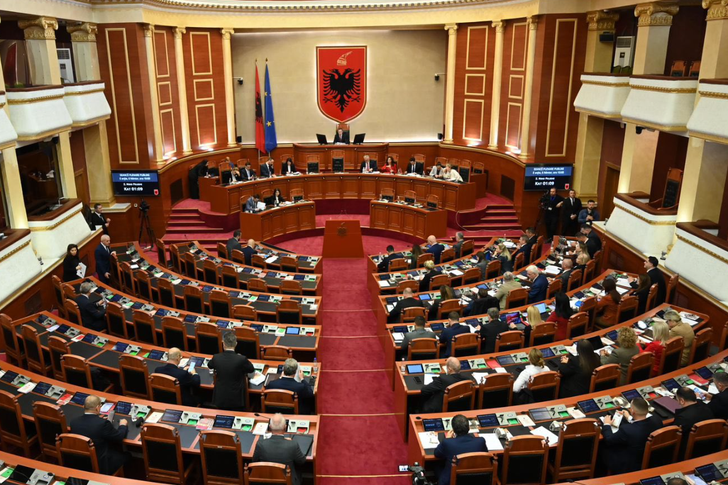
There is a limit to poverty. There is also a limit to patien...

For 6 months now, CNA has been sending several letters to ...
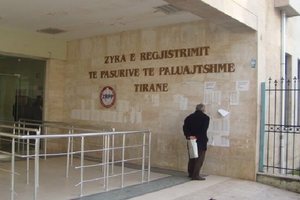
The word "fatherland" with properties is not enough. The m...
The justice reform claimed that it would bring faster, fai...
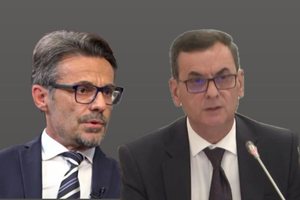
The Justice Reform and the vetting process were trumpeted ...

The Special Board of Appeal (KPA) decided this Monday ...

The KPA vetting decided this Thursday to dismiss the p...

Suela Salavaçi, a prosecutor in the Prosecutor's Offic...

The Special Board of Appeal reinstated the prosecutor ...
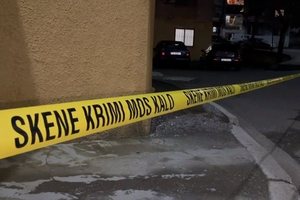
New details have emerged regarding the assassination attem...
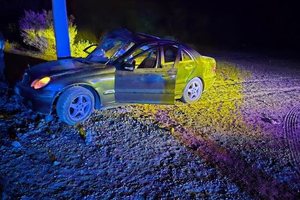
A serious incident shook the Fani area of Mirdita on Fri...
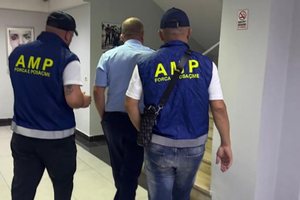
The Police Supervision Agency, Kukës-Dibar Regional Direct...
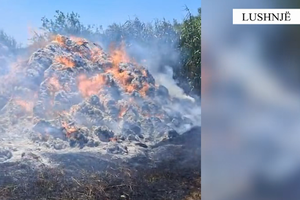
A 57-year-old citizen has been arrested in the village of ...
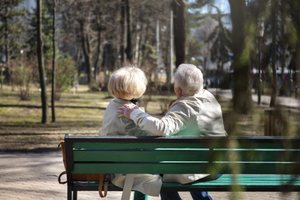
27% of the retirement age population is being pushed inevi...

On Saturday, our country will be affected by stable weathe...

An important investment in the service of patients with tu...
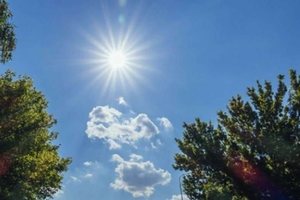
Today our country will be affected by stable weather condi...
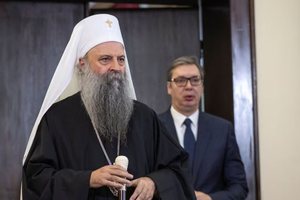
Serbian President Aleksandar Vučić has challenged the deci...
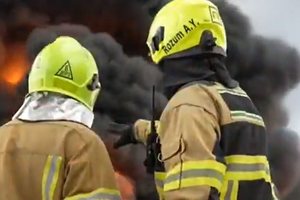
Russia launched a new massive missile and drone attack on ...
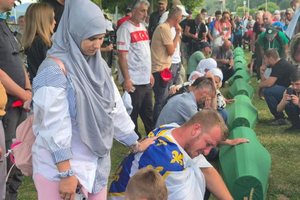
At the Potocari Memorial Center in Srebrenica, on the 31st...
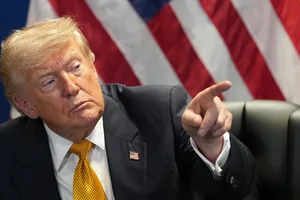
The President of the United States of America, Donald Trum...
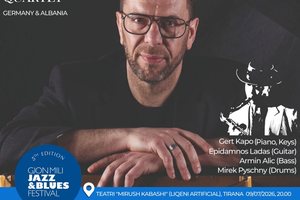
The German Embassy in Tirana has invited the Albanian publ...
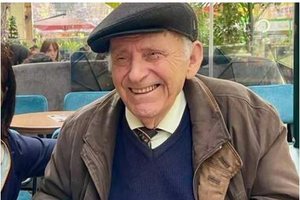
Professor and literature scholar Ali Xhiku has passed away...
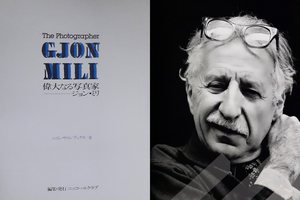
During my research into the life and artistic photographic...

This year's edition of the Gjon Mili International Video A...

The new old-age pensions in 2025 were on average 16,500 le...

This Saturday, one US dollar is bought for 81.4 lek and so...

The escalation of the conflict in the Middle East has once...

In addition to food, household appliances, oil, and more, ...