


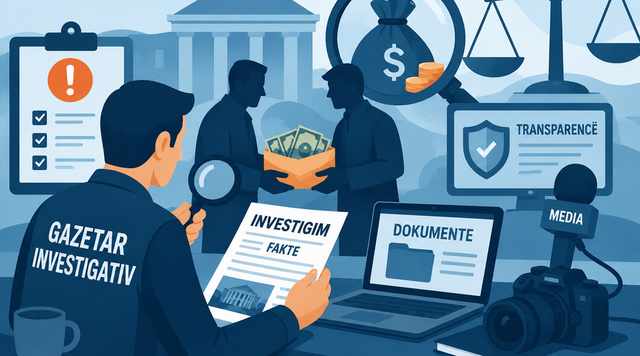
One of the biggest mistakes the media makes is treating an investigation as a one-day highlight. The material is published, the noise is made, and then attention moves elsewhere. But the real impact is measured by what happens next: did the institution react, did an investigation open, was there a factual refutation, did new documents come to light, did anything change for the citizen?
The future will belong to editorial offices that follow history to the end. Not just exposure, but constant public pressure. Not just scandal, but editorial memory. Power often counts on oblivion. Investigative journalism must function as a counterweight to that oblivion.
Brutal censorship is not always the most effective form of control. Today, pressure comes more often through more sophisticated mechanisms: strategic lawsuits, information isolation, reputation attacks, armies of social media profiles, ad selection, and indirect punishment of sources. They don't shut you up by order. They tire you out, they spend you, they scare you, and they make an example of you.
For this reason, legal and digital security are no longer side issues. They are part of the editorial process itself. A strong investigation without protection of sources, without preservation of materials and without legal assessment is vulnerable. Individual heroism has moral value, but it is not enough as an editorial strategy.
The public will no longer be satisfied with general exposure. They will want names, documents, schemes, concrete responsibilities, and measurable impact. They will understand how corruption relates to everyday life - to the hospital, to the price, to the tax, to the road, to the court, to the workplace. The more complicated the system becomes, the greater the need for journalism that translates that system into understandable language.

This requires a significant change. Strong investigation should not be written only for the elite who read the files. It should be accurate and at the same time readable. Detailed, but not drowned in jargon. If the public does not understand the scheme, the scandal remains the property of a narrow circle.
The myth of the lone reporter who brings down the system still has romantic weight, but the reality is moving toward collaboration. The strongest investigations will require teams, not egos. Collaboration between editorial offices, between journalists and experts, between the local and international levels. Corruption, money laundering, and abuse of power do not stop at the borders of a municipality or the face of an institution.

This approach also has costs. It requires coordination, common standards, and sharing of merit. But in the face of an organized power, fragmented journalism loses ground. When information is shared with intelligence and verified collectively, the blow is stronger and the defense is greater.
In the end, the question is not whether investigative journalism has a future. It does. The real question is who will do it with a straight back, with evidence in hand, and without lowering their voice to pressure. Because the more sophisticated the hidden power becomes, the more necessary a media that does not negotiate with the darkness becomes./CNA


The classic model of a journalist who asks, records and wr...

When a corruption file is closed in a drawer, when a tende...
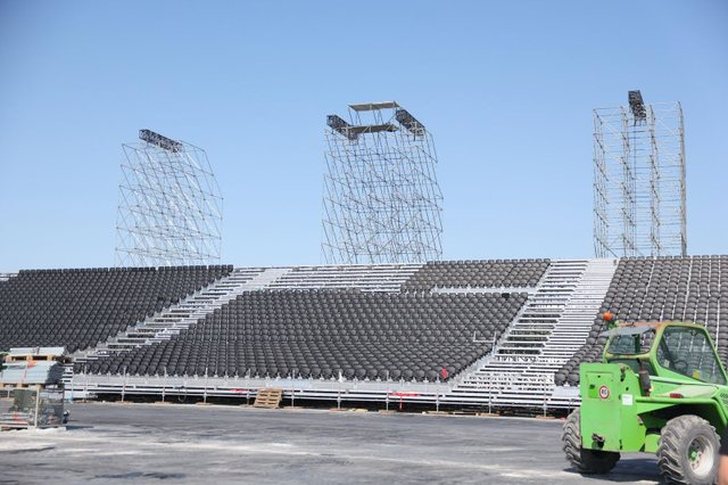
In fact, he didn't want to. He really didn't want to. But ...
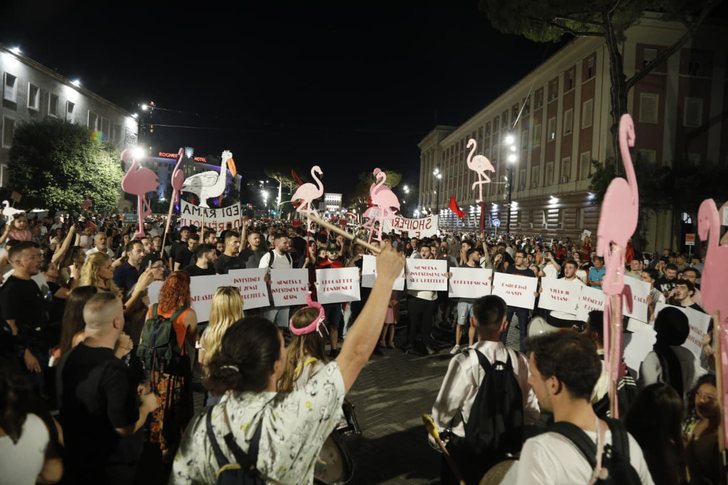
The right to protest is one of the fundamental pillars of ...
On the 40th day of the grand protest for a "new Albania", ...

You don't have to be a journalist to protect yourself from...

Media manipulation doesn't always come with an ugly face. ...

A bloated headline, a video cut at the right second, a sta...
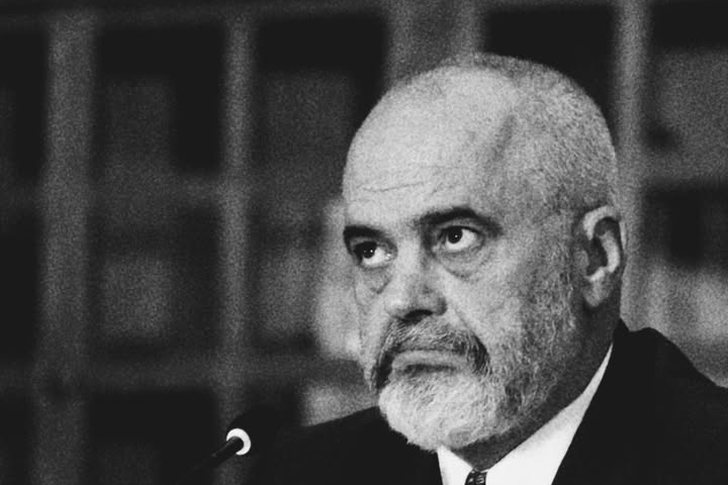
French magazines, German television, Italian reports, Belg...
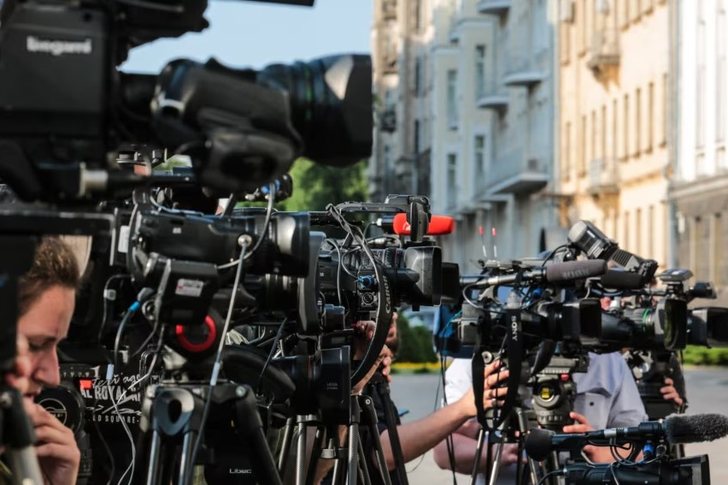
For a media outlet that claims to understand the pulse of ...
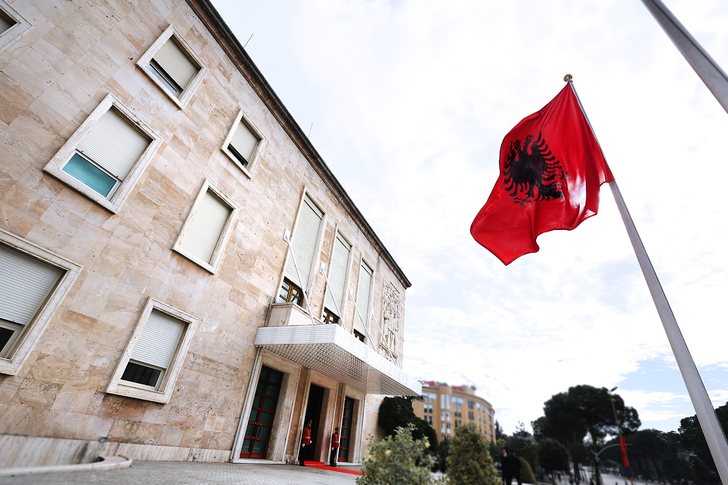
Part of the public anger is not just related to the conten...

When a new decision is announced by the government, the fi...

I wrote about a case of violence, where two girls beat up ...
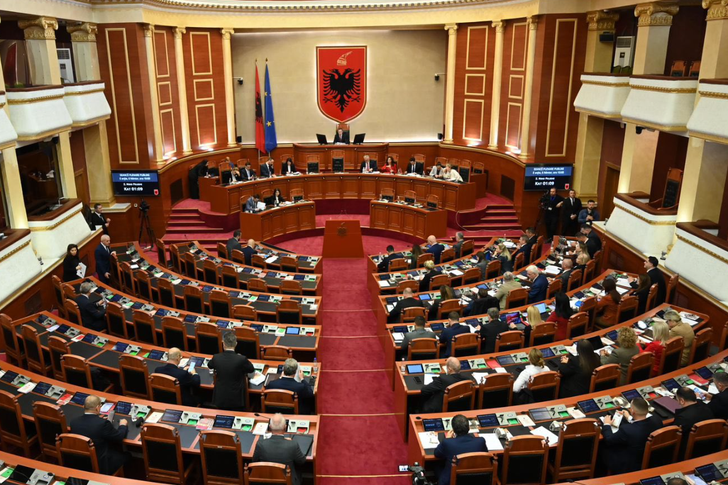
There is a limit to poverty. There is also a limit to patien...
The eyes/attention of chancelleries, institutions, and the...
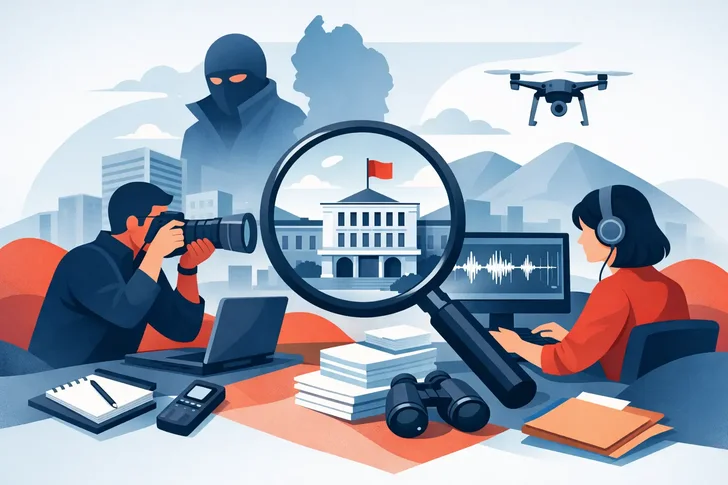
A dubious tender, an unexplained fortune, a construction p...
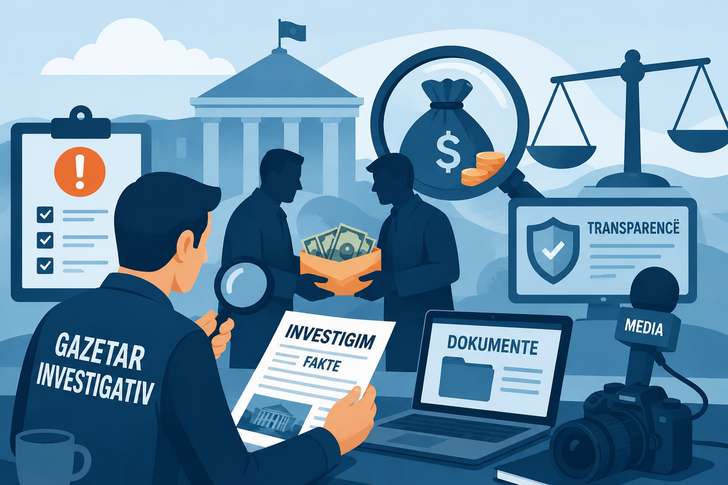
The question arises: Do journalistic investigations ha...

Talking about investigative journalism in Albania without ta...

A dubious tender, an unexplained fortune, a construction p...
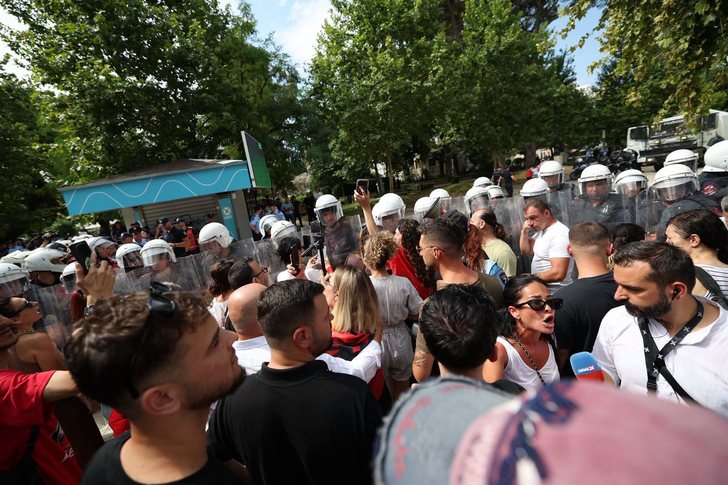
After they voted to destroy Albania's ports by charging Al...

For 6 months now, CNA has been sending several letters to ...
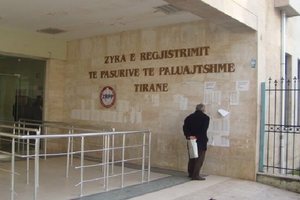
The word "fatherland" with properties is not enough. The m...

The justice reform claimed that it would bring faster, fai...

The Justice Reform and the vetting process were trumpeted ...

The Special Board of Appeal (KPA) decided this Monday ...

The KPA vetting decided this Thursday to dismiss the p...

Suela Salavaçi, a prosecutor in the Prosecutor's Offic...

The Special Board of Appeal reinstated the prosecutor ...

A serious incident occurred today in the "Mark Lula" neigh...
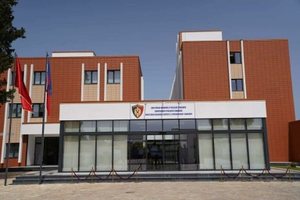
A serious incident has occurred in Shkodra. A man is repor...

The appeal of the Special Court against Corruption and Org...
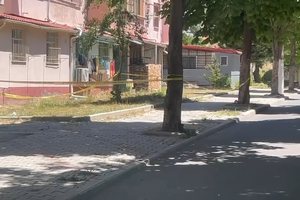
A stabbing occurred today in the city of Korça, near the "...

Emigration, an aging population, and low participation in ...
Today, our country will be affected by relatively stable w...

Albania has been awarded two medals of honor at the awards...
Today our country will be affected by relatively unstable ...
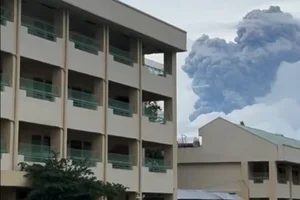
The eruption of the Kanlaon volcano on the island of Negro...

A fire at a shoe factory in southeastern China left four p...
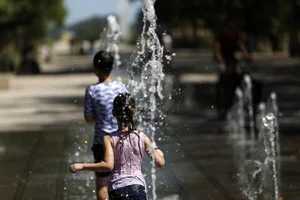
France is facing a severe heatwave, which according to the...
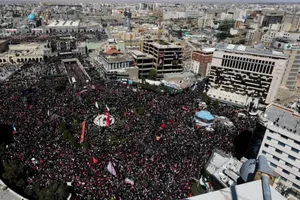
As strikes are reported in Iran and Jordan, the final fune...

The German Embassy in Tirana has invited the Albanian publ...

Professor and literature scholar Ali Xhiku has passed away...

During my research into the life and artistic photographic...

This year's edition of the Gjon Mili International Video A...
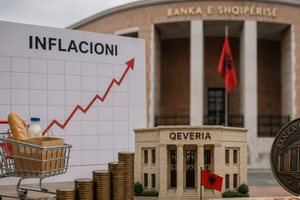
If coordinated policies are not undertaken by the Bank of ...

In the 2026 budget revisions, the Ministry of Defense budg...
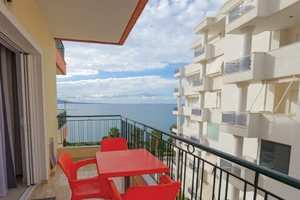
Although about 6 months have passed since the start of the...
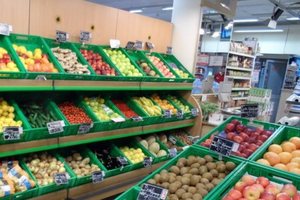
Vegetable prices marked a strong increase in June, precise...