The world cancels concerts, Albania fills Kanye West's bag
American rapper Kanye West's concert, scheduled to be ...

American rapper Kanye West's concert, scheduled to be ...


When a corruption file is closed in a drawer, when a tender is passed without question, when an official hides behind propaganda, where the convenience ends, the real work of a journalist begins. This is where the future of investigative journalism is being tested. Not in beautiful declarations about transparency, but in the ability to enter areas where the government does not want the light.
Investigative journalism is not an editorial luxury. It is not even a prestige decoration for media outlets that spend the rest of the week copying and pasting. It is the mechanism that gives meaning to the word accountability. In Albania, but not only, this mechanism is facing three pressures at once: politics that demands control, the market that demands quick clicks, and technology that is changing the way information is produced, manipulated, and verified.
Why the future of investigative journalism won't be comfortable?
Anyone who expects tomorrow's investigation to be easier is misreading the terrain. Today, documents are more numerous, but also more difficult to filter. Sources are more accessible, but also more vulnerable. Media noise is louder than ever, while the public's time is shorter.
This creates a brutal paradox. On the one hand, there has never been a greater need for investigative journalism. On the other, it has never been so expensive, so tedious, and so exposed to attack. A serious investigation requires months of work, documents, terrain, resources, legal expertise, and strong nerves. While the media market often rewards the opposite - speed, artificial conflict, and news that is consumed in 20 seconds.
This is where the great divide will occur. Media outlets that treat investigation as a slogan will fade away. Those that build real structures, with journalists who know how to read contracts, balance sheets, court decisions, procurements, and databases, will remain in the game.

Technology will strengthen and pollute the field
Artificial intelligence, automated document analysis, open database searches, ownership tracing, video and image verification - all of these are changing the landscape. The investigative journalist of the coming years will not be content with a notepad and a phone. He will need to understand the flow of data, digital manipulation, and the traces that money leaves in the system.
But technology is not a savior in itself. It will also give more power to disinformation factories. Deepfakes, forged documents with convincing appearances, fake profiles that simulate sources, and coordinated campaigns to discredit publications - these are not movie scripts. They are tools that are being used.
This means that the future of investigative journalism will depend not simply on the ability to publish, but on the ability to prove. Speed ??will only be valuable if it is accompanied by iron-clad verification. Whoever publishes first and gets it wrong gives propaganda a weapon. Whoever delays in checking may lose their audience. The balance is not theoretical - it is a matter of editorial survival./ CNA

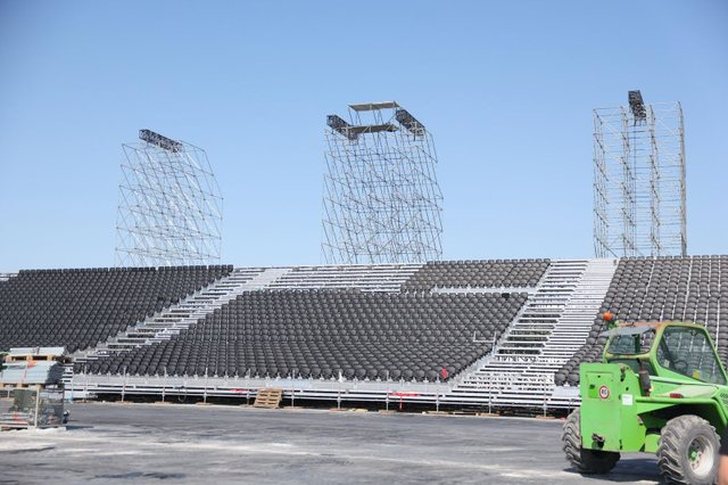
In fact, he didn't want to. He really didn't want to. But ...
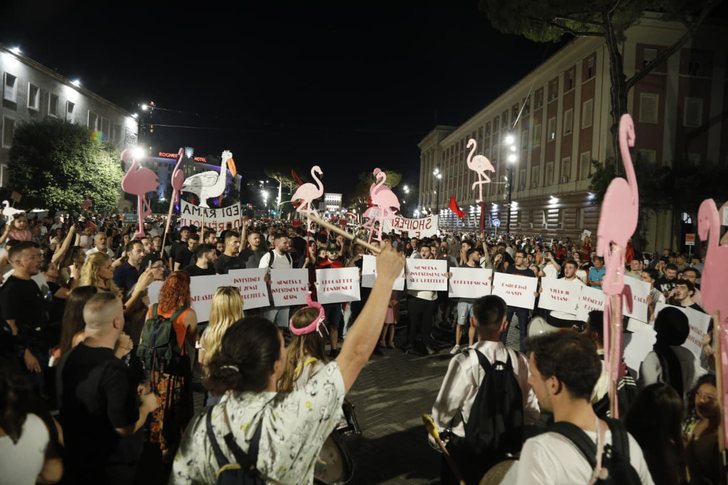
The right to protest is one of the fundamental pillars of ...
On the 40th day of the grand protest for a "new Albania", ...
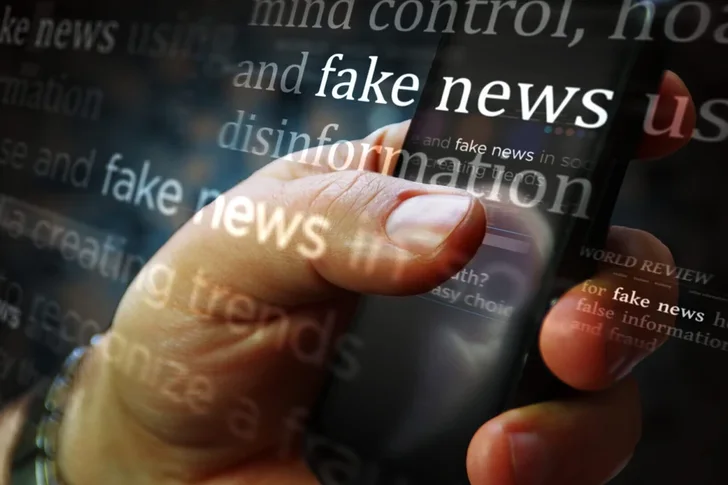
You don't have to be a journalist to protect yourself from...

Media manipulation doesn't always come with an ugly face. ...

A bloated headline, a video cut at the right second, a sta...
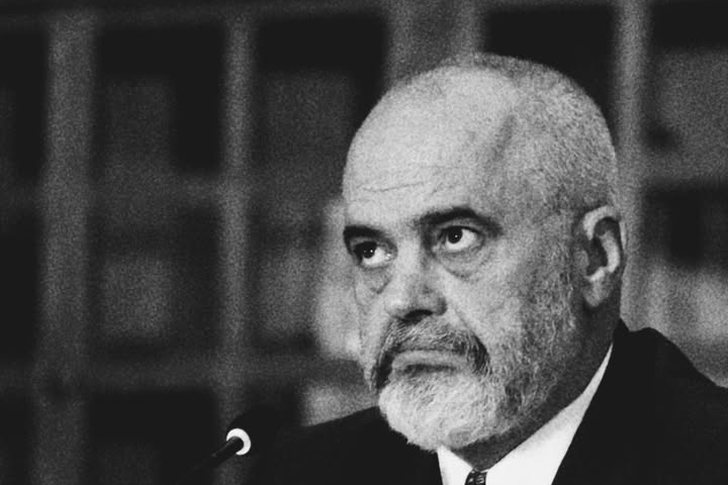
French magazines, German television, Italian reports, Belg...
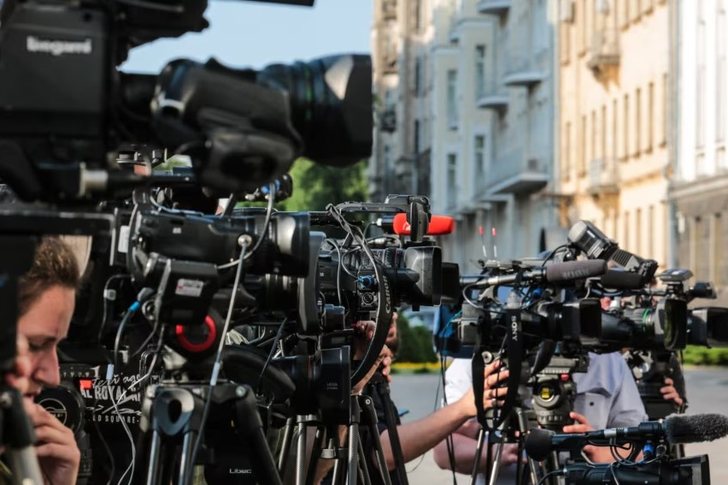
For a media outlet that claims to understand the pulse of ...
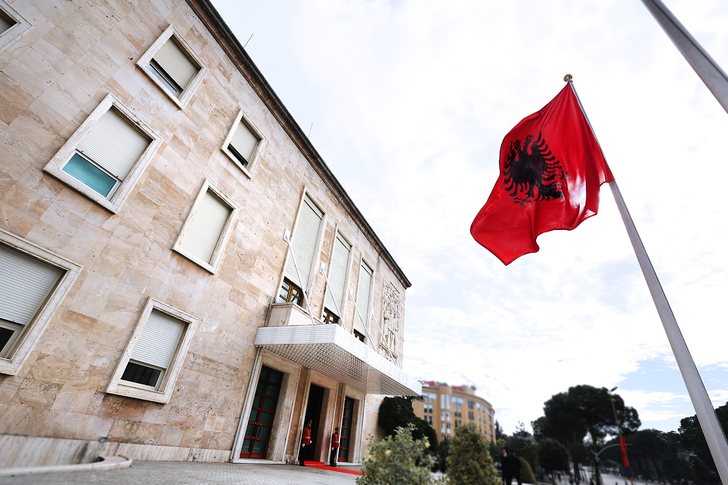
Part of the public anger is not just related to the conten...

When a new decision is announced by the government, the fi...
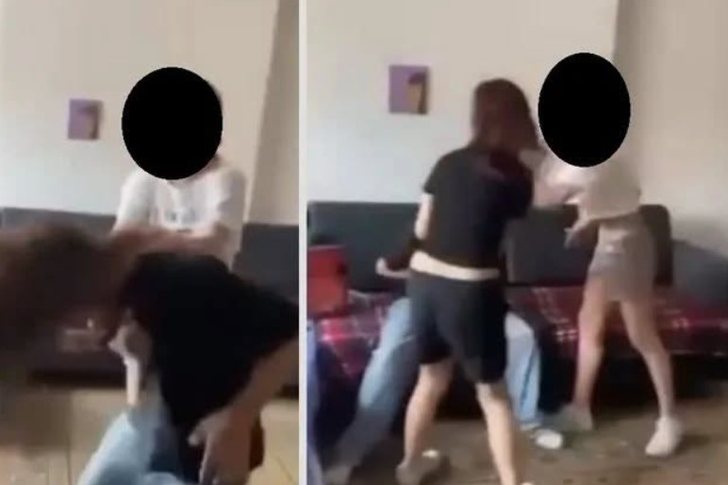
I wrote about a case of violence, where two girls beat up ...
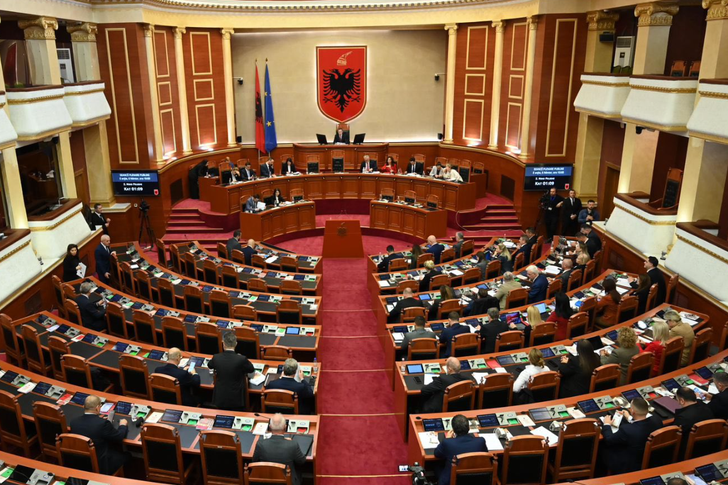
There is a limit to poverty. There is also a limit to patien...
The eyes/attention of chancelleries, institutions, and the...
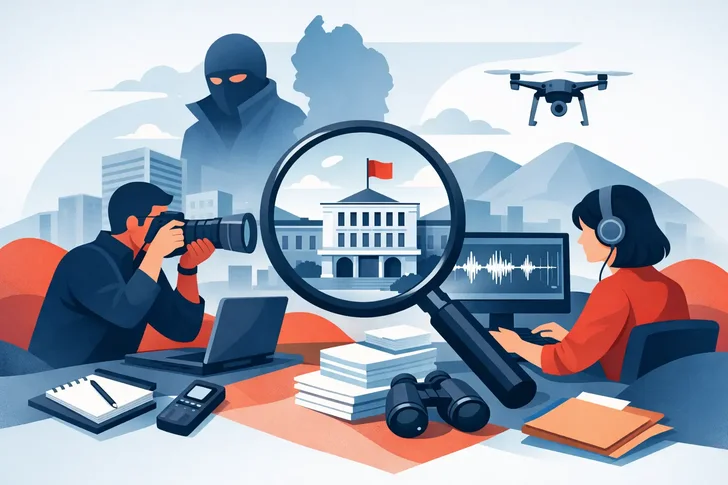
A dubious tender, an unexplained fortune, a construction p...
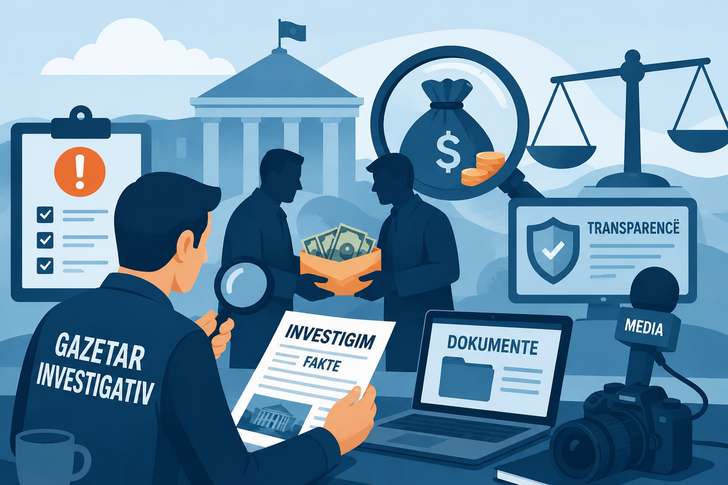
The question arises: Do journalistic investigations ha...

Talking about investigative journalism in Albania without ta...

A dubious tender, an unexplained fortune, a construction p...
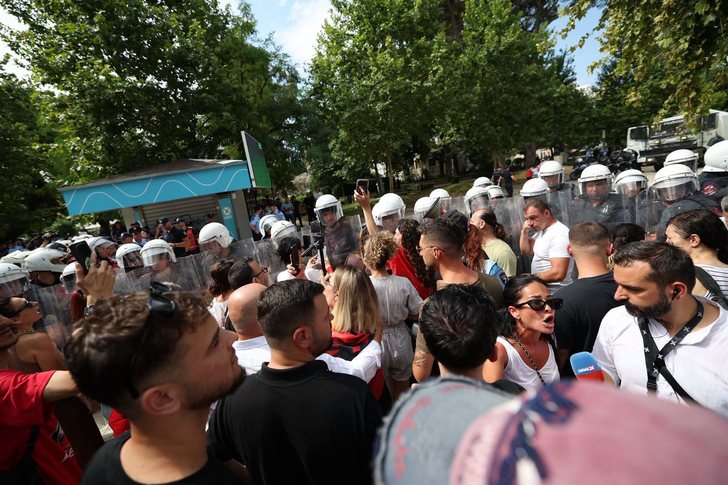
After they voted to destroy Albania's ports by charging Al...

One of the biggest deceptions sold to the public is the id...
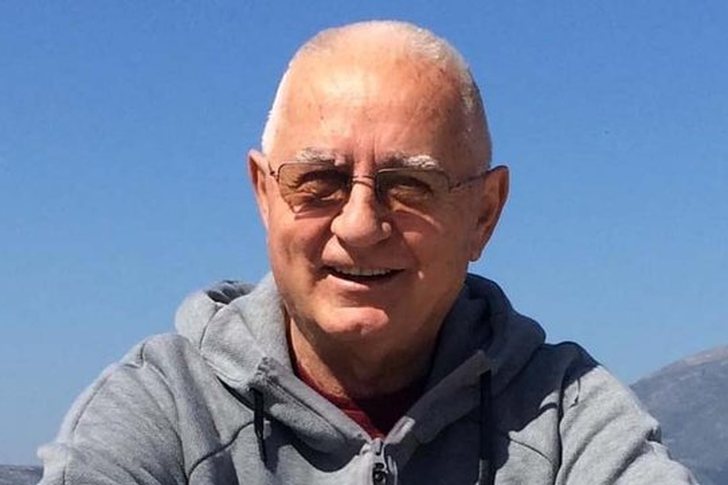
It was a coincidence. I had just arrived in Korça and pass...

For 6 months now, CNA has been sending several letters to ...
The word "fatherland" with properties is not enough. The m...

The justice reform claimed that it would bring faster, fai...
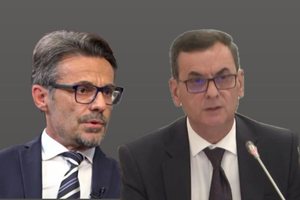
The Justice Reform and the vetting process were trumpeted ...

The Special Board of Appeal (KPA) decided this Monday ...

The KPA vetting decided this Thursday to dismiss the p...

Suela Salavaçi, a prosecutor in the Prosecutor's Offic...

The Special Board of Appeal reinstated the prosecutor ...

A serious incident occurred today in the "Mark Lula" neigh...
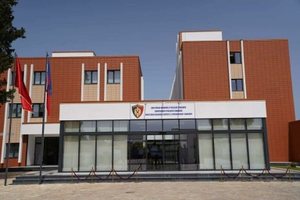
A serious incident has occurred in Shkodra. A man is repor...

The appeal of the Special Court against Corruption and Org...
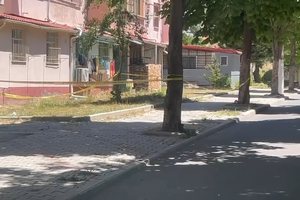
A stabbing occurred today in the city of Korça, near the "...

Emigration, an aging population, and low participation in ...

Today, our country will be affected by relatively stable w...

Albania has been awarded two medals of honor at the awards...
Today our country will be affected by relatively unstable ...
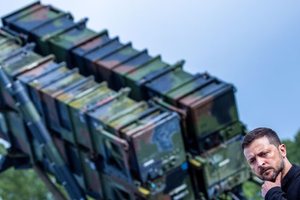
On the day Russia bombed Kiev for the third time in a week...
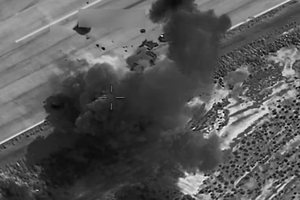
Ushtria amerikane njoftoi të mërkurën se ka kryer sulme të...
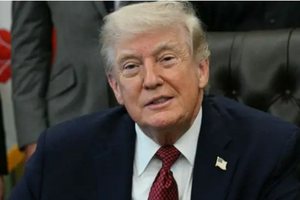
US President Donald Trump closed the NATO summit with a mo...

The trend of German companies moving abroad is weakening. ...

The German Embassy in Tirana has invited the Albanian publ...

Professor and literature scholar Ali Xhiku has passed away...

During my research into the life and artistic photographic...

This year's edition of the Gjon Mili International Video A...
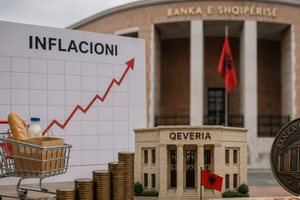
If coordinated policies are not undertaken by the Bank of ...
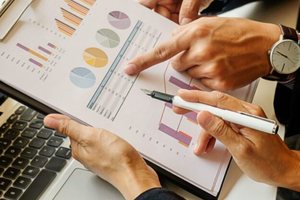
In the 2026 budget revisions, the Ministry of Defense budg...
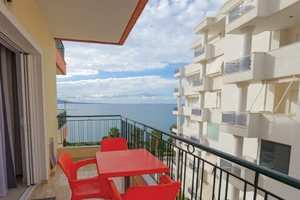
Although about 6 months have passed since the start of the...
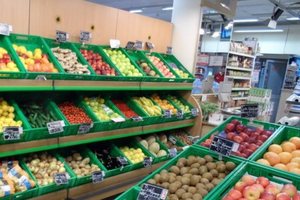
Vegetable prices marked a strong increase in June, precise...