


Why do heat waves hit women harder?
Heat waves don't affect everyone the same. According to he...



The trend of German companies moving abroad is weakening. Industry continues to invest abroad due to high costs. But how many companies are really leaving?
German companies are still moving some of their operations abroad, regardless of the size of the company. According to media reports, the specialist garden equipment manufacturer Gardena from Ulm is planning to cut 250 jobs in Germany and move some of its business to the Czech Republic. This represents a ten percent reduction in the number of employees in the country.
Large global companies, such as BASF, are also continuing to invest abroad. The Welt daily reported on February 11, 2026 that the company intends to move some of its service sector jobs to India. This is putting pressure on its headquarters in Berlin, where a large number of job cuts are planned.
There were also more dramatic assessments.
A year ago, the situation was described much more dramatically. "The industrial crisis in Germany is unfolding in full force," wrote the online magazine Financmarktwelt in November 2025. The author referred to data from the Federal Statistical Office, which analyzed trends from 2018 to 2023. More recent data have not yet been published.
According to the analysis, between 2021 and 2023, around 1,300 German companies with more than 50 employees moved certain business functions abroad. This accounted for 2.2 percent of all companies of this size headquartered in Germany in 2023.
Around 50,800 jobs were lost in the country as a result of these relocations. Financmarktvelt estimated at the time: "It can be assumed that in 2024, and especially in 2025, these trends will intensify further due to high energy prices, increased bureaucracy and rising labor costs."
Just six months later, the Reconstruction Credit Institute noticed another trend. In a press release on June 2, the institution's research department stated that "many mid-sized companies are withdrawing from overseas operations."
While in 2022, around 880,000 of the approximately 3.8 million medium-sized enterprises operated abroad, a year later this number had fallen to around 763,000. The share of medium-sized enterprises operating abroad fell from around 23 to 20 percent.
"The conditions for foreign trade have deteriorated significantly," says Dirk Schumacher, chief economist at the Reconstruction Credit Institute. He cites geopolitical tensions in Ukraine and the Middle East, increased export competition from China in key industrial sectors, and protectionist trade policy in the United States as the main reasons.
A mixed picture
The German Chamber of Industry and Commerce presents a different picture. When asked by Deutsche Welle, spokesman Sven Elling referred to a business survey conducted by the Chamber of Industry and Commerce at the beginning of 2026. It shows that cost pressures on German industry have reached record levels and that for this reason more and more companies are planning investments abroad.
According to the Chamber, 43 percent of industrial companies plan to invest abroad this year, which is three percentage points more than a year ago.
"The reasons are clear - rising costs, structural problems and weak economic activity in Germany," said Volker Treier, director of the Chamber's international business sector.
What do investments abroad bring?
Investments abroad have so far generally strengthened domestic production capacities and contributed to higher employment in the country. In particular, investments aimed at conquering new markets or developing sales and service networks have had favorable effects on parent companies. However, according to data from the German Chamber of Industry, the share of companies investing abroad primarily to conquer new markets has fallen from 30 to 28 percent.
"It is particularly worrying that the previous positive effects that investments abroad had on domestic business no longer exist, because companies now invest mainly to reduce costs. This often leads to serious cuts in business at home," says Volker Treier. Investments abroad today are mainly aimed at reducing costs, not expanding business.
The general trends in the field of foreign investment do not show a clear direction. One can speak of stagnation rather than growth. Professor Stefan Müller from the Leibniz Institute for Economic Research in Halle believes that Germany, when it comes to direct investment by domestic companies abroad, is "well below the record values ????previously achieved."
As he told Deutsche Welles, statistics from the German Federal Bank show that direct investments between 2017 and 2022 amounted to about 120 billion euros per year. In 2024, they amounted to about 80 billion euros, while in 2025, less than 100 billion. These data, in his opinion, "do not provide grounds for the conclusion that significantly more capital is leaving the country than in previous years."
America loses, Asia wins, Europe remains the leader
The research shows significant changes in the choice of destinations for German investments abroad. The attractiveness of North America is particularly declining. The share of companies planning to invest in that region has fallen from 48 to 44 percent.
At the same time, interest in Asia is growing. According to the Chamber, the share of industrial companies investing in China has increased from 31 to 34 percent. The Asia-Pacific region is also gaining importance, with this share increasing from 21 to 26 percent.
"The tariff dispute with the United States is increasing uncertainty and causing companies to postpone investment decisions," said Volker Treier.
With a share of 64 percent, the eurozone remains the most important destination for German investments abroad. Its stability, single internal market and common currency offer reliable business conditions, which are one of the main factors in making investment decisions in times of increased geopolitical uncertainty./ DW

Heat waves don't affect everyone the same. According to he...
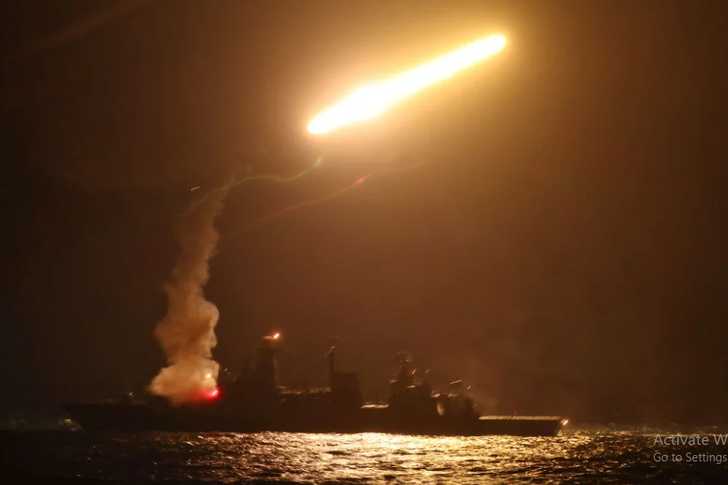
The US launched a round of air strikes against Iran this e...
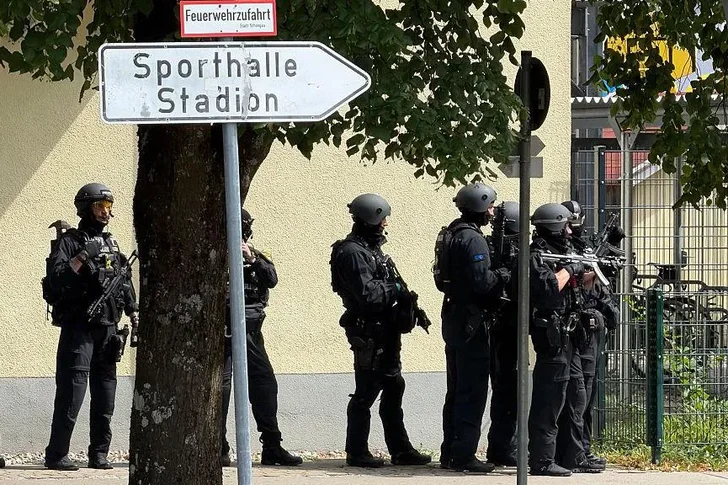
Two schoolgirls have been seriously injured after a 16-yea...
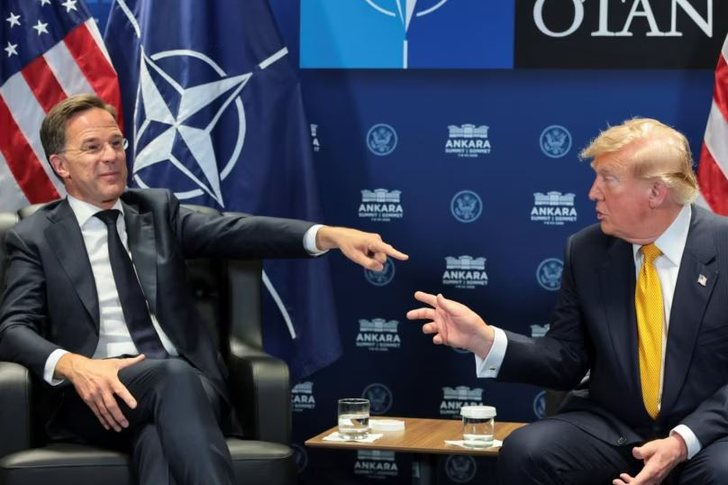
It can be said that the last day of the NATO summit in Ank...
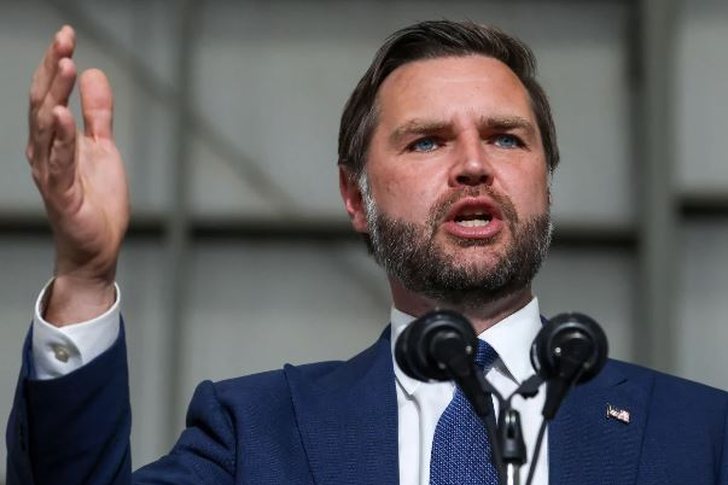
United States Vice President JD Vance has stated that Iran...
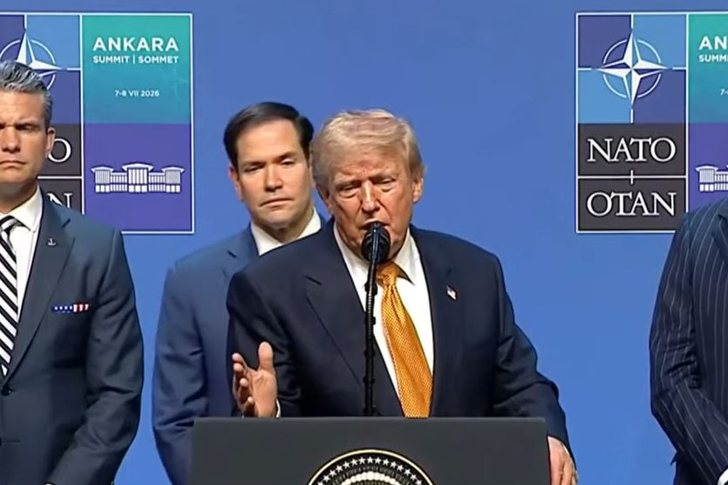
United States President Donald Trump speaks at a news conf...
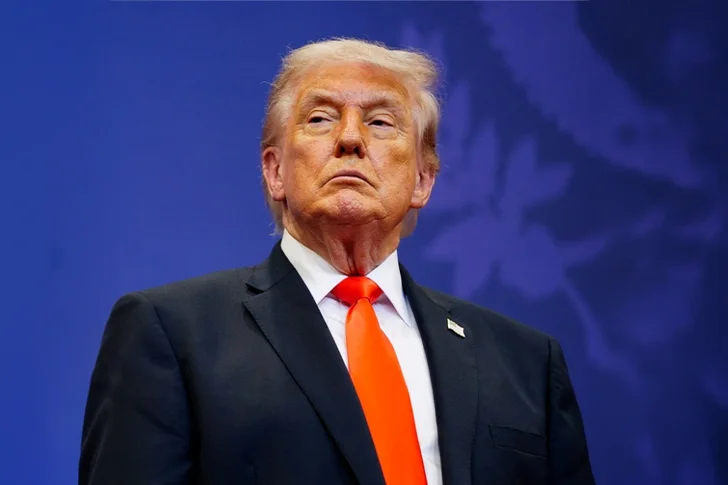
US President Donald Trump has officially declared that the...

US President Donald Trump has shocked the NATO Summit ...
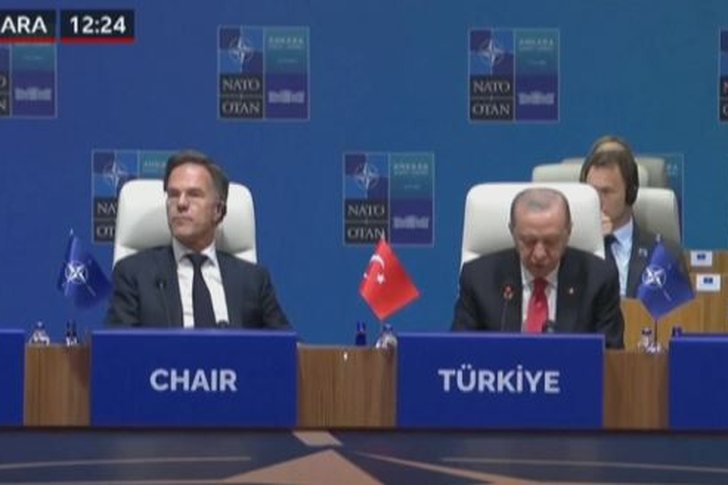
Turkish President Recep Tayyip Erdogan declared at the NAT...
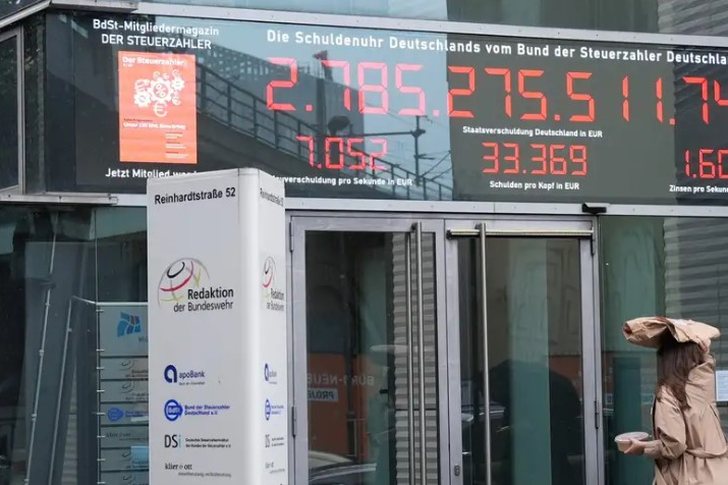
More money for the military, less for everything else and ...
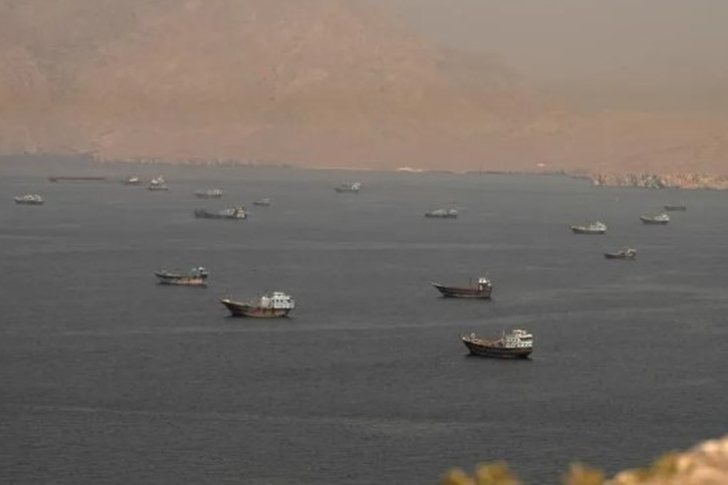
The United States has launched a wave of air strikes on Ir...

The Duke of Sussex and six others have lost their privacy ...
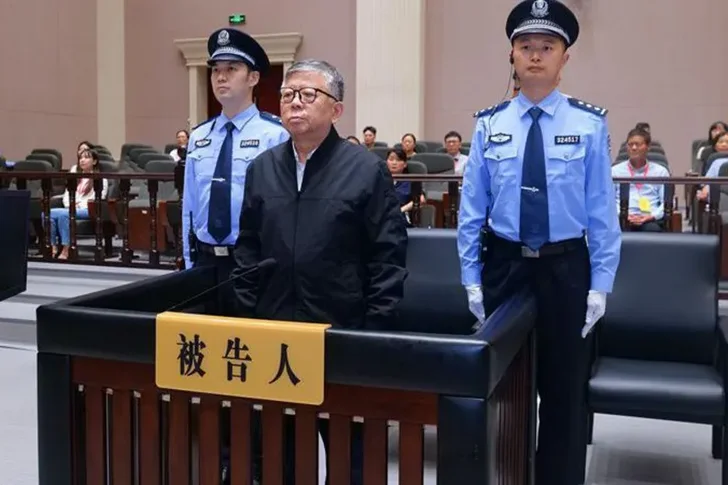
A court in eastern China has sentenced a former city offic...
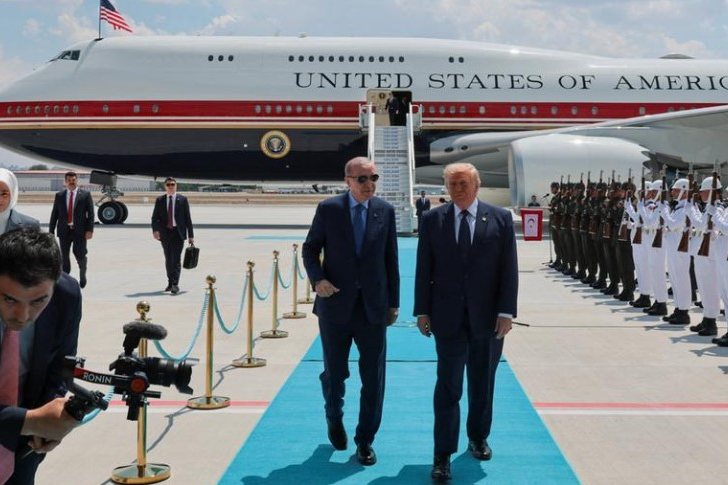
US President Donald Trump has criticized NATO allies ahead...

Presidenti i Ukrainës ka përdorur një fjalim në samitin e ...
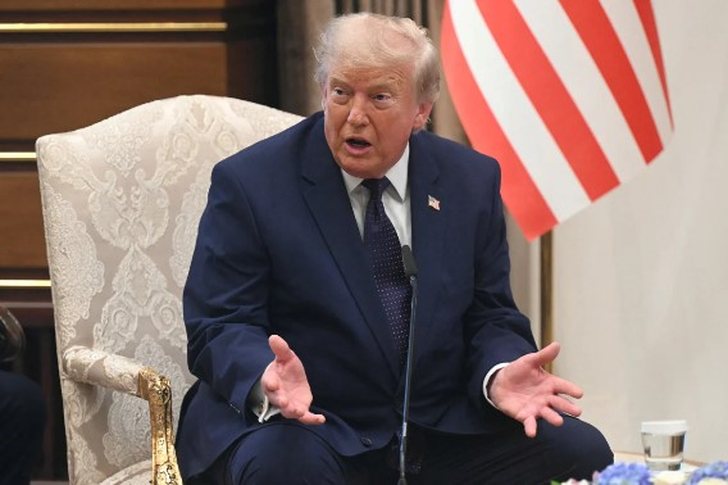
United States President Donald Trump reiterated on Tuesday...
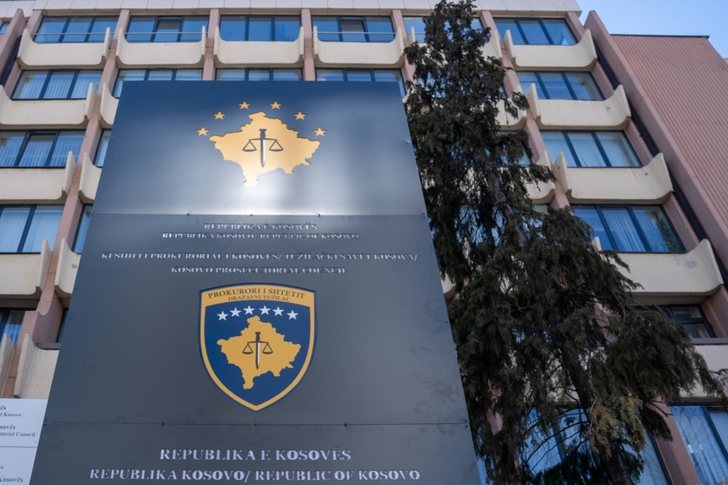
Prosecutors in Kosovo on Tuesday filed an indictment again...
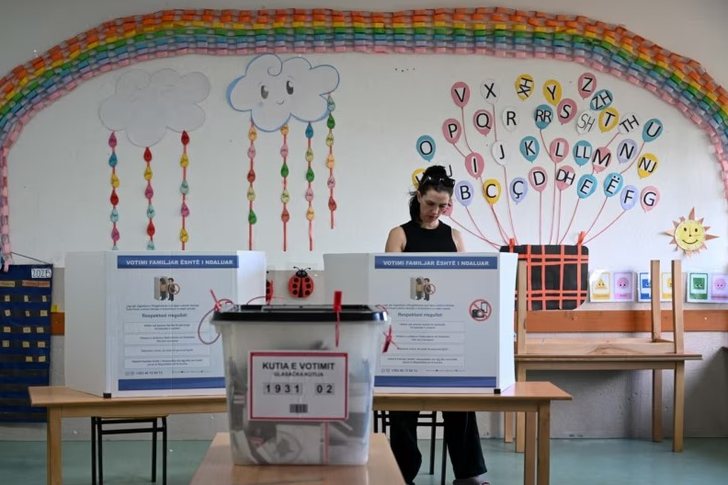
The Supreme Court has dismissed all appeals regarding the ...
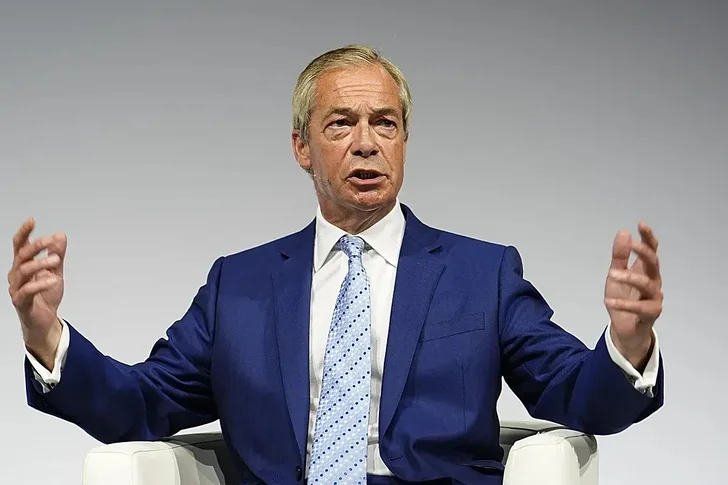
Reform UK leader Nigel Farage announced that he was resign...
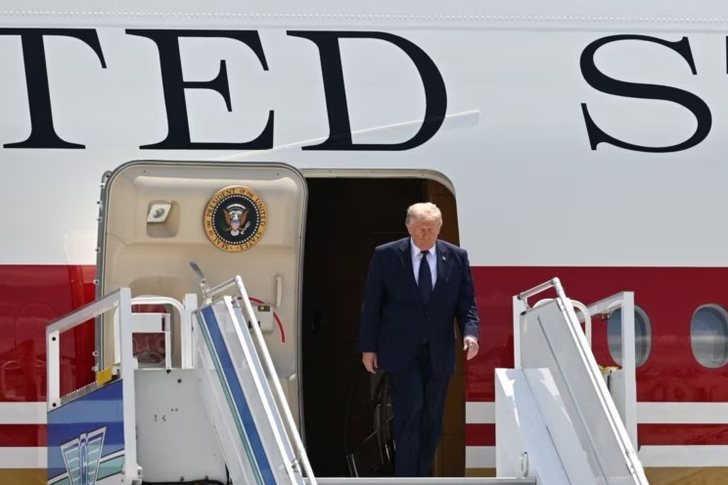
NATO leaders are meeting in the Turkish capital, Ankara, f...

The word "fatherland" with properties is not enough. The m...

The justice reform claimed that it would bring faster, fai...

The Justice Reform and the vetting process were trumpeted ...
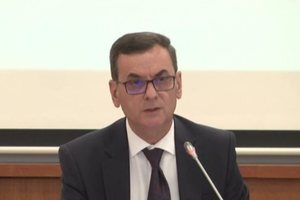
After revealing the property portfolio in Tirana, Kavaja, ...

The Special Board of Appeal (KPA) decided this Monday ...

The KPA vetting decided this Thursday to dismiss the p...

Suela Salavaçi, a prosecutor in the Prosecutor's Offic...

The Special Board of Appeal reinstated the prosecutor ...

Around four kilograms of cocaine were seized during a rout...

The mother of the 17-year-old raped in Fier has been l...
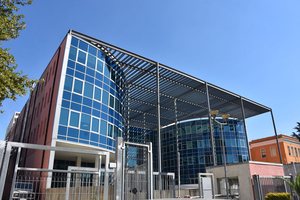
The Special Prosecution Office completed the investigation...
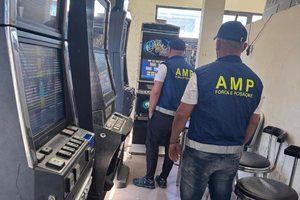
Today, on 07.07.2026, the Police Supervision Agency (AMP),...

Emigration, an aging population, and low participation in ...

Today, our country will be affected by relatively stable w...

Albania has been awarded two medals of honor at the awards...
Today our country will be affected by relatively unstable ...
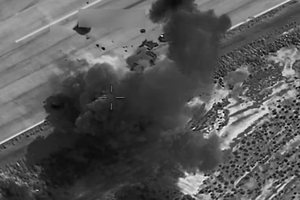
Ushtria amerikane njoftoi të mërkurën se ka kryer sulme të...
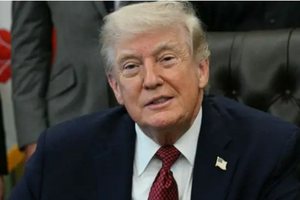
US President Donald Trump closed the NATO summit with a mo...

The trend of German companies moving abroad is weakening. ...

Heat waves don't affect everyone the same. According to he...

The German Embassy in Tirana has invited the Albanian publ...

Professor and literature scholar Ali Xhiku has passed away...

During my research into the life and artistic photographic...

This year's edition of the Gjon Mili International Video A...
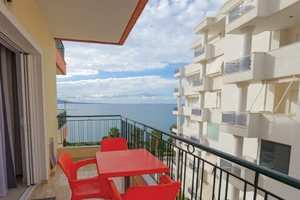
Although about 6 months have passed since the start of the...

Vegetable prices marked a strong increase in June, precise...
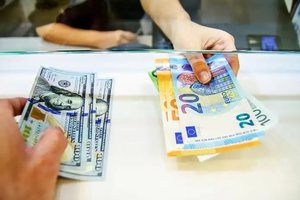
This Thursday, one US dollar is bought for 81.5 lek and so...
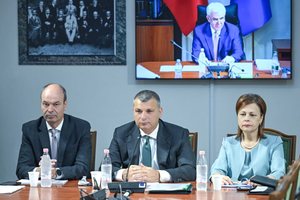
The Governor of the Bank of Albania, Gent Sejko, stated th...