

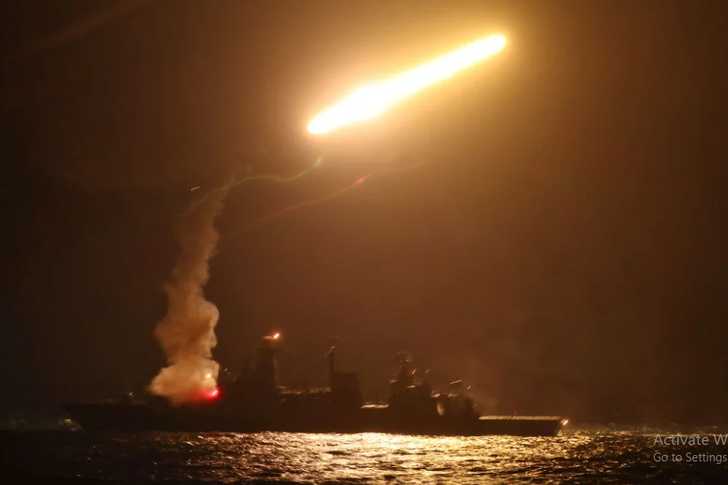
A few hours after Trump's warnings, the US launches attacks on Iran
The US launched a round of air strikes against Iran this e...


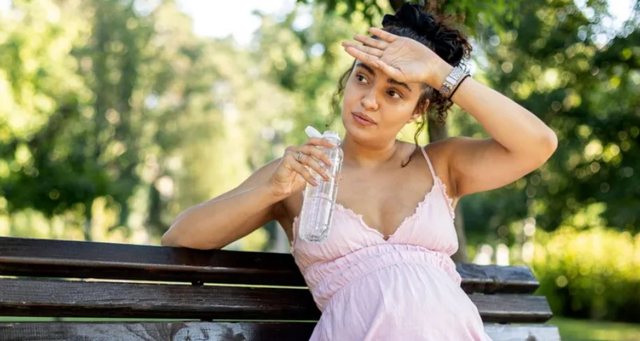
Heat waves don't affect everyone the same. According to health experts, women are more susceptible to extreme temperatures due to biological, hormonal and social factors, more often facing fatigue, dizziness, hot flashes and cardiovascular problems.
NHS GP Dr Nighat Arif explains that extreme heat is a "stress test" for women's cardiovascular system. Unlike men, women produce less sweat and start sweating at higher temperatures, making it harder for them to dissipate heat. Also, their higher core body temperature and higher body fat percentage increase their sensitivity to heat.
Hormonal changes during the menstrual cycle, pregnancy, perimenopause, and menopause make it even more difficult to regulate body temperature. During menstruation, decreased estrogen and iron loss can cause fatigue, dizziness, and weakness, while in menopause, hot flashes and night sweats can worsen significantly during hot flashes.
Pregnant women are also considered a higher-risk group. Increased metabolic needs, hormonal changes, and additional stress on the cardiovascular system make the body more vulnerable to heat stress, increasing the risk of complications for both mother and baby.
Experts point out that in addition to biology, social factors also play a role. Women often bear the brunt of family caregiving and, in many cases, face more difficult economic conditions, which can make it more difficult to protect themselves from high temperatures. Also, since they live longer on average than men, they are more likely to face the risks of heat in old age.
Doctors advise that during heat waves, people should drink as much water as possible, avoid sun exposure during the hottest hours, use fans or cooling devices, perform physical activity in the early morning or evening hours, and recognize the signs of fatigue and heat stroke.
According to specialists, more awareness and specific policies are needed to protect women from the effects of extreme weather. As Dr. Arif points out, "if we do it right for women, we do it right for everyone."/ CNA

The US launched a round of air strikes against Iran this e...
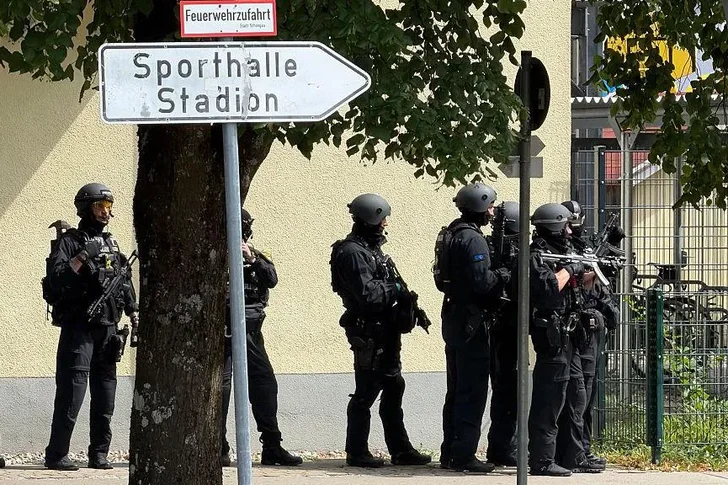
Two schoolgirls have been seriously injured after a 16-yea...
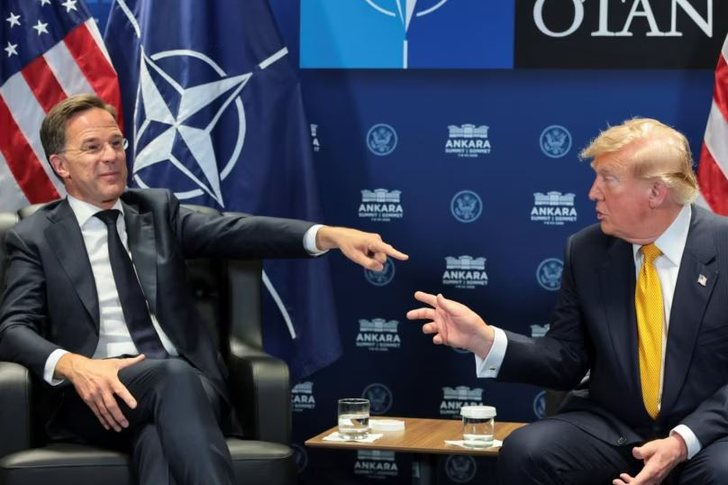
It can be said that the last day of the NATO summit in Ank...

United States Vice President JD Vance has stated that Iran...

United States President Donald Trump speaks at a news conf...

US President Donald Trump has officially declared that the...

US President Donald Trump has shocked the NATO Summit ...
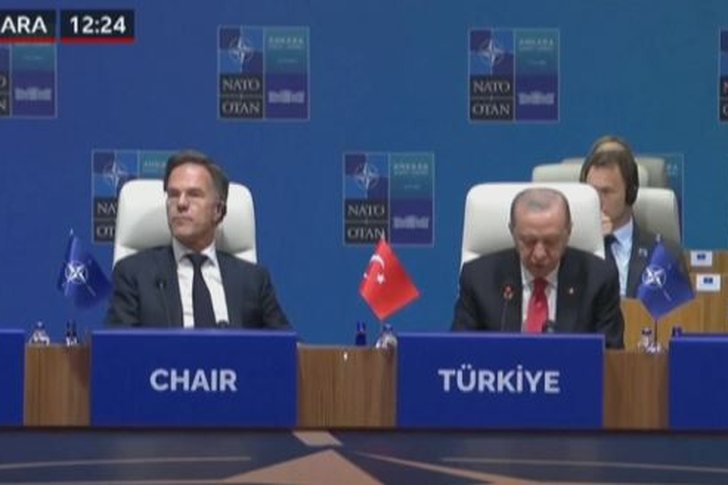
Turkish President Recep Tayyip Erdogan declared at the NAT...
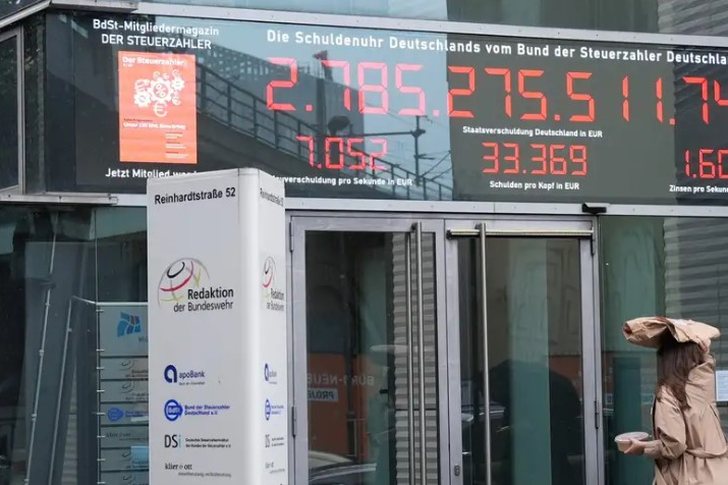
More money for the military, less for everything else and ...
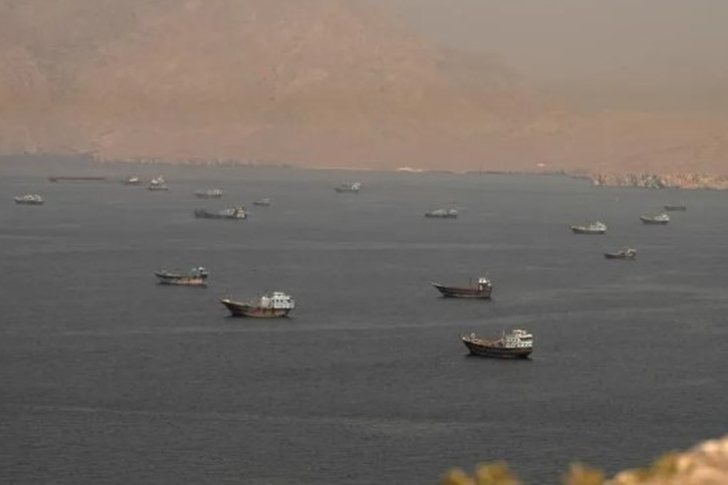
The United States has launched a wave of air strikes on Ir...
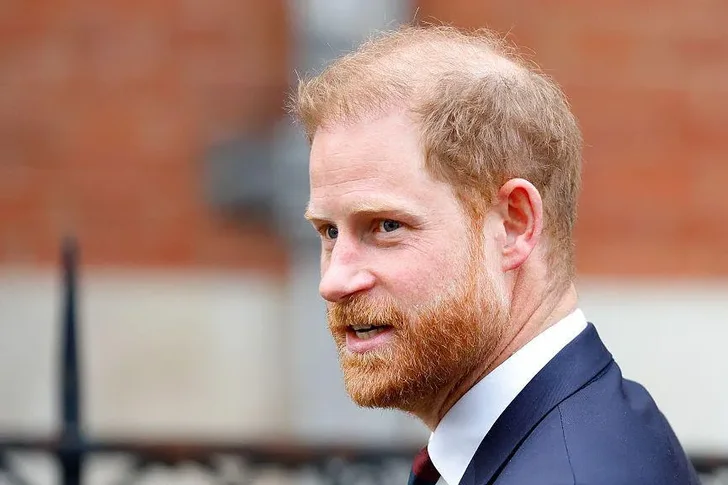
The Duke of Sussex and six others have lost their privacy ...
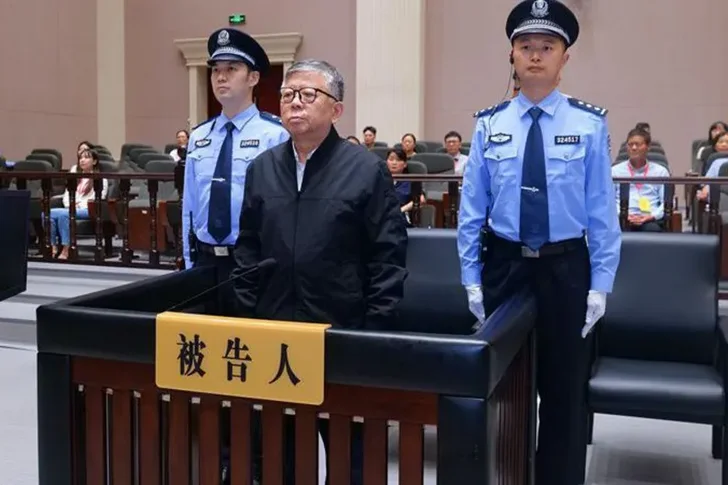
A court in eastern China has sentenced a former city offic...
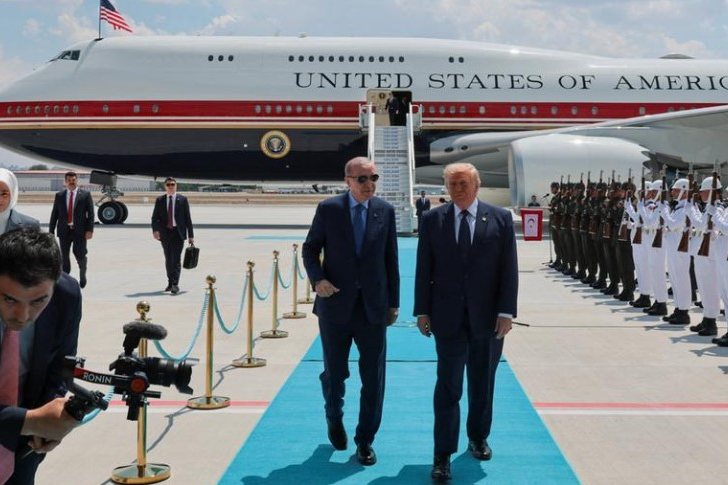
US President Donald Trump has criticized NATO allies ahead...
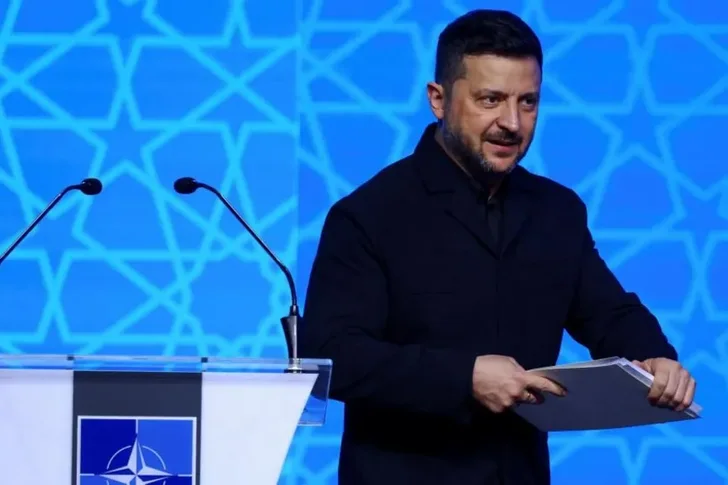
Presidenti i Ukrainës ka përdorur një fjalim në samitin e ...

United States President Donald Trump reiterated on Tuesday...
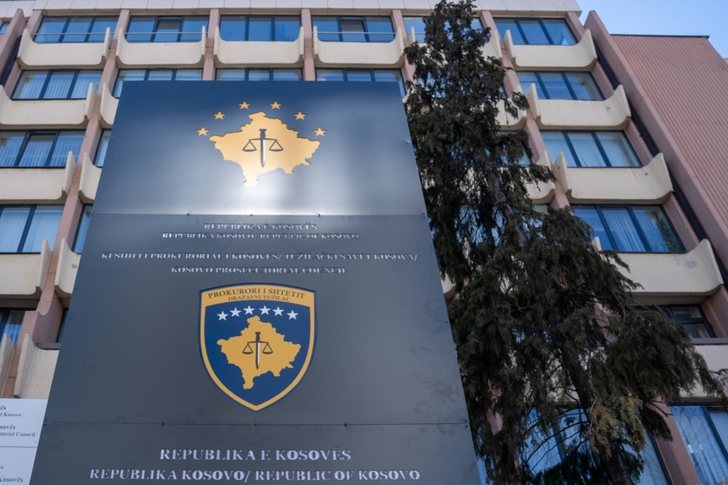
Prosecutors in Kosovo on Tuesday filed an indictment again...
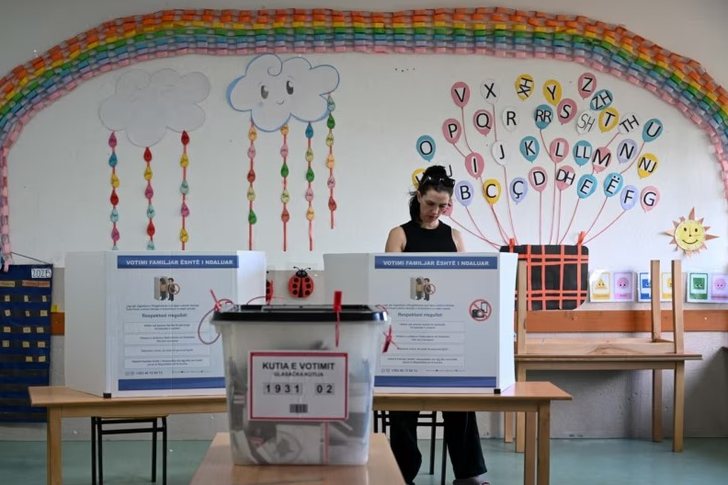
The Supreme Court has dismissed all appeals regarding the ...
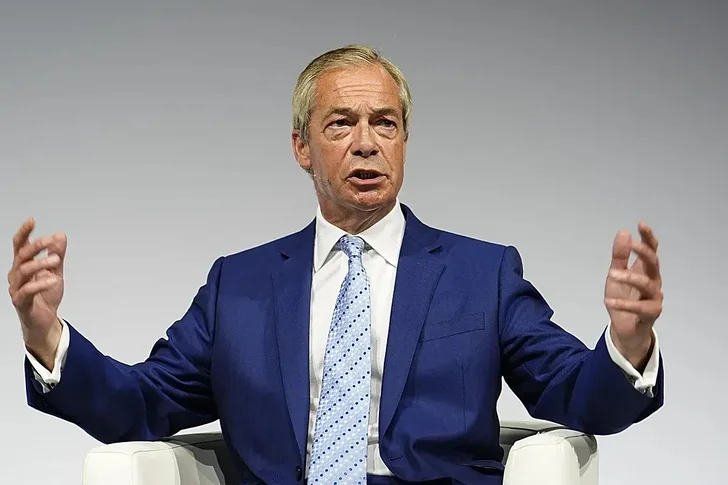
Reform UK leader Nigel Farage announced that he was resign...

NATO leaders are meeting in the Turkish capital, Ankara, f...
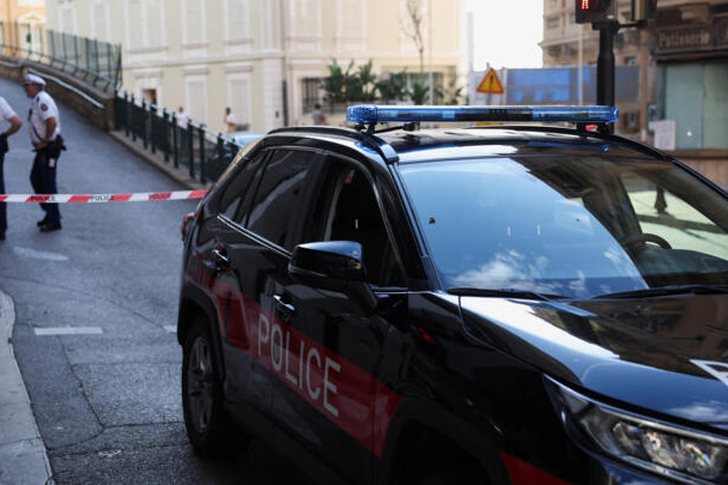
A woman suspected of carrying out last week's bomb attack ...
The word "fatherland" with properties is not enough. The m...

The justice reform claimed that it would bring faster, fai...

The Justice Reform and the vetting process were trumpeted ...
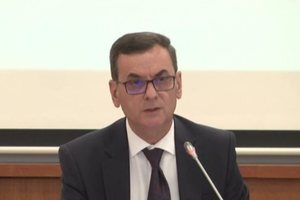
After revealing the property portfolio in Tirana, Kavaja, ...

The Special Board of Appeal (KPA) decided this Monday ...

The KPA vetting decided this Thursday to dismiss the p...

Suela Salavaçi, a prosecutor in the Prosecutor's Offic...

The Special Board of Appeal reinstated the prosecutor ...

Around four kilograms of cocaine were seized during a rout...
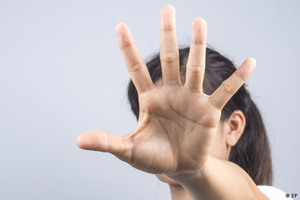
The mother of the 17-year-old raped in Fier has been l...
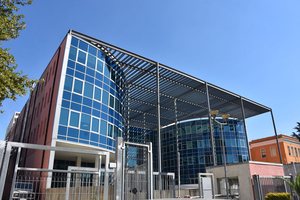
The Special Prosecution Office completed the investigation...
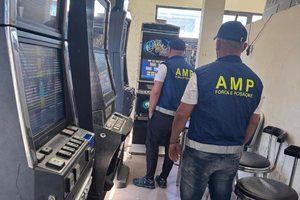
Today, on 07.07.2026, the Police Supervision Agency (AMP),...

Emigration, an aging population, and low participation in ...
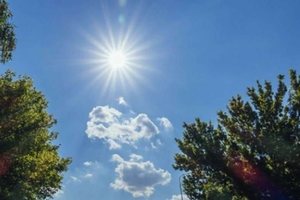
Today, our country will be affected by relatively stable w...
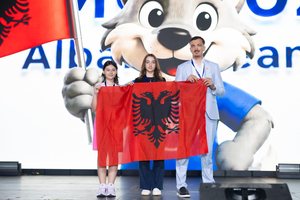
Albania has been awarded two medals of honor at the awards...
Today our country will be affected by relatively unstable ...
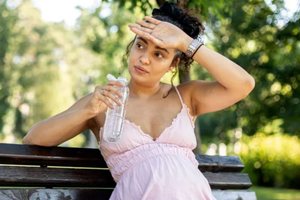
Heat waves don't affect everyone the same. According to he...
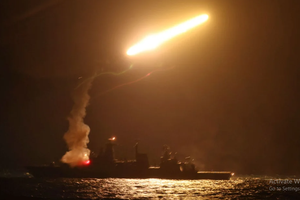
The US launched a round of air strikes against Iran this e...

Two schoolgirls have been seriously injured after a 16-yea...

It can be said that the last day of the NATO summit in Ank...

The German Embassy in Tirana has invited the Albanian publ...

Professor and literature scholar Ali Xhiku has passed away...

During my research into the life and artistic photographic...

This year's edition of the Gjon Mili International Video A...
Although about 6 months have passed since the start of the...

Vegetable prices marked a strong increase in June, precise...

This Thursday, one US dollar is bought for 81.5 lek and so...
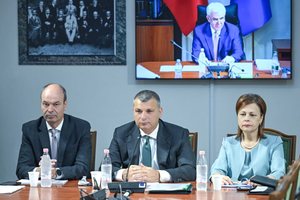
The Governor of the Bank of Albania, Gent Sejko, stated th...