"Zvërneci"/ Balla: The project will be developed according to environmental standards
The Chairman of the Socialist Party Parliamentary Group, T...

The Chairman of the Socialist Party Parliamentary Group, T...

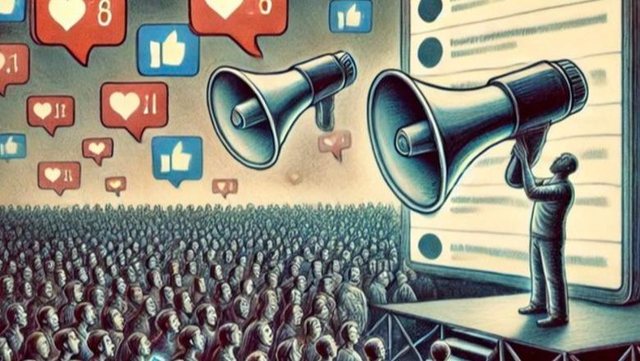
Media manipulation doesn't always come with an ugly face. It often appears with smooth language and professional pretense. But some signs quickly betray it.
When the title is much stronger than the content, there is a problem. When words like “shocking”, “bombshell”, “scandal” are used and there is no document inside, we are dealing with emotional incitement, not information. When the source is not clearly identified and is hidden behind the formulas “it is learned”, “it is said”, “sources indicate”, without any supporting evidence, the alarm should be sounded.
Another sign is the lack of context. A single number means nothing unless it is compared to the previous period, the average, or a relevant standard. Even short videos are ideal fields for manipulation. A 12-second cut can turn a complex debate into a scene that serves a particular narrative.
Equally problematic is the artificial equalization. Not every debate has “two sides” of equal weight. When one side has documents and the other has only propaganda, the media is not being neutral if it sets them up as equals. It is distorting reality.

In politics, manipulation is a standard weapon. Statements are packaged for electoral consumption, promises are presented as achievements, and failures are covered up with smokescreens.
A government can advertise an investment as a historic success while remaining silent about the real cost, delays, questionable procedures, or minimal impact on the ground. An opposition can seize on a real scandal but blow it up to the point where it loses credibility.
Here the media has a serious test. Is it reproducing the politician's statement as it comes in an e-mail, or is it piercing him with questions? Is it checking the figures? Is it asking who pays, who benefits, who is responsible? When the editorial staff gives up on these questions, it turns into a megaphone
The Albanian public is well aware of this scheme. A serious event is replaced within a few hours with another “news” designed to divert attention. An affair fades away in a television skirmish. A serious report is drowned out by noise. It is no coincidence. It is agenda management.
Social media is often blamed alone. Yes, they have accelerated the spread of manipulation, but they did not invent it. The difference is that now deception travels faster than correction. An emotional post, especially when it touches on politics, identity, or fear, can receive thousands of shares before the full truth emerges.
The algorithm doesn't ask if the content is fair. It asks if it keeps people glued to the screen. This creates a clear incentive for content that stirs the nerves, not the mind. The more anger, the more traffic. The more traffic, the more impact.
But there is a nuance here too. Social networks can also serve as a tool against manipulation, when used to compare statements, extract documents, restore context, and expose biased reporting. So, the problem is not the technology itself. The problem is who uses it and with what interest. /CNA

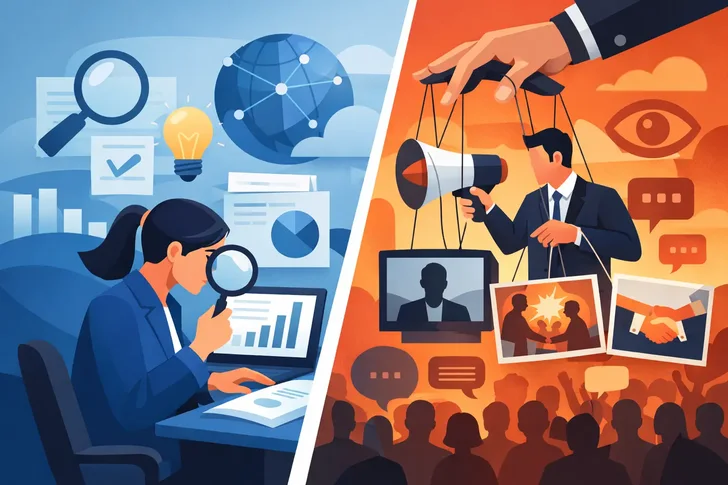
A bloated headline, a video cut at the right second, a sta...
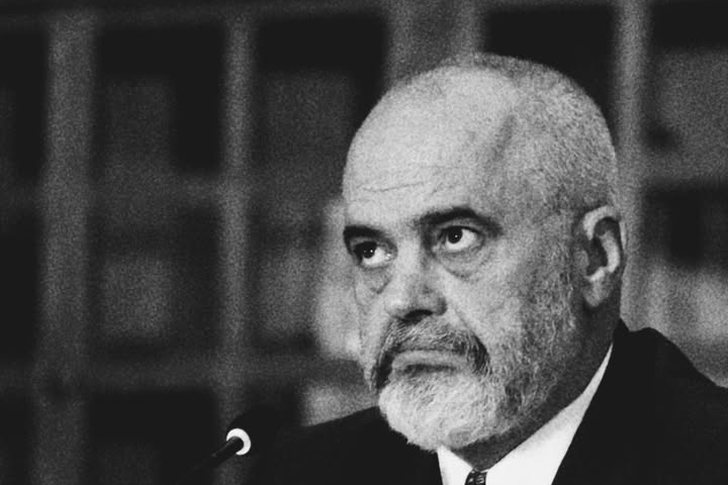
French magazines, German television, Italian reports, Belg...
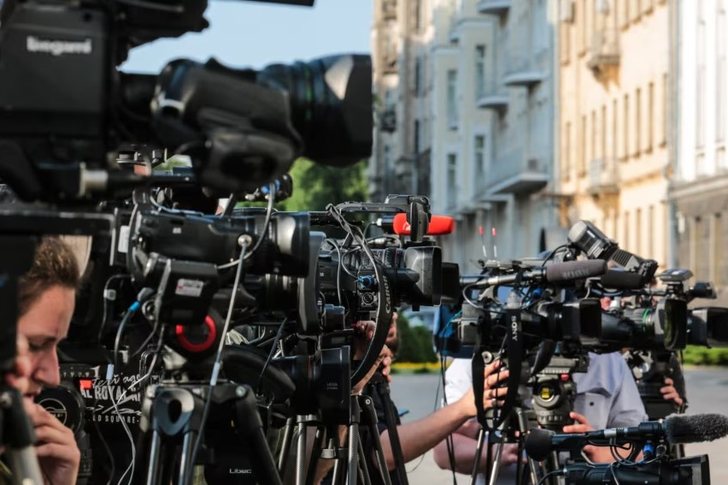
For a media outlet that claims to understand the pulse of ...
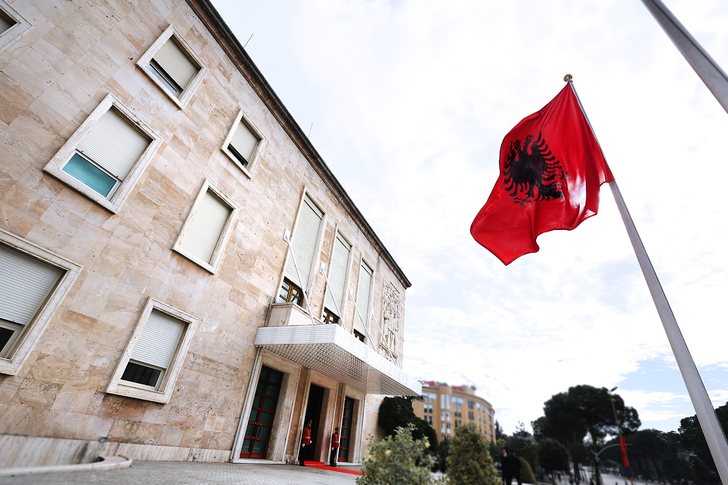
Part of the public anger is not just related to the conten...
When a new decision is announced by the government, the fi...
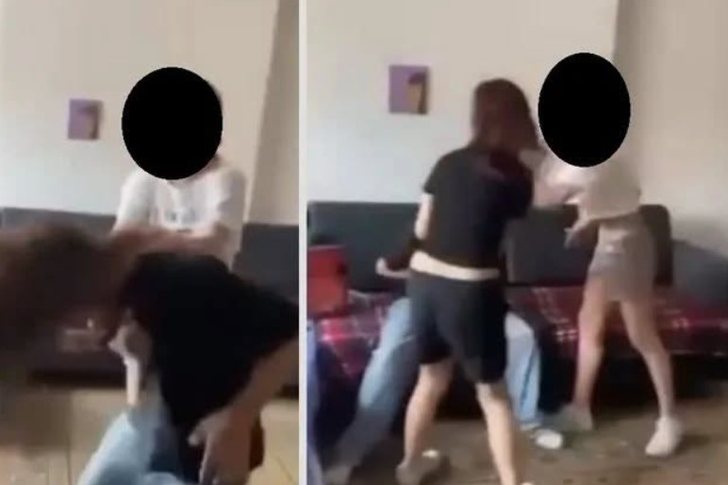
I wrote about a case of violence, where two girls beat up ...
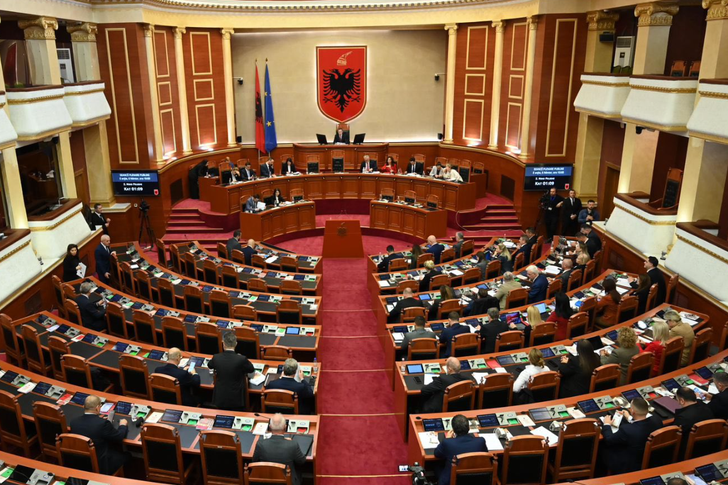
There is a limit to poverty. There is also a limit to patien...
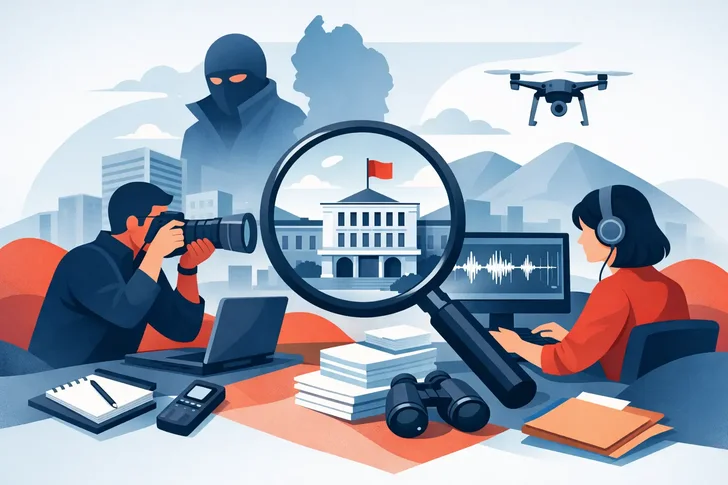
The eyes/attention of chancelleries, institutions, and the...
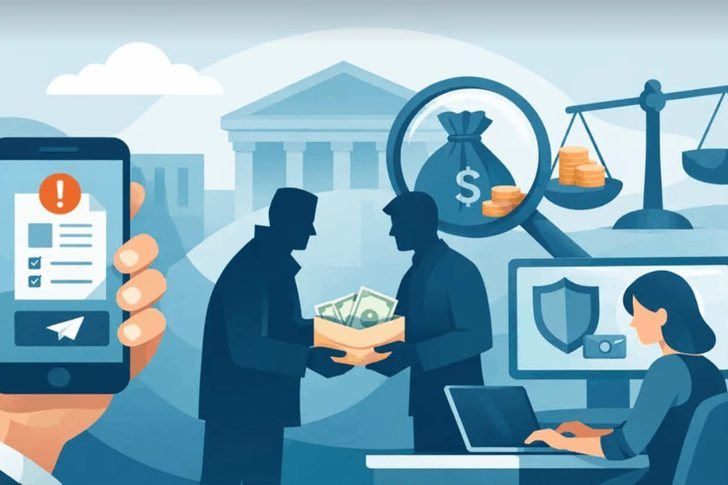
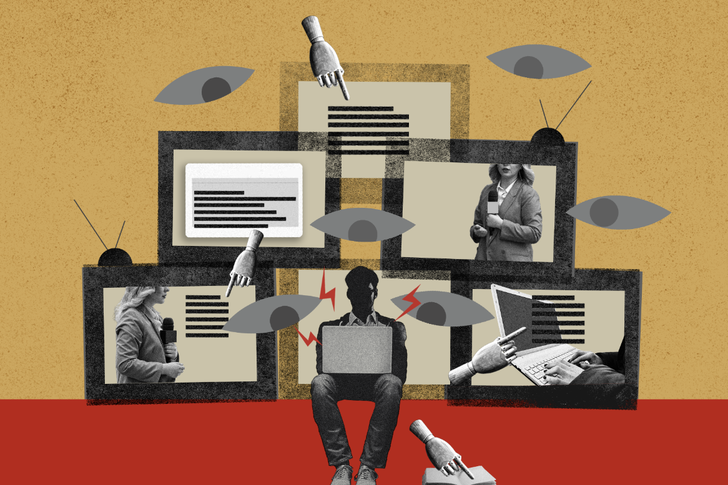
A dubious tender, an unexplained fortune, a construction p...
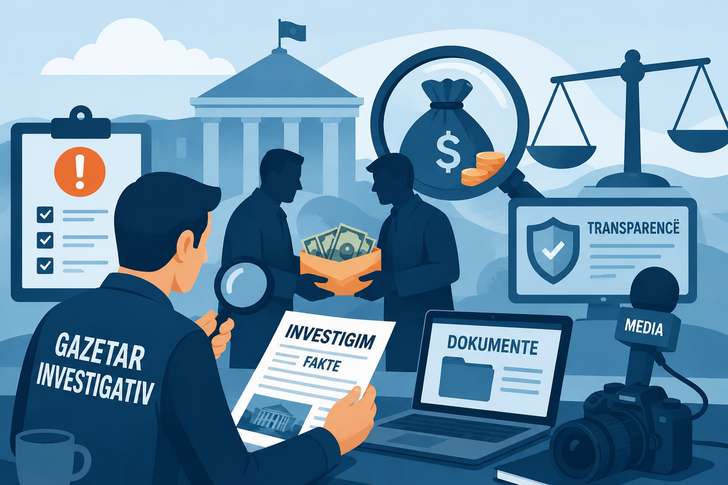
The question arises: Do journalistic investigations ha...
Talking about investigative journalism in Albania without ta...
A dubious tender, an unexplained fortune, a construction p...
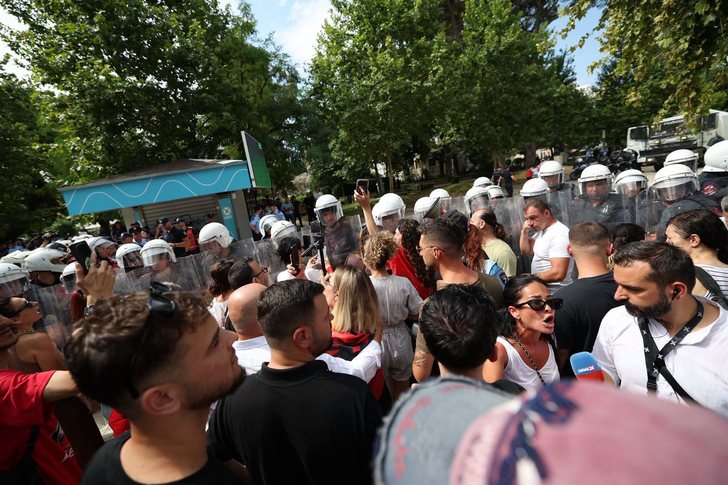
After they voted to destroy Albania's ports by charging Al...
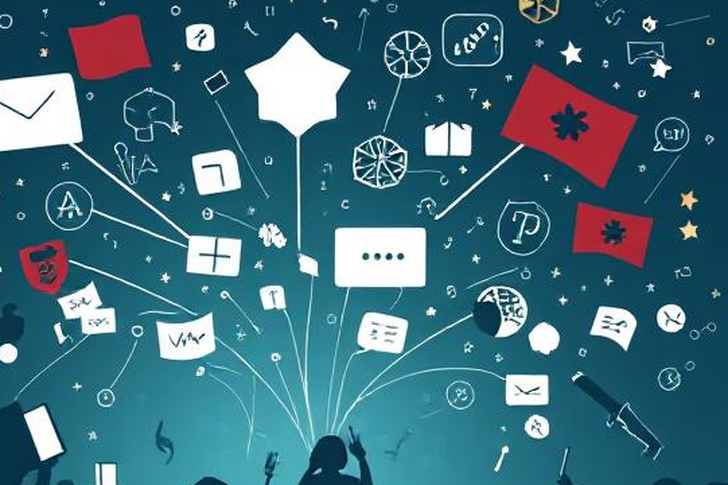
One of the biggest deceptions sold to the public is the id...
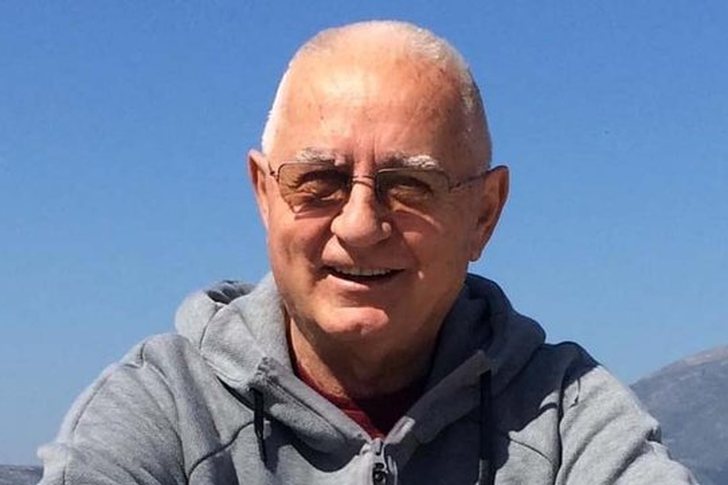
It was a coincidence. I had just arrived in Korça and pass...
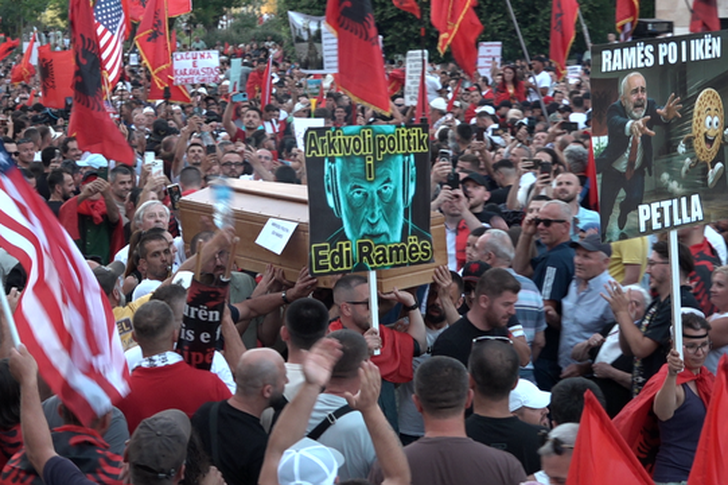
The coffin is one of the most powerful political symbols. ...
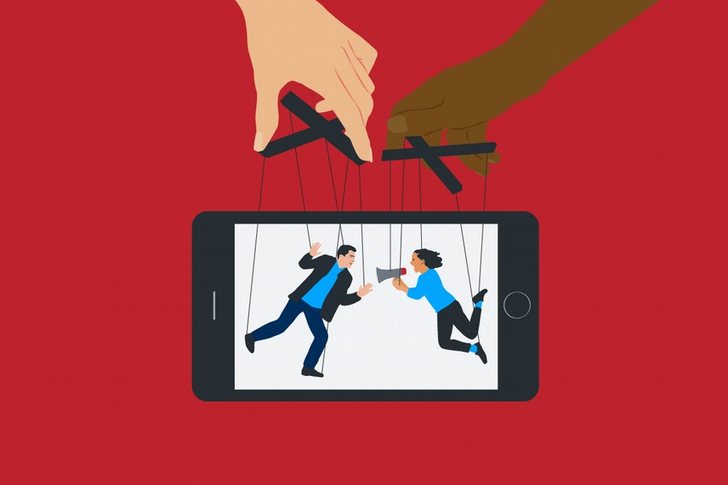
There are times when neutrality is not professionalism, bu...
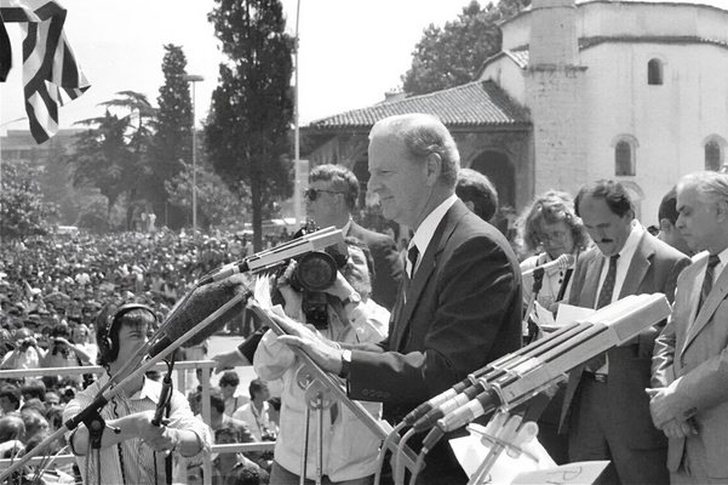
For millions of people, VOA was a beacon of hope and a win...
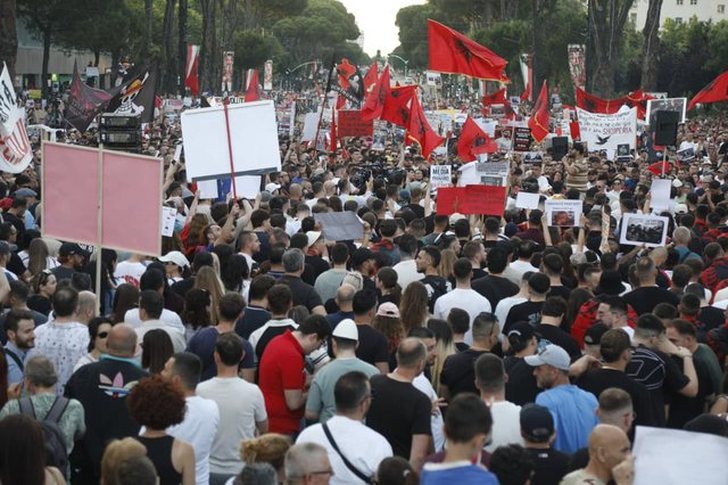
Machiavelli wrote in “The Prince” that it is safer to be f...
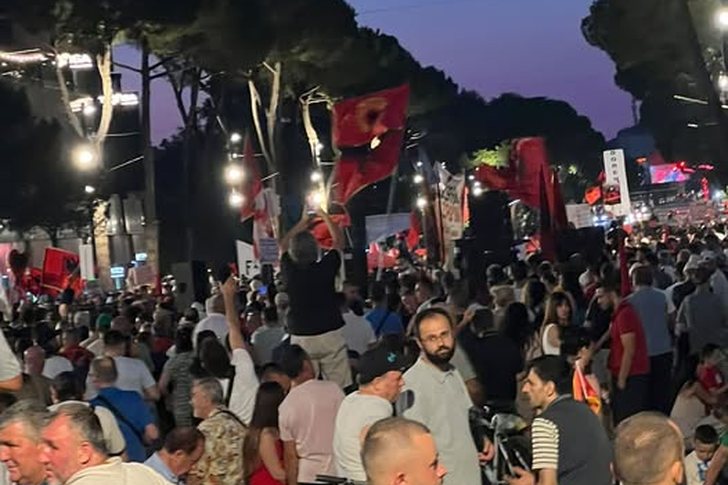
A protest is not simply a list of accusations against the ...
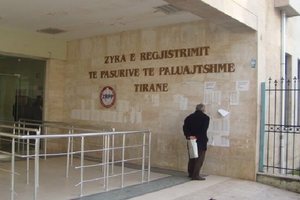
The word "fatherland" with properties is not enough. The m...
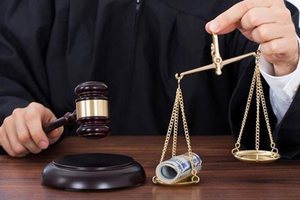
The justice reform claimed that it would bring faster, fai...
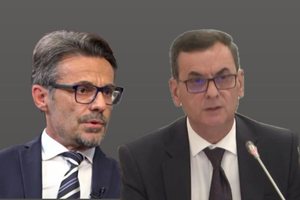
The Justice Reform and the vetting process were trumpeted ...
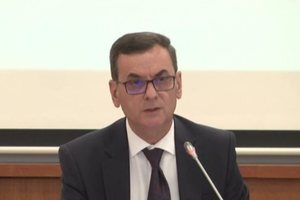
After revealing the property portfolio in Tirana, Kavaja, ...

The Special Board of Appeal (KPA) decided this Monday ...

The KPA vetting decided this Thursday to dismiss the p...

Suela Salavaçi, a prosecutor in the Prosecutor's Offic...

The Special Board of Appeal reinstated the prosecutor ...
Around four kilograms of cocaine were seized during a rout...
The mother of the 17-year-old raped in Fier has been l...
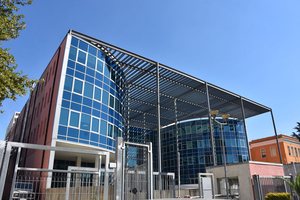
The Special Prosecution Office completed the investigation...
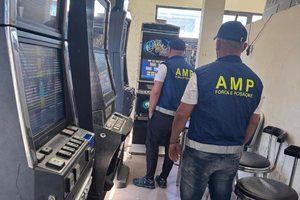
Today, on 07.07.2026, the Police Supervision Agency (AMP),...
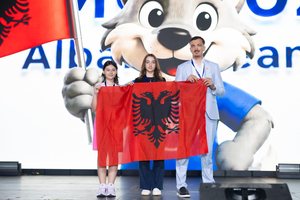
Albania has been awarded two medals of honor at the awards...
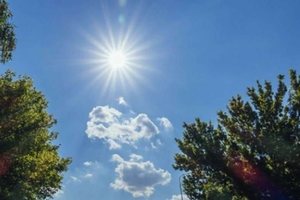
Today our country will be affected by relatively unstable ...
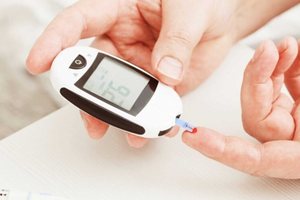
While the total number of deaths fell in 2025, those from ...
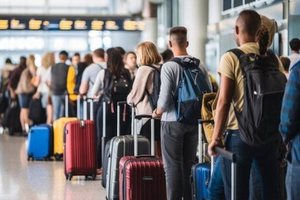
As Albania faces ongoing demographic challenges, the l...
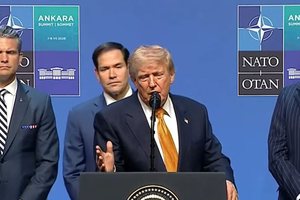
United States President Donald Trump speaks at a news conf...
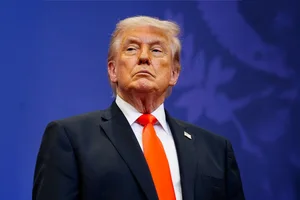
US President Donald Trump has officially declared that the...
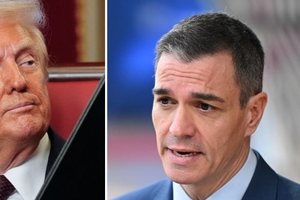
US President Donald Trump has shocked the NATO Summit ...
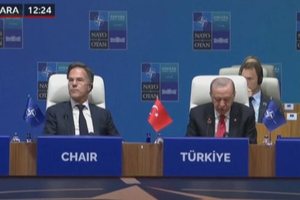
Turkish President Recep Tayyip Erdogan declared at the NAT...

The German Embassy in Tirana has invited the Albanian publ...

Professor and literature scholar Ali Xhiku has passed away...
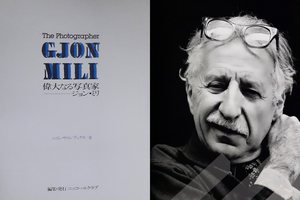
During my research into the life and artistic photographic...
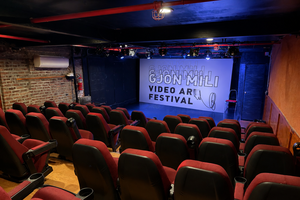
This year's edition of the Gjon Mili International Video A...
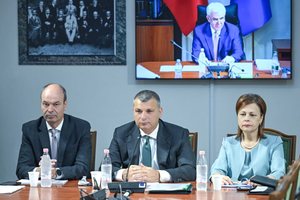
The Governor of the Bank of Albania, Gent Sejko, stated th...
The latest data published by the Institute of Statistics f...
The government is providing 4 million euros for an event t...
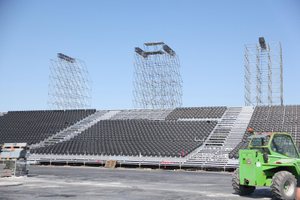
A few days before Kanye West's concert in Tirana, the publ...