


Exchange rate, Saturday, July 11, 2026
This Saturday, one US dollar is bought for 81.4 lek and so...



The new old-age pensions in 2025 were on average 16,500 lek or 526 lek lower than those in 2024.
The decline in new pensions is happening at a time when living costs are rising sharply from the higher prices created by the war in Ukraine and now the one in Iran.
The accumulated inflation of 2022 - 2024 has eroded the purchasing power of all classes, but pensioners are among the most exposed, because they have no other compensation mechanism, as they cannot ask for a salary increase, cannot change jobs, cannot negotiate.
The direct effect of this low pension amount is poverty in old age, as payments in recent years do not even cover basic needs, and pensioners often become economically dependent on their family, children, or grandchildren.
This informal transfer of the financial burden from the state to the family has ripple effects. Young people who have to support their retired parents have fewer opportunities to save, invest, or start a family. Third-generation poverty thus becomes a barrier to the economic development of the working generation.
Almost all Albanian pensioners are in financial difficulty to ensure survival (food and medicine), do not benefit from any social services from local and central governments, while infrastructure that helps facilitate movement is lacking, such as transportation, sidewalks, parks, social centers, etc.
A survey conducted by Monitor last year with 151 people who had elderly relatives in their family showed that the working-age population is currently facing high monthly expenses for caring for their parents, which mainly go towards meeting food and medication needs. Over 87% of respondents stated that their parents' pension income was insufficient to meet basic needs.
They stated that the consumption basket of pensioners is dominated by food, health services, medicines and energy and water bills. About 88% of the survey participants stated that they help their parents financially. 57% make regular monthly payments, and the remaining 31% help them in emergencies.
Almost 99% of the participants stated that there is a complete lack of social services from local and central governments for the elderly. According to the 2023 Census, around 61 thousand elderly people across the country lived alone and no help or assistance is provided to them by social protection offices.
Children of the elderly complained that the infrastructure supporting their parents' movement is inadequate.
Abandoned
Shumë të moshuar përballen të vetëm me sëmundje të rënda, pa ndihmën e askujt. Me fëmijë emigrantë, pa struktura dhe stafe të specializuara, me të ardhura të ulëta dhe më shumë sëmundje kronike, një pjesë e madhe e të moshuarve po përballen me “ferrin” në tokë.
Një anketë e Programit të Kombeve të Bashkuara për Shqipërinë (PNUD) vitin e kaluar me 790 familje që kishin të moshuar mbi 65 vjeç gjeti se mijëra të moshuar jetojnë vetëm dhe pa asnjë lloj mbështetjeje.
Të dhënat tregojnë se 12% e të moshuarve 70–79 vjeç jetojnë vetëm dhe 17% e atyre mbi 80 vjeç jetojnë të izoluar, pa askënd pranë. Shumica e tyre vuajnë për nevoja bazë të tilla si një vakt i ngrohtë, ilaçe dhe komunikim me të tjerët.
Rezultatet e sondazhit treguan se, 95% e të moshuarve kanë si të ardhura kryesore pensionet e tyre, të cilat shpesh nuk mjaftojnë as për ushqim, as për ilaçe dhe si rrjedhojë nuk kanë mundësi të punësojnë një kujdestar.
Gjendja shëndetësore e të moshuarve është alarmante. 76% e tyre kanë nevojë për ndihmë në aktivitetet e përditshme, që nga larja, veshja, përgatitja e ushqimit, deri te marrja e medikamenteve. Por 24% janë shumë të varur pasi vuajnë nga sëmundje kronike të shumta.
Megjithatë, drama më e madhe për shumë të moshuar nuk është vetëm varfëria apo sëmundja, por vetmia. Shumë prej tyre nuk kanë më pranë familjen. Numri i anëtarëve për familje ka rënë ndjeshëm, nga 3.9 në vitin 2011 në vetëm 3.2 sot dhe gjithnjë e më pak njerëz kanë dikë që t’u gjendet pranë.
Në zonat urbane, sidomos jashtë Tiranës, kjo situatë është edhe më e rëndë, pasi shumë të moshuar jetojnë të izoluar, pa kujdes familjar dhe pa shërbime sociale. Rreth 72% e atyre më të sëmurë raportojnë ankth dhe shqetësime të vazhdueshme, ndërsa shumë prej tyre nuk kanë as dikë që t’i dëgjojë.
Shqipëria ka hartuar disa strategji kombëtare për të përmirësuar jetën e të moshuarve, si Plani Kombëtar për Plakjen dhe Strategjia për Mbrojtjen Sociale, por realiteti tregon se boshllëqet mbeten të mëdha. Mungon një ligj gjithëpërfshirës për kujdesin afatgjatë dhe më e rëndësishmja, mungojnë fondet dhe shërbimet konkrete që do të ndryshonin jetën e mijëra të moshuarve.
Shqipëria po plaket, popullsia e re po zvogëlohet, emigracioni po rritet dhe familjet po bëhen gjithnjë e më të vogla. Mungesa e masave urgjente për të rritur mbështetjen financiare, shërbimet shëndetësore dhe sociale dhe për të ndërtuar një rrjet kombëtar të kujdesit komunitar, bën që mijëra të moshuar të vazhdojnë të jetojnë mes varfërisë, sëmundjes, vetmisë dhe mungesës së nevojave bazë.
Plakja po kthehet në një sfidë humanitare. Censi i vitit 2023 zbuloi se popullsia e vendit është zvogëluar ndjeshëm, duke rënë nga 2.8 milionë banorë në vitin 2011 në vetëm 2.4 milionë sot. Por më shqetësues është fakti se gati një në pesë shqiptarë është mbi 65 vjeç.
Shqipëria po kthehet ngadalë në një vend të plakur, ndërsa numri i të rinjve bie dhe shumë prej tyre emigrojnë, duke sjellë pasoja të thella sociale.
State services cover only 1% of the elderly
Institutional care services, including residential homes and day care centers, are few and unevenly distributed. Albania has 23 residential institutions, which serve about 705,000 elderly people across the country, less than 1% of the population over 65.
In addition, 36 community day centers support around 3,000 beneficiaries, yet almost half of Albania's municipalities do not have any community services for the elderly. Specialized care is insufficient.
Only 33% of residential centers offer dementia care, and 92% of institutions report a need for this service. Similarly, only 25% of residential centers offer physiotherapy services, despite over 90% of them recognizing the necessity of these services.
Infrastructural constraints further hinder the quality of services, with 75% of residential centers identifying urgent needs for modernization. Day centers also face difficulties, particularly due to the lack of dedicated spaces for therapy and social activities.
Financial difficulties remain a major obstacle, as two-thirds of institutions consider lack of funds as the main obstacle to expanding services to the elderly, improving infrastructure, and providing competitive salaries for staff. /Monitor

This Saturday, one US dollar is bought for 81.4 lek and so...

The escalation of the conflict in the Middle East has once...

In addition to food, household appliances, oil, and more, ...
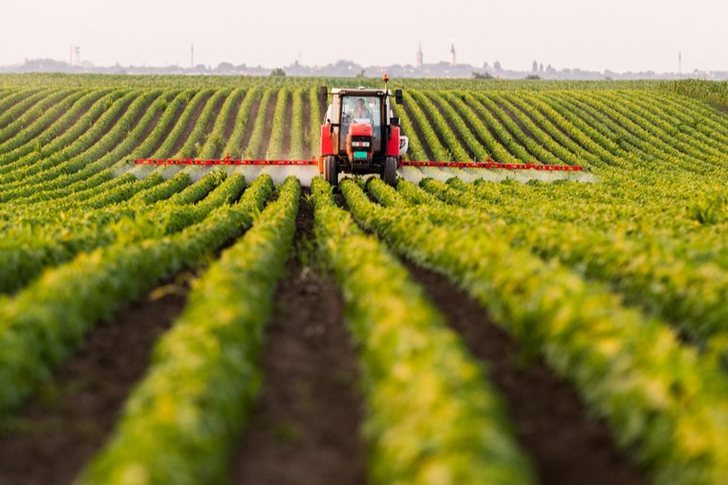
The government has reduced the funds foreseen for rural de...

This Friday, one US dollar is bought for 81.4 lek and sold...

The Tax Directorate has announced that the process of auto...
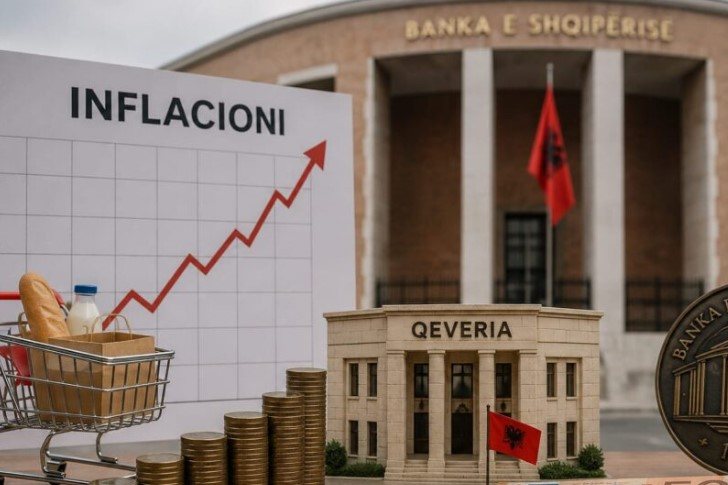
If coordinated policies are not undertaken by the Bank of ...

In the 2026 budget revisions, the Ministry of Defense budg...
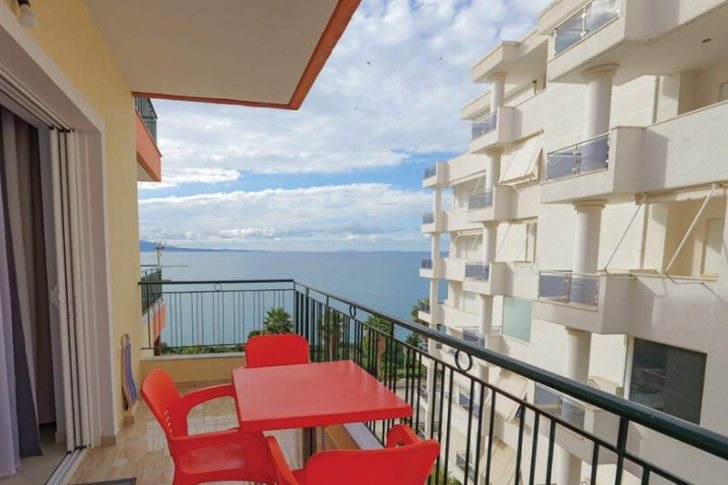
Although about 6 months have passed since the start of the...
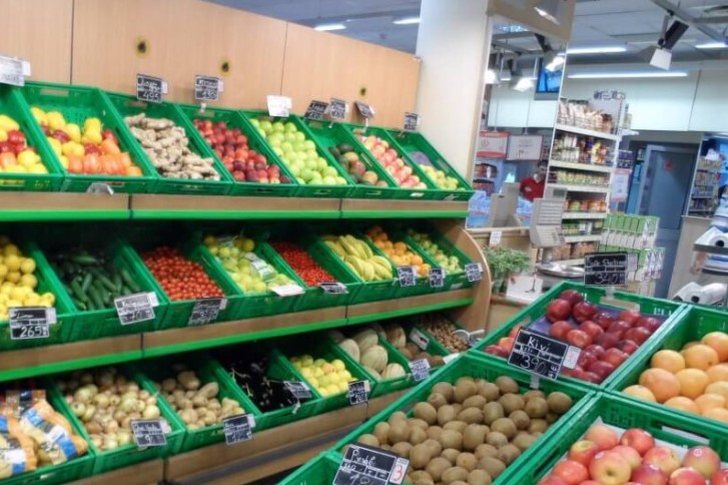
Vegetable prices marked a strong increase in June, precise...

This Thursday, one US dollar is bought for 81.5 lek and so...
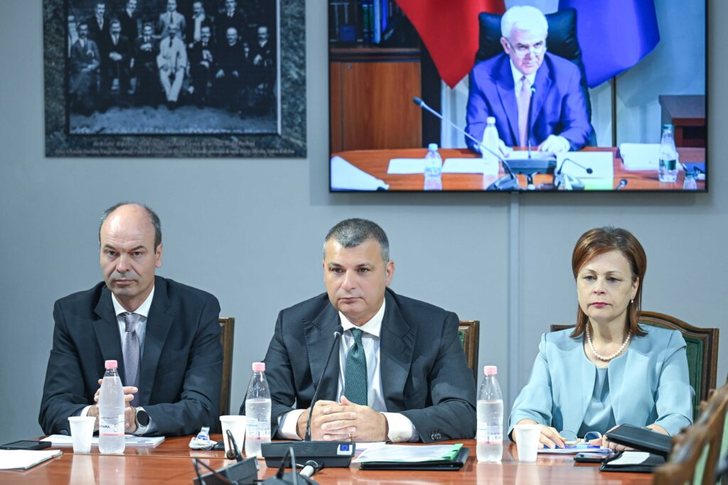
The Governor of the Bank of Albania, Gent Sejko, stated th...

The latest data published by the Institute of Statistics f...
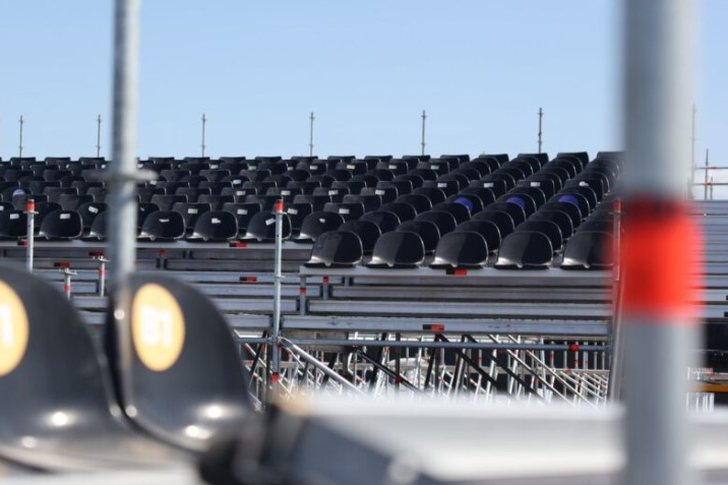
The government is providing 4 million euros for an event t...
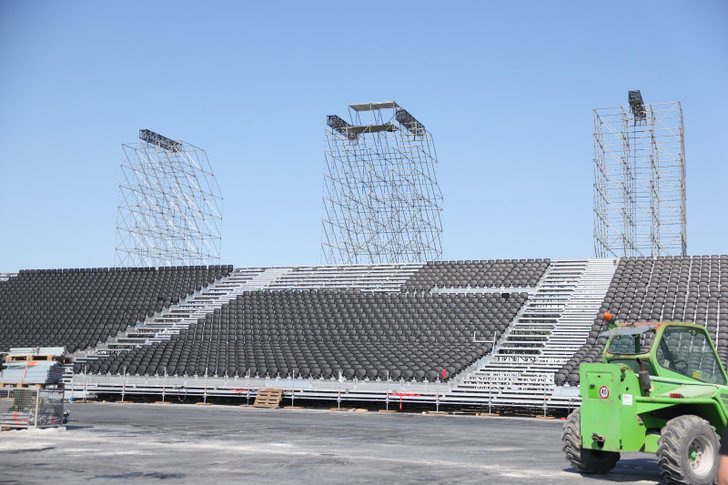
A few days before Kanye West's concert in Tirana, the publ...

The lack of local labor is increasingly pushing Albanian b...

This Wednesday, one US dollar is bought for 81.2 lek and s...
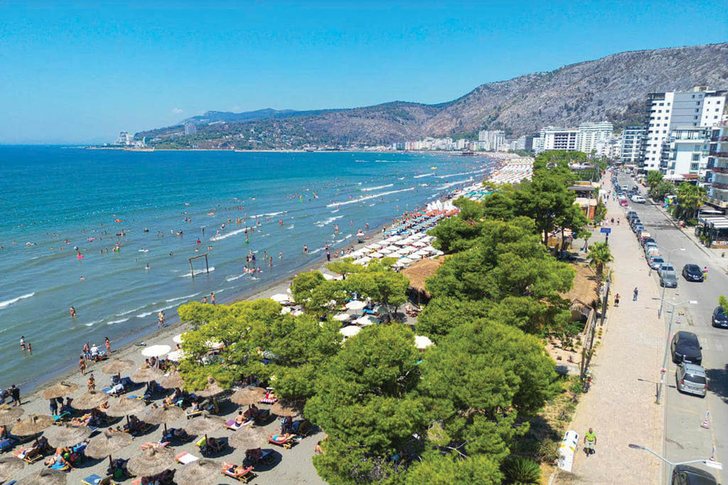
The country recently closed a nearly decade-long program f...
While the total number of deaths fell in 2025, those from ...
Turizmi në Shqipëri vijon të jetë i përqendruar kryesisht ...

For 6 months now, CNA has been sending several letters to ...
The word "fatherland" with properties is not enough. The m...

The justice reform claimed that it would bring faster, fai...
The Justice Reform and the vetting process were trumpeted ...

The Special Board of Appeal (KPA) decided this Monday ...

The KPA vetting decided this Thursday to dismiss the p...

Suela Salavaçi, a prosecutor in the Prosecutor's Offic...

The Special Board of Appeal reinstated the prosecutor ...
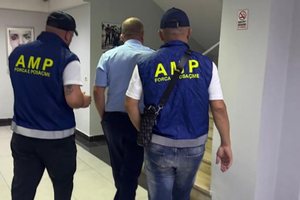
The Police Supervision Agency, Kukës-Dibar Regional Direct...
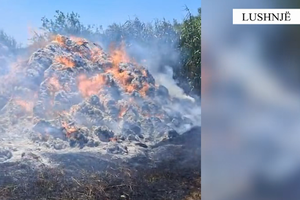
A 57-year-old citizen has been arrested in the village of ...

Two citizens with high social risk, wanted by the authorit...
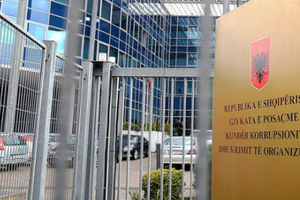
The Special Court against Corruption and Organized Crime h...
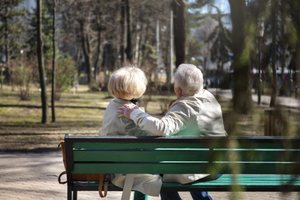
27% of the retirement age population is being pushed inevi...

On Saturday, our country will be affected by stable weathe...
An important investment in the service of patients with tu...
Today our country will be affected by stable weather condi...

The President of the United States of America, Donald Trum...
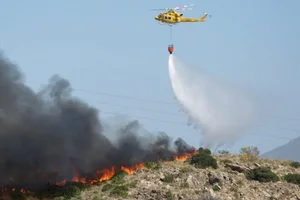
Shërbimet e emergjencës në juglindje të Spanjës vijojnë pë...

The United States has urged Iran to publicly declare that ...
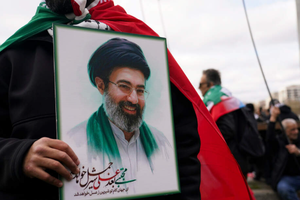
The fate of Mojtaba Khamenei has been a mystery to Iranian...

The German Embassy in Tirana has invited the Albanian publ...

Professor and literature scholar Ali Xhiku has passed away...

During my research into the life and artistic photographic...

This year's edition of the Gjon Mili International Video A...

The new old-age pensions in 2025 were on average 16,500 le...

This Saturday, one US dollar is bought for 81.4 lek and so...

The escalation of the conflict in the Middle East has once...

In addition to food, household appliances, oil, and more, ...