




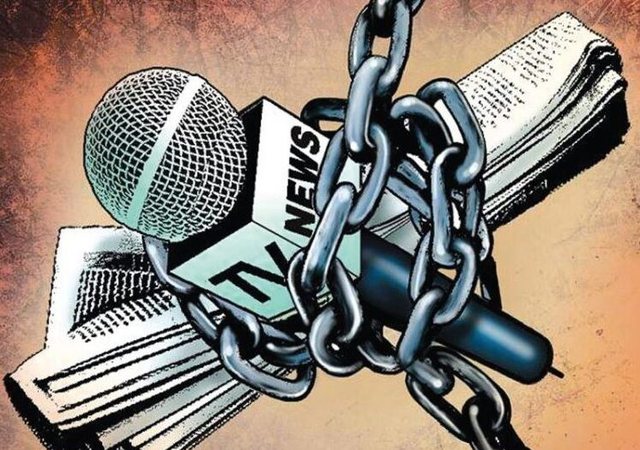
When a piece of news is not published, when a fact is softened, when a name is removed from the screen or when a question is not asked at all, that is where the real problem begins. The question “what is media censorship” is not simply academic. It is a question about power, about fear and about the public’s right to know what is happening without mandated filters.
Media censorship is the direct or indirect intervention in the content produced and published by the media, with the aim of restricting, distorting or prohibiting information.
This can come from the state, owners, advertisers, interest groups, political parties, criminal networks, or even from the editorial offices themselves through self-censorship. On the surface, it looks like “editorial care.” In practice, it often turns into control over what the citizen is allowed to see, hear, and understand.
In theory, censorship sounds like a brutal act - closing newspapers, banning broadcasts, seizing materials. These forms still exist, but today censorship often comes in a suit, with institutional smiles and polished justifications. A phone call from a minister's office. An advertiser who backs down. An owner who asks to "turn down the volume a bit". An editor who knows in advance what not to touch.

So, when we talk about media censorship, we're not just talking about outright banning. We're also talking about deliberate selection, purchased silence, attention shifting, and double standards.
A scandal can be buried not by banning it altogether, but by shoving it at the bottom of the page, without a title, without a follow-up, without a voiceover. This makes modern censorship more dangerous. It doesn't always look like violence. It often looks like information management.
The purest form is state censorship. This occurs when the government uses law, institutions, licenses, fines, administrative controls, or political pressure to curb reporting. In countries with fragile democracies, this does not always happen by written order. A climate of fear is enough for journalists to understand the limits without anyone telling them.
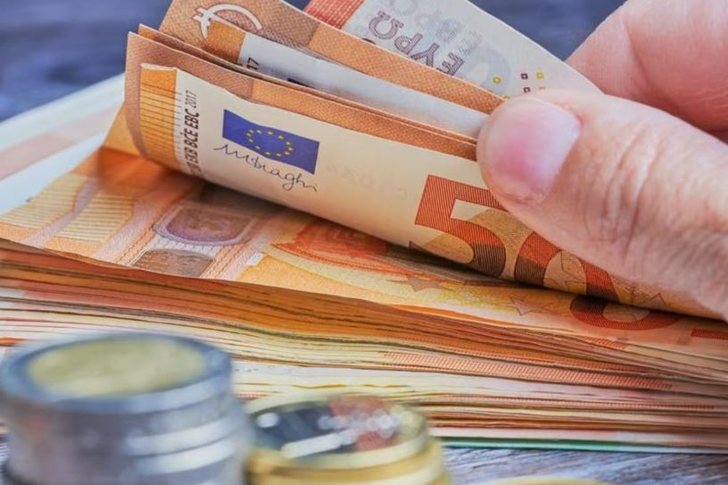
Then comes economic censorship. This is more cynical, because it does not stifle the news with police, but with money. If a media outlet depends on a few big advertisers or public contracts, it becomes more exposed to pressure. When funding is tied to obedience, independence becomes decorum.
Another form is proprietary censorship. The media owner is not simply an investor. In many cases, he has business interests, political connections, or personal concerns that he transfers to the editorial line. Here, the news is not filtered in the name of ethics, but in the name of interest.
The most widespread, and often least accepted, is self-censorship. The journalist doesn't take orders. He simply knows what the consequences are. He knows which names bring phone calls. He knows which topics close doors. That's how self-restraint begins. And when self-censorship becomes routine, the censor no longer needs to show up. /CNA

How is it possible that the currency of one of the most po...
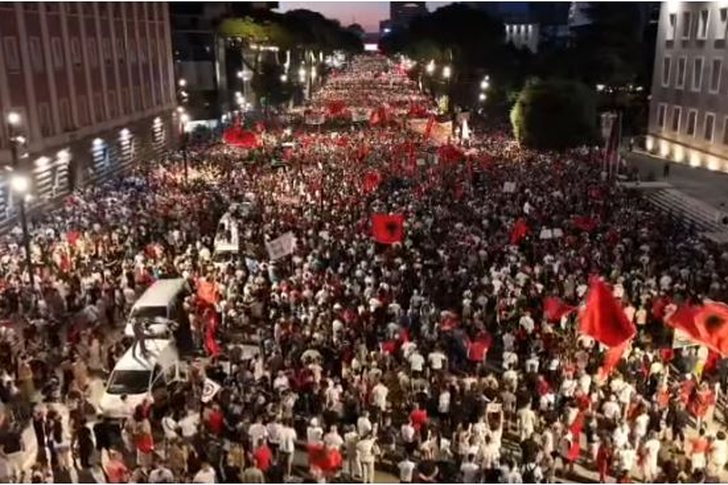
In Albania, a biblical story is being rewritten, that of t...
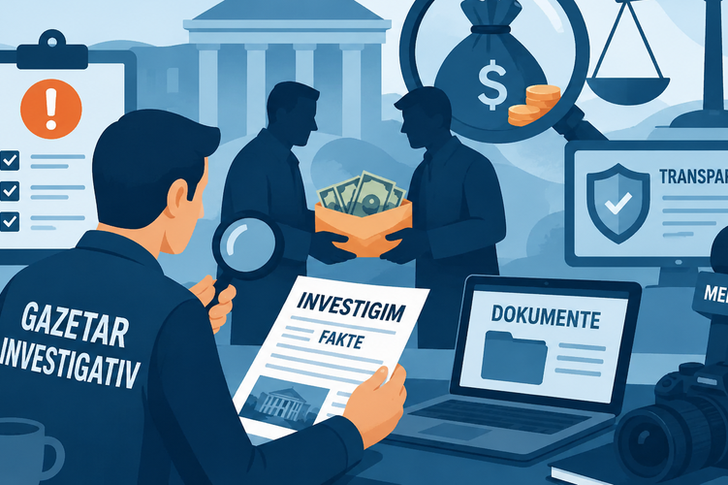
When a corruption file is closed in a drawer, when a tende...
One of the biggest mistakes the media makes is treating an...
The classic model of a journalist who asks, records and wr...
When a corruption file is closed in a drawer, when a tende...
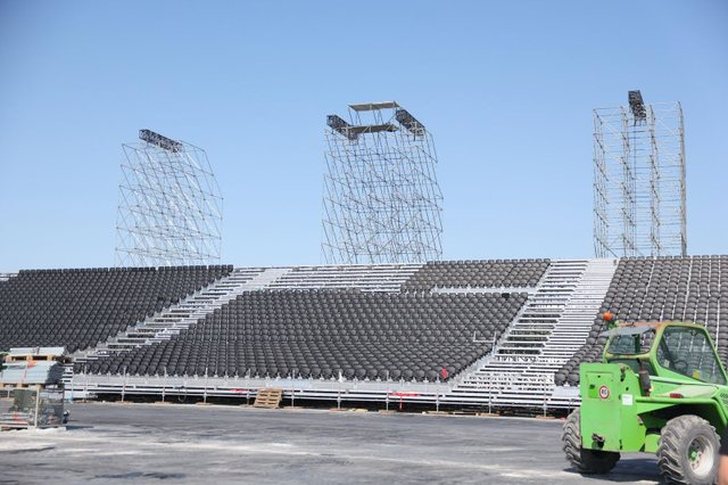
In fact, he didn't want to. He really didn't want to. But ...
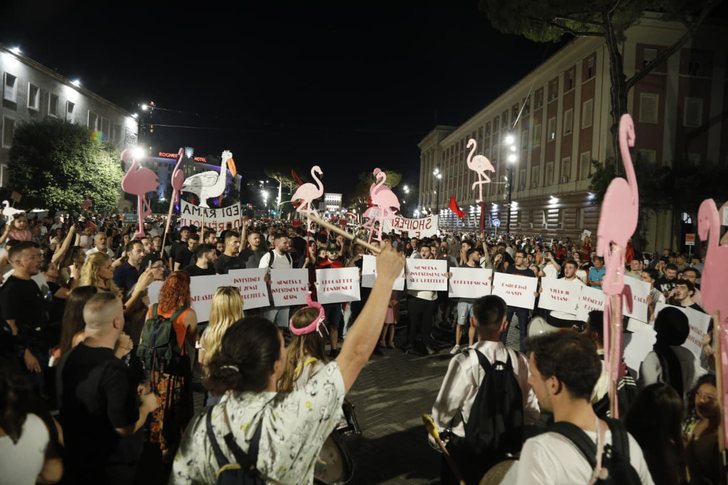
The right to protest is one of the fundamental pillars of ...
On the 40th day of the grand protest for a "new Albania", ...
You don't have to be a journalist to protect yourself from...
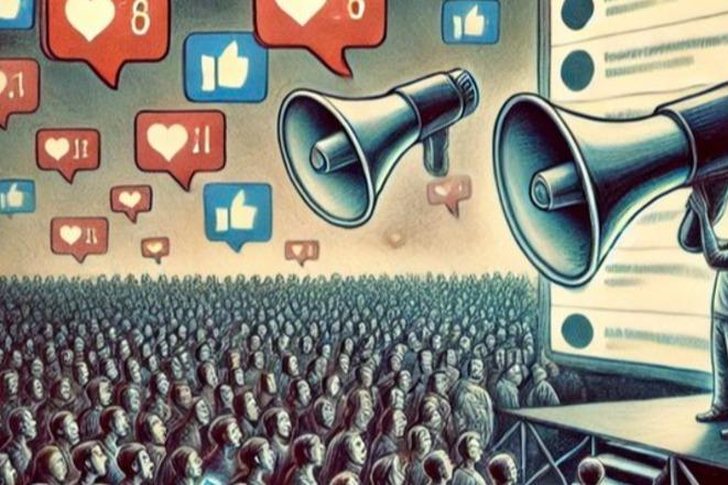
Media manipulation doesn't always come with an ugly face. ...

A bloated headline, a video cut at the right second, a sta...
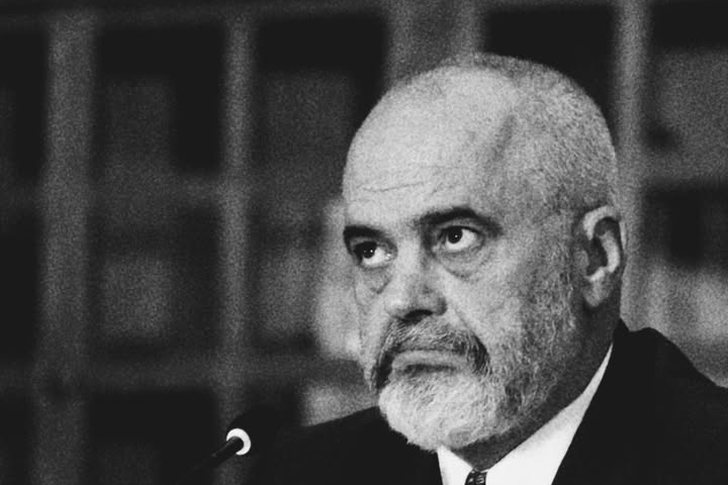
French magazines, German television, Italian reports, Belg...
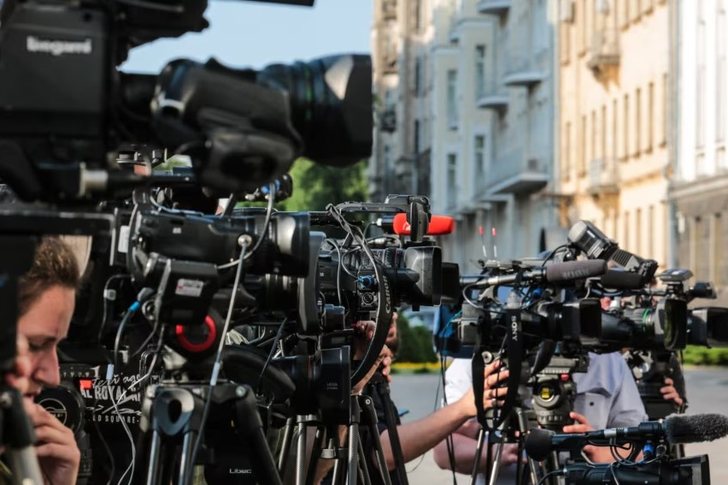
For a media outlet that claims to understand the pulse of ...
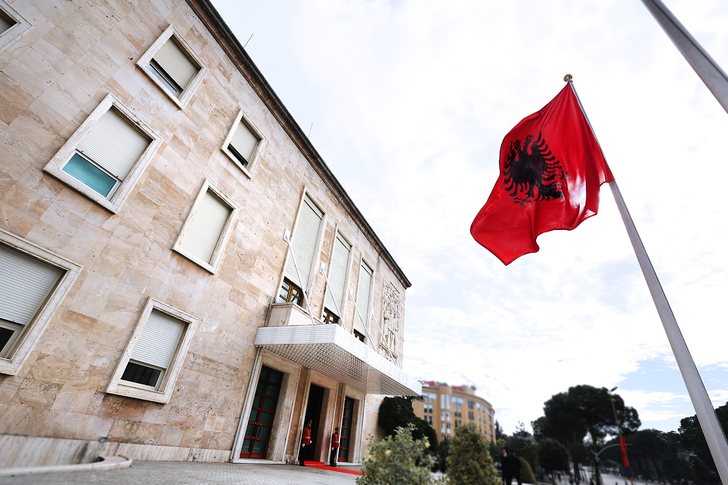
Part of the public anger is not just related to the conten...
When a new decision is announced by the government, the fi...
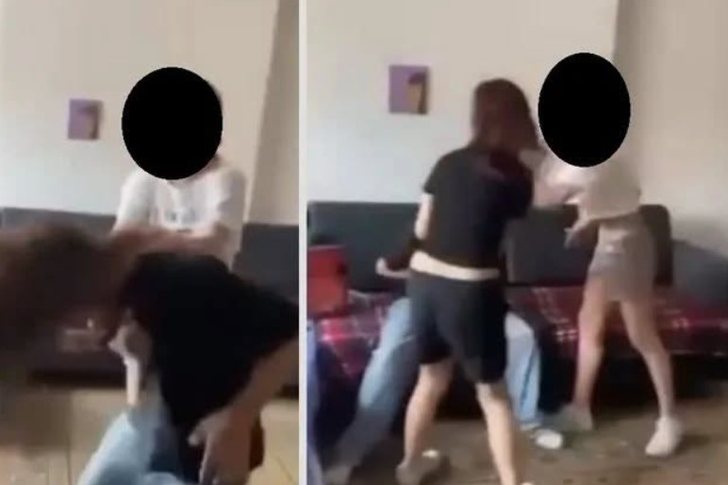
I wrote about a case of violence, where two girls beat up ...
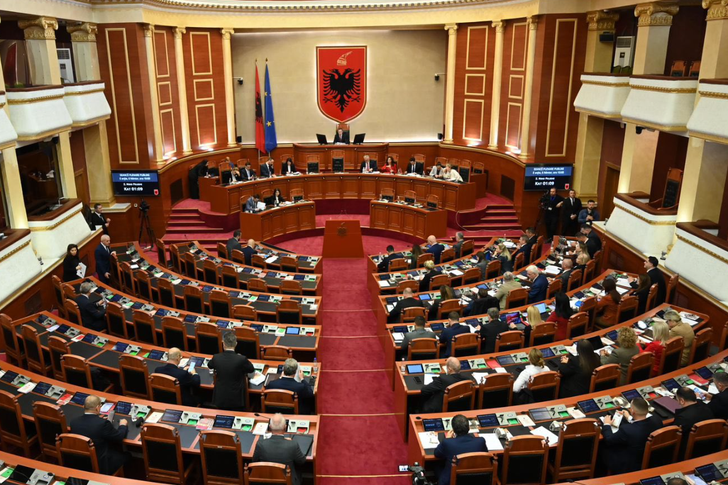
There is a limit to poverty. There is also a limit to patien...
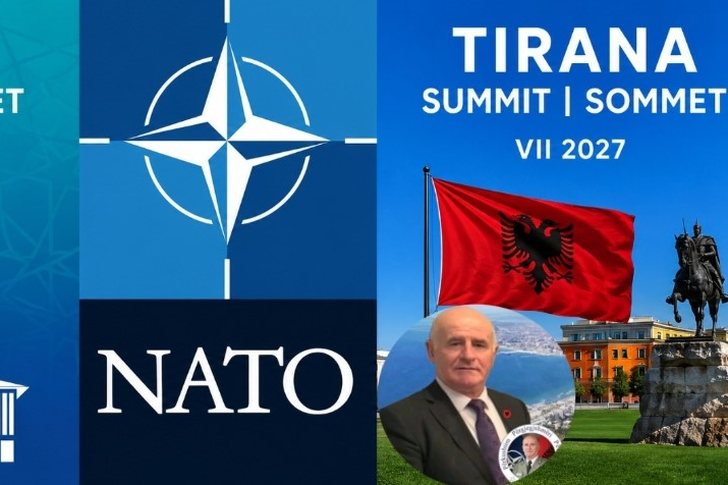
The eyes/attention of chancelleries, institutions, and the...
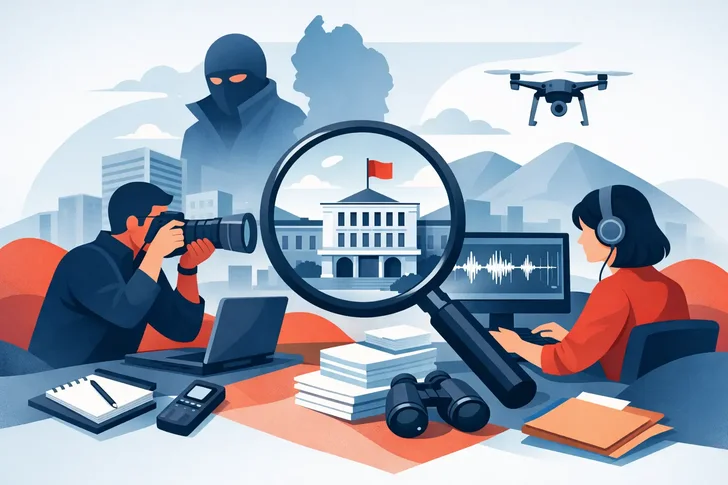
A dubious tender, an unexplained fortune, a construction p...

For 6 months now, CNA has been sending several letters to ...
The word "fatherland" with properties is not enough. The m...
The justice reform claimed that it would bring faster, fai...
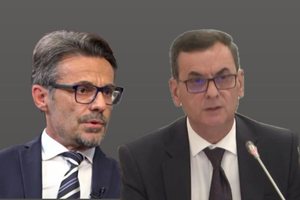
The Justice Reform and the vetting process were trumpeted ...

The Special Board of Appeal (KPA) decided this Monday ...

The KPA vetting decided this Thursday to dismiss the p...

Suela Salavaçi, a prosecutor in the Prosecutor's Offic...

The Special Board of Appeal reinstated the prosecutor ...
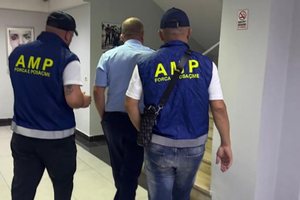
The Police Supervision Agency, Kukës-Dibar Regional Direct...
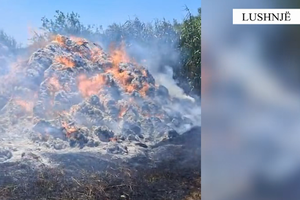
A 57-year-old citizen has been arrested in the village of ...
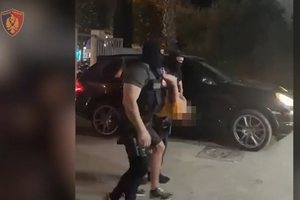
Two citizens with high social risk, wanted by the authorit...
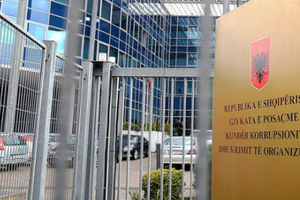
The Special Court against Corruption and Organized Crime h...
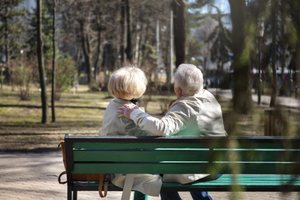
27% of the retirement age population is being pushed inevi...

On Saturday, our country will be affected by stable weathe...
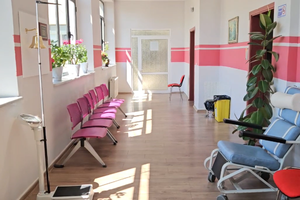
An important investment in the service of patients with tu...
Today our country will be affected by stable weather condi...
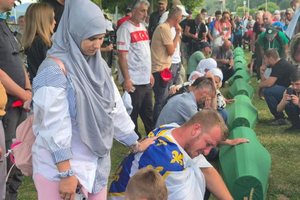
At the Potocari Memorial Center in Srebrenica, on the 31st...
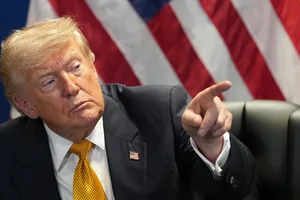
The President of the United States of America, Donald Trum...
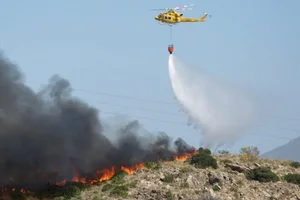
Shërbimet e emergjencës në juglindje të Spanjës vijojnë pë...
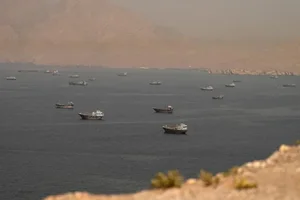
The United States has urged Iran to publicly declare that ...
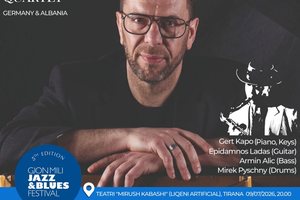
The German Embassy in Tirana has invited the Albanian publ...
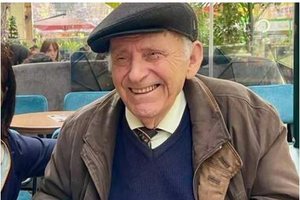
Professor and literature scholar Ali Xhiku has passed away...
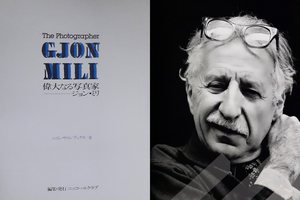
During my research into the life and artistic photographic...
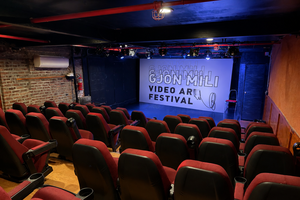
This year's edition of the Gjon Mili International Video A...
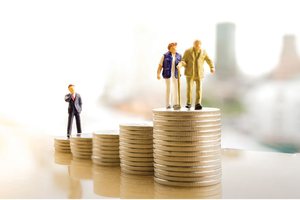
The new old-age pensions in 2025 were on average 16,500 le...
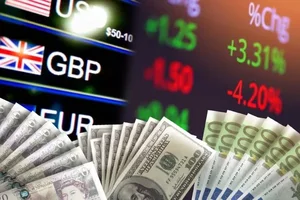
This Saturday, one US dollar is bought for 81.4 lek and so...
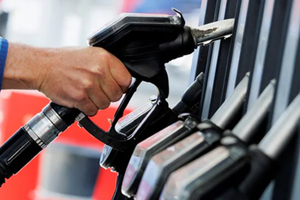
The escalation of the conflict in the Middle East has once...

In addition to food, household appliances, oil, and more, ...