

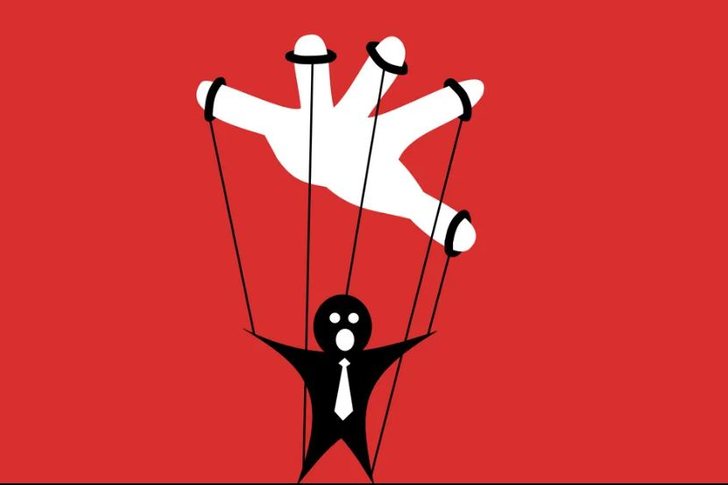
Does power corrupt, or are the corrupt more likely to seek power?
Whether power corrupts a person—or whether a corrupt perso...


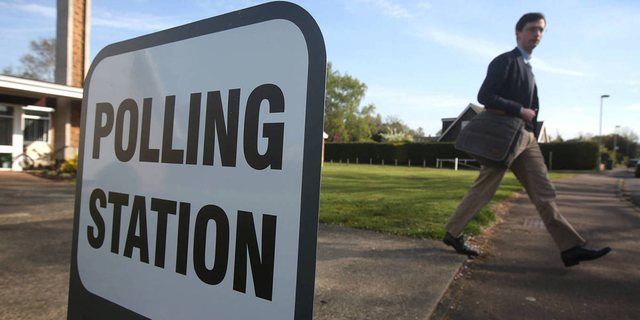
After several years full of anxiety about the backward steps experienced by democracy in many countries of the world, the coming months will tell us a lot about the real state of popular governance around the world. In October, Argentina will elect a new president, who will succeed Alberto Fernandez.
Meanwhile in New Zealand, the Labor-led coalition faces a strong challenge from the opposition bloc led by the National Party.
And in November, the Netherlands will hold snap parliamentary elections to replace Mark Rutte, the country's longest-serving prime minister, whose government was ousted in July.
Great Britain is also expected to hold new parliamentary elections at some point next year. Mexico plans to hold its presidential elections in June 2024, followed by the United States in November and Ghana in December of the same year.

In each of these countries, electoral campaigns have already started. But more than the elections themselves, democracy is at stake. And to function properly, it must provide effective governance for citizens. For this reason, aspiring leaders should start preparing now for their first 100 days in office.
Of course, there is nothing magical about this timeline. Focusing on this initial phase of a leader's governing mandate does not mean that all goals must be achieved by the end of it.
Although this term began to have special significance during the dynamic presidency of Franklin D. Roosevelt in the USA, it is important to note that when FDR won the election of 1932, at the height of the Great Depression, he was not focused on “ The first 100 days".
Instead, he was determined to act quickly and decisively in the face of a desperate situation, swiftly enacting 15 major reforms. Only later did analysts notice how much he had accomplished in just 3 months.
Today, the concept of the "first 100 days" provides a useful framework for future leaders, whose time in office may be over sooner than they realize, and the "honeymoon" with their parties but also coalition partners, may be much shorter than they might have hoped.
During this time, they should focus on 3 main principles.
First, leaders must be clear on the new government's priorities.
This is easier said than done. Politicians address many issues during election campaigns, along with those most important to their political allies and the electorate.
As a result, their agenda often resembles an inventory, rather than a to-do list focused on 3 or 4 main goals. This can have devastating consequences. I remember very well the visit of the former Tunisian Prime Minister Hamadi Djebali to Oxford, shortly after he had resigned from office.
After spending 17 years in prison for his political beliefs, Tunisia's 2011 revolution gave him the opportunity to lead his country. However, he resigned after just 13 months because he felt that despite his ambitious goals, his government had achieved essentially nothing.
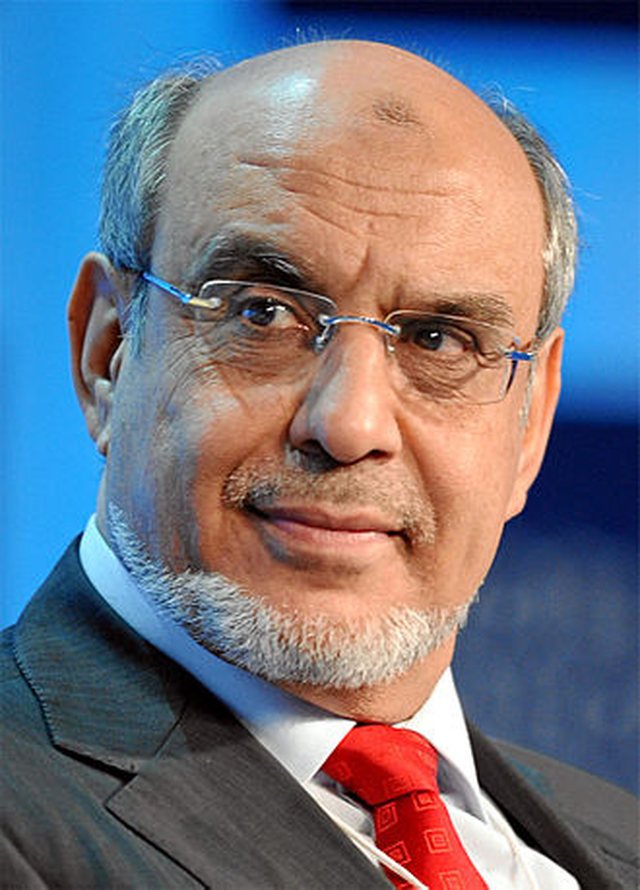
According to Jabali, resignation was the only way through which he could gain the trust of Tunisians. And the lesson from this event is that priorities and strategic planning are crucial for newly elected leaders in office.
Second, proper preparation is vital.
Liz Tras's disastrous 45-day tenure as prime minister of the United Kingdom, which in addition to a political crisis cost the country nearly £30 billion, highlights the potential consequences of taking office without prior preparation.
Meanwhile, Britain's minimum wage, first introduced in 1997
by then-prime minister Tony Blair, is widely hailed as a resounding success. Careful preparation enabled Blair's Labor government to approve the new law and set up a commission made up of experts from the private sector, trade unions and civil society to fine-tune the policy, and adapt it as needed.
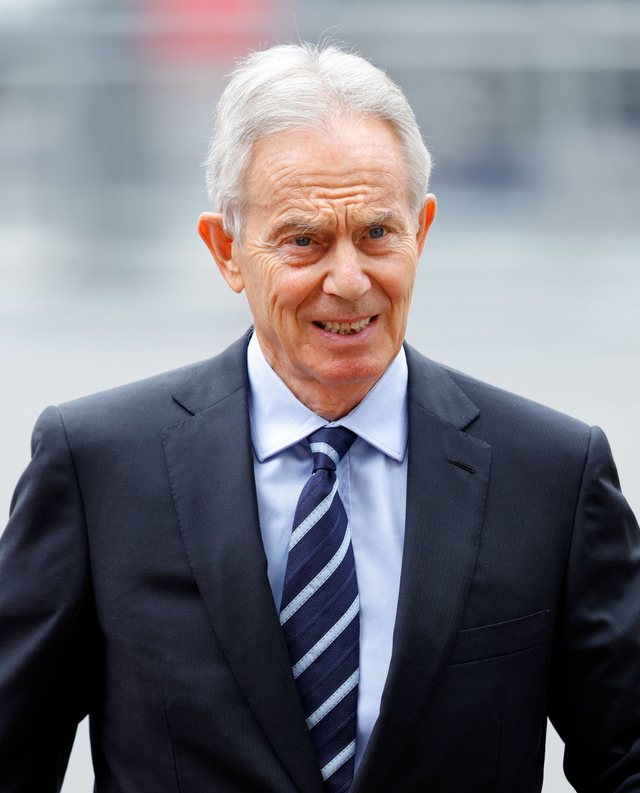
Former Prime Minister David Cameron followed a similar approach when he created the independent Office for Budget Control in 2010. But preparation does not necessarily require detailed knowledge of policies. Effective preparation involves learning from past experiences as well as creating a framework for an adaptable approach that leverages core expertise.
Finally, political leaders preparing for their “first 100 days” must ensure that their staff and aides have the qualities necessary for effective governance. These skills are very different from those developed in the opposition or electoral campaigns.
While the opposition usually focuses on channeling and exploiting public discontent with the government, governance is about finding and implementing practical solutions. Similarly, while election campaigns emphasize image management, effective governance requires rigorous policy management.
Moreover, donors play a crucial role in election campaigns. But when politicians take power, those same relationships can quickly turn into an awkward obligation. For this reason, newly elected leaders must create an effective team that can help them translate their aspirations into tangible achievements for citizens.
For this to happen, it requires the management of public agencies, cooperation with bureaucrats and career experts, the efficient functioning of a diverse cabinet, and the ability to advance new priorities while simultaneously addressing unforeseen crises and ensuring the smooth running of essential government functions.
Future leaders should use their first "100 days" in office to demonstrate their mettle, gain public trust, inspire and motivate public servants, and maintain the support of supporters. theirs and political allies. In democratic systems, transitions are quick and mandates are short in time.
It is therefore very essential to carefully prepare the steps to be taken.
Note: Ngaire Woods, dean of the Blavatnik School of Government at the University of Oxford, England./ Adapted from CNA

Whether power corrupts a person—or whether a corrupt perso...

In January 1989, as a college student, I came here to marc...
It is hard to say when a crisis under a dictatorial regime...
Kur shpërtheu Lufta e Parë Botërore, qindra mijëra burra a...

By Devi Sridhar "The Guardian" In the words of singer Tay...

To say that Aleksei Djumin has had a meteoric rise in his ...
The slowdown in global economic growth is being heavily in...

By Michael Levin "Fox News" I just turned 45... for the 2...
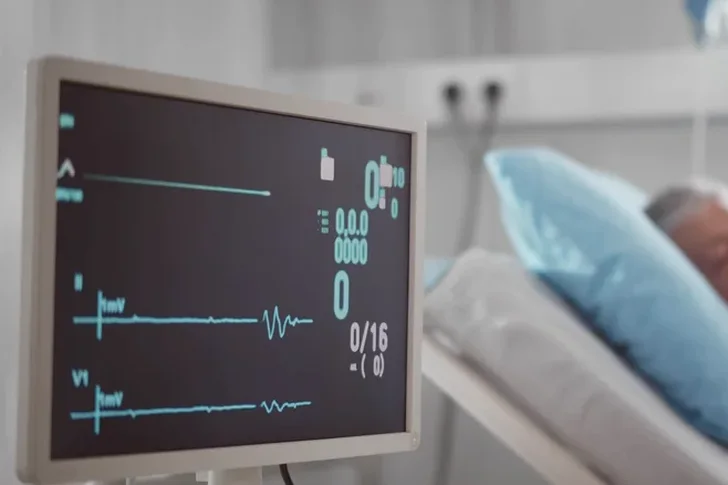
Explaining what happens after death is very complicated be...

The hands tell a lot about the state of health of each of ...
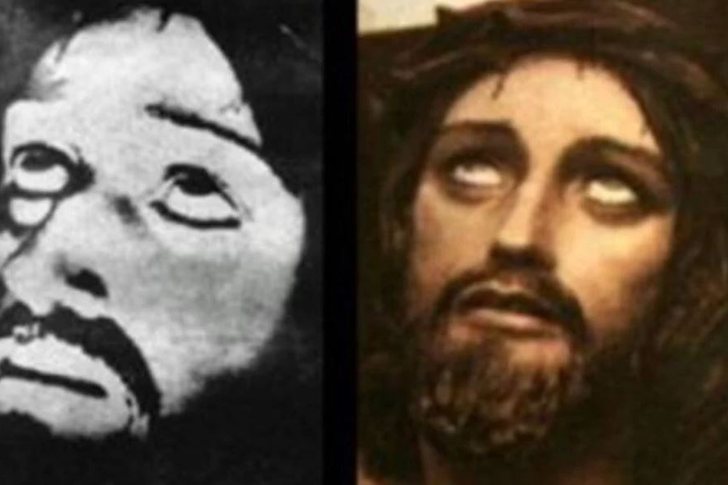
From the still-unsolved disappearance of teenager Emanuela...

Although the legend of El Dorado fueled European ambitions...
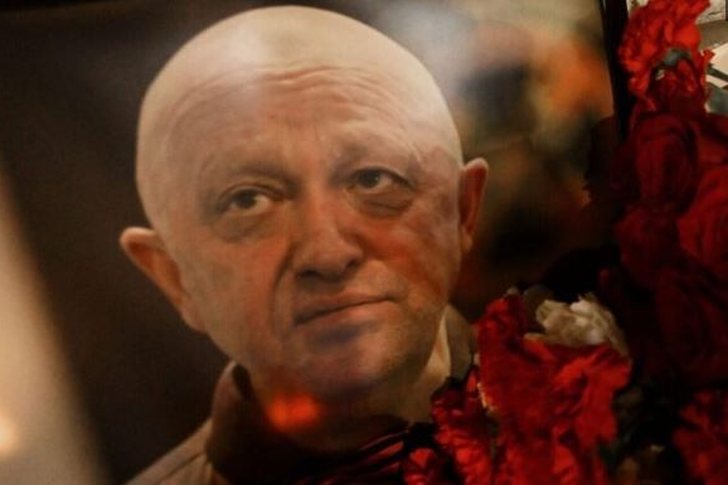
The death of Yevgeny Prigozhin, leader of a large army of ...

The war in Ukraine has brought about a significant reducti...
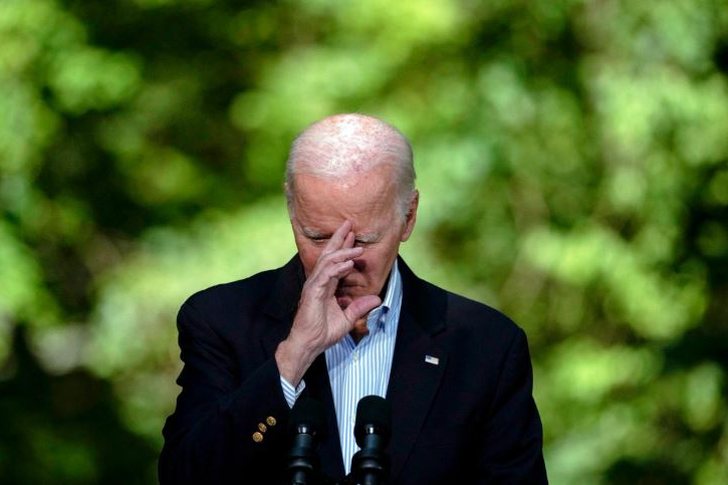
I recently saw an excellent documentary that talked ab...
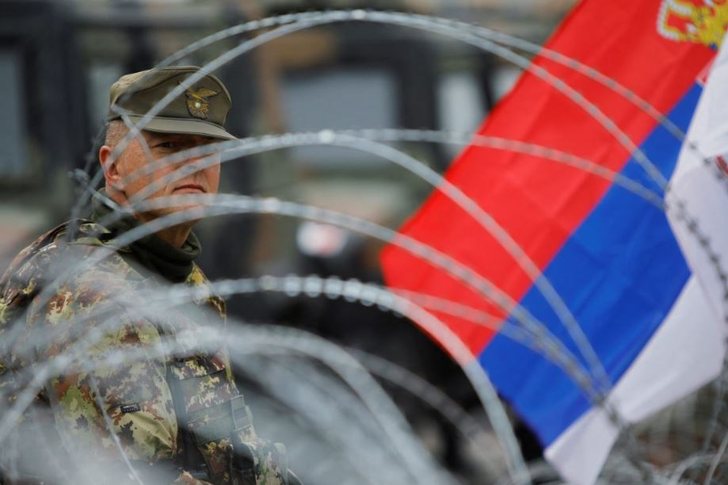
The Western Balkans are once again in trouble. The Serbian...
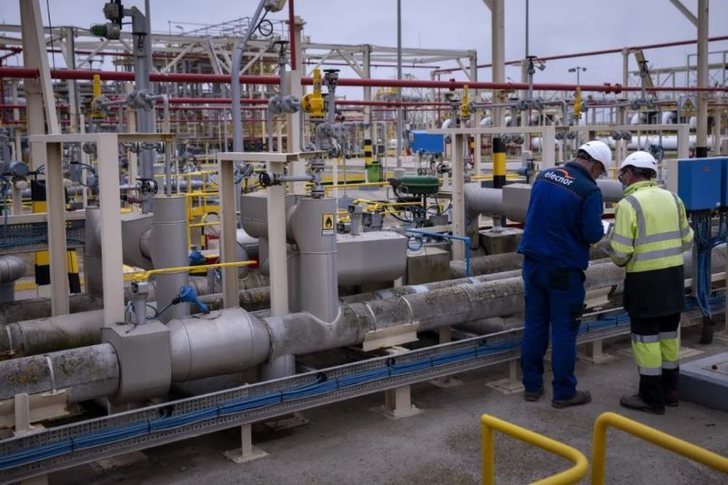
Rezervat e gazit natyror në Evropë janë pothuajse plot. Ko...

What we are going through is another hellish summer. A dou...
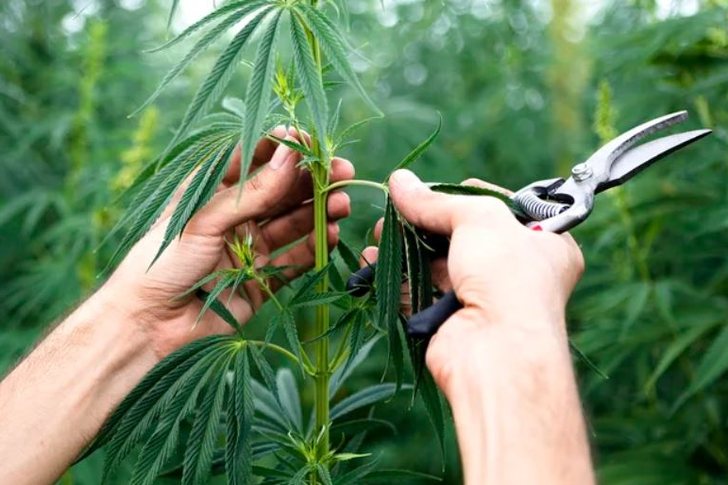
Marijuana or cannabis as it is more commonly known has a v...
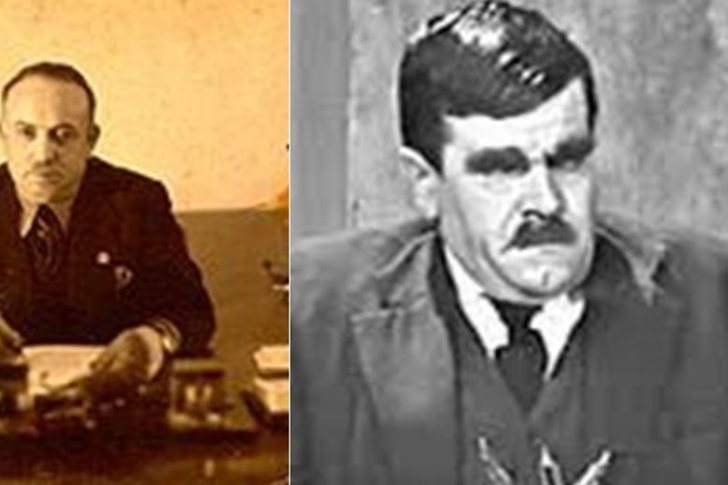
During the work for the preparation of the book "100 m...

A 39-year-old citizen has been arrested in Lezha, after se...

CNA has launched another investigation that could lead to ...

Irfan Hysenbelliu is a businessman that we call "Irfan the...

In March 2026, CNA launched another investigation centered...

The Special Board of Appeal (KPA) decided this Monday ...

The KPA vetting decided this Thursday to dismiss the p...

Suela Salavaçi, a prosecutor in the Prosecutor's Offic...

The Special Board of Appeal reinstated the prosecutor ...
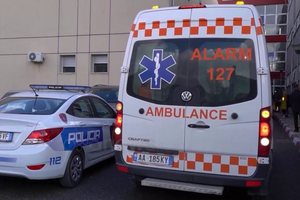
Several gunshots were reported today in the village of Gjo...

Following the successive operations carried out by the ope...
The Police Supervision Agency has seized the service weapo...

A serious incident occurred in Lushnje, where citizen IY, ...

As the year 2026 is in its second half, the world is exper...

Today, our country will be under the influence of stable a...

By noon, cloudiness is expected to prevail in almost all o...

Children without parental care, for whom alternative famil...
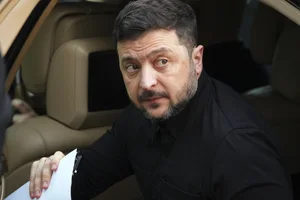
Ukrainian President Volodymyr Zelensky said Russia wants t...
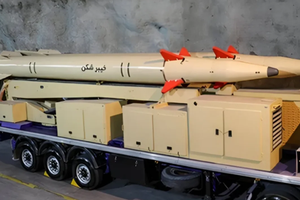
Iran is adapting and enhancing the capabilities of its bal...
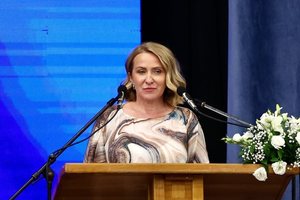
Serbia's Minister of State Administration and Local Self-G...
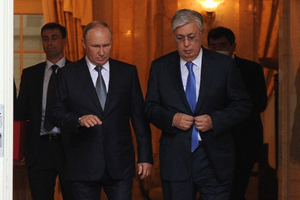
Kazakh President Kassym-Jomart Tokayev shared some critici...
Two windows, a century of history and the metaphysics of p...
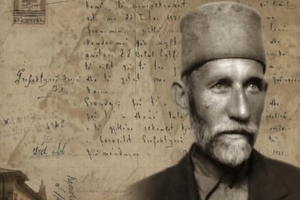
In my research at the Central State Archives, specifically...

At a time when industrial products are increasingly taking...

Trust among people is not just a three-syllable word. It c...
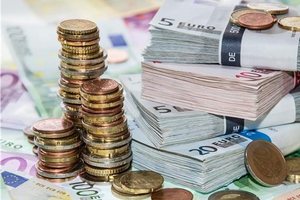
This Saturday, one US dollar is bought for 81.7 lek and so...
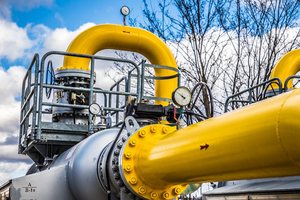
War, weather and supply disruptions could send gas prices ...
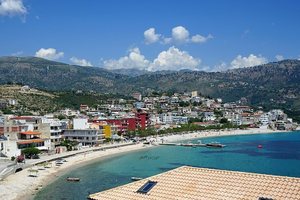
The number of active enterprises in Albania continued to g...
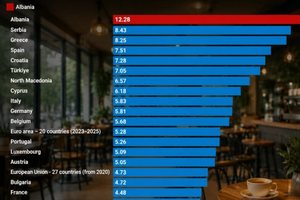
In Albania, the bar-cafe has long become an almost unique ...