




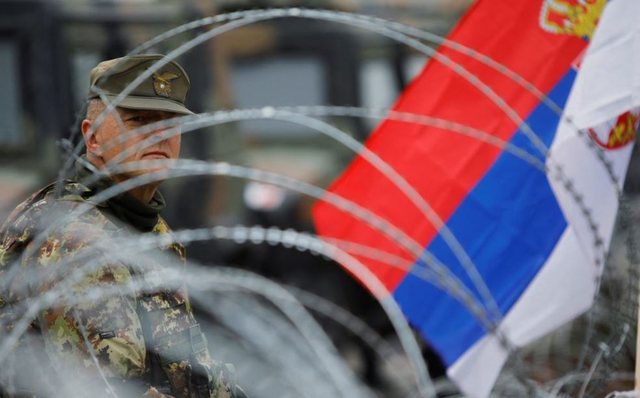
The Western Balkans are once again in trouble. The Serbian president, Aleksandar Vucic, misreads the Serbia-Kosovo conflict as a "pogrom" against the Kosovo Serbs, while denying any responsibility for the escalation of the crisis.
What's worse, Western officials continue to tolerate the Balkan autocrat, ignoring his reckless behavior that is openly threatening the region with new instability. The new wave of violence left at least 25 NATO troops injured by Serb protesters in northern Kosovo in May, and has forced their reinforcement with additional forces.
But instead of hitting the source of instability, Kosovo is facing the pressure of
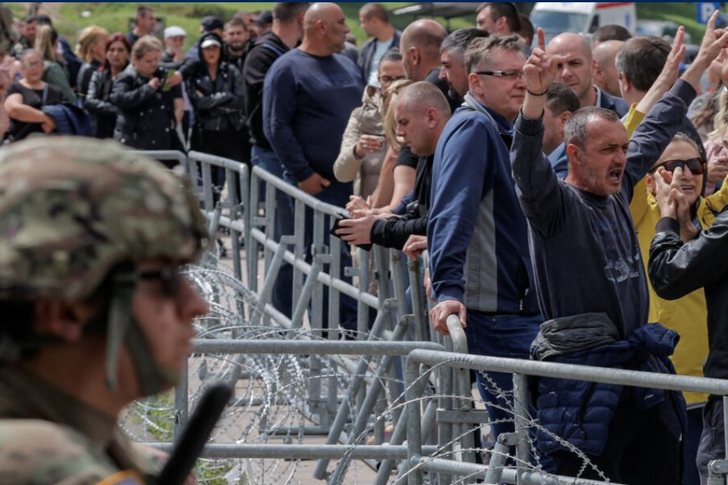
the European Union and the USA to create an association/community of Municipalities with a Serbian majority (A/CSM), to represent the troubled areas of northern Kosovo. This issue will come to the fore again in September. Protests by Kosovo Serbs erupted when Pristina tried to facilitate the assumption of office by
democratically elected Albanian mayors of northern municipalities.
But the move was unpopular among Kosovo Serbs because Lista Serbe, a party in Kosovo closely linked to Vucic's Serbian Progressive Party, campaigned to boycott the vote, leading to a turnout of just 3.5 percent. The elections were recognized by the USA as being "in accordance with the constitutional and legal requirements of Kosovo".
But in response to the violence that erupted later, Western officials imposed restrictions on Kosovo conducting joint military exercises with Serbia, sidestepping criticism of Vucic for fomenting the crisis. Now Western officials are increasing the pressure on Kosovo to establish an A/CSM, do you say that the latter is the magic formula that ends the Serbia-Kosovo conflict. Recently, EU High Representative Josep Borrell threatened that failure to establish A/CSM "will have serious consequences for EU-Kosovo relations".
However, no evidence supports a causal link between the creation of an A/CSM and the end of the Serbia-Kosovo conflict. Since in exchange for the establishment of the community, Serbia is not obliged to recognize the sovereignty of Kosovo, which is actually the main cause of the conflict. Paradoxically, this body would offer Serbia more opportunities to create instability in Kosovo.
In the beginning, the vision of A/CSM was to dissolve the parallel governmental structures (Serbian) and strengthen the state of Kosovo. But in practice, Serbia is promoting the creation of an institution with executive power, which will weaken Kosovo's sovereignty, provide a platform where an increasingly authoritarian Serbia will increase its influence in Kosovo, and promote further ethnic tensions in a region where political leaders can usefully focus on building multi-ethnic democracies.
In 2015, the Constitutional Court of Kosovo examined the defined powers of the A/CSM, as provided by the Brussels Agreement of 2013, and especially the constitutionality of the right to "change the legislation" and to receive financial support from Serbia with many little supervision from Pristina. The exact nature of this body is currently still under negotiation. On May 2, Prime Minister Albin Kurti discussed a draft concept with Vucic and the EU Special Representative for the Belgrade-Pristina Dialogue, Miroslav Lajcak, and their responses are still awaited.
It is very likely that Serbia will withdraw from maximalist demands for executive powers. However, the creation of another ethnically based entity will open Pandora's box. It sets a dangerous precedent in the Balkans and beyond, especially considering that the revanchist ideas of Greater Serbia and Greater Croatia are not dead. Even 3 decades after the Yugoslav Wars, Serbian nationalists continue to promote the Serbian world (Sprski Svet), which is analogous to the Kremlin-backed imperialist concept of the Russian world (Russkii Mir).
Critics worry that A/CSM will be comparable to the political autonomy enjoyed by the Republika Srpska in Bosnia and Herzegovina, where it consistently pushes an extremist and politically destructive agenda while awarding medals of honor to Vladimir Putin. In the absence of Serbia's recognition of Kosovo's independence, A/CSM will only provide a
platform to further delegitimize and undermine Kosovo's authority. Vucic often "escalates" the situation in Kosovo to "de-escalate" the internal situation in Serbia or to get what he wants at the negotiating table.
Given his authoritarian trajectory, this should seriously worry Western brokers. Furthermore, as a matter of precedent, should every minority group in the Balkans be allowed autonomous governance structures? What would happen to the Vojvodina region of Serbia, which has at least 24 ethnic groups? Where should the dividing line be removed?
The concept according to which different groups cannot live in harmony among themselves, portends trouble for the future of democracy in the Balkans. Wild ethnic violence has plagued the region for decades, while policies based on ethnic divisions do not encourage inter-ethnic cooperation.
And as we have seen many times in Bosnia and Herzegovina, the constant threat of secession leads to instability. In turn, these political configurations create space for Russia to propagate and spread false information and undermine the democracy of countries in the region.
The EU's assumption that Serbia can be induced to end conflicts through EU membership ignores reality. Because it is a fact that today only 33 percent of Serbs are in favor of joining the union. Under these conditions, the temptation of the "carrot" offered by the EU is questionable, and Vu?i? has no major incentive to resolve the conflict, especially after the formation of the A/CSM.
Kosovo will be worse than when the negotiations started a few years ago. Western allies must understand that such a community of almost multi-ethnic municipalities will not reduce tensions between the two countries. On the contrary, it will further strengthen the influence of the autocratic regime of Vucic. Instead of reprimanding a new democracy for defending its sovereignty, Western diplomats should stand by Kosovo's side in its struggle for a multi-ethnic and liberal democracy. The ultimate goal should be to strengthen a pluralistic democracy in the Balkans and not to undermine it./ Adapted in Albanian by CNA




Rezervat e gazit natyror në Evropë janë pothuajse plot. Ko...
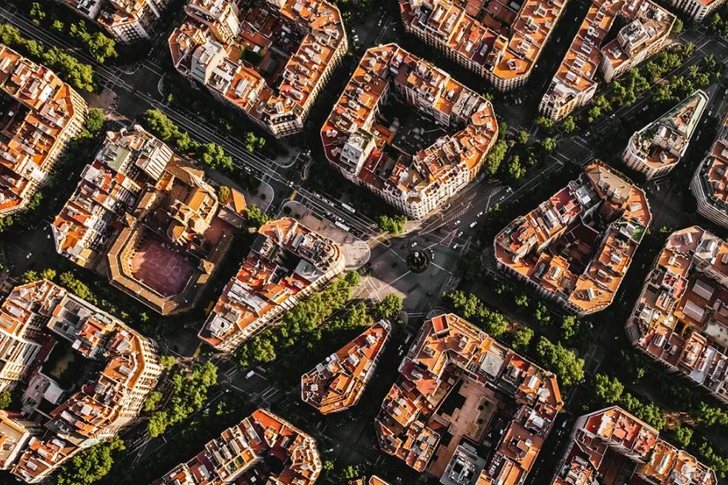
What we are going through is another hellish summer. A dou...
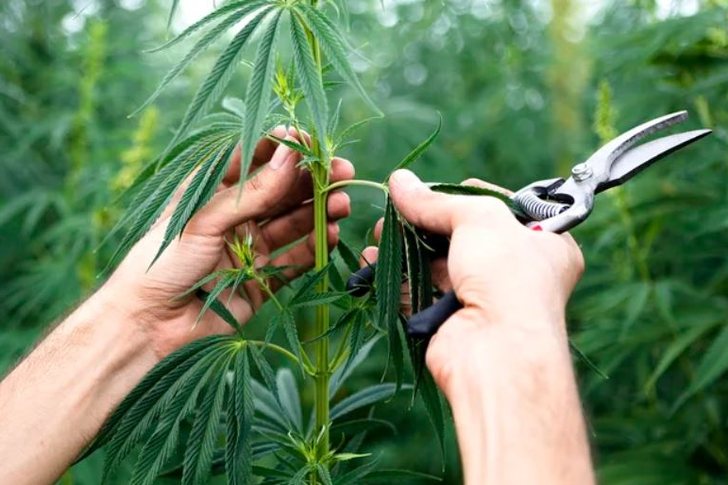
Marijuana or cannabis as it is more commonly known has a v...
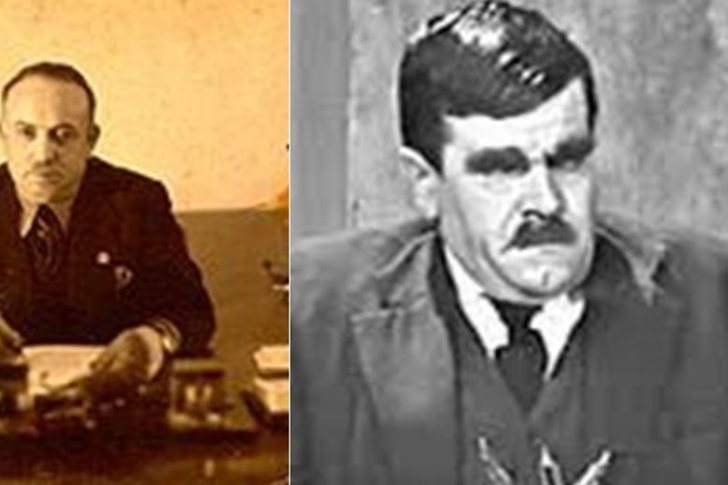
During the work for the preparation of the book "100 m...
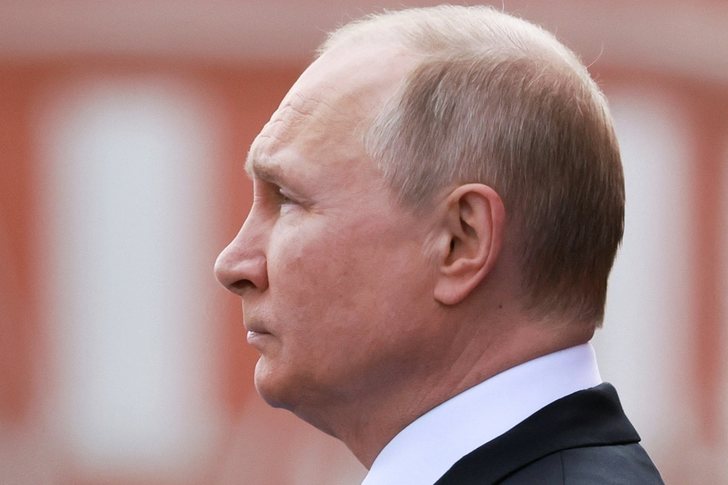
Jevgeni Prigozhin, dikur njeriu shumë i besuar i presi...
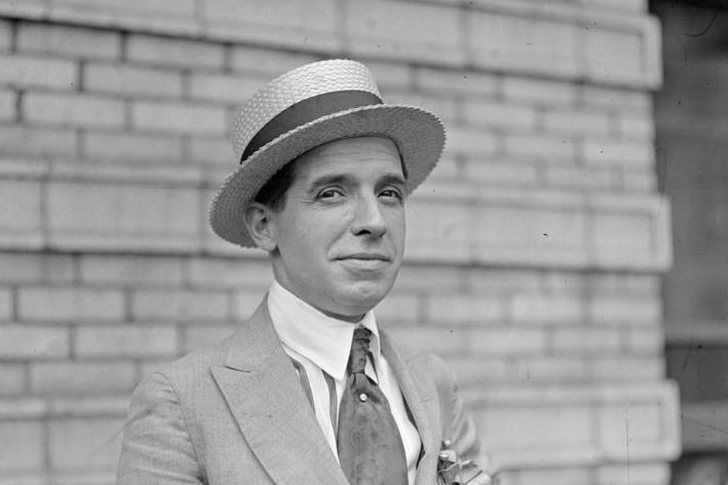
From Simple Immigrant to Financial Wizard: The Story of Ch...
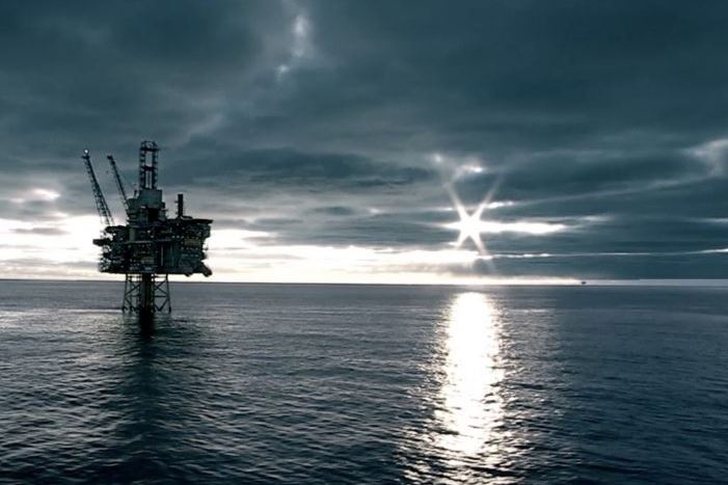
The Global Government Pension Fund was created after Norwa...
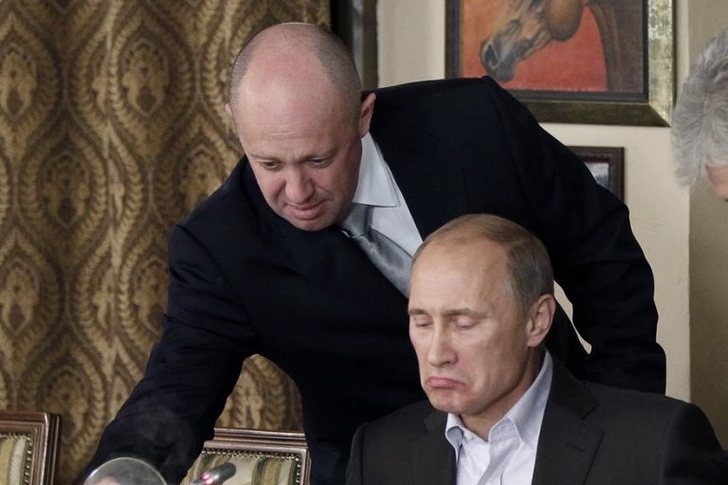
Only today it is understood how much desperation was in th...

Një antropolog australian, pretendon se fytyrat tona “...
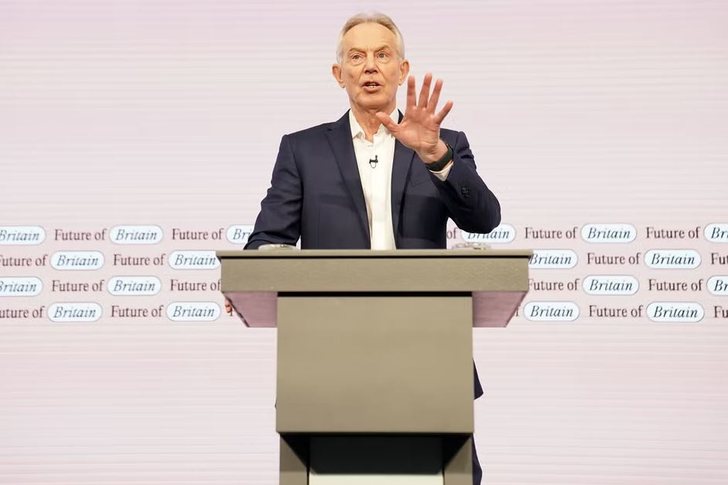
Tony Blair's post-prime ministerial career is different. O...
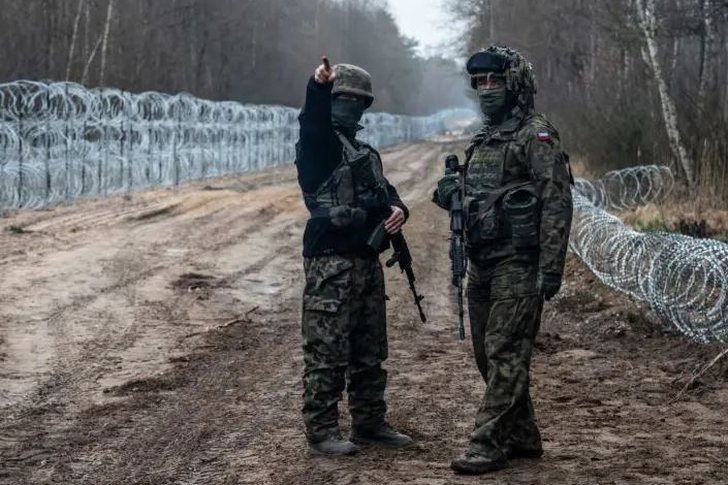
Thousands of troops mobilized and open nuclear threats. Th...
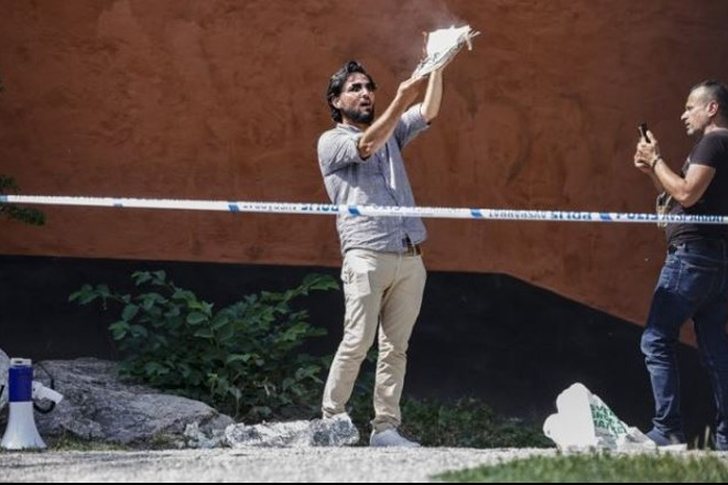
What Sweden is experiencing this summer, after a series of...

"Your place is in the kitchen!", "It's your own fault,...
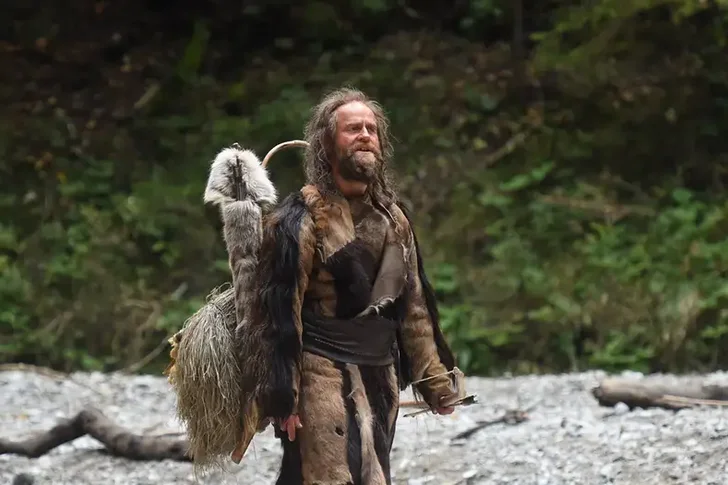
Bald, black-eyed and very dark-skinned: genome analysis re...
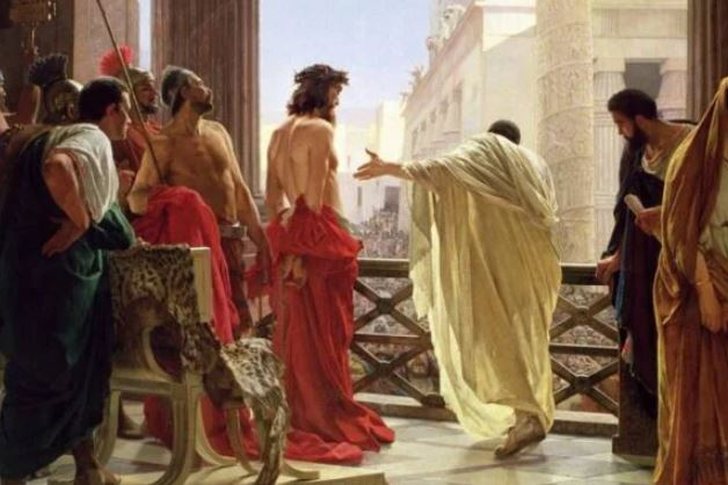
Pontius Pilate was for nearly 10 years the Roman governor ...
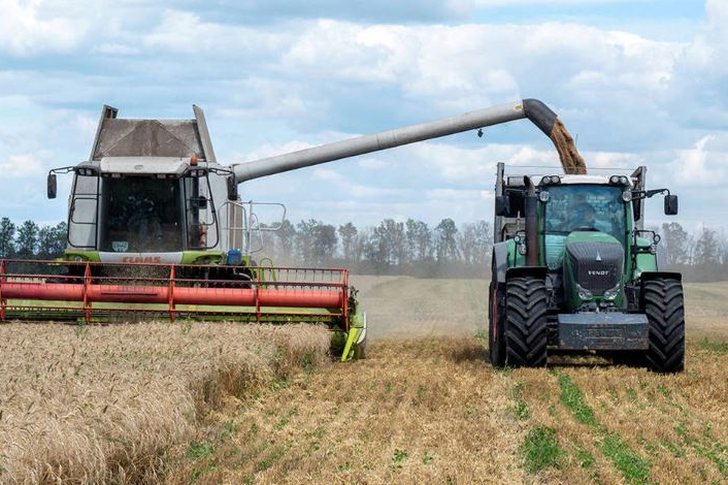
The Covid-19 pandemic and the war in Ukraine have caused c...
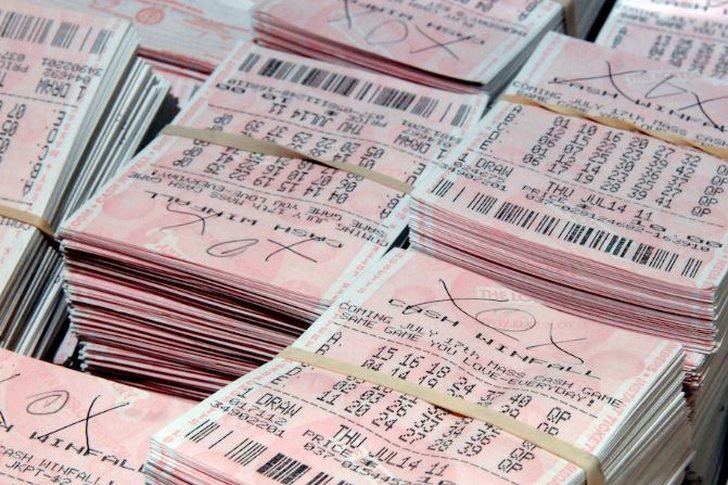
On the afternoon of February 15, 1992, state lottery o...
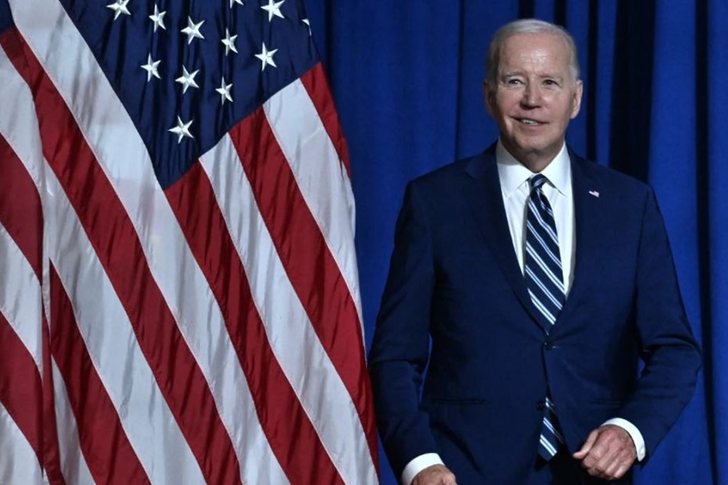
Eighteen months after Russia's complete invasion of their ...
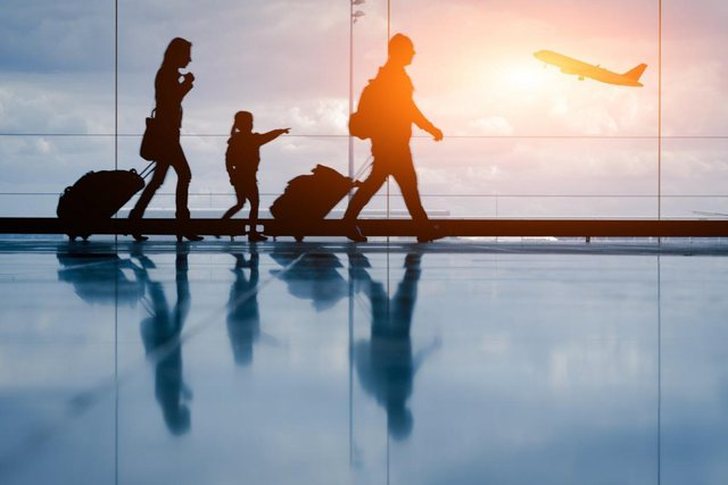
Illegal immigration is an intractable problem, not bec...
In the terribly complicated politics of the Western Balkan...
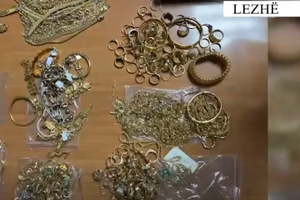
A 39-year-old citizen has been arrested in Lezha, after se...

CNA has launched another investigation that could lead to ...

Irfan Hysenbelliu is a businessman that we call "Irfan the...

In March 2026, CNA launched another investigation centered...

The Special Board of Appeal (KPA) decided this Monday ...

The KPA vetting decided this Thursday to dismiss the p...

Suela Salavaçi, a prosecutor in the Prosecutor's Offic...

The Special Board of Appeal reinstated the prosecutor ...

Several gunshots were reported today in the village of Gjo...

Following the successive operations carried out by the ope...
The Police Supervision Agency has seized the service weapo...
A serious incident occurred in Lushnje, where citizen IY, ...
As the year 2026 is in its second half, the world is exper...

Today, our country will be under the influence of stable a...

By noon, cloudiness is expected to prevail in almost all o...

Children without parental care, for whom alternative famil...
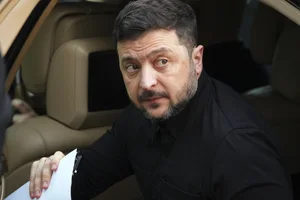
Ukrainian President Volodymyr Zelensky said Russia wants t...
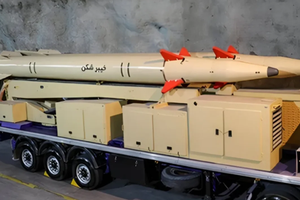
Iran is adapting and enhancing the capabilities of its bal...
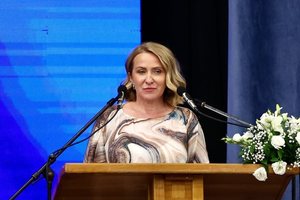
Serbia's Minister of State Administration and Local Self-G...
Kazakh President Kassym-Jomart Tokayev shared some critici...
Two windows, a century of history and the metaphysics of p...
In my research at the Central State Archives, specifically...

At a time when industrial products are increasingly taking...

Trust among people is not just a three-syllable word. It c...

This Saturday, one US dollar is bought for 81.7 lek and so...
War, weather and supply disruptions could send gas prices ...
The number of active enterprises in Albania continued to g...
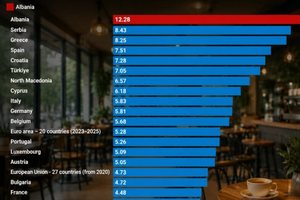
In Albania, the bar-cafe has long become an almost unique ...