


It was created after the discovery in 1969/ How Norway's "Oil Fund" works
The Global Government Pension Fund was created after Norwa...


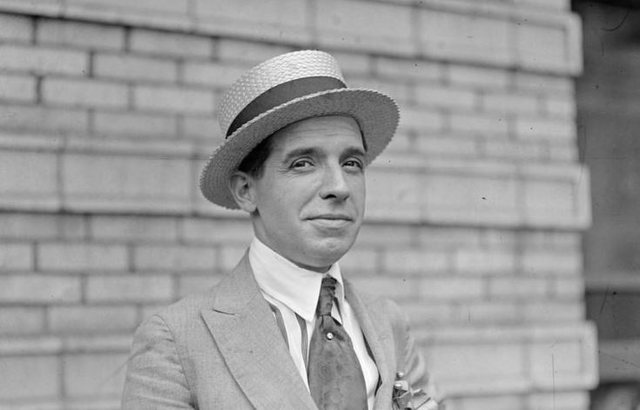
From Simple Immigrant to Financial Wizard: The Story of Charles Ponzi, Who in 1920s Boston Created the Financial Scam of the Century
On August 10, 1920, the Kiwanis Club housed all of Boston by weight. At the end of dinner, as the whiskey begins to flow, the man invited from the club, the man the whole town has been talking about for a year, steps up to the podium. It's Charles Ponzi, the 50 percent wizard as the press calls him.
At the time of Kiwanis's invitation, there was no National Banking Commission investigation, the Boston Post had not yet begun its campaign, and Ponzi was the only man capable of creating money out of nothing, making everyone rich at a speed like no other, not even Wall Street, which was beginning to recover from the Great Panic of 1907, was able to offer.
Even on August 10, despite everything, after his discussion there are queues of club members who want to hand over their money to Ponzi.
Because Charles Ponzi, from the time when he was called Carlo and lived in Parma, is a man who knows how to talk: « One day I discovered that international response bonds were sold abroad for the equivalent of 6 cents and could then be converted into US stamps with higher value. So I just had to count how many of these I need to make 1 million".
Answered promissory notes were a recent innovation, dating back to 1906, that in a world of great migration (especially to the United States) had enjoyed immediate success: who wrote to distant relatives or companies contacting suppliers or customers abroad country, attached the payment for the answer to the letter. But not being able to buy stamps printed from another country, they had to resort to these bonds (which still exist today, the current model is Beijing Modèle No. 2), which were then stamped with local stamps.
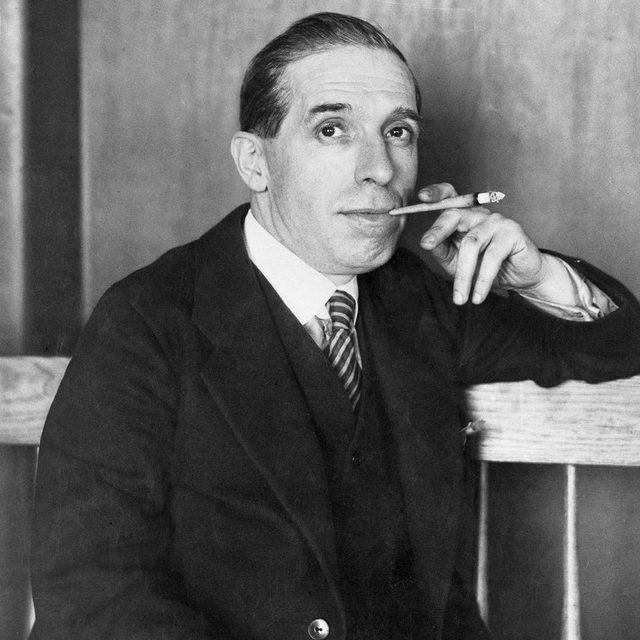
The audience of the Kiwanis Club listens, but even those who have already benefited from the perfect Ponzi scheme have difficulty following his reasoning, until the financier gives them an example with numbers: "I take 1 dollar, with the exchange today I secure 18 Italian lire , which is enough for me to buy in Italy 60 bonds with international answers, which I then convert in the United States for 3 dollars» . A pure profit yield of 200%. There is nothing illegal, "at most a little ethical" Ponzi himself will admit on another occasion. It exploits the rigidities of the postal system, what economists call arbitrage opportunities, and produces money that benefits everyone.
Two days later, on August 12, Charles Ponzi is arrested. Everyone suspected that the Ponzi scheme was almost too perfect to be honest, but the first to smell where the trick lies is Clarence Barron, the chief financial editor of the "Boston Post", one of the most famous economic journalists of those years. A little calculation is enough, writes the front page of the newspaper on August 11, to understand that the entire world supply of international responsive bonds is lower than what Ponzi would serve (at least $200,000 in coupons) for secure the profits it promises. The next day, Edwin Ride, the National Banking Commission inspector investigating the Ponzi scheme, confirms that the wizard from Parma has only bought $30 worth of coupons in his entire career. The rest is a paper pyramid.
Ponzi founded his company in 1919, which is called the Securities Exchange Company, whose acronym SEC is the same that would later identify the Stock Exchange Vigilance Commission, to invest in postal coupons. In the monetary chaos of those years, with the Federal Reserve having existed for a while and not yet having a monopoly on currency, Ponzi began to mint currency, the famous Investors Notes, or IOUs.
Those who hand over less than $100 to the Ponzi receive a green IOU, orange for those who invest between $100 and $1,000, and blue for larger amounts. After 90 days, Securities promises $1.50 for every dollar invested. Many are skeptical and Ponzi raises the bar: the same yield, 50 percent, but after only 45 days. In 3 months he collects $30,000, the success is such that he can afford to hire agents who earn a commission for every IOU they manage to sell. A decision that is also a necessity: because only by continuing to accumulate investments, the Ponzi can pay the promised returns to the first customers.

But the crucial trick is another: the money is paid only to the one who wants to quit the game, others can leave it in the hands of Ponzi and watch it grow by 50% every 3 months. Very few are satisfied, almost all prefer to confirm the investment. The result: when Ponzi ends up in prison, he has 2 million in assets and 7 million in liabilities, an extraordinary amount for the time. The story of postal bills is just bait, the real business was the debts. The Massachusetts State Banking Commission blocks Securities activities immediately after Ponzi's arrest and investors lose everything. Even the bank that managed the technical side of the operations, Hanover Trust, is closed: "We knew nothing", its managers swear. They too were deceived by Ponzi schemes, even by the commissions they earned for each transaction.
Ponzi has always been good at this: to inspire confidence, to attract, to provide with the way of behavior with the appearance, with an outfit and with a hat that is always a little expensive. Suits were also a high-yield investment for Ponzi. Ever since he goes to study Law in Rome, leaving his family in Parma: he plays, bets, frequents the best bourgeoisie that he, the son of a postman, cannot afford. One day he tells his friends that he is ready to ask Pertejokean for wealth. In reality, his parents told him that he would still only get one ticket to cross the Atlantic. Just go. The beginning is very bad: he starts working for an uncle in America, which in his case is just a fruit and vegetable seller. The activity goes bankrupt in a few months.
Maybe he'll do better in Canada. Carlo Ponzi, now Charles, arrives in Montreal in 1907, while on Wall Street the well-known JP Morgan is only seeking to bring calm to an economy terrorized by a repeat of the Great Panic of 1873 that devastated a lot of wealth. Ponzi is hired by Louis Zarossi, from whom he will learn a lot: Banco Zarossi is in trouble, to attract customers it promises an interest on deposits of 6 percent instead of the market rate of 2 percent, but the money is invested in bonds treasuries that yield only 3 percent. Zarossi recovers by stealing remittances that immigrants, especially Italians, send home through his bank. When he is discovered, he flees to Mexico.

Meanwhile, Ponzi managed to steal a blank check from one of the bank's customers. He fills it ($423.58, very suspicious of a bogus check), buys a new suit with the money, and pays for his return trip to the United States. But before he can cross the border, he is arrested and sent to Saint Vincent de Paul prison. The story would appear in the "Boston Post" of August 11, 1920, on the eve of his arrest, dealing the final blow to his credibility. "My friend didn't know anything, I'm especially sorry for her," says Ponzi to the "New York Times".
"It's not true," rejects Rose Marie Gnucco, a stenographer whom Ponzi married in 1910 after he got out of prison and moved to Boston. "I knew everything from the beginning, no problem. I even hope that now he will be penniless so that I can demonstrate to him how strongly and truly I love him".
Securities season over, bodyguards and custom suits gone, Ponzi finds himself destitute: unable to afford a lawyer and defending himself in the process. His main argument is that he never wanted to deceive anyone and the demonstration, he emphasizes in the session, is that "even this morning I received a letter from an individual who will offer me 5500 dollars to invest". The judge is not insensitive to the Italian's eloquence, charges of fraud are dropped, but the verdict is still 5 years in prison. With good behavior, they become 4.
When he gets out of prison, in 1924, Ponzi is already a new man, changes his name - Charles Borelli - and jumps into real estate speculation in Jacksonville, Florida. The technique has not changed: he asks for financing, he promises to pay 200% of the invested capital within 60 days, since he knows which land to buy (in the swamp, pork will not be revealed until later) at a good price to then resold in smaller lots at a huge profit. But two years later he is back in prison, breaking rocks in Rainford, after violating the Florida state law that prohibits private individuals from issuing debt and for a series of other administrative irregularities.
No biggie, so just pay a $1,500 bail and the Ponzi is out awaiting trial. Only now her name is Andrea Luciana, she has a shaved head and sports a pair of mustaches like those that are back in fashion. On the Jacksonville beach, he leaves clothes and a piece of paper explaining the suicide of former Charles Borelli. He manages to get on a ship to Italy, but before leaving the territorial waters he is arrested again: he confided his true identity to a fellow Italian, but who was a relative of several victims of the great voucher fraud and thus reports to the commander.
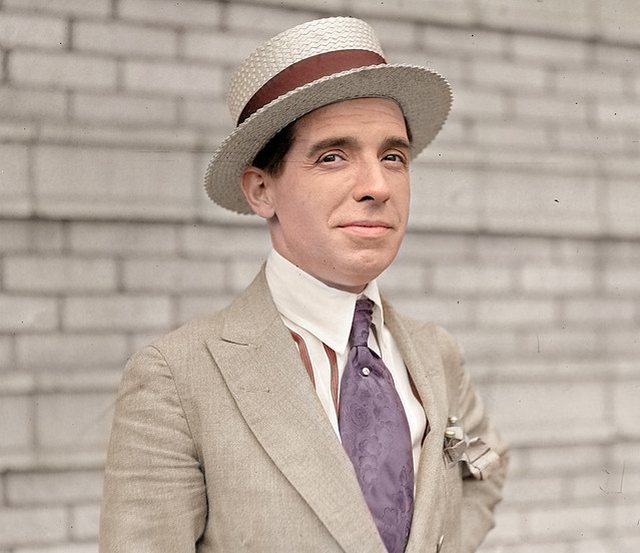
The story becomes hazy, Ponzi is no longer a financier, for the newspapers he has been relegated to the category of small fraud, from the front page to the short news. But what is known is that in 1934 he was again a free man and with a ticket, this time only with one way, for the transoceanic passage to Italy. The United States expelled him, but Benito Mussolini's government found him a place in the Ministry of Finance. In the homeland, only a faint echo of his enterprises has come, Ponzi uses it and warns as a star that he is writing an explosive autobiography, it will be an unprecedented editorial success, but for this he needs an initial capital for expenses: a business sure, only 1000 shares costing $20 each, the yield will be 100 percent after publication.
But now even those who do not know Charles know what has entered the financial jargon as "Ponzi scheme" and no one believes him. Some small Ponzi scheme still manages to do it and, to escape it, the regime finds a place in the Rio de Janeiro headquarters of LATI, Linee Aeree Transcontinentali Italiani. A few months later, Ponzi discovers that a job at the airport is linked to international smuggling, a temptation he succumbs to and which costs him his layoff in 1942. 7 very long years: unemployment benefits, lessons English for a little money and some seasonal work as an inspector of ships entering the port, a stroke that leaves him almost blind and half-paralyzed. Charles Ponzi dies in a Rio hospital in 1949. But not without heirs.
60 years later another financial wizard who promised incredible but safe returns begins to preoccupy investors already engulfed by the subprime loan crisis. When he self-declares to the SEC, this time the Securities and Exchange Commission that watches over the stock market, he introduces himself like this: "I'm Bernie Madoff, my investment fund is actually a Ponzi scheme." The scam is only $50 billion this time….

Phase 1
An investment with higher yields than the market percentages, in short terms: with this promise it attracts the potential customer.
Phase 2
Part of the invested amount is practically returned in a short time: the system seems to work.
Phase 3
Word of profitable investment spreads, attracting new customers. The interest and repayments required are paid with the money collected from new customers (investors do not know that finance has no social capital).
Phase 4
The mechanism is "blown up" when the reimbursement requests exceed the new pours./ Bota.al

The Global Government Pension Fund was created after Norwa...
Only today it is understood how much desperation was in th...

Një antropolog australian, pretendon se fytyrat tona “...

Tony Blair's post-prime ministerial career is different. O...

Thousands of troops mobilized and open nuclear threats. Th...
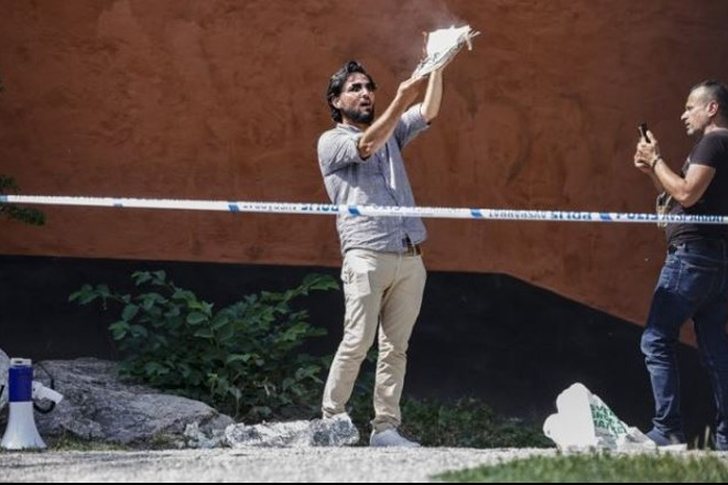
What Sweden is experiencing this summer, after a series of...

"Your place is in the kitchen!", "It's your own fault,...

Bald, black-eyed and very dark-skinned: genome analysis re...
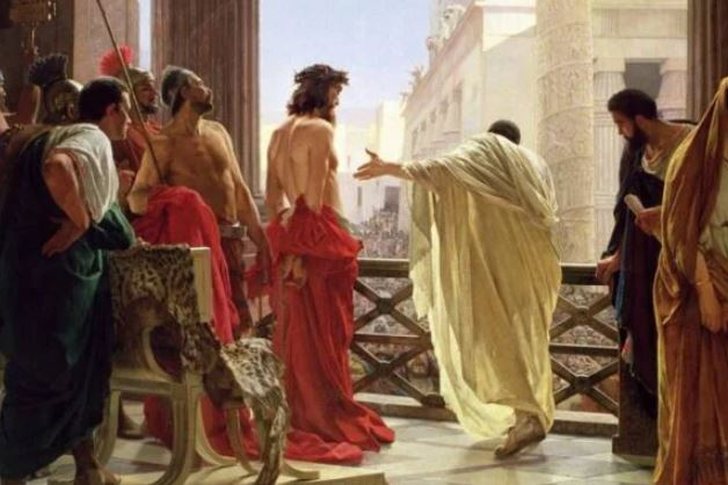
Pontius Pilate was for nearly 10 years the Roman governor ...

The Covid-19 pandemic and the war in Ukraine have caused c...
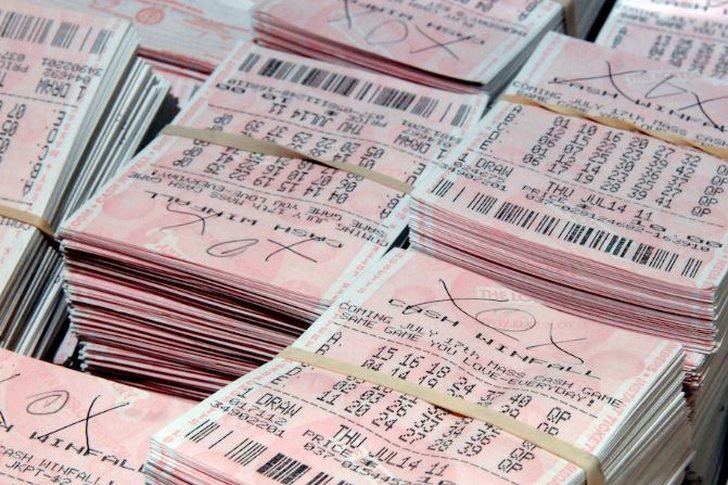
On the afternoon of February 15, 1992, state lottery o...
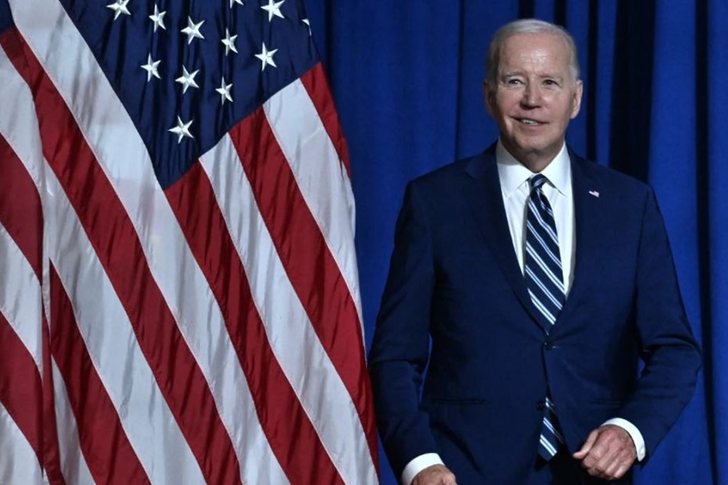
Eighteen months after Russia's complete invasion of their ...

Illegal immigration is an intractable problem, not bec...

In the terribly complicated politics of the Western Balkan...
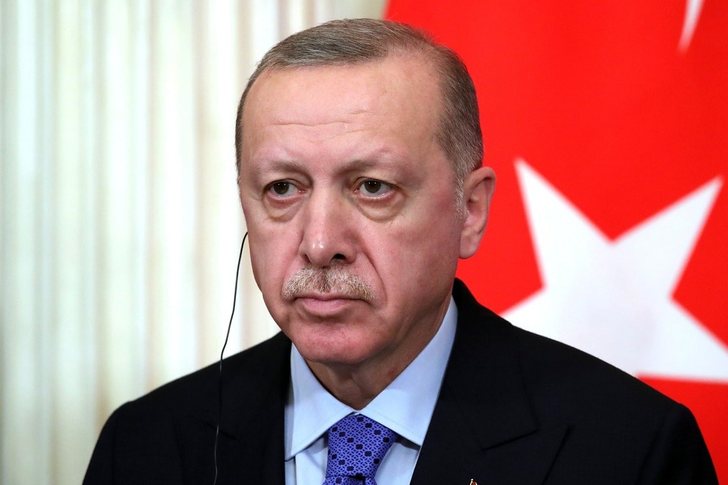
Turkish voters re-elected Recep Tayyip Erdogan for a t...
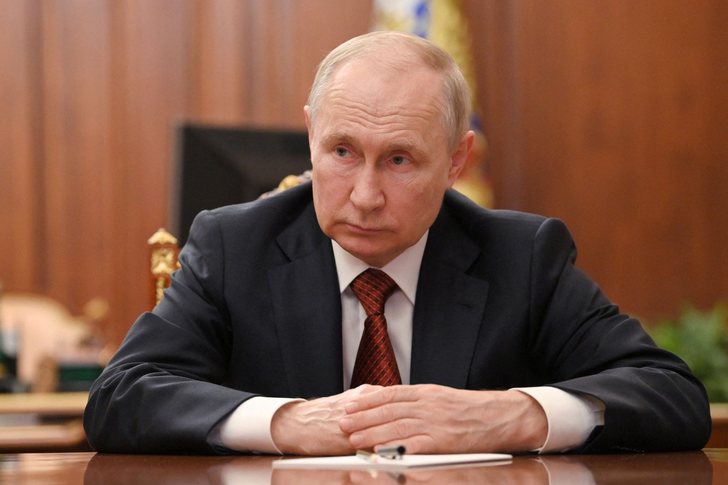
While Vladimir Putin generally shies away from overt threa...
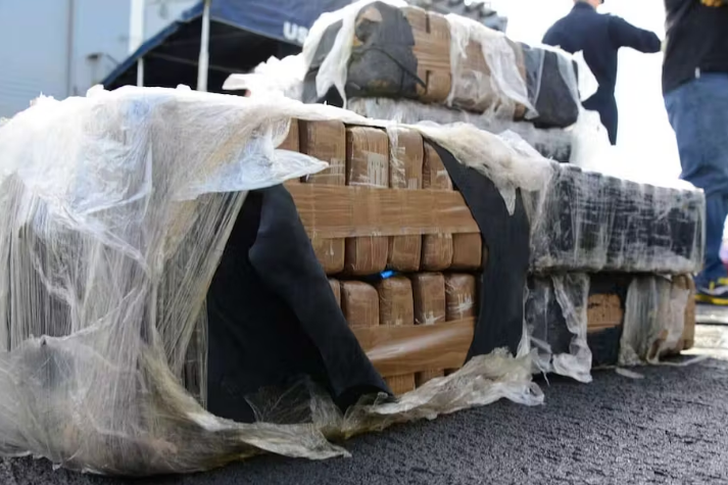
The international drug control regime was established more...
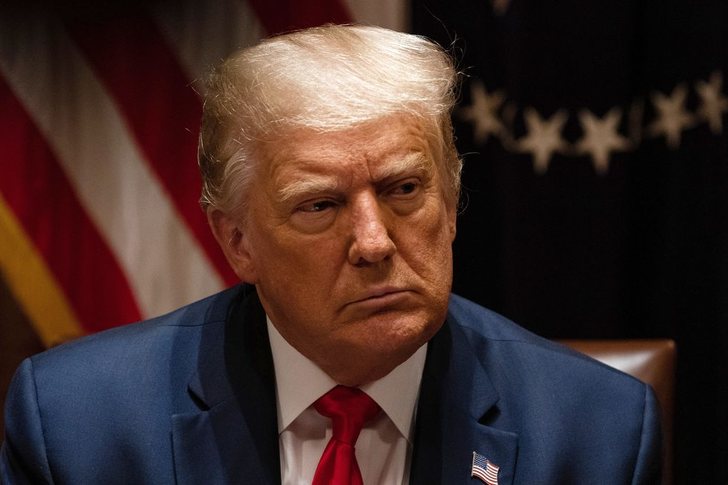
For those who want the Republican Party to move in ...
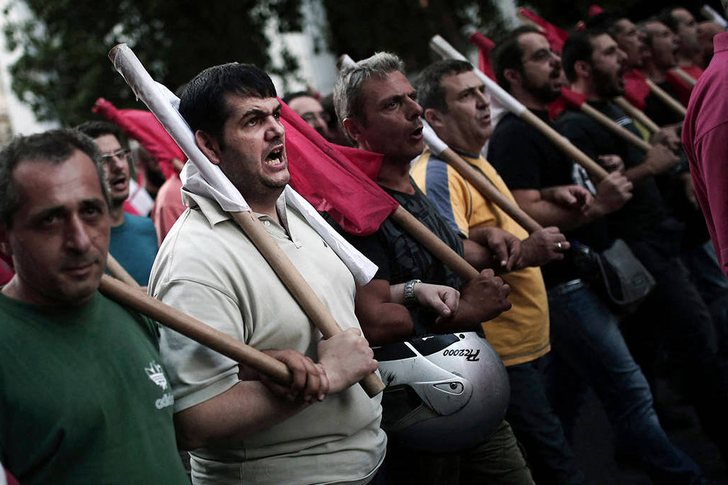
This year marks the 30th anniversary of the founding of th...

The current disorder of the international order is the res...
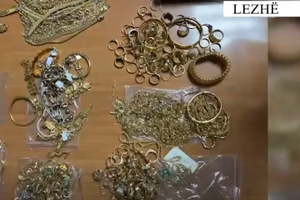
A 39-year-old citizen has been arrested in Lezha, after se...

CNA has launched another investigation that could lead to ...

Irfan Hysenbelliu is a businessman that we call "Irfan the...

In March 2026, CNA launched another investigation centered...

The Special Board of Appeal (KPA) decided this Monday ...

The KPA vetting decided this Thursday to dismiss the p...

Suela Salavaçi, a prosecutor in the Prosecutor's Offic...

The Special Board of Appeal reinstated the prosecutor ...

Several gunshots were reported today in the village of Gjo...

Following the successive operations carried out by the ope...
The Police Supervision Agency has seized the service weapo...

A serious incident occurred in Lushnje, where citizen IY, ...

As the year 2026 is in its second half, the world is exper...

Today, our country will be under the influence of stable a...

By noon, cloudiness is expected to prevail in almost all o...

Children without parental care, for whom alternative famil...

Ukrainian President Volodymyr Zelensky said Russia wants t...

Iran is adapting and enhancing the capabilities of its bal...

Serbia's Minister of State Administration and Local Self-G...
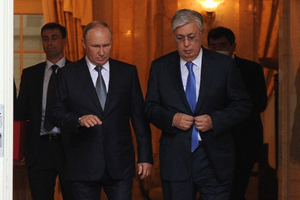
Kazakh President Kassym-Jomart Tokayev shared some critici...
Two windows, a century of history and the metaphysics of p...
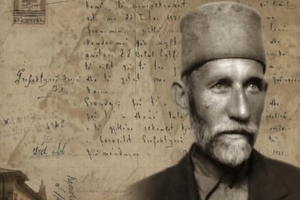
In my research at the Central State Archives, specifically...

At a time when industrial products are increasingly taking...

Trust among people is not just a three-syllable word. It c...
This Saturday, one US dollar is bought for 81.7 lek and so...

War, weather and supply disruptions could send gas prices ...
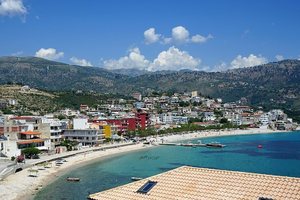
The number of active enterprises in Albania continued to g...
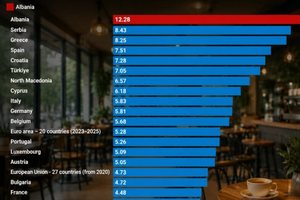
In Albania, the bar-cafe has long become an almost unique ...