

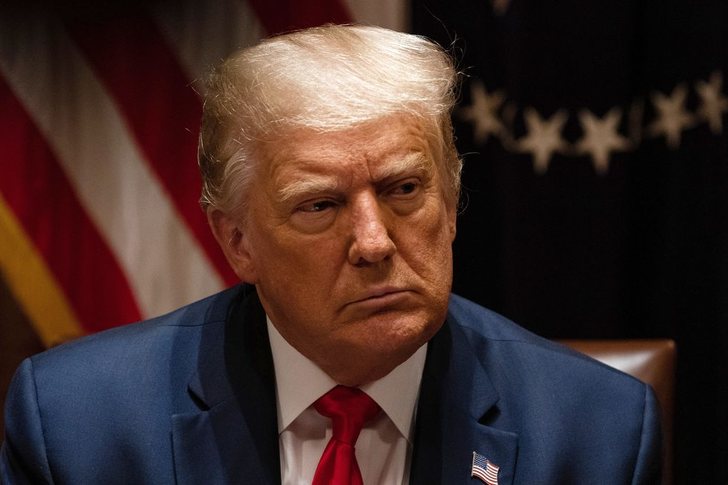
Why Donald Trump is winning the primary race again within the Republican Party
For those who want the Republican Party to move in ...


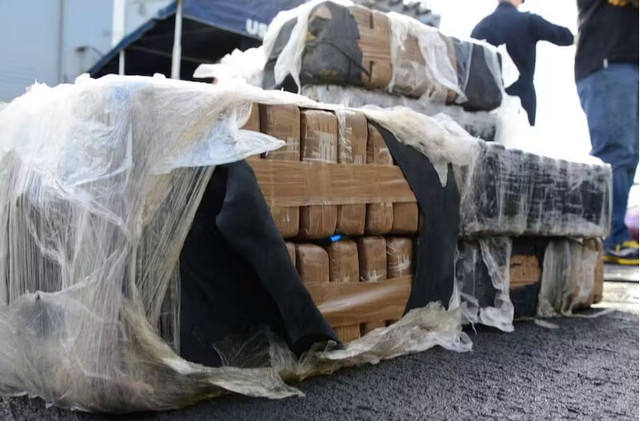
The international drug control regime was established more than a century ago. But rarely has this sector received as much attention as it has since the 2010s. With the legalization of cannabis in America, the opioid overdose crisis in the United States, the peace deal in Colombia between the government and the FARC rebels, the “brutal war against drug" of Philippine President Rodrigo Duterte and the adoption of a new political declaration at a special UN session, drug control policies have often taken center stage in national and international policy debates.
Despite intense debate, the results are poor: problematic and recreational drug use continues to increase (with a 23 percent increase in consumption in a decade). Meanwhile, trafficking and gang violence are escalating, while the production of natural and synthetic drugs is flourishing.
Moreover, the crisis following a global pandemic, combining the Russian occupation of Ukraine, economic problems and climate change, make drug control policy a low priority sector for policymakers and the general public.
The challenges are great and they directly affect public health, criminal justice, citizen safety and the integrity of the international drug control regime. First, harm reduction services for overdoses and HIV prevention are busy in the battle for drug control policy reform.
Most people who take drugs live in developing countries. Yet funding for harm reduction has fallen to just 5 percent of what is needed globally, compared to 10 percent of what was needed a decade ago.
Access to pain relief is not much better and remains highly inequitable.
Patients in high-income countries receive 47 grams of morphine per year, compared to only 0.01 grams for patients in poorer countries.
Second, research on the medical and psychological well-being benefits of cannabis or psychedelics has attracted much attention. These industries and their development are pushing the boundaries of the international drug control regime, which is concerned with the strict restriction of access to substances intended for legitimate medical use and scientific research, as well as the strict prohibition of access or production for any market or other use.
The International Narcotics Control Board, which oversees countries' compliance with international drug law and certifies the international trade in controlled drugs, is preparing to set limits and standards on the medical use of cannabis, attempting to regulate the trade and any future of the cannabis industry. global perspectives.
Third, the criminalization of drug use is still a controversial issue globally. It aims to reduce the demand for drugs, but often the end result is increased incarceration and detention rates and racially biased decisions in this area.
Nearly 30 countries, in addition to state governments, have adopted plans to decriminalize or reduce criminal liability for drug use. However, criminalization is still widely used as a deterrent. People who use drugs are still considered to be involved in criminal activity in the vast majority of countries around the world.
Finally, legalization may seem like a pragmatic and actionable solution, but it requires a collaborative effort among stakeholders. Canada or some US states have allowed access to non-medical cannabis by creating regulated legal markets.
But as recent studies have shown, regulation is not just rules set by governments that lead to penalties if they are broken. For example, who sets the standards in the supply chain: the state that sets the standards, the dispensaries with their specifications for the farmers, or the private standardization labels?
To avoid unwanted consequences, this type of adjustment should be handled very carefully. It should also be understood that in an international framework, without questioning the current anti-drug laws that prohibit any non-medical use of psychoactive substances since the 1960s, it is highly unlikely that such a debate on normative reform will take place in the context geopolitical current.
The sum of these deficiencies in drug control, combined with the lack of enforcement or indeed any consensual solutions, makes it difficult to predict whether we can fundamentally change the international drug control regime in the near future. The budgets dedicated to this sector and the implementation of this policy continue to focus on reducing supply and demand through police repression. Affected populations are likely to continue to be criminalized in most countries, and civil society to be left out of the decision-making process.
In the current context, it is certain that any meaningful reform is currently far from being a priority in the governments' public agendas. The 2010s, when concepts such as harm reduction and decriminalization were advanced but failed to disrupt the status quo, are merely a distant memory./ " The Conversation " - Translated and adapted by CNA

For those who want the Republican Party to move in ...
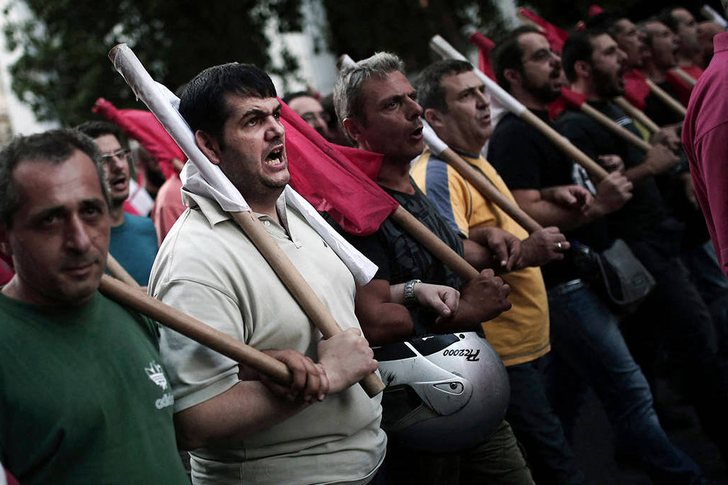
This year marks the 30th anniversary of the founding of th...
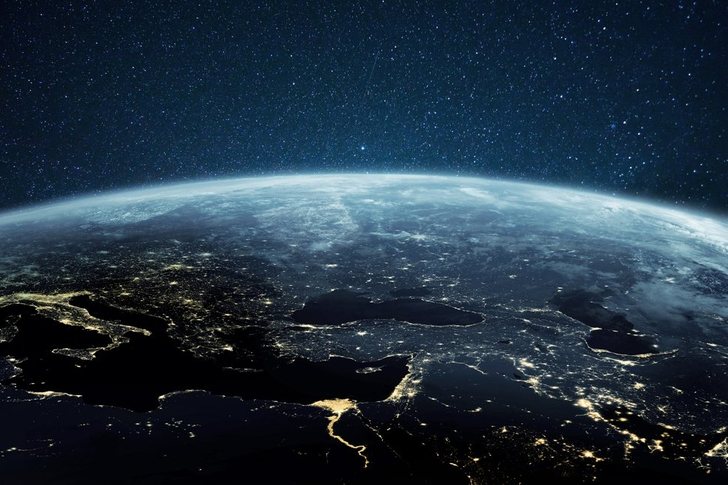
The current disorder of the international order is the res...
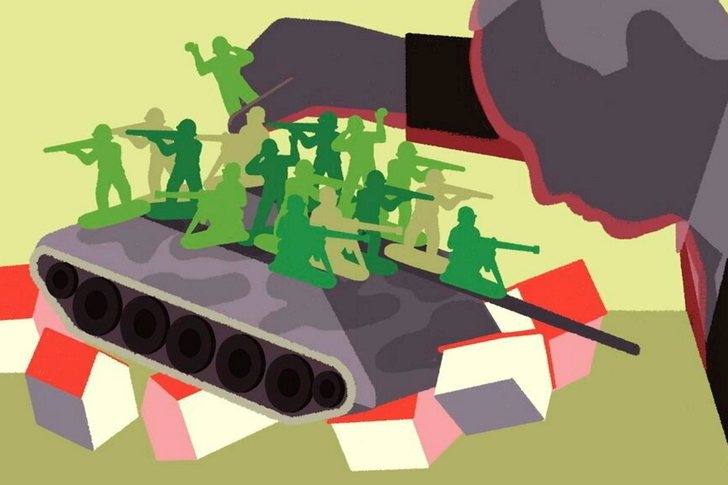
" These changes were made as a function of a great war a...
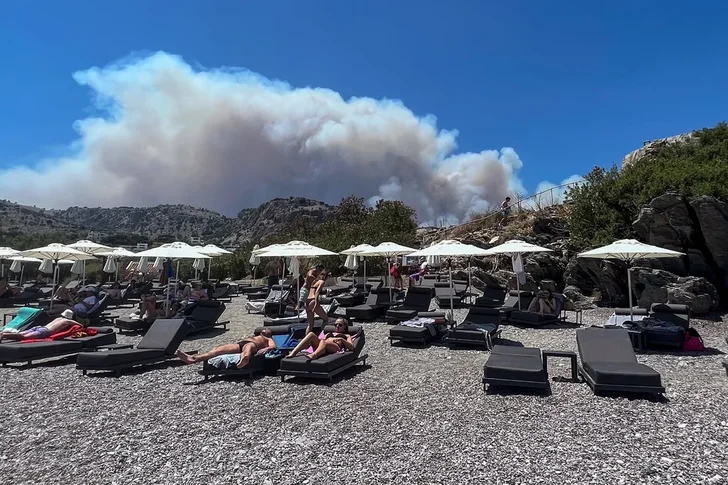
Thousands of people stranded on beaches. Reports of childr...

While millions are enjoying director Christopher Nolan's l...

Ukrainian President Volodymyr Zelensky (born 1978) has...

Money has always been made with health and safe businesses...
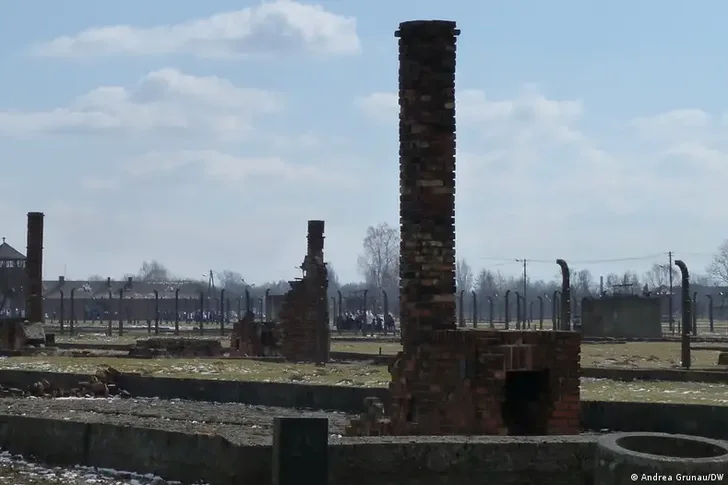
In 1944, on August 2, the Nazis killed in the Auschwit...
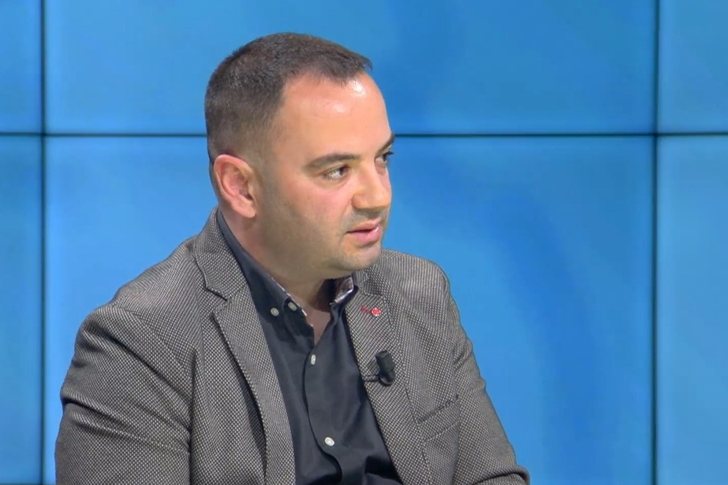
The emergency of the actor Genc Fuga and finding salvation...

The Alps span eight European countries: Germany, Switzerla...
Knowing foreign languages is increasingly important in t...
Anyone who has tried to quit smoking will tell you how har...

However Russia's war in Ukraine ends, Europe is anxiously ...
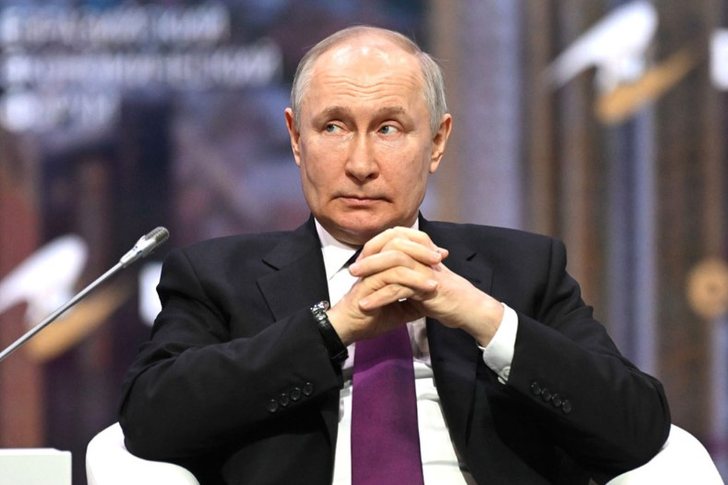
Despite the failure, Yevgeny Prigozhin's coup attempt was ...
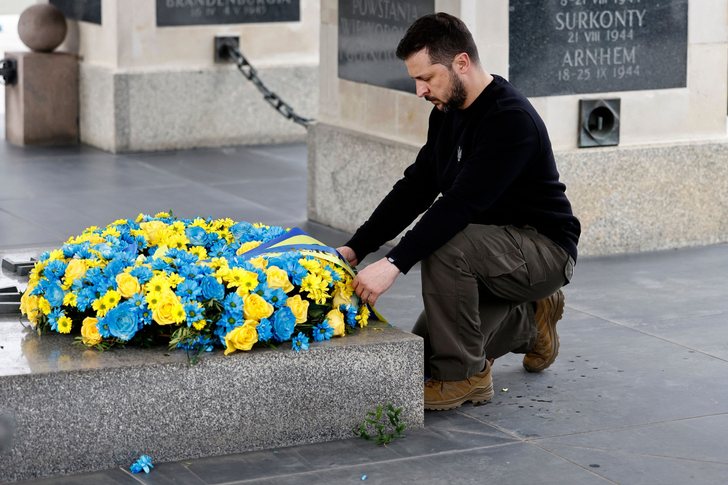
When Russian President Vladimir Putin sent his troops into...
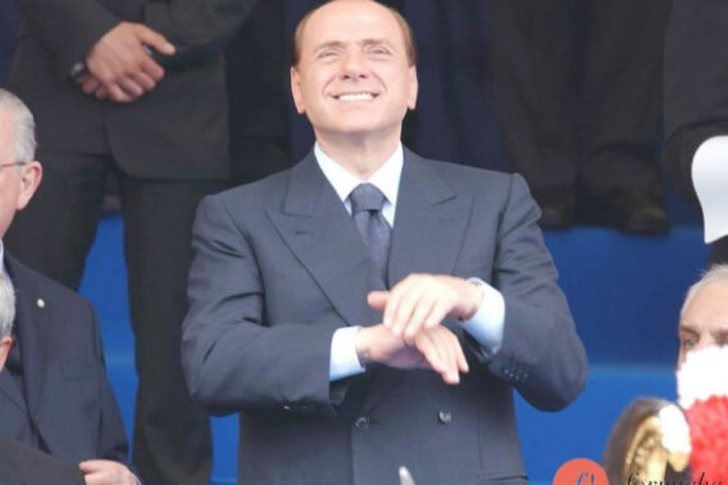
Protagonist of his farewell, as only those who have pl...

The war between Russia and Ukraine is an example of how wa...

Kim luan ndeshjen e fundit me Napolin. Mbrojtësi koreano-j...

The thirst for stability and the seriousness of the clashe...

A 39-year-old citizen has been arrested in Lezha, after se...

CNA has launched another investigation that could lead to ...

Irfan Hysenbelliu is a businessman that we call "Irfan the...

In March 2026, CNA launched another investigation centered...

The Special Board of Appeal (KPA) decided this Monday ...

The KPA vetting decided this Thursday to dismiss the p...

Suela Salavaçi, a prosecutor in the Prosecutor's Offic...

The Special Board of Appeal reinstated the prosecutor ...

Several gunshots were reported today in the village of Gjo...

Following the successive operations carried out by the ope...

The Police Supervision Agency has seized the service weapo...

A serious incident occurred in Lushnje, where citizen IY, ...

As the year 2026 is in its second half, the world is exper...

Today, our country will be under the influence of stable a...

By noon, cloudiness is expected to prevail in almost all o...

Children without parental care, for whom alternative famil...
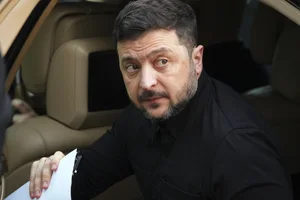
Ukrainian President Volodymyr Zelensky said Russia wants t...
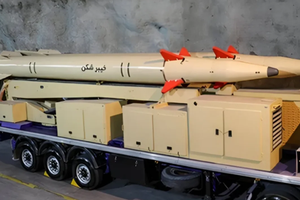
Iran is adapting and enhancing the capabilities of its bal...

Serbia's Minister of State Administration and Local Self-G...
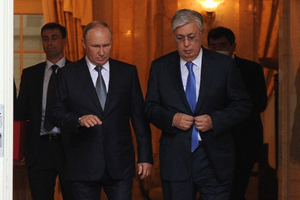
Kazakh President Kassym-Jomart Tokayev shared some critici...
Two windows, a century of history and the metaphysics of p...

In my research at the Central State Archives, specifically...

At a time when industrial products are increasingly taking...

Trust among people is not just a three-syllable word. It c...

This Saturday, one US dollar is bought for 81.7 lek and so...

War, weather and supply disruptions could send gas prices ...

The number of active enterprises in Albania continued to g...
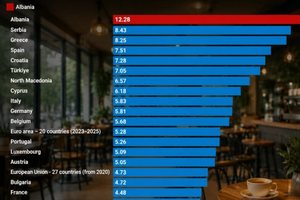
In Albania, the bar-cafe has long become an almost unique ...