

Ukraine after Zelensky: Who can be his successor
Ukrainian President Volodymyr Zelensky (born 1978) has...


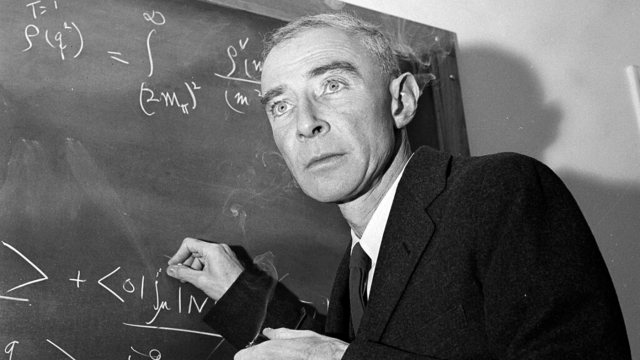
While millions are enjoying director Christopher Nolan's latest blockbuster, Oppenheimer, global leaders are holding their breath as nuclear threats from Russia continue to escalate.
The specter of nuclear disaster was one of the main topics of discussion at NATO's annual summit in Lithuania in early July, in the wake of renewed aggression by Russian President Vladimir Putin. The administration of Joe Biden has considered Putin's nuclear threats as credible.
But the bitter reality of the present moment is that 80 years since the start of Robert Oppenheimer's Manhattan Project, the global community remains unprepared for the worst-case scenario of a nuclear war. And it is not only politicians, generals and diplomats who must remain vigilant.
A central role in this effort should also be played by those engaged in the field of medicine and biotechnology. We must take advantage of the innovations of recent years, and we must make significant progress right now.
Today's clinical tests could give us tomorrow's new treatments, putting us in a better position if the current conflict in Eastern Europe, or future hostilities, ultimately escalates into a nuclear war.
The catastrophic nature of a nuclear war stems not only from the initial explosion, but also from the aftermath. While America's atomic bombs during World War II are estimated to have killed more than 100,000 people in Hiroshima and Nagasaki just minutes after the initial impact, the radiation poisoning that followed killed tens of thousands more.
Decades later, nuclear weapons have become more powerful, but advances in medical treatments for radiation poisoning have not kept pace. Acute Radiation Syndrome (ARS), or radiation poisoning, is a life-threatening condition caused by significant exposure to ionizing radiation in a short period of time, i.e. following a nuclear attack or incident.
Radiation causes extensive damage to the human body, including the stomach, intestines, blood vessels, and the bone marrow that produces blood cells. Currently, our methods for mitigating the effect of ARS are mainly aimed at treating and reducing infections and injuries resulting from radiation, such as severe burns.
Comprehensive treatments primarily involve bone marrow transplants—an option that is expensive, impossible to scale, and virtually useless in the event of an accident or large-scale nuclear attack.
Thankfully, there are governments and medical pioneers who are focused on finding modern solutions. My biotech company recently received a grant from the US government to study the efficacy of a new treatment we are developing for hematopoietic ARS.
If successful in clinical trials, our cell-based treatment could solve some of the age-old medical challenges. They would avoid the need for blood transfusions, saving money and resources. And it can be administered proactively with combined doses before and after a nuclear event.
Preliminary studies speak of an effectiveness of 95 percent. Regardless of where the innovation comes from, the US Congress now has the opportunity to bring together innovators, in the public and private sectors, to solve a global need. It's a golden opportunity for a bipartisan consensus focused on science rather than politics, and it's exactly the kind of preparation needed at this very dangerous moment.
Note: Yaky Yanay president of Pluri Inc., a leading cellular technology company headquartered in Haifa, Israel. / " The Hill " - Adapted from CNA.al

Ukrainian President Volodymyr Zelensky (born 1978) has...
Money has always been made with health and safe businesses...
In 1944, on August 2, the Nazis killed in the Auschwit...
The emergency of the actor Genc Fuga and finding salvation...

The Alps span eight European countries: Germany, Switzerla...
Knowing foreign languages is increasingly important in t...
Anyone who has tried to quit smoking will tell you how har...
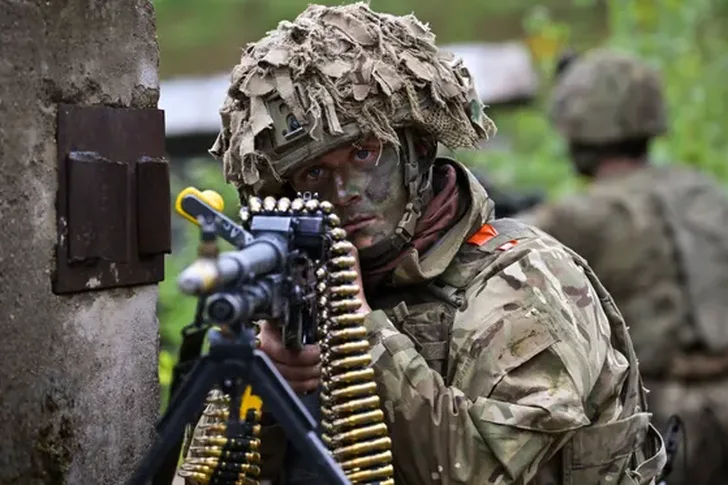
However Russia's war in Ukraine ends, Europe is anxiously ...
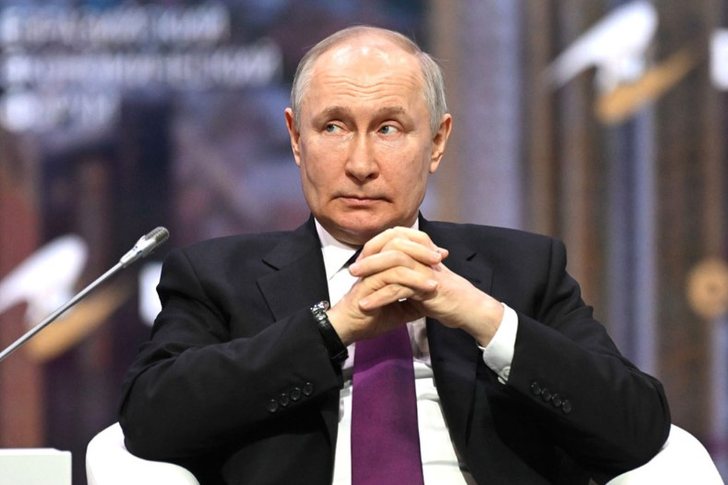
Despite the failure, Yevgeny Prigozhin's coup attempt was ...
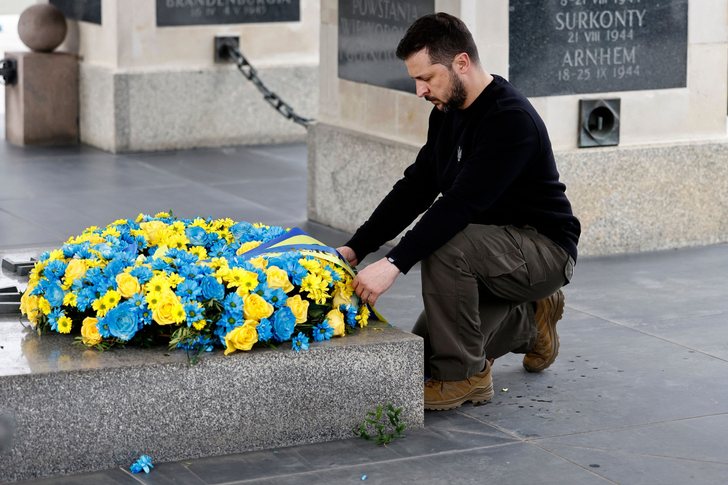
When Russian President Vladimir Putin sent his troops into...

Protagonist of his farewell, as only those who have pl...
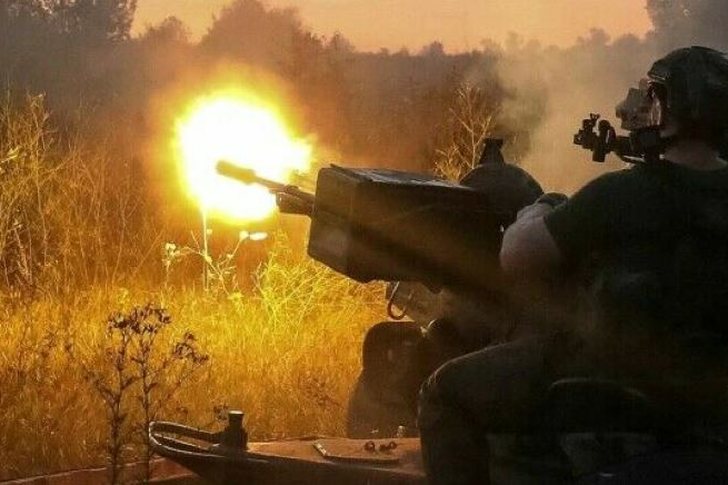
The war between Russia and Ukraine is an example of how wa...

Kim luan ndeshjen e fundit me Napolin. Mbrojtësi koreano-j...
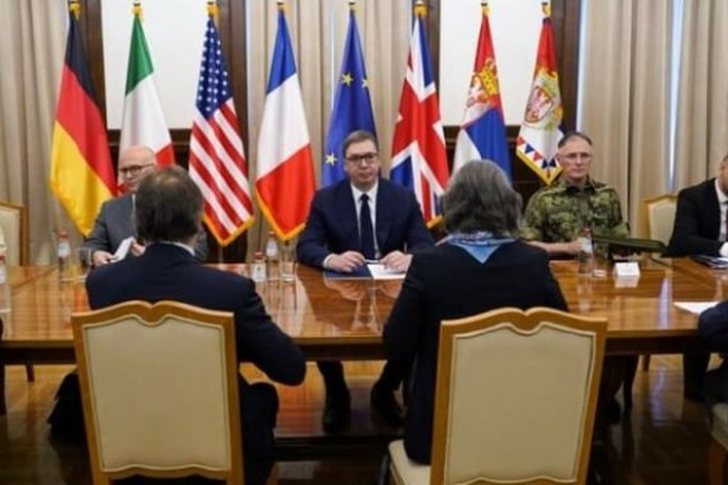
The thirst for stability and the seriousness of the clashe...
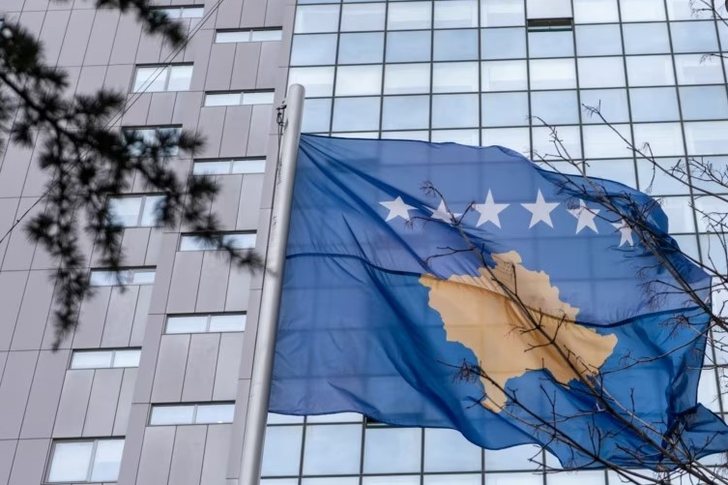
Of course, a bloody war is going on in Ukraine. But Europe...
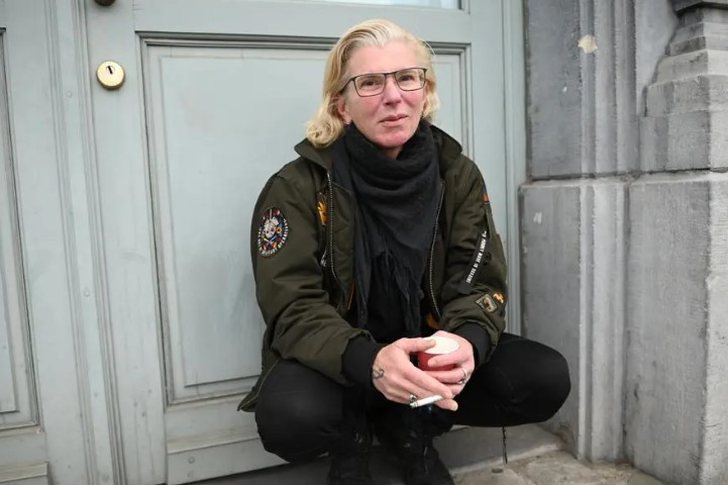
Julia Paievska is known by the nickname "Taira". She has a...

Granit Xhaka luan ndeshjen e tij të fundit me Arsenalin, tek...
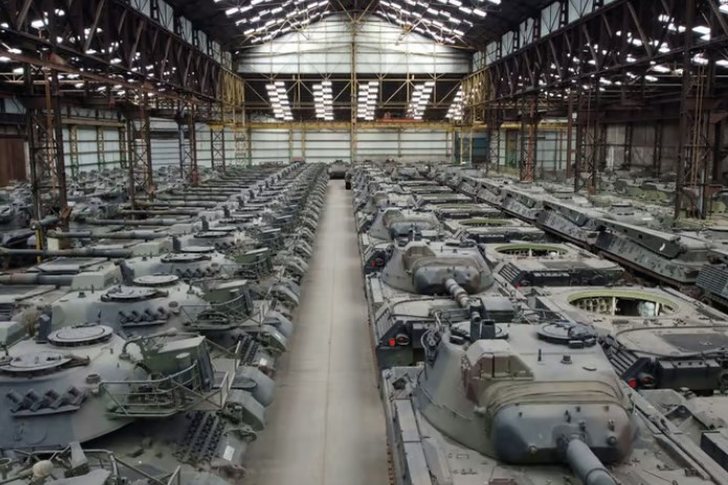
At the end of the Cold War, US President George HW Bush po...
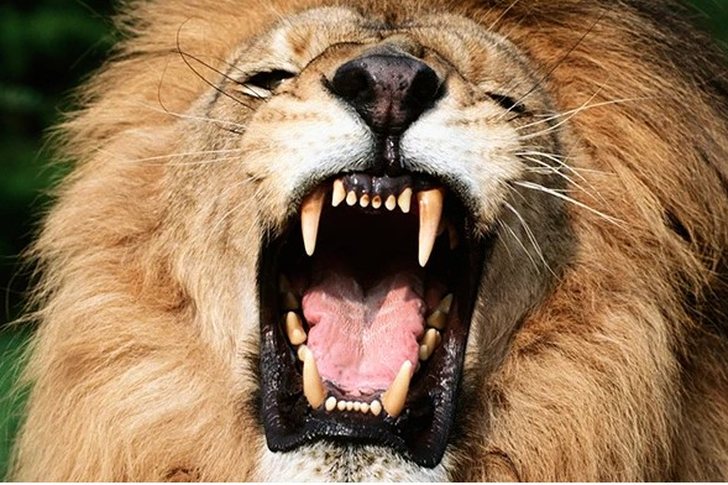
Which animals kill the most people every year? Although Ho...
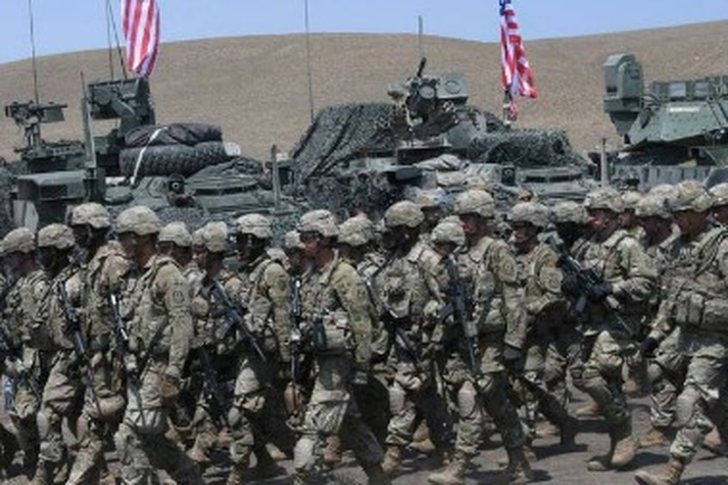
Weather has always been a powerful force, capable of dicta...
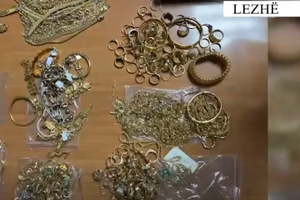
A 39-year-old citizen has been arrested in Lezha, after se...

CNA has launched another investigation that could lead to ...

Irfan Hysenbelliu is a businessman that we call "Irfan the...

In March 2026, CNA launched another investigation centered...

The Special Board of Appeal (KPA) decided this Monday ...

The KPA vetting decided this Thursday to dismiss the p...

Suela Salavaçi, a prosecutor in the Prosecutor's Offic...

The Special Board of Appeal reinstated the prosecutor ...
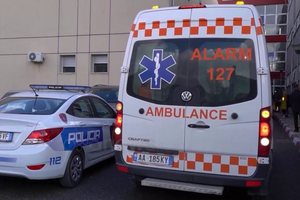
Several gunshots were reported today in the village of Gjo...

Following the successive operations carried out by the ope...
The Police Supervision Agency has seized the service weapo...
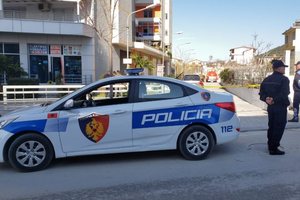
A serious incident occurred in Lushnje, where citizen IY, ...

As the year 2026 is in its second half, the world is exper...

Today, our country will be under the influence of stable a...

By noon, cloudiness is expected to prevail in almost all o...

Children without parental care, for whom alternative famil...
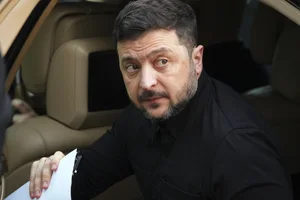
Ukrainian President Volodymyr Zelensky said Russia wants t...
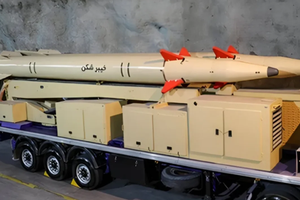
Iran is adapting and enhancing the capabilities of its bal...
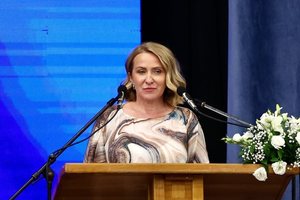
Serbia's Minister of State Administration and Local Self-G...
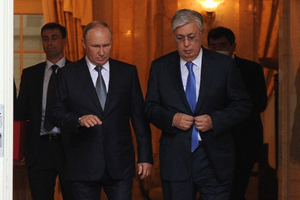
Kazakh President Kassym-Jomart Tokayev shared some critici...
Two windows, a century of history and the metaphysics of p...

In my research at the Central State Archives, specifically...

At a time when industrial products are increasingly taking...

Trust among people is not just a three-syllable word. It c...

This Saturday, one US dollar is bought for 81.7 lek and so...
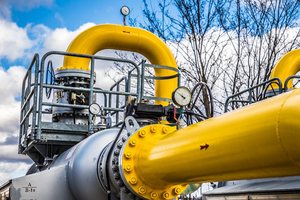
War, weather and supply disruptions could send gas prices ...
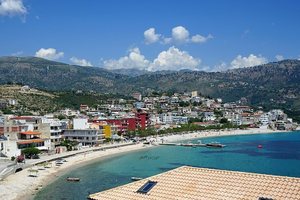
The number of active enterprises in Albania continued to g...
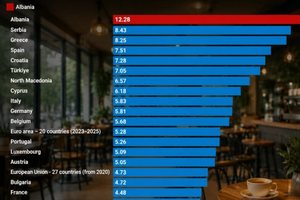
In Albania, the bar-cafe has long become an almost unique ...