

The cruelty of the Russian soldiers shown by those who have been in their hands
Julia Paievska is known by the nickname "Taira". She has a...


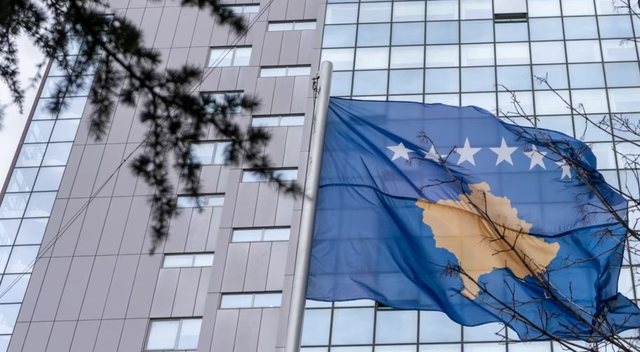
Of course, a bloody war is going on in Ukraine. But Europe's future also depends on what happens in an often forgotten patch of land. Why is Kosovo important? Because only a definitive coexistence in this region can make the "preferential" relations between Serbia and Russia less dangerous.
The latter has always been a threat to the stability of an area not only "neighboring", but also now part of our ideal borders. Belgrade should look from Brussels and not from Moscow. Historical connections may not last indefinitely.
But it will be able to do this only if it resolves a dispute, which is increasingly filled with open questions. It is clear that the latest wave of violence - which has also dramatically involved KFOR soldiers, many of whom are Italian, bringing the often neglected commitment of all those far from their homeland to work for it keep the peace—may lead to the conclusion that this still-open wound, like so many others in the world, is essentially unhealable, and that this issue is related to a conflict where reasons are less than faults.
We say this because, in general, no one has shown any signs of restraint. The Kosovars have caused an unbalanced situation, fueled by the boycotted local elections (in Zveçan and the other municipalities involved, the vast majority of the population is Serbian) and have never shown signs of willingness to seek compromises.
On the other hand, Belgrade's leadership has long added fuel to the fire. The protests, which began as a reaction to the attempt of newly elected Kosovar mayors to enter their offices, have become increasingly violent.
It is no coincidence that Europe is very worried by the developments of the last few days. In the offices of the High Representative for Foreign Policy and Security, the Spaniard Josep Borrell (who belongs, and this is a political paradox, to a country that for reasons of national "interest" has not yet diplomatically recognized the government of Pristina), admits that the recent local elections in the north of Kosovo do not offer "a long-term political solution for the municipalities involved".
He also emphasizes that the solution "can only be found through a real dialogue between all the main interested parties, including Kosovo, Serbia and the Kosovo Serb community, with the mediation of the European Union".
But how is this mediation going? Sometimes it seems rhetorical to say so, but there is no doubt that the solution is still dialogue. The smiling faces of Serbian President Aleksandar Vucic and Kosovar Prime Minister Albin Kurti, sitting at the same table in Brussels in February, had given us some hope.
But reality is less deceiving than pictures. A greater commitment is now required to move again in the direction in which the EU plan for the normalization of relations between the 2 countries was going.
A green light is needed for Belgrade to get closer to Europe. And this goes through the establishment of good neighborly relations on the basis of equal rights. Likewise, it is necessary to firmly show the rejection of the use of force to resolve disputes, as the time has come to give the green light to Pristina's membership in international organizations.
That all these are not abstract concepts. Restoring peace in Kosovo must become a priority: it is intolerable that such tension drags on for years without finding a solution.
Doing so also means addressing the most important historical issue, which concerns Europe's ability to attract, engage, and expand its range of action. The dream of expansion can become a reality, replacing the bad images that come to us from Kosovo. In the Balkans, as well as in Ukraine./ Adapted from CNA.al

Julia Paievska is known by the nickname "Taira". She has a...

Granit Xhaka luan ndeshjen e tij të fundit me Arsenalin, tek...
At the end of the Cold War, US President George HW Bush po...
Which animals kill the most people every year? Although Ho...
Weather has always been a powerful force, capable of dicta...

Make no doubt: the war in Ukraine can end this year, w...
While most love songs are inspired by the joys and pai...

In the annals of medical history, few names evoke as much ...

In the works of Charles Dickens, such as Oliver Twist or "...

Ukrainian secret services have not yet killed Vladimir...
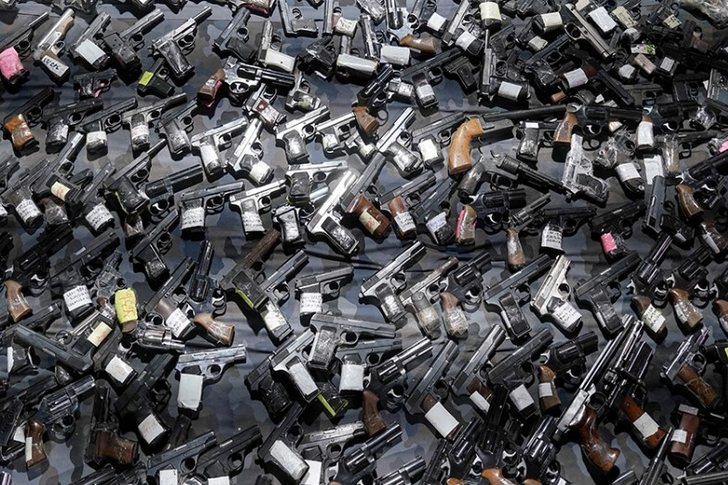
Two gun massacres in Serbia have left 17 people dead, ...
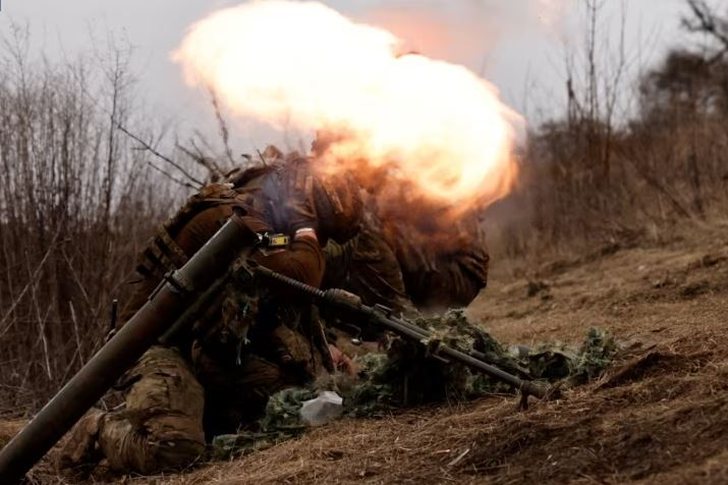
Në vijën e parë të frontit të luftës ka tmerre pa fund. Po...
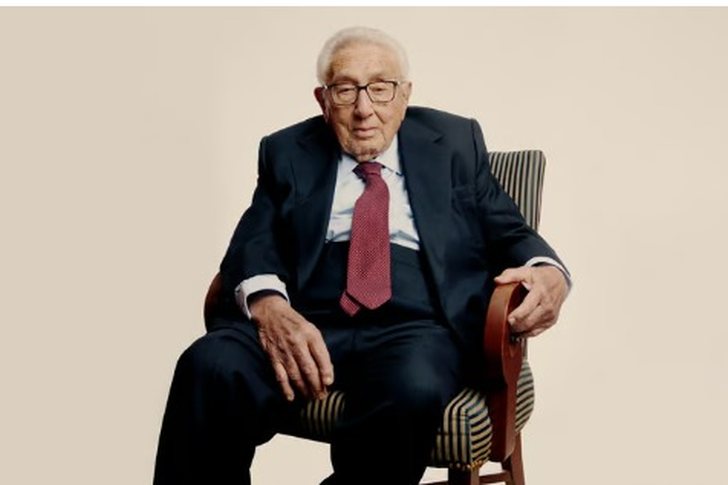
Officials in Beijing have concluded that America will do a...
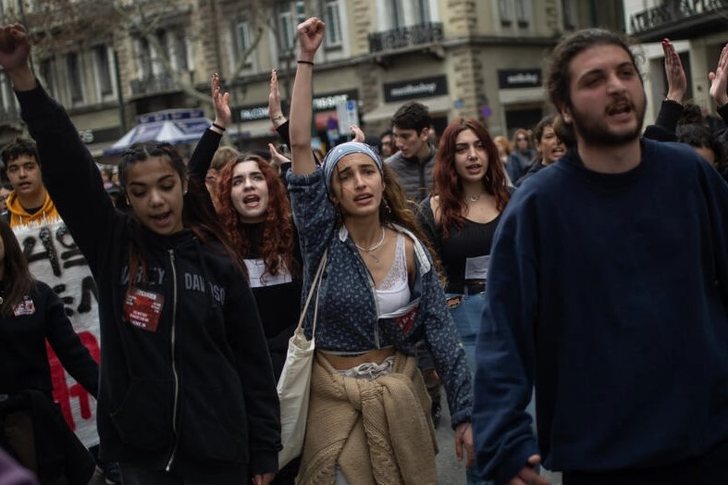
"France24" They are first-time voters, 16 and older, who ...
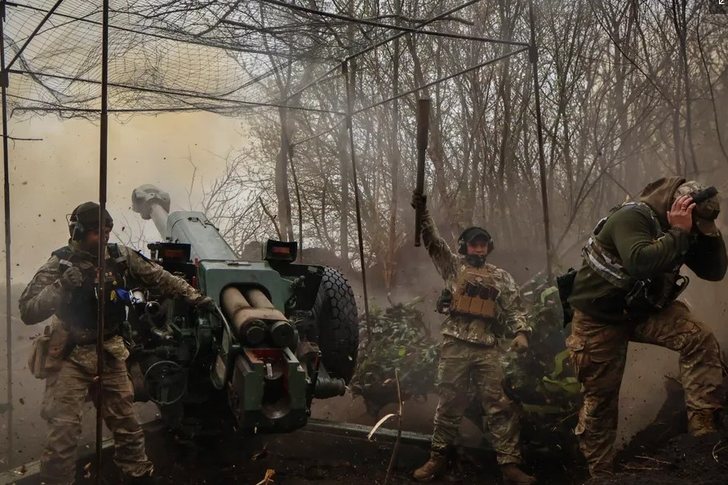
The Ukrainian officer calls us through the "Google Mee...
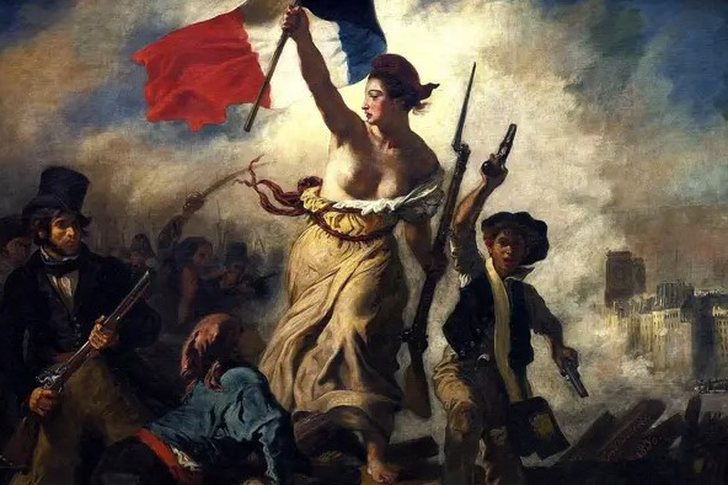
Throughout history, revolutions have been a powerful t...
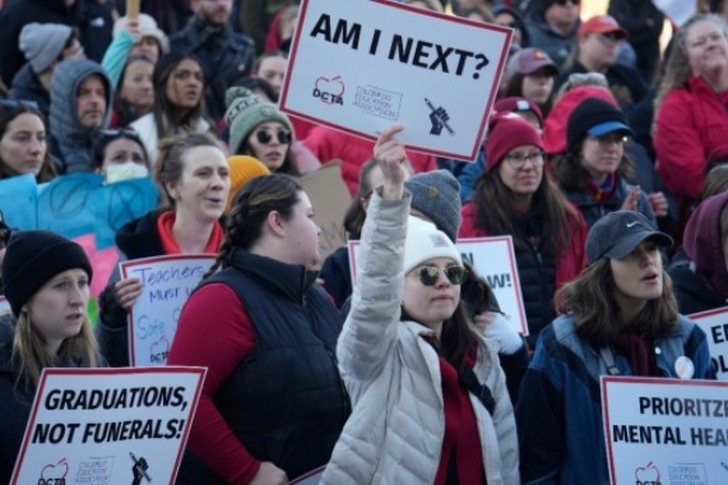
Like so many young people in America, our lives are fo...
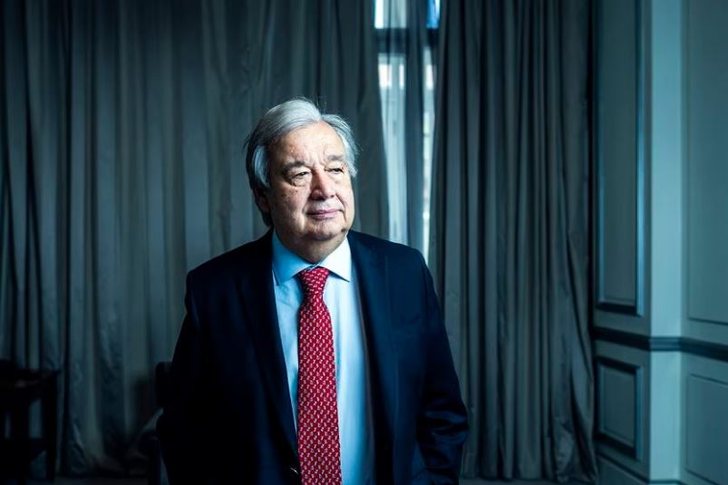
United Nations Secretary-General Antonio Guterres received t...
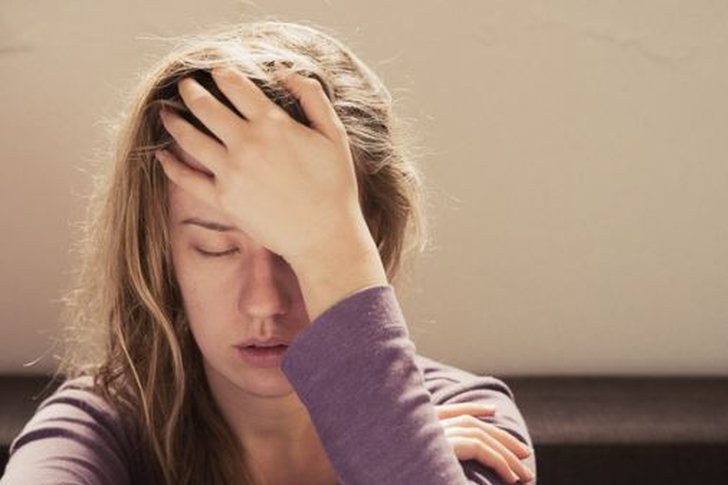
Molly was 88 years old and in relatively good health. She ...

Ever since Russia threatened to intervene in Ukraine, ...
A 39-year-old citizen has been arrested in Lezha, after se...

CNA has launched another investigation that could lead to ...

Irfan Hysenbelliu is a businessman that we call "Irfan the...

In March 2026, CNA launched another investigation centered...

The Special Board of Appeal (KPA) decided this Monday ...

The KPA vetting decided this Thursday to dismiss the p...

Suela Salavaçi, a prosecutor in the Prosecutor's Offic...

The Special Board of Appeal reinstated the prosecutor ...
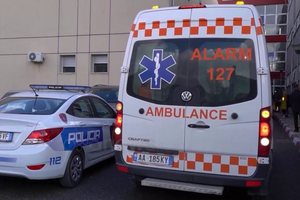
Several gunshots were reported today in the village of Gjo...
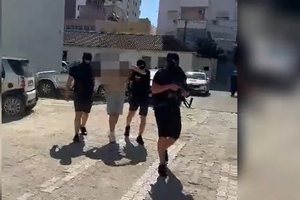
Following the successive operations carried out by the ope...
The Police Supervision Agency has seized the service weapo...
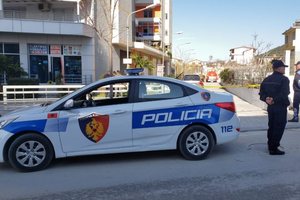
A serious incident occurred in Lushnje, where citizen IY, ...

As the year 2026 is in its second half, the world is exper...
Today, our country will be under the influence of stable a...

By noon, cloudiness is expected to prevail in almost all o...
Children without parental care, for whom alternative famil...
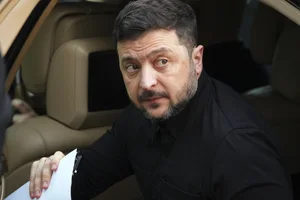
Ukrainian President Volodymyr Zelensky said Russia wants t...
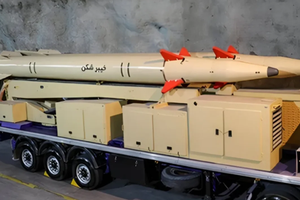
Iran is adapting and enhancing the capabilities of its bal...
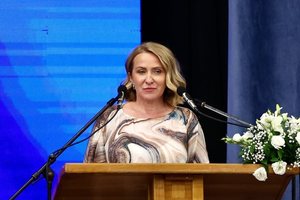
Serbia's Minister of State Administration and Local Self-G...
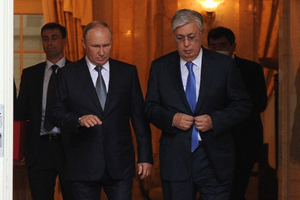
Kazakh President Kassym-Jomart Tokayev shared some critici...
Two windows, a century of history and the metaphysics of p...
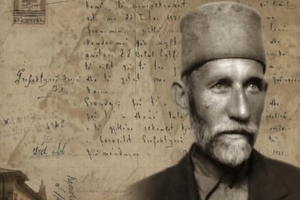
In my research at the Central State Archives, specifically...

At a time when industrial products are increasingly taking...

Trust among people is not just a three-syllable word. It c...
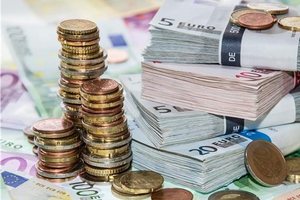
This Saturday, one US dollar is bought for 81.7 lek and so...
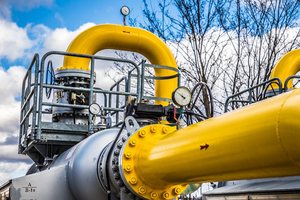
War, weather and supply disruptions could send gas prices ...
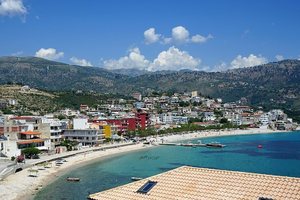
The number of active enterprises in Albania continued to g...
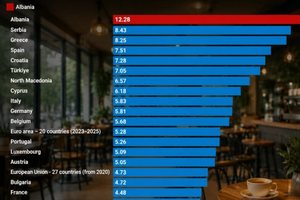
In Albania, the bar-cafe has long become an almost unique ...