

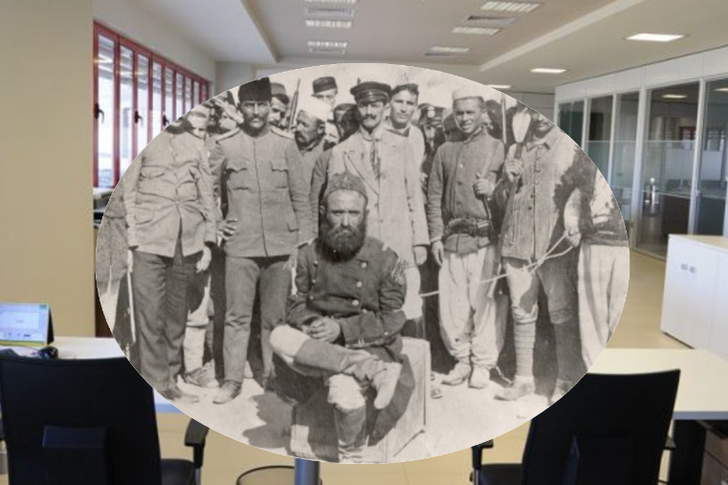
Haxhiqamilist administration, "the father of power"
In his speech today to the Socialist Party Parliamentary G...


BESA is perhaps the most serious conceptual attempt ever made by an Albanian government to reflect on its own governance. It acknowledges something unusual for a government in power for three terms: the problem is trust.
Besa bluntly states that the flamingo protest was not “ingratitude” as the fictional mayor himself describes it in the introductory anecdote, but an expression of a society that has entered a new phase of development. This admission, in itself, is a step back from the arrogance of recent statements and leaves the stories of agencies, algorithms and “the next enemy” in the shade.
But the 40-page document understands the symptom better than the diagnosis and forgets the elephant in the room: BESA talks at length about trust, but almost nothing about the reasons why it has eroded. Trust is like an eraser, it diminishes after every mistake.
There is almost no reflection on corruption as a systemic problem, the concentration of power, the personalization of decision-making, the weakening of institutions in the face of the executive, conflicts of interest, or clientelism.
The word "corruption" appears only once, in the context of justice reform and the past, and not as a "gangrene" that must be fought.
The beautifully written document makes you believe that the main problem is the administration, while those on the boulevard (and not only them) believe that the problem is the governance model itself.
BESA admits that the instruments; public consultation, impact assessment, performance plans, have existed for years in law; the problem has only been their formal implementation. But if that is the case, why have they not worked so far? Was BESA missing?
BESA is somewhat similar to Shqipëriaaqeduam.al: problems are solved by overcoming bureaucracy and intervening from above, not by letting institutions function on their own. BESA claims that it does not intervene but coordinates, but Albania does not go to the European Union with special units under the Prime Minister, no matter how well argued on paper. It goes with strong institutions, independent of the political cycle of each government, with procedures that are respected, not reminded of respect by a coordinating dome; with real checks and balances and accountability that produces consequences, not a report that is read and forgotten. A new unit, however called “coordinating” and not “decision-making”, risks turning into a mechanism of control and dictation.
The (self)criticism of the document has a clear limit, as with Hosteni in the late 1980s: the criticism goes up to the director, but not higher. It is admitted that the administration did not listen, did not communicate and did not properly assess the consequences, but the question of who built this model and who bears political responsibility for it is not raised.
If the administration brought about the protest, who built this administration? If communication failed, who designed the communication model? If decision-making was centralized, who centralized it? A document that speaks so much about trust would gain real credibility only if it dared to speak about the causes, not just its symptoms. After all, the administration does not set prices, does not raise wages, does not lower the cost of living, nor does it replace the institutions that guarantee accountability.
BESA reduces the crisis to an administration problem, leaving out three fundamental challenges: democracy, the economy, and demography.
James Carville knew this when he formulated the slogan that helped Bill Clinton win the 1992 election: In Albania, one could say it's the economy, stupid. Not a word about the economy! People want not only a more beautiful Albania, but a normal and livable country.
Trust is not produced by listening better, but by limiting power, increasing real transparency and building institutions that survive the change of government. But the real difference with the American voter does not lie only in the rhetoric of the government, it lies in the voting mechanism itself. A good part of the electorate does not punish the government with the price of bread and eggs, with the quality of life because the vote often does not measure performance, but identity and clientele, employment, party affiliation, fear of alternatives. When the vote is not related to the bills it pays, the government has all the space and luxury to talk about "trust" and "national capital", sure that it will not be held accountable where it really hurts.
Albania is depopulating at the fastest pace in the region; 27,628 fewer residents in 2025 alone, about half a million fewer between 2011 and 2023, the average age from 35.5 to 44.3 in a decade. Yes, we have more tourists, but fewer residents. Albania looks more beautiful, but it is emptier, older and more expensive.
None of the seven indicators proposed by BESA measure these.
And here lies the central gap in the entire architecture of the document: seven measurement mechanisms, zero consequences. The “after-action review” analyzes the mistake, but the document itself expressly states that it “does not seek blame.” There is no standard/criteria that leads to resignation, no consequence for not keeping one’s word, no consequence for repeating the same mistake.
BESA remains a document with modern ideas on listening, evidence, and measurement, but it reads more like a manual for administration than as a reflection on the political model that produced the crisis of confidence itself.
The country has already proven the value of good talk when the stones remain in the bag and the elephant, as always, remains in the room even when there is talk at length about anything else but it.
Besa is the given word. And the given word is measured in only one way: is it kept or broken. Therefore, the question is not who asks for Besa, but who keeps it./ CNA

In his speech today to the Socialist Party Parliamentary G...
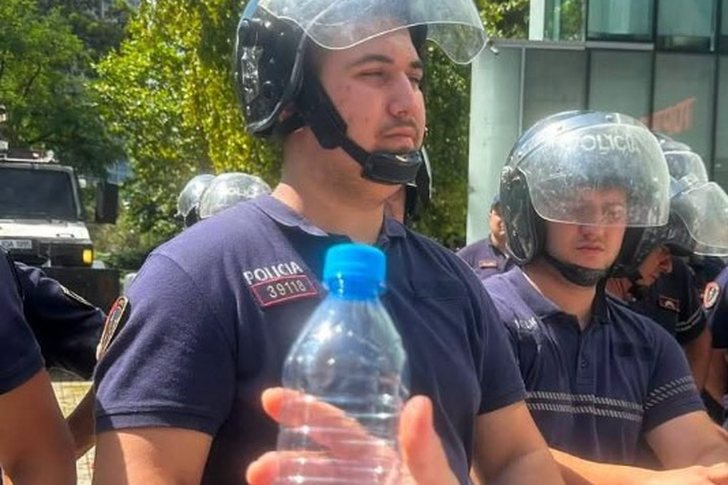
Mr. Minister! I read and heard your reaction to the posit...
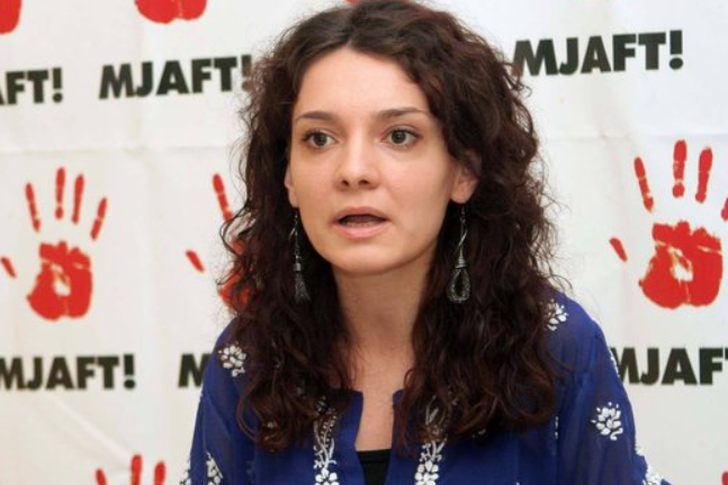
I must say from the beginning, I have liked MP Elisa Spiro...
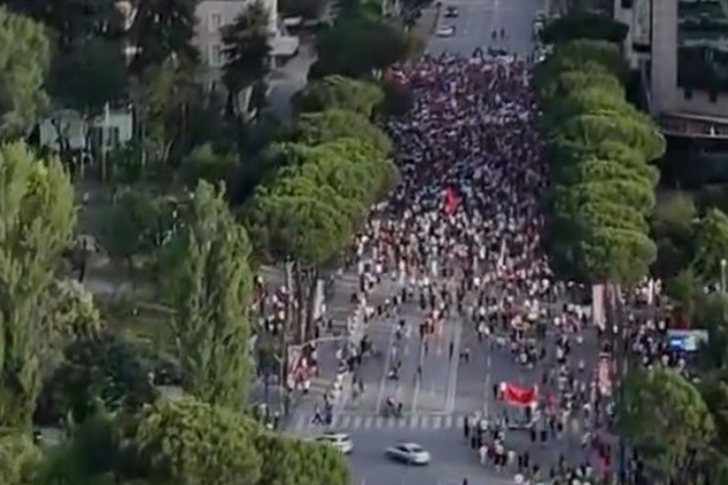
For 53 days, the Pelicans, "perched" on wooden sticks, con...

According to recent comparisons with the European Unio...
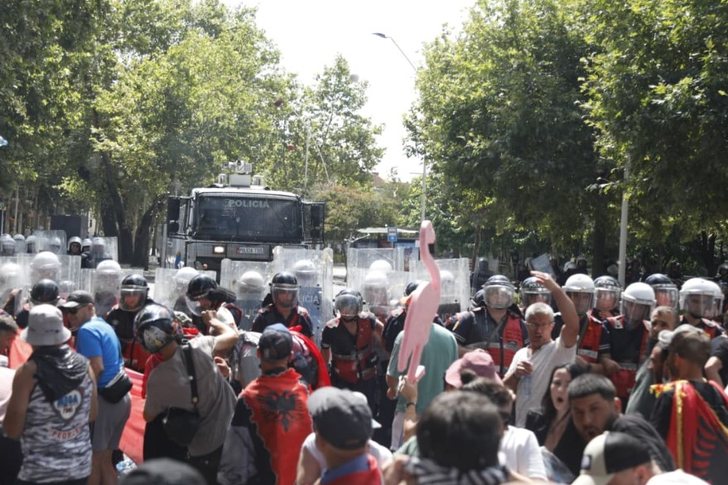
After the protest, the "violence" and debate have shifted ...
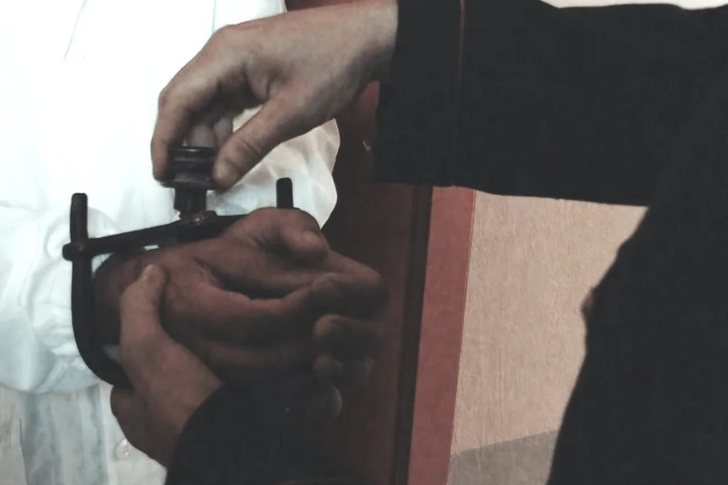
"A perfect dictatorship has the appearance of a democracy,...
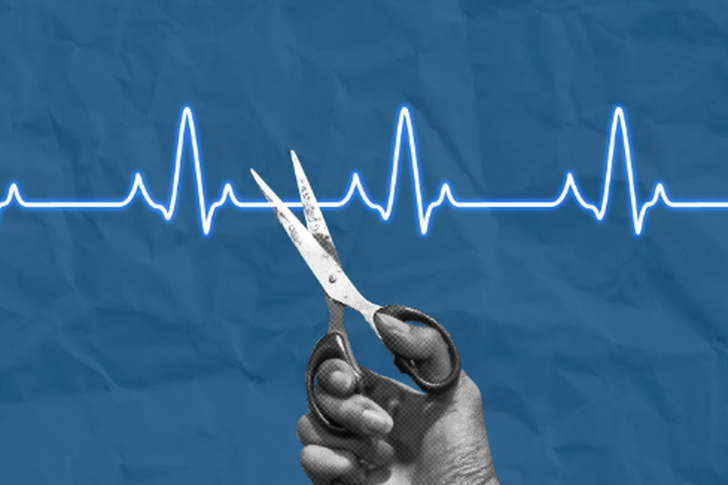
I am in favor of euthanasia and the adoption of a euthanasia...

It has been mentioned so many times in writings and quotes...
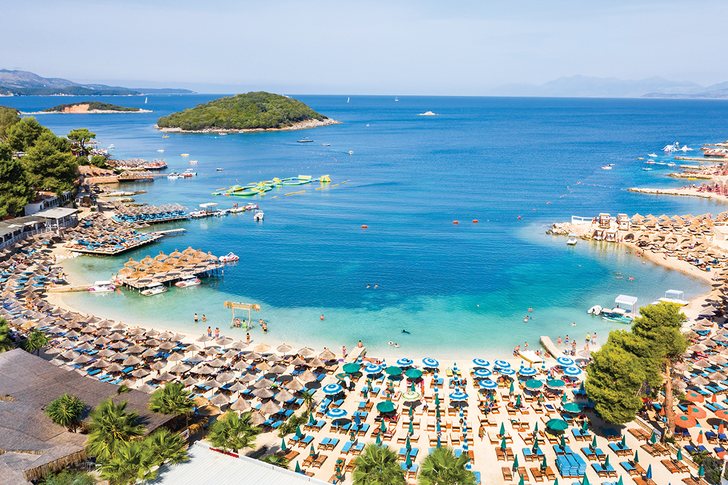
Are Albanians from Kosovo the beauty of Albanian tourism? ...
The statement by Snezhana Paunovic, Minister in the Govern...
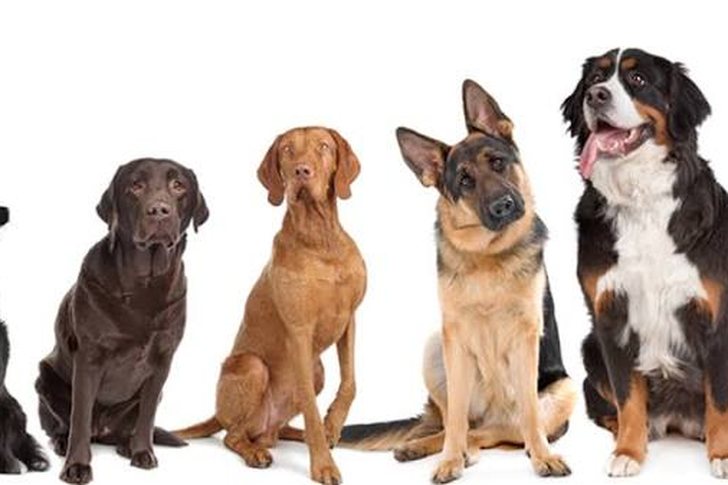
A case reported by two animal protection associations has ...

The emergence of new faces in politics is always good news...
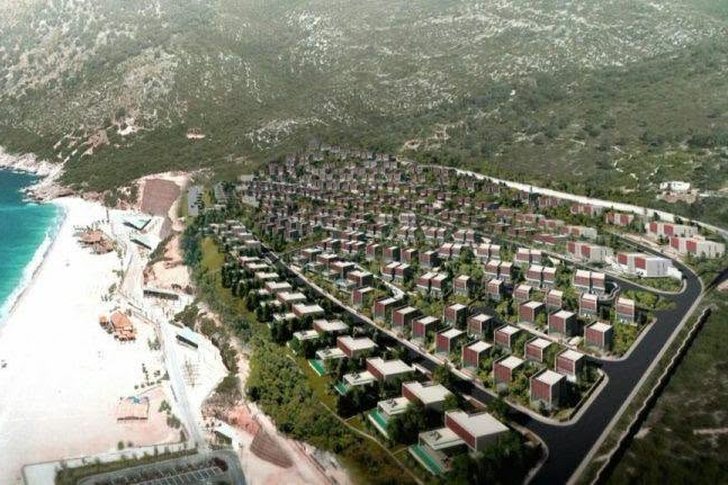
The Prime Minister of Albania promised the European Commis...

The government is not listening because it does not unders...
In these hot summer days, along with the foul-smelling flo...
Yesterday's boycott by the Democratic Party of the plenary...
I have been carefully reading the comments under the posts...
The influence of public figures on political debate is a w...

When a piece of news is not published, when a fact is soft...
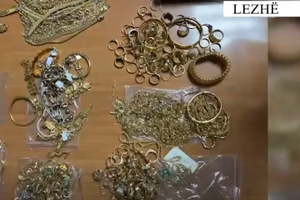
A 39-year-old citizen has been arrested in Lezha, after se...

CNA has launched another investigation that could lead to ...

Irfan Hysenbelliu is a businessman that we call "Irfan the...

In March 2026, CNA launched another investigation centered...

The Special Board of Appeal (KPA) decided this Monday ...

The KPA vetting decided this Thursday to dismiss the p...

Suela Salavaçi, a prosecutor in the Prosecutor's Offic...

The Special Board of Appeal reinstated the prosecutor ...
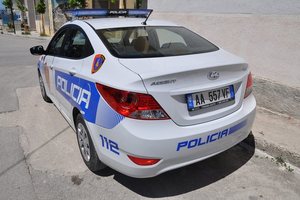
As a result of the investigative and procedural actions ca...
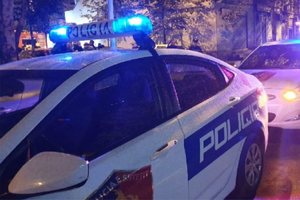
A conflict for weak motives was recorded today in the vill...
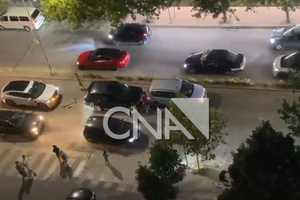
An accident involving three vehicles occurred a few minute...

55-year-old Belere Plaka, who was injured today with a sho...

Today, our country will be under the influence of stable a...

By noon, cloudiness is expected to prevail in almost all o...

Children without parental care, for whom alternative famil...
On Thursday, our country will be under the influence of st...

Marine Le Pen is entering the decisive phase of the presid...
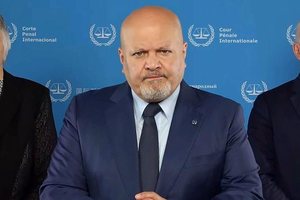
Member states of the International Criminal Court voted to...

From the declining role of exports to new public investmen...
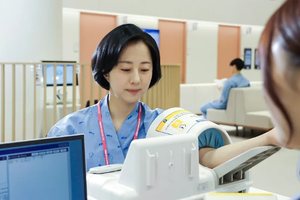
South Korea is becoming one of the most sought-after desti...
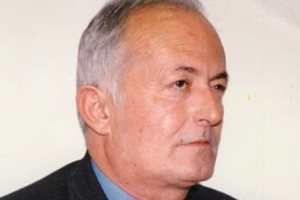
Two windows, a century of history and the metaphysics of p...
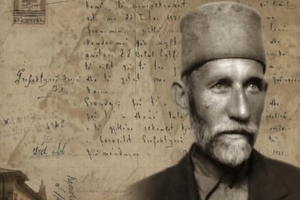
In my research at the Central State Archives, specifically...

At a time when industrial products are increasingly taking...

Trust among people is not just a three-syllable word. It c...

This Saturday, one US dollar is bought for 81.7 lek and so...
War, weather and supply disruptions could send gas prices ...
The number of active enterprises in Albania continued to g...
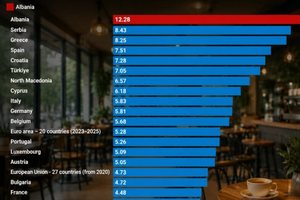
In Albania, the bar-cafe has long become an almost unique ...