

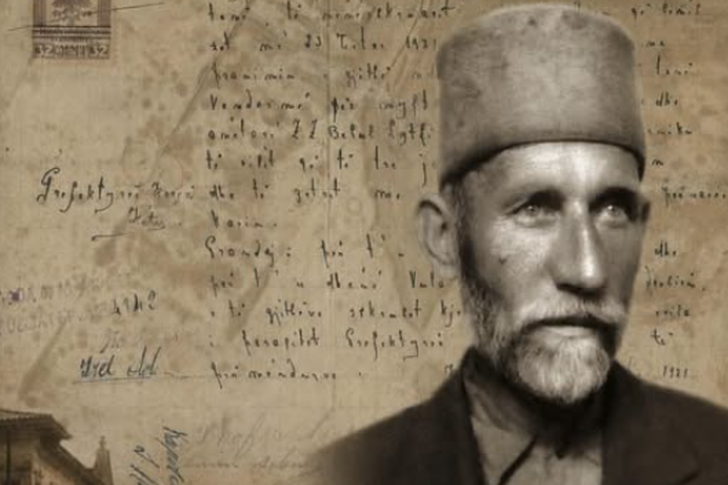
The footsteps of Hafiz Emin Cangonji, the mayor of Korça's oldest neighborhood
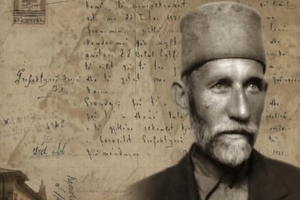
In my research at the Central State Archives, specifically...


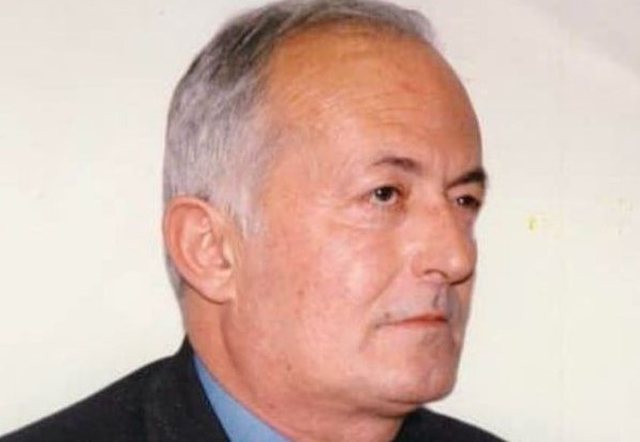
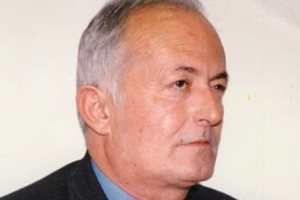
Two windows, a century of history and the metaphysics of power in the poetry of Hamit Aliaj
In the relationship between literature and history there is a special space where art is not limited to the description of events, but seeks to uncover the invisible structures that have shaped and produced them. Literature does not only preserve what has happened; it seeks to understand what remains of it in the consciousness of people and in the memory of a society.
History records events, but art penetrates their echoes. What for the historian may be a fact sealed in time, for the poet remains an open wound of conscience.
It is in this space between fact and memory that the power of poetry arises: it not only restores the past, but reveals the way in which the past continues to live within the present.
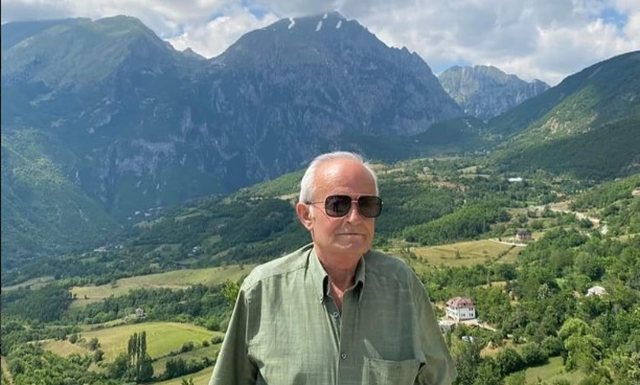
It is not simply a poetic reflection of a historical period nor a description of two concrete spaces of power in Tirana.
Beyond its historical reference, this poem builds a profound reflection on the nature of power, on the traces it leaves in time, and on the tragic relationship between the individual, history, and memory.
At first glance, the poem starts from a concrete image: two windows facing each other in the political center of Tirana. One is the window of Enver Hoxha's office; the other is located in the building opposite, in the Prime Minister's office, a space where various figures of power have passed through, including the tragic fate of Mehmet Shehu.
The two windows no longer remain simply physical objects or architectural elements. They transcend their concrete function and transform into poetic figures of memory. They become two centers where time, power, and historical consciousness intersect.
In this sense, “Two Windows” is an archaeology of the memory of power.
The poet does not dig into the earth, but into the hidden layers of the spiritual history of a society. He does not just look for names, dates, and events; he looks for that invisible residue that history leaves behind in the minds and souls of people.
Just as the archaeologist reconstructs a city from the remaining fragments, the poet reconstructs an era from its symbols. Windows, streets, ghosts, and lights are not just elements of an urban landscape; they become signs of a deeper reality.

In the aesthetic and philosophical tradition, the window has always been a metaphor for openness. It is the boundary between inside and outside, between the subject and the world. Through it one sees and becomes visible. It is a threshold where two realities meet.
But in Hamit Aliaj, this symbol undergoes a powerful reversal:
This metaphor is one of the fundamental nodes of the poem. The light from this window is not the light of knowledge, hope, or freedom. It is a cold, dead light that illuminates the memory of an era marked by fear and silence.
The poet thus shifts the window from the space of communication to the space of testimony. It is no longer the place from which the world opens, but the place from which the nature of a power that has imposed itself on man is revealed.
It expresses a particular way of seeing: power sees everything, but refuses to be seen. It controls, defines the limits of what is permissible, and constructs a reality where it itself becomes the center of everything.
It is here that the great paradox of power arises: he who seeks to control history ends up under its judgment himself. Power tries to create its own eternity, but history turns it into an object of memory and analysis.
Opposite the dictator's window appears another window: "Ghosts of dead, living prime ministers..." This line is not just a historical reference.

The word "ghost" has a deeper existential meaning. A ghost is the presence of something that has passed, but has not disappeared. It is a being between two states: neither fully alive nor fully dead.
This image shows the tragedy of the individual in the face of absolute power. The man who enters the mechanism of power risks losing himself and becoming a shadow of the very system he thinks he owns.
Therefore, the “ghosts” of prime ministers are not just historical figures. They are symbols of a universal tragedy: absolute power not only destroys its opponents; it also deforms those who become part of it.
One of Hamit Aliaj's greatest poetic achievements is the way he transforms space into time: "A hundred years of the road between two windows..."
Here one of the fundamental magics of poetry occurs: a physical distance of a few meters is transformed into a historical distance of a century.
The path between the two windows is no longer a geographical space. It becomes a moral and metaphysical space. In it, fear, pain, memory and the unresolved questions of a society come together. Poetry suggests to us that history does not change only when buildings and institutions change. Nor when names change.
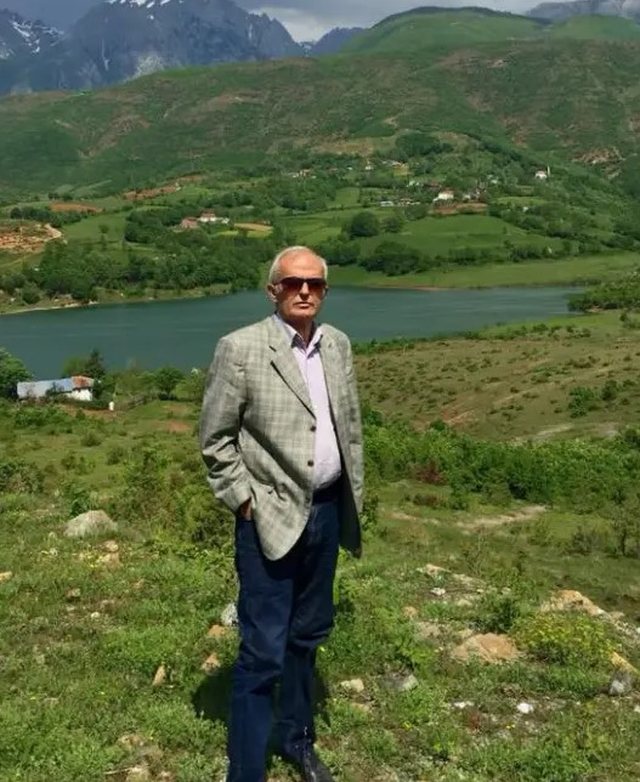
This is why “Two Windows” is not just a poem about a political period. It is a poem about how power tries to become eternal, and how memory challenges this claim.
The artistic power of poetry lies not in the political statement, but in the power of its figures. Hamit Aliaj does not explain; he creates images that continue to think even after the poem ends.
"The morgue lamp", "ghosts", "the path between two windows" are figures where the historical, philosophical and aesthetic dimensions intertwine into a single whole.
One of the most shocking lines of the poem is: "In the morning you are a girl, in the evening you become a grandmother..."
Here time is not presented as the natural flow of life, but as a consuming force. The difficult history of a society can accelerate a person's spiritual aging.
It can take away from the individual not only freedom, but also time, the ability to wait, love and hope. But the philosophical and aesthetic climax of the poem comes in the closing verses: “History vomits in two windows: From the window of the Dictator, to the Prime Minister’s Office!”
This is one of the most daring figures in poetry. History is not presented as a wise teacher, nor as a calm narrative of the past. It vomits. The verb “vomits” brings about a complete aesthetic inversion. It brings poetry closer to the tragic grotesque: history is a body that cannot digest what it has experienced and is forced to bring it back to the surface.
In a philosophical sense, this means that the morally raw past does not disappear. It returns. It demands to be seen. It appears again through the same windows.
Therefore, the movement from the “Dictator’s Window” to the “Prime Minister” is not just a movement in space. It is a question of the continuity of history. It is a warning that changing the forms of power does not always guarantee changing its logic.
In the end, the two windows become more than symbols. They become two ways of seeing history. One is the window of power, which seeks to control time and memory. The other is the window of poetry, which opens the past to be seen, understood, and judged. This is precisely where the artistic greatness of Hamit Aliaj’s poem “Two Windows” lies. It does not just give us a memory of the past; it confronts us with the responsibility of the present./ CNA

In my research at the Central State Archives, specifically...
At a time when industrial products are increasingly taking...
Trust among people is not just a three-syllable word. It c...
Master of humor Todi Llupi has passed away at the age of 7...
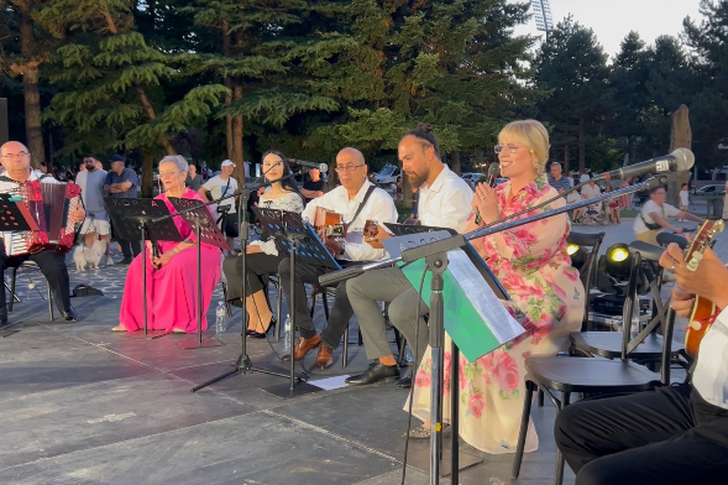
The ninth edition of "MIK Festival" kicked off with one of...
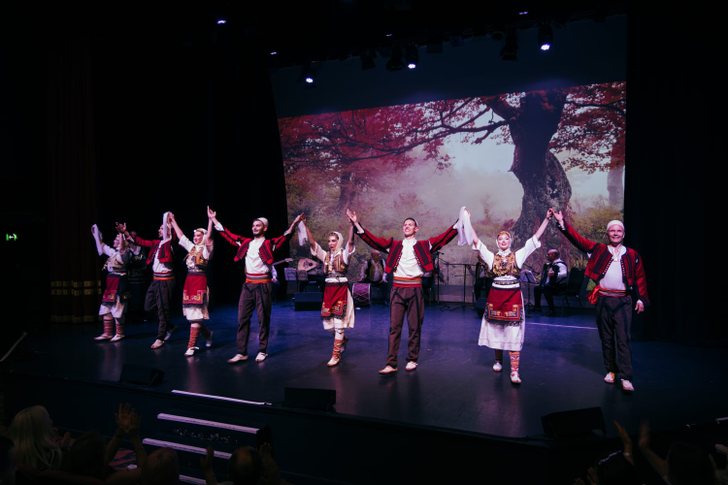
A historic evening for Albanian culture was marked in the ...
When I turned 10, another building was built in front of o...
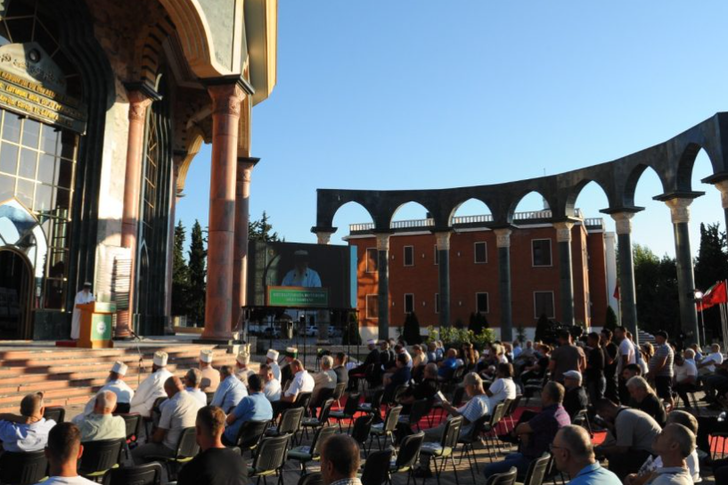
A special scientific conference was held by the World Bekt...
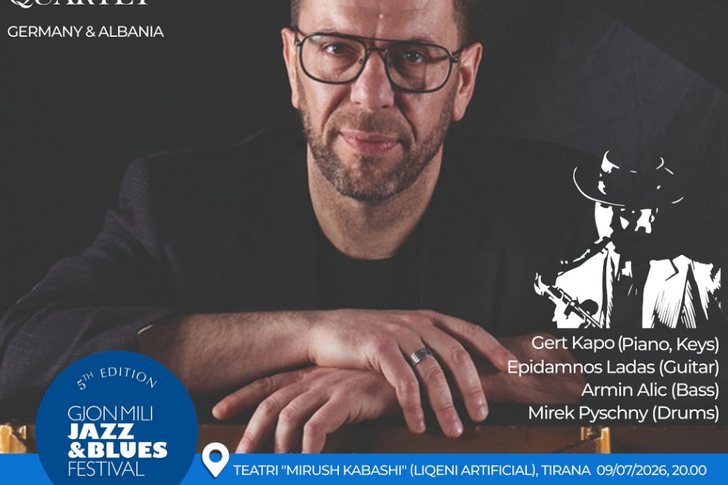
The German Embassy in Tirana has invited the Albanian publ...
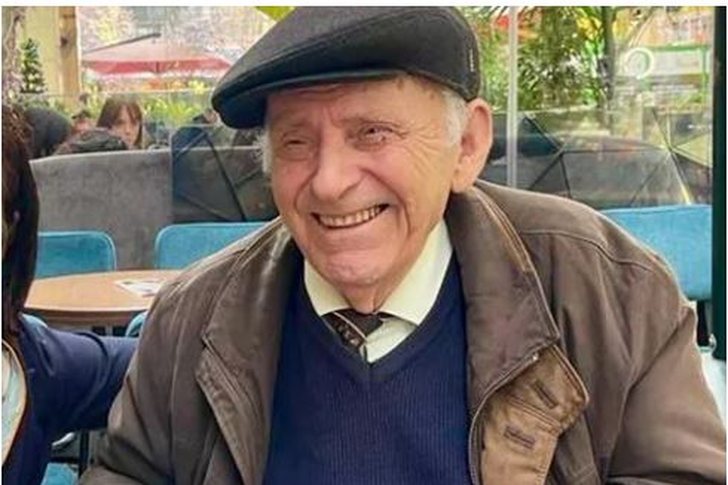
Professor and literature scholar Ali Xhiku has passed away...
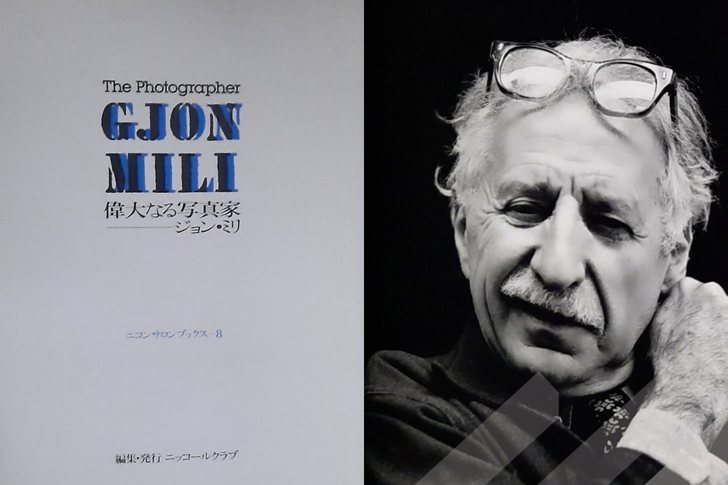
During my research into the life and artistic photographic...
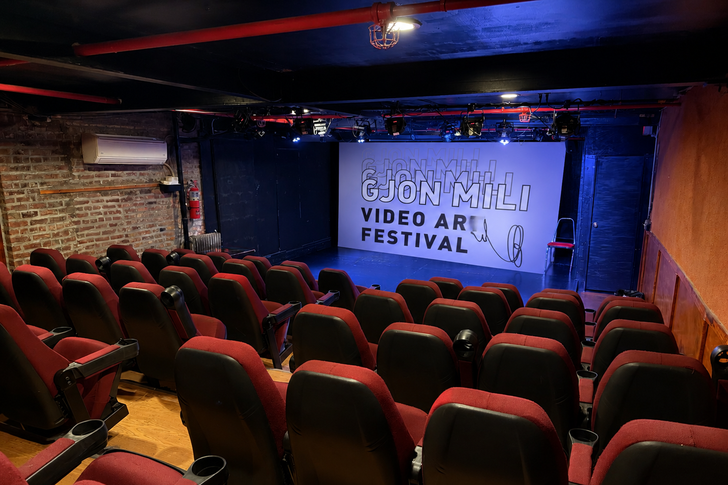
This year's edition of the Gjon Mili International Video A...
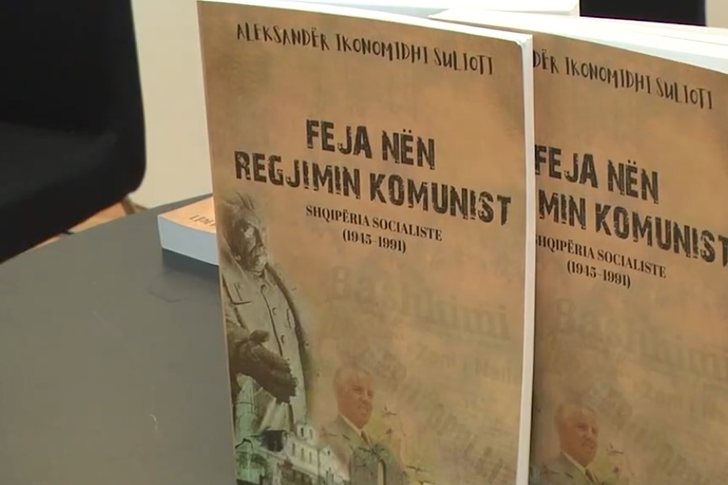
The promotion of the book by author Aleksandër Ikonomidhi ...
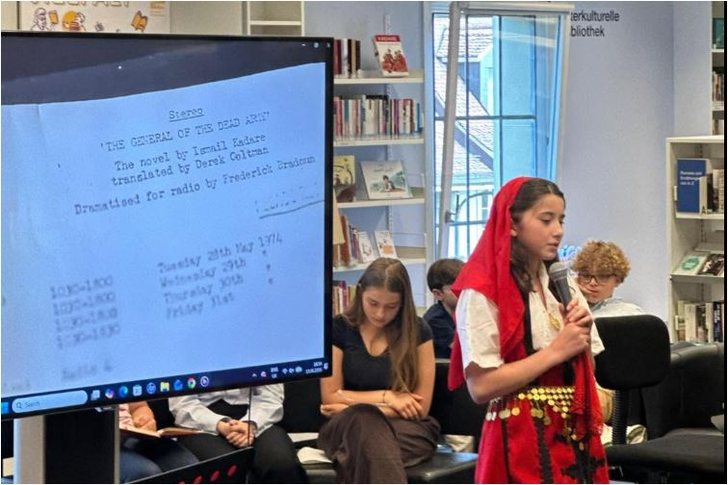
The Albanian Embassy in Switzerland has organized an eveni...
This Wednesday, the prominent actor of Albanian cinema, Gj...
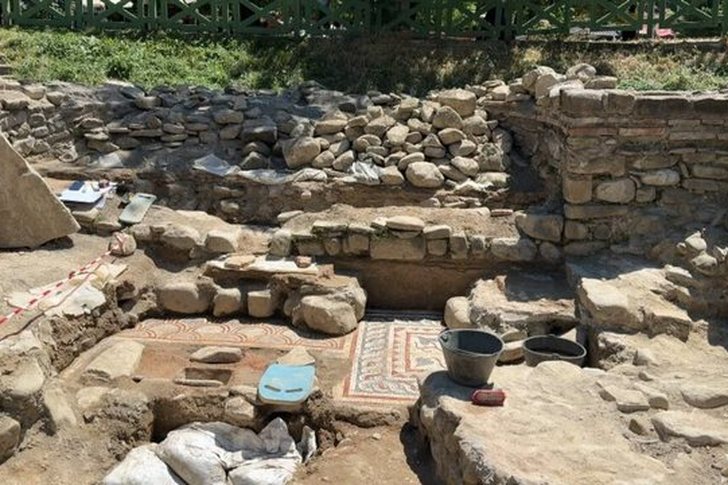
Several archaeological excavations conducted during this s...
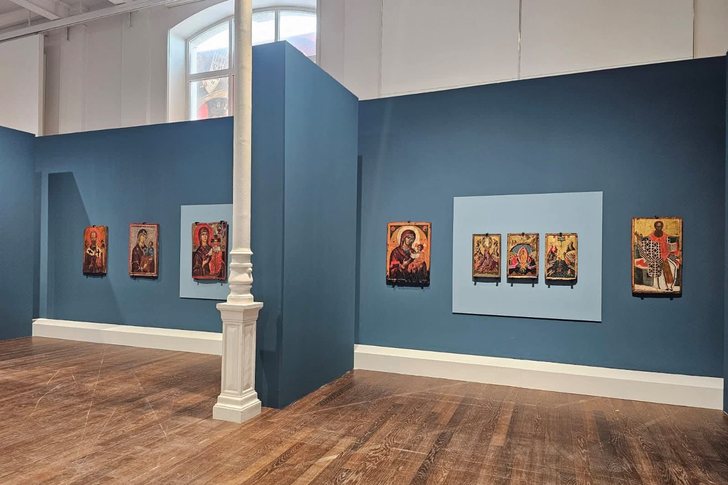
At the Museum of Fine Arts in Chambéry, France, an exhibit...
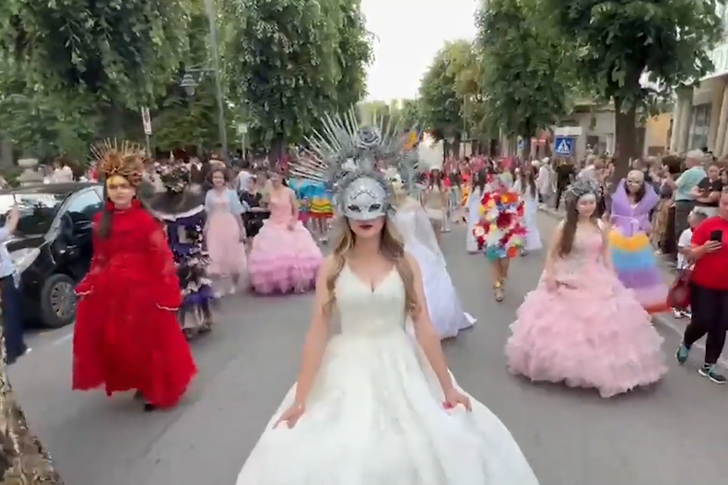
Korça has transformed this weekend into the capital of cel...
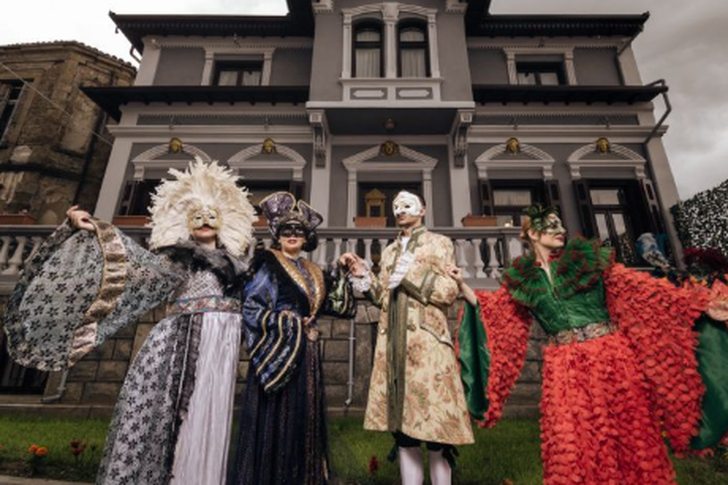
Korça is ready to open the summer season with one of the c...
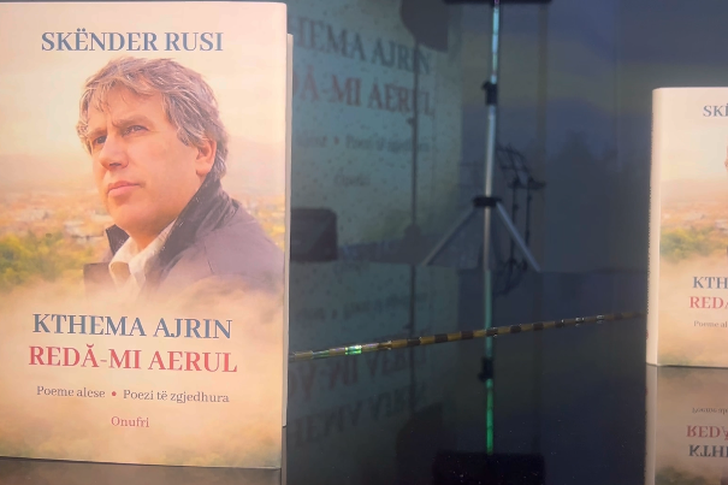
Two years after his passing, the renowned Korçë poet Skënd...
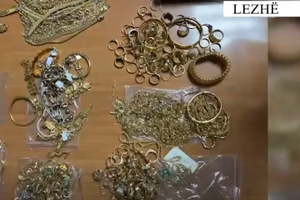
A 39-year-old citizen has been arrested in Lezha, after se...

CNA has launched another investigation that could lead to ...

Irfan Hysenbelliu is a businessman that we call "Irfan the...

In March 2026, CNA launched another investigation centered...

The Special Board of Appeal (KPA) decided this Monday ...

The KPA vetting decided this Thursday to dismiss the p...

Suela Salavaçi, a prosecutor in the Prosecutor's Offic...

The Special Board of Appeal reinstated the prosecutor ...
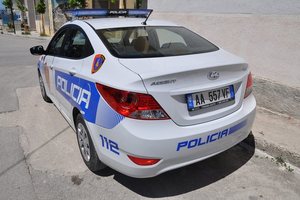
As a result of the investigative and procedural actions ca...
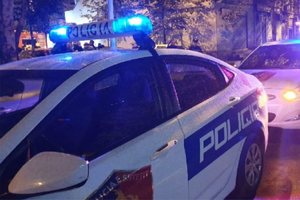
A conflict for weak motives was recorded today in the vill...
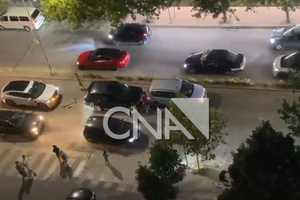
An accident involving three vehicles occurred a few minute...
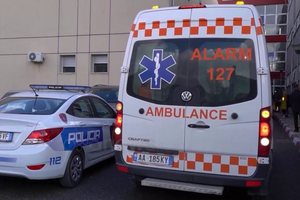
55-year-old Belere Plaka, who was injured today with a sho...

Today, our country will be under the influence of stable a...

By noon, cloudiness is expected to prevail in almost all o...

Children without parental care, for whom alternative famil...
On Thursday, our country will be under the influence of st...

Marine Le Pen is entering the decisive phase of the presid...
Member states of the International Criminal Court voted to...
From the declining role of exports to new public investmen...

South Korea is becoming one of the most sought-after desti...
Two windows, a century of history and the metaphysics of p...
In my research at the Central State Archives, specifically...

At a time when industrial products are increasingly taking...

Trust among people is not just a three-syllable word. It c...

This Saturday, one US dollar is bought for 81.7 lek and so...
War, weather and supply disruptions could send gas prices ...
The number of active enterprises in Albania continued to g...
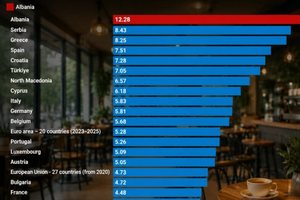
In Albania, the bar-cafe has long become an almost unique ...